The Tongue Set Free
- 288 pages
- 11 hours of reading
The Tongue Set Free is the first volume in Elias Canetti's three-volume autobiography. Translated from the German by Joachim Neugroschel.


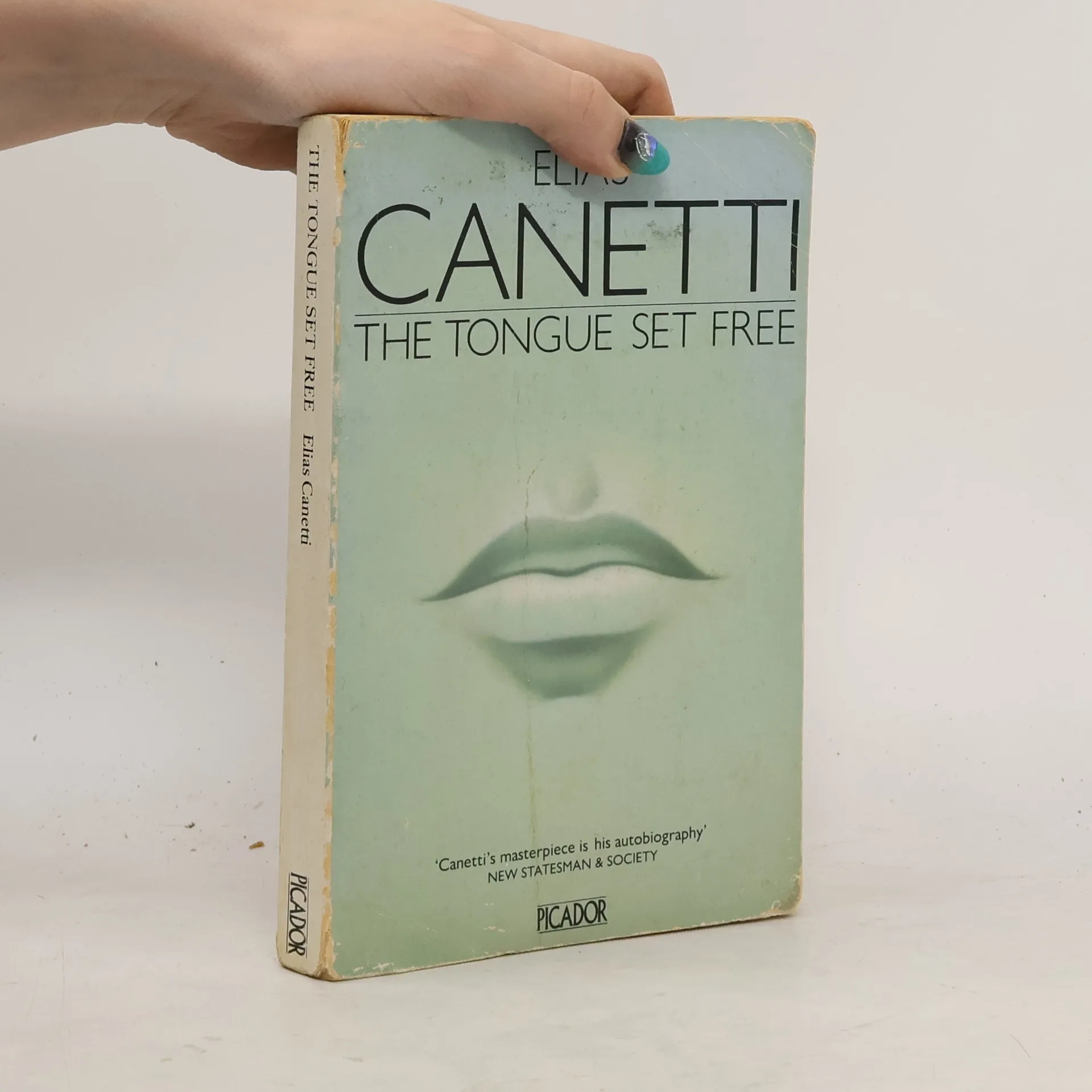
The Tongue Set Free is the first volume in Elias Canetti's three-volume autobiography. Translated from the German by Joachim Neugroschel.
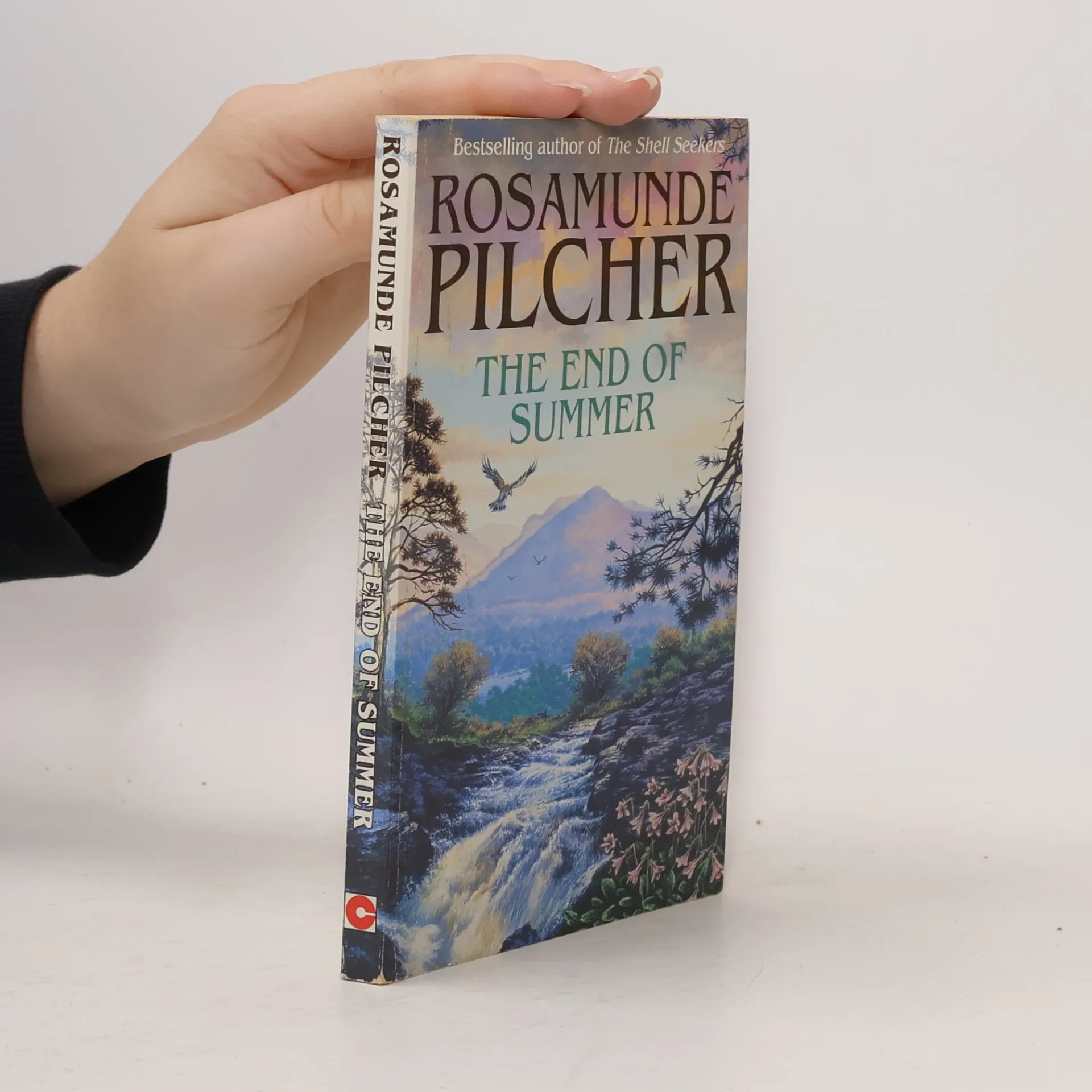
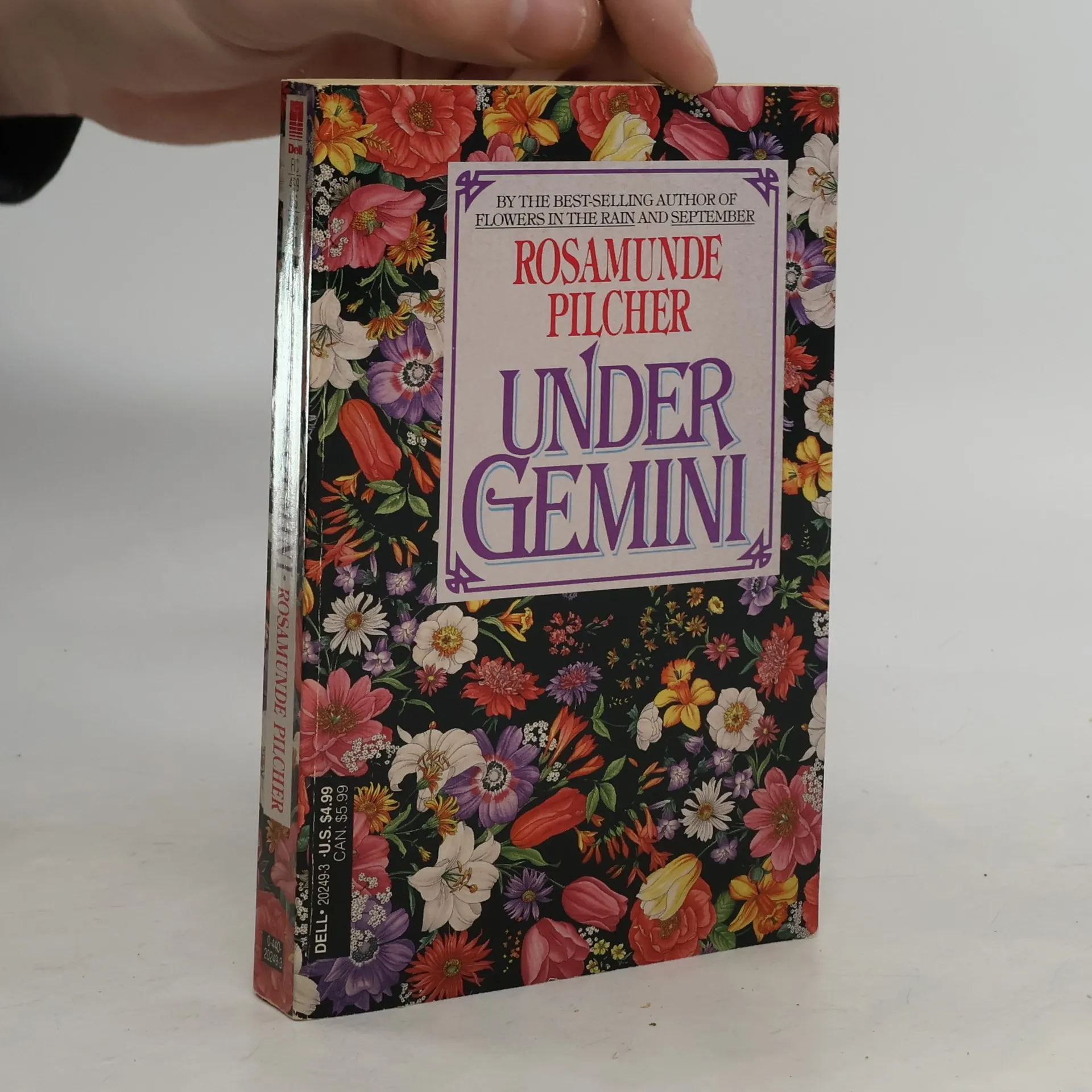
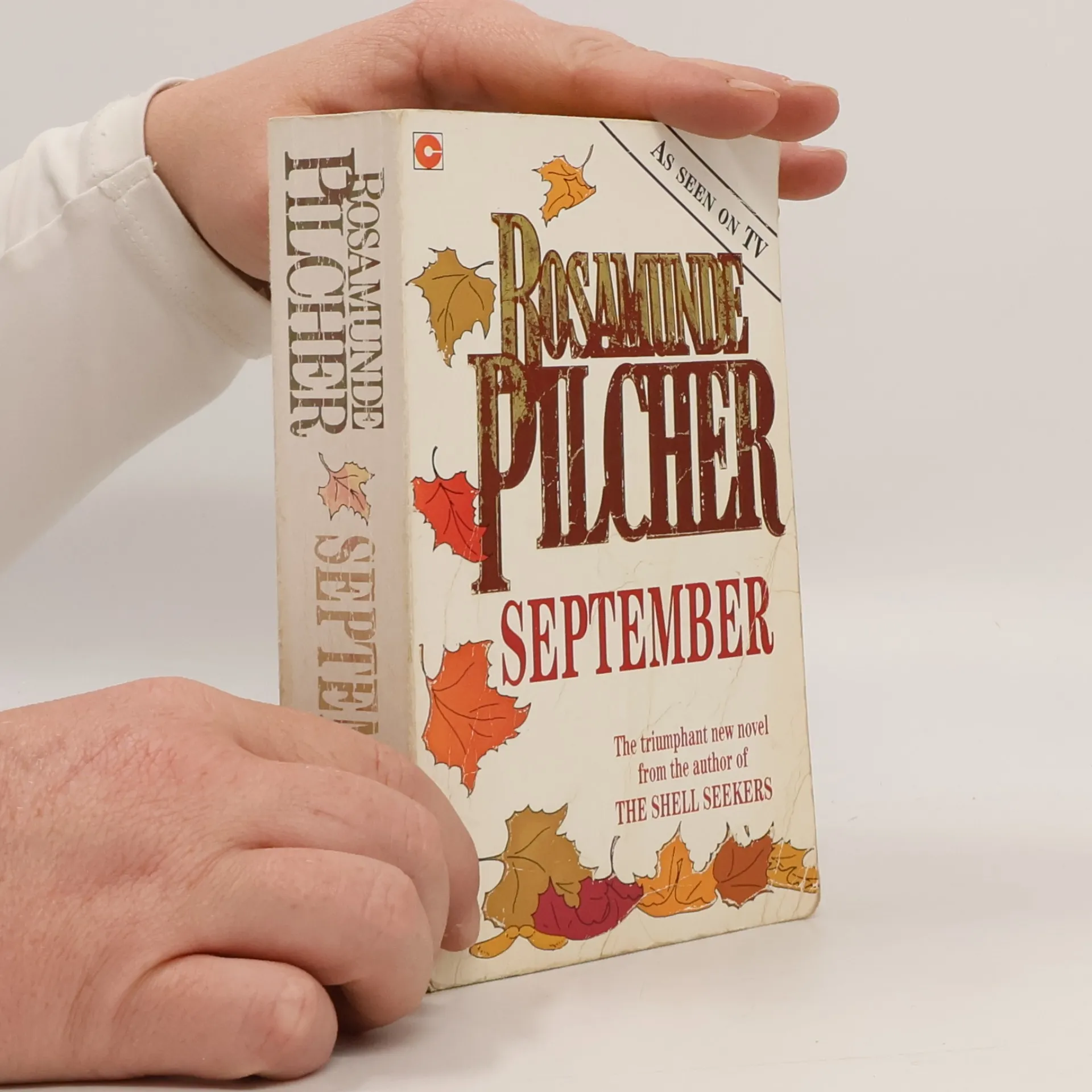
As spring comes to Scotland and the hills burst into life, a dance is planned for September. The invitations summon home the group of people Violet Aird has cared for most in her long life. The oldest, strongest and wisest of them all, she sees Alexa, her vulnerable granddaughter, find love for the first time, while the decision to send her little grandson away to school is driving parents Edmund and Virginia even further apart. Far from them all is Pandora, the glamorous, exciting girl who ran away twenty years before. All will converge on Scotland this September.
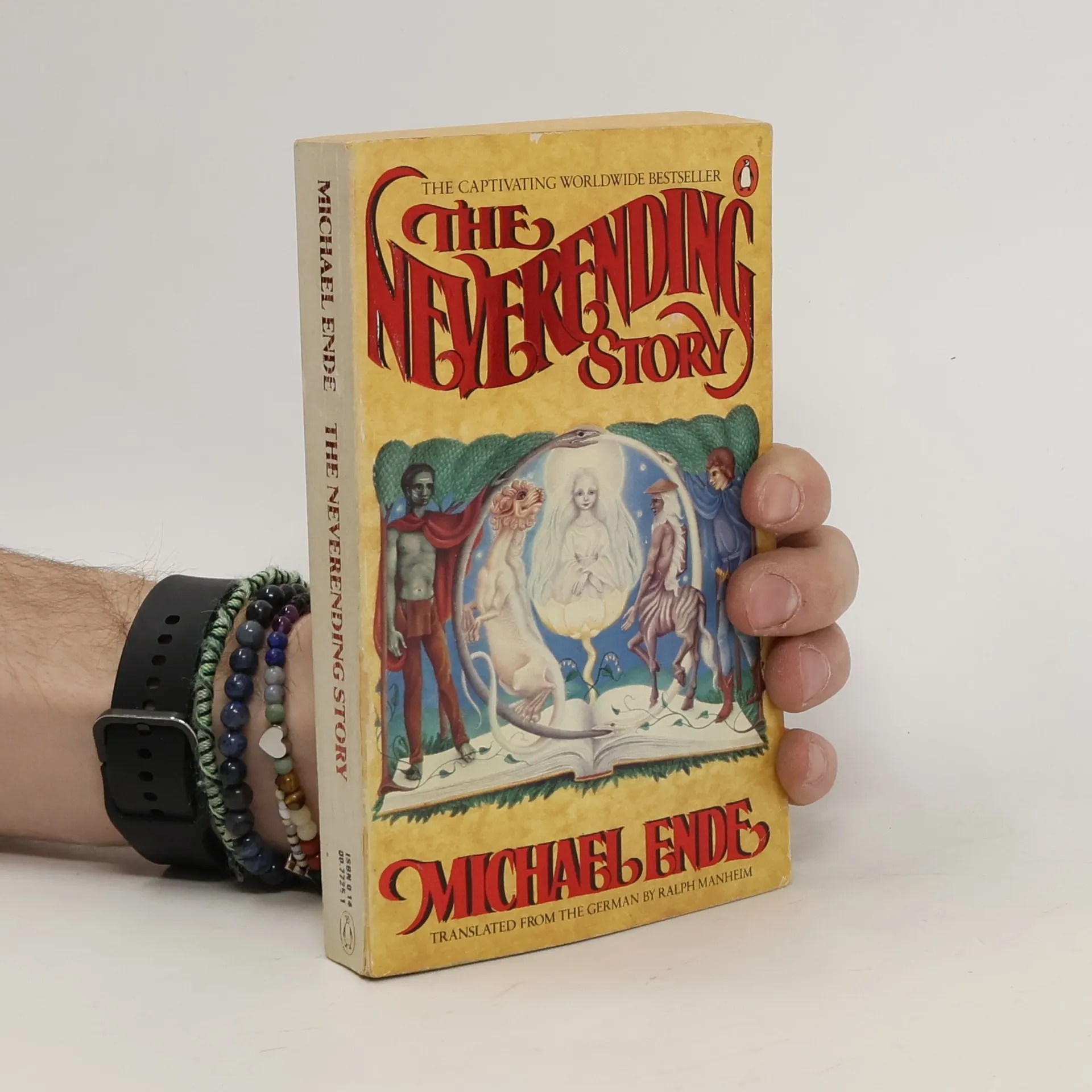
Small, fat Bastian Balthazar Bux is nobody's idea of a hero, least of all his own, until he finds himself stepping through the pages of a mysterious book into the world of Fantastica! Age 9+ 148 pages
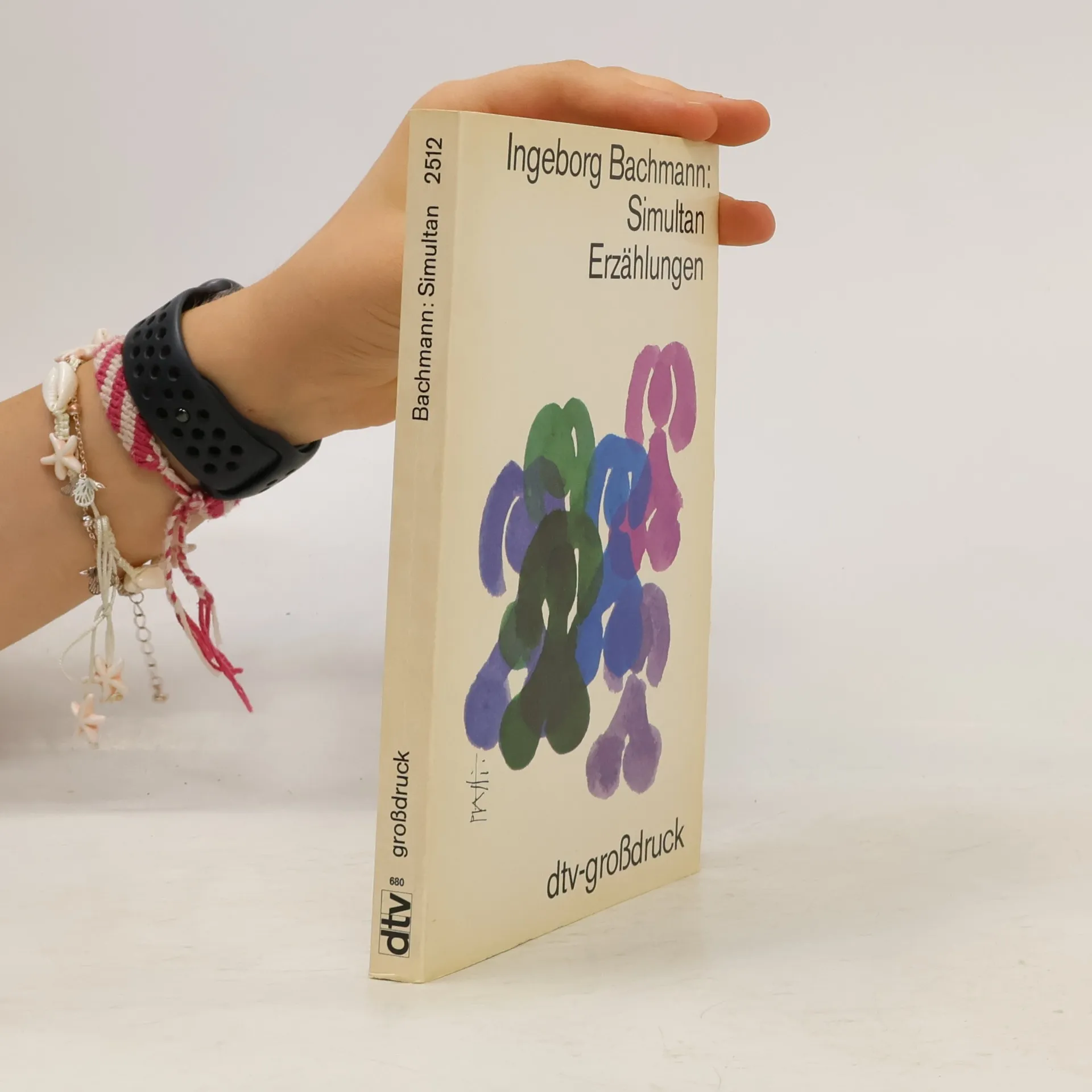
Fünf Geschichten um Frauen, die in einer Welt absurder Gleichzeitigkeiten leben, in einem Nebeneinander von Sprachen, Erfahrungen und Empfindungen. Die Heldin der Titelgeschichte, eine qualifizierte Dolmetscherin, die auf einer Urlaubsreise mit einem Freund erkennen muß, daß beide einander nichts zu sagen haben; das träge junge Mädchen, das seine Tage verschläft oder beim Friseur verbringt; Miranda, die ihre Kurzsichtigkeit als »Geschenk des Himmels« empfindet, um Haß und Häßlichkeit dieser Welt nicht klar sehen zu müssen; die alte Frau Jordan, die von ihrem berühmten Sohn großzügig vergessen wird; die erfolgreiche Fotografin - zu Besuch in der Stadt ihrer Kindheit: sie alle erleben, in naiver Erschütterung oder mit dem Schmerz des Erkennens, jene lange Schrecksekunde, in der sie entdecken, was war, was ist und was hätte sein können. Inhalt: - Simultan - Probleme Probleme - Ihr glücklichen Augen - Das Gebell - Drei Wege zum See
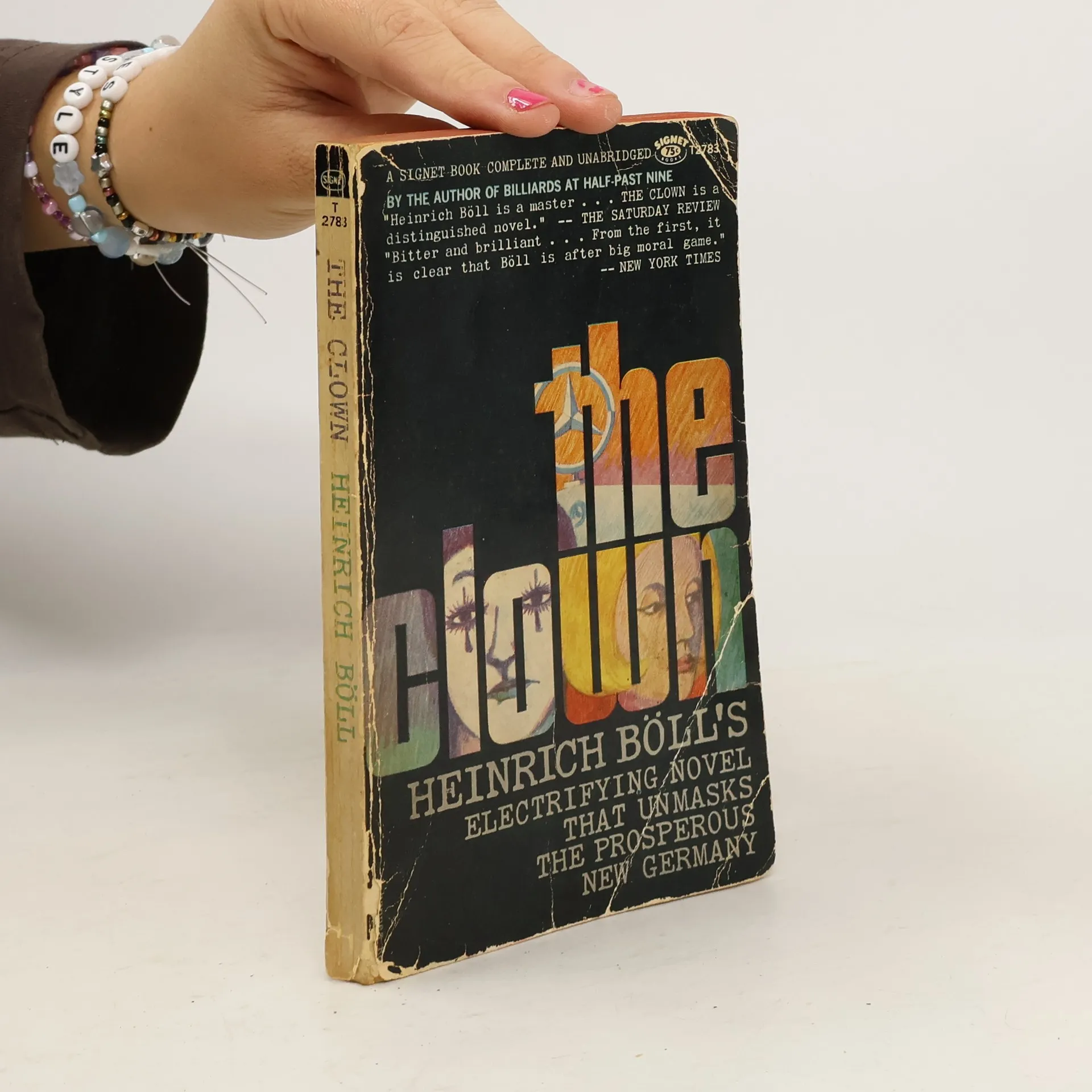
Some authors tell tragic stories with humor, as Heinrich Böll does in his novel "The Clown." This work narrates in the first person the life of Hans Schnier, an apolitical and agnostic young clown who faces a series of adversities: his career collapses, his health and spirits wane, and he finds himself alone in a hotel with few resources and friends. The situation worsens when his wife, Marie, leaves him, prompting him to reflect on his life and the reasons behind their separation. Böll places Schnier in a post-war Germany, marked by rigid social morals and ecclesiastical hypocrisy that he critiques through his protagonist. Throughout the novel, Schnier shares his thoughts, memories, and conversations in search of support, often clashing with euphemistic individuals. Böll, a fervent Catholic and Nobel Prize winner in Literature, portrays the complexity of the clown's existence, showing that behind laughter can lie a life full of suffering. His melancholic, ironic, and raw style invites reflection on the duality between appearance and reality.
It seems like an innocent deception. All Flora has to do is play the part of Rose, her long lost twin, for one weekend and to meet the family of Rose's fiance. But when Flora is introduced to the Armstrong family, she realizes that she has inherited the secret scandal Rose created five years before--and has left wounds that turn the man Flora loves against her. Copyright © Libri GmbH. All rights reserved.
When The Quest for Christa T. was first published in East Germany in 1968, there was an immediate storm: bookshops in East Berlin were given instructions to sell it only to well-known customers professionally involved in literary matters; at the annual meeting of East German Writers Conference, Mrs Wolf's new book was condemmed. Yet the novel has nothing explicitly to do with politics.Praise for The Quest for Christa T.On the surface we merely have the story of a sensitive woman as recalled by her friend. On this level Christa T. was a good citizen who did as she was told and lived a seemingly unexceptional life. But between the lines lies the real story of Christa T. -- the story of an individual crushed by the pressures of uniformity. If you bear in mind it is the first novel of any consequence to emerge from Ulbricht's East Germany, then it becomes something of a literary landmark. - John Barkman, New York PostThe contours of silence and the outline of things articulately left unsaid loom large in the muted brilliance of this novel. - Ernst Pawek, The New York Review of BooksIt is a courageous book that breaks taboos and, as we have come to expect from Christa Wolf, it is infused with an integrity and a deep moral concern. . . - The (London) Times Literary Supplement
Sitting on a California beach at summer's end, Jane Marsh thinks back to her childhood at the estate called Elvie in a remote corner of Scotland. She remembers not only the heather-covered hills and the lonesome loch, but her grandmother . . . and, of course, Sinclair. She has secretly dreamed of marrying rakishly handsome Sinclair and settling at Elvie forever. Then an urgent visit from her grandmother's lawyer becomes the catalyst for her return to Scotland . . . Where waiting for her is passion, not gentle love, and the chilling realisation that she may be ready to wed the wrong man.
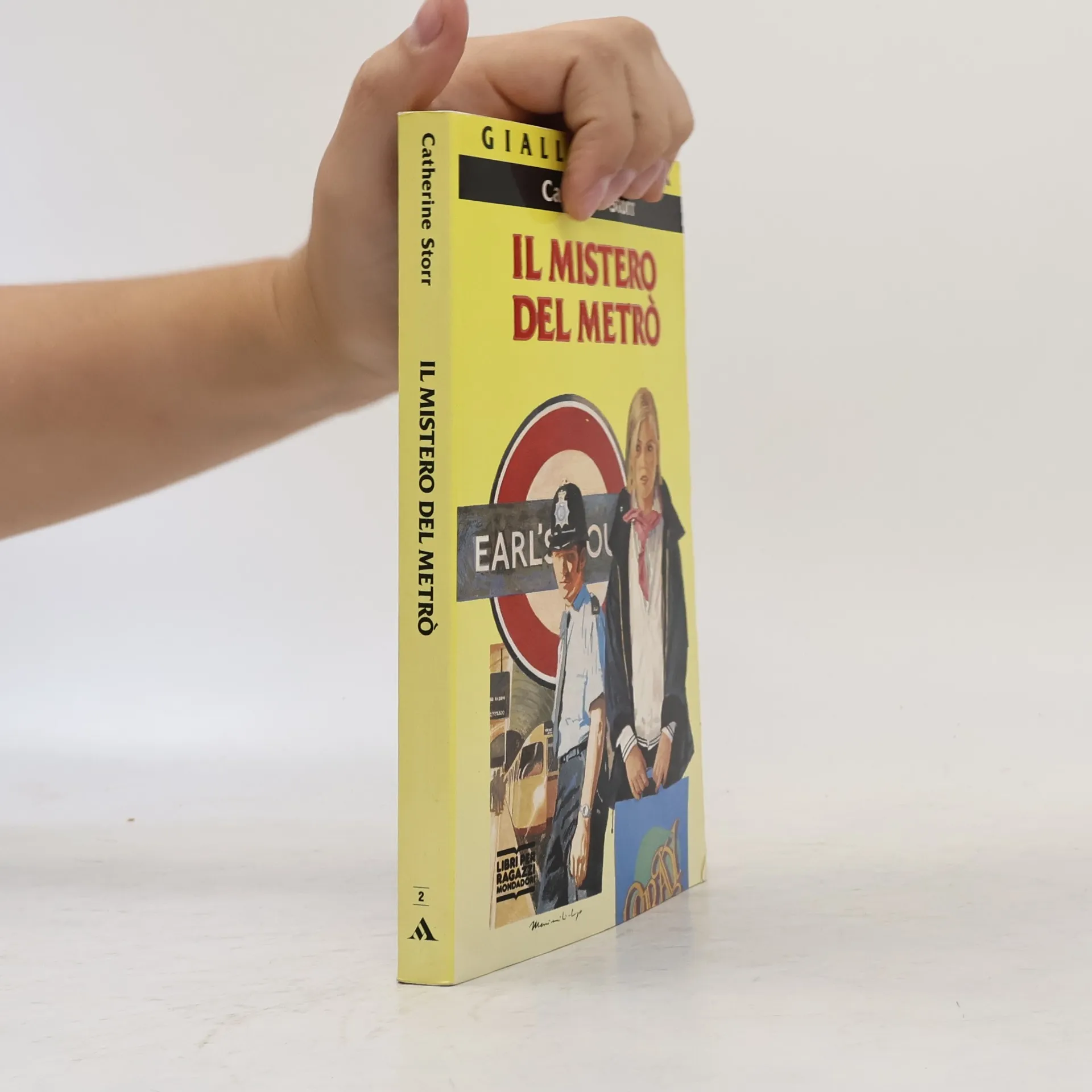
Le lunghe gallerie della metropolitana di Londra sono, per la dodicenne Jess, un immenso luna park: il suo passatempo preferito, infatti, è viaggiare avanti e indietro senza biglietto, all'insaputa di sua madre. Ma sui treni del metrò si possono fare strani incontri e la ragazzina, che ha fatto amicizia con una simpatica sconosciuta, si trova ben presto implicata in una faccenda poco chiara, da cui non sa come uscire. E sarebbero guai, se un cuginetto sveglio e un'amica intraprendente non le dessero una mano...