L'Io e l'Es. Inibizione, Sintomo e Angoscia. Ediz. integrale
- 182 pages
- 7 hours of reading



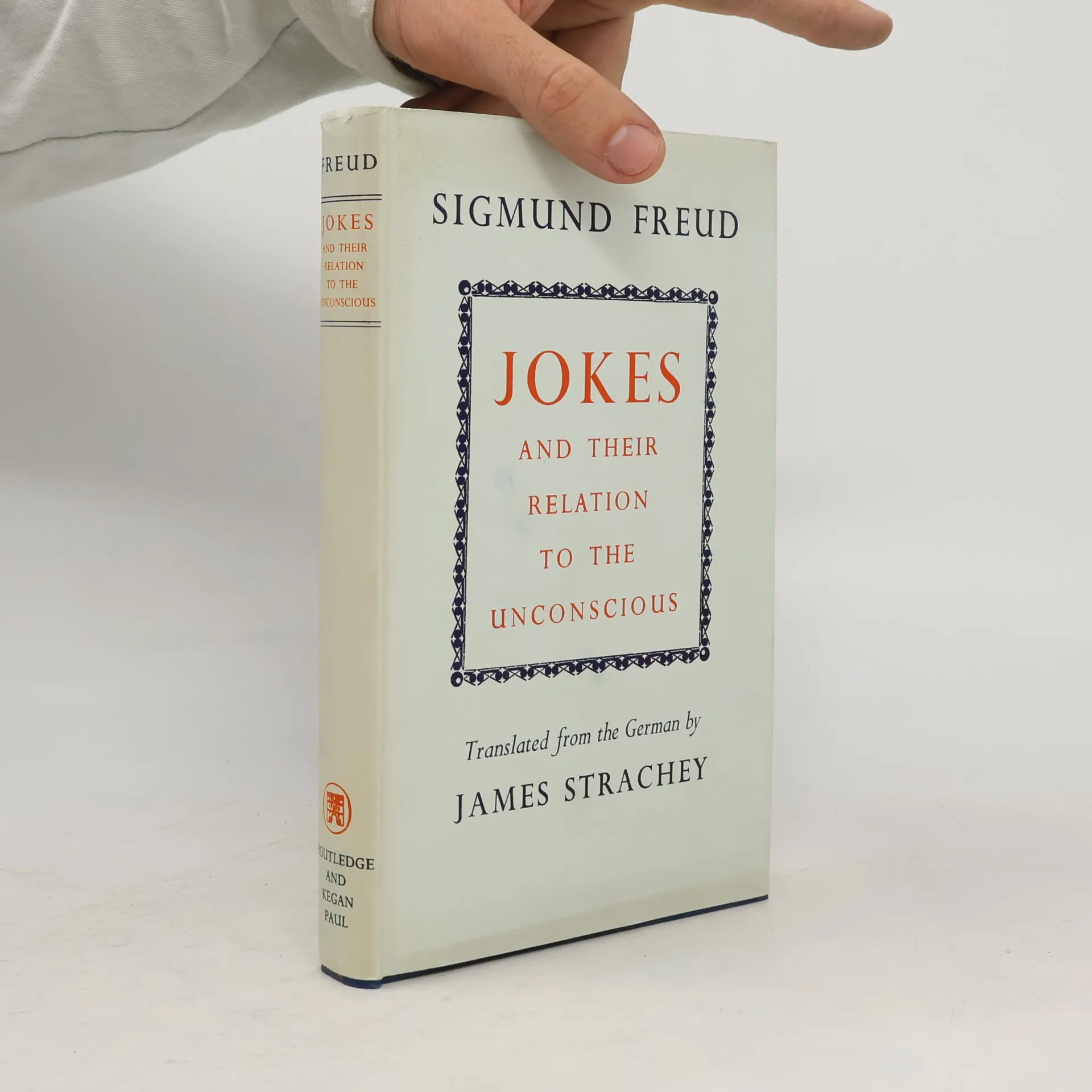

Exploring the psychological impact of humor, this work delves into how jokes relate to the unconscious mind. Originally published in 1905, it reflects Freud's pioneering thoughts, drawing on his extensive studies in various fields. The book not only highlights his groundbreaking contributions to psychology but also showcases the discussions and theories that emerged, shaping a century of psychological inquiry. A new introductory biography adds context to Freud's life and influence in the realm of psychoanalysis.
Freud explores the intersection of religion and psychology, particularly focusing on the origins of Judaism and its relationship with Christianity. He presents a controversial thesis that Moses was actually an Egyptian who introduced his native religion to the Jews. Freud suggests that Moses was murdered in the wilderness, yet his teachings persisted and flourished among the people. This work delves into his broader theory of monotheism, offering insights into the evolution of these faiths and their impact on Jewish identity.
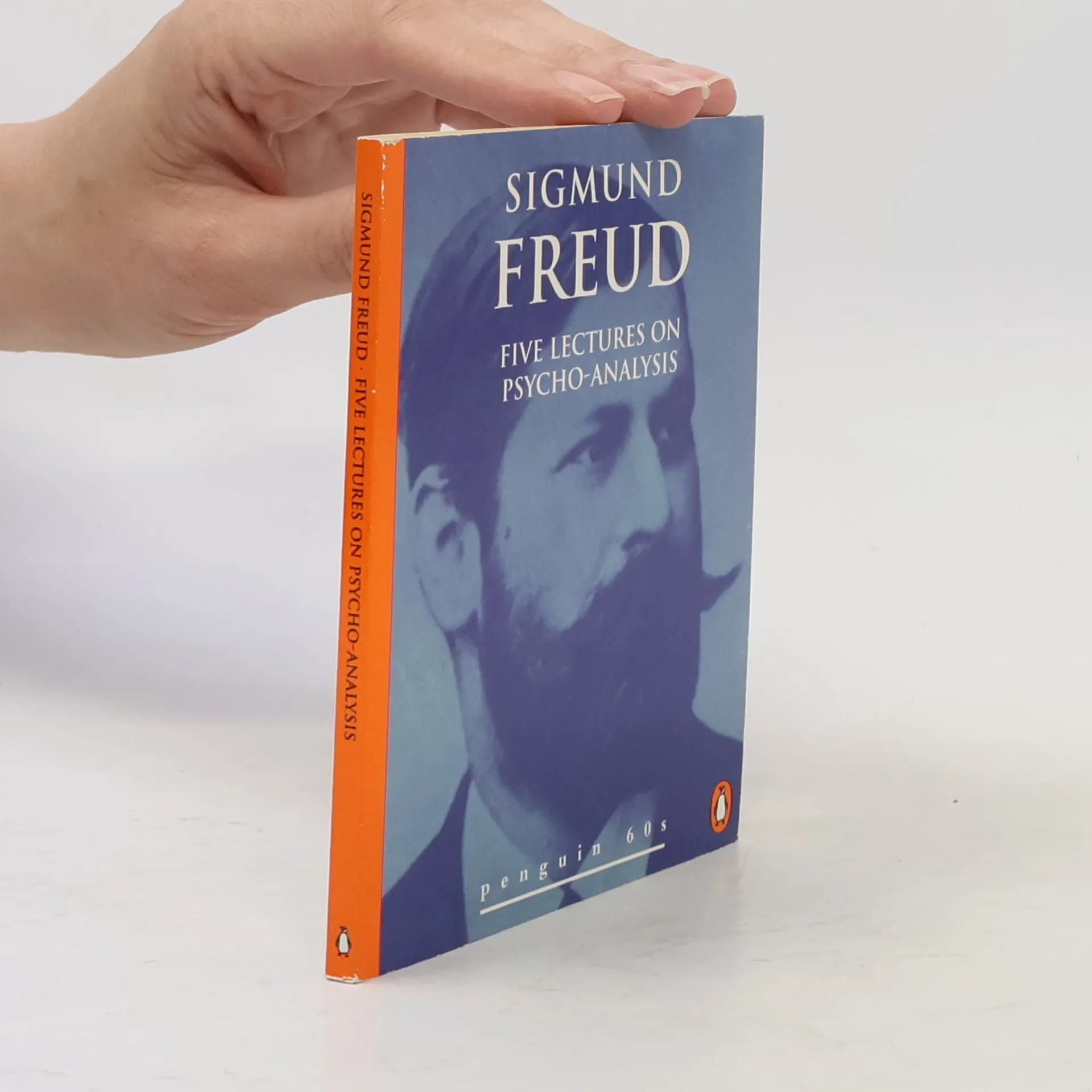
In 1909 Freud delivered five lectures at Clark University in Worcester, Massachusetts. He spoke on the foundations of psychoanalysis, and the lectures were published the following year. Until the far more extensive Introductory Lectures on Psycho-Analysis, Five Lectures on Psycho-Analysis was the authoritative summary of Freud's ideas, and it remains a lucid general introduction.
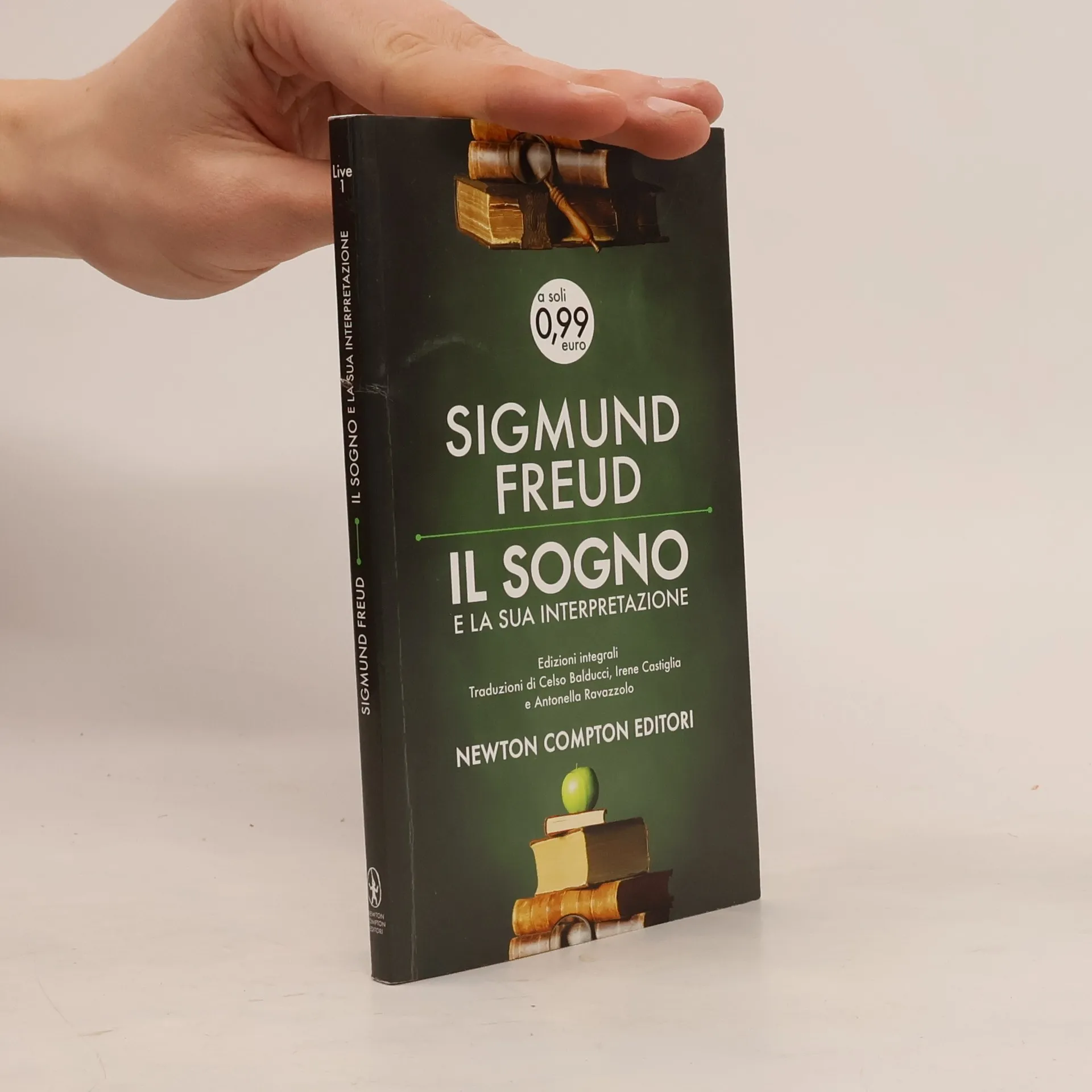
Nel 1901, un anno dopo la pubblicazione de L’interpretazione dei sogni, Freud decise di riadattare le sue teorie sui meccanismi della vita onirica per una fruizione più estesa e indifferenziata: Il sogno fu concepito proprio per divulgare anche tra i non specialisti gli esiti dei suoi studi. Freud rinunciava agli aspetti scientifici più complessi e ai modelli teorici più astratti per adottare un’impostazione semplice e schematica. Grazie a un linguaggio chiaro ed esaustivo riuscì a creare un’opera agile, immediata, adatta a tutti. Completano il volume i saggi L’impiego dell’interpretazione dei sogni in psicoanalisi (1911), Sogno e telepatia (1922), Osservazioni sulla teoria e pratica dell’interpretazione dei sogni (1923).