Zone 3
Fragments for a History of the Human Body, Part 1
The history of the human body is not so much the history of its representations as it is the narrative of its modes of construction.




Fragments for a History of the Human Body, Part 1
The history of the human body is not so much the history of its representations as it is the narrative of its modes of construction.
The forty-eight essays and photographic dossiers in these three volumes examine the history of the human body as a field where life and thought intersect. They show how different cultures at different times have entwined physical capacities and mental mechanisms in order to construct a body adapted to moral ideas or social circumstances ― the body of a charismatic citizen or a visionary monk, a mirror image of the world or a reflection of the spirit.Each volume emphasizes a particular perspective. Part 1 explores the human body’s relationship to the divine, to the bestial, and to the machines that imitate or simulate it. Part 2 covers the junctures between the body’s “outside” and “inside” by studying the manifestations ― or production ― of the soul and the expression of the emotions and, on another level, by examining the speculations inspired by cenesthesia, pain, and death. Part 3 brings into play the classical opposition between organ and function by showing how organs or bodily substances can be used to justify or challenge the way human societies function and, conversely, how political and social functions tend to make the bodies of the persons filling them the organs of a larger body
The forty-eight essays and photographic dossiers in these three volumes explore the history of the human body as a site where life and thought converge. They illustrate how various cultures have intertwined physical abilities and mental processes to shape bodies that align with moral beliefs or social contexts—be it the body of a charismatic leader, a visionary monk, or a representation of the world or spirit. Each volume presents a distinct perspective. The first part examines the relationship between the human body and the divine, the animalistic, and machines that mimic it. The second part investigates the boundaries between the body's exterior and interior, focusing on the manifestations of the soul, emotional expression, and the reflections on cenesthesia, pain, and death. The third part addresses the classical dichotomy of organ and function, revealing how bodily organs or substances can justify or contest societal structures, while also showing how political and social roles transform individuals into components of a larger social body or the universe. Notable contributors include Mark Elvin, Catherine Gallagher, Françoise Héritier-Augé, Julia Kristeva, and others, enriching the discourse on the human body across cultures and epochs.
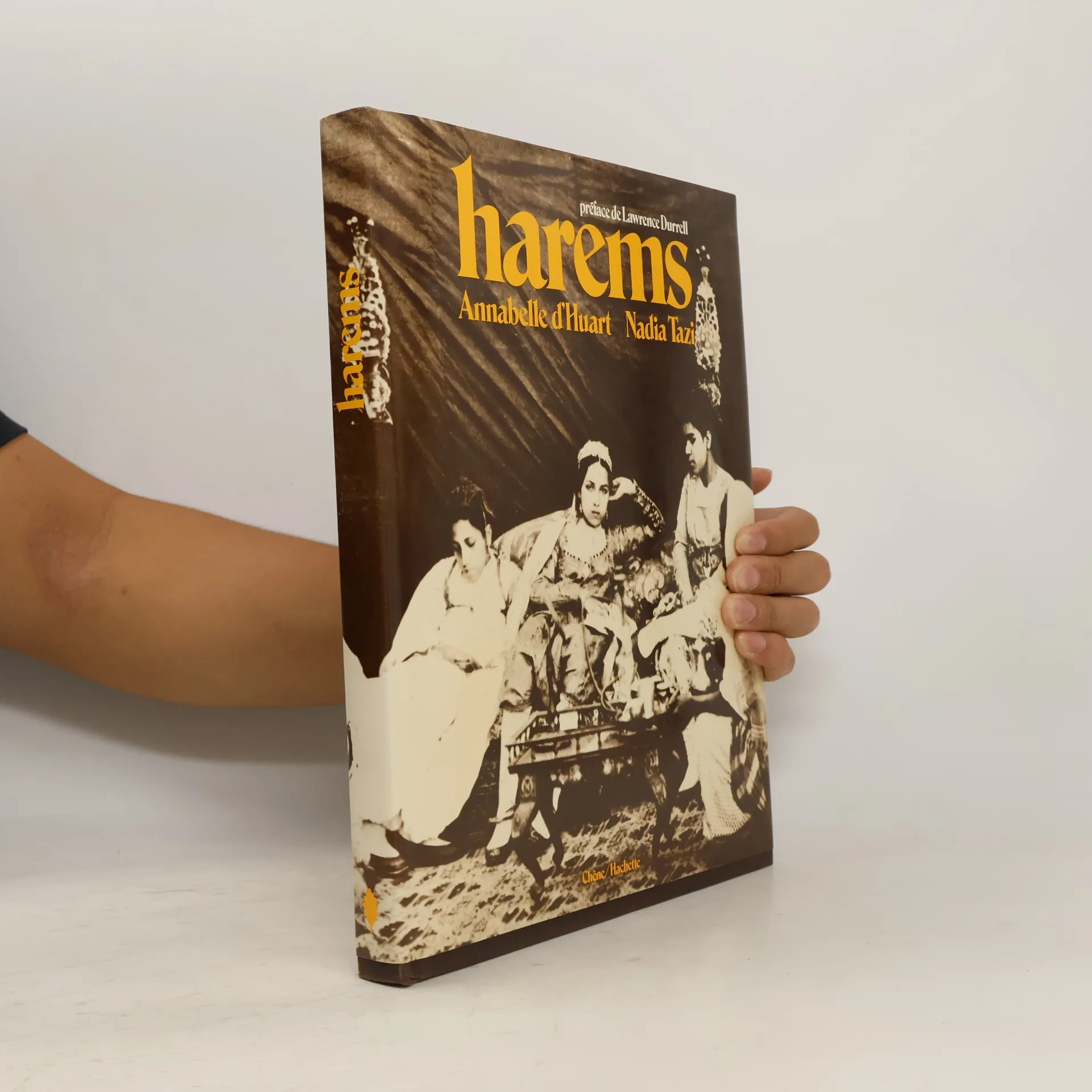
Harems french
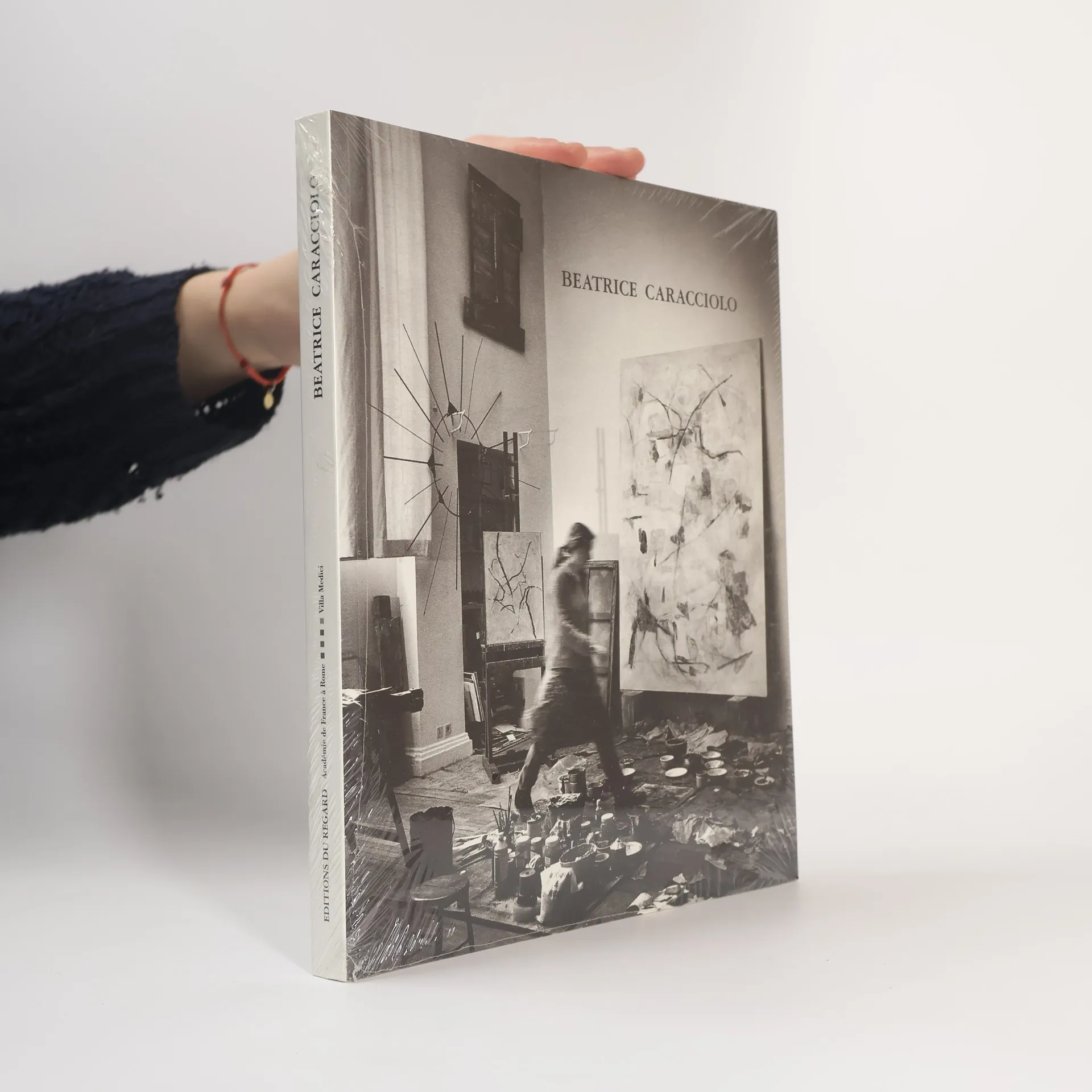
En quarante ans de carrière, il m’a souvent été donné l’occasion de soutenir des expositions, mais jamais je n’avais su trouver autant de liens qui peuvent unir un artiste et un lieu à notre maison. Des origines italiennes à sa vie parisienne, l’artiste est comme Zilli, bercé entre deux cultures qui ont façonné l’histoire de l’art. Du passé glorieux des Médicis, Lyon en a gardé une trace indéfectible, par le mariage de Henri IV à Marie de Médicis ; Lyon, berceau de Zilli. Je suis très fier d’apporter mon soutien à la rétrospective des étapes essentielles de la carrière de Beatrice Caraccciolo, et c’est aussi un hommage que je rends aux femmes italiennes qui ont guidé mes pas, ma mère et mon épouse Roberta.