The Long-Form Math Textbook Series: Math History
A Long-Form Mathematics Textbook
- 714 pages
- 25 hours of reading


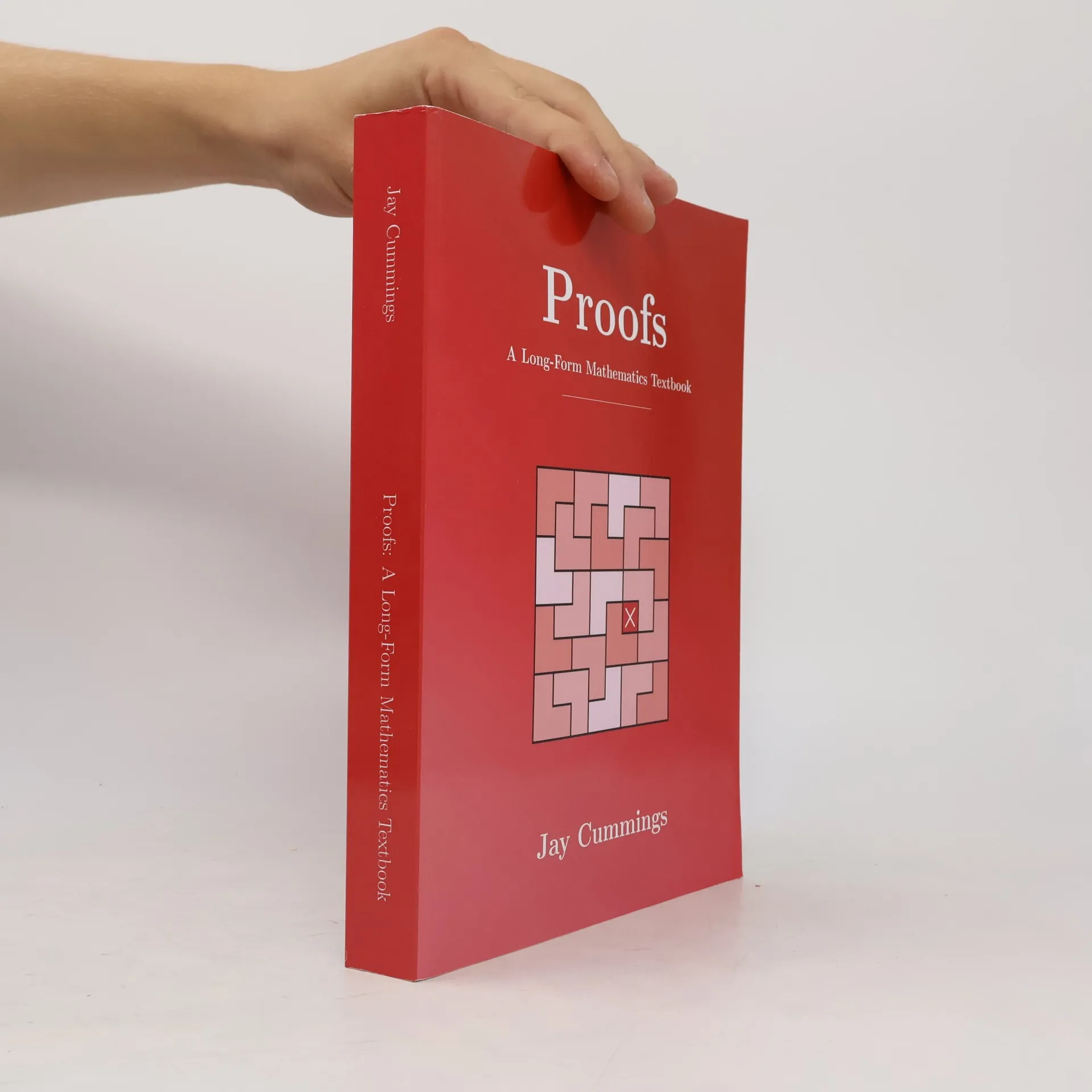
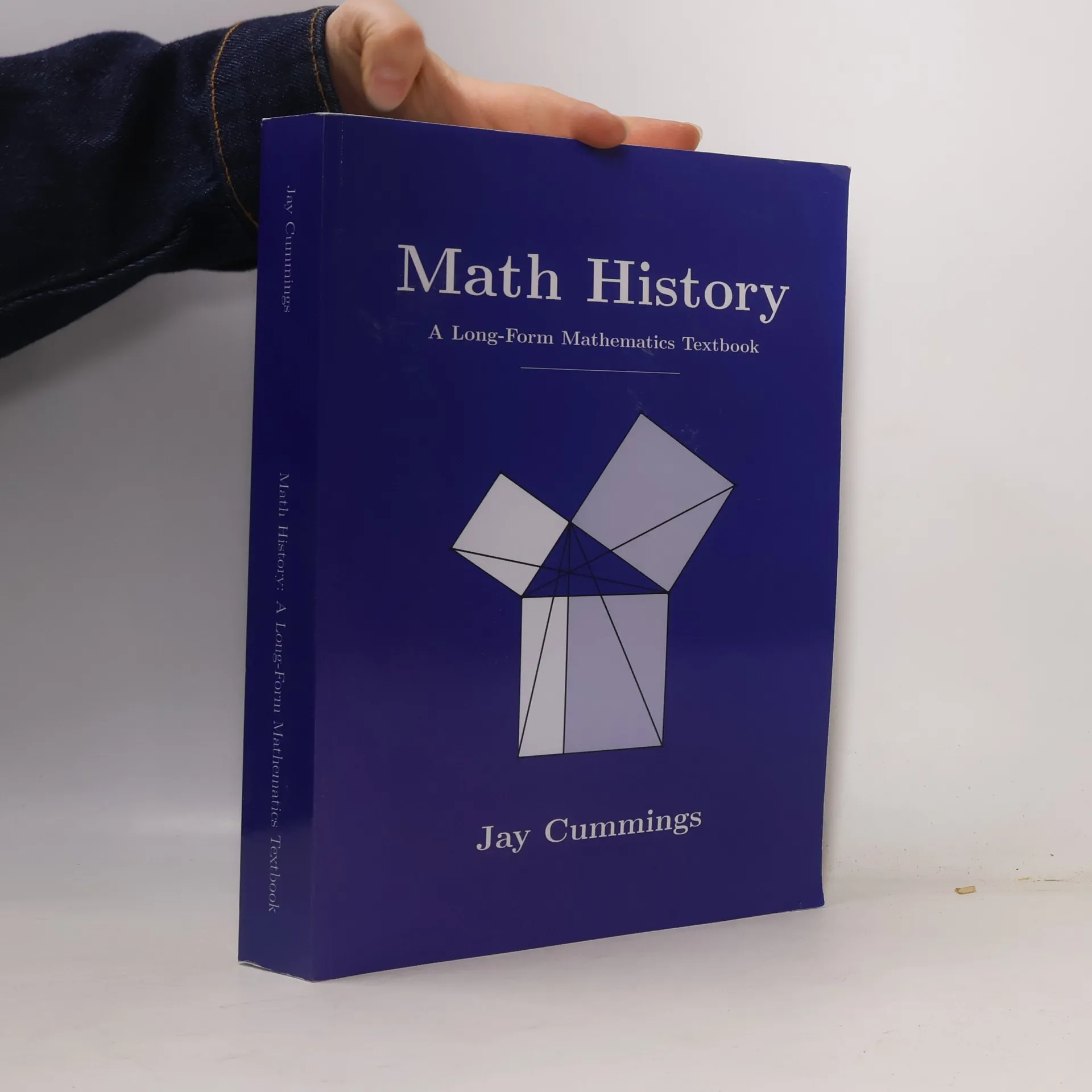
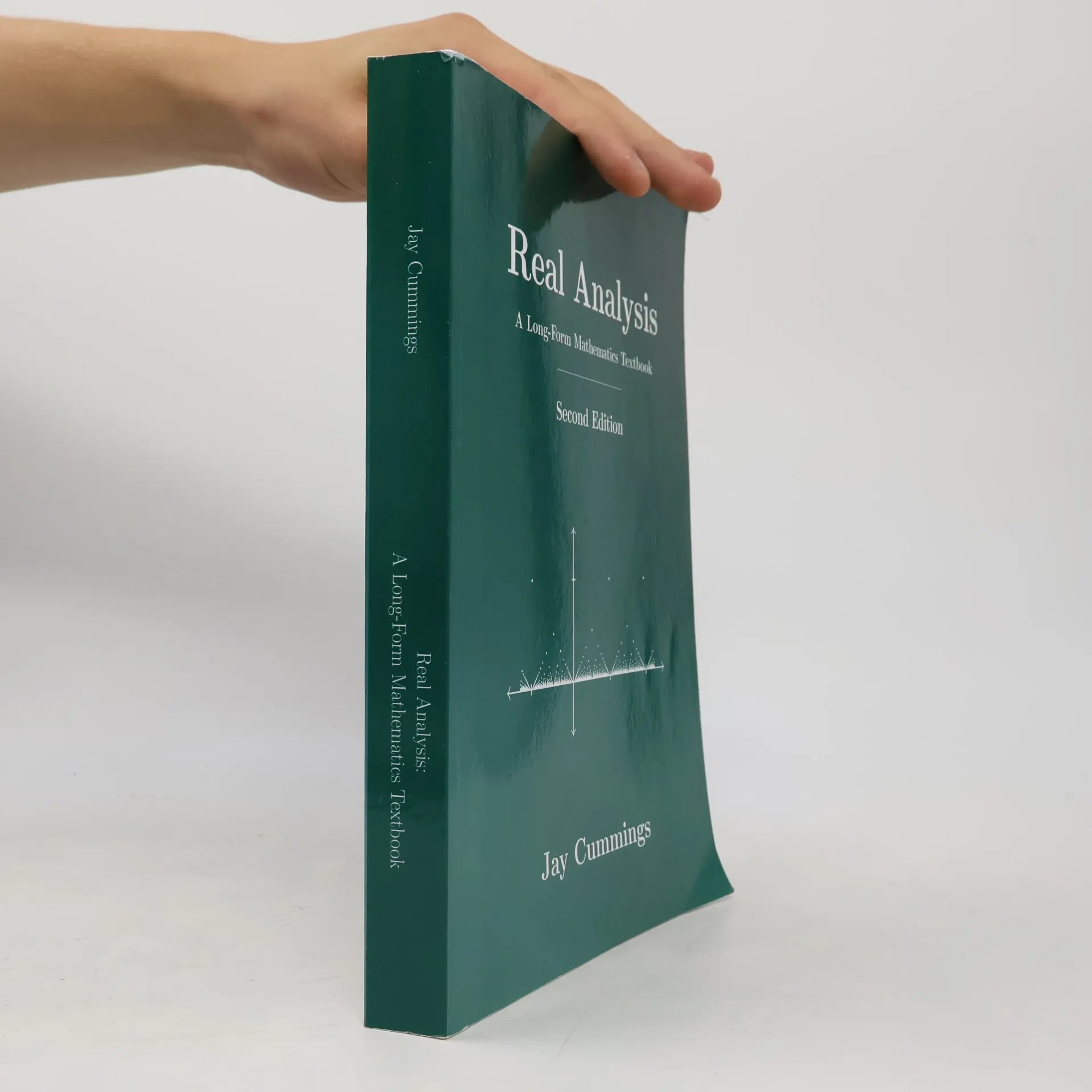
A Long-Form Mathematics Textbook
A Long-Form Mathematics Textbook
This textbook is tailored for students, moving beyond the typical definition-theorem-proof format to include extensive commentary, motivation, and explanations. The proofs prioritize understanding over brevity, with many preceded by "scratch work" or sketches to provide a broader perspective and guide students in developing their own proofs. Key topics include intuitive proofs, direct proofs, sets, induction, logic, the contrapositive, contradiction, functions, and relations, all supported by over 200 illustrations. The writing style is relaxed and conversational, featuring moments of humor. Additionally, the text serves as an introduction to higher mathematics, with selected examples and theorems that lead into various mathematical areas, such as Ramsey theory, number theory, topology, sequences, real analysis, big data, game theory, cardinality, and group theory. Each chapter concludes with "pro-tips" that offer insights on the material, study strategies, historical context, and aspects of mathematical culture. Following the exercises, readers will find introductions to unsolved problems in mathematics. The appendices cover further proof methods, showcase particularly beautiful proofs, and provide writing advice.
A Long-Form Mathematics Textbook - Second Edition
This textbook is designed for students. Rather than the typical definition-theorem-proof-repeat style, this text includes much more commentary, motivation and explanation. The proofs are not terse, and aim for understanding over economy. Furthermore, dozens of proofs are preceded by "scratch work" or a proof sketch to give students a big-picture view and an explanation of how they would come up with it on their own. Examples often drive the narrative and challenge the intuition of the reader. The text also aims to make the ideas visible, and contains over 100 illustrations. The writing is relaxed and includes periodic historical notes, poor attempts at humor, and occasional diversions into other interesting areas of mathematics.The text covers the real numbers, cardinality, sequences, series, the topology of the reals, continuity, differentiation, integration, and sequences and series of functions. Each chapter ends with exercises, and nearly all include some open questions. The first appendix contains a construction the reals, and the second is a collection of additional peculiar and pathological examples from analysis.The author believes most textbooks are extremely overpriced and endeavors to help change this.