

Explore the latest books of this year!
Bookbot

David Paradela López

    La filosofía pasado el mañana
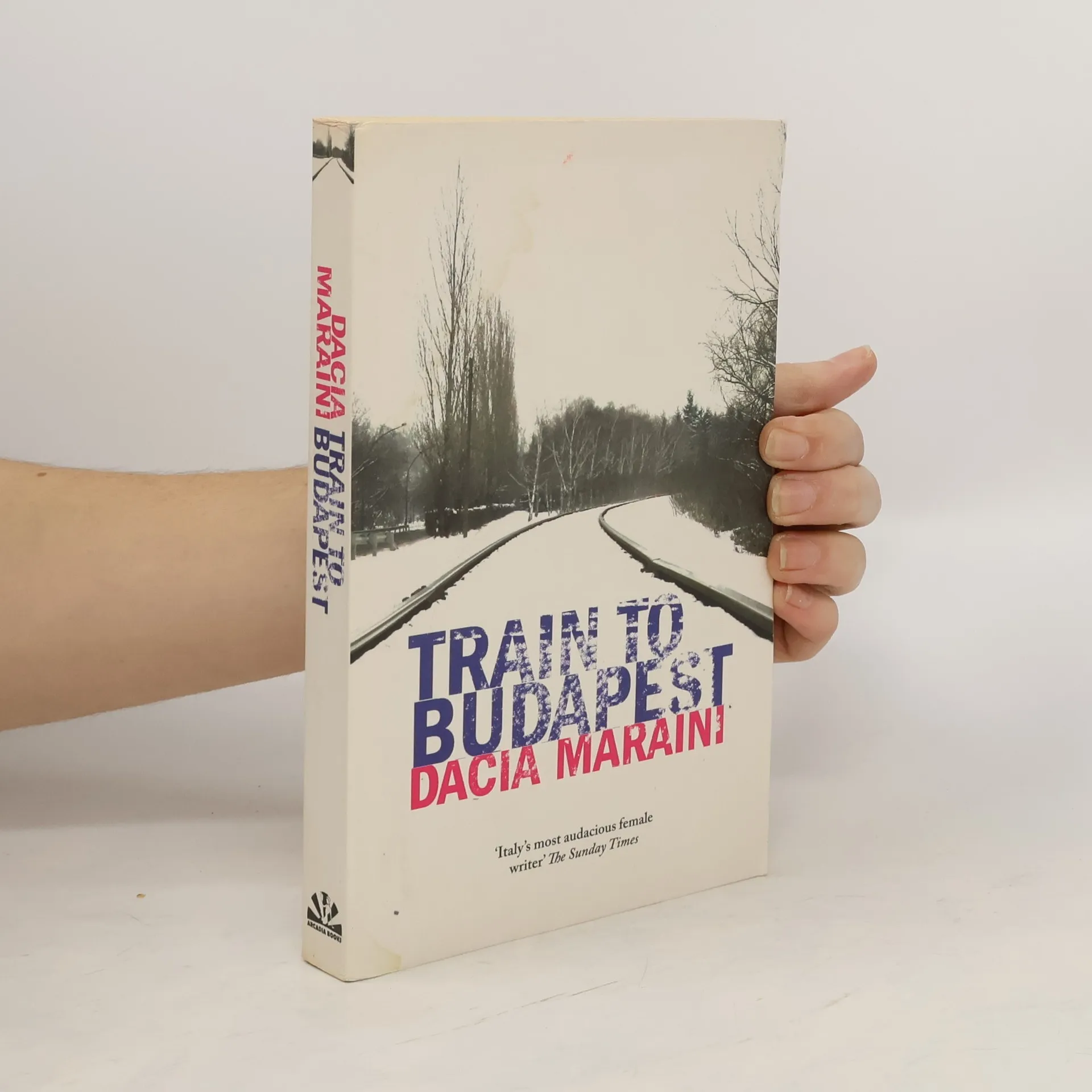
    Train to Budapest
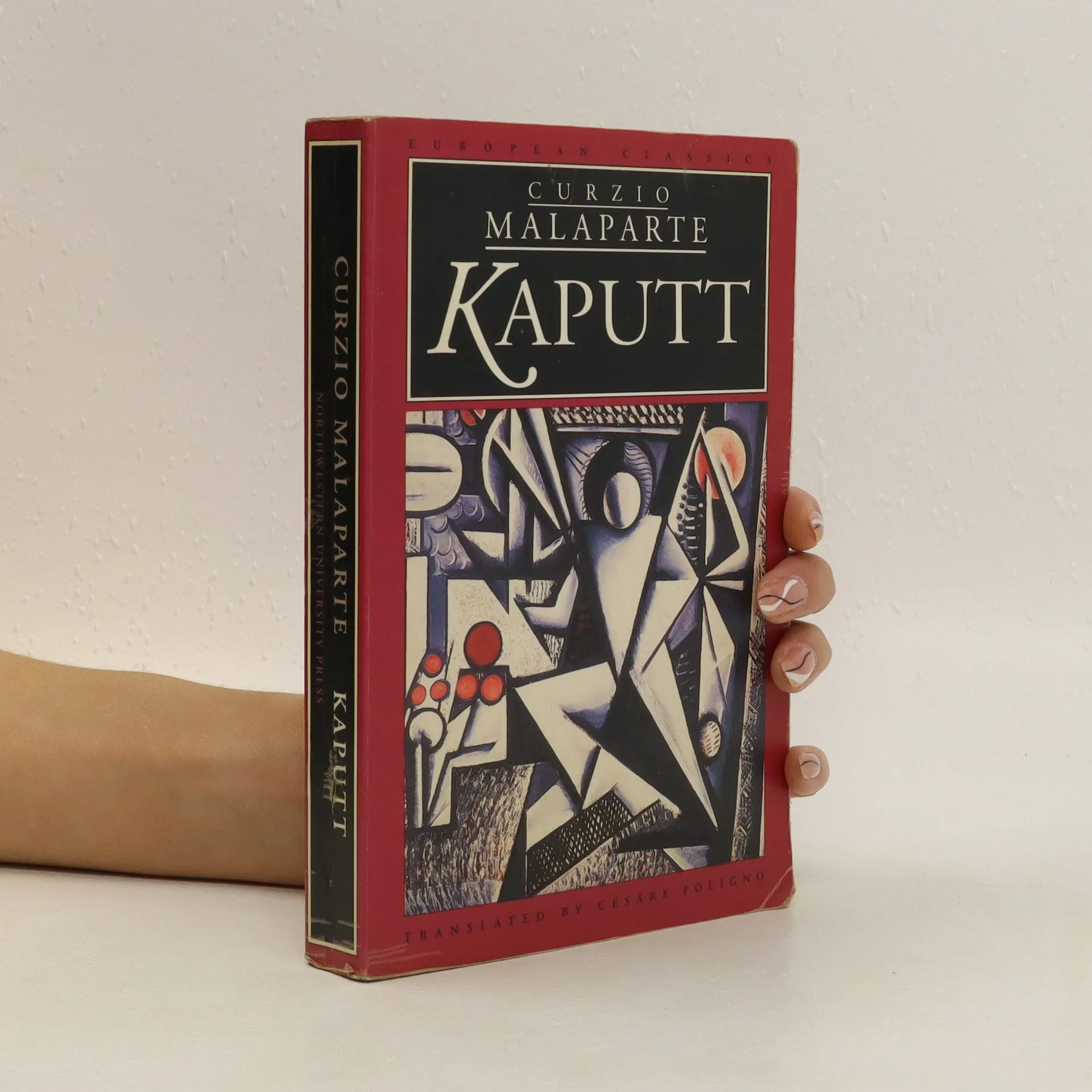
    Kaputt
    • Kaputt

      • 407 pages
      • 15 hours of reading

      Curzio Malaparte was a disaffected supporter of Mussolini with a taste for danger and high living. Sent by an Italian paper during World War II to cover the fighting on the Eastern Front, Malaparte secretly wrote this terrifying report from the abyss, which became an international bestseller when it was published after the war. Telling of the siege of Leningrad, of glittering dinner parties with Nazi leaders, and of trains disgorging bodies in war-devastated Romania, Malaparte paints a picture of humanity at its most depraved. Kaputt is an insider's dispatch from the world of the enemy that is as hypnotically fascinating as it is disturbing.

      Kaputt
      4.2
    • Train to Budapest

      • 342 pages
      • 12 hours of reading

      1956: Amara, a young Italian journalist, is sent to report on the growing political divide between East and West in post-war central Europe. She also has a more personal mission: to find out what happened to Emanuele, her childhood friend and soulmate from pre-war Florence. Emanuele and his family were Jews transported by the Nazis from wartime Vienna. So she visits the Holocaust museum at Auschwitz, and Budapest, where she is caught up in the tumultuous events of the October rising against the Soviet Union. Along the way she meets many other survivors, each with their own story to tell. But did Emanuele survive the war or, like so many other Viennese Jews, did he die in Auschwitz or a ghetto in Poland?

      Train to Budapest
      4.0
    • La filosofía pasado el mañana

      • 432 pages
      • 16 hours of reading

      La filosofía pasado el mañana fue elegido libro del año por el Times Literary Supplement con ocasión de su publicación en 2005: «La filosofía pasado el mañana no decepciona. ¿Quién sino Cavell, con su tono seductoramente conversacional, podría empezar un ensayo con El nacimiento de la tragedia de Nietzsche y acabarlo con un análisis de Fred Astaire?». En este volumen es posible encontrar reflexiones muy pertinentes sobre Shakespeare, acerca del cual Cavell es un experto, pero también sobre Henry James, Wittgenstein, Heidegger, y Thoreau, en un ensayo que estudia la relación entre ambos. Cavell es uno de los mejores intérpretes de estos autores tan diversos, lo que da una idea de la dimensión panorámica de este respetadísimo filósofo. Siguiendo su temprana vocación por la obra del filósofo de Oxford J.L. Austin, en otro de los ensayos que componen la obra y que consideramos uno de los mejores, Cavell propone añadir a las «expresiones performativas» de Austin las que él llama «expresiones pasionales», y que relaciona con el mundo de la ópera, sobre el cual también ha escrito un libro. La traducción al castellano de uno de los libros más recientes e importantes de este filósofo de Harvard es un acontecimiento reseñable que no dejará indiferente a ningún lector interesado en el pensamiento contemporáneo más audaz.

      La filosofía pasado el mañana