Verzamelde romans - 1: Uit de suiker in de tabak
Hoe hij Raad van Indië werd
- 659 pages
- 24 hours of reading



Hoe hij Raad van Indië werd
Dutch
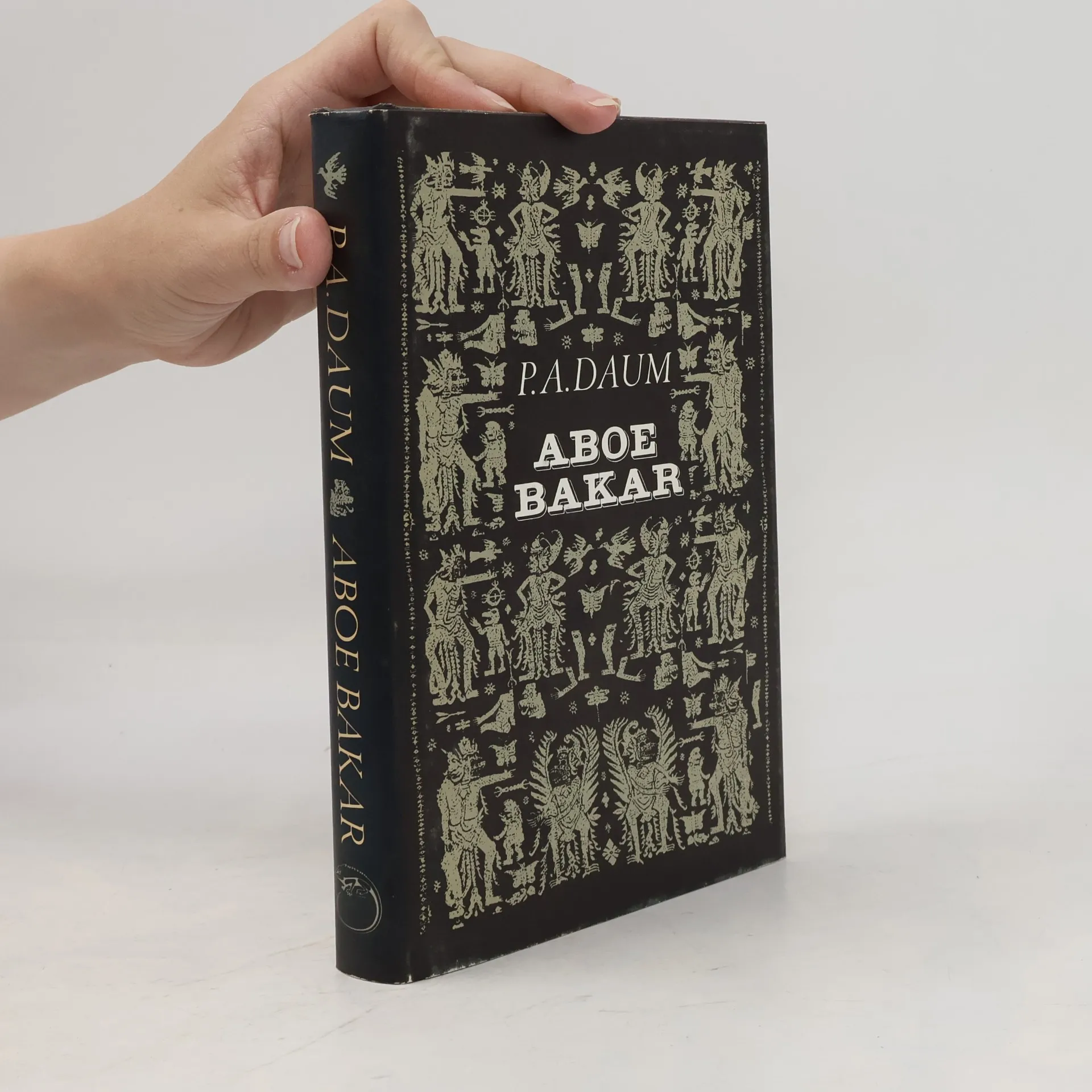
First published in 1893, this narrative follows a young Indonesian man who, after receiving a Western education, becomes a Muslim radical due to his inability to meet modern expectations. His experience reflects a broader sense of alienation from Western modernity, similar to that felt in many Western suburbs and among the middle classes in the Islamic world. The story is rooted in the colonial era, as the protagonist, Adam Silver (Aboe Bakar), is the stepson of a colonial planter and the son of the planter's concubine, who had an affair with an Arab trader. The mixed-race planter is portrayed as a naïve figure more concerned with wealth and social perception than with his family. Upon failing his studies in Holland, Adam returns to the Indies to find his inheritance significantly less than expected, leading to the end of his relationship with a Dutch girlfriend. He soon finds a native replacement, but his status as a "native" complicates his identity, especially as his mother advises him to embrace Islam. While the author draws on interviews for authenticity, the portrayal of Islam may not be entirely accurate. The feuilleton format, with its short chapters, limits character development and often caters to a newspaper audience, yet it effectively critiques the patronizing attitudes of Western readers toward natives and Muslims.
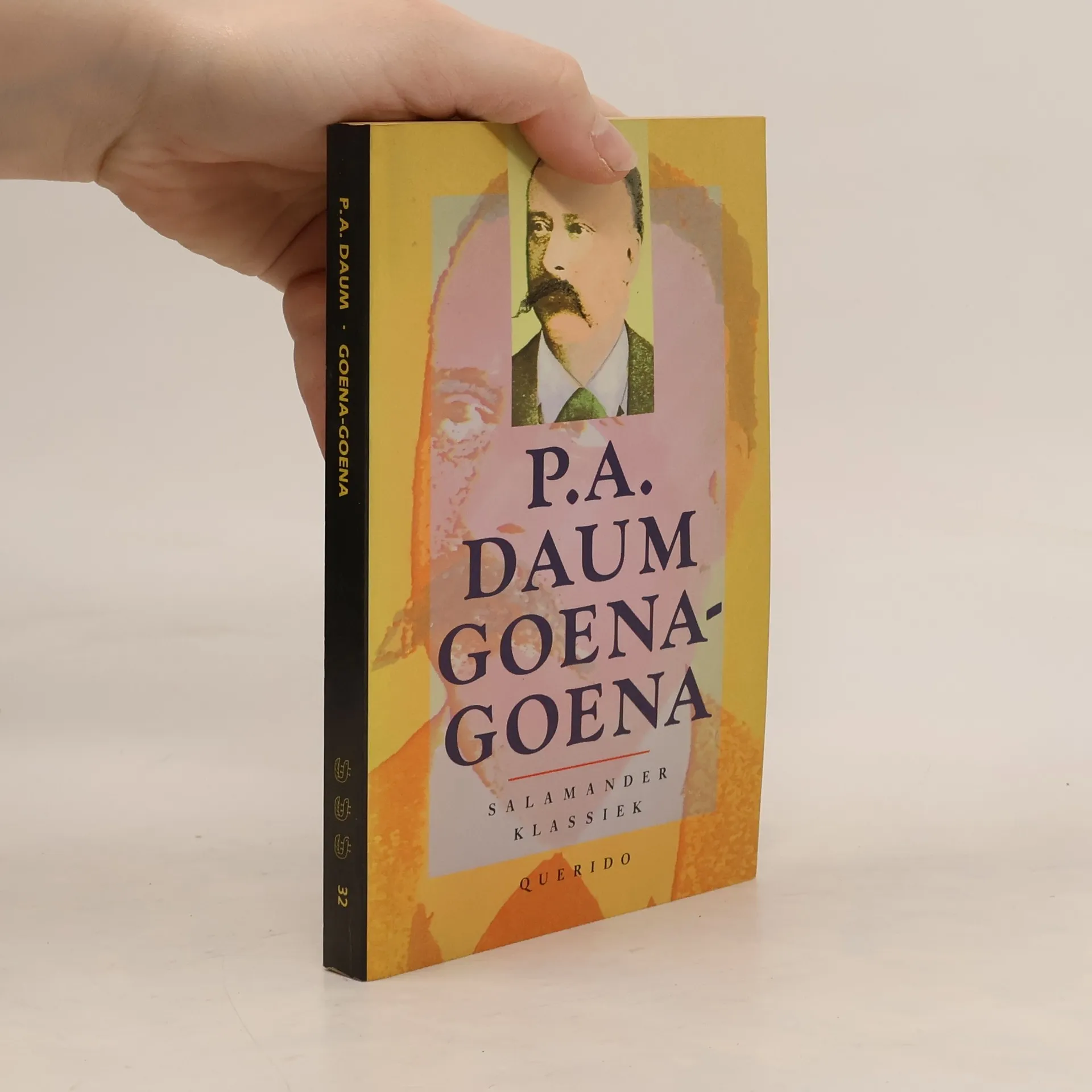
Deze roman verscheen eerst als feuilleton in het Bataviaas Nieuwsblad en geeft in naturalistisch-realistische stijl een kleurig beeld van het koloniale leven. Een zojuist weduwe geworden jonge vrouw probeert met behulp van goena-goena (stille kracht = zwarte kunst) en de listen van haar trouwe baboe een keurige, in hoog aanzien staande gehuwde man in haar netten te verstrikken. Daum, die schreef onder pseudoniem 'Maurits' is rond 1930 herontdekt door Du Perron en Ter Braak en ook nu doet zijn boek nog nauwelijks verouderd aan.