The Sunday Times bestselling sequel to Wolf Hall and Bring Up the Bodies, the stunning conclusion to Hilary Mantel's Man Booker Prize-winning Wolf Hall trilogy.
Giuseppina Oneto Book order (chronological)
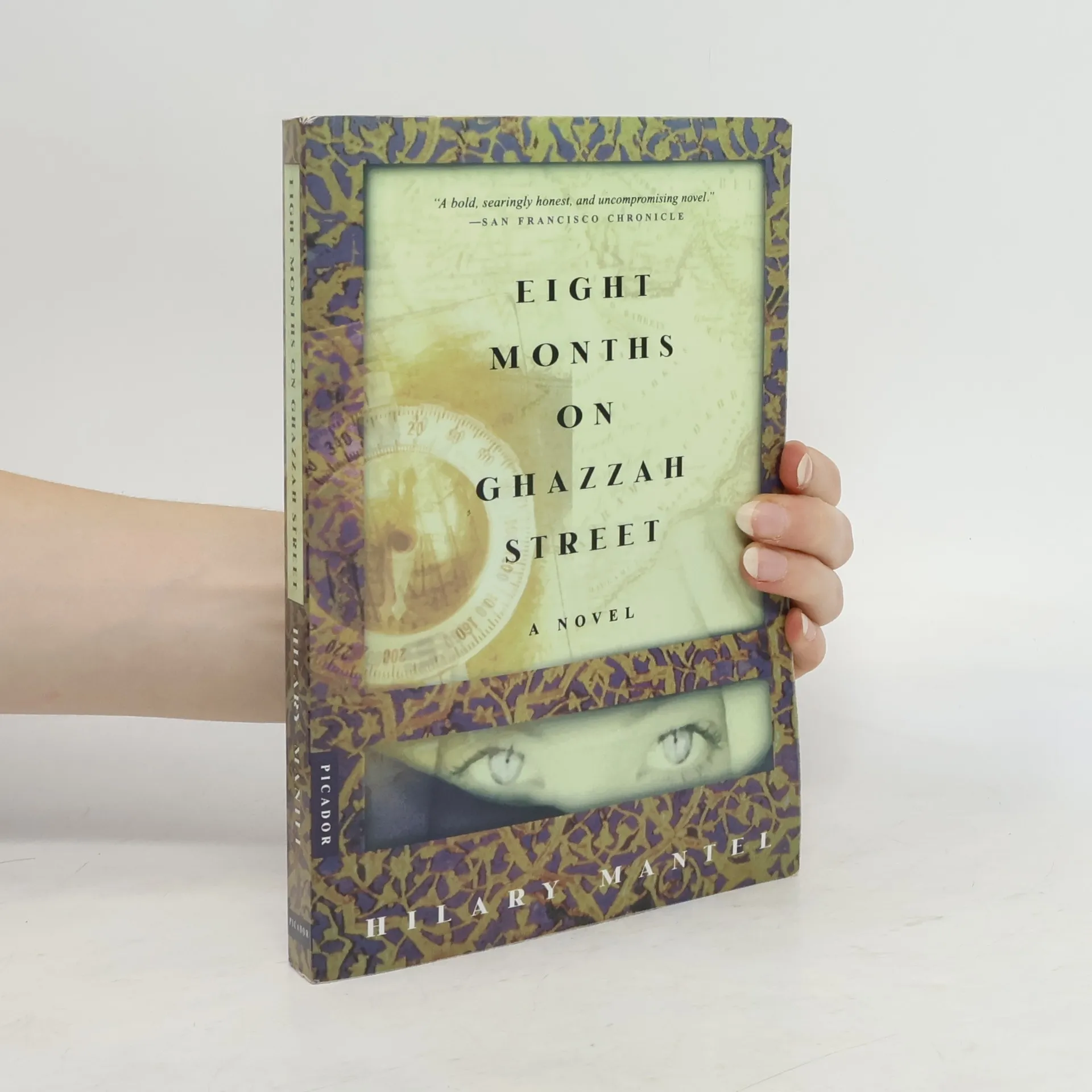

When Frances Shore moves to Saudi Arabia, she settles in a nondescript sublet, sure that common sense and an open mind will serve her well with her Muslim neighbors. But in the dim, airless flat, Frances spends lonely days writing in her diary, hearing the sounds of sobs through the pipes from the floor above, and seeing the flitting shadows of men on the stairwell. It's all in her imagination, she's told by her neighbors; the upstairs flat is empty, no one uses the roof. But Frances knows otherwise, and day by day, her sense of foreboding grows even as her sense of herself begins to disintegrate.
Bring up the bodies
- 411 pages
- 15 hours of reading
The sequel to 'Wolf Hall', 'Bring up the Bodies' explores one of the most mystifying and frightening episodes in English history: the destruction of Anne Boleyn.
The Story of a Marriage
- 233 pages
- 9 hours of reading
From the Pulitzer Prize-winning author of Less. 'A riveting and fascinating novel full of stunning observations and brilliant moments of truth and sympathy.' Colm Tóibín It is 1953, and in San Francisco Pearlie, a dutiful housewife, finds herself caring for both her husband's fragile health and her polio-afflicted son. Then one morning someone from her husband's past appears on their doorstep. His arrival throws all the certainties by which Pearlie has lived into doubt, and is brought face to face with the desperate measures people are prepared to take to escape the confines of their lives.
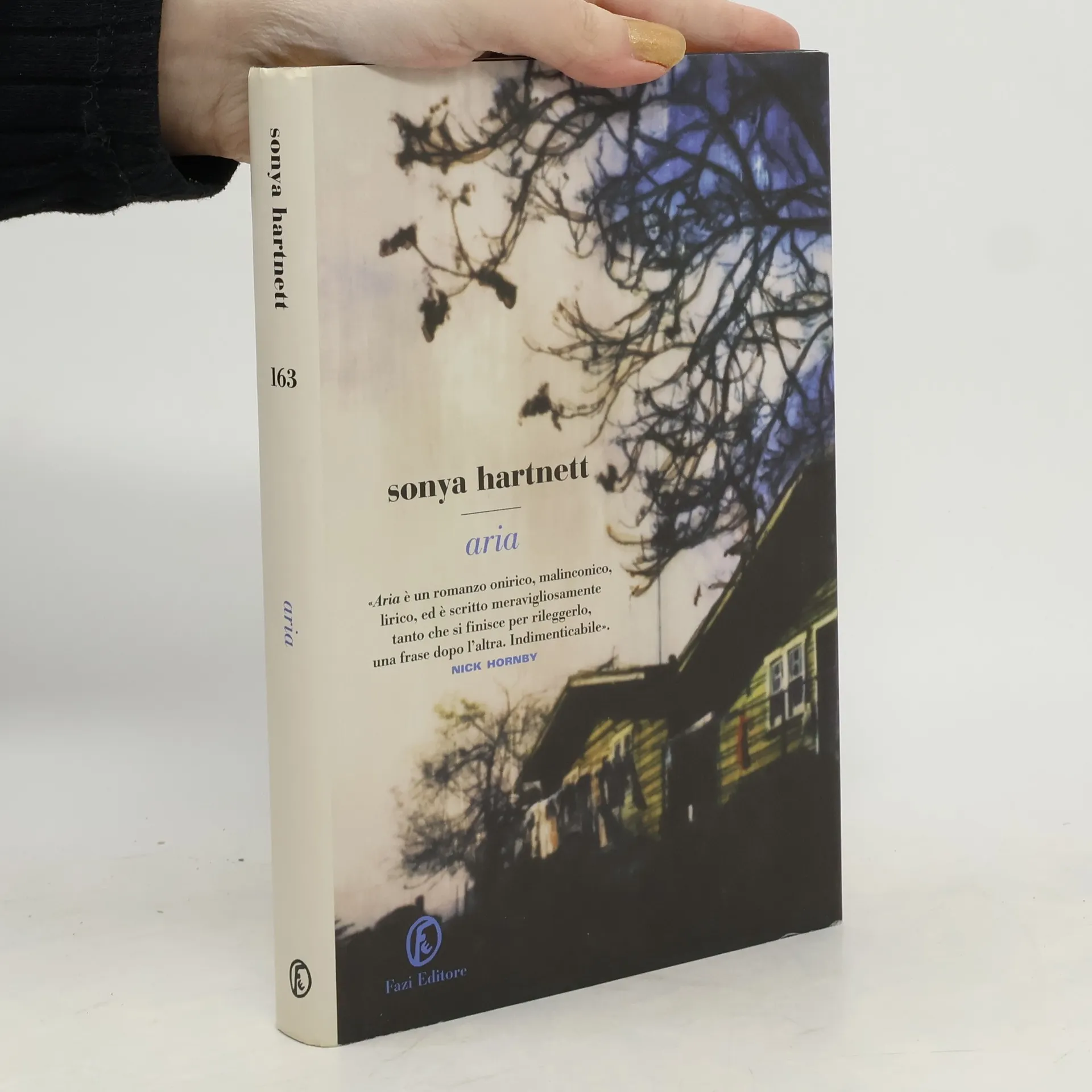
Aria
- 233 pages
- 9 hours of reading
Australia, anni Settanta. Arielle, detta Plum, è un'adolescente sgraziata e senza amici. Alle spalle ha una famiglia tutto sommato "normale": due fratelli maggiori che adora, Cydar e Justin, una madre affettuosa ma non troppo intelligente, un padre tenero e vagamente infelice. Cydar, studia all'università "qualcosa che ha a che fare con il microscopio", vive in una specie di depandance piena di acquari, è caustico, taciturno, riflessivo; Justin, il maggiore dei tre, è invece più distratto, più solare. A un tratto nella vita di Plum irrompe, come un soffio d'aria, Maureen Wilks, la giovane donna che da qualche anno è la loro vicina di casa e che ora pare voglia diventare sua amica. Maureen ha trentasei anni, un figlio di quattro e un marito sempre assente, è bella, sa come ci si vendica, come ci si fa amare. La spinge qualcosa che Plum, smarrita nella fragilità dei suoi pochi anni, non conosce né può capire. Se vedesse più in là, se riuscisse ad intuire, sarebbe forse ancora in tempo. Ma Maureen è mossa da una volontà di vivere ferrea, che non ammette ostacoli. Aria narra la storia di un mondo nel quale le esistenze sono come uccelli in gabbia, farfalle rinchiuse in un barattolo di vetro. Vite inchiodate alla pagina da una scrittura minuziosa e concreta che lascia sempre intravedere la possibilità di una svolta in nero: perché è evidente che qualcosa di terribile può accadere, sta per accadere, forse accadrà.
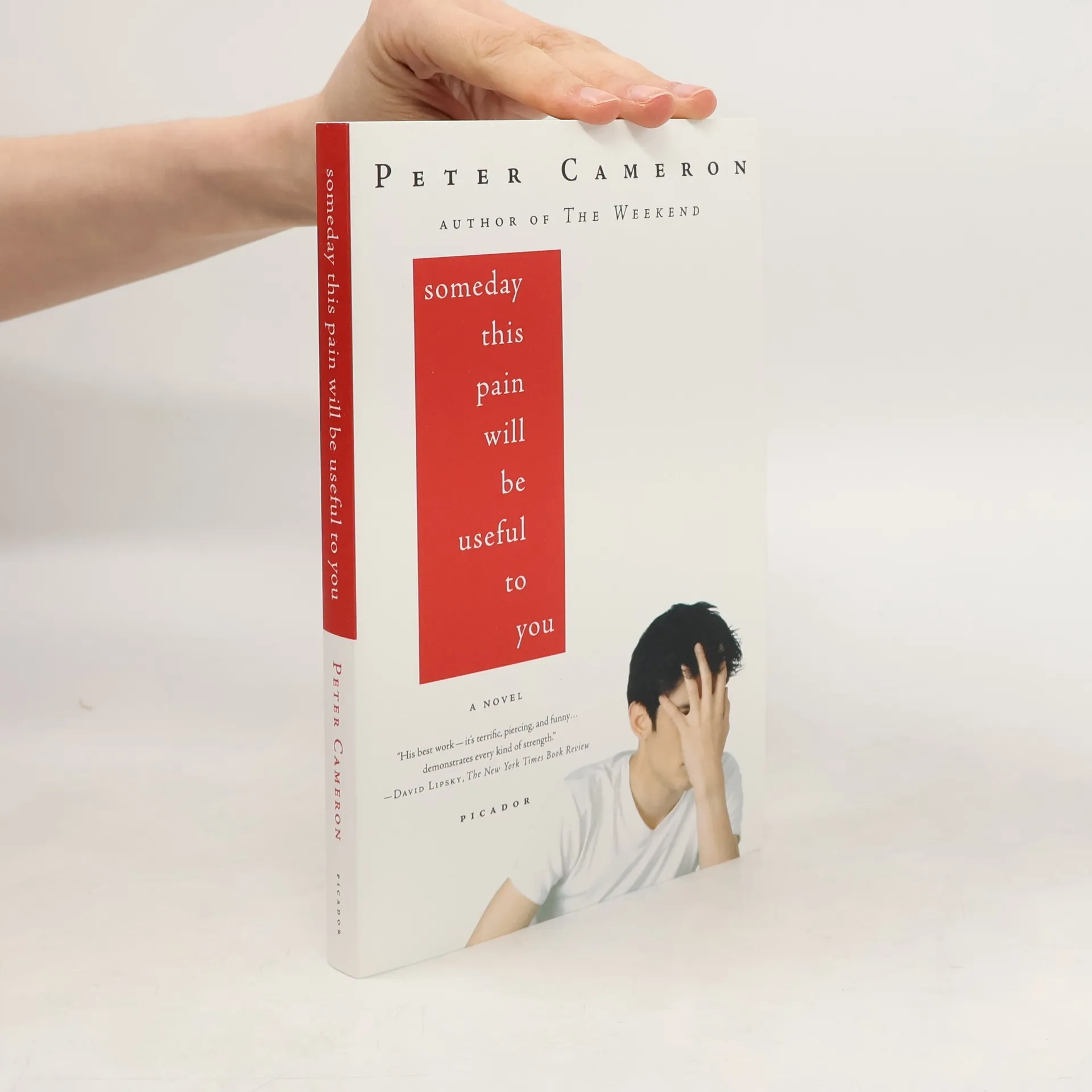
Eighteen-year-old James living in New York City with his older sister and divorced mother struggles to find a direction for his life.
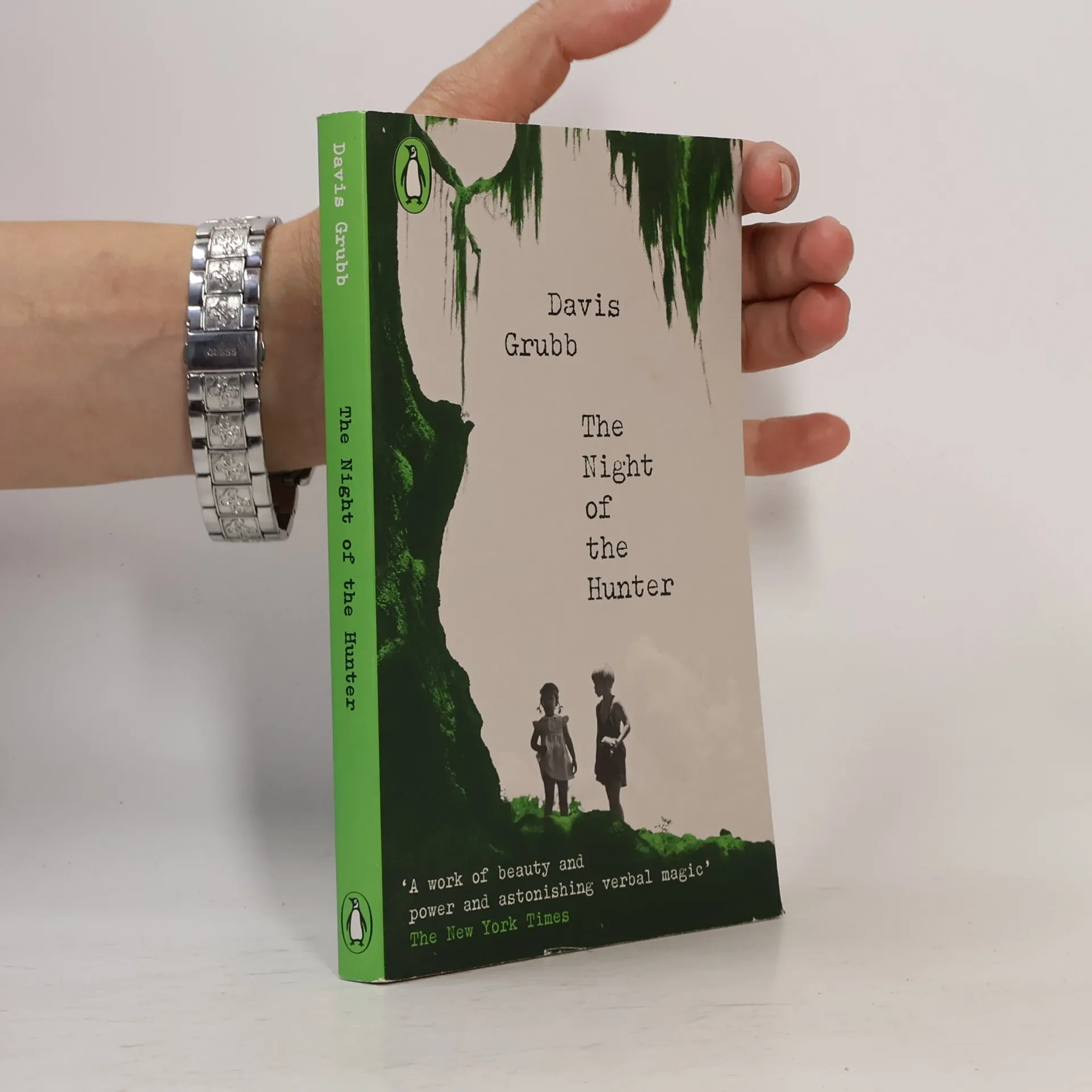
The Night of the Hunter
- 256 pages
- 9 hours of reading
"The basis for the classic movie starring Robert Mitchum and Shelley Winters. Novels that inspired great films"--Cover.