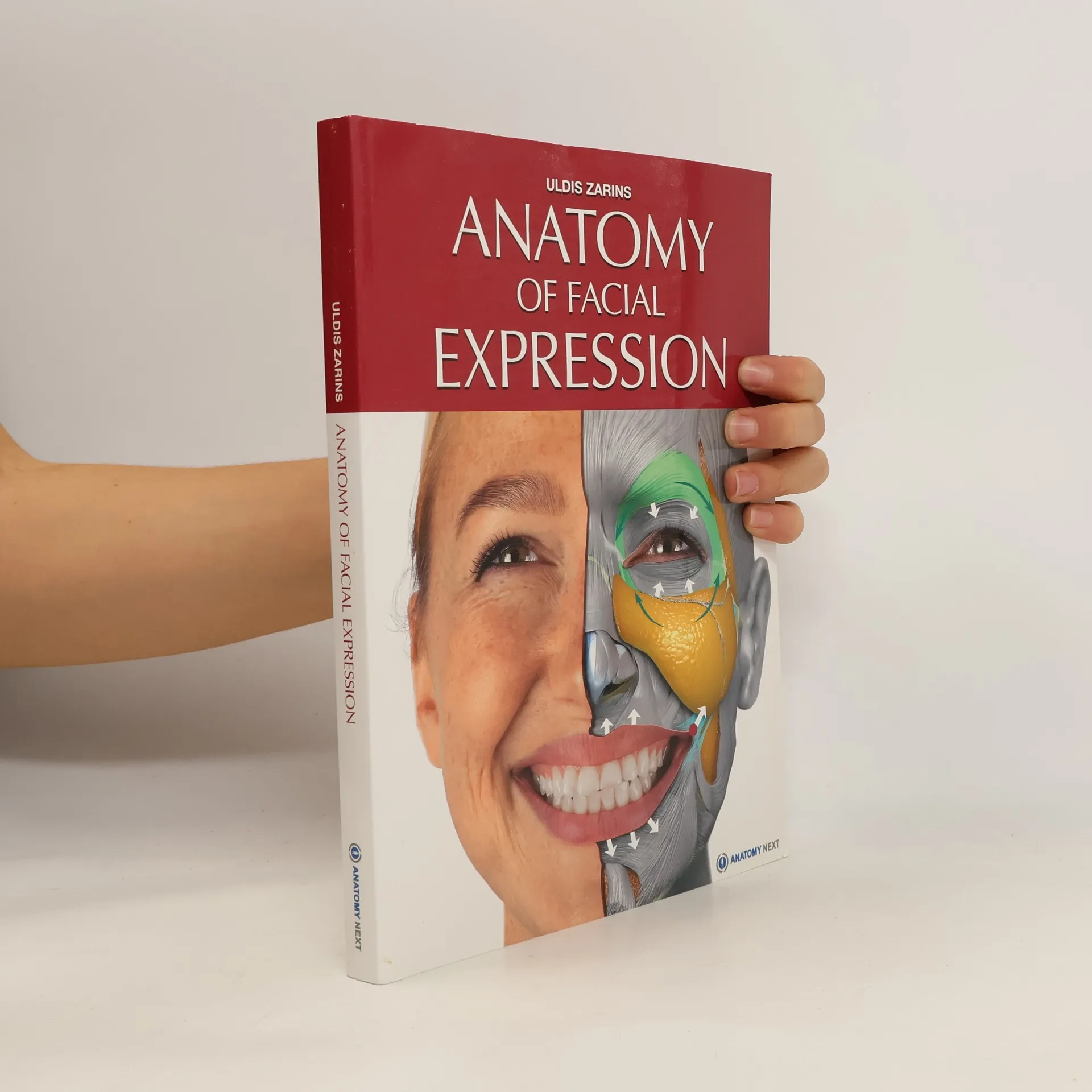
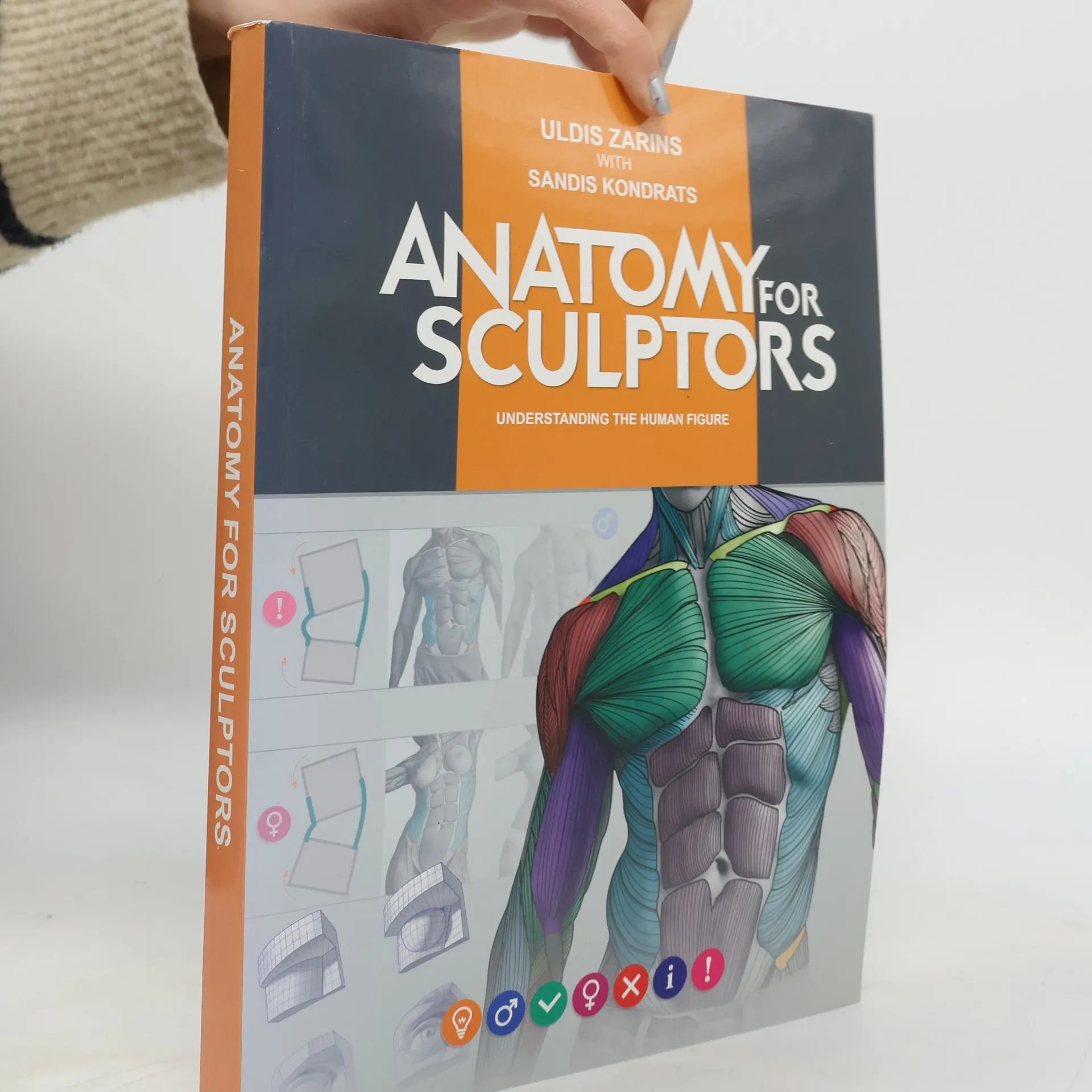
This is the most easy-to-use human anatomy guide for artists, explaining the human body in a simple manner. The book contains keys to figuring out construction in a direct, easy-to-follow, and highly visual manner. Art students, 3D sculptors and illustrators alike will find this manual a practical foundation upon which to build their knowledge of anatomy - an essential background for anyone wishing to draw or sculpt easily and with confidence!
Anatomy of Facial Expressions redefines the understanding of human facial anatomy, a challenging area for many. Created by a team of professional artists and medical experts, this book offers fully visual and accurate anatomical information. It provides detailed insights into the anatomy and physiology of facial muscles, their functions, and how they shape the face. Key differences related to gender, age, and ethnicity are explored, along with the relationship between bony structures and soft tissues, including facial fat compartments and connective tissue.
Understanding real emotions is crucial, as they are difficult to fake. To grasp the nuances that distinguish genuine emotions, one must comprehend the anatomy behind movement and possess the tools to describe these changes. The book features self-explanatory images of facial muscles and expressions, including 3D renders overlaid on photographs and scans of neutral and expressive faces.
A structured approach is taken to clarify this complex system, with careful differentiation and labeling of muscle groups. The accompanying images and text explain muscle functions and their impact on facial surface forms. For artists and visual specialists, the focus is on visual representation and comprehensible information rather than mere factual details or Latin terminology. The author, an experienced artist and professor of Anatomy at an Arts Academy, emphasizes the importance of vi
Visual artists are visual thinkers! Our mission is to enhance their skills by making anatomy for artists clear and accessible. This book features detailed images that provide essential information for creating realistic human figures. It includes extensive visual references and simplifies complex knowledge of the human body, covering the head, upper limb, lower limb, torso, and overall figure. Key muscles are illustrated in various movements and static positions, highlighting differences between male and female anatomy, along with proportion charts for age and gender.
Originally a sculpting guide by sculptor and anatomy professor Uldis Zarins, this resource is now invaluable across 3D modeling, digital art, painting, CGI, character design, and traditional or digital sculpting. Artists utilize it daily, finding it essential for their work. The book features comprehensive content, including 3D models and photos of live models from multiple angles, overlaid with color-coded muscle diagrams. Most images are self-explanatory, eliminating guesswork.
While the internet offers information, it often lacks the precise references artists need, leading to improvisation that can result in imperfections. This book aims to foster a deep understanding of the human figure and its movements, enabling artists to not just replicate nature but to improve their craft. Printed books provide constant reference, allowing for personalized notes and c