
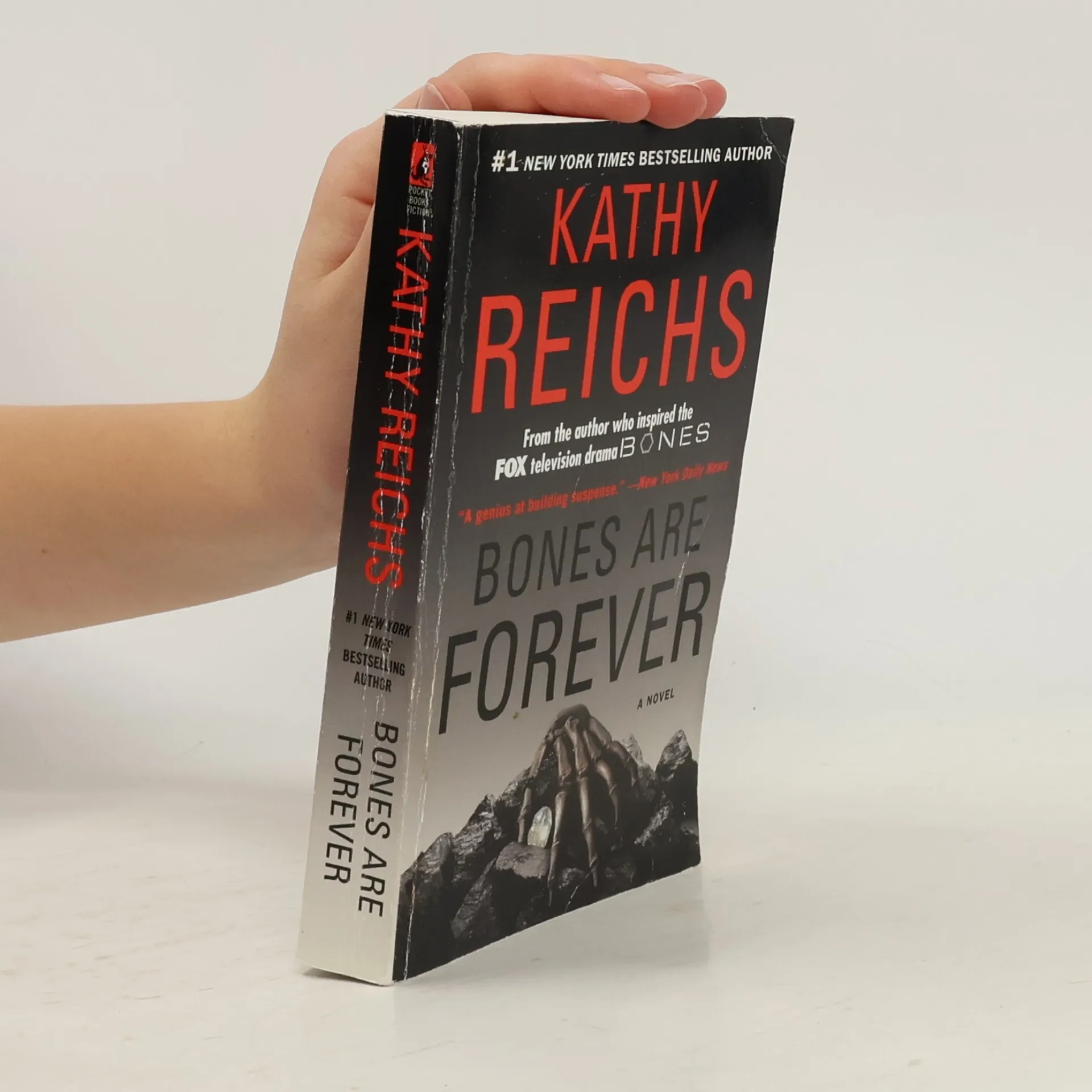

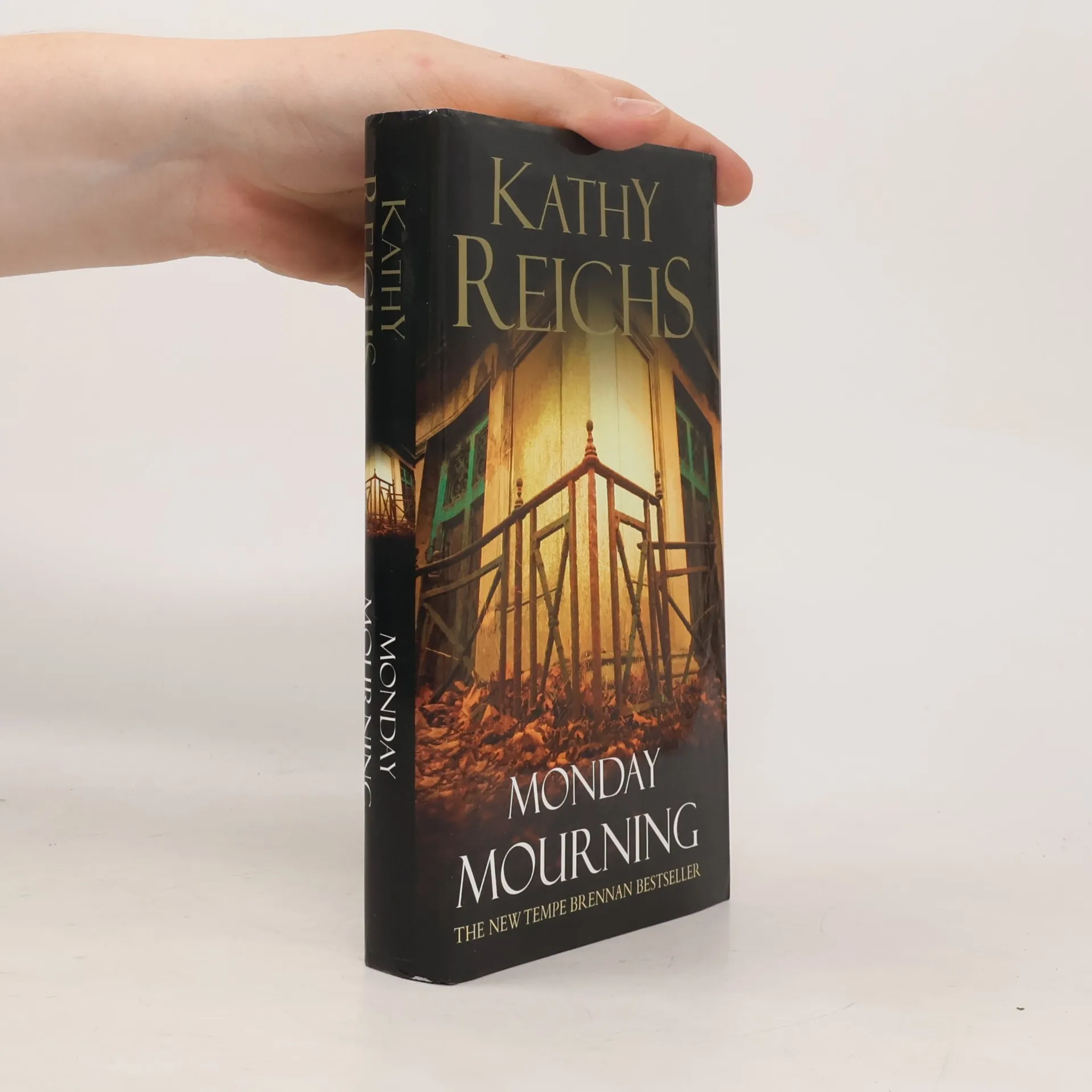
Forensic anthropologist Temperance Brennan examines the bodies of three babies while Detective Ryan investigates their mother in a case with ties to the high-stakes world of diamond mining.
Tempe Brennan arrives in Montreal from Charlotte in early December to testify as an expert witness. As a Forensic Anthropologist for Quebec, she should be reviewing her notes, but instead, she’s in a freezing pizza parlour basement, surrounded by rats and the skeletal remains of three young women. Homicide detective Luc Claudel, who has never been fond of Tempe, believes the bones are historic and not his concern, especially after the pizza parlour owner finds 19th-century buttons with the remains. However, Tempe suspects otherwise. She plans to conduct Carbon 14 testing to determine the bones' age and analyze the tooth enamel to trace the women's origins. If her suspicions are correct, Claudel could be facing three recent murders. Meanwhile, Detective Andrew Ryan's mysterious behavior raises questions. His private phone calls and sudden disappearances come just as Tempe begins to trust him, leaving her with her cat, Birdie, and more nights alone. As she delves into both her personal and professional challenges, Tempe becomes entangled in a sinister web, where women have vanished without a trace. With her own safety at risk, she realizes she may be the next target.
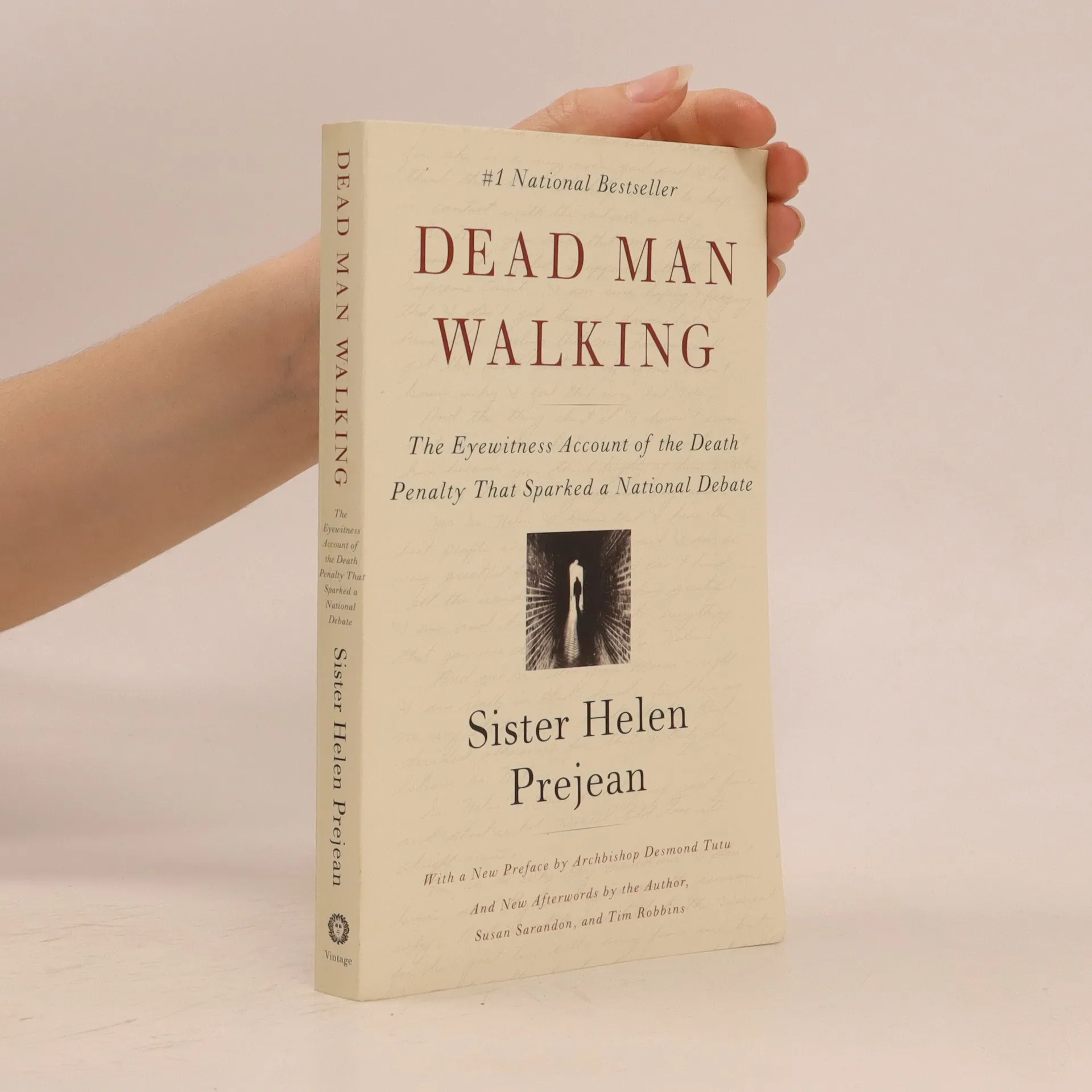
In 1982, Sister Helen Prejean became the spiritual advisor to Patrick Sonnier, the convicted killer of two teenagers who was sentenced to die in the electric chair of Louisiana’s Angola State Prison. In the months before Sonnier’s death, the Roman Catholic nun came to know a man who was as terrified as he had once been terrifying. She also came to know the families of the victims and the men whose job it was to execute—men who often harbored doubts about the rightness of what they were doing. Out of that dreadful intimacy comes a profoundly moving spiritual journey through our system of capital punishment. Here Sister Helen confronts both the plight of the condemned and the rage of the bereaved, the fears of a society shattered by violence and the Christian imperative of love. On its original publication in 1993, Dead Man Walking emerged as an unprecedented look at the human consequences of the death penalty. Now, some two decades later, this story—which has inspired a film, a stage play, an opera and a musical album—is more gut-wrenching than ever, stirring deep and life-changing reflection in all who encounter it.