
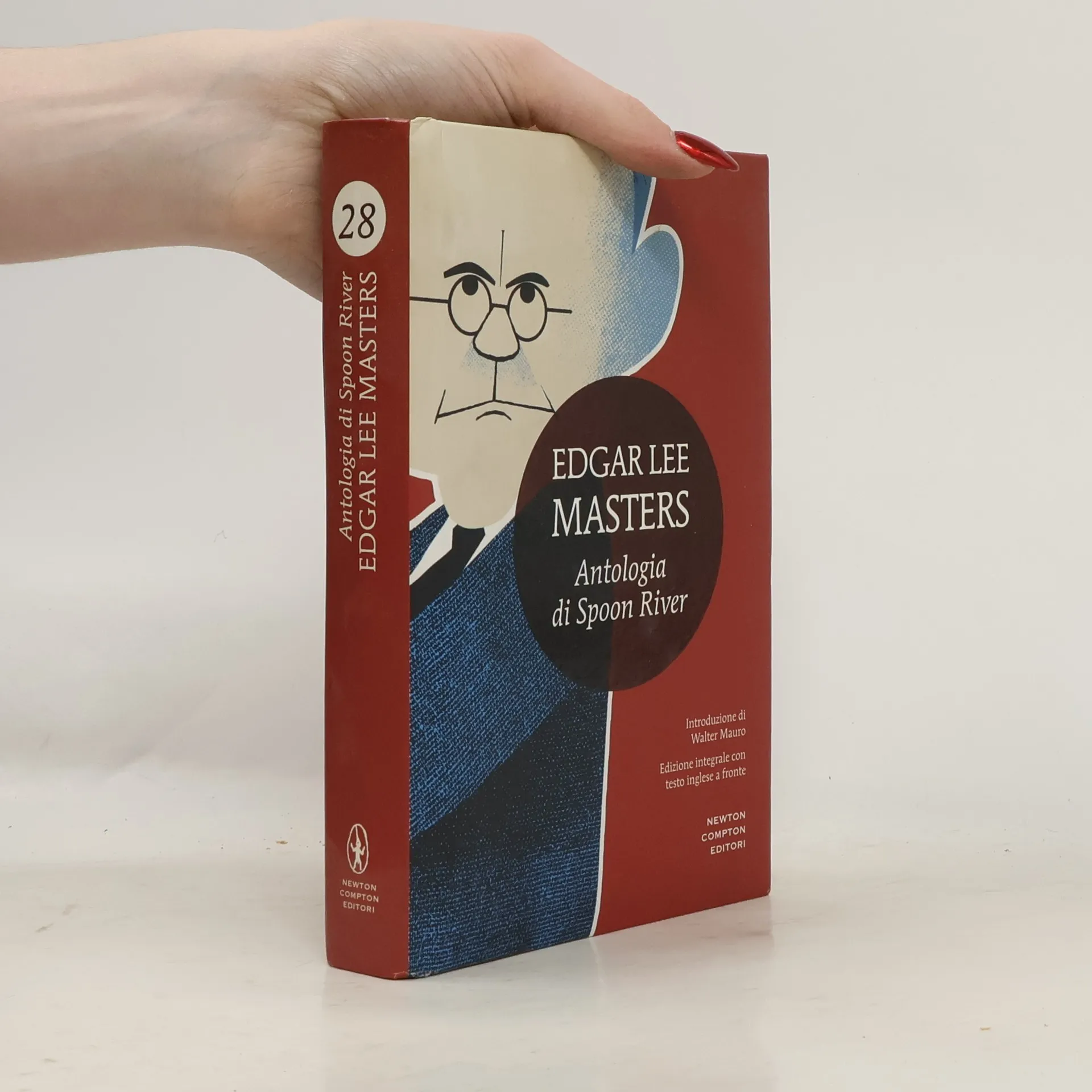
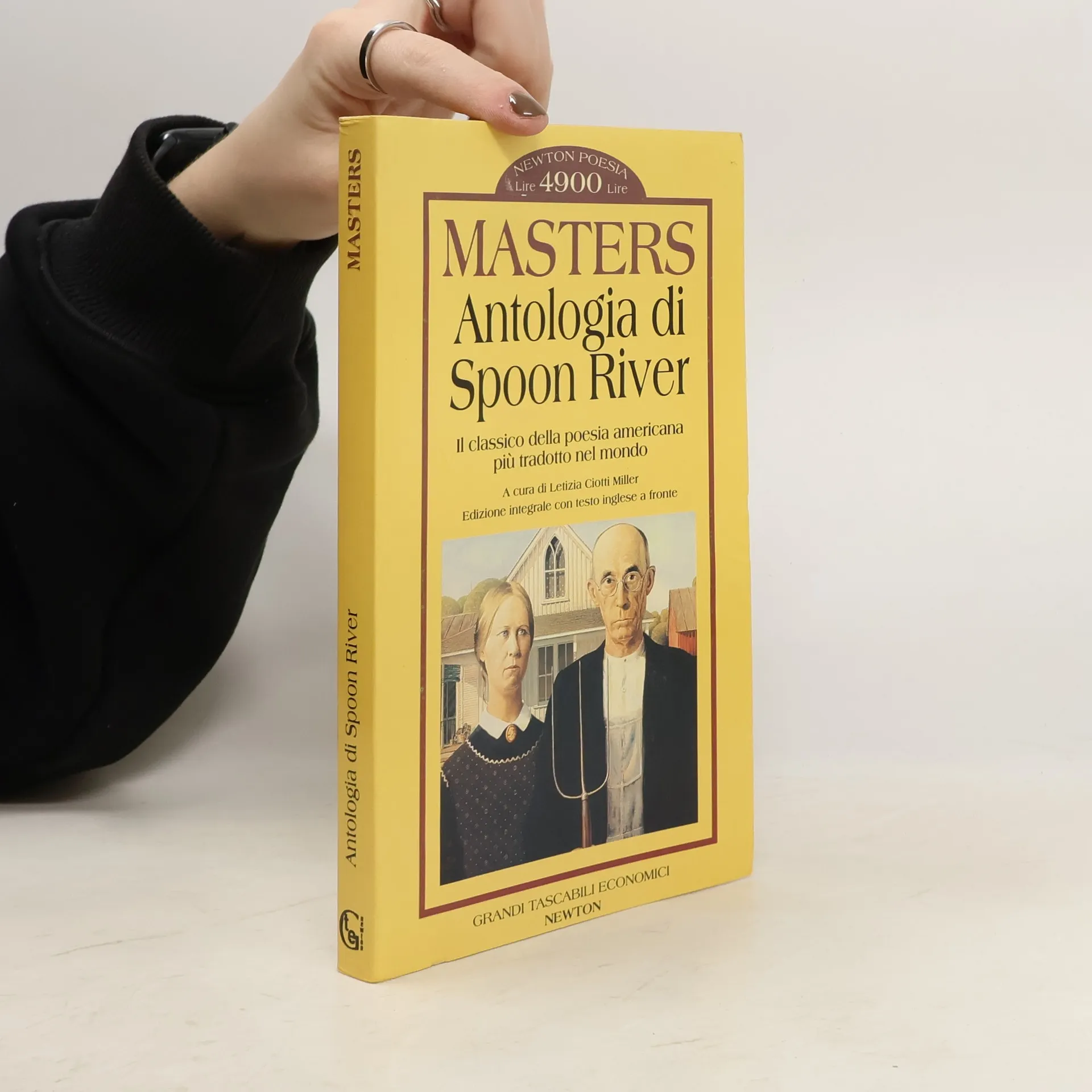
In Spoon River Anthology, the American poet Edgar Lee Masters (1869–1950) created a series of compelling free-verse monologues in which former citizens of a mythical Midwestern town speak touchingly from the grave of the thwarted hopes and dream of their lives. First published in book form in 1915, the Anthology was the crowning achievement of Masters' career as a poet, and a work that would become a landmark of 20th-century American literature. In these pages, no less than 214 individual voices are heard — some in no more than a dozen moving lines. Alternately plaintive, anguished, enigmatic, angry, and contemptuous, the voices of Spoon River, although distinctively small-town Americans, evoke themes of love and hope, disappointment and despair that are universal in their resonance. This American classic is reprinted here from the authoritative 1915 edition.
Letizia Ciotti Miller Books


I MiniMammut - 28: Antologia di Spoon River. Edizione integrale con testo inglese a fronte
- 314 pages
- 11 hours of reading
«Dove sono Elmer, Herman, Bert, Tom e Charley, / il debole di volontà, il forte di braccia, il buffone, il beone, il rissoso? / Tutti, tutti dormono sulla collina». Quanti di noi hanno accompagnato la voce di Fabrizio De André canticchiando la celebre e struggente ballata? L’autore dei versi, un avvocato del Kansas, compose il documento forse più completo, realistico e lirico sulla vita nella provincia americana di fine Ottocento, testimoniata dagli abitanti defunti del paesino di Spoon River. Con distacco, con passione, con ironia, con rabbia, si presentano su un palcoscenico ideale e raccontano la propria storia. La poesia nuova di Masters, asciutta, limpida, forte, procede nel racconto come una lente d’ingrandimento che rivela anche gli inganni meglio dissimulati, le frodi, le ipocrisie. O i desideri e la bellezza di uomini e donne cui la società negò ogni riconoscimento.
Herzog
- 368 pages
- 13 hours of reading
Is Moses Herzog losing his mind? His formidable wife Madeleine has left him for his best friend, and Herzog is left alone with his whirling thoughts - yet he still sees himself as a survivor, raging against private disasters and the myriad catastrophes of the modern age. schovat popis