

A colorful cast of Miami's residents and visitors navigate their daily lives, both legal and illegal, in a panoramic story of contemporary America. Officer Nestor Camacho patrols Biscayne Bay, immersing himself in a city where diverse cultures intersect at the ballot box. This melting pot is filled with complex characters, including the Cuban mayor, a black police chief, a young muckraking journalist, and his Yale-educated editor at the Miami Herald. There's also an Anglo sex-addiction psychiatrist and his enchanting Latina nurse, along with a billionaire patient grappling with porn addiction. A Haitian professor, who aspires for his daughter Ghislaine to "pass" for white, adds to the mix, as does her Creole-speaking little brother. The narrative also features crack dealers in the neighborhoods and clueless art collectors at the Miami Art Basel Fair, spending millions on de-skilled art. Tensions rise as black drug dealers clash with Cuban cops, while spectators at the Columbus Day Regatta seek out post-race festivities. Amidst this vibrant chaos, ex-New Yorkers at an "Active Adult" condo and a group of shady Russians contribute to the city's eclectic tapestry.
Thomas Kennerly Wolfe Book order (chronological)



Ik ben Charlotte Simmons
- 672 pages
- 24 hours of reading
Briljante studieresultaten katapulteren de slimme, maar naïeve Charlotte Simmons vanuit een klein geïsoleerd stadje in de bergen van North Carolina naar de (fictieve) elite-universiteit Dupont, waar al haar normen en waarden grof worden gebruskeerd. Waar ze onverzadigbare intellectuele honger bij haar medestudenten verwachtte, treft ze slechts geile bronstigheid, liederlijke drankzucht en excessieve aandacht voor sport. Iedereen lijkt er alleen maar op uit daarmee te stijgen op de ranglijst van 'cool'-heid. Charlotte houdt dapper stand in deze poel des verderfs, totdat...
In alles een man
- 695 pages
- 25 hours of reading
Een ambitieuze oudere zakenman in het Amerikaanse Atlanta wordt geconfronteerd met corruptie, racisme en andere problemen die het hem niet makkelijk maken aan de top.
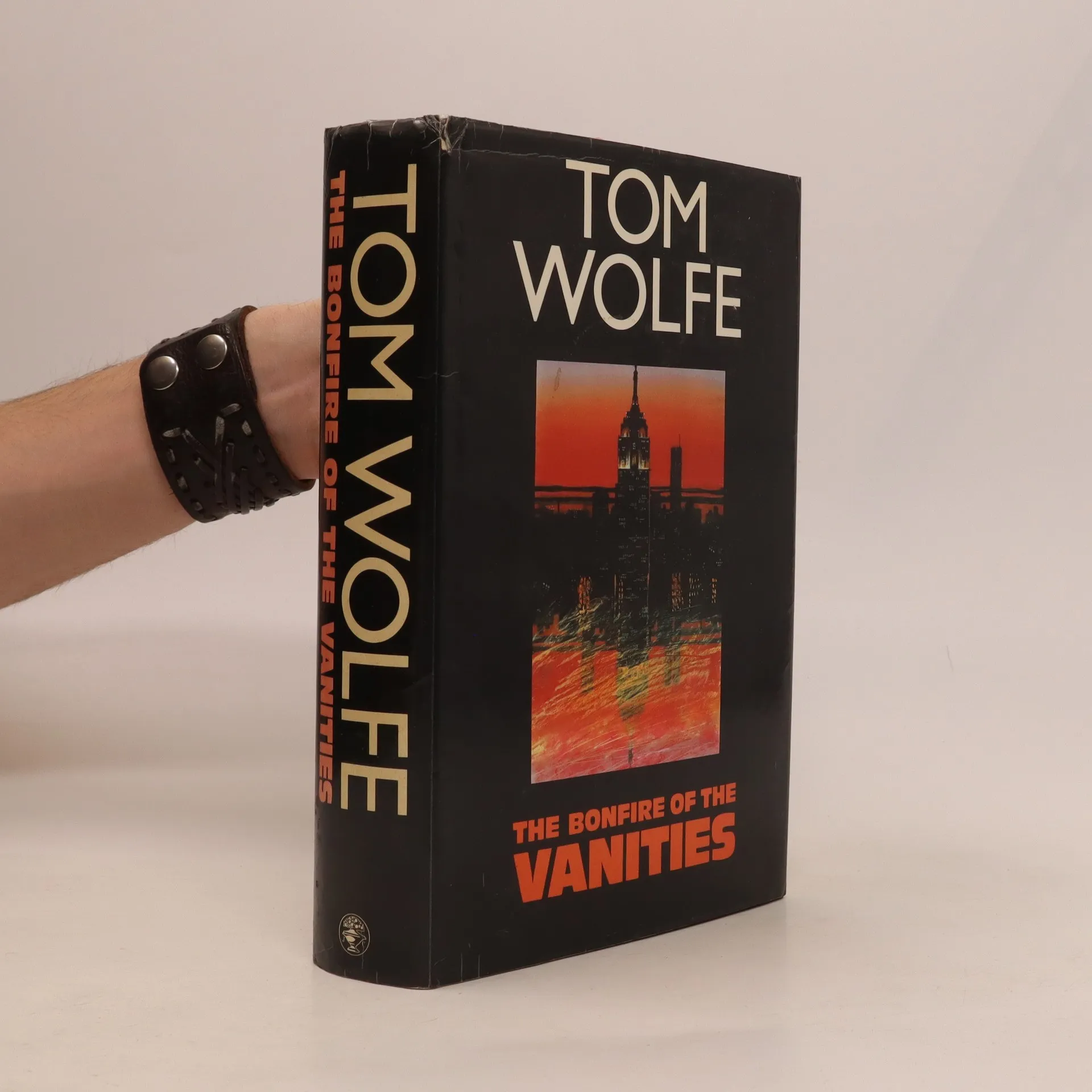
The Bonfire of the Vanities
- 659 pages
- 24 hours of reading
A thriller in which a New York City broker clashes with the Bronx.
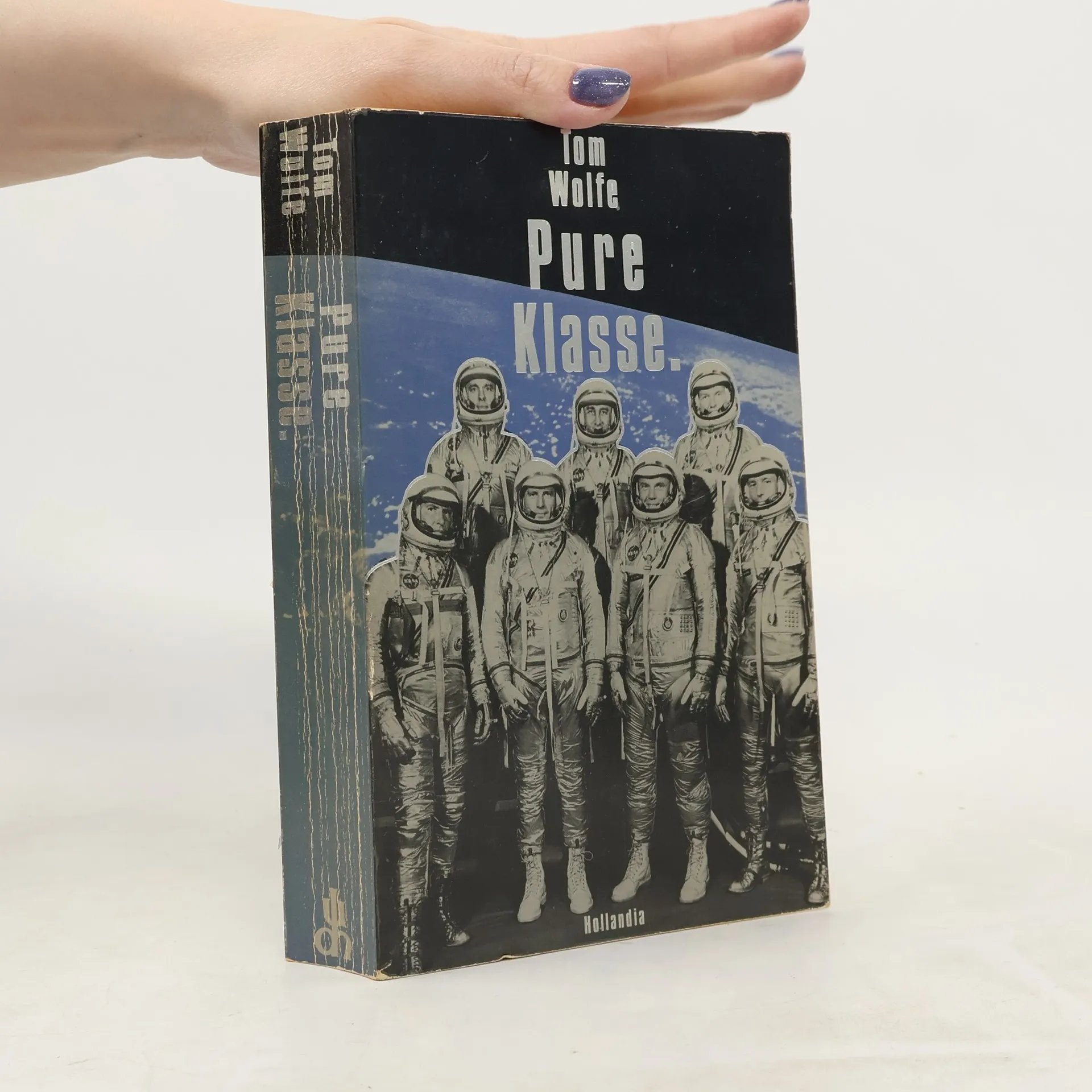
Pure Klasse
- 372 pages
- 14 hours of reading
Tom Wolfe began his exploration of American heroism during a time when such ideals seemed out of fashion, with the nation grappling with the fallout from Vietnam and the Iranian hostage crisis. His subjects, however, embodied a courage that captivated him, as he noted that in 1970, nearly one in four Navy pilots died in accidents. Wolfe's narrative reveals why these men were not just willing, but delighted to face such peril in an era marked by anti-heroism. Drawing from his roots in New Journalism, Wolfe employs a limited omniscient perspective, immersing readers in the lives of key figures in the space program. The story begins with the fears of a test pilot's wife before tracing back to the late 1940s and the first attempts to break the sound barrier. Test pilots, living dangerously both in the air and on the ground, are central to the narrative, with Chuck Yeager emerging as a pivotal figure determined to conquer Mach 1. The focus then shifts to the seven original astronauts, detailing Alan Shepard's suborbital flight and Gus Grissom's infamous mishap. Wolfe paints a vivid portrait of John Glenn's heroism and concludes with Yeager's later achievements, solidifying the narrative's epic scope and literary quality. This work stands out as the most engaging and insightful account of America's manned space program.