Name Dropping
- 327 pages
- 12 hours of reading
Nancy Stern, a preschool teacher, has her mundane life altered forever when a blind date intended for a glamorous neighbor with the same name leads her on an adventure of mix-ups and murder.




Nancy Stern, a preschool teacher, has her mundane life altered forever when a blind date intended for a glamorous neighbor with the same name leads her on an adventure of mix-ups and murder.
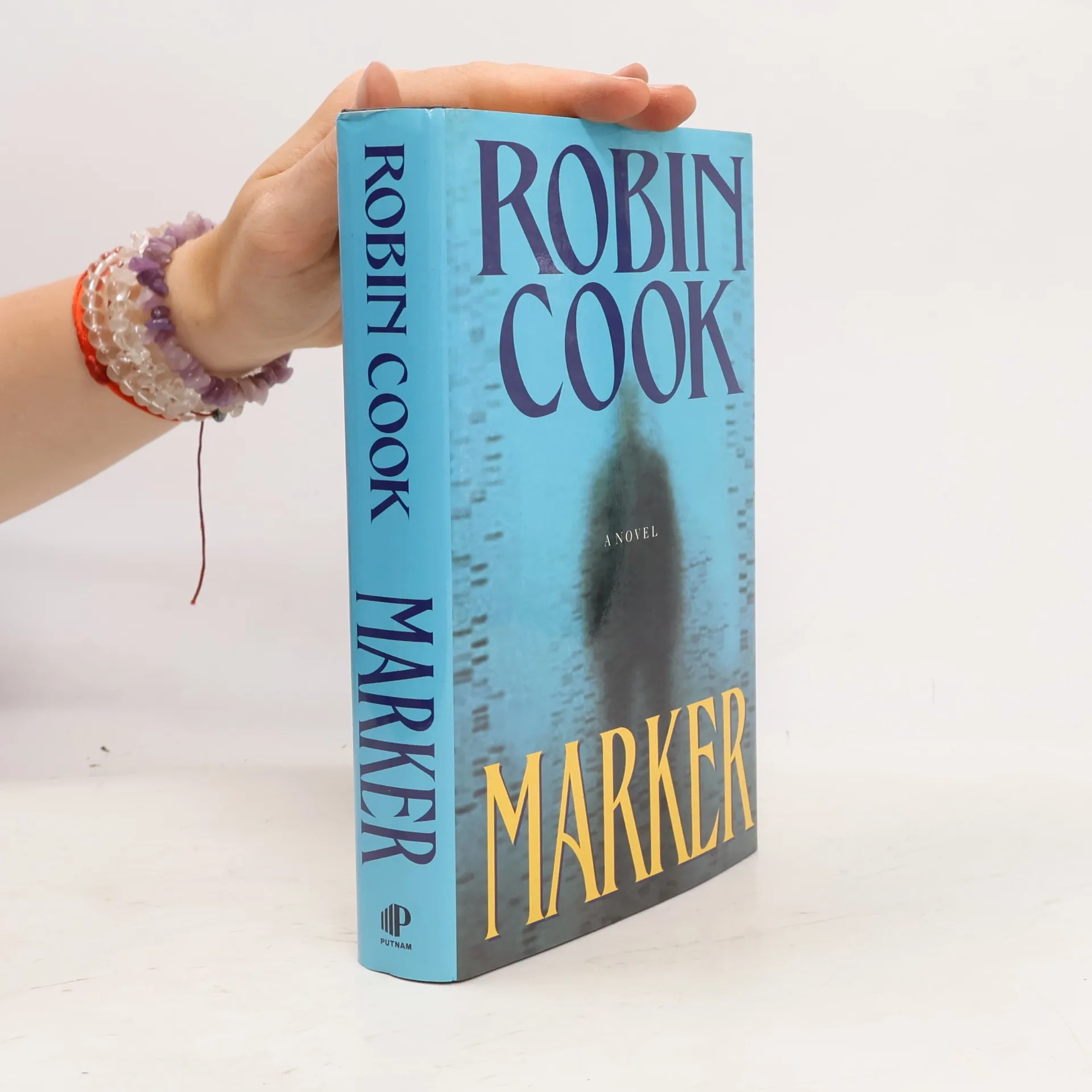
The master of the medical thriller returns with his latest heart-pounding drama Twenty-eight-year-old Sean McGillin seems the picture of youthful good health, until he fractures a leg while skating in New York City's Central Park. Nothing life-threatening, yet within twenty-four hours of his surgical treatment he is dead. Next, a thirty-six-year-old mother, Darlene Morgan receives minor knee surgery to repair a torn ligament - and within twenty-four hours she too has died. New York City medical examiners Dr. Laurie Montgomery and Dr. Jack Stapleton appear again in Robin Cook's electrifying twenty-fifth novel, as they confront a series of puzzling hospital deaths of young and healthy patients after undergoing successful treatment. Despite resistance from her superiors, Laurie doggedly pursues the investigation. Though it seems impossible to determine why and how these patients are dying, she comes to realise that not only are the fatalities somehow related - they're cold-bloodedly intentional. Can it be that Laurie has stumbled upon the trail of a remarkably clever serial killer - one with a very unusual motive and with disturbing ties to both medical research and the cut and thrust of modern health care? As Laurie's personal life continues to unravel disastrously, the need for answers becomes ever more urgent.