

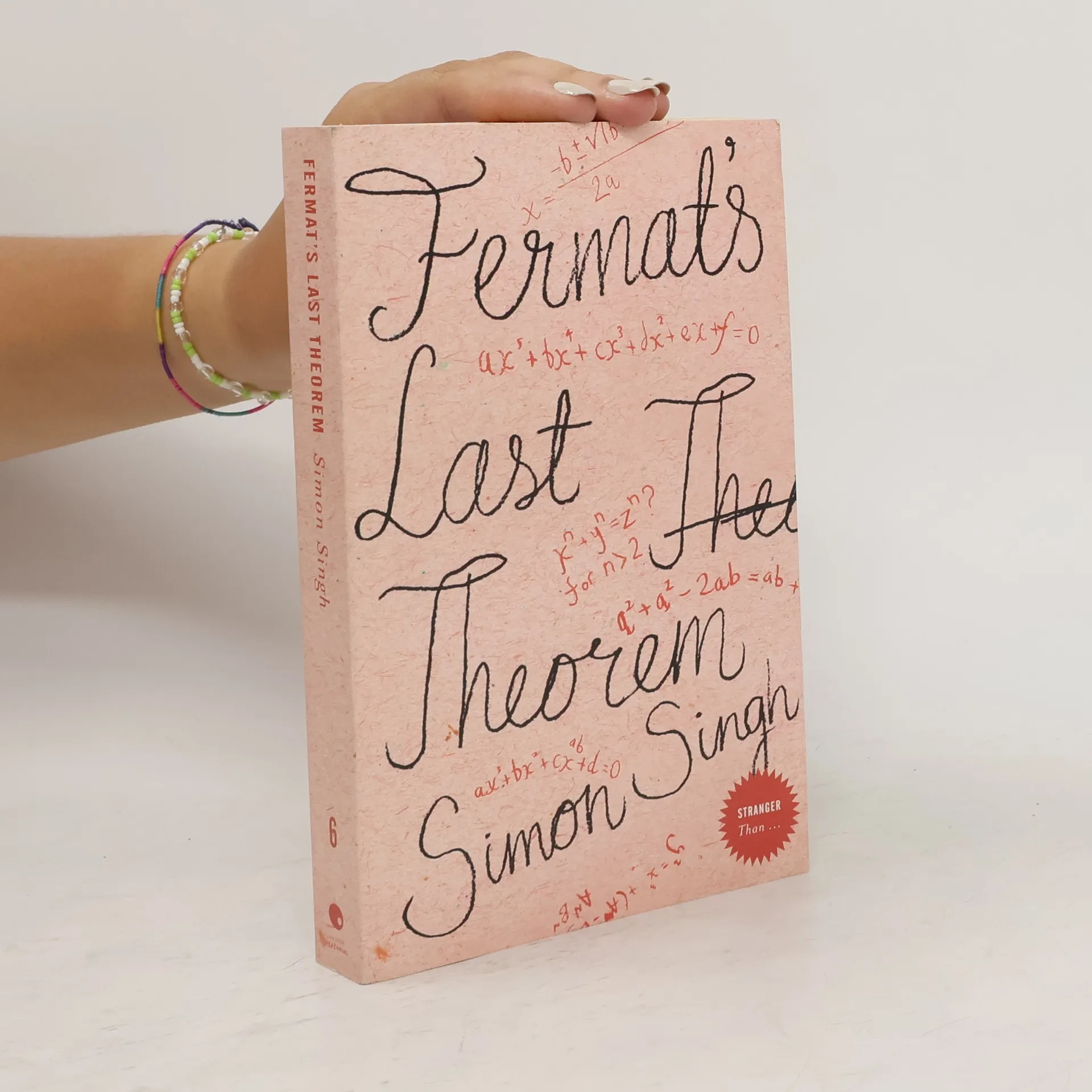
When Andrew Wiles of Princeton University announced a solution of Fermat's last theorem in 1993, it electrified the world of mathematics. After a flaw was discovered in the proof, Wiles had to work for another year--he had already labored in solitude for seven years--to establish that he had solved the 350-year-old problem. Simon Singh's book is a lively, comprehensible explanation of Wiles's work and of the star-, trauma-, and wacko-studded history of Fermat's last theorem. Fermat's Enigma contains some problems that offer a taste of the math, but it also includes limericks to give a feeling for the goofy side of mathematicians.
Brunello Lotti Books

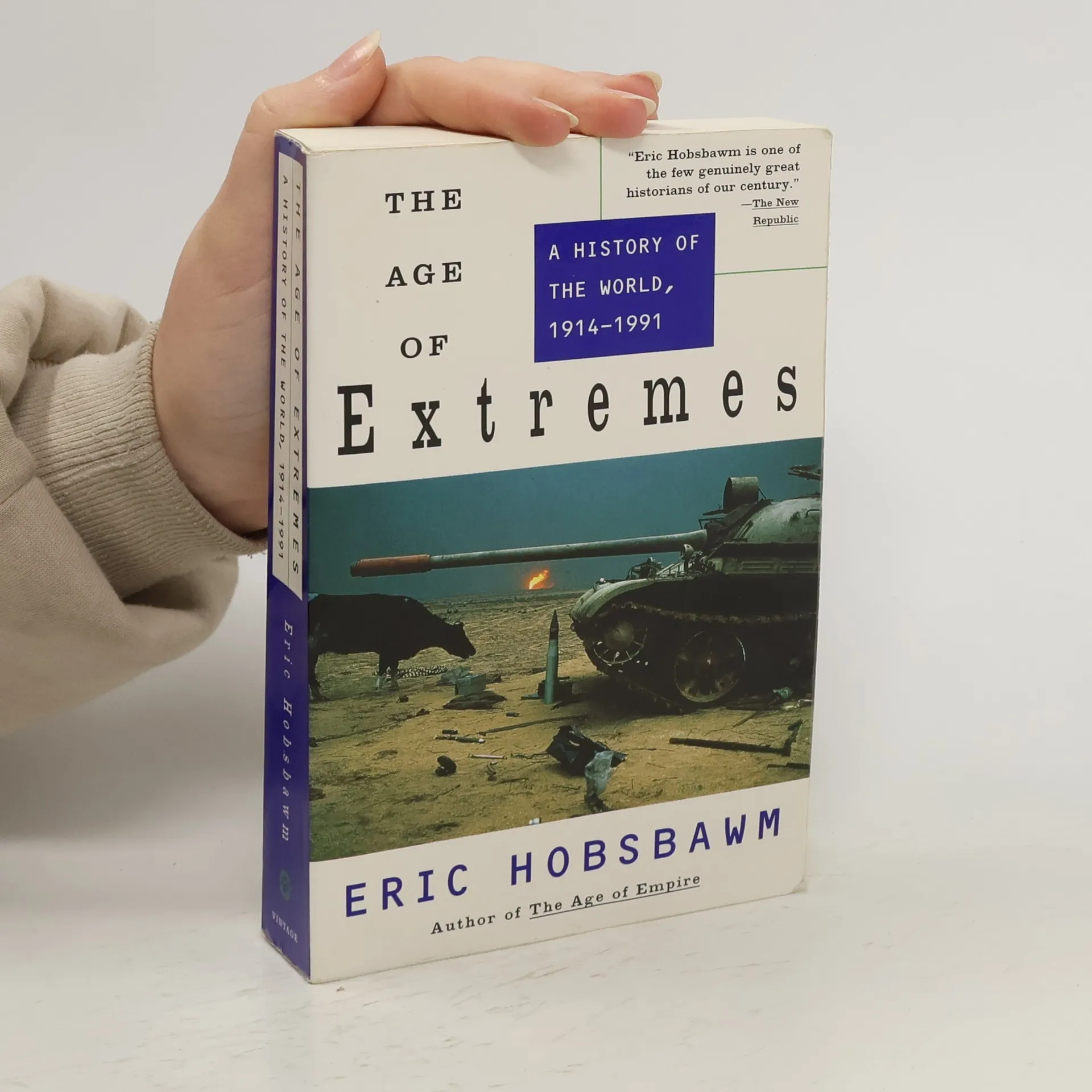
The book explores the 20th century by dividing it into three distinct periods: the Age of Catastrophe, the Golden Age, and the Landslide. Hobsbawm utilizes extensive data to provide a comprehensive and insightful analysis of these eras, highlighting their unique characteristics and impacts on modern history. This work stands alongside his renowned classics, offering readers a rich and vibrant understanding of the century's transformative events and trends.
Raising An Emotionally Intelligent Child
- 240 pages
- 9 hours of reading
Discusses a five-step program for parents to use when teaching their children to acknowledge and master their emotions.
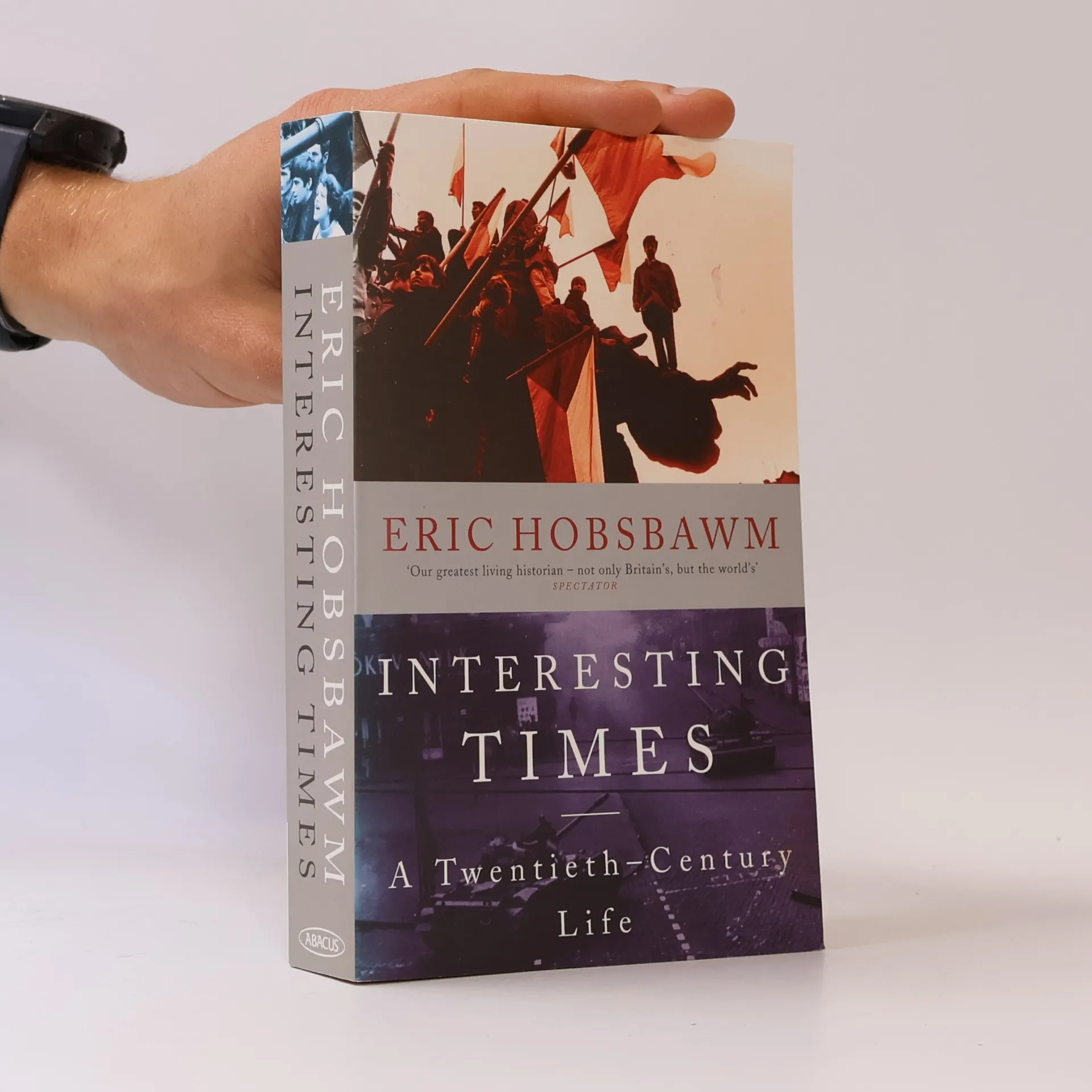
Interesting Times
- 464 pages
- 17 hours of reading
*The controversial autobiography of one of the most celebrated historians of our time schovat popis
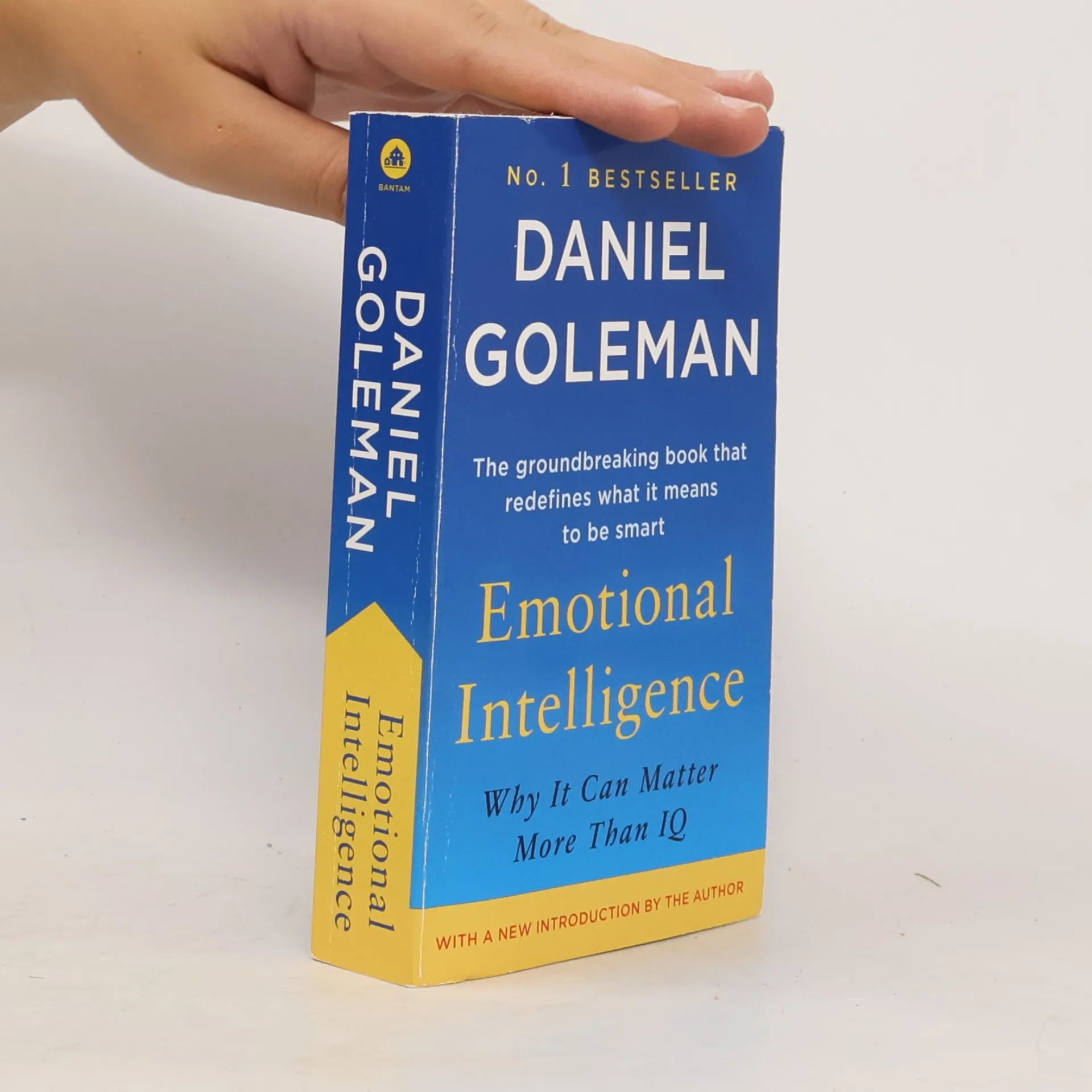
Emotional intelligence
- 413 pages
- 15 hours of reading
"Drawing on groundbreaking brain and behavioral research, Goleman shows the factors at work when people of high IQ flounder and those of modest IQ do surprisingly well. These factors, which include self-awareness, self-discipline, and empathy, add up to a different way of being smart - and they aren't fixed at birth. Although shaped by childhood experience, emotional intelligence can be nurtured and strengthened throughout adulthood - with immediate benefits to our health, our relationships, and our work."--BOOK JACKET.
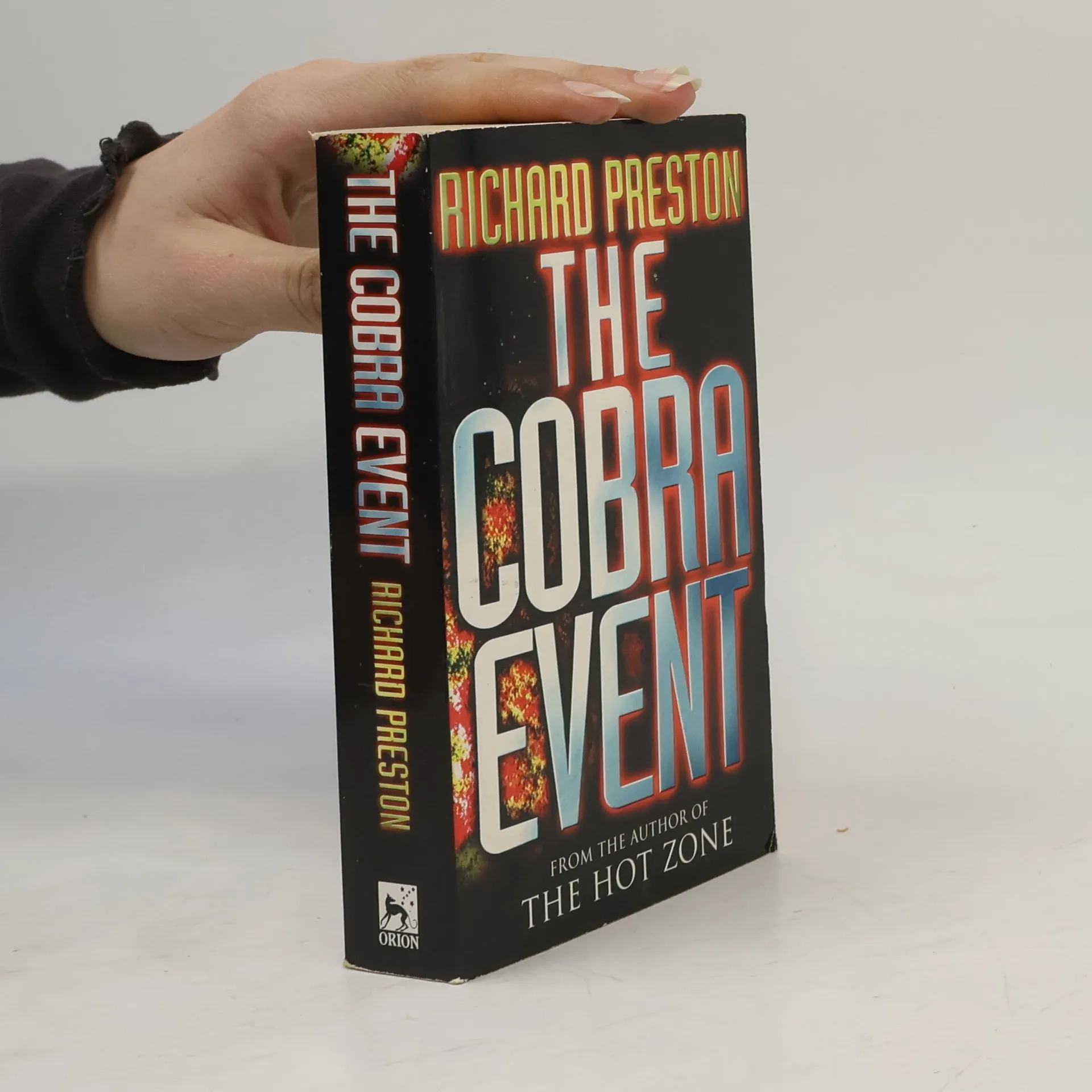
The Cobra Event
- 404 pages
- 15 hours of reading
The Cobra Event is a chilling fictional narrative that explores the very real threat of biological terrorism. Seventeen-year-old Kate Moran dismisses the onset of a cold but soon experiences violent seizures and a horrific death. Following a similar fate befalling a homeless man, the Centers for Disease Control dispatches pathologist Alice Austen to investigate. She discovers a sinister plot by a man named Archimedes, who aims to unleash a deadly Cobra virus across New York City. As panic spreads, Austen and a secret FBI forensic team work urgently to uncover the terrorist's identity. The narrative's frightening premise is grounded in extensive research, as the author notes that the nonfiction roots of the story run deep. His sources include eyewitnesses familiar with biological weapons installations and experts in strategic bioweapons, though none would speak on the record. Interspersed throughout the novel are nonfiction segments that expose the grim realities of biological weapon development and covert operations in Russia and Iraq. The author conducted three years of research and over 100 interviews with high-level figures in the FBI, military, and scientific community, culminating in a work designed to shock and inform readers.
Dividing the century into the Age of Catastrophe, 1914-1950, the Golden Age, 1950-1973, and the Landslide, 1973-1991, Hobsbawm marshals a vast array of data into a volume of unparalleled inclusiveness, vibrancy, and insight, a work that ranks with his classics The Age of Empire and The Age of Revolution. Includes 32 pages of photos.
