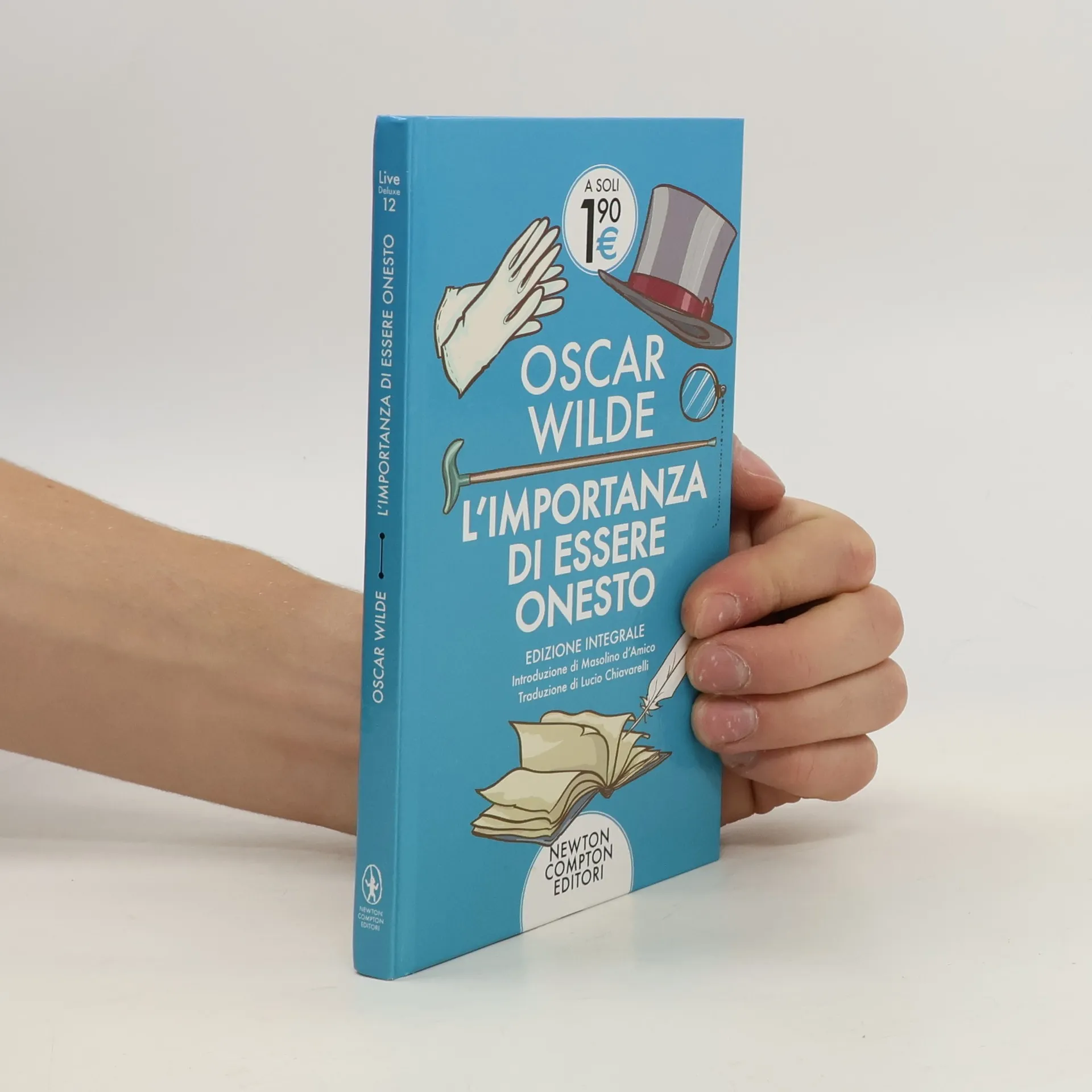
Nell’angusta atmosfera vittoriana, irrompe come un fulmine a ciel sereno L’importanza di essere onesto, considerato da molti il capolavoro teatrale di Wilde. Sin dal giorno del suo debutto, nel 1895, ha ottenuto moltissime repliche in tutto il mondo, fino alle recenti trasposizioni per il cinema. Questa «commedia frivola per persone serie» ritrae un arguto e pungente scorcio dell’aristocrazia inglese, un mondo dove la forza degli individui risiede in quello che dicono e non in quello che fanno, nel blasone e non nelle idee. Ernesto (Onesto) è l’uomo che tutte le dame – e non solo – vorrebbero avere. E per aggiudicarselo sarebbero disposte a tutto. Vanno così in scena, complici inconsapevoli, fiducia e finzione, sincerità e calcolo, onestà e manipolazione, in un’esplosione ininterrotta di battute sferzanti, molte delle quali memorabili come aforismi.
Lucio Chiavarelli Book order (chronological)
Le Bourgeois Gentilhomme
- 223 pages
- 8 hours of reading
Extrait : «MONSIEUR JOURDAIN : Et comme l'on parle qu'est-ce que c'est donc que cela ? MAITRE DE PHILOSOPHIE : De la prose. MONSIEUR JOURDAIN : Quoi ? Quand je dis : «Nicole, apportez-moi mes pantoufles, et me donnez mon bonnet de nuit», c'est de la prose ? MAITRE DE PHILOSOPHIE : Oui, Monsieur. MONSIEUR JOURDAIN : Par ma foi ! Il y a plus de quarante ans que je dis de la prose sans que j'en susse rien, et je vous suis le plus obligé du monde de m'avoir appris cela.»
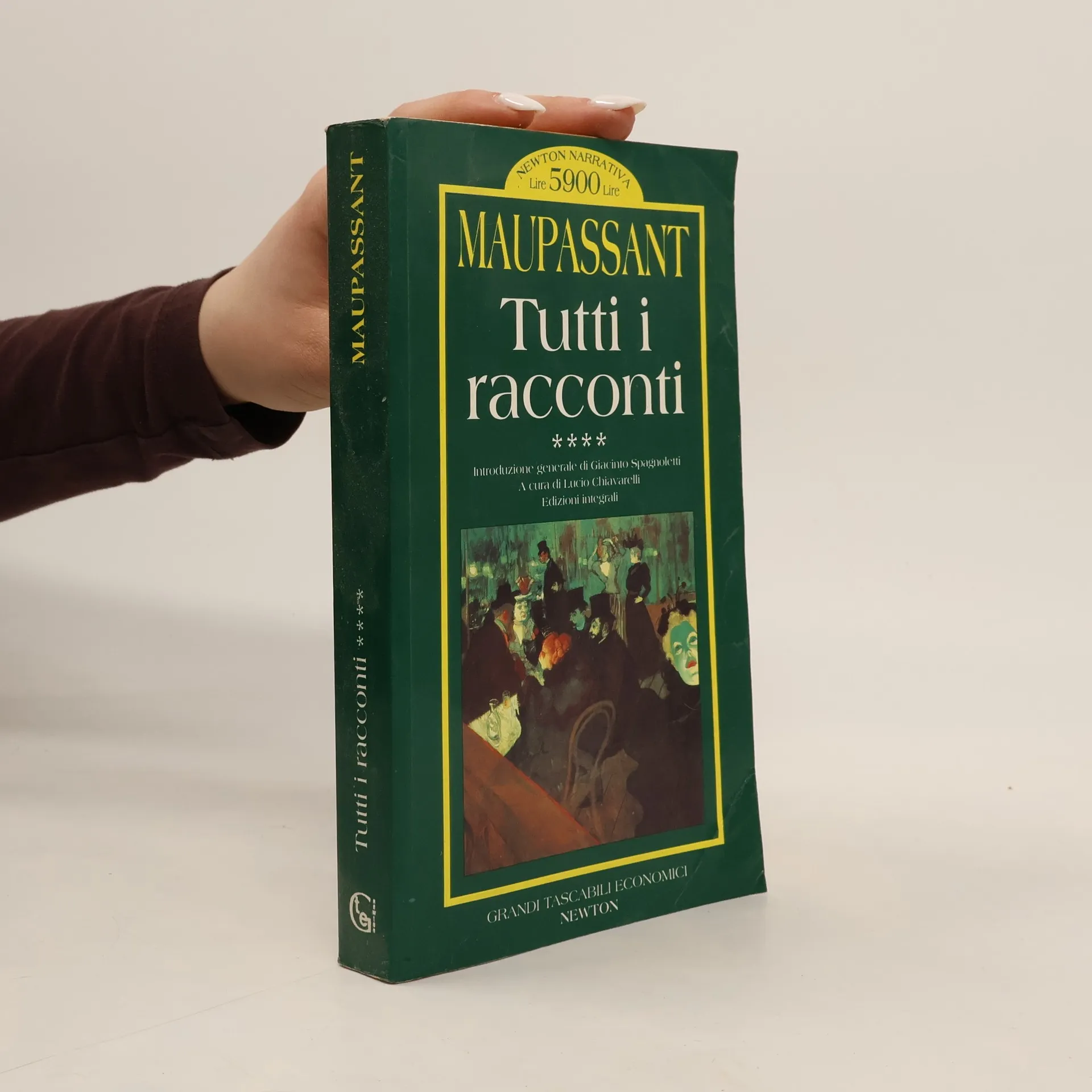
Grandi tascabili economici - 4: Tutti i racconti: Edizioni integrali
- 480 pages
- 17 hours of reading
In questo volume sono stati raccolti tutti i racconti pubblicati da Maupassant tra il 1885 e il 1891, da Le Horla a Il porto, da L'uliveto a Mosca.
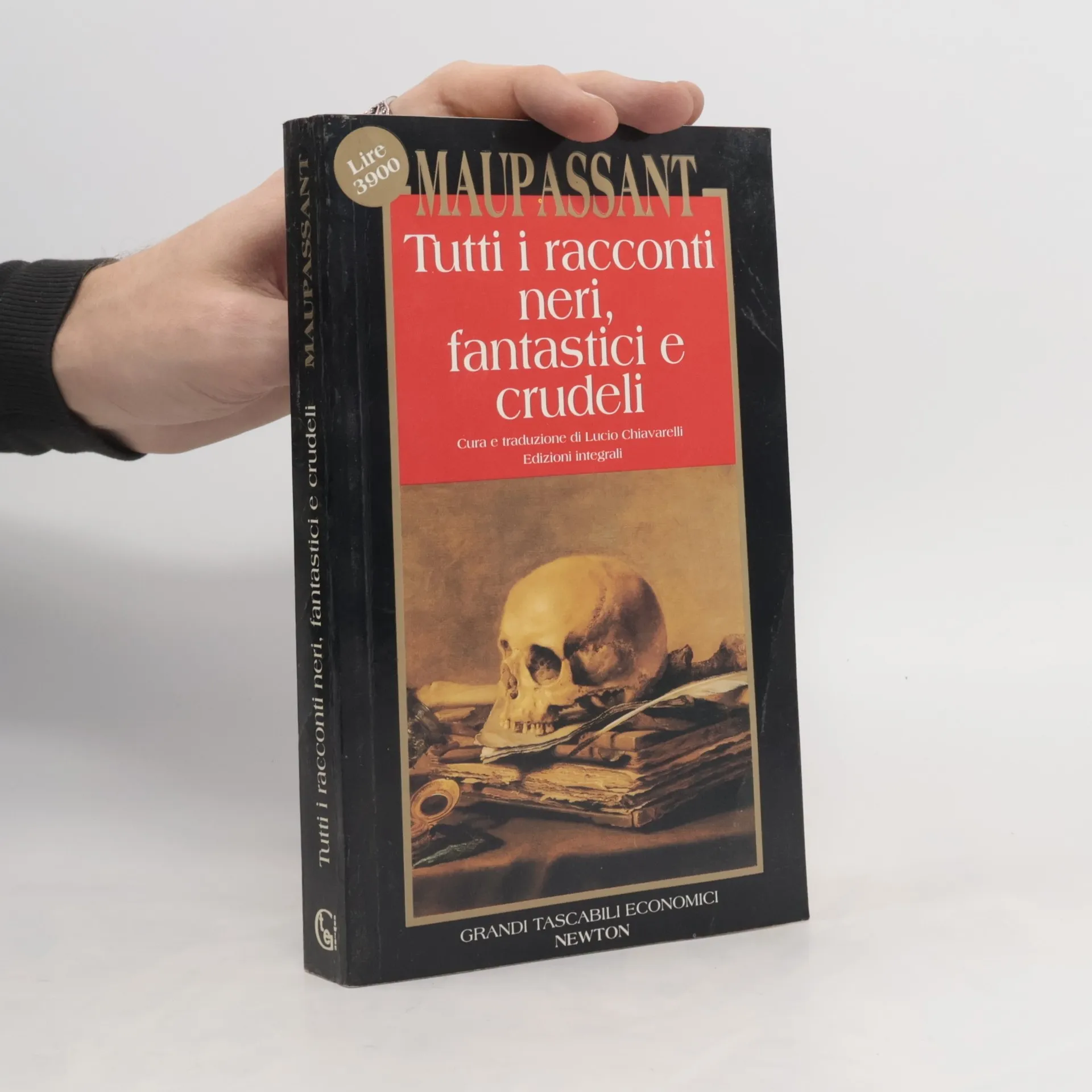
Tutti i racconti neri, fantastici e crudeli
- 400 pages
- 14 hours of reading
Un’atmosfera inquietante, fosca, ossessiva, una costante e pericolosa oscillazione tra la lucida razionalità e la più inafferrabile visionarietà, l’allontanamento completo da tutti i «sani» princìpi della dignità borghese a favore della più esplicita, dilacerante follia fanno di questi racconti il grafico capriccioso, tormentato, sconvolgente dell’esistenza umana, nella quale la penna implacabile di Maupassant affonda senza più riserve. La grandezza di questi racconti è nell’intuizione che gli uomini vivono almeno due vite, quella reale e quella della memoria-immaginazione: è nella partecipazione, ora fervida, ora dolorosa, a entrambe queste vite.
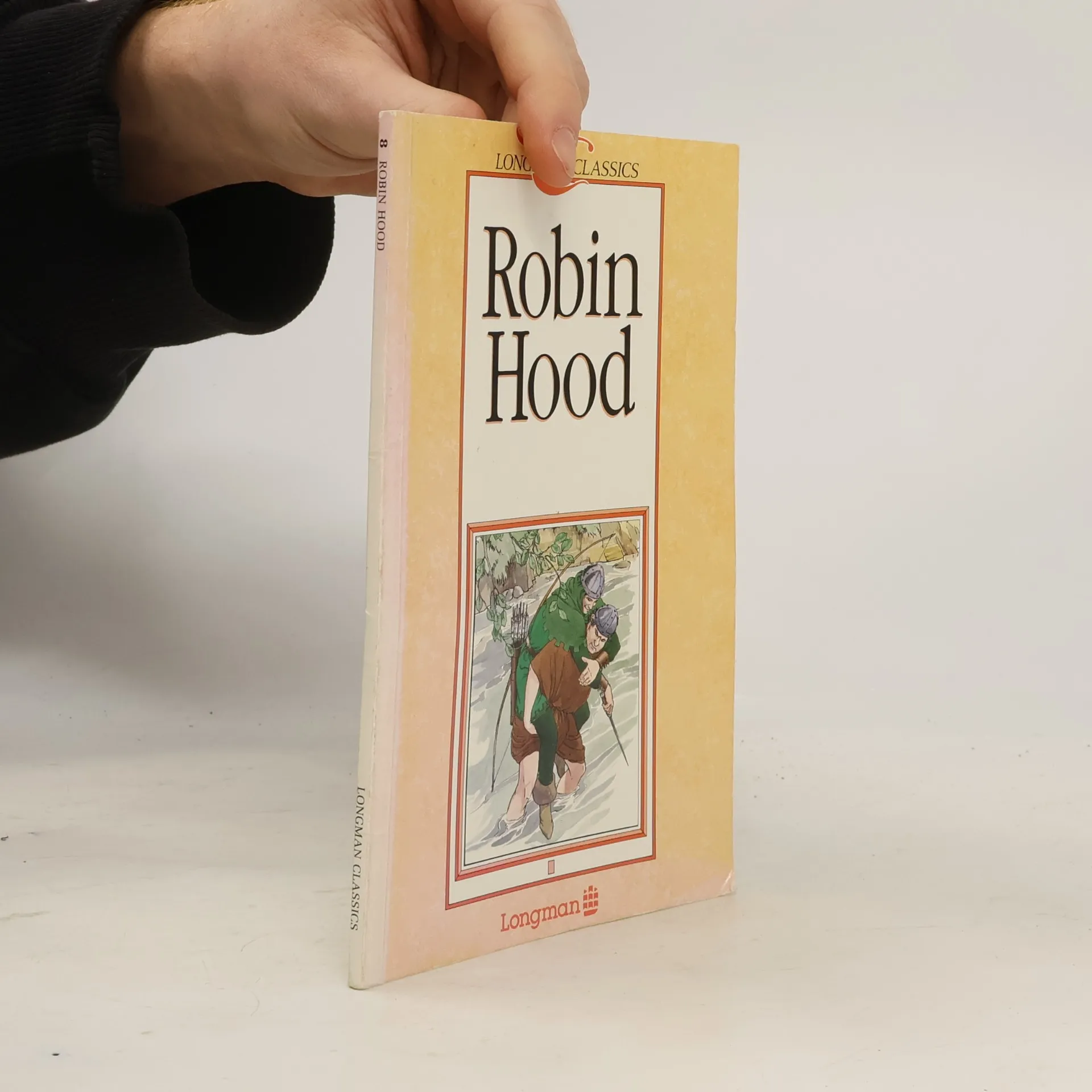
Robin Hood
- 57 pages
- 2 hours of reading
This is a Stage 1 title in a series which contains some of the best classic stories retold in English. The series is graded in four Stage 1 - 500 word vocabulary, Stage 2 - 750, Stage 3 - 1300 and Stage 4 - 1800. Each book includes an introduction to the author and story, a glossary of new words and exercise material (comprehension and discussion questions). The series should also be of interest to children and to readers who have learning difficulties.
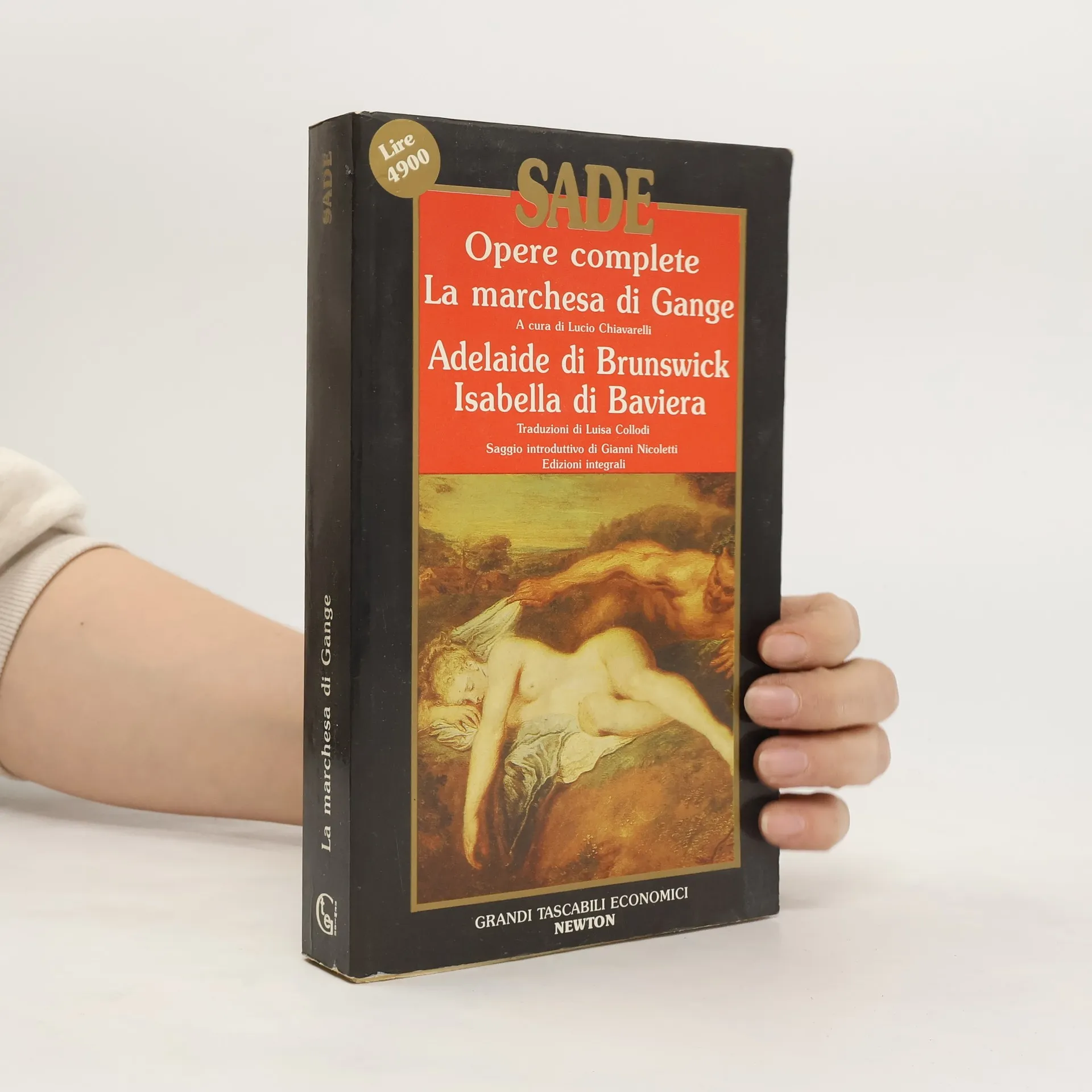
La marchesa di Gange; Adelaide di Brunswick; Isabella di Baviera
Edizioni integrali
- 496 pages
- 18 hours of reading
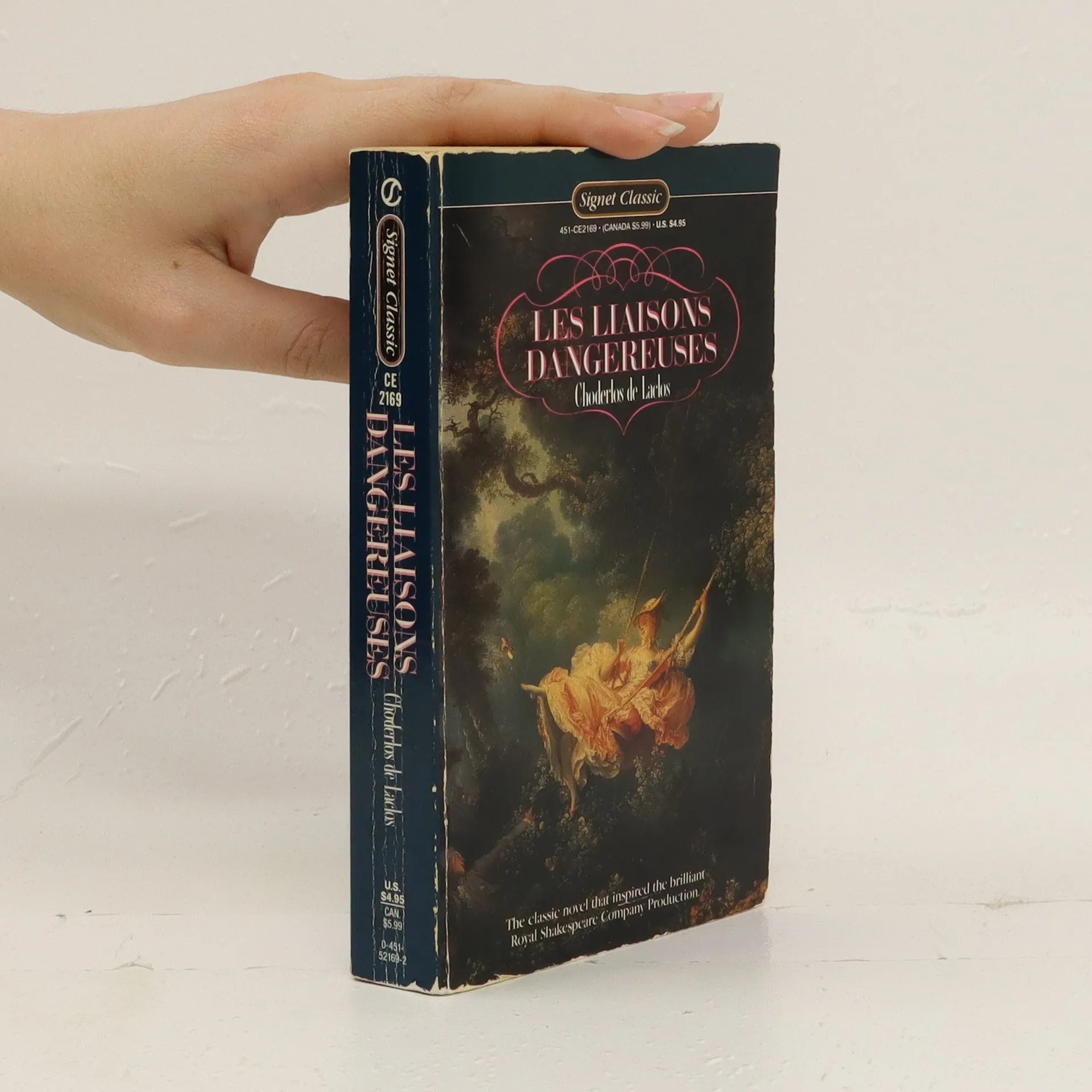
Les Liaisons dangereuses
- 384 pages
- 14 hours of reading
An epistolary novel chronicles the cruel seduction of a young girl by two ruthless, 18th-century aristocrats.
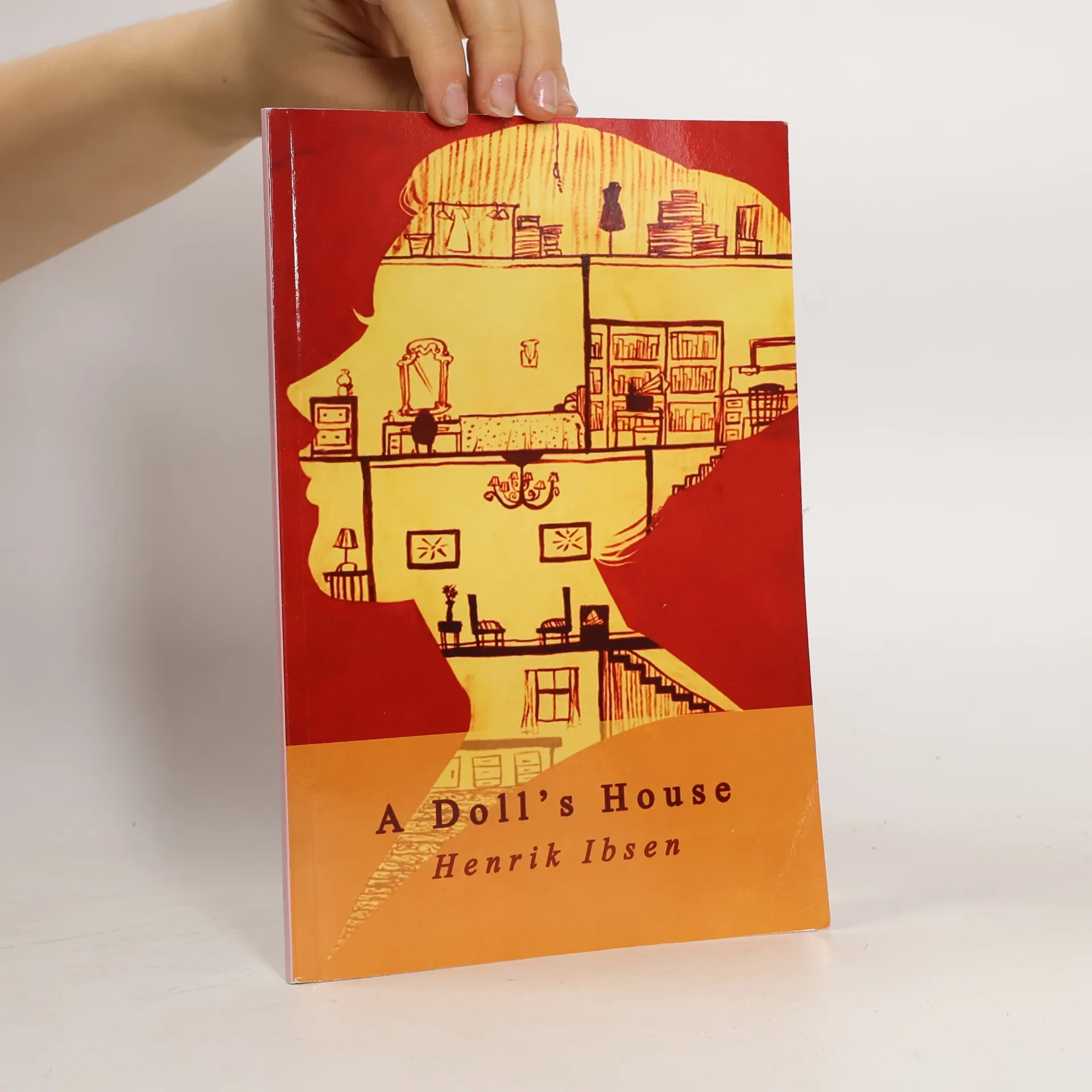
A Doll's House
- 68 pages
- 3 hours of reading
A Doll's House (Norwegian: Et dukkehjem; also translated as A Doll House) is a three-act play in prose by Henrik Ibsen. It premiered at the Royal Theatre in Copenhagen, Denmark, on 21 December 1879, having been published earlier that month. The play is significant for its critical attitude toward 19th century marriage norms. It aroused great controversy at the time, as it concludes with the protagonist, Nora, leaving her husband and children because she wants to discover herself. Ibsen was inspired by the belief that "a woman cannot be herself in modern society," since it is "an exclusively male society, with laws made by men and with prosecutors and judges who assess feminine conduct from a masculine standpoint." Its ideas can also be seen as having a wider application: Michael Meyer argued that the play's theme is not women's rights, but rather "the need of every individual to find out the kind of person he or she really is and to strive to become that person." In a speech given to the Norwegian Association for Women's Rights in 1898, Ibsen insisted that he "must disclaim the honor of having consciously worked for the women's rights movement," since he wrote "without any conscious thought of making propaganda," his task having been "the description of humanity."