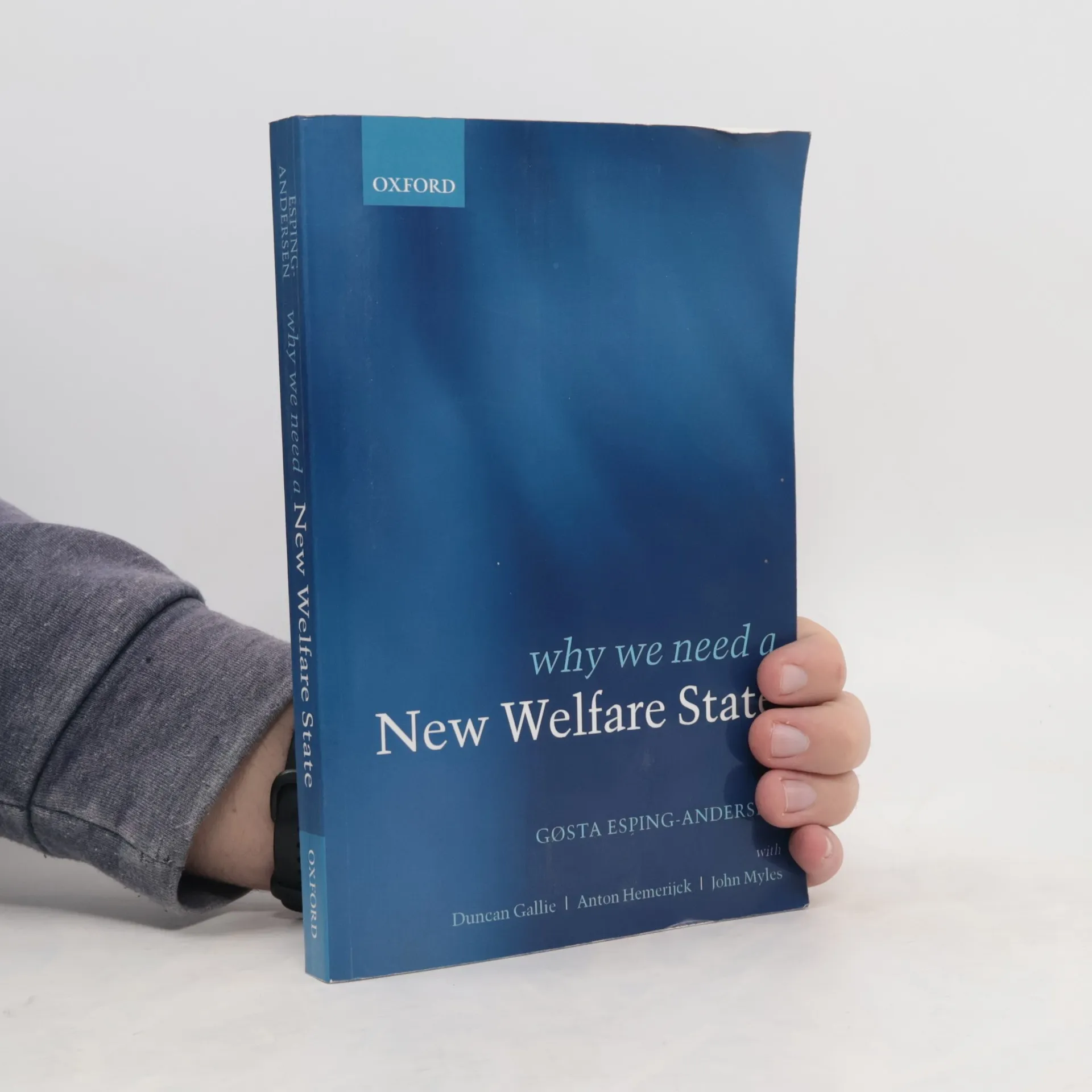
Leading scholars in the field examine the highly topical issue of the future the welfare state in Europe. They argue that welfare states need to adjust and examine which kind of welfare architecture will further Europe's stated goal of maximum social inclusion and justice. This volume concentrates on four principle social domains; the aged and transition to retirement; the welfare issues related to profound changes in working life; the risks and needs that arise in households and, especially, in child families; and the challenges of creating gender equality.
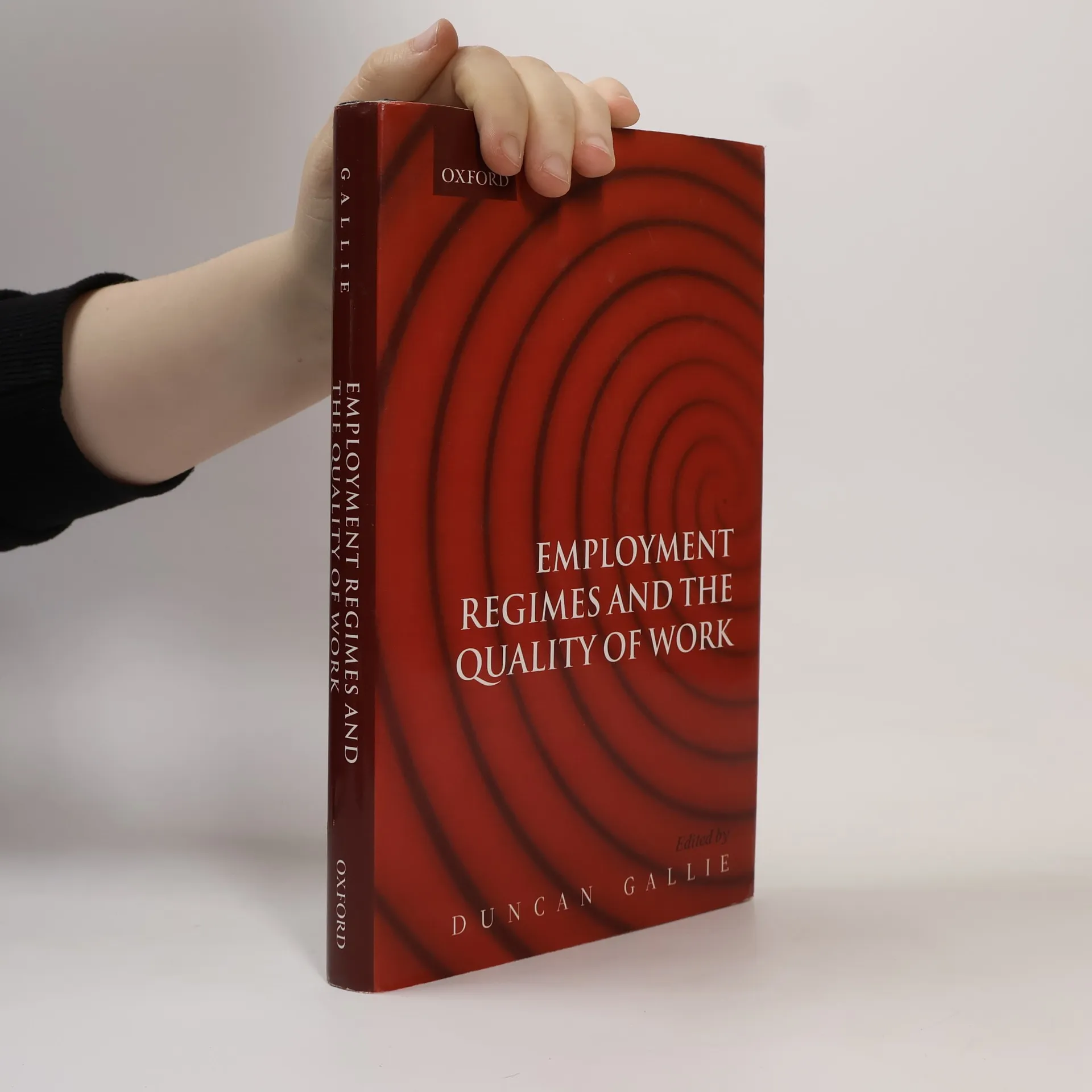
This book significantly advances the sociology of employment by comparing the quality of working life across diverse European societies, including France, Germany, Great Britain, Spain, and Sweden. It emphasizes skills and skill development, training opportunities, workplace initiative, work-life balance, and employment security. Utilizing a variety of nationally representative surveys, it uncovers notable disparities in work quality among these countries. For the first time, it offers rigorous comparative evidence on the experiences of different employee types and evaluates trends towards polarization between a privileged core workforce and a disadvantaged peripheral workforce. The analysis incorporates three influential theoretical perspectives: the common dynamics of capitalist societies, variations in production regimes, and differences in employment regulation systems. The book argues that the 'employment regime' perspective is the most compelling in explaining the factors influencing work quality in capitalist contexts. The findings highlight the critical role of national policy differences in shaping work experiences and advocate for renewed European initiatives aimed at enhancing work quality.