Penguin presents the companion book to the "Masterpiece Theatre" miniseries starring Gillian Anderson (T"he House of Mirth, The X-Files"). This stunning production features a screenplay written by Andrew Davies ("Bridget Jones's Diary"). Part romance, part melodrama, part detective story, the novel spreads out among a web of relationships in every level of society.
Part of a series of Jane Austen's works, with introductions by Austen scholars, together with 12 pages of colour introducing the characters, locations and times of Jane Austen.
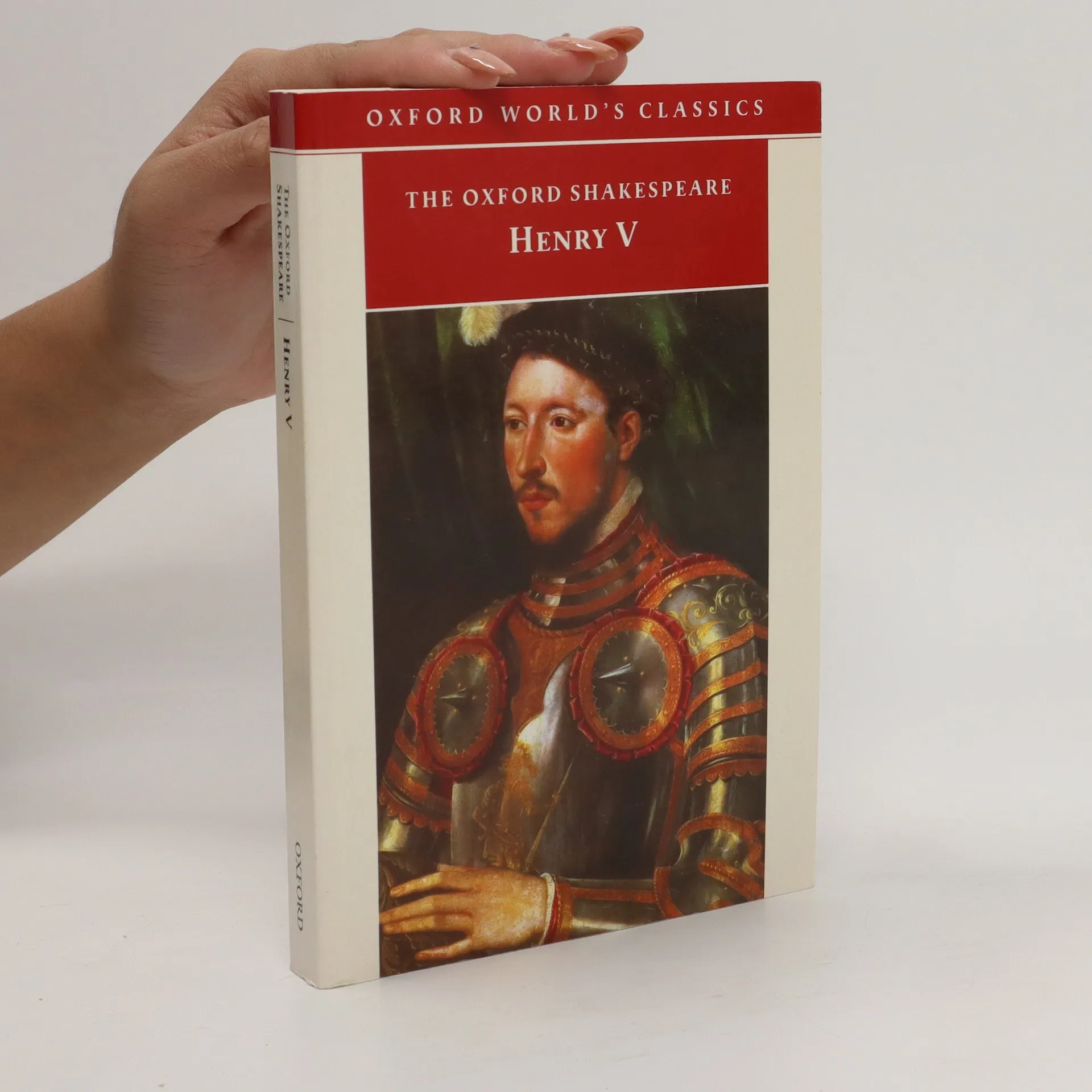
The introduction includes an examination of the Quarto and Folio texts, and of the relationship between them; a critical discussion of the play's historical and literary sources; an examination of conflicting critical attitudes to the play, and of its fluctuating theatrical fortunes; and a demonstration of the range and variety of Shakespeare's characterization.
The tale of a man's inability to escape his self-delusion and the tragic results that ensue, Almayer's Folly unfolds with the lush prose and keen psychological insights for which its author is renowned. Set in nineteenth-century Borneo, the novel recounts the brief rise and protracted fall of Kaspar Almayer, a Dutch merchant who has struggled for 25 years to practice his trade in the jungle. Only his daughter, Nina, brightens Almayer's embittered marriage to a Malayan, and he dreams of their triumphant return to civilization — a fantasy undermined by Almayer's own greed and prejudice. This tale of personal tragedy offers a wider perspective on the disastrous effects of colonialism, a view familiar to the author from the worldly wealth of experience he acquired in fifteen years of service as a merchant seaman. Conrad infused his first novel with many of the themes and settings that he would return to again and again in his later fiction: the clash of Western and Eastern cultures, the sovereignty of the natural world, and the consequences of cowardice and racism. A gripping and thought-provoking chronicle, Almayer's Folly abounds in the page-turning excitement that won Conrad his place among the greatest storytellers in English literature.
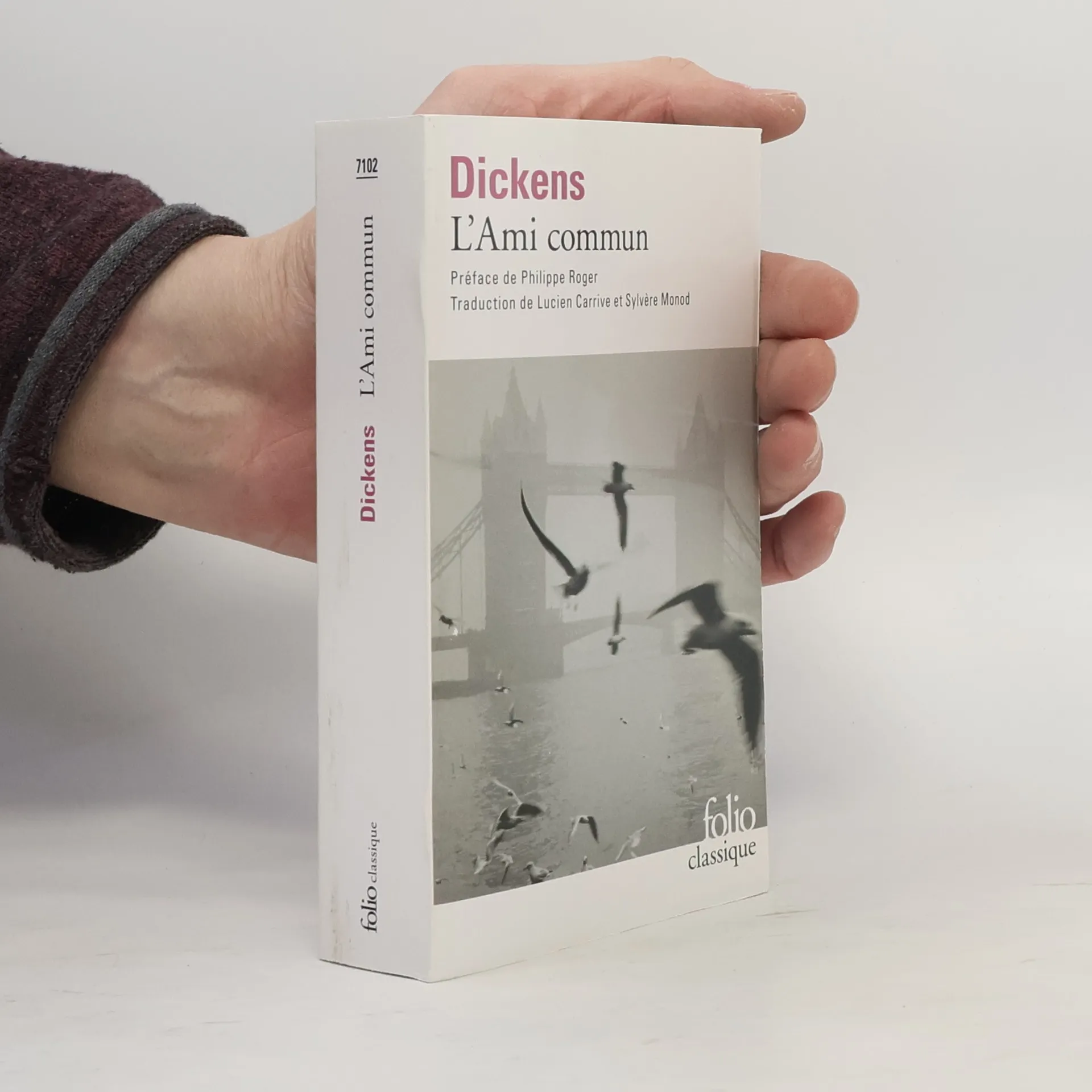
Un vieux misanthrope meurt après avoir fait fortune dans l'exploitation des décharges de Londres. L'héritage doit revenir à son fils, John Harmon, parti pour l'étranger quelques années auparavant. Mais voilà que l'on retrouve ses papiers d'identité sur un corps repêché dans la Tamise. La fortune échoit aux Boffin, fidèles domestiques du vieil avare, bientôt entourés d'une foule de charognards. Un jeune homme se présente alors, proposant de devenir leur secrétaire particulier. Dernier roman achevé de Dickens, L'Ami commun réunit toutes les facettes de son oeuvre, mais durcit encore davantage sa charge contre la société industrielle : puisque c'est de l'ordure que vient l'or, la corruption des valeurs est bien inhérente au système. Au coeur du roman, la Tamise, qui charrie les cadavres entre les monticules d'ordures, déroule sous la brume sa sinueuse intrigue.