Rainbow Essentials - 31: Ik, de ander
- 140 pages
- 5 hours of reading
Cultuurfilosofisch essay van de Hongaarse schrijver (1929- ) over de zijns inziens zorgelijke toekomst van Europa.



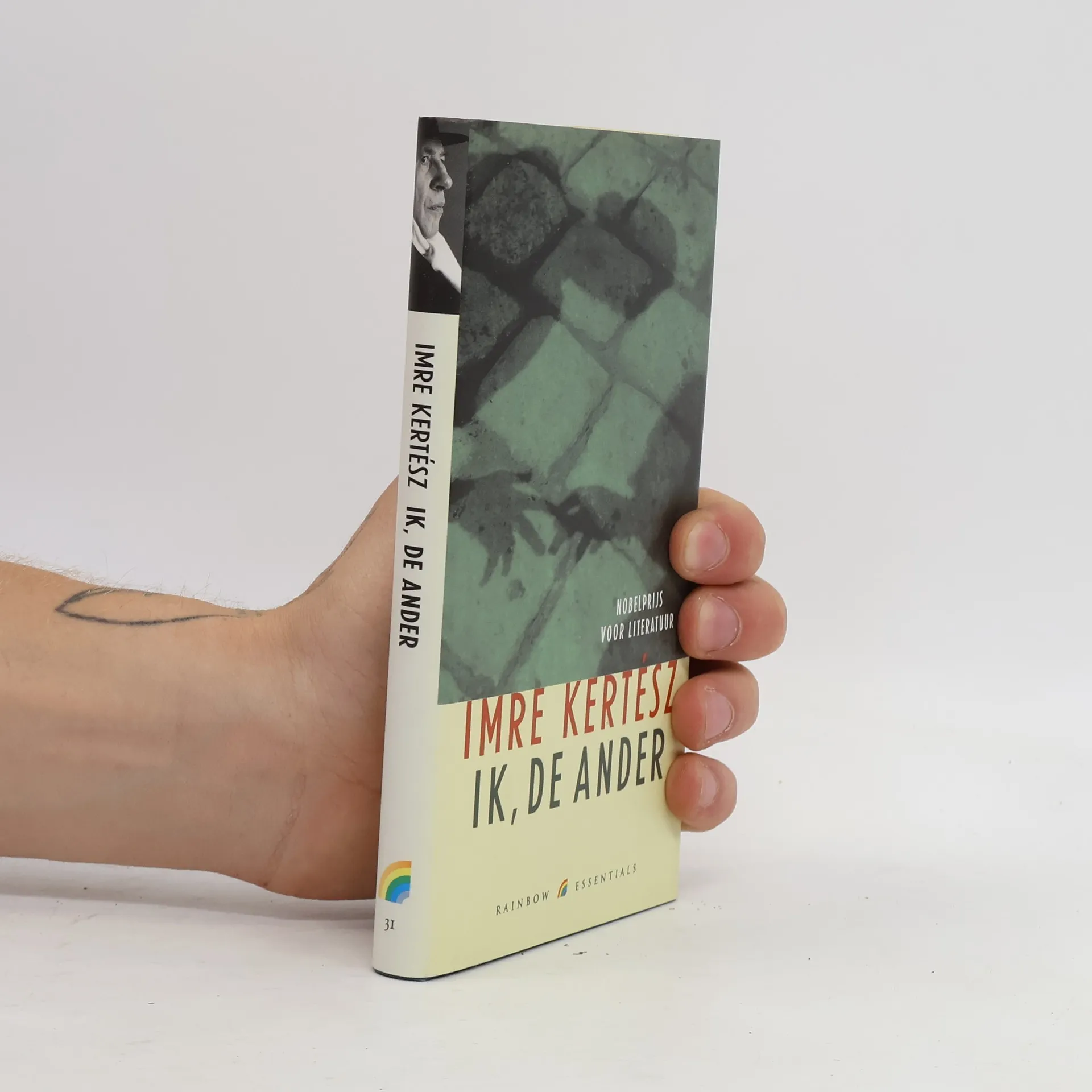
Cultuurfilosofisch essay van de Hongaarse schrijver (1929- ) over de zijns inziens zorgelijke toekomst van Europa.
This extraordinary magnum opus seems at first to be a confessional autobiographical novel in the grand manner, claiming and extending the legacy of Proust and Mann. But it is more: Peter Nadas has given us a superb contemporary psychological novel that comes to terms with the ghosts, corpses, and repressed nightmares of Europe's recent past. "A Book of Memories" is made up of three first-person narratives: the first that of a young Hungarian writer and his fated love for a German poet; we also learn of the narrator's adolescence in Budapest, when he experiences the downfall of his once-upper-class but now pro-Communist family and of his beloved but repudiated father, a state prosecutor who commits suicide after the 1956 uprising. A second memoir, alternating with the first, is a novel the narrator is composing about a refined Belle Epoque aesthete, whose anti-bourgeois transgressions seem like emotionally overcharged versions of the narrator's own experiences. A third voice is that of a childhood friend who, after the narrator's return to his homeland, offers an apparently more objective account of their friendship. Together these brilliantly colored lives are integrated in a powerful work of tragic intensity.
Tegen het decor van de Hongaarse en Hongaars-joodse geschiedenis trekt in Tuinfeest een stoet van levende, maar ook dode verwanten, vrienden, tegenstanders en naamloze passanten aan het geestesoog van de ik-figuur voorbij. Tragische gebeurtenissen worden afgewisseld met sterk erotische passages, met vrolijkheid en inkeer, humor en geluk. Tenmidden van het feestgedruis wordt de ik-figuur geconfronteerd met zijn eigen afstandelijkheid en met de actieve politieke betrokkenheid van de hartsvriend van zijn jeugd, die tenslotte naar het Westen emigreert. De ik-figuur heeft zich minder gehecht, maar is wel gebleven.
Een röntgenfoto van een tijdperk heeft men Het boek der herinneringen van de Hongaarse auteur Péter Nádas wel genoemd. Ook in zijn recent verschenen verhalen, gebundeld onder de titel Minotaurus, onderzoekt Péter Nádas het gebied waar repressie en geweld hun diepste sporen nalaten: de wereld van het innerlijk, van de persoonlijke existentie. Kinderen en ouderen – mensen in grenssituaties – zijn de hoofdpersonen in deze verhalen. Beknopt en met een beklemmende precisie wordt verteld hoe een kinderfeestje in een spookachtige geschiedenis vol vernedering en onderdrukking verandert: een totalitaire samenleving in miniatuurvorm. Afhankelijkheidrelaties worden op een sublieme manier beschreven in een verhaal over een oude vrouw en haar dienstmeisje. Deze bundel bevat zeven verhalen, waaronder het beroemde verhaal 'De bijbel' waarmee Nádas zijn entree maakte in de Hongaarse literatuur.
Een Hongaarse jongen, wiens vader bij de staatspolitie werkt, wordt aanvankelijk door zijn grootvader opgevoed in de geest van de joodse wijsheid.
Imre Kertész gehört seit seinem «Roman eines Schicksallosen» zu den großen europäischen Schriftstellern. Ein Mann muß mit dem Fiasko fertig werden, dass sein «Roman eines Schicksallosen» abgelehnt wurde. So erfindet er sich einen Helden, dem er die Bürde seiner eigenen Erfahrungen auflädt.«Ein beklemmendes Werk» (Frankfurter Rundschau)
It is May 1918, and a group of boys are poised on the brink of adulthood. With war sweeping Europe, theirs has become a ghost town: fathers, uncles and older brothers have been called to the front; the trains that arrive through snow-capped mountains bear the living with the dead. As the boys’ graduation looms, so too does their fear of going to fight. Drawn together by the end of all that is familiar, yet repelled by what adulthood has come to represent, a small group of them invent a clandestine world. In their hideaway, with its codes, loves, jealousies, and own elaborate rules, these four test out their frustrations and their fears. Their games are darkly comic, wildly imaginative, increasingly subversive, and they attract the attention of a visitor to the town. By summer’s end, their secret is in ruins. The Rebels is a story of complicity and betrayal, of youthful exuberance and dawning responsibility. Another rediscovered gem from the great Hungarian author of Embers, it is a haunting novel that traces the experience of friends who confuse growing up with dying and adulthood with war, and are jolted forever from the final, irretrievable summer of their adolescence. ‘Elegiac, sombre, musical, and gripping, Embers is a brilliant disquisition on friendship' Observer
