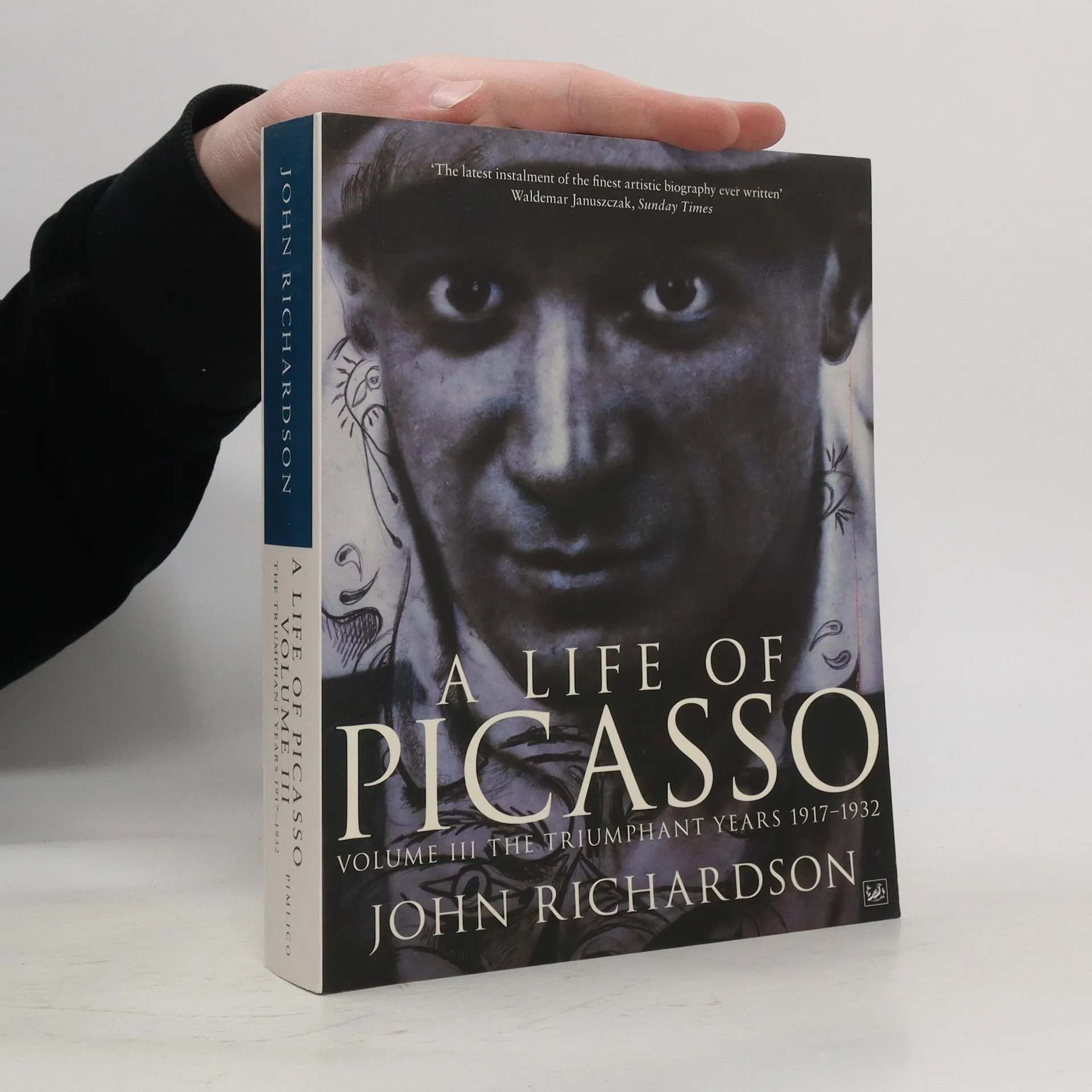
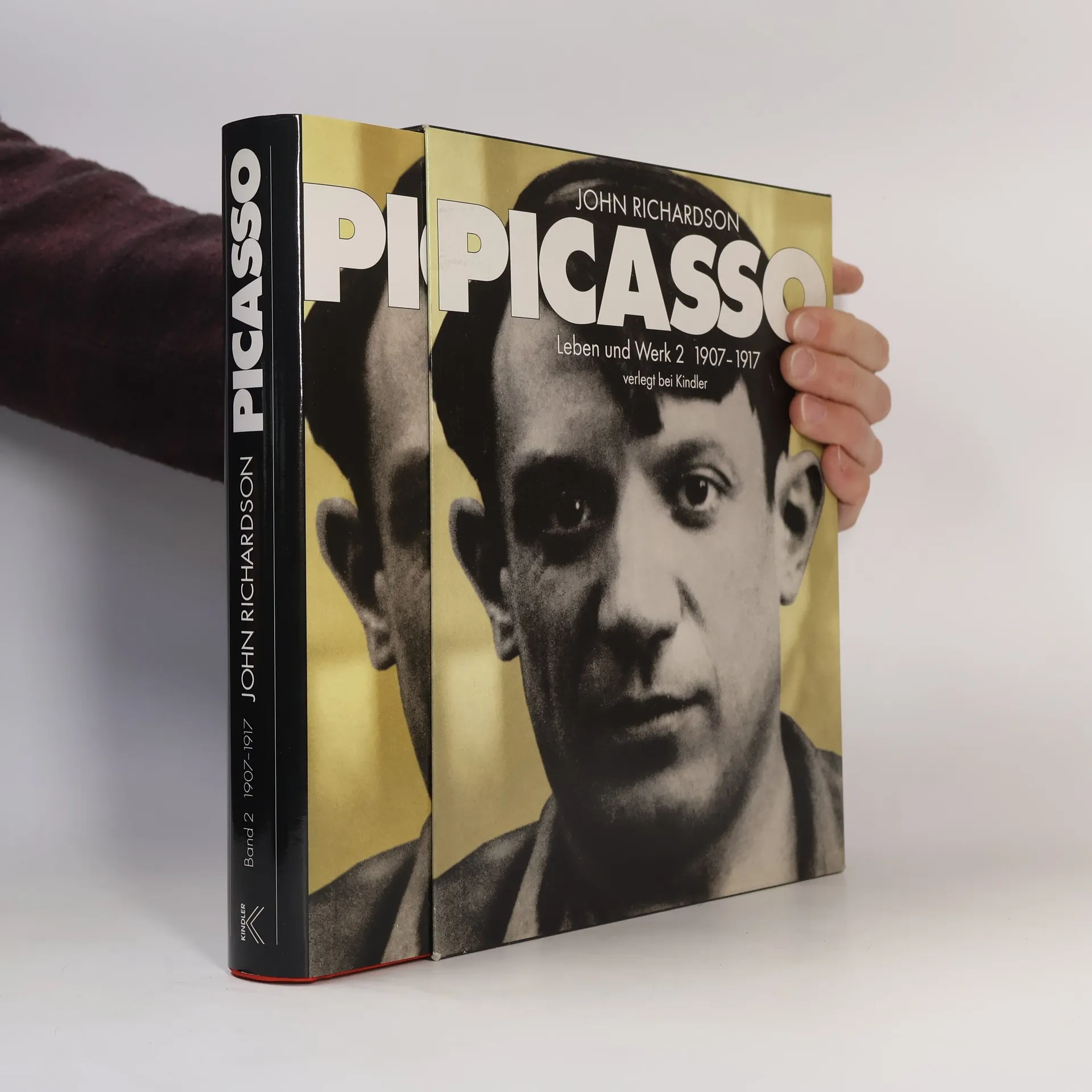
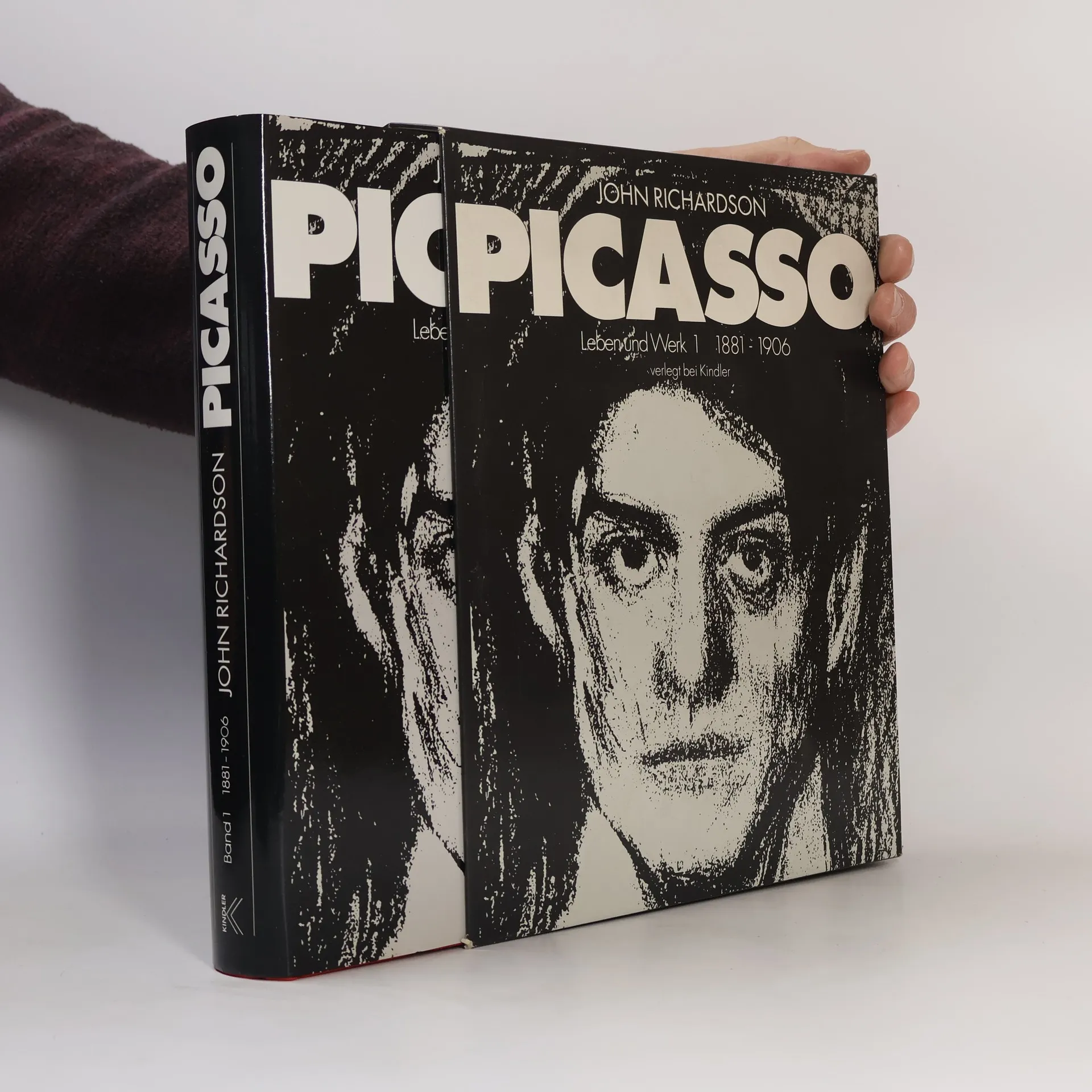
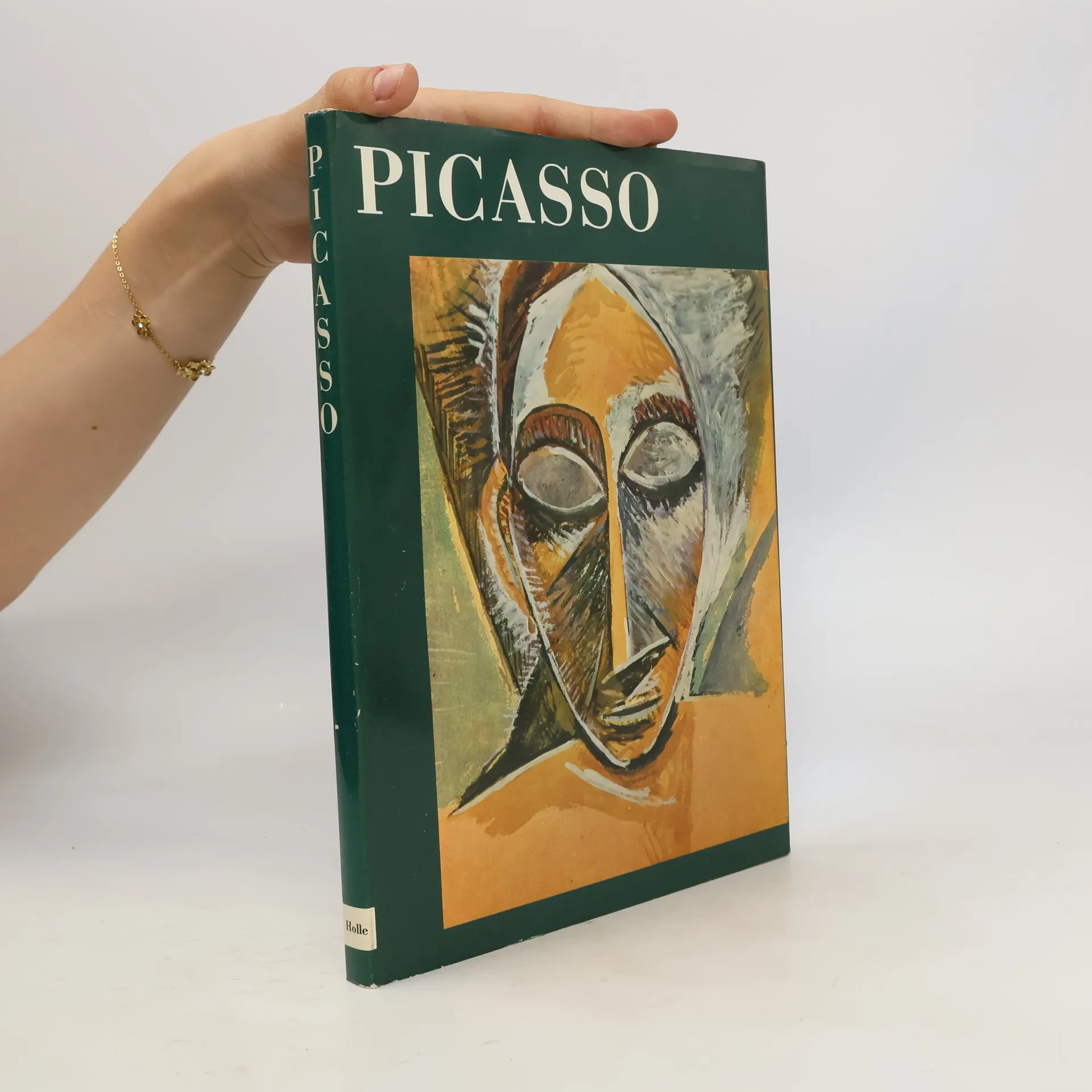
The first volume of this biography emphasized Picasso's Spanish roots from Malaga to Barcelona. This second volume covers ten pivotal years of Picasso's life. It describes his relationship with Cocteau, his affair with Fernande Olivier, and the influence of women on his art.
This title in the Oxford Readings in Philosophy series brings together some of the most influential and stimulating essays on Nietzsche's philosophy to have appeared over the last three decades. Including a substantial editorial introduction by John Richardson, this volume covers Nietzsche's major interpretative positions and gives an argued examination of each.
From 1950 to 1962, John Richardson lived near Picasso in France and was a
friend of the artist. After Picasso's death, his widow Jacqueline collaborated
in the preparation of this work, giving Richardson access to Picasso's studio
and papers.
Presents an introduction to Heidegger's life and work. This book introduces
and assesses the key arguments of Being and Time under three key headings:
pragmatism; existentialism; and the themes of time and being.
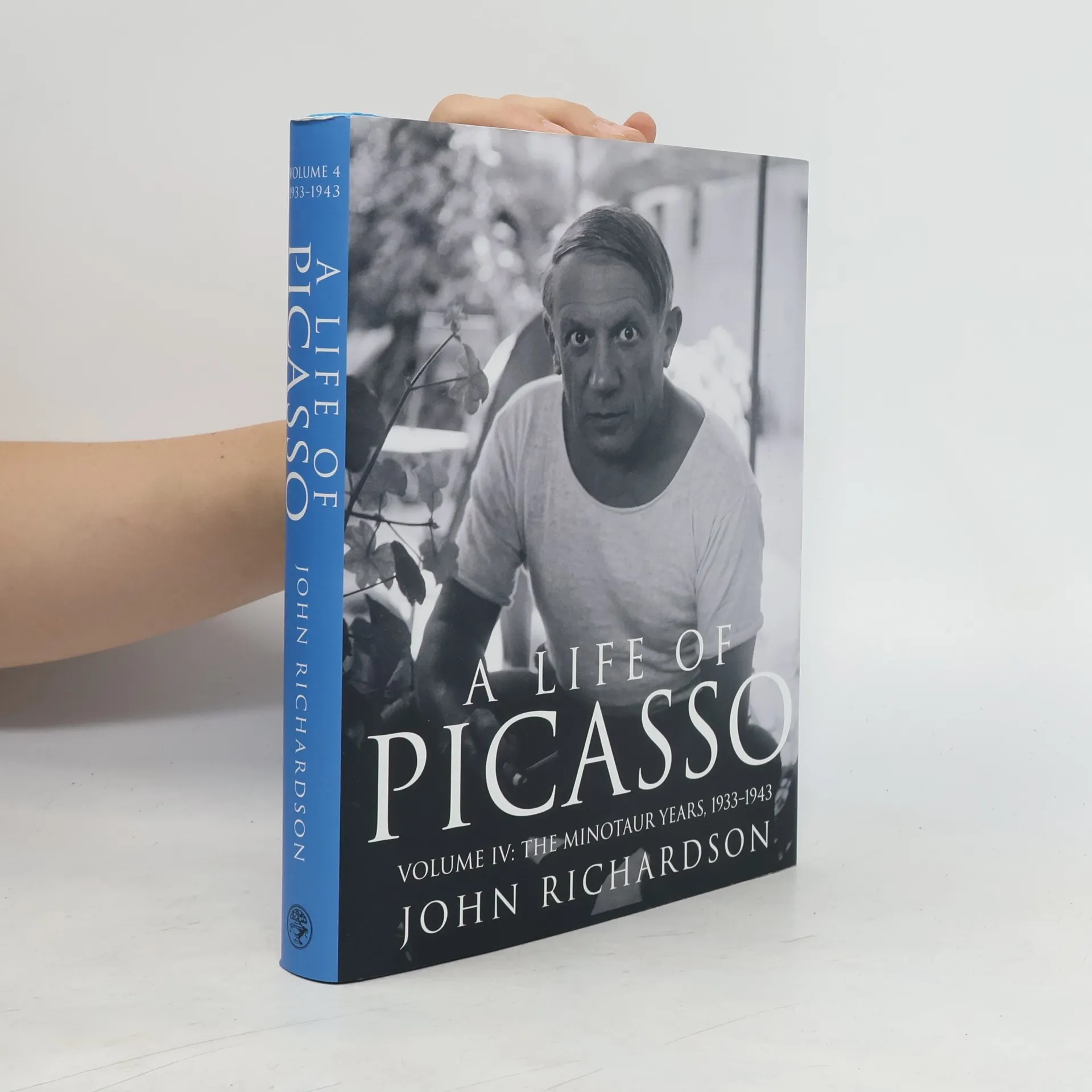
The fourth and final volume of Picasso's life unfolds in Paris, Normandy, the south of France, Royan, and Barcelona during the Spanish Civil War and the onset of World War II. Drawing on extensive research, including interviews and previously unseen materials from the Picasso family archives, the narrative begins with Hungarian-French photographer Brassaï visiting Picasso's chateau in Normandy, where he captures iconic images of the plaster busts of Marie-Thérèse, Picasso's mistress and muse. During this period, Picasso contributed to André Breton's Minotaur magazine and mingled with notable figures like Man Ray, Salvador Dalí, and Paul Éluard. He delved into surrealist poetry, becoming captivated by the Minotaur myth, which inspired his famous etching, Minotauromachie. The artist remained prolific, creating works featuring both Marie-Thérèse and the surrealist photographer Dora Maar, who became a muse and collaborator. The bombing of Guernica in 1937 spurred Picasso to paint his monumental work of the same name for the Spanish Pavilion at the Paris World's Fair. Despite the Nazi occupation of Paris in 1940, he chose to stay, facing the risk of art confiscation. In 1943, he met Françoise Gilot, who revitalized his creativity and inspired a remarkable series of paintings. This volume immerses readers in a pivotal moment in twentieth-century cultural history, concluding a definitive account of one of the world's most celebrated
The author introduces material on the artist's early training in religious art, and establishes his passion for Barcelona and Catalan "modernisme". There are also portraits of Apollinaire, Max Jacob and Gertrude Stein who made up "The Picasso Gang". The book won the 1991 Whitbread biography award.
A renowned gallerist and collector, the late Ileana Sonnabend acquired an impressive collection of seminal work directly from the Warhol studio at the time of its making. Sonnabend was an early and fervent supporter of Warhol, and held three important exhibitions of his work at her Paris gallery, including the series Death and Disasters (1964), Flowers (1965), and Thirteen Most Wanted Men (1967). This beautifully illustrated book includes essays by Picasso biographer John Richardson and leading Warhol scholar Brenda Richardson, who was a close friend of Sonnabend’s. Her essay is an insightful portrait of the highly regarded dealer and her relationship with Warhol. The book is illuminated by previously unpublished private letters and includes stand-alone facsimile reproductions of the exhibition catalogues, originally published by Galerie Ileana Sonnabend.
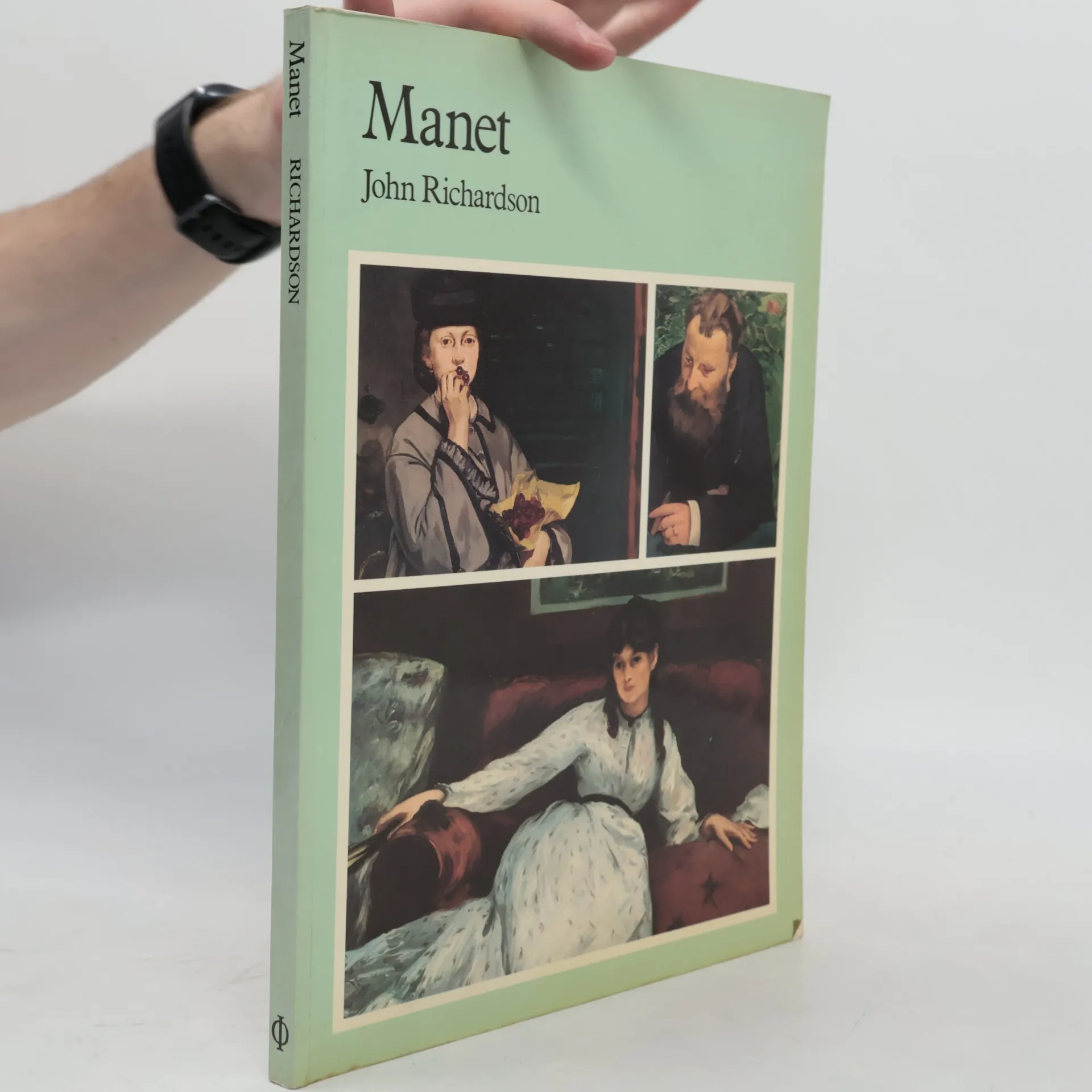
This series acts as an introduction to key artists and movements in art history. Each title contains 48 full-page colour plates, accompanied by extensive notes, and numerous comparative illustrations in colour or black and white, a concise introduction, select bibliography and detailed source information for the images. Monographs on individual artists also feature a brief chronology.
GAZZA - Paul Gascoigne - is probably the most talked about football celebrity
of our lifetime. Everyone has a Gazza yarn to tell. Our Gazza: The Untold
Tales is a collection of stories and memories as told by the people who know
him best including Terry Venables, Chris Waddle, Ally McCoist, Harry Redknapp
and more.
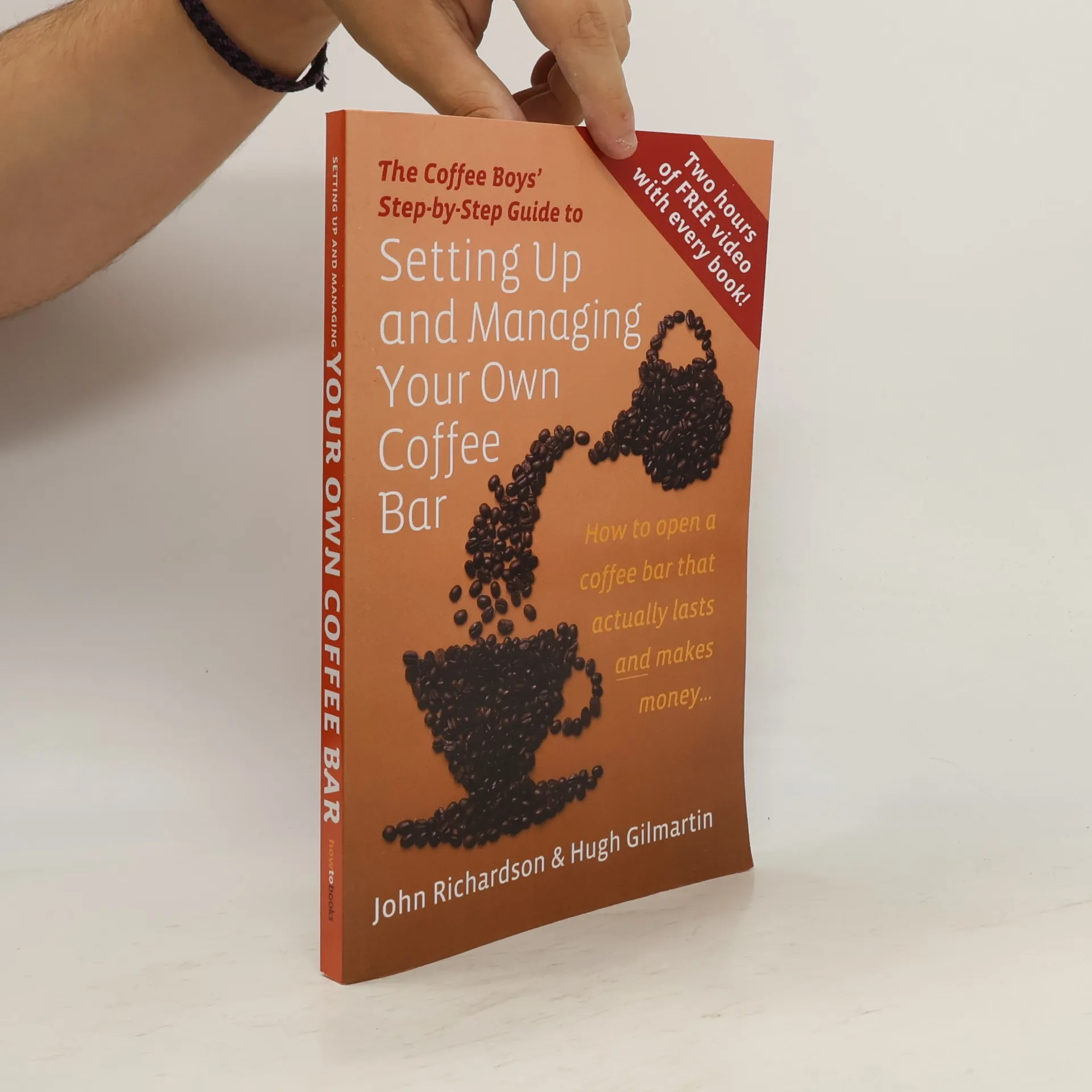
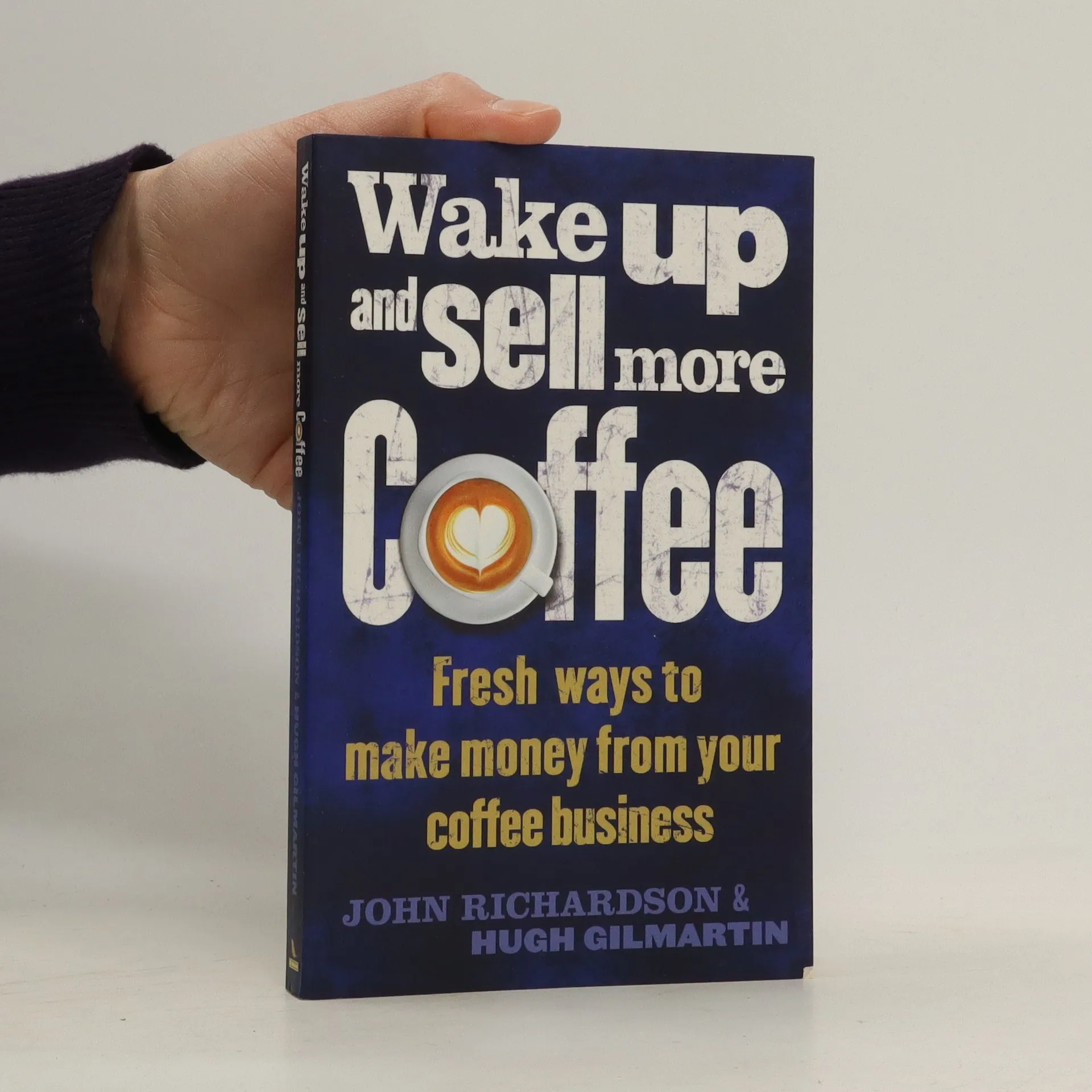
From the authors of the acclaimed 'Wake Up and Smell the Profit', this practical guide to setting up a coffee bar or sandwich bar includes advice on location, raising finance and devising a marketing plan.
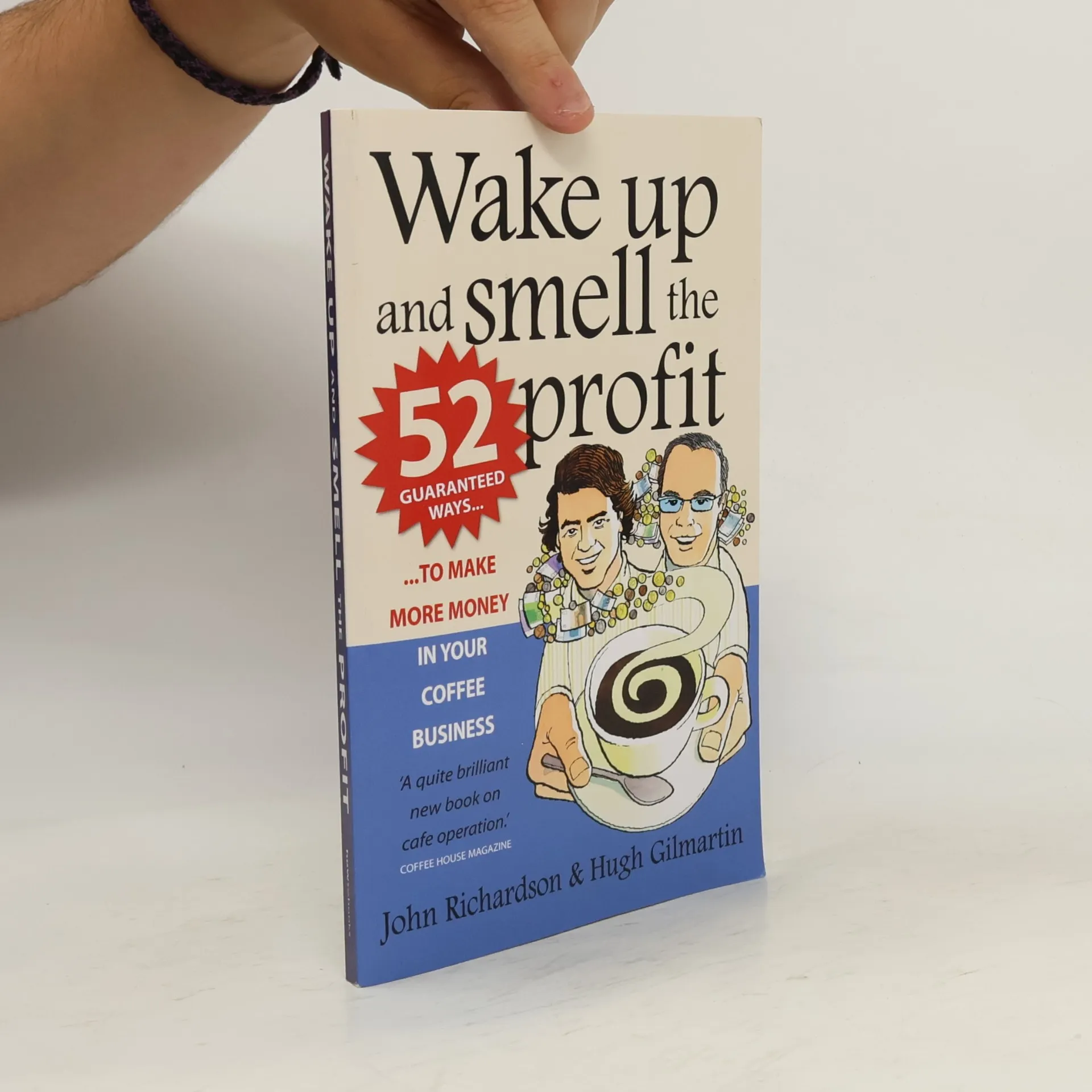
Witty, authoritative, comprehensive and fun, Wake Up and Smell the Profit is the ultimate guide to making more money in your coffee business.In this book you'll find the sharpest insights and the best ideas from two of the UK's top Coffee Business Gurus. Together 'The Coffee Boys' have 40 years' experience in how to make money in the coffee selling business. Whether you operate a single site espresso bar, a Michelin starred restaurant or chain of hotels, there is something in this book for everyone.With 52 motivating tips and suggestions (plus an extra bonus idea for good measure), all you need to do is apply one initiative a week for a year and you could have a much more profitable and easier to manage business within twelve months.With this book you'll be able to:A* Make more money and work lessA* Have happier customers who spend more moneyA* Win more customers without spending a fortuneA* Enjoy running your business moreA* Create customers who rave about your business and consequently generate more customers through word of mouthWhat are you waiting for?
Focusing on accessibility, this book is a reproduction of a historical work presented in large print, catering specifically to individuals with impaired vision. Published by Megali, a house dedicated to making historical texts more readable, it emphasizes the importance of inclusivity in literature.
This book is a reproduction of a historical work, produced by Megali, a publishing house dedicated to making literature accessible for individuals with impaired vision. The large print format enhances readability, ensuring that important historical texts can be enjoyed by a wider audience.
This publication focuses on reproducing historical works in large print, catering specifically to individuals with impaired vision. The initiative by Megali aims to enhance accessibility and provide a more enjoyable reading experience for those who may struggle with standard print sizes.
These experts and coffee shop owners seek to answer two main questions: 1. What is the one thing they wish they'd known before they started 2. What is the secret to success of their business and of great coffee shops and cafés in general. Some of these owners have just one site and some have multiple sites and worldwide success but all are acknowledged as being exceptional.
An einem Abend Ende Juni versammelt sich eine Gruppe von Freundinnen im Haus von Louise. Natalie bringt Rotwein, Tamara eine glutenfreie Köstlichkeit und ihr voll aufgeladenes Handy, während Fiona ihr Aromatherapie-Set mitbringt. Lou sorgt stets für mindestens ein Kilo Schokolade.
Diese regelmäßigen Treffen versammeln acht sehr unterschiedliche Frauen mit ihren eigenen Leben, Geheimnissen und Fantasien – der einzige verbindende Faktor ist, dass sie alle Mütter sind.
Seien Sie gewarnt, Sie werden sich und Ihre Freundinnen in diesen Seiten wiedererkennen. Es sind echte Gespräche über Gewicht, Fantasien, Schulbrotdosen, Schuldgefühle, Partner, den endlosen Kampf, Arbeit, Hausarbeit und die Herausforderung, jeden Abend zu entscheiden, was die Familie essen soll.
In der Tradition von „I Don't Know How She Does It“ und mit einem Hauch von „The Bride Stripped Bare“ beleuchtet das Buch die fragilen Aspekte des Mutterseins, die Schönheit und Komplexität von Freundschaften sowie die Art und Weise, wie Frauen sich gegenseitig unterstützen und beurteilen. Es bietet einen aufschlussreichen Blick darauf, wohin Frauen als Mütter gehen und wie weit es möglich ist, zu gehen, ohne ganz verrückt zu werden.
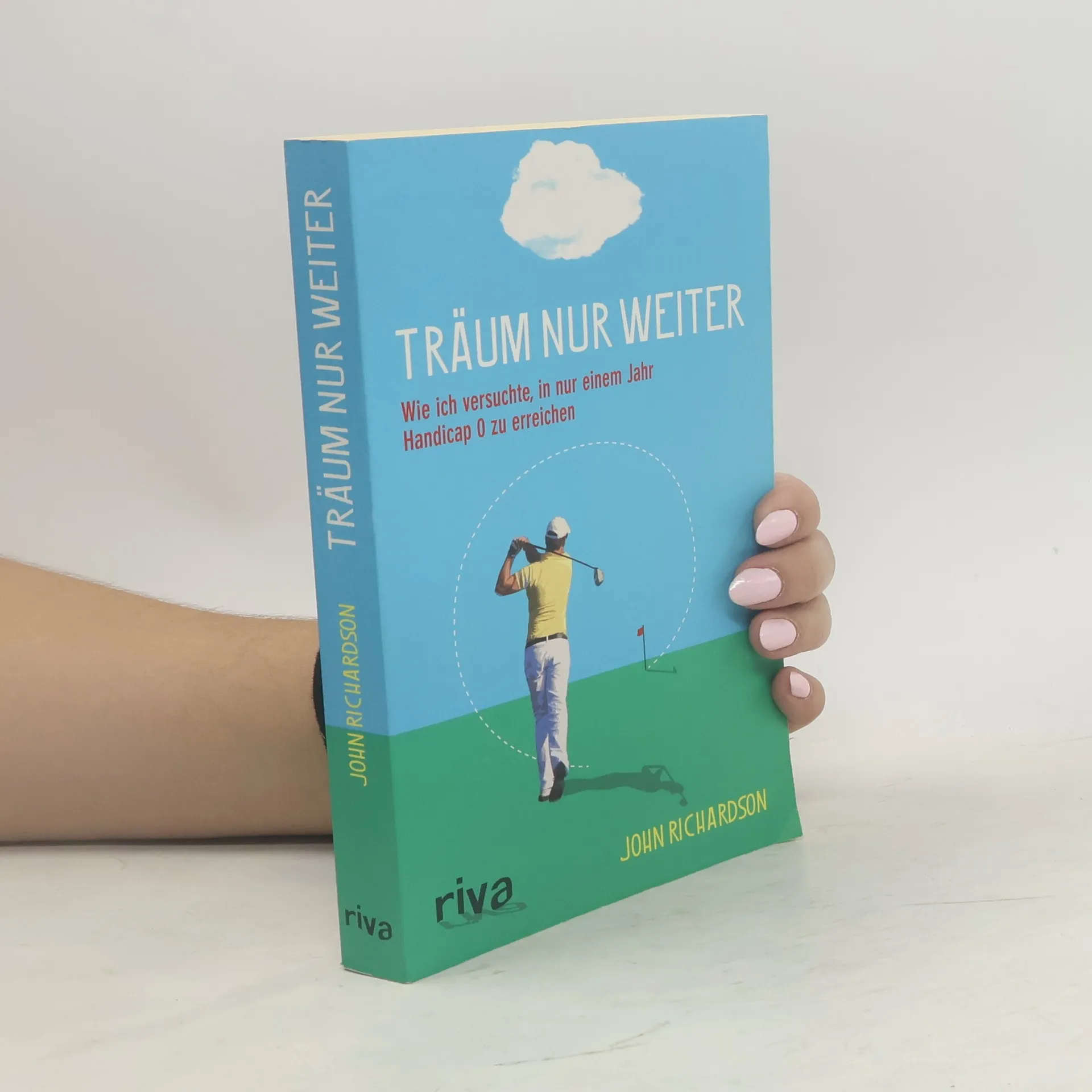
Wie ich versuchte, in nur einem Jahr Handicap 0 zu erreichen
272 pages
10 hours of reading
John Richardson, ein durchschnittlicher Hobbygolfer, setzt sich das Ziel, innerhalb eines Jahres Handicap 0 zu erreichen, ohne Beruf und Familie zu vernachlässigen. Mit humorvollen Erzählungen beschreibt er sein Training und die Vorstellung, dass der berühmte Golfer Severiano Ballesteros ihn begleitet, bis er schließlich seine beste Golfrunde spielt.
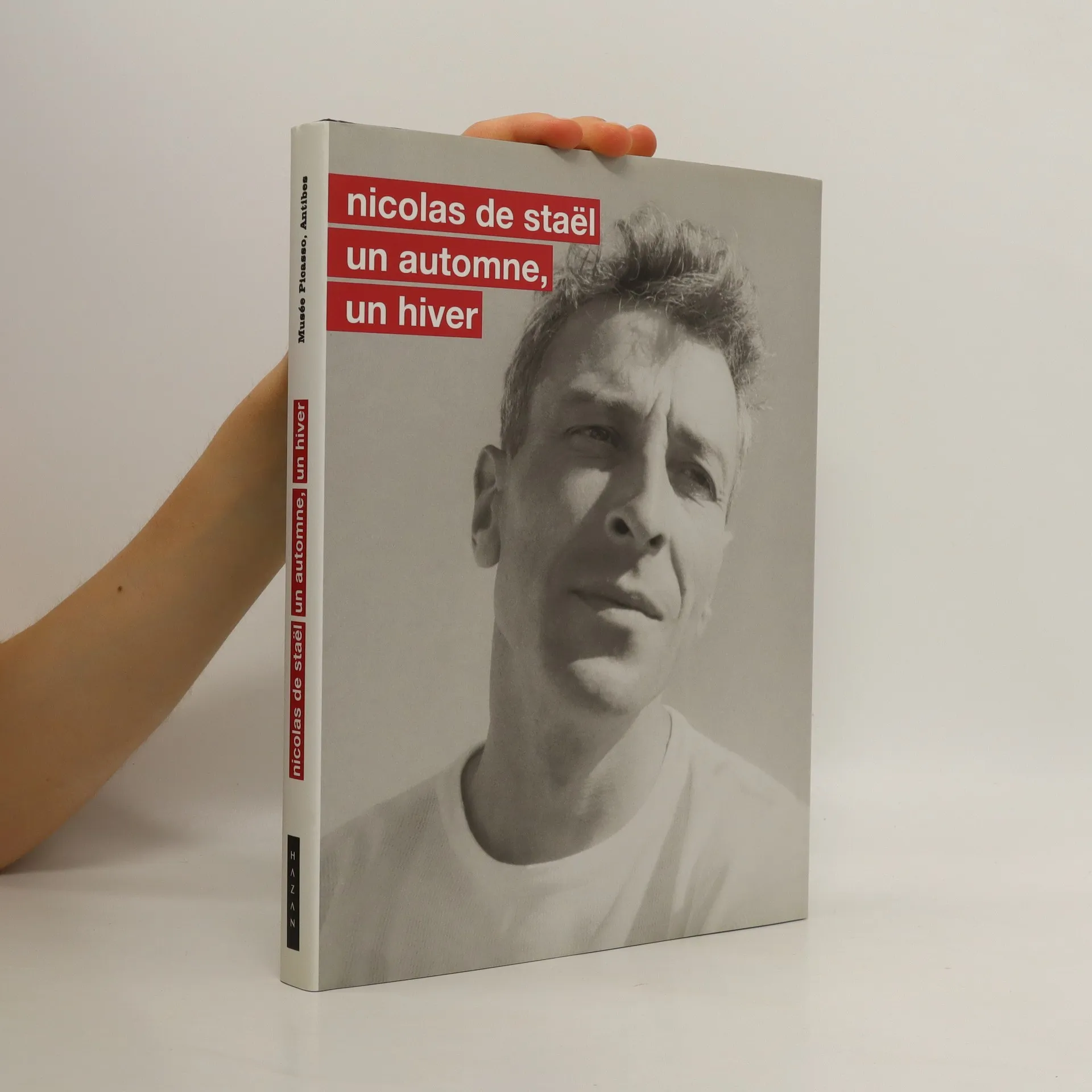
Cet ouvrage est intitulé Nicolas de Staël, un automne, un hiver car il présente le dernier ensemble de peintures et d'œuvres sur papier réalisé à Antibes par l'artiste entre octobre 1954 et le 16 mars 1955, date de son suicide. Il a accompagné une exposition organisée dans le musée d'Antibes en 2005 mais a été conçu comme un ouvrage à part entière. Il met en lumière ces quelques mois en documentant le plus possible le séjour de l'artiste à Antibes. Des essais de Daniel Abadie qui propose de " revoir " De Staël aujourd'hui, de Federico Nicolao qui soumet une réévaluation du rapport abstraction/figuration de l'œuvre ultime de l'artiste, la correspondance de Nicolas de Staël, un texte de Valentine Marcadé sur l'œuvre de Nicolas de Staël, inédit en français, et commenté par Jean-Claude Marcadé, un texte de John Richardson inédit en français, quelques pages souvenirs d'Anne de Staël cernent de plus près l'ultime explosion de couleurs que connaît l'art de Nicolas de Staël à la veille de sa mort, en dépit de sa difficulté à se réaliser dans sa peinture. 147 tableaux et de nombreuses œuvres sur papier ont vu ainsi le jour en moins de cinq mois, à Antibes, à deux pas du musée qui lui a consacré cet hommage. La correspondance de Nicolas de Staël à partir de l'été 1954, une biographie et une bibliographie sélective complètent l'ouvrage.
"My work is like a diary," Picasso once told John Richardson, who lived near the artist in Provence for a decade and became a trusted friend. This relationship allowed Richardson to observe and document how Picasso's art mirrored his life. With continued access to the artist's studios and archives through Picasso's widow, Richardson is uniquely positioned to write an insightful biography that transcends sensationalism and delves into the traumas and obsessions fueling Picasso's genius. He adeptly navigates the contradictions surrounding the artist, highlighting themes of ambivalence. Richardson reveals how Picasso's courage and terror, misogyny and tenderness, generosity and thrift, superstition and skepticism, cynicism and sentiment are reflected in his work's conflicts and paradoxes. His keen eye for the complexities of Picasso's art, combined with extensive cultural knowledge, illustrates how the artist drew from the past and the imaginations of his poet friends to forge a revolutionary synthesis. This first volume of Richardson's detailed four-volume study covers Picasso's life up to age twenty-five, detailing his struggle against his father's artistic legacy, his early successes in Barcelona and Paris, and the subsequent despair. It culminates in Picasso's realization of his role as the modern movement's messiah, supported by around nine hundred illustrations that vividly trace his artistic evolution.