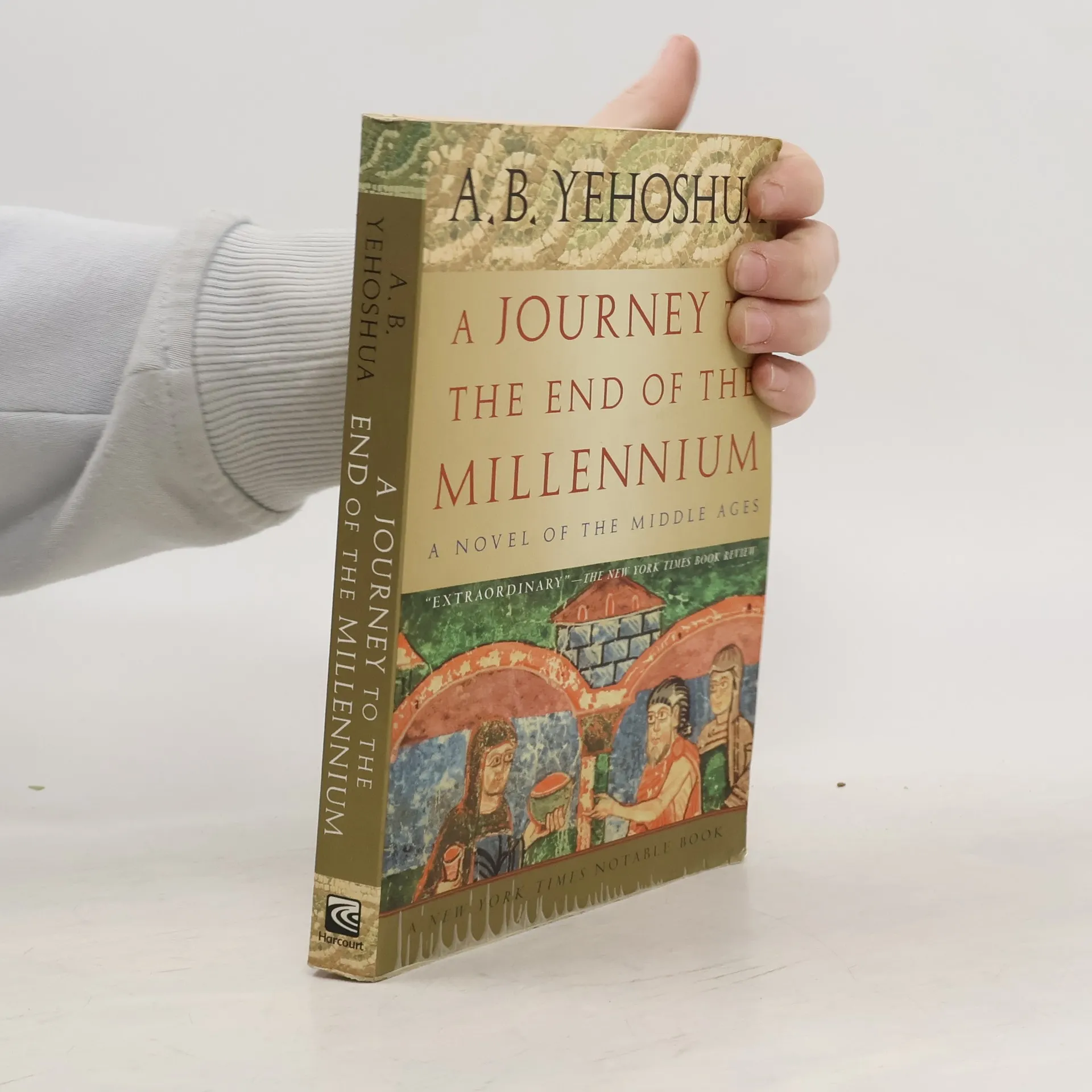
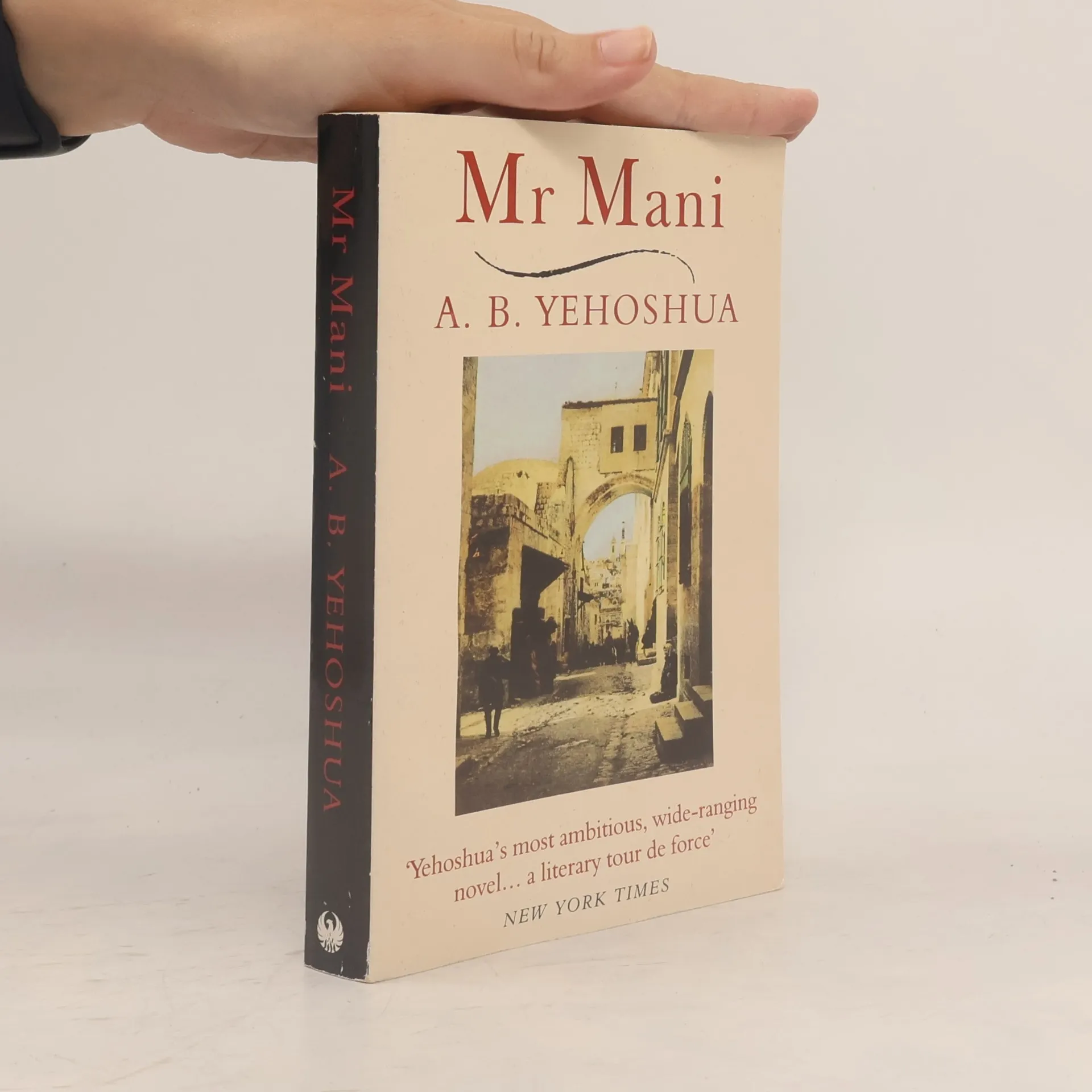
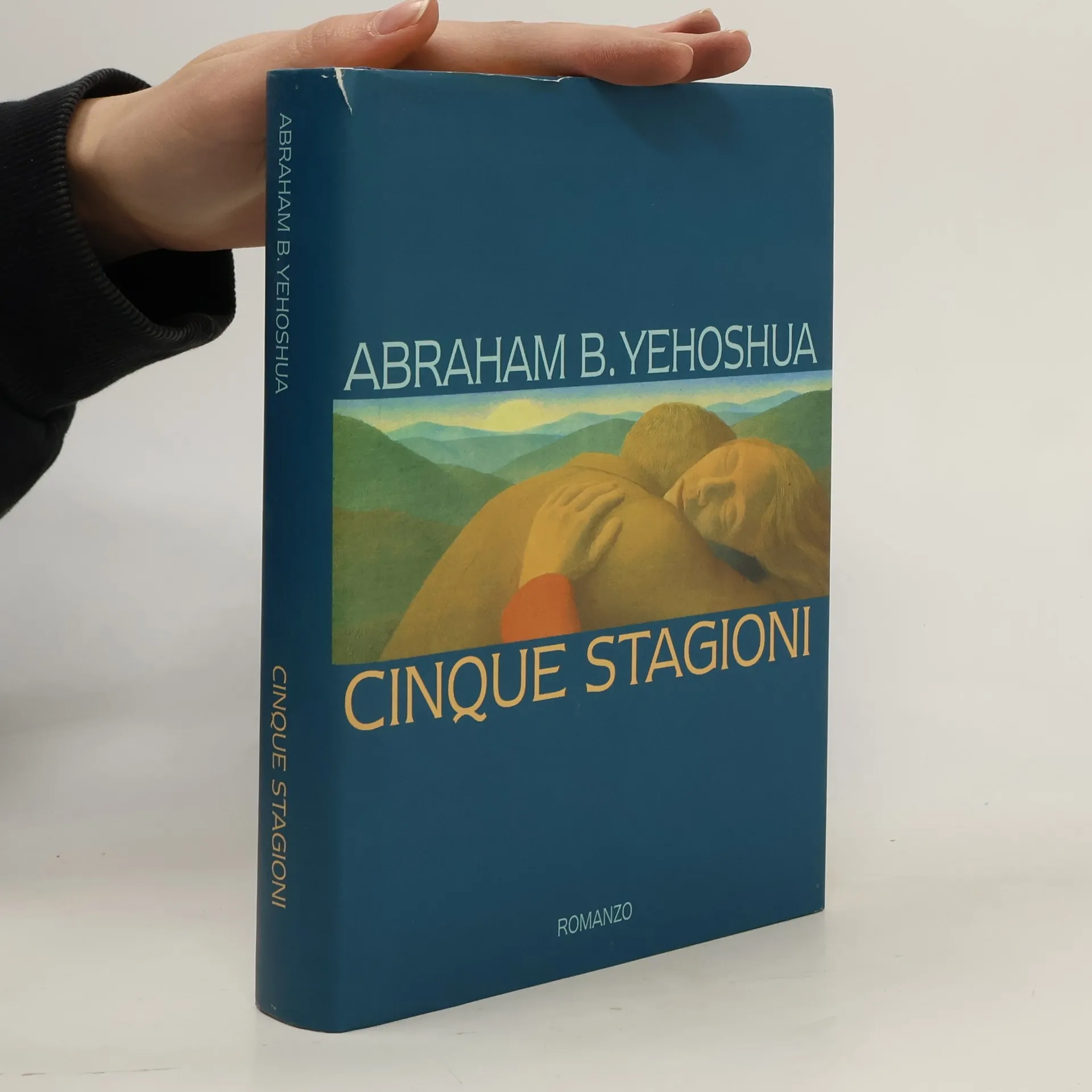
Mr. Mani is a deeply affecting six-generation family saga, extending from nineteenth-century Greece and Poland to British-occupied Palestine to German-occupied Crete and ultimately to modern Israel. The narrative moves back through time and is told in five conversations about the bizarrely fated Mani family. The climax takes place in Athens in 1848, with Avraham Mani's overpowering tale about the death of his young son, Yosef, in Jerusalem. This is a profoundly human novel, rich in drama, irony, and subtle wit.
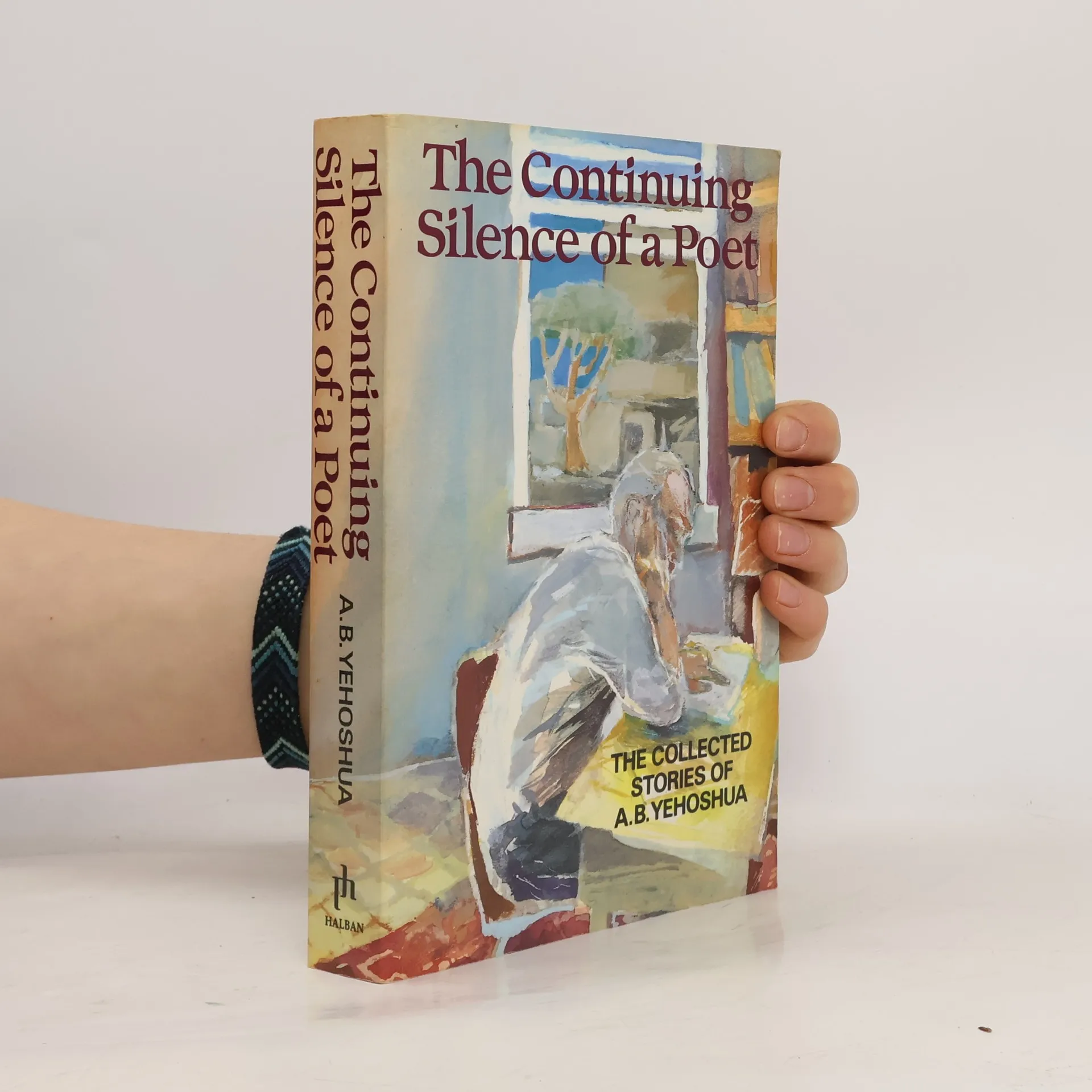
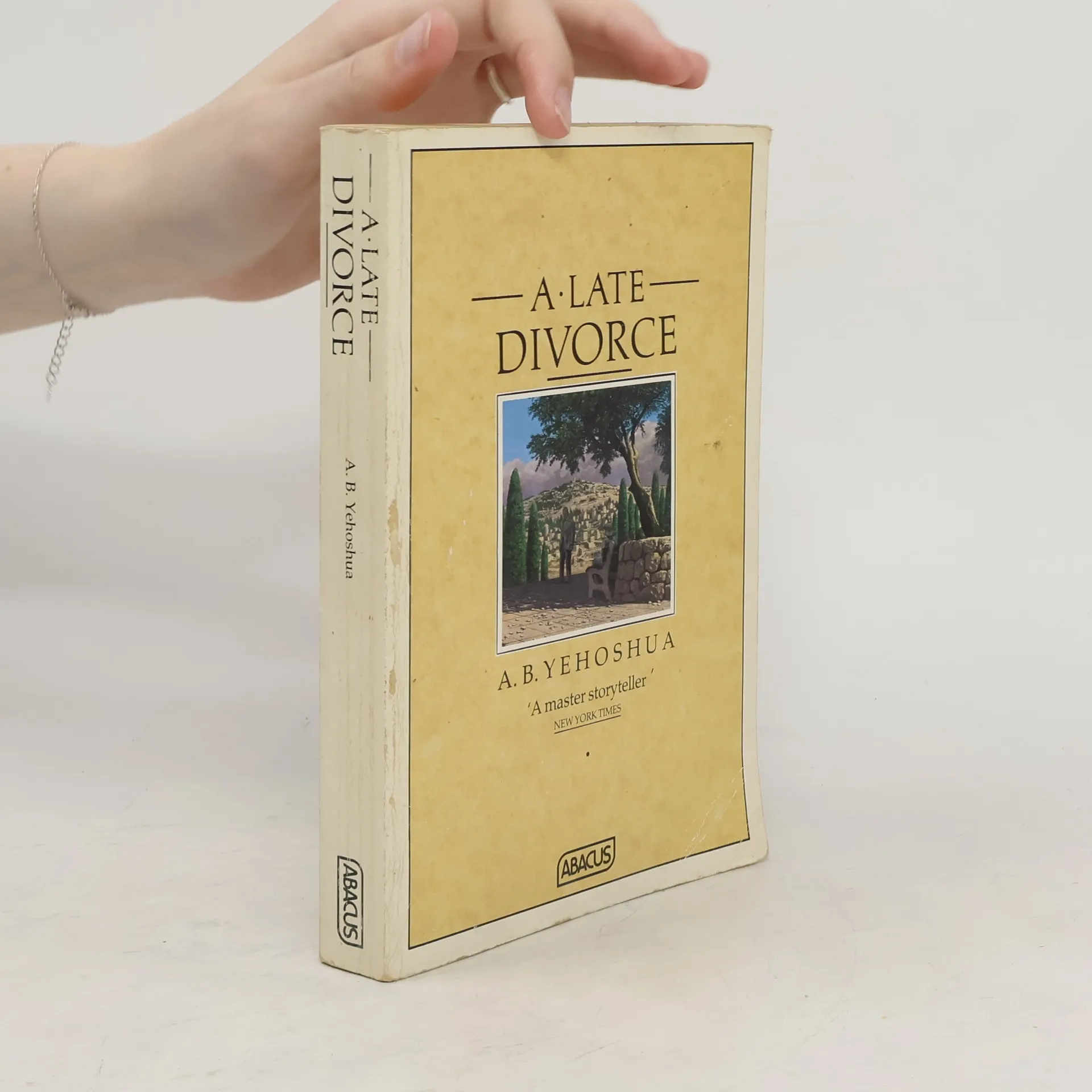
This paperback edition brings together novellas and short stories of the celebrated Jewish writer A.B. Yehoshua, including two stories previously unpublished in English. Mr Mani, which appeared in the previous hardback edition, is now a novel in its own right.
A couple, long married, are spending an unaccustomed week apart. Ya'ari, an engineer, is busy juggling the day-to-day needs of his elderly father, his children, and his grandchildren. His wife, Daniela, flies from Tel Aviv to East Africa to mourn the death of her older sister. There she confronts her anguished brother-in-law, Yirmiyahu, whose soldier son was killed six years earlier in the West Bank by “friendly fire." Yirmiyahu is now managing a team of African researchers digging for the bones of man’s primate ancestors as he desperately strives to detach himself from every shred of his identity, Jewish and Israeli. With great artistry, A. B. Yehoshua has once again written a rich, compassionate, rewarding novel in which sharply rendered details of modern Israeli life and age-old mysteries of human existence echo one another in complex and surprising ways.
Professor Yohanan Rivlin has two obsessions: the first is to understand the Arab mind; the second is to understand the failure of his elder son's marriage. Rivlin's two quests lead him to extraordinary encounters with very disparate people as he searches out the truth both in politics and life.
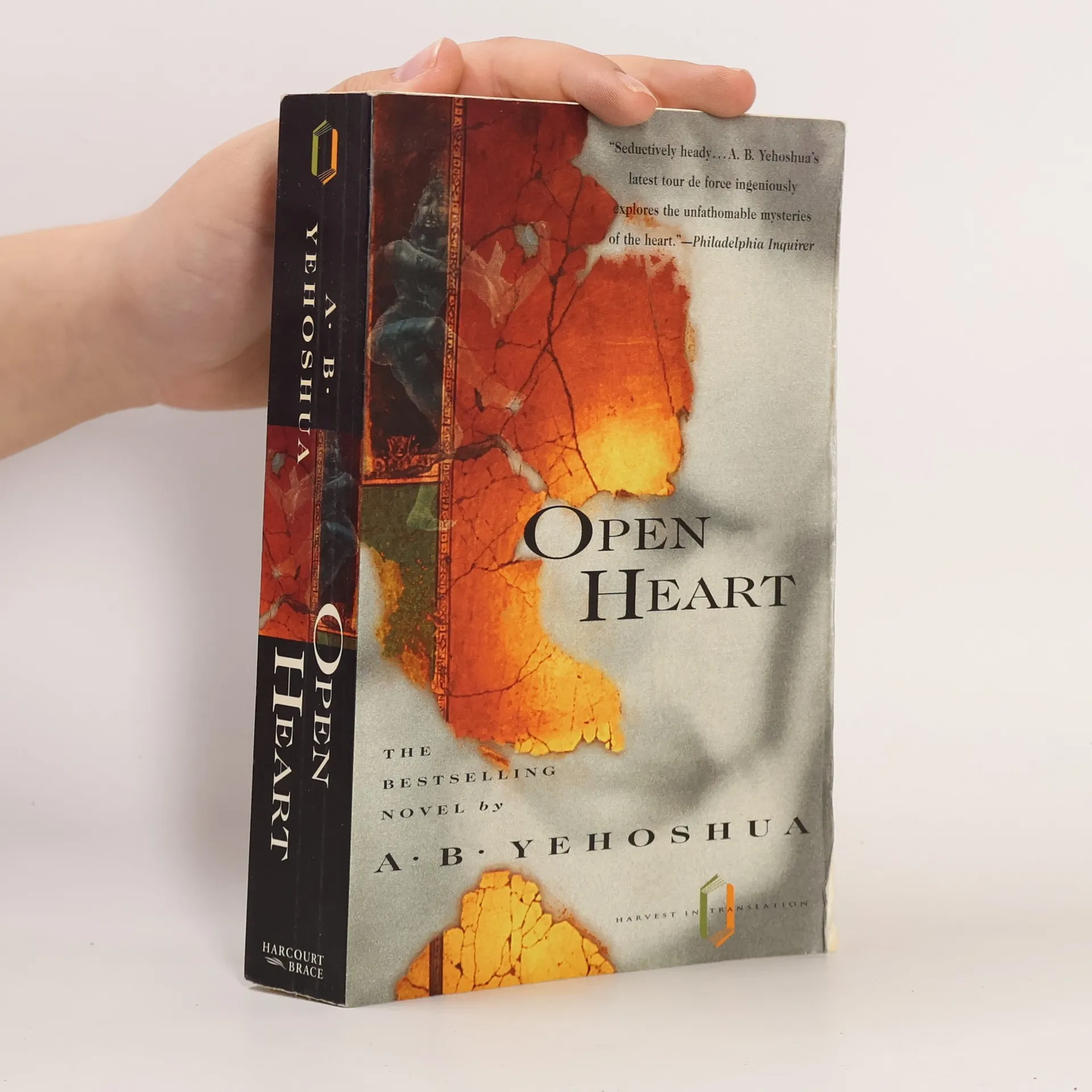
Delving into the complexities of love and desire, this book offers a captivating exploration of the heart's enigmatic nature. The narrative weaves together themes of passion and emotional depth, inviting readers to reflect on their own experiences with love. Its rich storytelling and profound insights create a seductive atmosphere, making it a compelling read for those intrigued by the intricacies of human relationships.
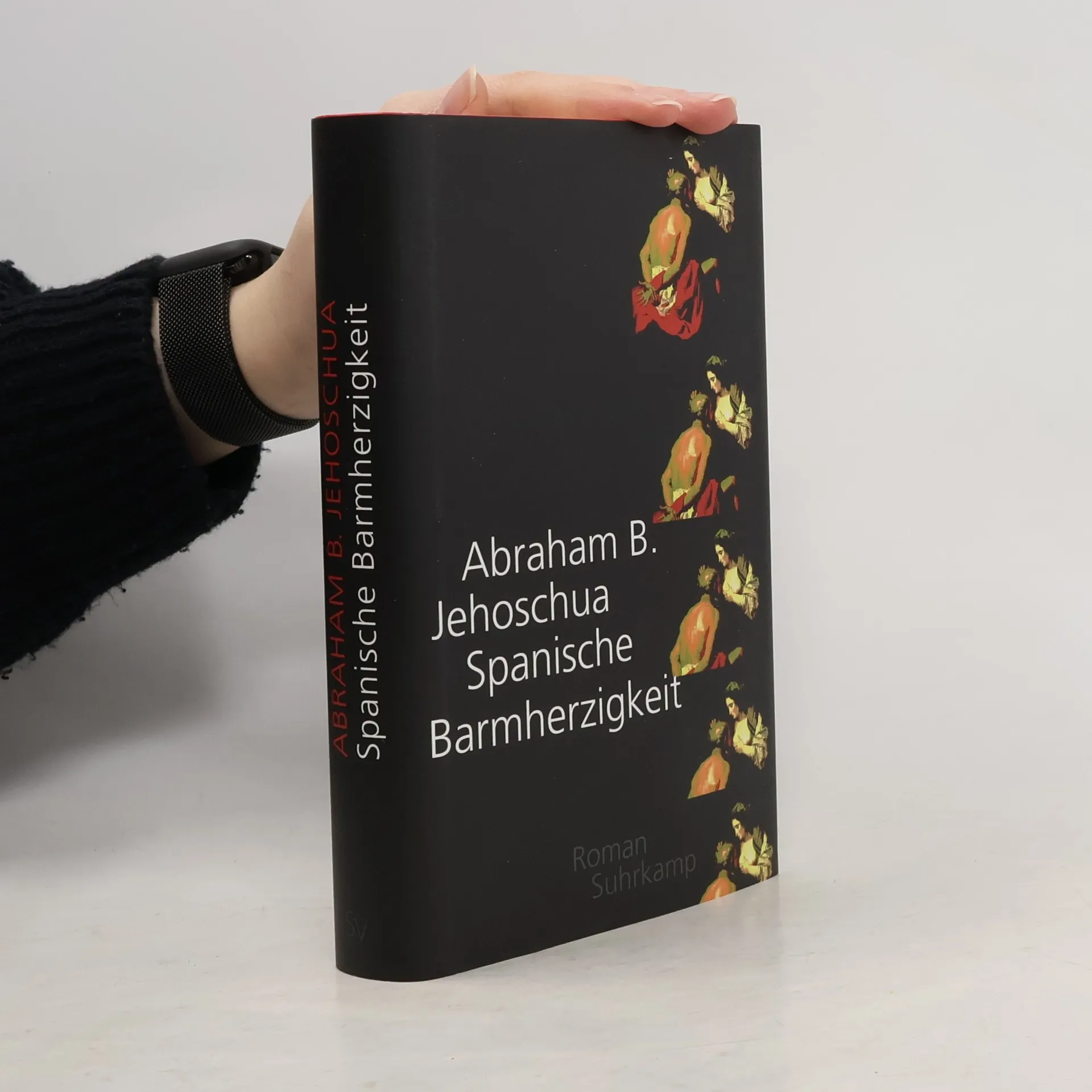
Abraham B. Jehoschua erzählt in seinem meisterhaft komponierten Roman von einem erfolgreichen Leben und von dem Preis, der dafür gezahlt werden muss. Als der Regisseur Jair Moses zu einer Retrospektive seiner Filme nach Santiago de Compostela eingeladen wird, will er die Reise nach Spanien in Begleitung von Ruth, seiner langjährigen Weggefährtin, genießen. Aber dann ruft ein verstörendes Bild in seinem Hotelzimmer vergessen geglaubte Erinnerungen wach: Eine Filmszene, in der Ruth als junge Frau einem Bettler am Straßenrand die Brust geben sollte, führte zum Zerwürfnis mit dem Drehbuchautor, seinem engsten Freund. Wie konnte es so weit kommen? Die Konfrontation mit seinen alten Filmen, noch dazu in der fremden Sprache, lässt Moses tief in seine Vergangenheit eintauchen und ihn die Ereignisse von damals in einem neuen Licht sehen. Der überwältigende Wunsch nach Versöhnung wird für ihn zum Auslöser für die Auseinandersetzung mit der eigenen Geschichte.
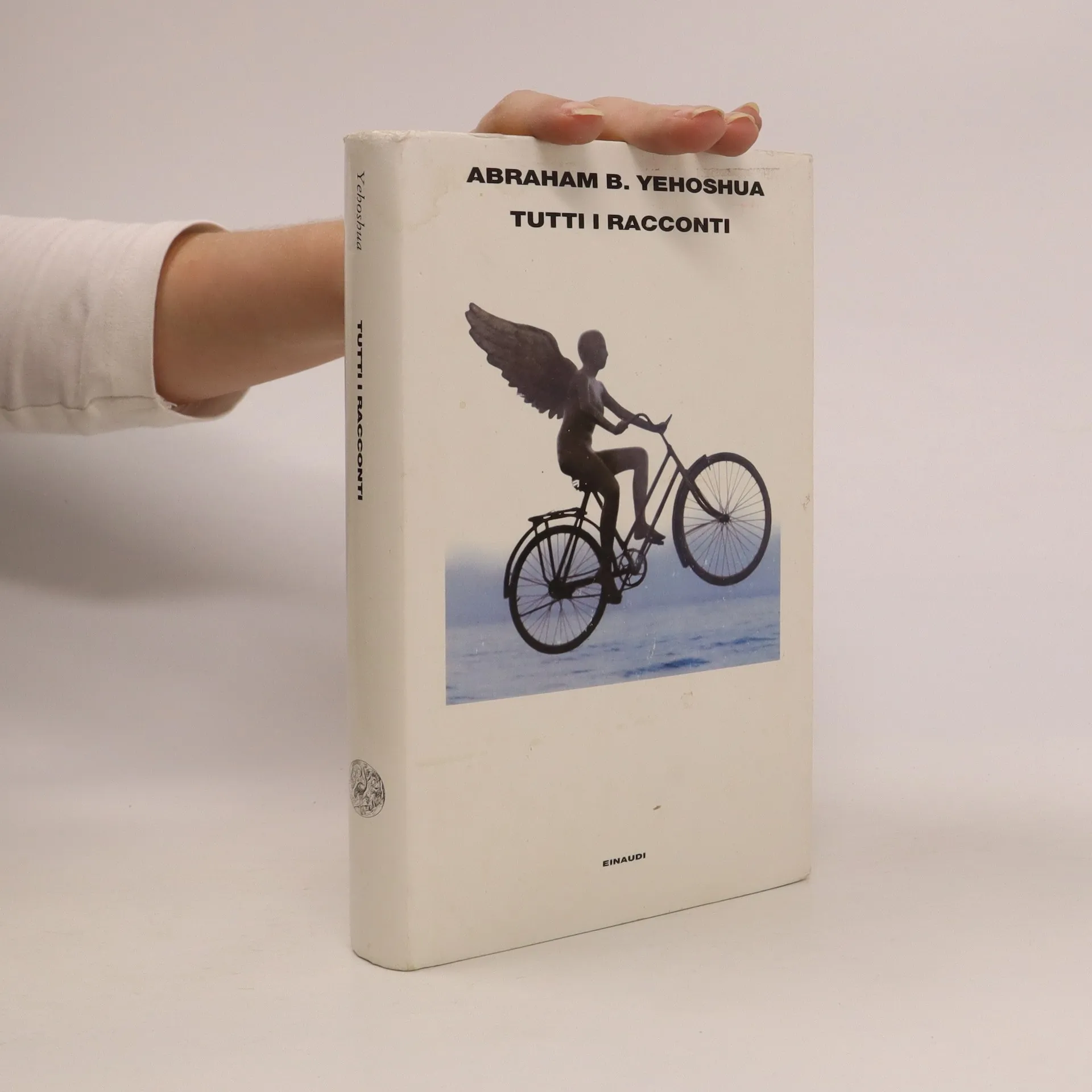
Il libro raccoglie tutti i racconti scritti da Yehoshua: dodici storie pervase da atmosfere surreali, in bilico tra sogno e realtà. Il narratore pennella i propri personaggi con distacco, ironia, divertimento; la sua prosa è intensa e coinvolgente e tuttavia leggera. Ancora un volta Yehoshua dimostra il grande talento narrativo che ha fatto di lui uno dei maggiori esponenti della letteratura contemporanea.
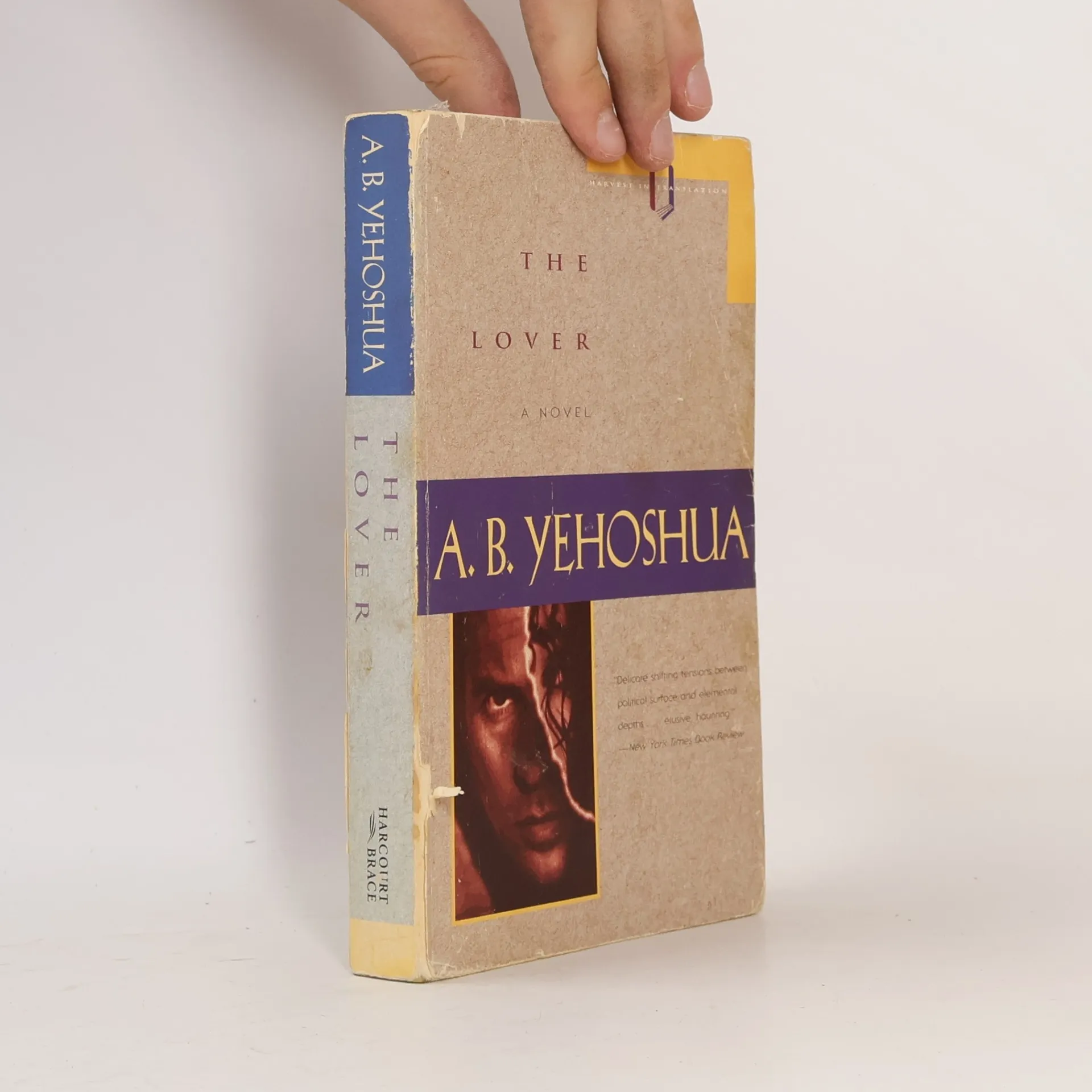
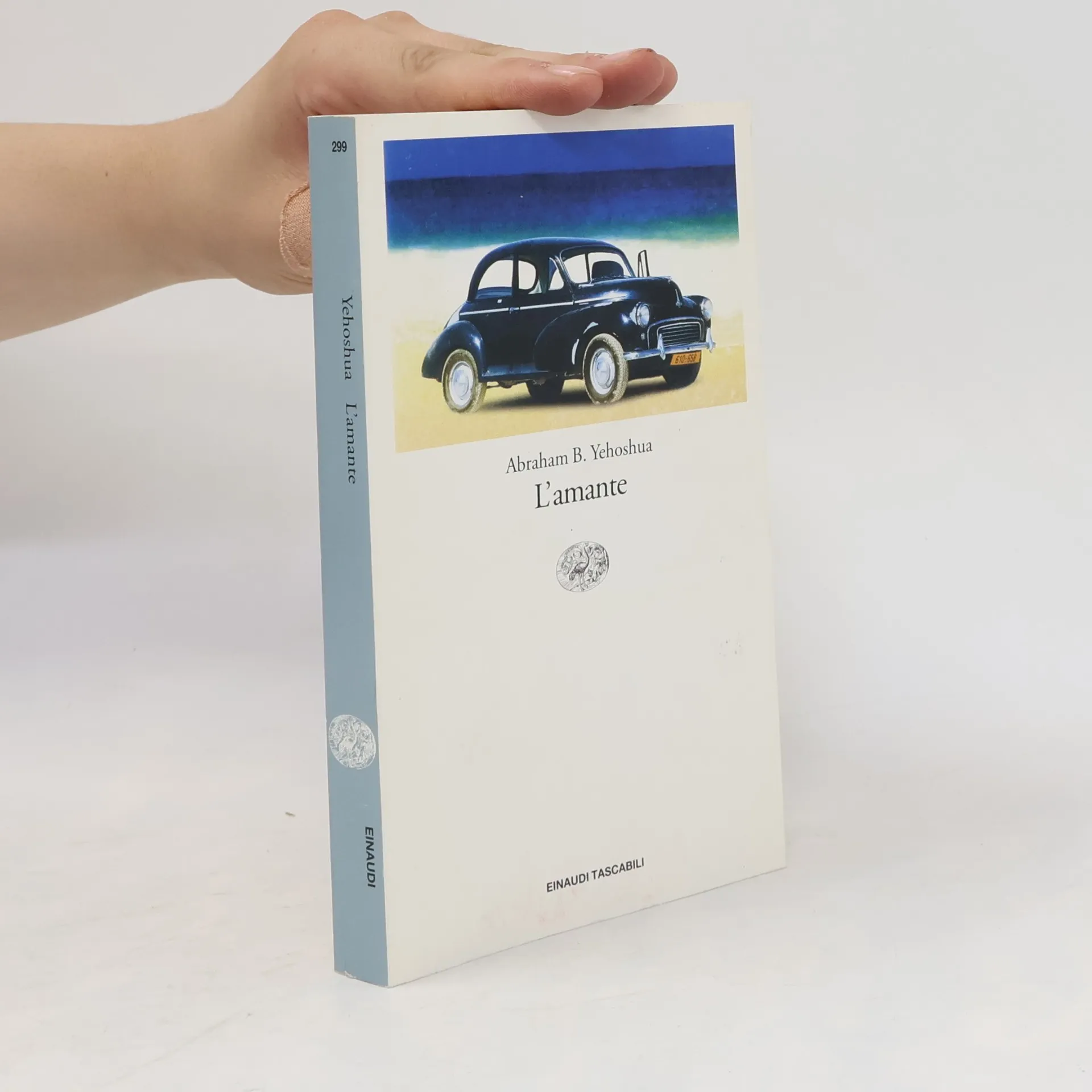
« L'amante è la storia di un doppio inseguimento. Adam avverte nella moglie un mistero: non sa chi sia la donna amatissima che gli giace accanto nel letto e che sogna continuamente: la insegue senza raggiungerla mai. Insieme a lei insegue il suo amante: un gentile, assente, malinconico spettro ebraico che forse incarna la perduta anima d'Israele. La figlia Dafni cogli occhiali scintillanti e infantili, incarna il principio di realtà. Ma anche a lei sfugge qualcosa: il mondo arabo che vive accanto e dentro Israele» Pietro Citati L'amante è il romanzo che ha fatto conoscere Yehoshua in tutto il mondo. Nella ricostruzione a più voci del destino di una famiglia ebraica si accavallano e si confondono storie diverse di mondi lontani e separati: invano ciascun personaggio tenterà di ritrovare la verità di se stesso.
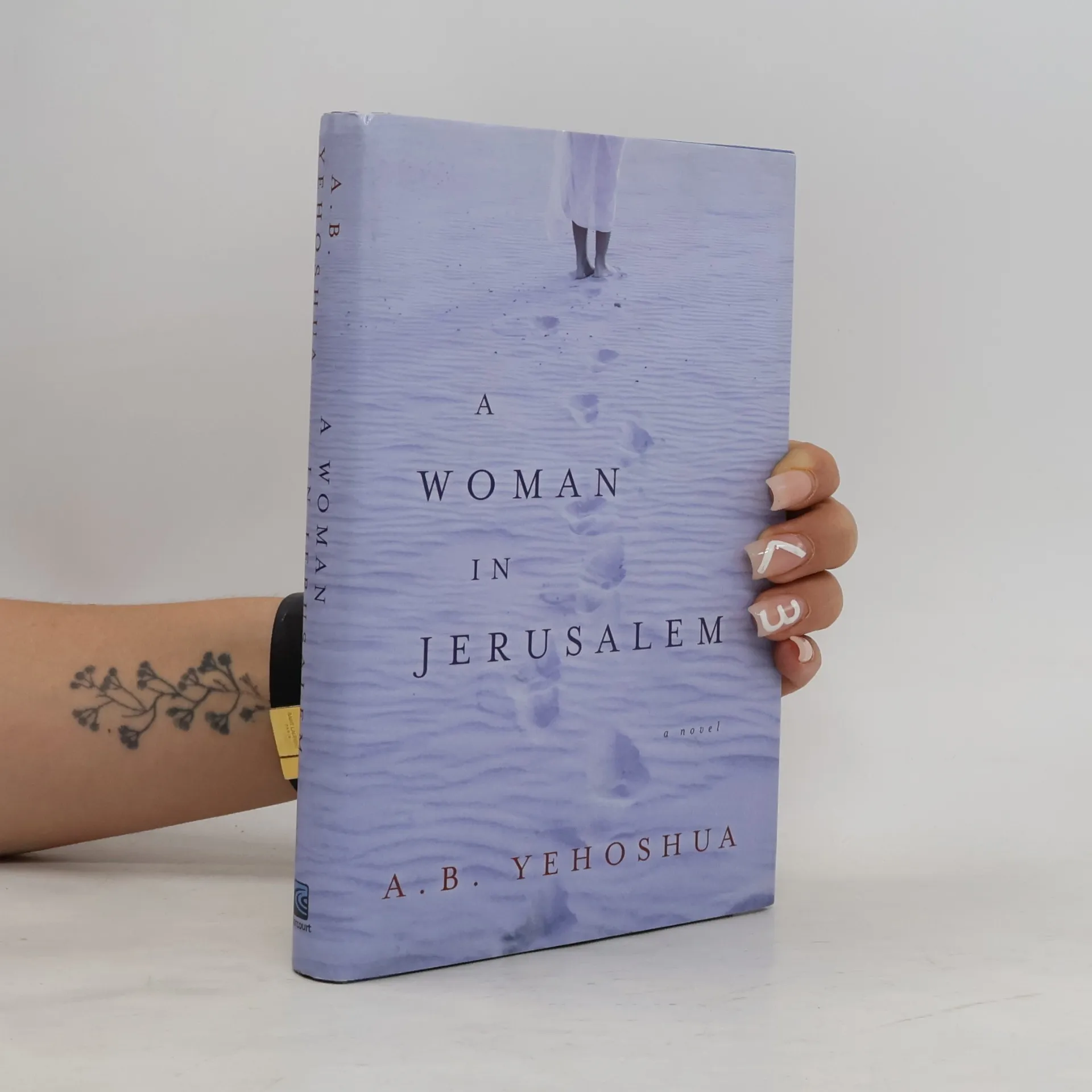
A woman in her forties is a victim of a suicide bombing at a Jerusalem market. Her body lies nameless in a hospital morgue. She had apparently worked as a cleaning woman at a bakery, but there is no record of her employment. When a Jerusalem daily accuses the bakery of "gross negligence and inhumanity toward an employee," the bakery's owner, overwhelmed by guilt, entrusts the task of identifying and burying the victim to a human resources man. This man is at first reluctant to take on the job, but as the facts of the woman's life take shape-she was an engineer from the former Soviet Union, a non-Jew on a religious pilgrimage to Jerusalem, and, judging by an early photograph, beautiful-he yields to feelings of regret, atonement, and even love.At once profoundly serious and highly entertaining, A. B. Yehoshua astonishes us with his masterly, often unexpected turns in the story and with his ability to get under the skin and into the soul of Israel today.
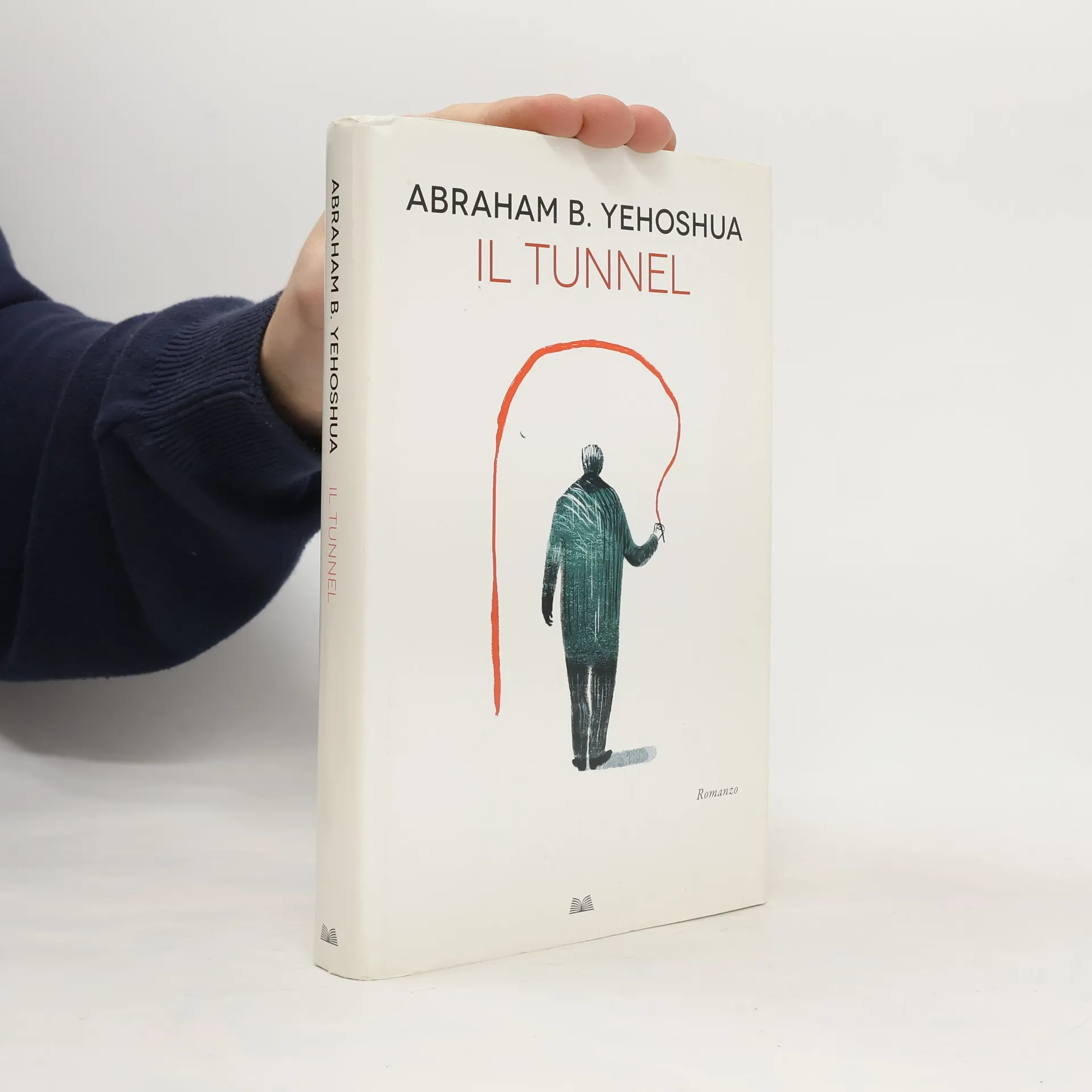
Zwi Luria, 72 Jahre alt, pensioniert und glücklich verheiratet, hat plötzlich Schwierigkeiten mit der Erinnerung. Aus Versehen holt er fast ein falsches Kind aus dem Kindergarten ab, er kann sich nicht mehr an Vornamen erinnern, er kauft selbstvergessen sechs Kilo Tomaten ein. Dabei sind sie doch nur zu zweit: Er und Dina. Als sich im Kernspin eine winzige Atrophie der Hirnrinde zeigt, ist das ein Schock. Doch dann macht Zwi, ermutigt von Dina, statt einer Reise ins Vergessen eine Reise zu sich selbst. Und überraschend öffnet sich ihm noch einmal das Leben, in dem ein Tunnel und ein kleines palästinensisches Mädchen ins Zentrum rücken. Ein Roman von eminenter Bedeutungskraft und Tragweite und eine zärtliche Hymne an die Liebe, die kein Alter kennt.
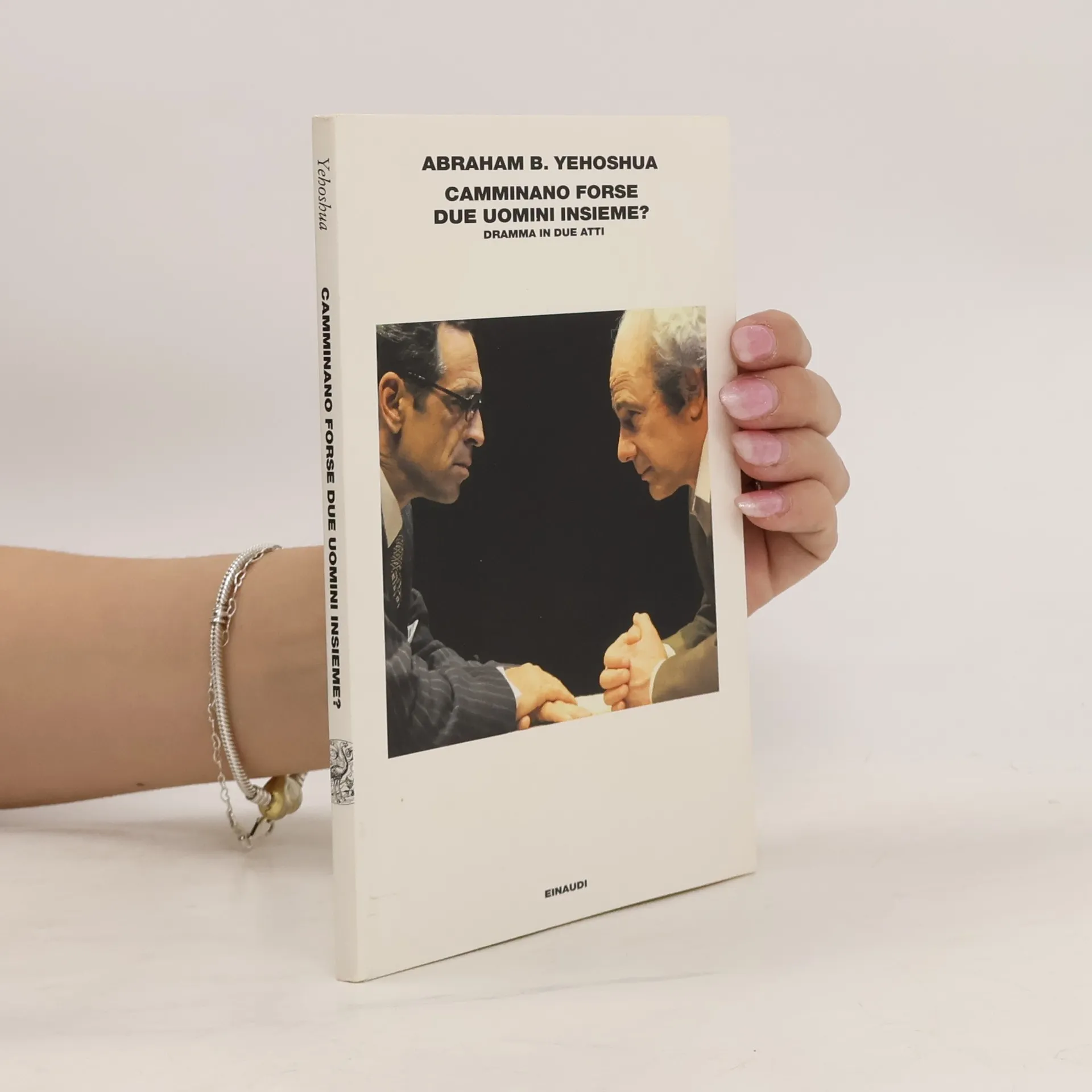
In un appartamento londinese, un uomo talmente privo di senso pratico da non saper aprire una latta di sardine osserva incredulo il suo rivale più accanito, impegnato nella preparazione di una frittata. Il primo è Vladimir Jabotinskij, leader della destra revisionista sionista, l'uomo ai fornelli invece è David Ben Gurion, ebreo socialista e futuro fondatore dello Stato d'Israele. È il 1934: mentre sull'Europa incombe lo spettro del nazismo, i due leader, solitamente divisi da un contrasto insanabile, si incontrano per cercare un terreno comune con cui affrontare il destino che li attende e costruire il futuro di Israele. Del resto è la Bibbia a insegnarlo: «Camminano forse due uomini insieme, se prima non si sono accordati?». Mettendo in scena il dramma di due uomini carismatici e tormentati, Abraham Yehoshua ci fa entrare in quelle stanze, solitamente inaccessibili, in cui la Storia si svela.
Una donna lascia la sua zona di comfort e torna nella casa d'infanzia, dove inizia lentamente a scoprire gli strati di esperienze e relazioni che l'hanno tenuta lontana dal prendere in mano la propria storia. Noga, un'arpa in un'orchestra, vive nei Paesi Bassi da anni, ma quando la morte del padre lascia la madre sola nel loro appartamento a Gerusalemme, il fratello le chiede di tornare in Israele per occuparsi dell'unità in affitto mentre la madre prova una struttura di assistenza a Tel Aviv. Noga accetta, lasciando temporaneamente la sua vita da adulta per lavorare come comparsa in film, programmi televisivi e opere israeliane e per vagabondare per la città, dove si riconnette con il suo ex-marito e incontra una variegata gamma di personaggi che compongono lo sfondo della sua storia. Il romanzo è scritto in modo bellissimo e Noga è un'eroina con cui è facile identificarsi, ma il ritmo lento offusca le scommesse emotive mentre Noga contempla il suo futuro, il suo passato e le sue scelte nella vita. Le sue interazioni con gli altri possono sembrare rigide e falsamente intime, ma il romanzo brilla quando Noga ha tempo e spazio per riflettere sui suoi pensieri e sui temi più ampi di famiglia, amore, musica e creatività, tutti descritti con lo stile chiaro di Yehoshua.
When young Rachele Luzzato's father falls seriously ill, her loneliness as an
only child intensifies. A subtle, sensitive story of family, love and growing
up by a masterful storyteller.
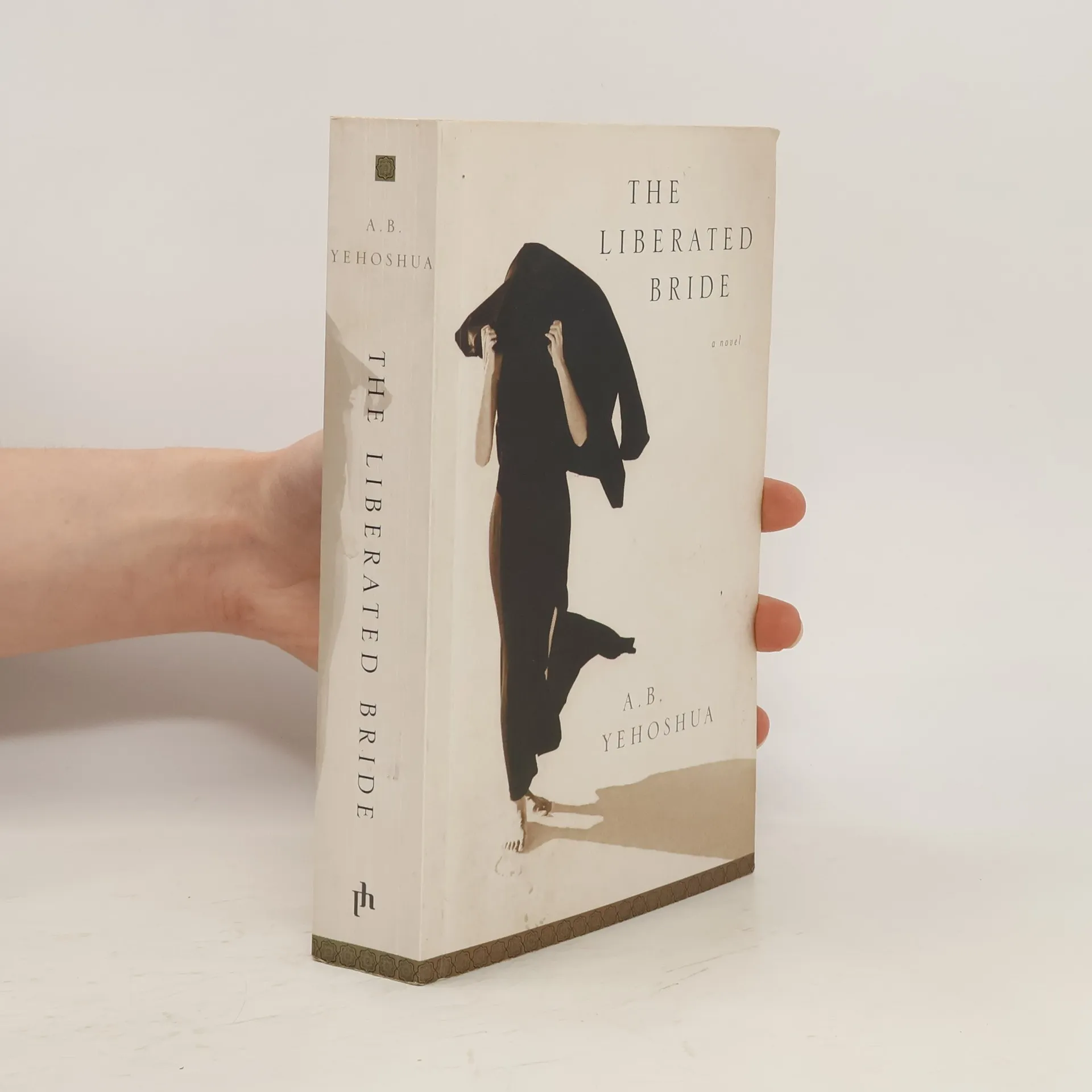
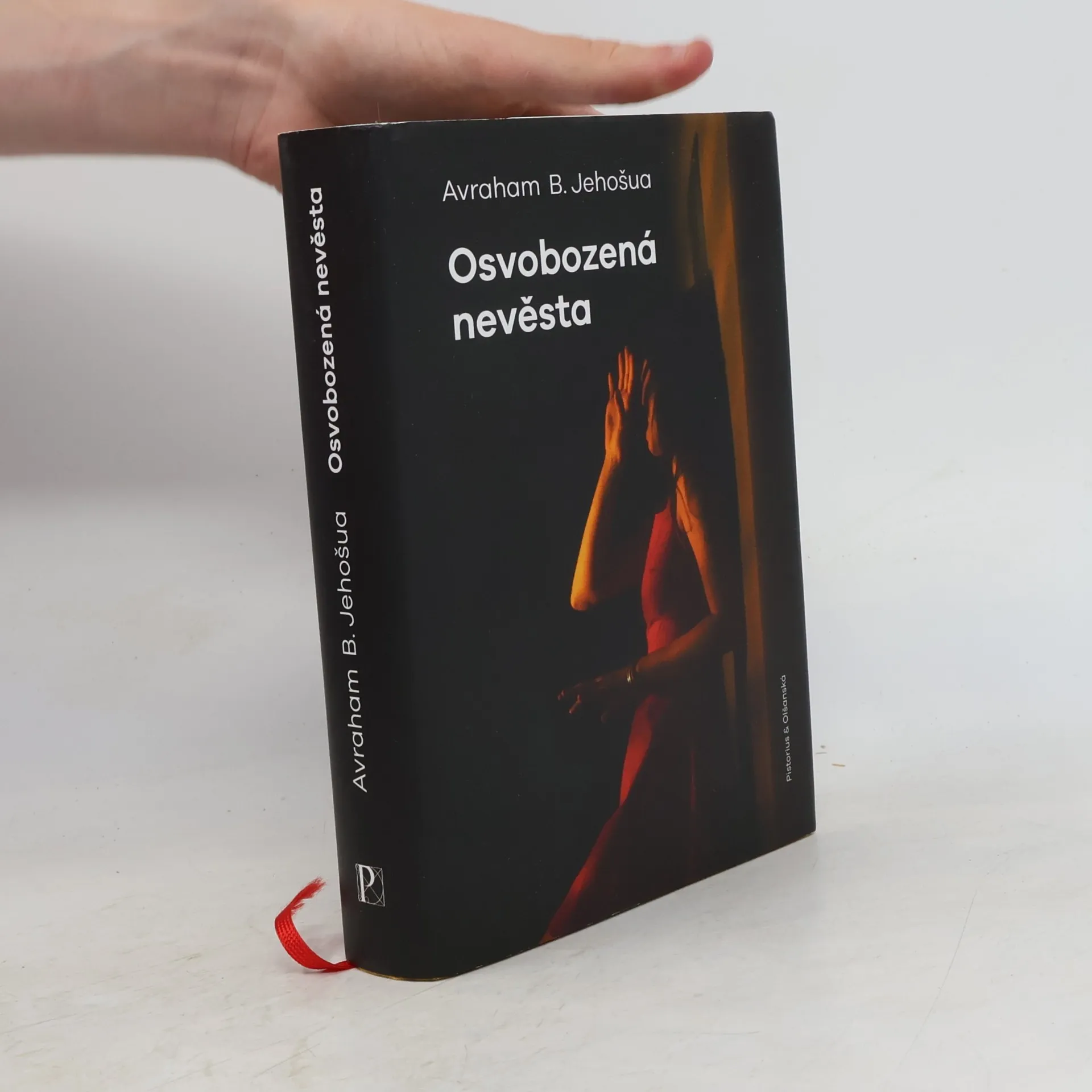
Příběh románu Osvobozená nevěsta (2001) se odehrává v 90. letech a soustřeďuje se na dvě různorodé komunity izraelské společnosti, jež se snaží žít navzájem v míru: na jedné straně na židovskou inteligenci, reprezentovanou hlavním hrdinou, profesorem orientalistiky Jochananem Rivlinem, ajeho ženou Chagit, okresní soudkyní, kteří žijí v Haifě, a na straně druhé na vzdělané Araby v galilejských vesnicích, jejichž život je svázán okupačními pravidly. Pod povrchem vyprávění jsou schována mnohá tajemství. Za láskyplným domácím škádlením Jochanana a Chagit se skrývá Jochananova snaha zjistit, co se pokazilo v krátkém manželství jejich syna, snaha hraničící až s posedlostí; a toto jeho pátrání komplikuje děsivé tajemství, které si znesvářený pár slíbil neprozradit.
Anotace
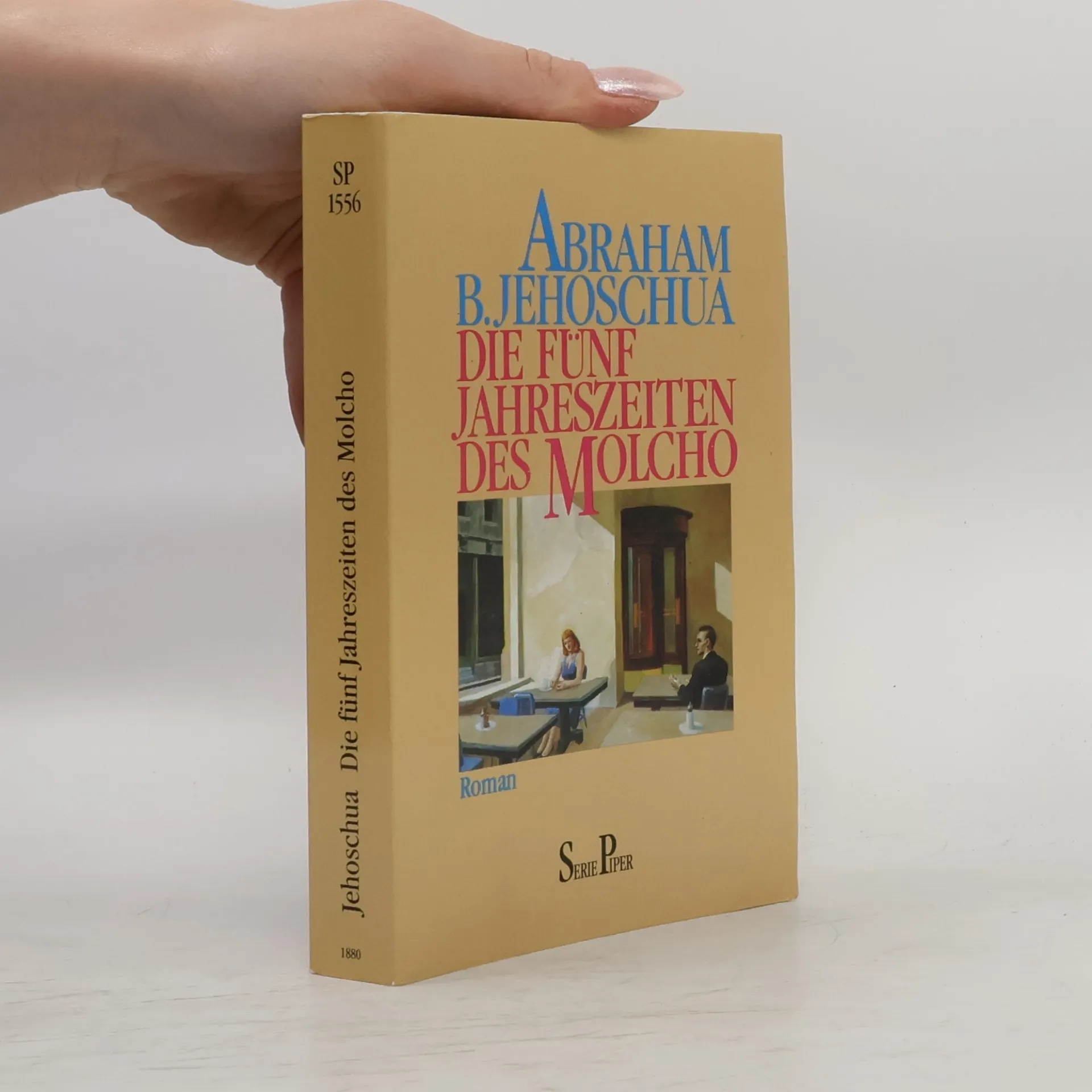
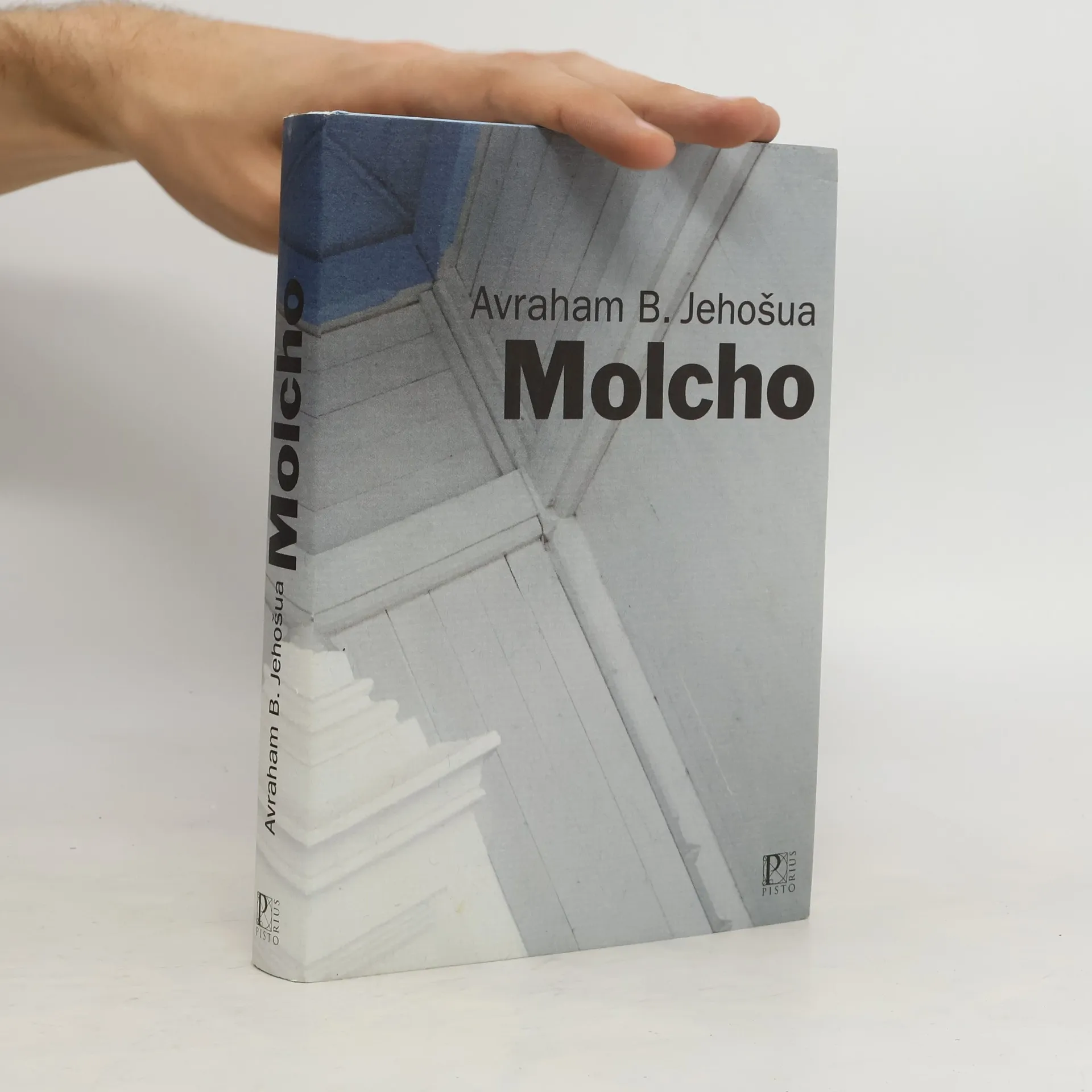
Román Molcho předního izraelského spisovatele A. B. Jehošuy byl roku 2007 v anketě literárních kritiků vybrán mezi deset nejvýznamnějších knih moderní hebrejské literatury, a to pro hluboký psychologický vhled i pozo-ruhodné zobrazení různých fazet izraelské společnosti, od aškenázských rodin tragicky postižených holocaustem přes přistěhovalce ze Sovětského svazu až po zapomenuté komunity orientálních Židů.
Molchovi, čerstvému padesátníkovi a otci tří téměř dospělých dětí, jednoho podzimního rána umírá po dlouhém boji s rakovinou žena a před ním se otvírá nepoznaná, těžko uchopitelná svoboda. Rok v životě osamělého vdovce je odměřován střídáním ročních období. Molchův příběh provádí čtenáře tragikomickými a zoufale marnými pokusy navázat nový vztah, ale také nejrůznějšími místy v Izraeli a v Evropě, což z knihy současně činí originální cestopis: Molcho navštíví v průběhu roku několikrát Jeruzalém či zapadlé končiny v severní Galileji, cestuje do Paříže, do Vídně a především do Berlína rozděleného dosud zdí na východní a západní zónu. Introspekce do Molchova navenek nenápadného a obyčejného, přesto čímsi bytostně bohatého a důvěrně blízkého vnitřního života nepostrádá situační humor a současně rozehrává základní drama lidské existence: co znamená ztratit svého nejbližšího a ocitnout se ve vakuu samoty.