

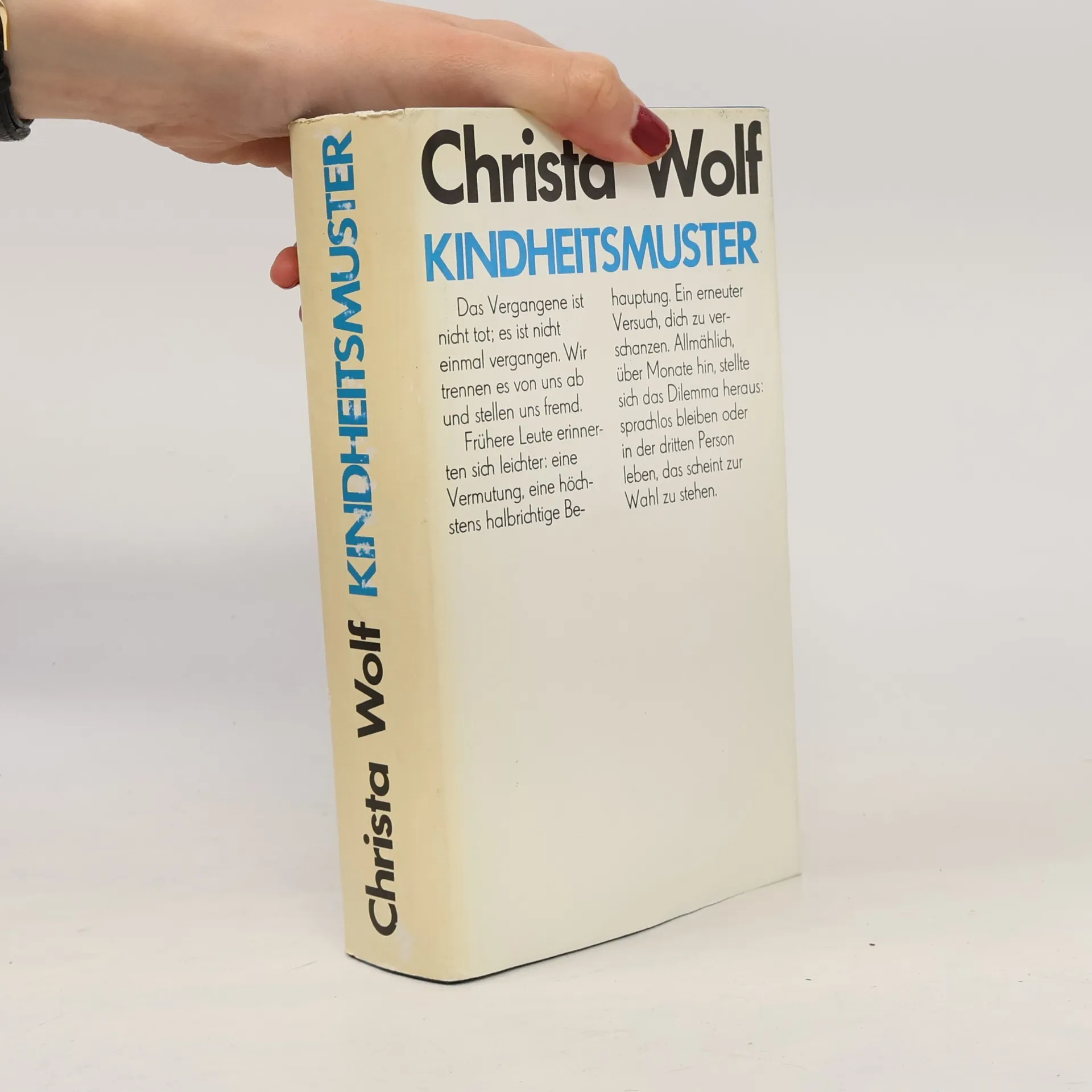
"Christa Wolfs Kindheitsmuster ist der hartnaeckig borende, vor Verletzungen ihrer selbst nicht zurueckschreckende Versuch, den historischen Faschismus wie die unmittlebare Gegenwart aus ihrer eigenen Biographie, ihrer beschaedigten Kindheit heraus verstehbar und handhabbar zu machen, die 'verfluchte Verfaelschung von Geschichte zum Traktat' zu ueberwinden. Und das Preiswuerdige des Buches sehe ich in der Rueckhaltlosigkeit und der kraft der sinnlichen Vergegenwaertigung, mit der dieses Vorhaben dem Leser zugaenglich gemacht wird. Dieses Buch beende ein langes Schweigen, auch fuer die DDR, hat Stefan hermlin von 'Kindheitsmuster' gesagt. Es handelt vom bis dato vergessenen, verdraengten, unterschlagenen Faschismus: dem 'normalen', alltaeglichen, gewoehnlichen, wie er von einer Masse von alltaeglichen, gewoehnlichen Menschen, wo nicht aktiv getragen, so doch zumindest hingenommen wurde." --Wolfgang Emmerich.
Anita Raja Books


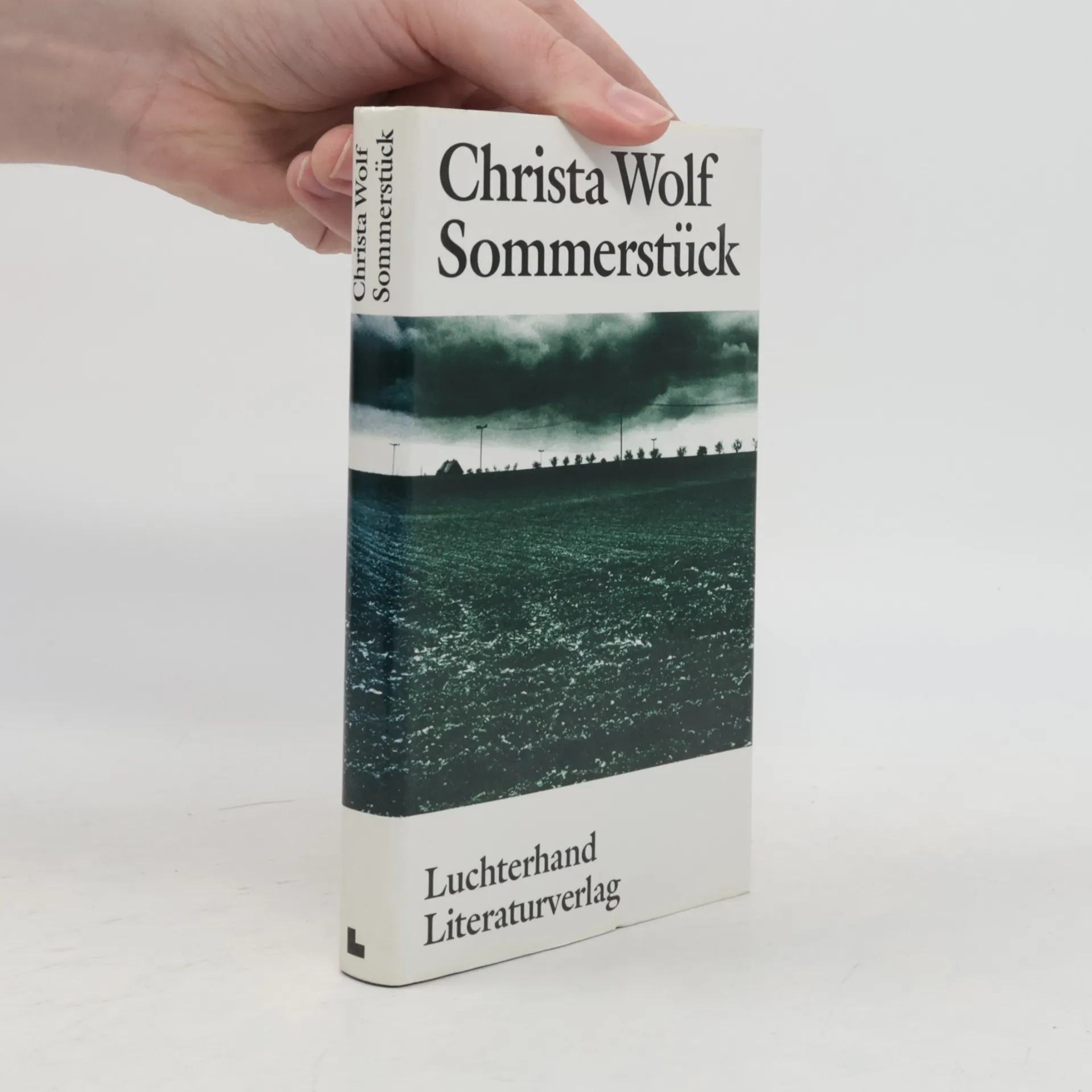
Einen Sommer auf dem mecklenburgischen Land erlebt die Schriftstellerin Ellen, zusammen mit Familie und Freunden. Der gesellschaftliche Stillstand ist Ende der siebziger Jahre deutlich zu spüren, aber für die Dauer einiger weniger Monate, die in der Erinnerung einmalig und endlos scheinen, entsteht hier eine lebendige Gemeinschaft. Sommerstück ist die Geschichte eines Jahrhundertsommers und zugleich der Abgesang auf eine politische Utopie.
The Trial
- 224 pages
- 8 hours of reading
On his thirtieth birthday, the bank clerk Josef K. is suddenly arrested by mysterious agents for an unspecified crime. He is told that he will be set free, but must make regular appearances at a court in the attic of a tenement building while his trial proceeds. Although he never comes to know the particulars of his case, Josef K. finds his life taken over by the opaque bureaucratic procedures and is tormented by the psychological pressures exerted by his legal nightmare. Published the year after the author's death, but written ten years earlier, The Trial is the most acclaimed of Kafka's three novels, and is both a haunting meditation on freedom and the powerlessness of the individual in the face of state power, and an ominous prefiguration of the totalitarian excesses of the twentieth century.
Che cosa resta
- 105 pages
- 4 hours of reading
Questo racconto della giornata di una donna sorvegliata dalla polizia segreta, tormentata da dubbi sulla fedeltà anche degli amici più cari, pressata dagli avvenimenti a prendere tremende decisioni, questo racconto di una donna sola di fronte alla propria coscienza somiglia in modo straordinario a Cassandra, altra storia di donna concepita e scritta negli stessi anni in cui andava prendendo forma questo Che cosa resta. In ambedue i testi - fa notare Anita Raja nell'introduzione - il tema centrale è quello di una persona che non riconosce più la propria città, il proprio mondo, le cose e la gente in cui ha creduto, divenute ormai estranee. La grandezza tragica di Cassandra, infatti, sta proprio nel fatto che il suo distacco da Troia e da Priamo, il suo apprendistato al no, è tanto più intenso e sofferto, quanto più essa ha amato la città e il padre, tanto più ha creduto nella loro diversità. Ora, questa tragedia ritorna in Che cosa resta, senza più il velo del mito: adesso Troia è Berlino, è il socialismo, è tutto ciò che Christa Wolf ha amato e in cui ha creduto.