
Explore the latest books of this year!
Bookbot

Gesellschaft für Biologische Chemie. Colloquium

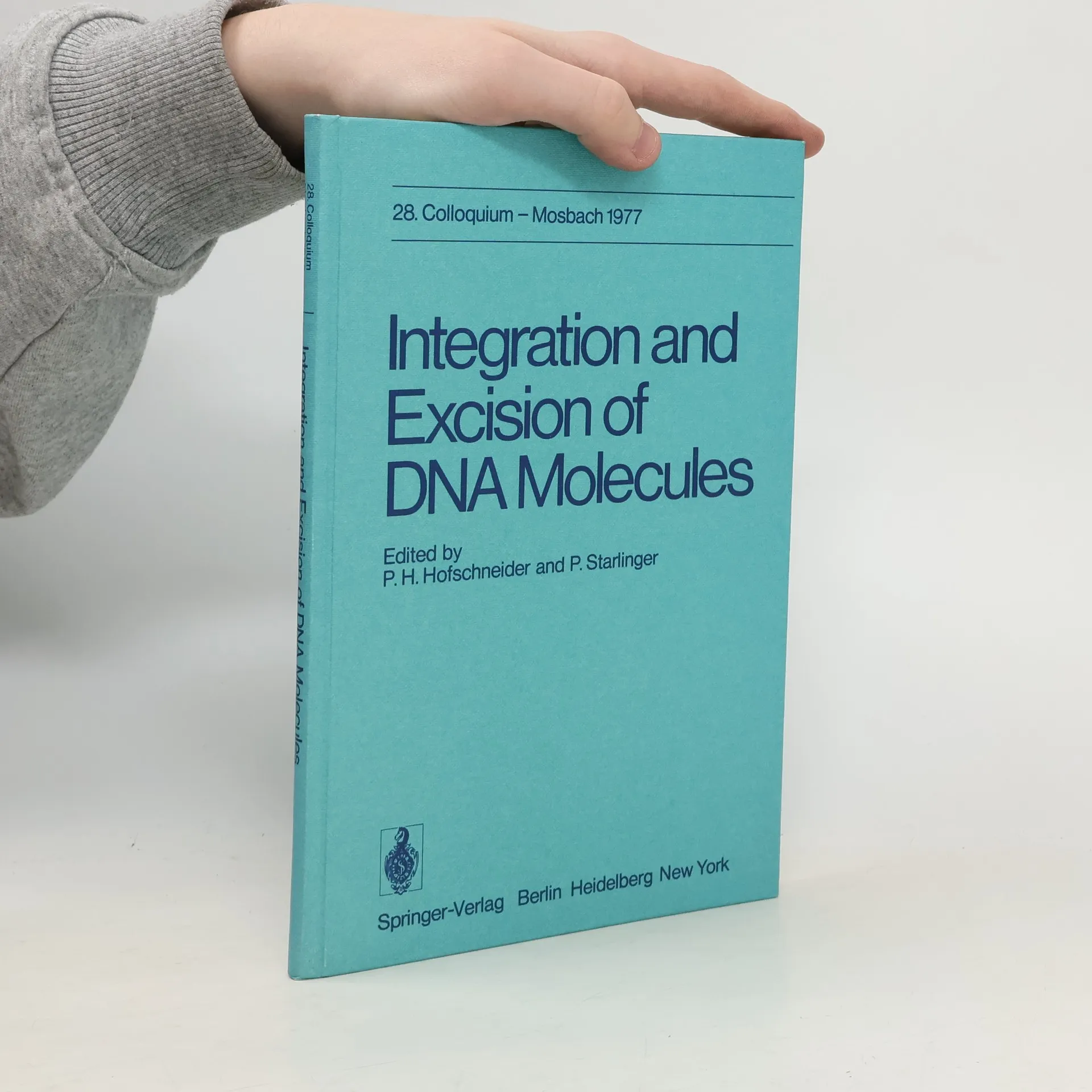
    Colloquium - 28: Integration and Excision of DNA Molecules
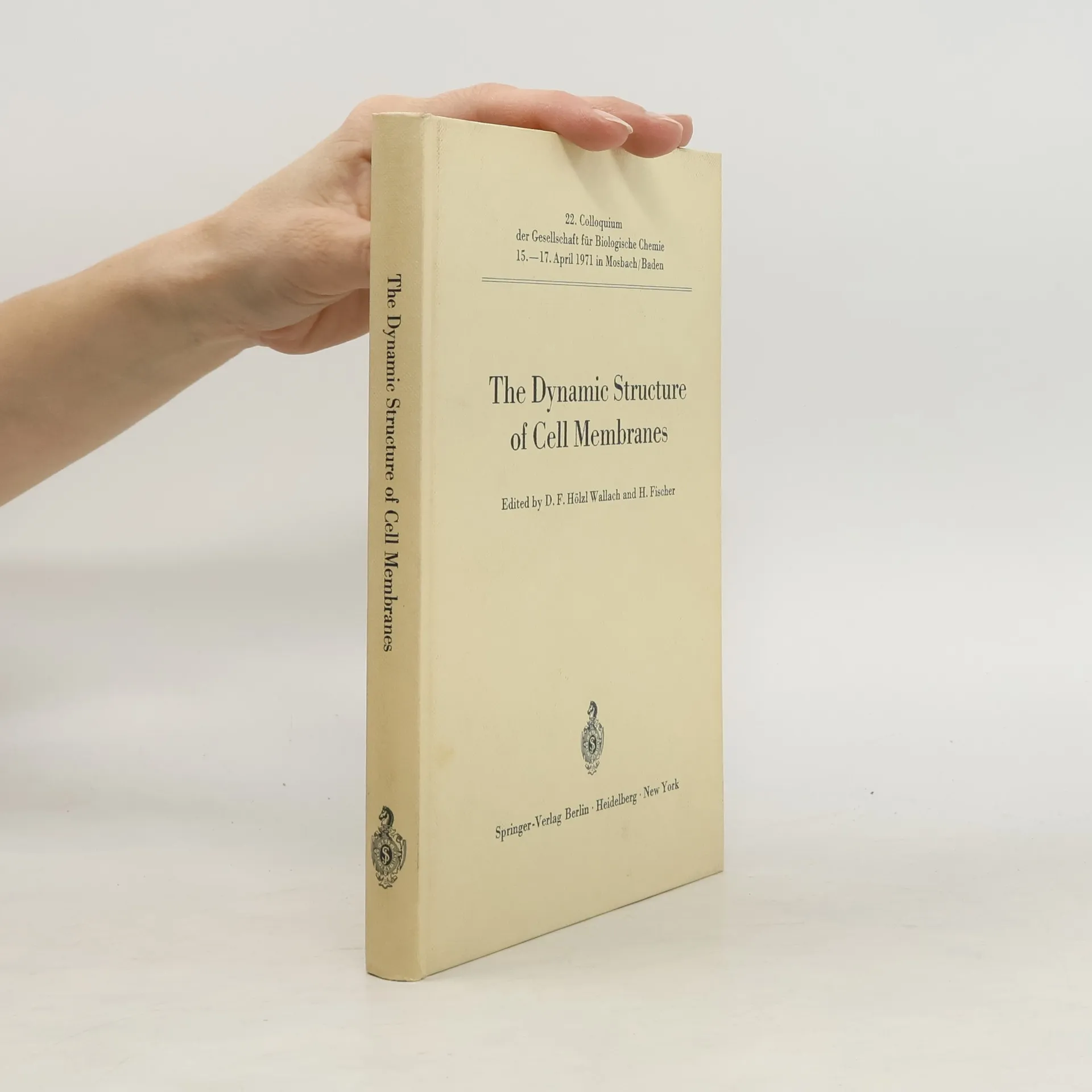
    Colloquium der Gesellschaft für Biologische Chemie in Mosbach Baden - 22: The Dynamic Structure of Cell Membranes
    • HERBERT FISCHER Max-Planck-Institut fur Immunbiologie, Freiburg-Zahringen With 3 Figures Ladies and Gentlemen: On behalf of the organizers of the 22nd Mosbach Colloquium, I extend a warm welcome to all attendees and express our gratitude for the presence of our invited speakers. Thanks to the longstanding tradition of the Mosbach Colloquia, many invitations were accepted without hesitation. Some may wonder why Mosbach holds such significance, especially for those of us who have attended for years. In a time when we faced greater hunger and thirst, Mosbach emerged as a unique venue to satisfy both our spiritual and physical cravings. It provided a friendly, peaceful atmosphere conducive to establishing connections with colleagues from various countries and scientific fields, often leading to lasting collaborations. The initiator of these gatherings, my mentor Kurt Felix, infused them with a pioneering spirit that is increasingly essential today, particularly as our numbers have grown from 50 to 500 participants. As organizers, we have pondered whether we can still offer an engaging lecture series while allowing for leisure, spontaneous questioning, and stimulating individual discussions.

      Colloquium der Gesellschaft für Biologische Chemie in Mosbach Baden - 22: The Dynamic Structure of Cell Membranes
    • Colloquium - 28: Integration and Excision of DNA Molecules

      28. Colloquium der Gesellschaft für Biologische Chemie, am 21.–23. April 1977 in Mosbach/Baden

      • 136 pages
      • 5 hours of reading

      The topic of this years' osbach Colloquium was DNA integration. We have tried to bring together experts from different fields of research who are studying natural processes by which DNA molecules from differ ent sources are linked. It has been known for a long time that such linkage occurs between the chromosomes of bacteriophages and plasmids on the one hand and the chromosome of the bacterial host on the other. This process has been especially well studied in bacteriophage A. Since it is controlled in a complicated way, we began with a lecture by M. ptashne on these regulatory processes. H. Nash described the inte gration of bacteriophage A into the bacterial chromosome. To put this site-specific process into perspective, G. Mosig lectured on genetic recombination in prokaryotes in general and K. Murray described the use of bacteriophage A as an artificial vector for genetic engineering. A different kind of bacteriophage integration is shown by bacteriophage Mu, which is much less specific in its choice of an integration site than A. The properties of this phage were described by P. van de Putte."

      Colloquium - 28: Integration and Excision of DNA Molecules