

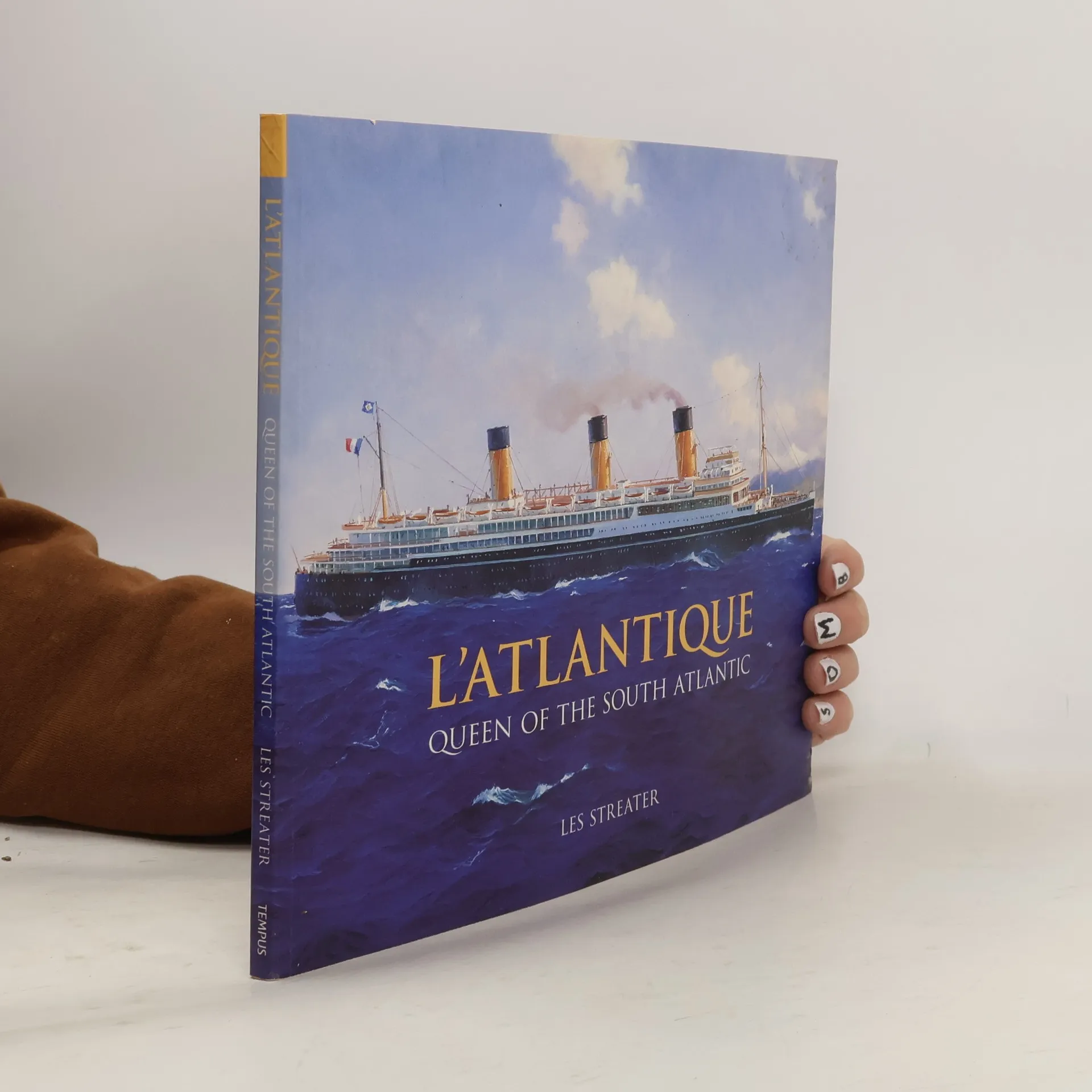
Always an unlucky company, Compagnie de Navigation Sud Atlantique were often at the forefront of ship design and passenger amenities, but were never able to profit from their decisions. In 1928 the directors took the bold step of ordering the largest, most luxurious liner yet seen on the Europe-South America service - L'Atlantique. A successful maiden voyage in September 1931 was followed by a further nine uneventful crossings. Then tragedy struck again: in January 1933, while on her way to the Le Havre for an overhaul, L'Atlantique caught fire in the English Channel. Adrift and abandoned, she was gutted by fire but stayed afloat, and was subsequently towed to Cherbourg. After several years of acrimonious litigation with the insurers, L'Atlantique was finally scrapped in February 1936.
Les Streater Book order (chronological)
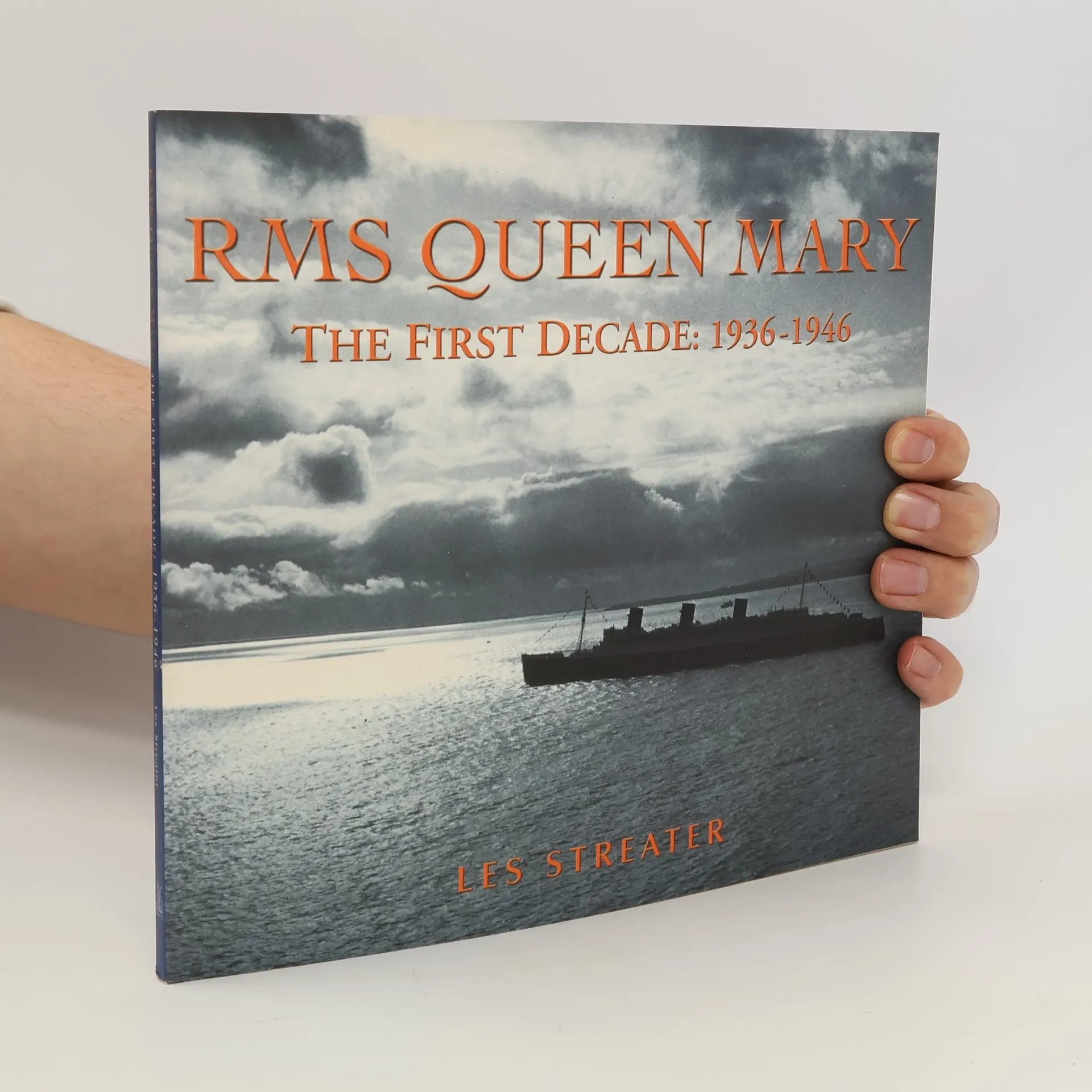
Entering service in 1936, the RMS Queen Mary received much publicity on its crossings to America, which is fully covered in this book in rare photographs, memorabilia, and text. The author also covers World War II, when the ship was used to carry thousands of troops across the ocean.
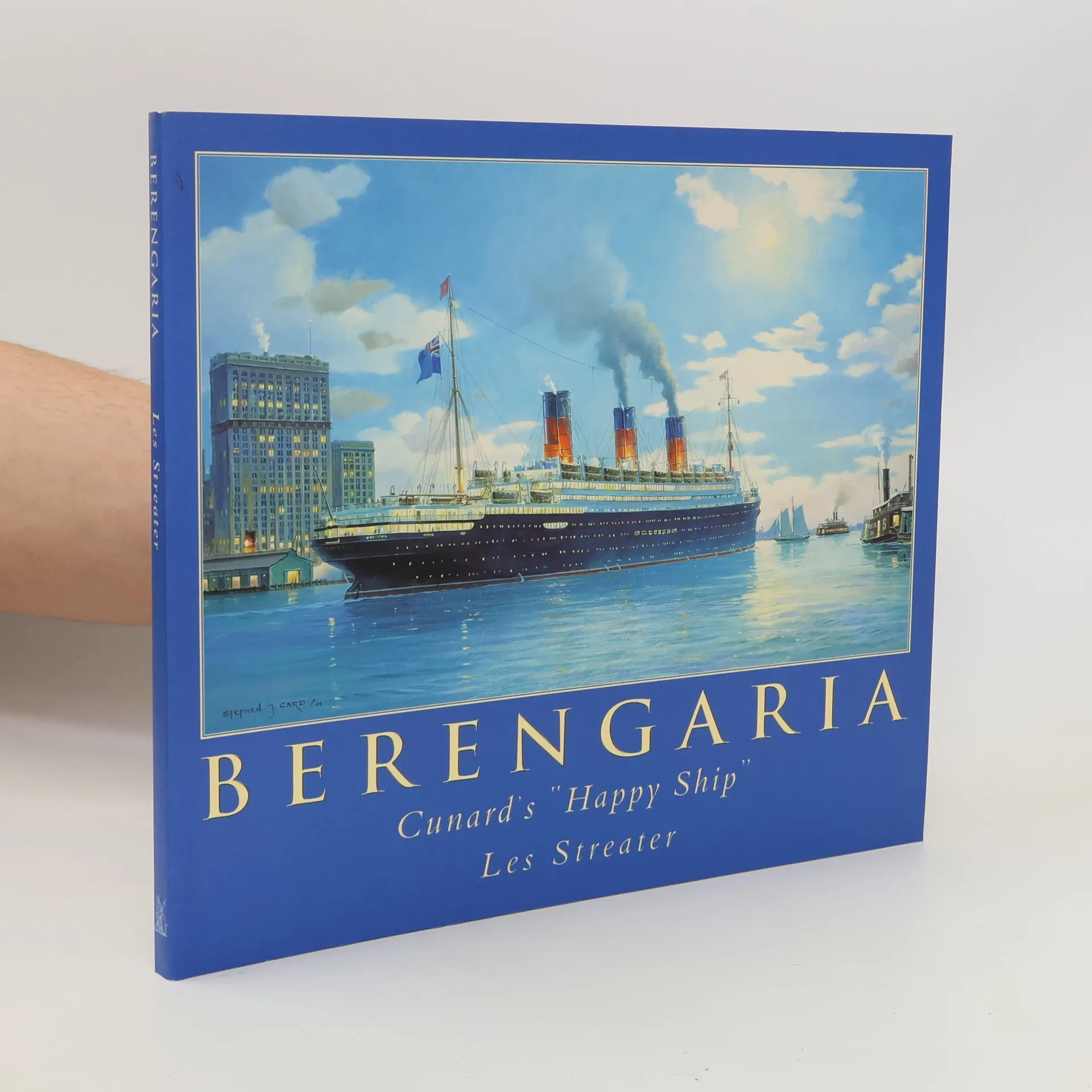
At the turn of the twentieth century a race was on between the European shipping companies to build the largest liners in the world. From Cunard had come the Mauretania and Lusitania, from White Star the Olympic, Titanic and Britannic and from the Hamburg Amerika line came Albert Ballin's trio of liners; Imperator, Vaterland and Bismark. The first of these three Hamburg Amerika liners was, when launched, the largest ship in the world, capable of carrying 5,000 passengers in varying qualities of accommodation from emigrants in steerage to millionaires in her suites. Imperator had a short useful life of only one year before war started in 1914. Docked for the duration she was, at the end of the war, passed to the British Government and sold to Cunard as a replacement for the ill-fated Lusitania. Recomissioned and overhauled she became the flagship of Cunard and was renamed Berengaria, after Richard the Lionheart's wife. She joined her new consorts, Aquitania and Mauretania on the Atlantic shuttle service and was a common sight on the Atlantic for the next seventeen years. Sent for scrapping in 1938, she was broken up to the keel by 1939 and the hull was scrapped after the Second World War.