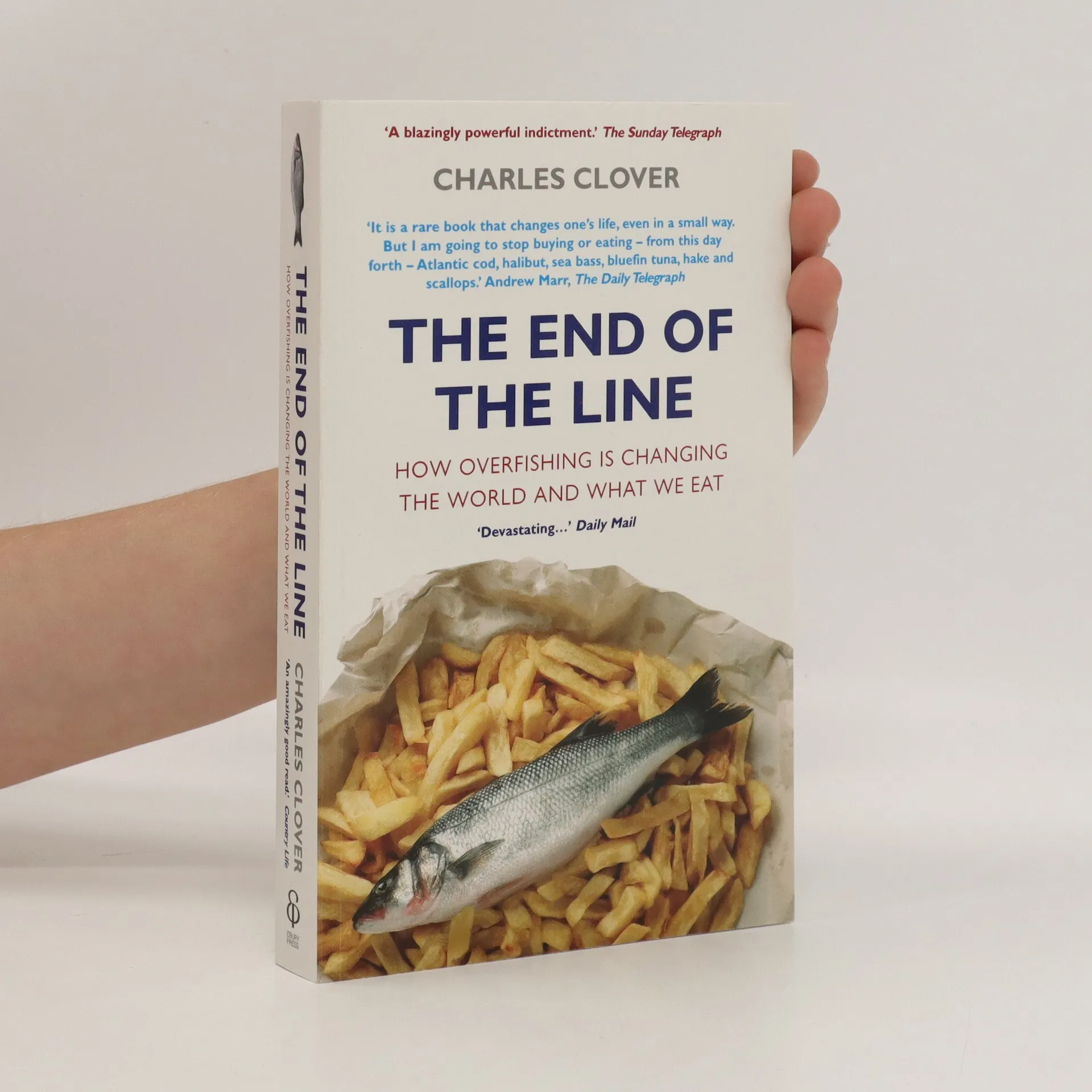
The End of the Line
- 320 pages
- 12 hours of reading
Global exploration of the destruction caused by modern technological fishing.


Charles Clover is a distinguished journalist and author whose work delves deeply into environmental issues and sustainable agriculture. With a profound understanding of ecological complexities and a passion for conservation, he uncovers the impacts of overfishing on global ecosystems and our diets. His writing, recognized with multiple prestigious awards, serves as a powerful call to awareness, urging readers towards more sustainable practices concerning natural resources. Clover's influential style and persuasive narrative transform intricate environmental challenges into accessible and compelling accounts.


Global exploration of the destruction caused by modern technological fishing.
'Desperately needed' - Isabella Tree 'I doubt any more important book will published this year' - Stephen Fry In this indispensable follow up to his acclaimed The End of the Line- How Overfishing is Changing the World, Charles Clover chronicles how determined individuals are proving that the crisis in our oceans can be reversed, with benefits for both local communities and entire ecosystems. Rewilding the Sea celebrates what happens when we step aside and let nature repair the damage- whether it is the overfishing of bluefin tuna across the Atlantic, the destruction of coral gardens by dredgers in Lyme Bay or the restoration of oysters on the East Coast of America. The latest scientific research shows that trawling and dredging create more CO2 than the aviation industry and damage vast areas of our continental shelves, stopping them soaking up carbon. We need to fish in different ways, where we fish at all. We can store carbon and have more fish by stepping aside more often and trusting nature. Essential and revelatory, Rewilding the Sea propels us to rethink our relationship with nature and reveals that saving our oceans is easier than we think.
A fascinating study of the root motivations behind the political activities and philosophies of Putin's government in Russia
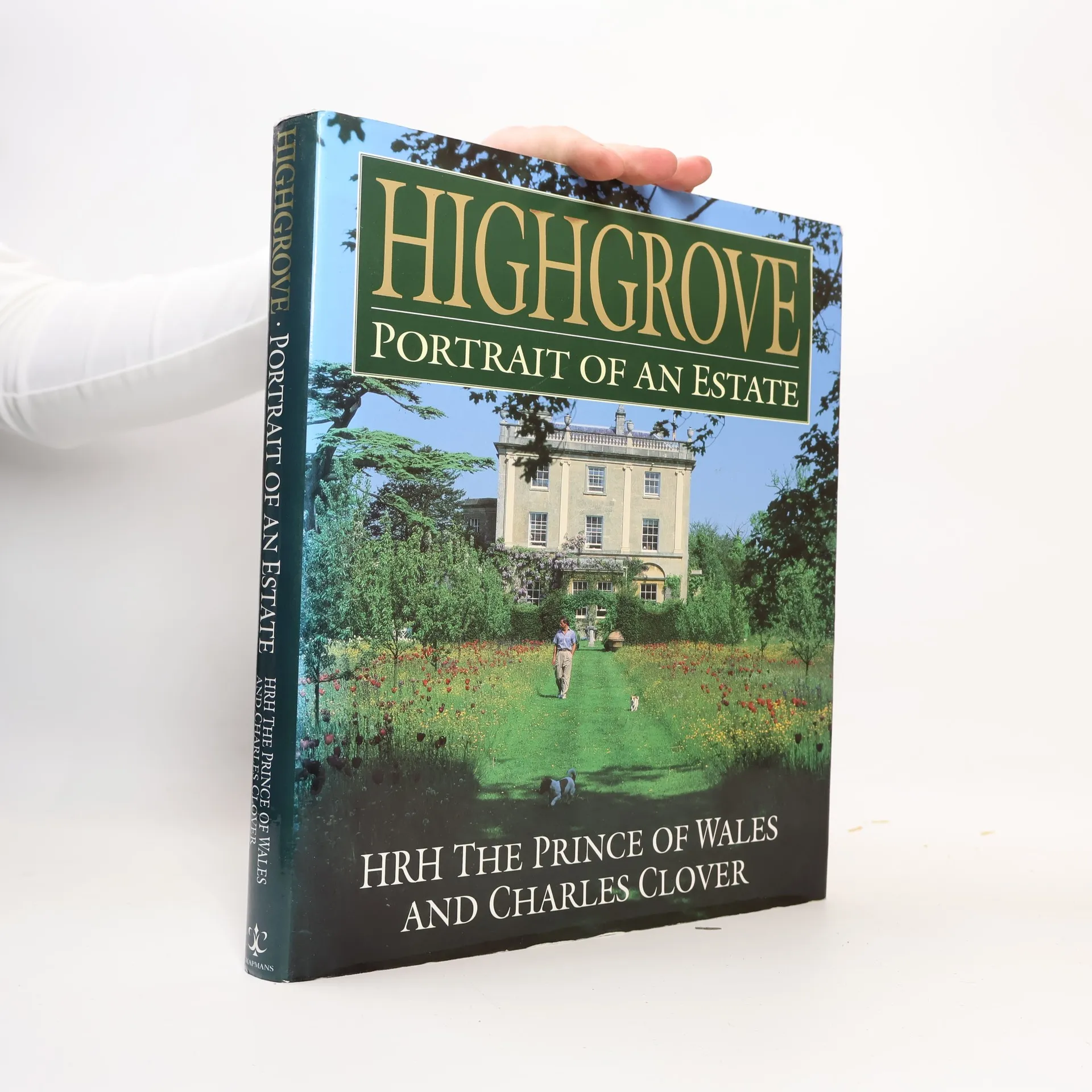
The Prince of Wales spent five years turning his Highgrove Estate in the Cotswolds into a model of environmentally-benign farming and gardening. This book records the successes and failures, and the lessons to be shared not only by gardeners, horticulturalists and farmers, but by everyone interested in land, in their environment. In an introductory section Prince Charles shares his vision of Highgrove as a blueprint for the future. Charles Clover depicts the backcloth: the history of the estate, the making of the garden, the wildflower garden, the encouragement of wildlife, the seasons at Highgrove, the experiments in organic farming, and the market for the products.