

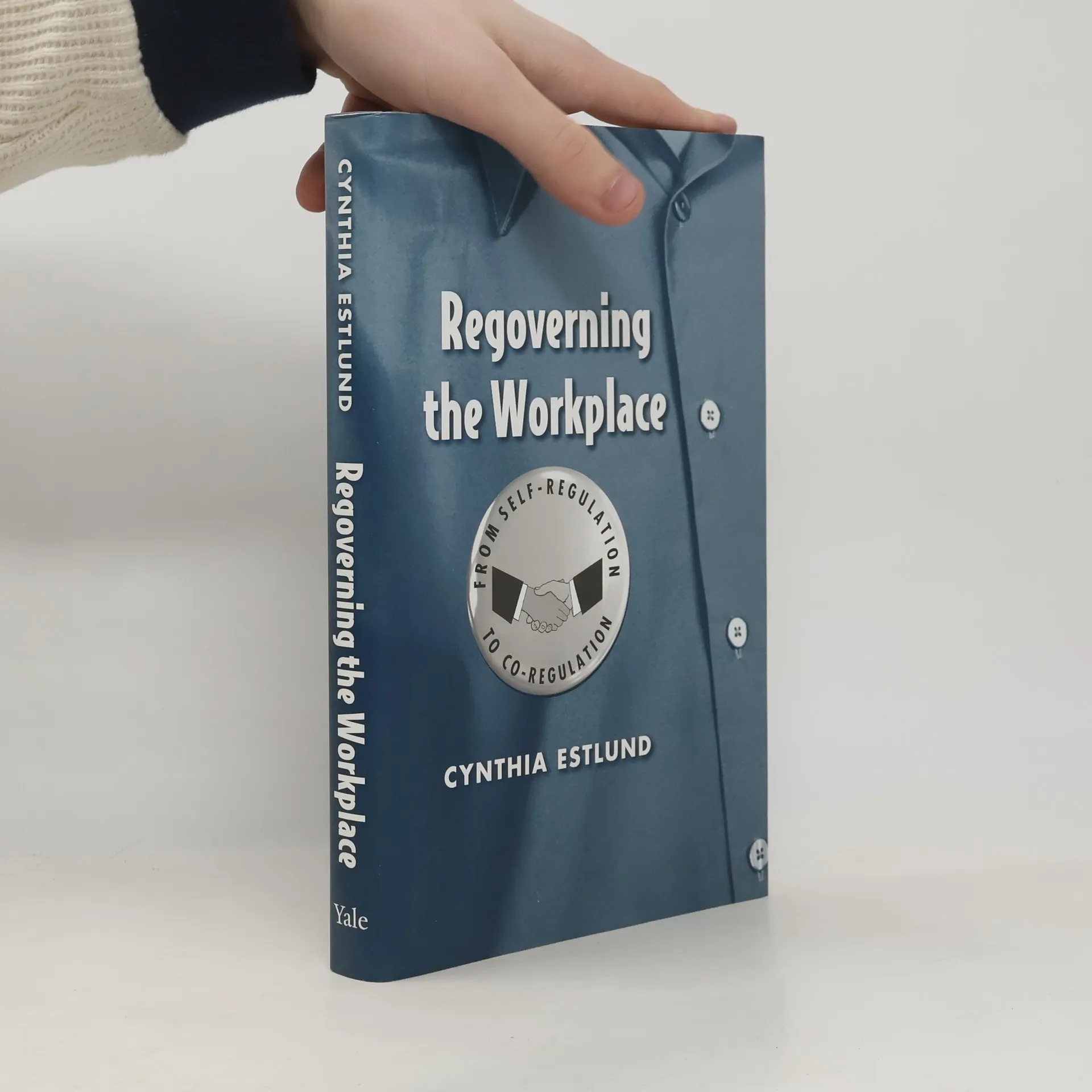
This original book seeks to shape current trends toward employer self-regulation into a new paradigm of workplace governance in which workers participate. The decline of collective bargaining and the parallel rise of employment law have left workers with an abundance of legal rights but no representation at work. Without representation, even workers’ legal rights are often under-enforced. At the same time, however, many legal and social forces have pushed firms to self-regulate―to take on the task of realizing public norms through internal compliance structures. Cynthia Estlund argues that the trend toward self-regulation is here to stay, and that worker-friendly reformers should seek not to stop that trend but to steer it by securing for workers an effective voice within self-regulatory processes. If the law can be retooled to encourage forms of self-regulation in which workers participate, it can help both to promote public values and to revive workplace self-governance.
Cynthia Estlund Book order (chronological)

The typical workplace is a dynamic environment filled with a range of human relationships, including friendships, conflicts, and collaborations. Here, individuals navigate diverse interactions to solve problems and achieve progress, often within increasingly varied groups of co-workers. In a time when American society faces frayed communal ties and ongoing segregation, the workplace serves as a critical venue for individuals from different ethnic, religious, and racial backgrounds to connect and form meaningful bonds. This raises important questions about the implications of these structured relationships in a society still grappling with issues of gender and race. The nature of workplace interactions is shaped by economic power, necessity, and legal regulations, often diverging from the ideal of free citizens collaborating for common goals. Interestingly, the involuntary nature of these interactions can facilitate successful racial integration in the workplace, despite the potential for friction. This exploration highlights the paradoxical yet vital role of workplace relationships and concludes with actionable recommendations for how legal frameworks can enhance the democratic potential of collaboration. By linking workplace integration with broader social connectedness, the author proposes an innovative approach to tackling some of the most pressing challenges in American society today.