

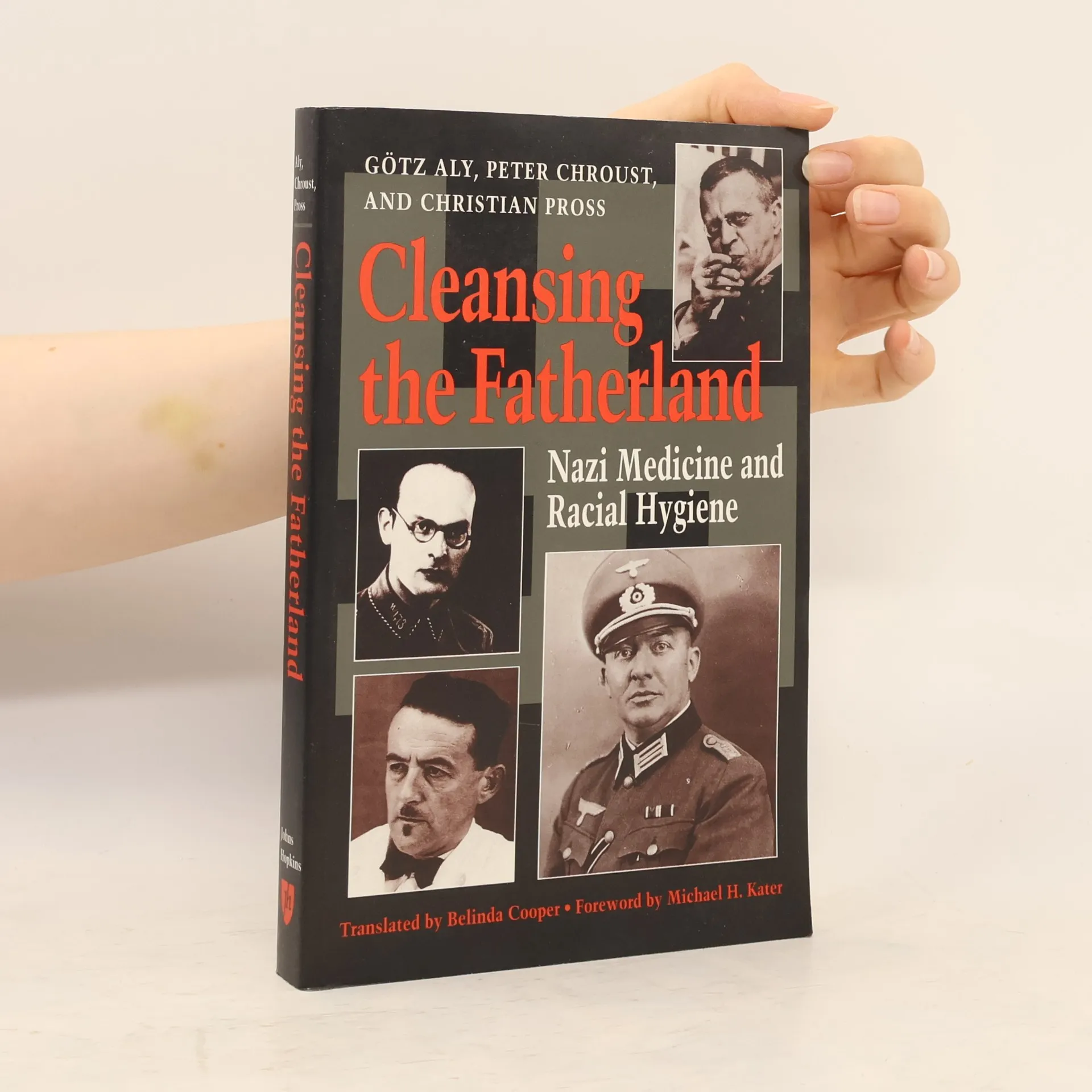
This volume emphasizes that, particularly in Germany, the lessons of the Third Reich remain unlearned. The Nuremberg Doctors' Trials of 1946-47 exposed horrific crimes by physicians and healthcare workers, including grotesque medical experiments and mass murder. However, the authors argue that more common were the doctors who profited from these killings without facing consequences, often shielded by postwar medical organizations. They explore the involvement of German physicians in notorious operations like the "T 4" euthanasia program and reveal numerous lesser-known killings ordered by doctors in the name of public health. Victims included maladjusted adolescents, the handicapped, and even German civilians suffering from mental breakdowns after air raids. The book includes original documents, previously unpublished in English, providing chilling insights into Nazi medicine. These include minutes from a 1940 meeting instructing mayors on the secret burial of murdered mental patients, a pre-Nazi questionnaire regarding the euthanasia of disabled children, and the diary of Dr. Hermann Voss, who expressed concern over an excess of Polish cadavers. As discussions of mass death and euthanasia resurface in contemporary society, the relevance of the lessons from this dark chapter in history is increasingly urgent, delivering a stark message that cannot be ignored.
Belinda Cooper Books
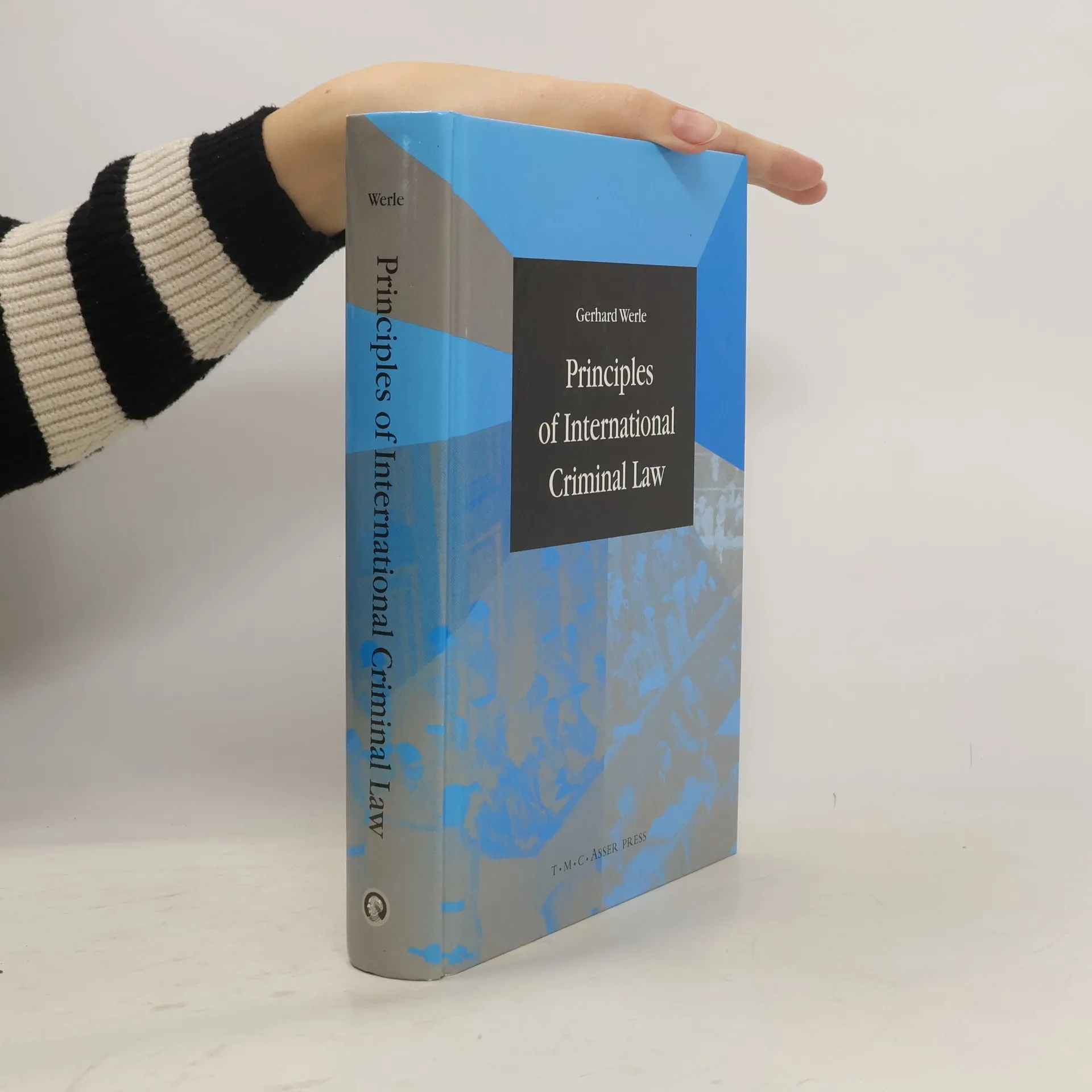
Principles of International Criminal Law
- 508 pages
- 18 hours of reading
During the last decade international criminal law has developed rapidly. Principles of International Criminal Law takes up these developments to provide comprehensive coverage of substantive international criminal law. Gerhard Werle deals with the general principles of international criminal law as well as with individual crimes, such as genocide, crimes against humanity, war crimes and the crime of aggression. Fundamental issues, such as the evolution, sources and enforcement of international criminal law are included. The book analyzes the Rome Statute of the International Criminal Court as well as customary international law. The case law of the ICTY and the ICTR as well as that of several national courts is extensively covered. The systematic and thorough approach adopted by the author makes this book indispensable for anyone involved in and interested in the attainment and development of international criminal law.