

In this original introduction to epistemology, Michael Williams explains and criticizes traditional philosophical theories of the nature, limits, methods, possibility, and value of knowing. All the main contemporary perspectives are explored and questioned, and the author's own theories are put forward. schovat popis
Michael J. Williams Books


Princeton Paperbacks: Unnatural Doubts
Epistemological Realism and the Basis of Scepticism
- 410 pages
- 15 hours of reading
In Unnatural Doubts , Michael Williams constructs a masterly polemic against the very idea of epistemology, as traditionally conceived. Although philosophers have often found problems in efforts to study the nature and limits of human knowledge, Williams provides the first book that systematically argues against there being such a thing as knowledge of the external world. He maintains that knowledge of the world consitutes a theoretically coherent kind of knowledge, whose possibility needs to be defended, only given a deeply problematic doctrine he calls "epistemological realism." The only alternative to epistemological realism is a thoroughgoing contextualism.
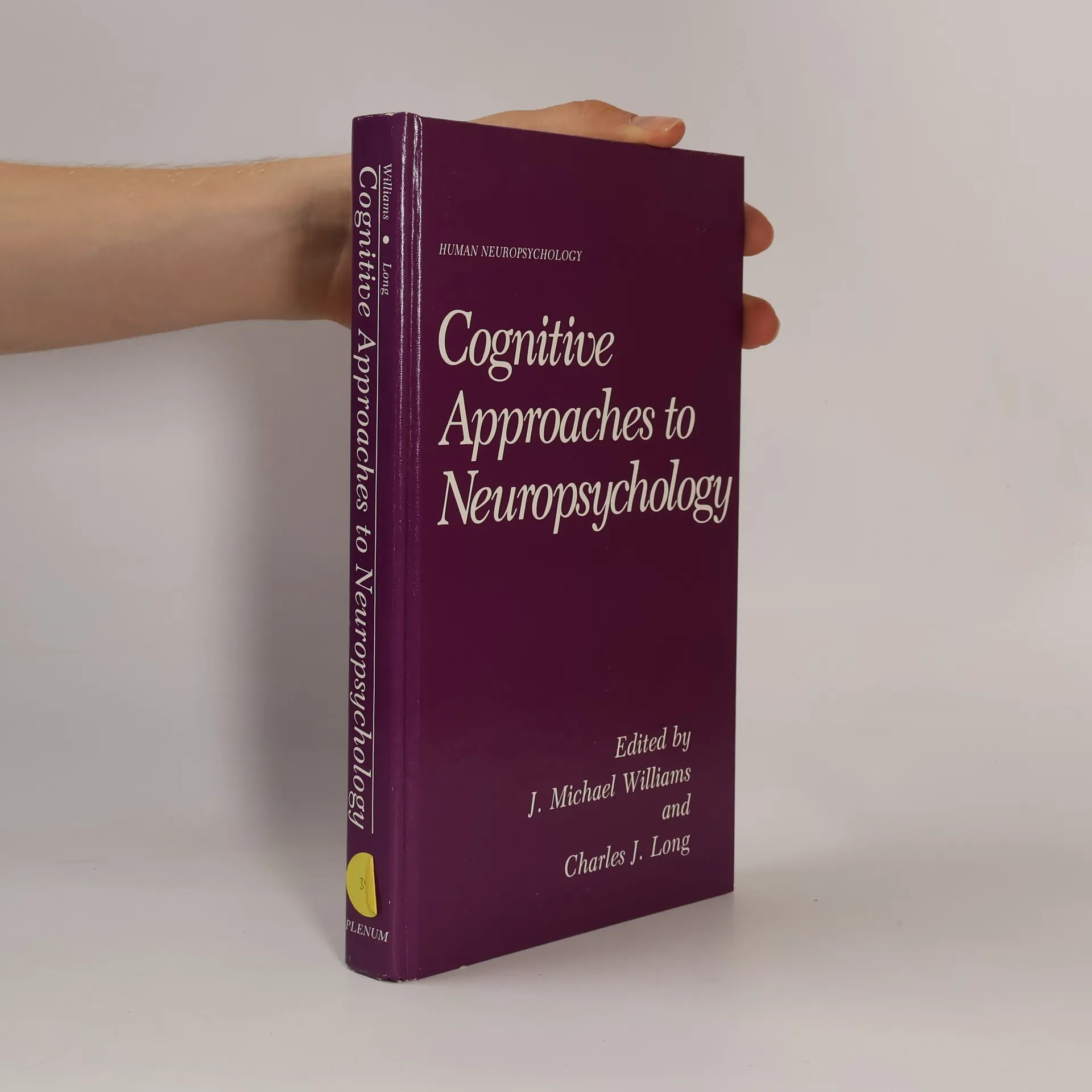
Since its inception, neuropsychology has explored how cognitive abilities are mediated by the brain, with clinical neuropsychology falling under this broader investigation. However, various factors have historically hindered a close association between neuropsychologists and cognitive/experimental psychologists. These influences kept cognition studies from considering biological foundations, leaving neuropsychology theoretically impoverished. Recently, these barriers have lessened, leading to the emergence of "cognitive neuropsychology," which aims to integrate cognition with brain function. The separation of these fields stemmed from historical trends and social distances that occurred largely by accident. A key factor was that early cognition and brain function researchers were primarily neurologists or neuroscientists, lacking a psychological framework to deepen their understanding of observed behaviors following brain injuries. As more psychologists with cognitive contexts began studying the effects of brain disorders like aphasia and amnesia, the research became more comprehensive, incorporating theories of language and memory from cognitive psychology into their investigations. This shift marks a significant evolution in the understanding of the interplay between cognitive processes and brain function.