

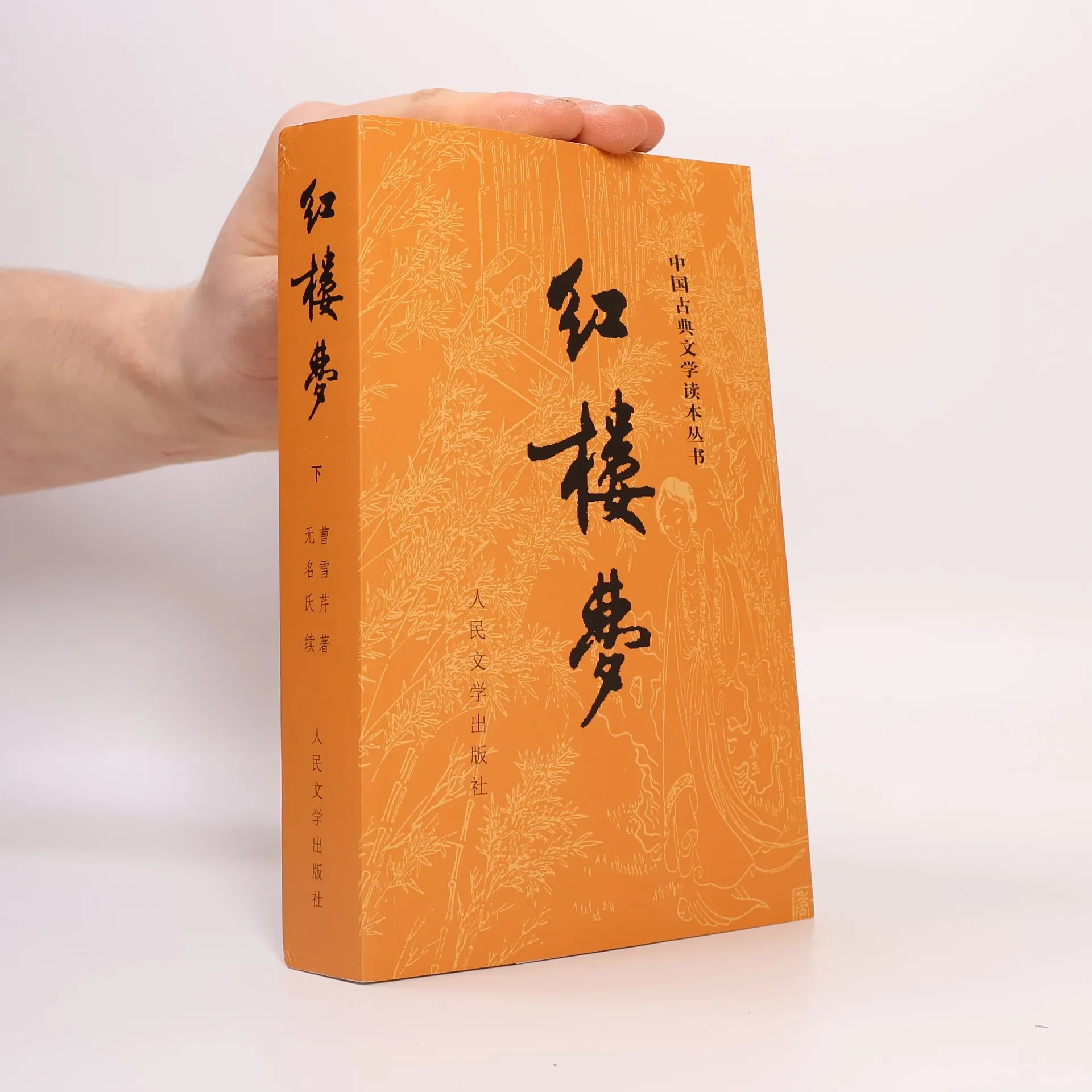
中国古典文学读本丛书 - 2: 红楼梦 (人民文学版新版)
- 1606 pages
- 57 hours of reading
Also known as Hong Lou Meng, this work is considered China's greatest literary masterpiece, chronicling the life of a noble family in the eighteenth century. The narrative unfolds amidst enchanting gardens and pleasure pavilions, revealing the stark contrast between the family's refined daily life and the underlying realities of decay and self-destruction. Cao Xueqin (1715? - 1763?), the author, was born into a family with a rich history, having ancestors who served as Textile Commissioners in Jiangning (present-day Nanjing) for over sixty years. His family, originally Han Chinese, had been integrated into the Manchu Right White Banner. His paternal great-grandmother was a nursemaid to the future Kangxi emperor, which brought the family prestige. However, their fortunes changed dramatically when Cao Xueqin's father, Cao Fu, was removed from his position and faced punishment under the Yongzhen emperor for alleged financial mismanagement. This led to the confiscation of family property and a decline into poverty. Cao Xueqin, who had once enjoyed a life of luxury, experienced a drastic shift in circumstances, ultimately living in a humble abode on the outskirts of Beijing. The death of his young son in 1762 deeply affected him, and he never recovered from the loss. He passed away on February 12, 1763, leaving behind a legacy that continues to resonate through Chinese literature.