

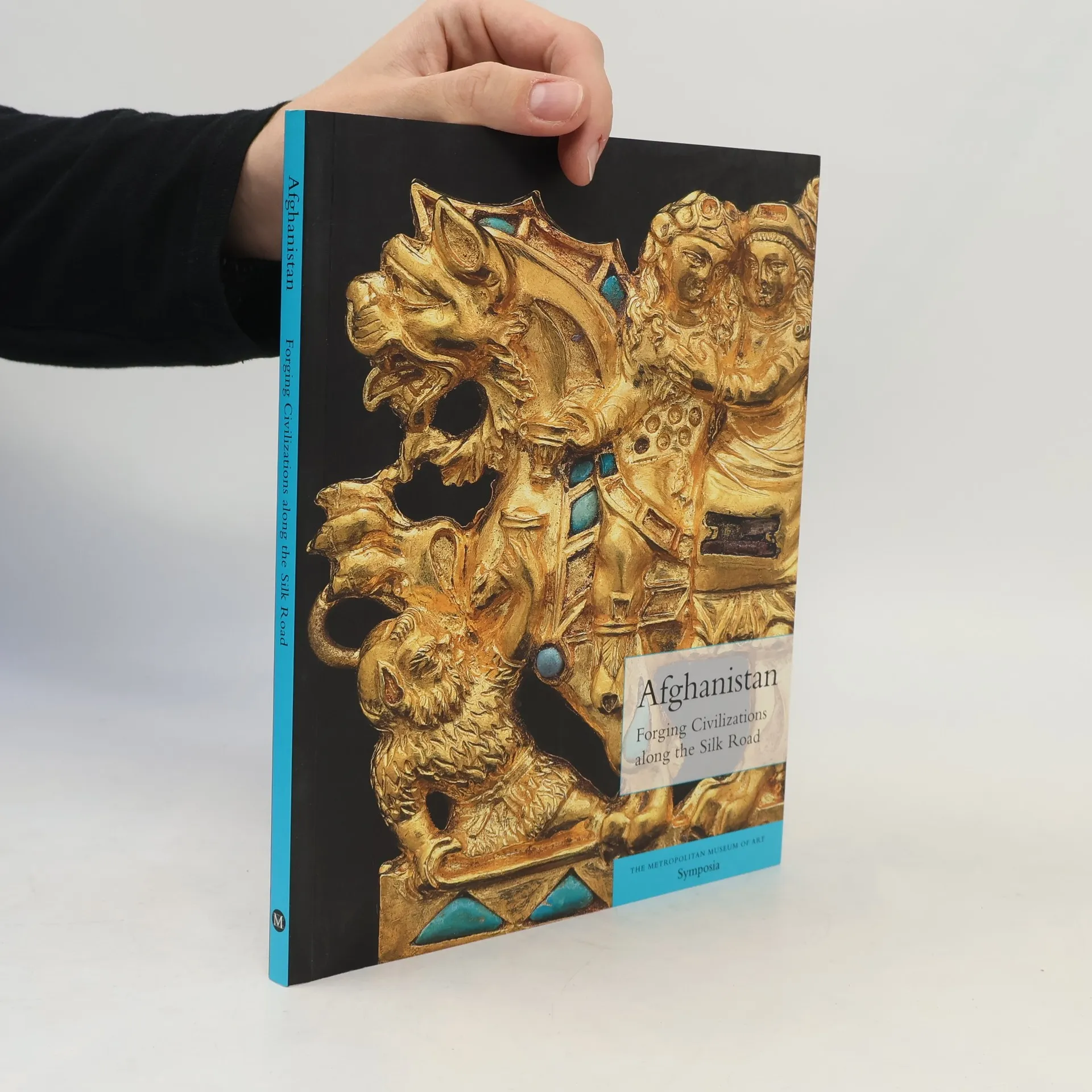
Metropolitan Museum of Art Symposia: Afghanistan
Forging Civilizations Along the Silk Road
- 134 pages
- 5 hours of reading
In 2009, a symposium at The Metropolitan Museum of Art coincided with the exhibition "Afghanistan: Hidden Treasures from the National Museum, Kabul," featuring scholars who excavated and interpreted the remarkable artifacts on display. The exhibition's title, "Hidden Treasures," reflects the courage of Afghan colleagues who safeguarded their cultural heritage for twenty-five years amidst the destruction of the National Museum and Taliban attacks, revealing in 2003 that these treasures were securely stored in a bank vault. This event and the symposium celebrate their "rediscovery," marking a significant achievement in cultural preservation, highlighted in an essay by Omara Khan Maddoudi, the museum's director. Afghanistan's strategic location along major trade routes has shaped its rich cultural heritage, influenced by diverse traditions from Greece, Iran, the Eurasian steppes, and China. The essays in this volume focus on key periods of artistic advancement, particularly the Bactrian Bronze Age and the aftermath of Alexander the Great's conquests, emphasizing sites like Aï Khanum, Begram, and Tillya Tepe. These contributions illuminate the significance of the hidden treasures and invigorate discussions surrounding Central Asian arts and culture.