

Explore the latest books of this year!
Bookbot

James Hillman

    April 12, 1926 – October 27, 2011

    James Hillman was an American psychologist and the founder of archetypal psychology. His work delved deeply into the realms of myth, philosophy, and art, seeking to understand the human psyche through symbolic imagery. Hillman's unique approach emphasized the significance of image and metaphor in psychological life, offering a radically different perspective on the human experience. His writings invite readers to explore the deeper, archetypal layers of consciousness, revealing the richness of the unconscious world.

    James Hillman
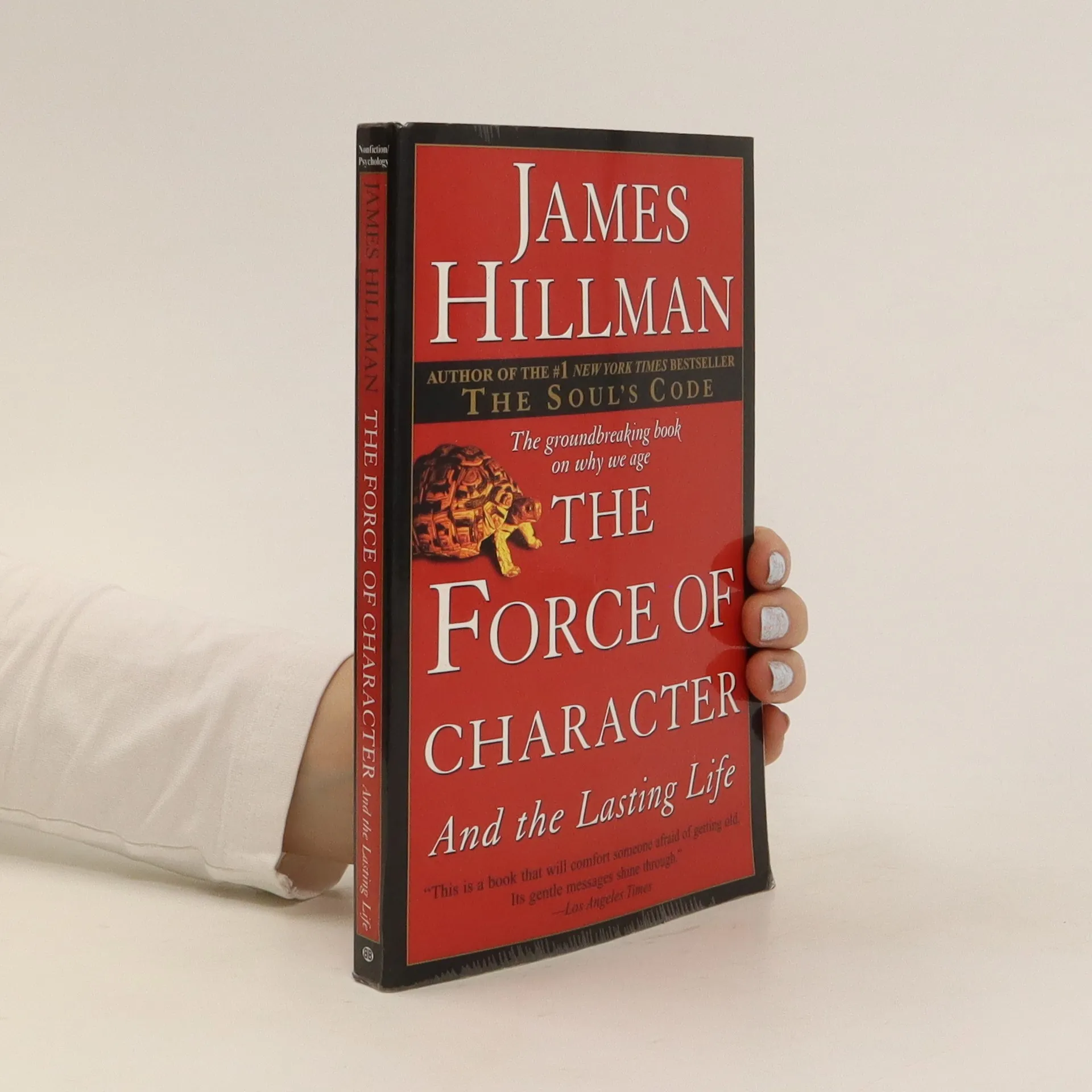
    The Force of Character. And the Lasting Life.
    Inter Views
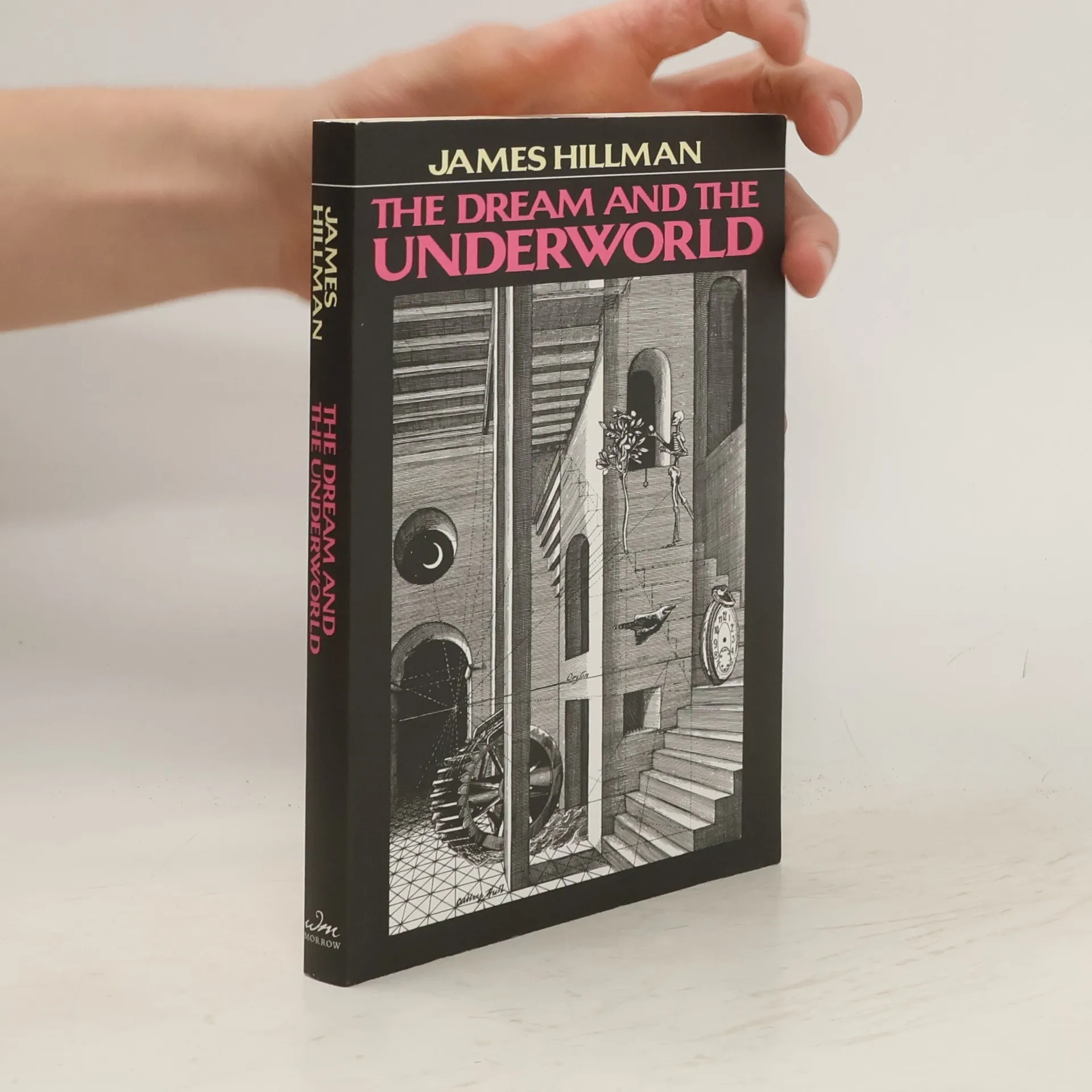
    The Dream and the Underworld
    Re-Visioning Psychology
    Ermenegildo Zegna
    Suicide and the Soul
    • Suicide and the Soul

      • 160 pages
      • 6 hours of reading

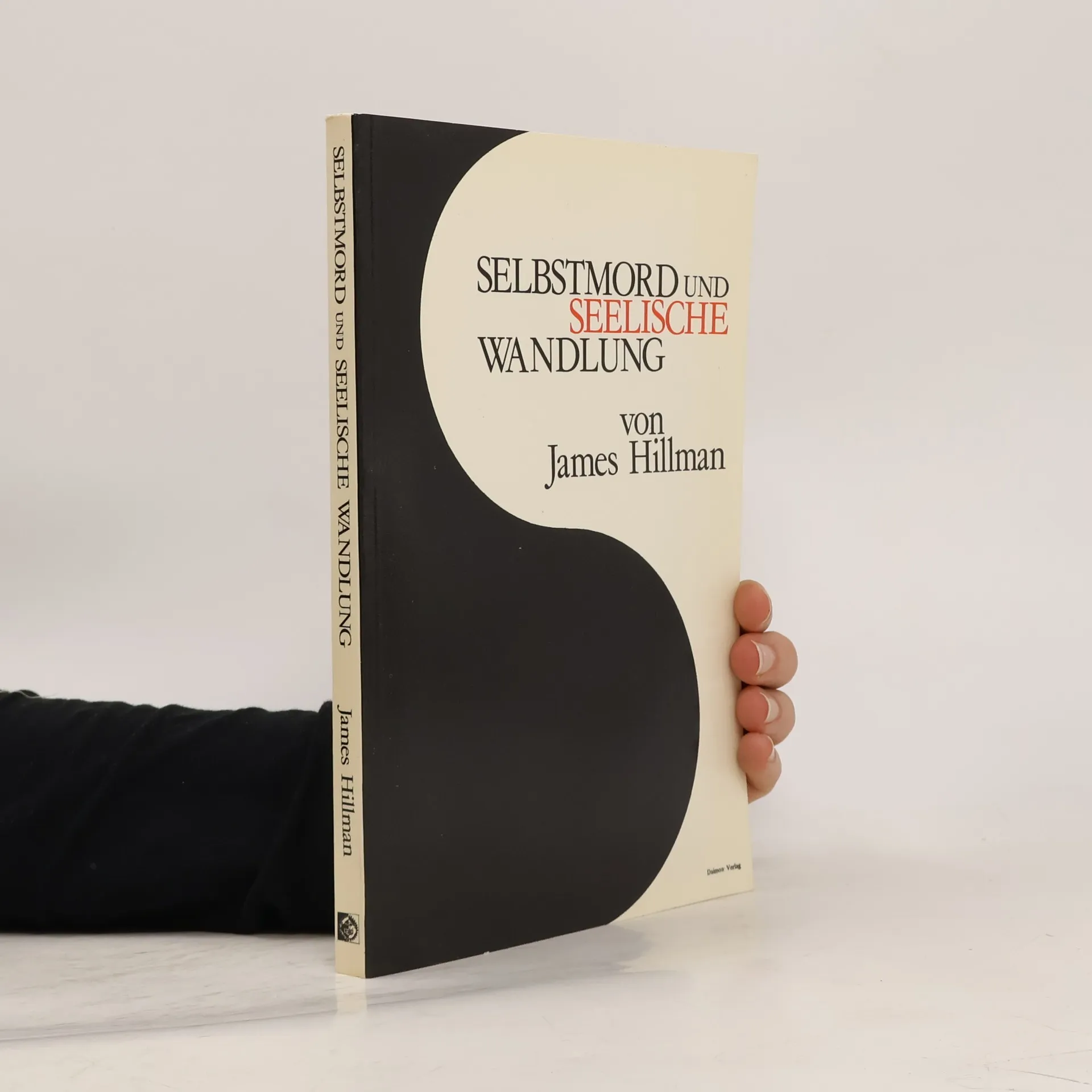
      With this book James Hillman initiated the "soul movement" in psychotherapy more than fifty years ago. Soul and suicide are dominant issues of this new millennium; soul because it cannot be reduced to genes and chromosomes; suicide because it raises fundamental religious, political, and legal conflicts. As Hillman writes in the Postscript to the second edition: "The individual consists of more than his or her personal individuality. Something besides 'myself' inhabits the soul, takes part in its life and has a say in its death...We need a...definition of self as the interiorization of community. Suicide, literally 'self-killing, ' now would mean both a killing of community and involvement of community in the killing."Hillman's book tries to carry Jung's ideas of a soul-informed psychology into the most wrenching agony of therapeutic practice: the suicide of the patient. It goes to the heart of therapy. Since we are each in a silent therapy with ourselves, the issue of suicide reaches into the heart of each of us. Suicide and the Soul resurrects "soul" from its reliquary in spiritual churchiness and instills the idea with the passion-laden daily life of soul food, soul music, soul brother, soul sister, and soul death.This new edition is introduced by the eminent psychiatrist and pioneering social critic Thomas Szasz

      Suicide and the Soul
      4.5
    • Ermenegildo Zegna

      An Enduring Passion for Fabrics, Innovation, Quality and Style

      • 406 pages
      • 15 hours of reading

      This volume presents the 100 year history of a leading multinational in mens luxury clothing and one of the oldest business families in Italy, Ermenegildo Zegna.

      Ermenegildo Zegna
      4.5
    • Re-Visioning Psychology

      • 304 pages
      • 11 hours of reading

      This groundbreaking classic explores the necessity of connections between our life and soul and developing the main lines of the soul-making process.

      Re-Visioning Psychology
      4.3
    • In a deepening of the thinking begun in The Myth of Analysis and Re-Visioning Psychology, James Hillman develops the first new view of dreams since Freud and Jung. In a profound extension of Jung's ideas of the collective unconscious, Hillman goes back to classical theories in terms of the poetics of mythology. He relates our dreaming life to the myths of the underworld--the dark side of the soul, its images and shadows--and to the gods and figures of death. This leads to a revisioning of dream interpretation in relation to the psychology of dying. He concludes with the long section on specific dream images and themes as they appear in psychological praxis.

      The Dream and the Underworld
      4.2
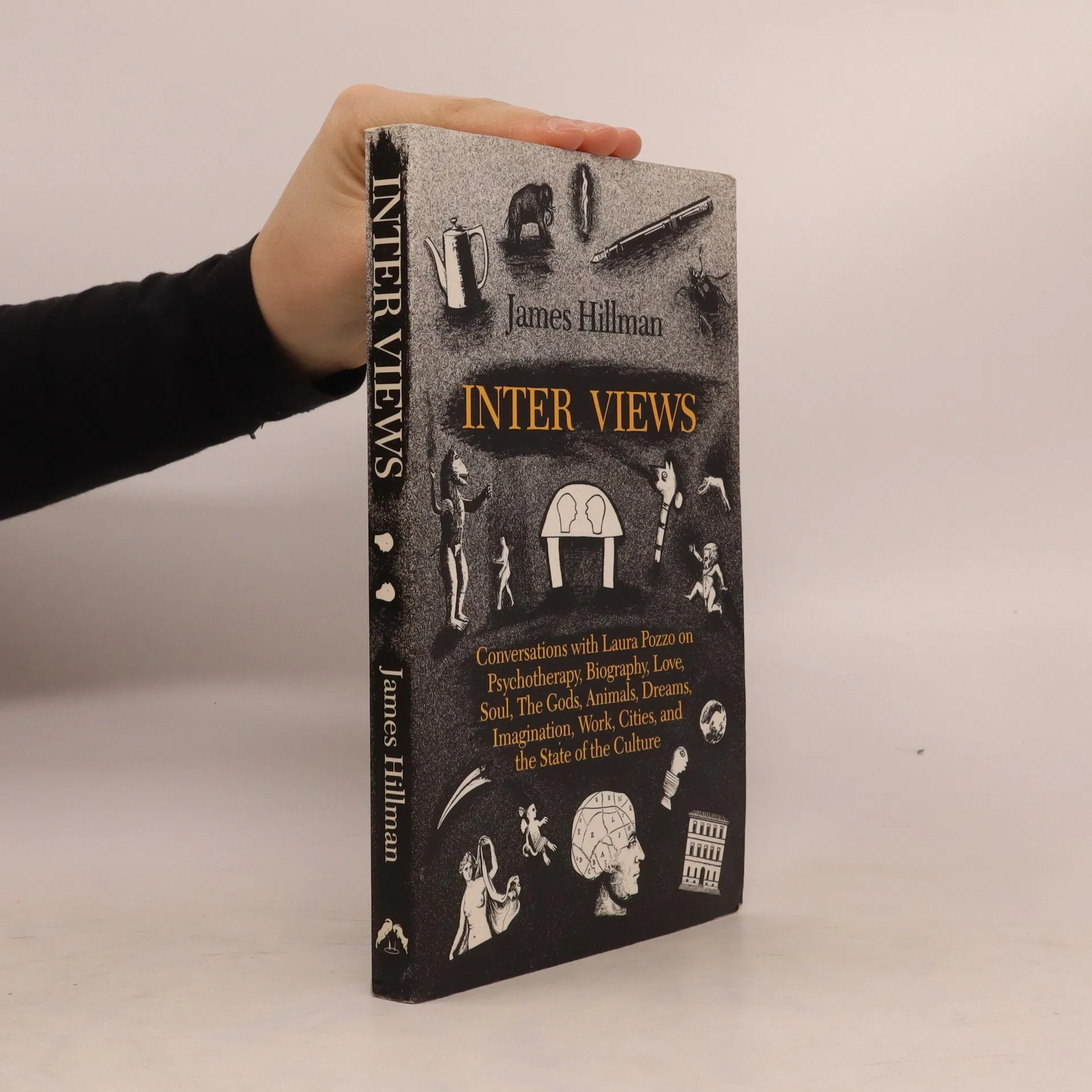
    • Inter Views

      • 198 pages
      • 7 hours of reading

      Extraordinary, yet practical accounts of active imagination, writing, daily work, and symptoms in their relation with loving. The only biography of Hillman, the book also radically deconstructs the interview form itself.

      Inter Views
      4.2
    • In his powerful bestseller The Soul's Code, James Hillman brilliantly illuminated the central importance of character to our spiritual and emotional lives. Now, in this magnificent new book, Hillman completes his exploration of character with a profound and revolutionary reflection on life's second half."Character requires the additional years," declares Hillman. "The last years confirm and fulfill character." Far from blunting or dulling the self, the accumulation of experience concentrates the essence of our being, heightening our individual mystery and unique awareness of life. Drawing on his grounding in Jungian psychology, Hillman explains here the archetypes and myths that govern the self's realignment in our final years.The Force of Character follows an enriching journey through the three stages of aging--lasting, the deepening that comes with longevity; leaving, the preparation for departure; and left, the special legacy we each bestow on our survivors.  Along the way the book explores the meanings and often hidden virtues of characteristic physical and emotional changes, such as loss of memory, alterations in sleep patterns, and the mysterious upsurge in erotic imagination.Steeped in the wisdom of a lifetime, radiant with Hillman's reading in philosophy, poetry, and sacred texts, charged with a piercing clarity, The Force of Character is a book that will change--and affirm--the lives of all who read it.

      The Force of Character. And the Lasting Life.
      4.1
    • Archetypal Psychology

      Uniform Edition of the Writings of James Hillman, Vol. 1

      • 160 pages
      • 6 hours of reading

      Originally written for the Italian Enciclopedia del Novecento, this indispensable book is a concise, instructive introduction to polytheism, Greek mythology, the soul-spirit distinction, anima mundi, psychopathology, soul-making, imagination, therapeutic practice, and the writings of C.?G. Jung, Henry Corbin, and Adolf Portmann in the formulation of the field of Archetypal Psychology. This new edition includes three additional texts, which Hillman long felt belong into this introductory account of Archetypal Psychology: “Why ‘Archetypal Psychology’?”; “Psychology: Monotheistic or Polytheistic?”; and “Psychology: Monotheistic or Polytheistic? – Twenty Years Later.”

      Archetypal Psychology
      3.6
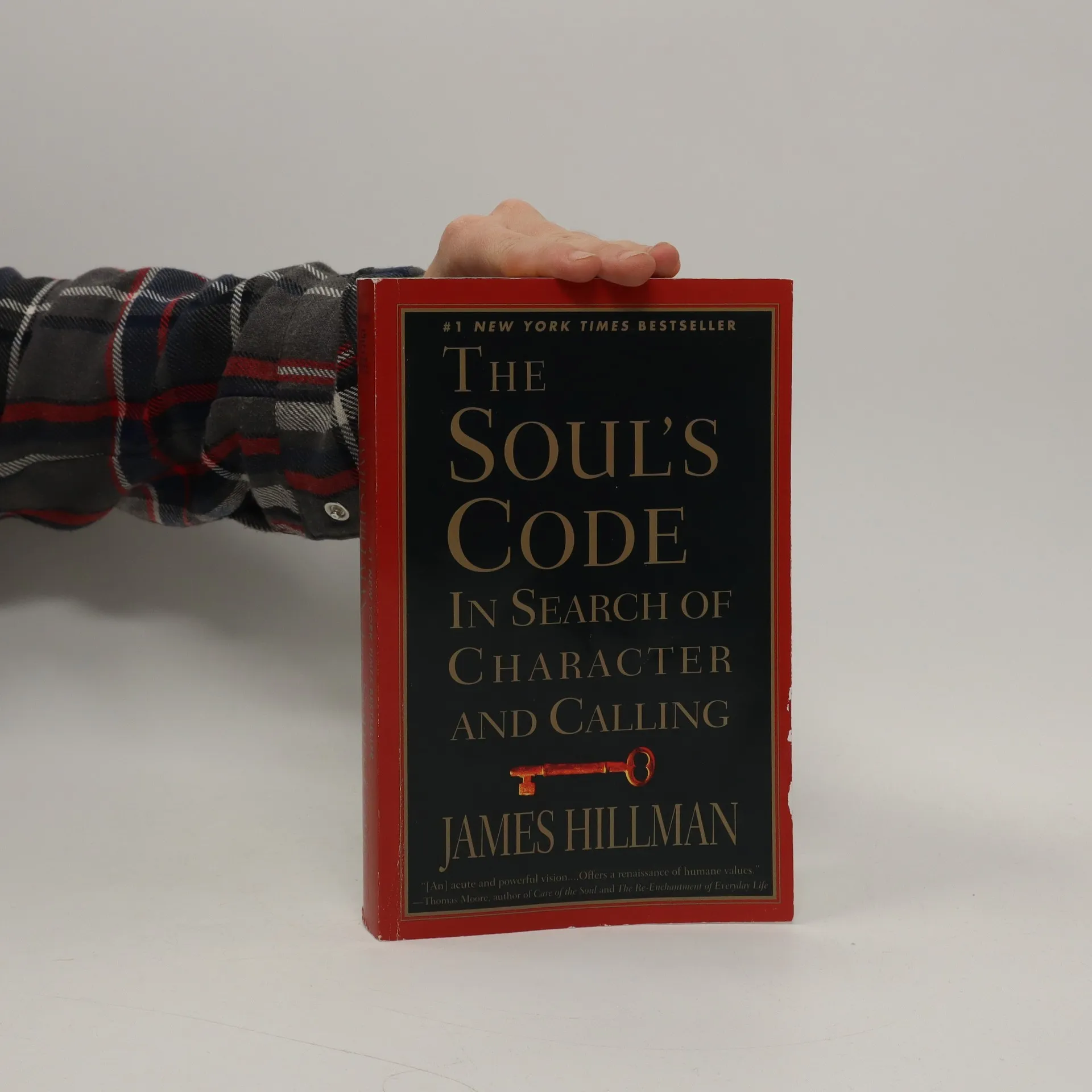
    • The Soul's Code

      In Search of Character and Calling

      A Jungian analyst explores the fundamental question of human existence and identity, discussing such topics as fate, character, motivation, intuition, vision, impulse, and calling

      The Soul's Code
      3.9
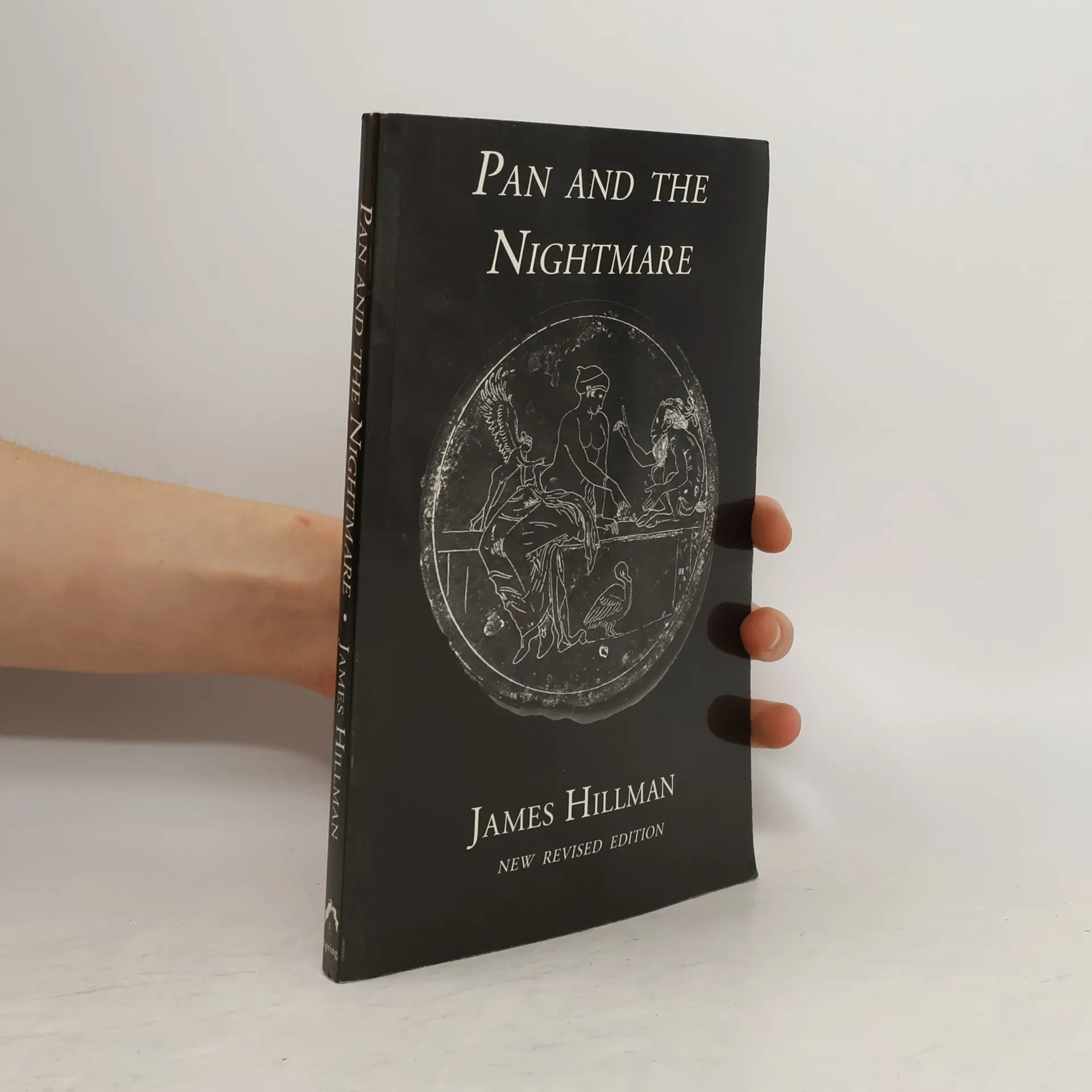
    • Pan and the Nightmare

      Revised Edition

      This brilliant book brings Pan back to life by following C. G. Jung's famous saying: "The Gods have become our diseases." Chapters on nightmare panic, on masturbation, rape and nympholepsy, on instinct and synchronicity, and on Pan's female loves-echo, Syrinx, Selene, and the Muses-show the goat-God at work and play in the dark drives and creative passions of our lives. Hillman's insights present the archetypal figure in the depths of nature and archetypal psychology as a method of revelation.Pan and the Nightmare (which includes a full translation of Wilhelm Roscher's masterful 19th-century mythological-pathological treatise on Pan and the demons of the night) is the most radical study of this God ever undertaken.

      Pan and the Nightmare
    • Inhuman Relations

      • 376 pages
      • 14 hours of reading

      MARlE-LOUlSE von FRANZ, a prominent figure in analytical psychology, spent much of her life in Zurich, working closely with C.G. Jung for nearly thirty years. As a co-founder of the Jung Institute in Kusnacht, she has established herself as a leading analyst and prolific writer, frequently lecturing on her insights into Jungian psychology. In her classic study of the "Peter Pan" syndrome, von Franz examines the concept of Puer Aeternus, or the "eternal child," which embodies a youthful spirit resistant to adult commitments in work and relationships. She illustrates how this childish innocence can impede self-actualization, leading to a life filled with adolescent fantasies and delusions. Through analyses of works like Saint-Exupery's The Little Prince and Bruno Goetz's Kingdom Without Space, von Franz delves into the negative aspects of the puer archetype, linking it to the mother complex, Don Juanism, and homosexuality. Her work encourages both men and women to recognize this aspect of themselves and channel its energy in a constructive manner. The relevance of her observations resonates widely, as many individuals find themselves trapped in a state of dreamy adolescence, hesitant to leave the comfort of childhood. This enduring study significantly impacts contemporary psychology, presenting Jungian concepts with remarkable rigor and depth. The new edition also features an extensive bibliography and a comprehensive inde

      Inhuman Relations
    • Alchemical Psychology

      • 338 pages
      • 12 hours of reading

      Alchemical Psychology combines all of Hillman's papers on the alchemical imagination from 1980 to the present. Hillman called the early attempt to present his way of grasping this material, in the 1960s at the C.G. Jung Institute in Zurich, "Alchemical Opus/AnalyticalWork." His intention then as now is to give psychoanalysis another method for imagining its ideas and procedures by showing how alchemy bears directly on psychological life, more clinically immediate and less spiritually progressivist.

      Alchemical Psychology
    • A deeper, richer portrait of Oedipus, the most famous figure in all of Greek tragedy and the (unconscious?!) hero of the basic myth of psychoanalysis by two giants in the fields of mythology and psychology: the eminent mythographer Karl Kerényi and the founder of archetypal psychology, James Hillman. Kerényi widens the Oedipus myth's cultural context by introducing unusual dramatic versions that played in Rome, Paris, Vienna, and London. His authoritative and detailed essays release wonderful insights for even the most casual reader. Hillman takes on Father Freud and his Oedipus complex (i.e., every son wants to kill his father and marry his mother). He inverts the emphasis and asks, Why do fathers kill their sons? Hillman brilliantly proposes that the madness of Oedipus may lie less in his overt crimes than in his-and therapy's-single-minded focus upon "figuring out" one's true identity through a remembering of the past. This relentless search for Oedipus to "know himself" is still with us, still blinds us, still tries to turn people in therapy into Oedipus. Yet Hillman also shows us that, in addition to the curse, murder, incest, and disease, the myth of Oedipus contains beauty, blessing, love, and loyalty.

      Oedipus Variations: Studies in Literature and Psychoanalysis
    • Salt and the Alchemical Soul

      • 156 pages
      • 6 hours of reading

      Edited and introduced by STANTON MARLAN, Salt and the Alchemical Soul is a collection of three papers from Freudian, Jungian, and Archetypal Psychology, newly edited and introduced, providing excellent examples of different methods and styles of working with images. ERNEST JONES, in his essay "The Symbolic Significance of Salt in Folklore and Superstition," attempts to apply psychoanalysis as a "new science" to an understanding of superstition. C.¿G. JUNG's investigation into alchemy in "Sal" leads him to see salt as the principle of Eros at the base of the self. JAMES HILLMAN, using the image of salt, looks into the alchemical way of psychologizing, in "The Suffering of Salt." (Second, revised edition)

      Salt and the Alchemical Soul
    • Edited by the distinguished philosopher Edward S. Casey, Philosophical Intimations, Volume 8 of the Uniform Edition of the Writings of James Hillman, collects Hillman’s papers and lectures on language and learning; cosmology, metaphysics, and mathematics; philosophy of psychology; the aesthetic dimension; and future time; as well as three conversations with Casey on the need for metaphysics.

      Philosophical Intimations
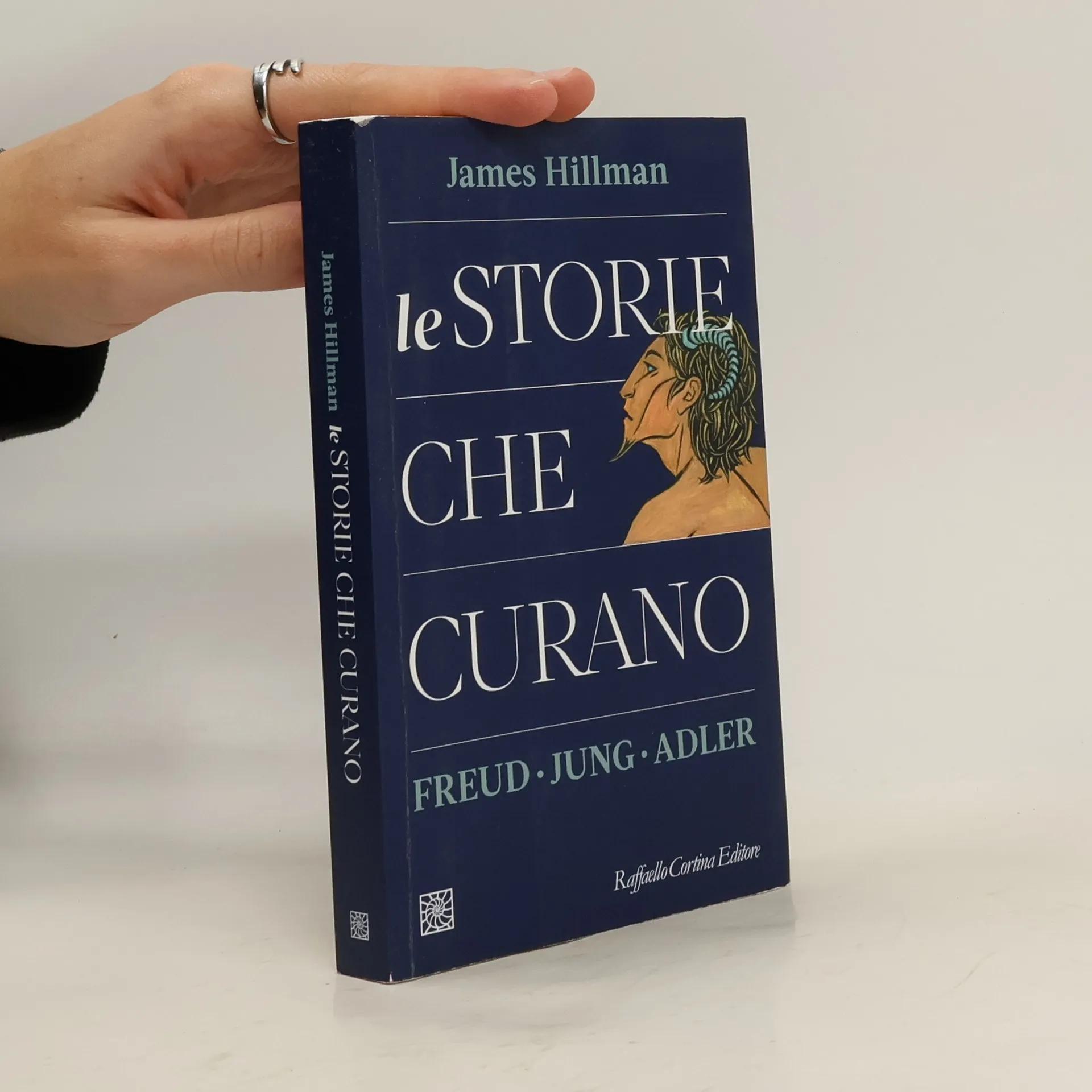
    • La forza del carattere

      • 321 pages
      • 12 hours of reading

      Non sempre è giusto cedere al luogo comune che chi muore giovane è caro agli dèi, poiché l’invecchiamento disvela il carattere. La senilità non è un accidente né una dannazione, ma una condizione naturale affinché il carattere si compia. Come il daimon presiede alla nostra rappresentazione da giovani, il carattere delinea la nostra immagine da anziani, ciò che resta dopo di noi. Invecchiare non è solo un processo fisiologico, ma una forma d’arte che, se coltivata, può trasformare la vecchiaia in una struttura estetica memorabile. In questo ruolo archetipico di avo, custode della memoria e difensore della tradizione, la forza del nostro volto, plasmato dal carattere, diventa fondamentale. Per illustrare questo percorso, si può citare Borges: un uomo che disegna il mondo scopre, poco prima di morire, che il suo labirinto di linee traccia l’immagine del suo volto. La forza del carattere ci invita a riflettere su come l’invecchiamento possa essere un’opportunità per esprimere e realizzare il nostro vero io.

      La forza del carattere
      4.4
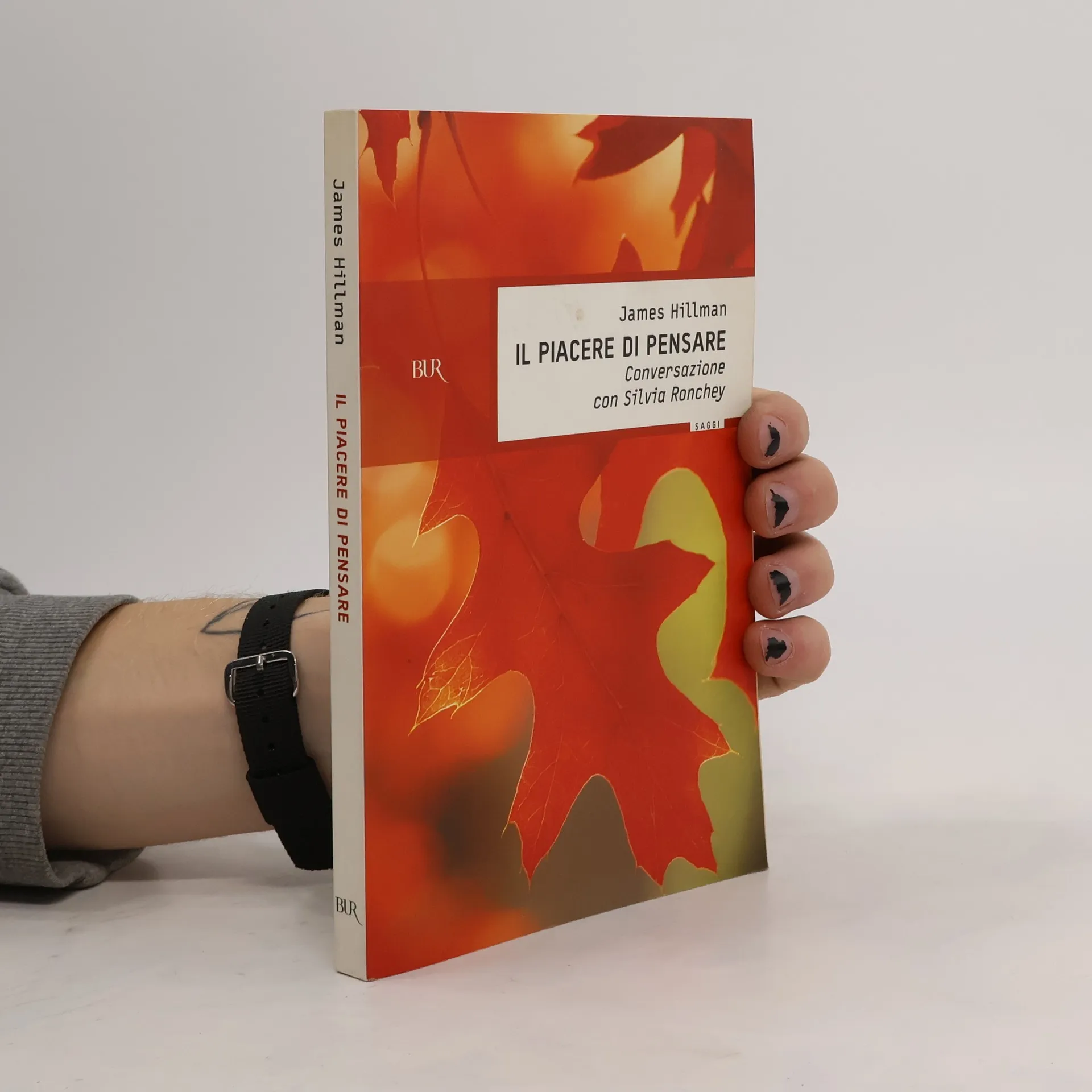
    • Biblioteca Adelphi - 342: Il codice dell'anima

      Carattere, vocazione, destino

      • 409 pages
      • 15 hours of reading

      Esiste qualcosa in ciascuno di noi che ci guida nelle scelte e nei percorsi della vita, anche quando sembrano casuali: è il daimon, il «demone» che ci accompagna prima della nascita, secondo il mito di Er di Platone. Questo concetto si cela dietro termini come «vocazione» e «carattere» e rappresenta la chiave per decifrare il «codice dell’anima», un linguaggio che ci spinge ad agire, ma che spesso non comprendiamo. Dopo anni di indagini sulla psiche, James Hillman offre prove concrete dell’esistenza e del funzionamento del daimon, utilizzando esempi di personaggi noti come Judy Garland, John Lennon, Tina Turner, Truman Capote, Quentin Tarantino, Woody Allen, Hannah Arendt, Richard Nixon, Henry Kissinger, e persino Hitler e serial killer. Attraverso queste storie, Hillman dimostra che la psicologia ha fallito nel spiegare le scelte più profonde della vita perché ha perso il contatto con il daimon. Il suo lavoro ci riporta a riconoscere la presenza di questo compagno segreto, dal quale dipende la nostra esistenza. Il codice dell’anima è stato pubblicato per la prima volta nel 1996.

      Biblioteca Adelphi - 342: Il codice dell'anima
      3.9
    • «Per decifrare il codice dell'anima e capire il carattere, la vocazione, il destino, nel suo best seller Hillman si ispira al mito platonico di Er: l'anima di ciascuno di noi sceglie un "compagno segreto" (daimon lo chiamavano i greci, genius i latini, angelo custode i cristiani). Sarà lui a guidarci nel cammino terreno. Eminenti modelli sfilano sotto l'occhio stregonesco di Hillman ... Il suo set è affollatissimo. Judy Garland, Joséphine Baker, Woody Allen, Quentin Tarantino, Hannah Arendt, Manuel Manolete, Henry Kissinger, Richard Nixon, Truman Capote, Gandhi, Yehudi Menuhin, Elias Canetti e tanti altri, con le loro storie d'infanzia e maturità abilmente sezionate dal bisturi analitico, testimoniano apoteosi e disastri. Ma nell'età della psicopatia il ruolo del protagonista spetta a Hitler: il suo demone gli ha cucito addosso la divisa di un prototipo, il criminale dei tempi moderni. Forse di tutti i tempi». Enzo Golino

      Il codice dell'anima. Carattere, vocazione, destino
      3.8
    • Vom Sinn des langen Lebens

      • 336 pages
      • 12 hours of reading

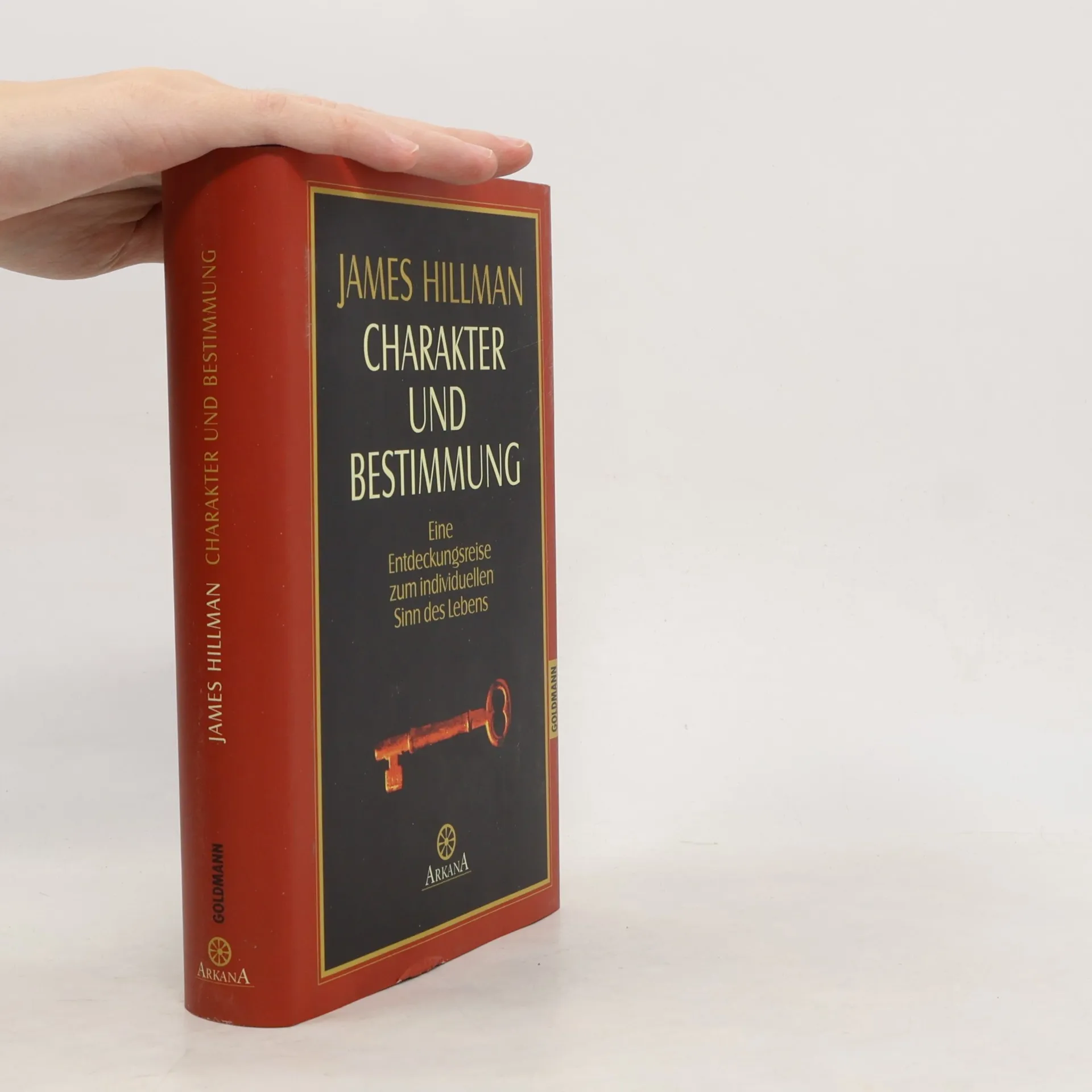
      Ein außergewöhnlicher Therapeut plädiert für eine positive Sicht des Älterwerdens. »Spannend.« Wiener Zeitung Wir alle wollen uns unsere körperliche Jugendlichkeit und unseren geistigen Schwung möglichst lange bewahren und betrachten deswegen das Älterwerden oft mit Sorge und Unbehagen. Dieses brillant geschriebene Buch eines außergewöhnlichen Therapeuten lehrt uns, jenen immer länger dauernden Prozess nicht als Abwärtstrend zu betrachten, sondern als ein leidenschaftlich-neugieriges Heranreifen zu dem, was den Kern unseres Wesens ausmacht. Wenn wir bereit sind, den biologischen Gegebenheiten auch eine psychologische, ja sogar philosophische Bedeutung zu verleihen, erkennen wir, wie selbst körperliche Beeinträchtigung oder Krankheit unserem Charakter zur eigentlichen Erfüllung verhelfen können. Im Laufe eines langen Lebens werden wir das, was wir sein können: eine unverwechselbare, markante und einzigartige Persönlichkeit.

      Vom Sinn des langen Lebens
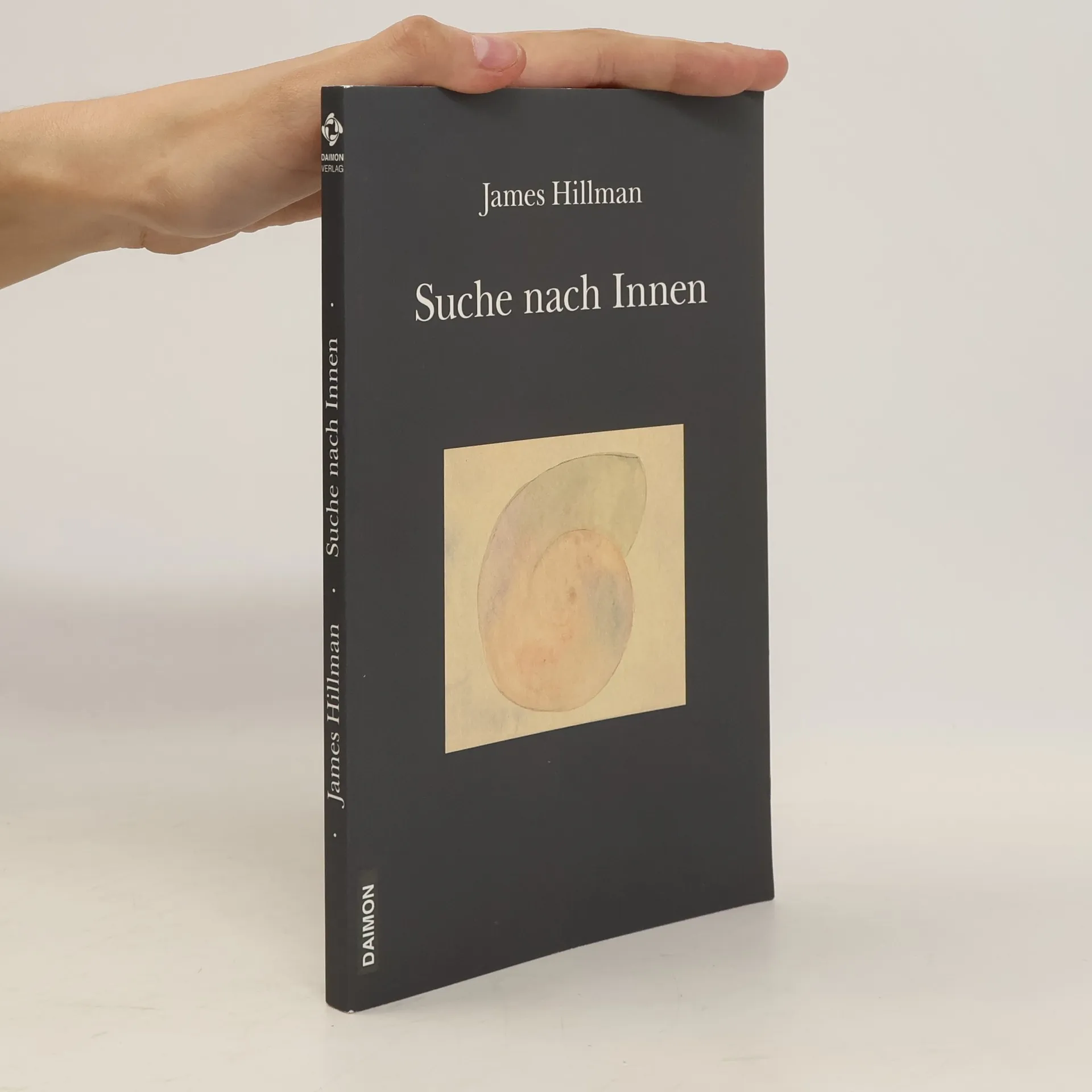
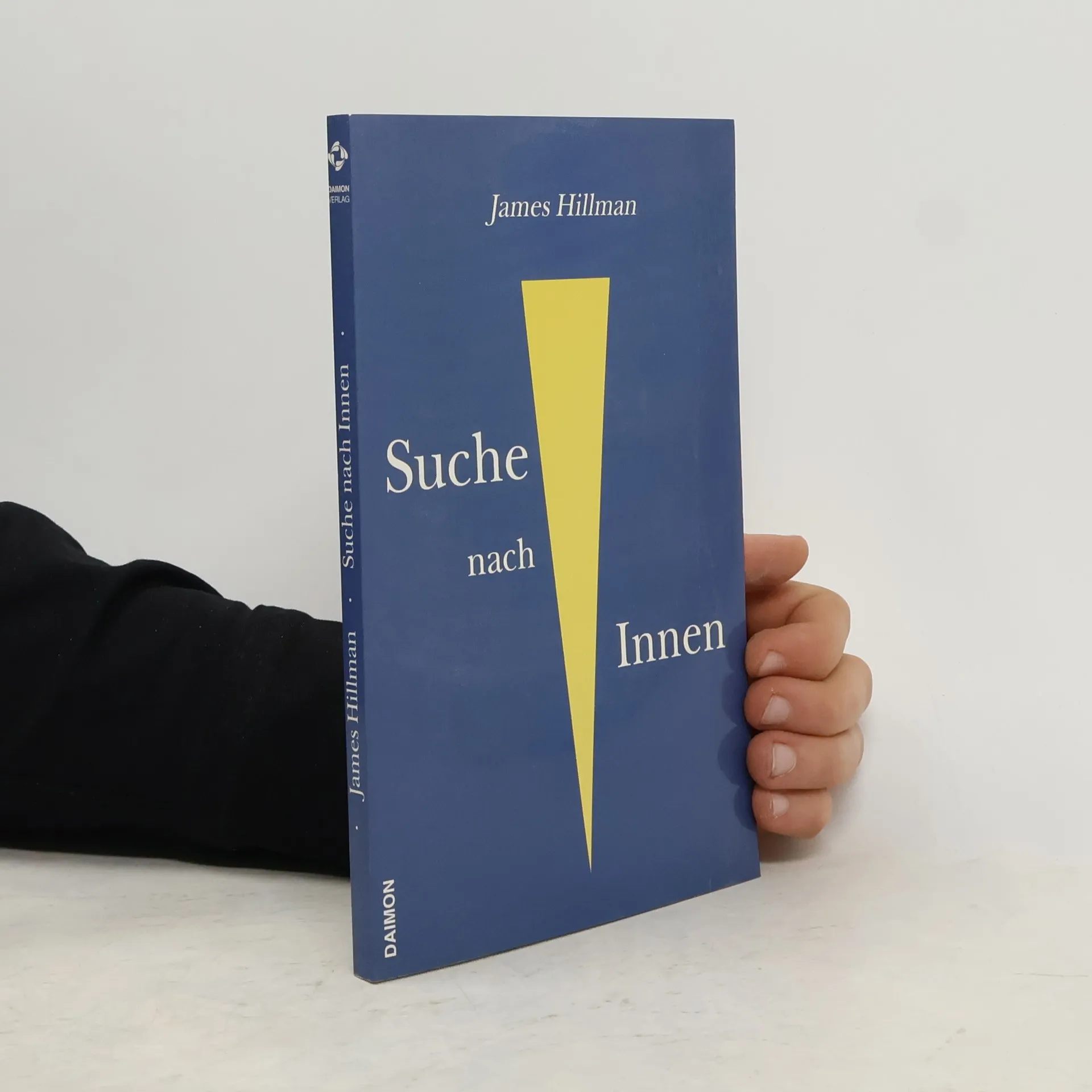
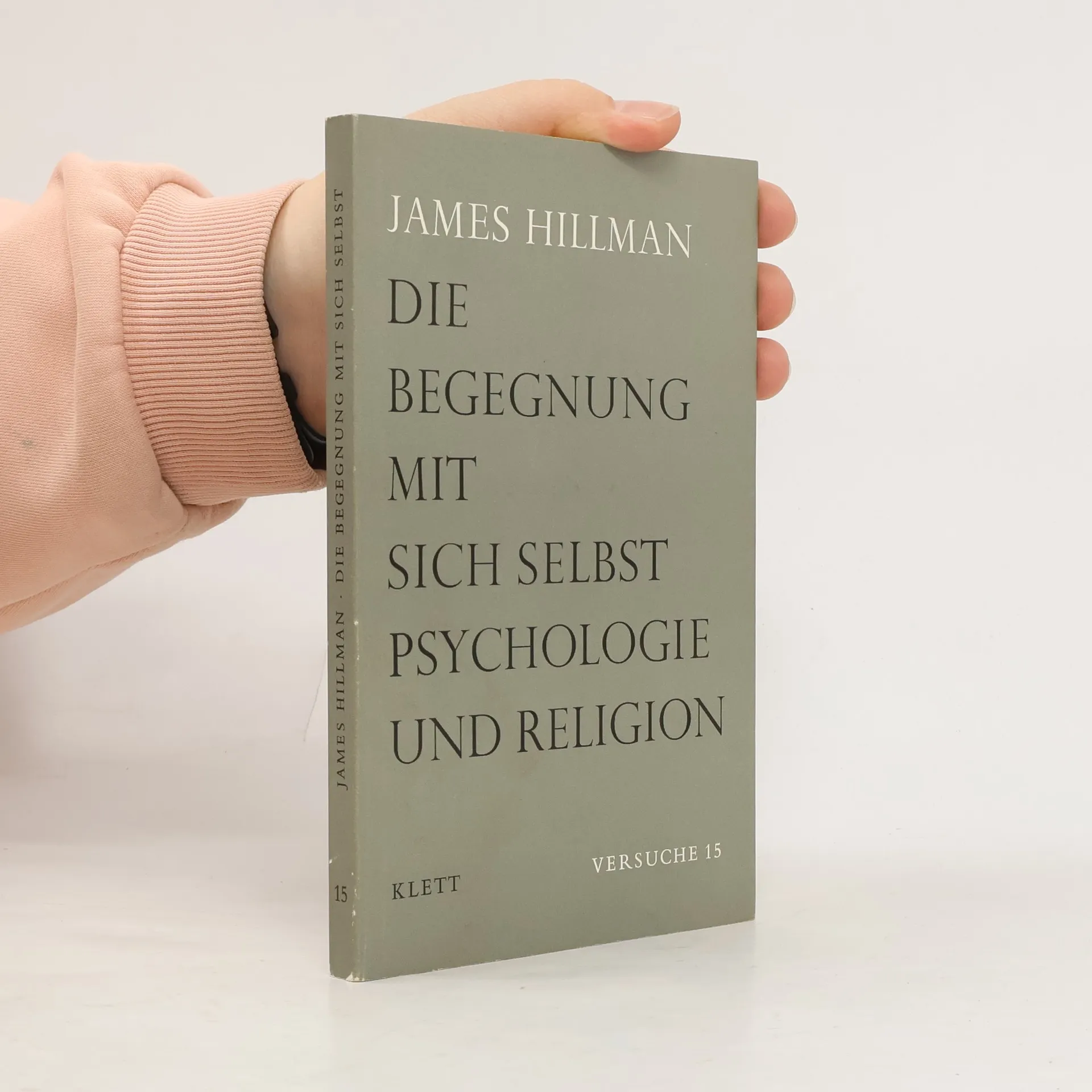
    • Die Suche nach Innen

      Die Begegnung mit sich selbst: Psychologie und Religion

      • 141 pages
      • 5 hours of reading
      Die Suche nach Innen
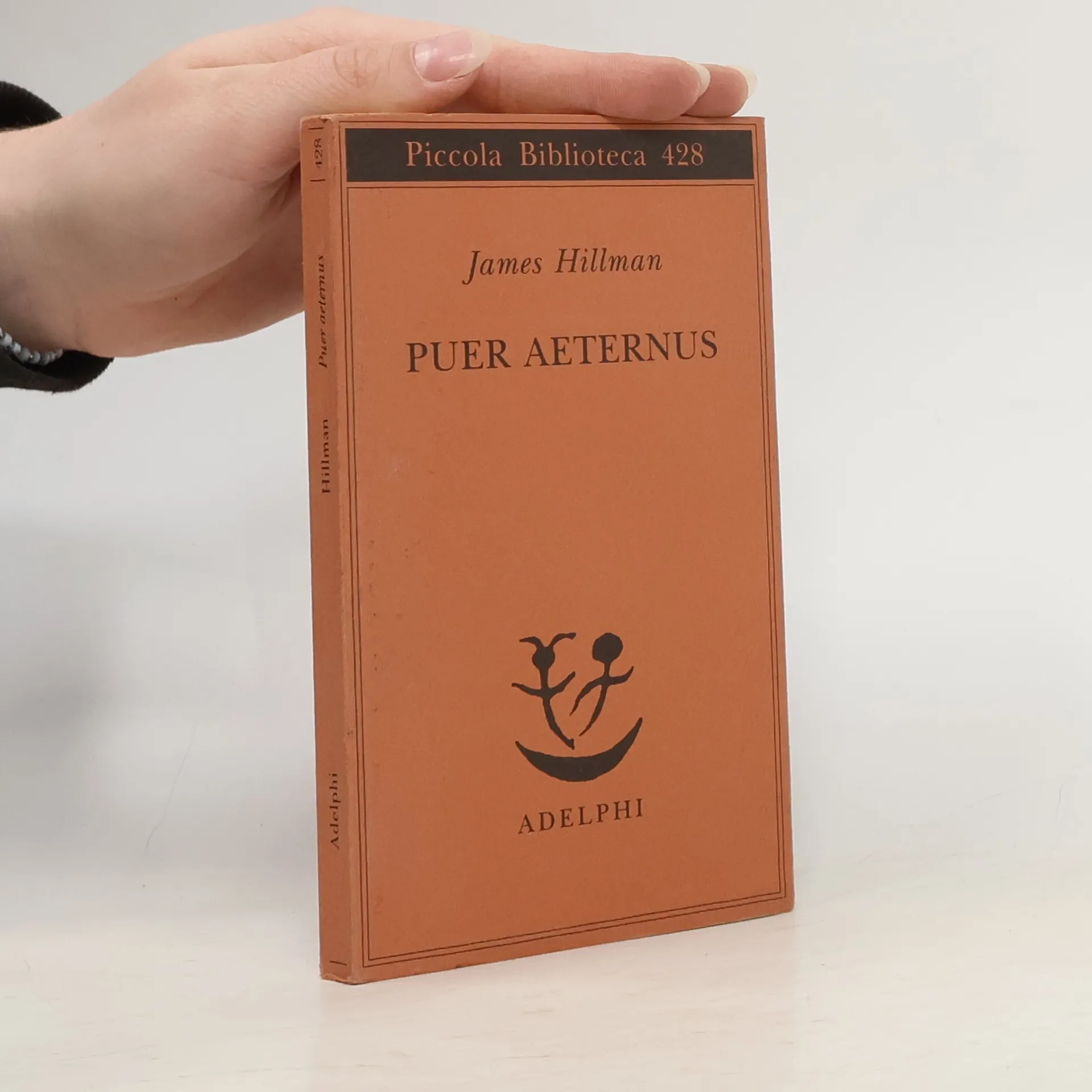
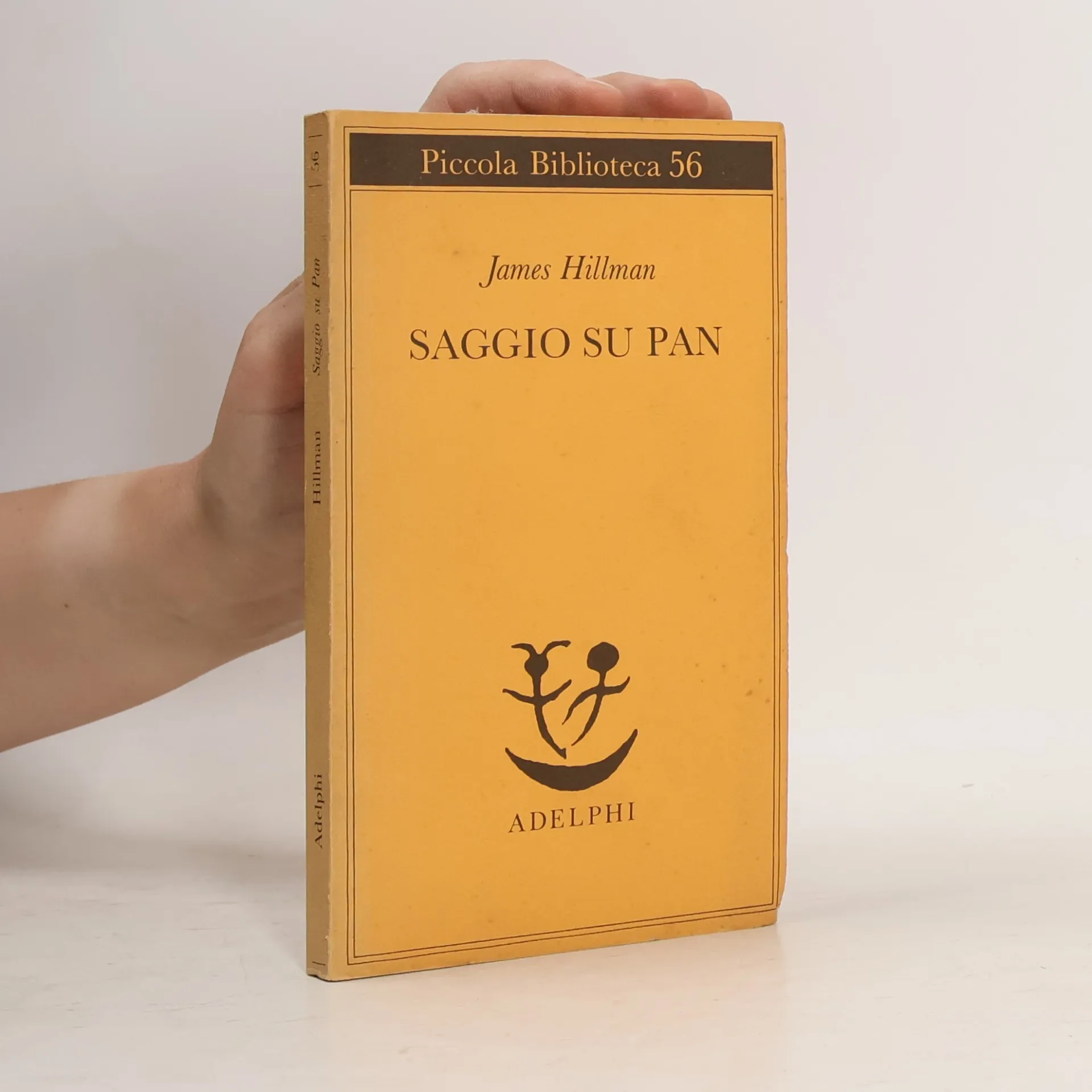
    • Fra i lettori appassionati di Hillman si sentono spesso ricordare due scritti, vere gemme della sua produzione: il saggio sul tradimento e "Senex e puer". Di fatto sarebbe difficile trovare una migliore via d’accesso al pensiero di questo autore. Nel primo caso perché in poche pagine egli ci offre un’analisi esemplare di una di quelle realtà condannate e deprecate che solo lo scandaglio psicologico riesce a illuminare dietro le grevi cortine della morale. E questa, come sappiamo, è una linea che Hillman ha in seguito ampiamente sviluppato. Nel secondo perché la caratterizzazione del Puer aeternus e quella parallela del Senex hanno una tale precisione e capacità individuante da offrirsi come ausilio immediato per riconoscere nella nostra psiche, in tutti i loro camuffamenti, i tratti dell’eterna fanciullezza e della saturnina vecchiaia. "Il tradimento" e "Senex e puer" sono entrambi nati come conferenze, rispettivamente tenute a Londra nel 1964 presso la Guild of Pastoral Psychology e nel 1967 ai seminari di Eranos.

      Piccola biblioteca Adelphi - 428: Puer aeternus
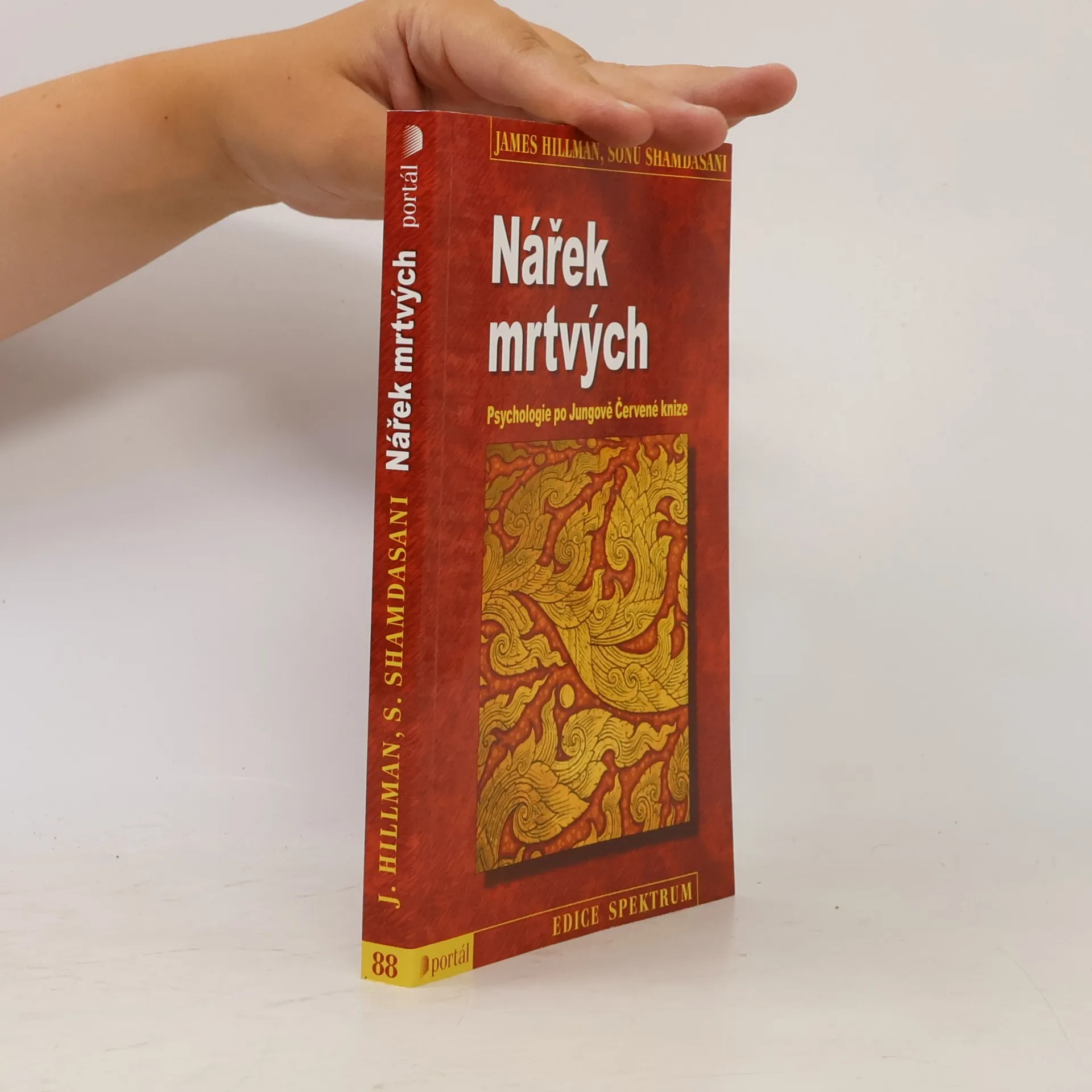
    • Nářek mrtvých

      • 264 pages
      • 10 hours of reading

      Rozhovor dvou předních současných světových psychologů, Jamese Hillmana, zakladatele hnutí archetypální psychologie, a editora Jungovy Červené knihy a historika psychologie Sonu Shamdasaniho, se odehrává na pozadí vydání Červené knihy a prochází tématy, která jsou důležitá pro moderní psychologii. Dotýká se vztahu živých a mrtvých, vztahu k mrtvým a živým v našich snech a fantaziích, otázek kreativity a výtvarného vyjádření, psychologie umění, narativní psychologie, hlubinné psychologie, významu křesťanství pro moderního člověka, vztahu člověka k minulosti a jejich souvislostí s dnešním myšlením.

      Nářek mrtvých
      4.7
    • Myšlení srdce a duše světa

      • 144 pages
      • 6 hours of reading

      Dvě průkopnické eseje známého psychologa Jamese Hillmana (1926-2011) posouvají archetypální psychologii novým směrem: ke světu. Ukazují nám, že k tomu, aby se obnovila imaginativní síla srdce a jeho odvaha, musíme duši světa obsažené ve všech věcech věnovat stejnou pozornost jako duši lidské. Po česky vydaných knihách Duše a sebevražda, Sny a podsvětí a Klíč k duši nám tyto eseje ukazují cestu k opětovnému smíření srdce, duše a světa.

      Myšlení srdce a duše světa
      4.3
    • Troufalá a rozhněvaná řada vášnivých rozhovorů a dopisů je sžíravým komentářem a kritikou nejen dnešní psychoterapie, ale také takřka všech významných aspektů současného života – sexuality, politiky, médií, životního prostředí i městského života. James Hillman, kontroverzní a neortodoxní jungiánský psycholog, muž, kterého Robert Bly nazval „nejživější a nejoriginálnější americký psycholog od dob Williama Jamese“ – společně s Michaelem Venturou – provokativním fejetonistou L. A. Weekly a romanopiscem – otřásají mnoha obecně přijímanými přesvědčeními o našich životech, duši i společnosti. Dva brilantní a troufalí intelektuální divoši porušují pravidla a jezdí na červenou, aby udeřili do samotného jádra našich domněnek a pokáceli všechna naše zlatá telata.

      Máme za sebou sto let psychoterapie, a svět je čím dál horší
      4.1
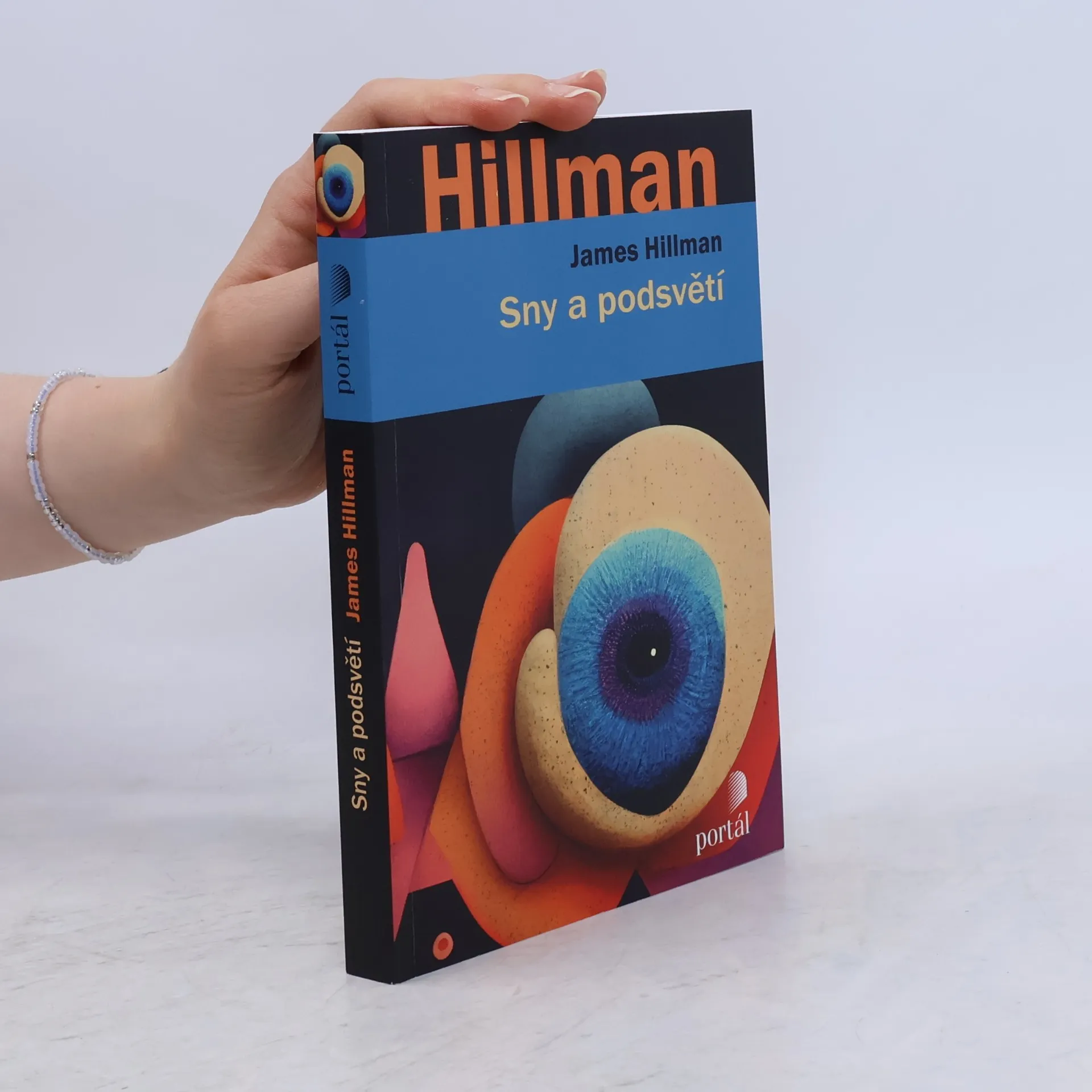
    • Vychází z klasických teorií, ale obohacuje je o nový přístup čerpající z poetiky mytologie. Spojuje sny zejména s temnou stránkou duše, jejími představami a stíny, s obrazy smrti. Na teoretickou část knihy, která je prokládána množstvím příkladů z mýtů, navazuje konkrétní rozbor jednotlivých snových symbolů.

      Sny a podsvětí : nový pohled na sny rozšiřující klasické teorie S. Freuda a C.G. Junga
      3.8
    • Po klasicích Sigmundu Freudovi a C. G. Jungovi přichází James Hillman s originálním pohledem na sny a práci s nimi. Vychází z klasických teorií, ale netradičně je obohacuje o nový přístup čerpající z poetiky mytologie. Spojuje sny zejména s temnou stránkou duše, s jejími představami a stíny, s obrazy smrti. Hillmanovým řešením v přístupu ke snu je především odvaha k imaginativní, poetické, metaforické svobodě, odvaha k tvořivému ponoru do hlubiny… Na teoretickou část knihy, která je prokládána množstvím příkladů z mýtů i Hillmanovy vlastní praxe, navazují úvahy nad některými konkrétními snovými motivy.

      Sny a podsvětí
      3.7
    • Válka a její strašlivá láska

      • 208 pages
      • 8 hours of reading

      Válka nás děsí – a přesto nás nepřestává fascinovat. Je odvěkým tématem mýtů, dějin i osobních příběhů. Přináší zkázu a mnoho utrpení, ale svým aktérům i obětem mnohdy skýtá intenzivní, téměř opojný pocit vlastní existence. Je to jeden z nejděsivějších fenoménů dějin lidstva, ale zároveň je s nimi neoddělitelně spjatá – a dost možná odhaluje i významné aspekty lidského bytí a skutečnosti vůbec. V knize Válka a její strašlivá láska se americký psycholog James Hillman pouští do nekompromisního zkoumání tohoto rozporuplného fenoménu. Čerpá z dopisů vojáků, záznamů z bojišť, vojenských analýz, starověkých mýtů i myšlenek velkých autorů – od Marka Twaina a Lva Tolstého po Immanuela Kanta, Hannah Arendtovou, Michela Foucaulta či Emmanuela Levinase. Výsledkem je smělá a znepokojivá kniha, která otevírá nové perspektivy, boří iluze a hledá odpověď na otázku, proč je válka tak hluboce zakořeněna v lidské zkušenosti.

      Válka a její strašlivá láska