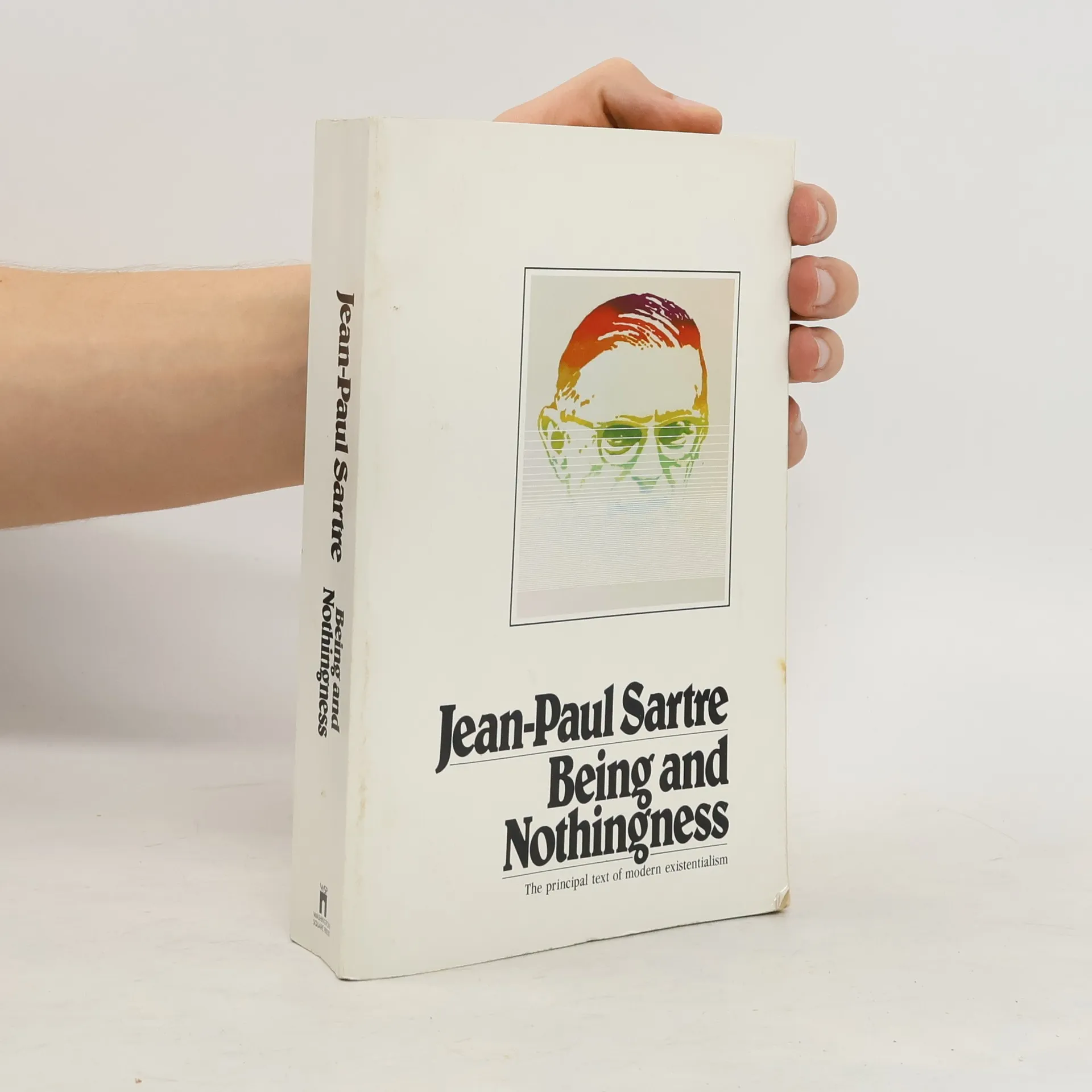
Saint Genet is Jean-Paul Sartre’s classic biography of Jean Genet—thief, convict, and great artist—a character of almost legendary proportions whose influence grows stronger with time. Bringing together two of the century’s greatest minds and artists, Saint Genet is at once a compelling psychological portrait, masterpiece of literary criticism, and one of Sartre’s most personal and inspired philosophical creations.
Jean-Paul Sartre Book order (chronological)





Der Ekel
Roman. Mit einem Anhang, der die in der ersten französischen Ausgabe vom Autor gestrichene Passagen enthält
- 249 pages
- 9 hours of reading
Für Antoine Roquentin, Einzelgänger und Außenseiter in einer Provinzstadt, verliert das Leben plötzlich seine Selbstverständlichkeit. Unnachsichtig um Selbsterforschung bemüht, versucht er seinem immer stärkeren Ekel vor Dingen und Menschen auf den Grund zu gehen. Die Erfahrungen, Empfindungen und Visionen des Helden dieses ersten und bedeutendsten Romans des Existentialismus gaben Anstöße zu einer neuen Lebensphilosophie, die bis heute nichts von ihrer Brisanz eingebüßt hat.
Carnets de la drôle de guerre
Septembre 1939-mars 1940 - Nouvelle édition augmentée d'un carnet inédit - Avec le premier carnet retrouvé et inédit
- 673 pages
- 24 hours of reading
Je faisais une guerre à mon image : bourgeois, j'avais choisi mon arme par recommandation ; pacifiste, je l'avais prise pacifique ; antimilitariste, je l'avais voulu faire comme simple soldat (antimilitariste parce qu'intellectuel) ; inapte à la vie physique (borgne), je la faisais avec des réservistes, c'est-à-dire des hommes mariés et pères de famille. D'autre part la drôle de guerre réfléchissait notre volonté profonde de ne pas nous battre puisque Hitler n'attaquait pas pour laisser pourrir cette guerre, connaissant nos sentiments. C'est dire que je me réfléchissais dans cette guerre qui se réfléchissait en moi et me réfléchissait son image. Le résultat fut que j'écrivis d'abord sur la guerre et finalement sur moi. Elle devint une retraite. Jean-Paul Sartre.
Baudelaire Sartre (Folio Essais)
- 184 pages
- 7 hours of reading
First New Directions edition 1950.
Biblio essais - 1: Textes et Débats
Un Homme en Situations
Sartre explains the theory of existential psychoanalysis in this treatise on human reality.
Mit Sartre im deutschen Kriegsgefangenenlager
- 217 pages
- 8 hours of reading
Geboren am 21.06.1905, wuchs er nach dem frühen Tod seines Vaters 1906 bis zur Wiederheirat seiner Mutter 1917 bei seinen Großeltern in Paris auf. 1929, vor seiner Agrégation in Philosophie, lernte er seine Lebensgefährtin Simone de Beauvoir kennen, mit der er eine unkonventionelle Beziehung einging, die als emanzipatorisches Vorbild galt. Von 1931 bis 1937 war er Gymnasiallehrer in Philosophie in Le Havre und Laon, anschließend bis 1944 in Paris. 1933 erhielt er ein Stipendium des Institut Français in Berlin, wo er sich mit Husserls Philosophie auseinandersetzte. Am 02.09.1939 wurde er eingezogen und geriet 1940 in deutsche Kriegsgefangenschaft, aus der er 1941 mit gefälschten Papieren entkam. 1943 wurde unter deutscher Besatzung sein erstes Theaterstück «Die Fliegen» aufgeführt; im selben Jahr erschien sein Hauptwerk «Das Sein und das Nichts». Nach dem Krieg wurde seine Philosophie unter dem Begriff «Existenzialismus» zu einem Symbol der Revolte gegen bürgerliche Lebensformen. 1964 lehnte er den Nobelpreis ab. Er reiste in die USA, UdSSR, China, Kuba und viele europäische Länder und traf bedeutende Persönlichkeiten wie Roosevelt und Chruschtschow. Sartre starb am 15.4.1980 in Paris. Auszeichnungen umfassen den Prix du Roman populiste für «Le mur» (1940) und den abgelehnten Nobelpreis für Literatur (1964).
Lettres au Castor et à quelques autres
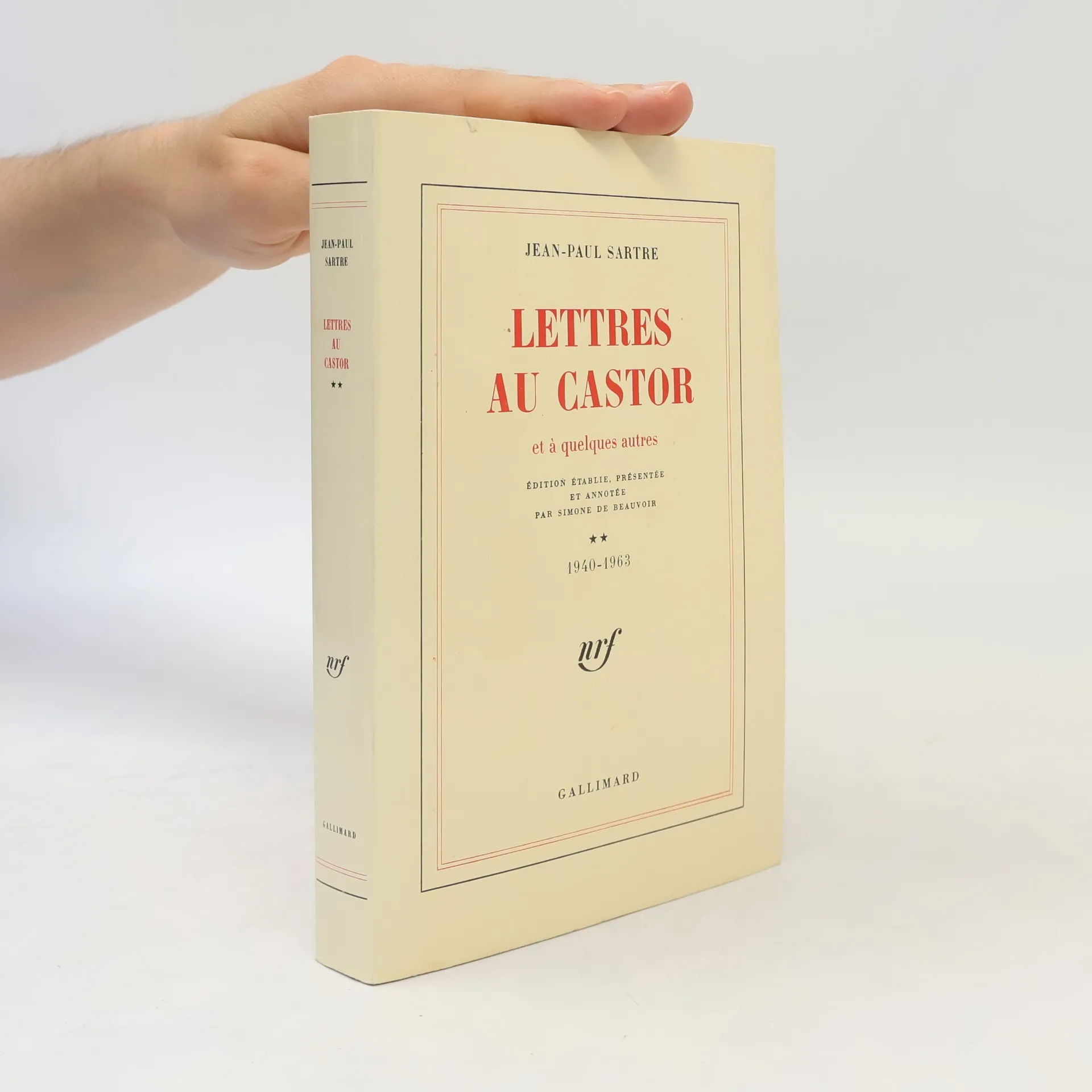
1940-1963 - Édition établie, présentée et annotée par Simone de Beauvoir
- 366 pages
- 13 hours of reading
Lettres au Castor et à quelques autres
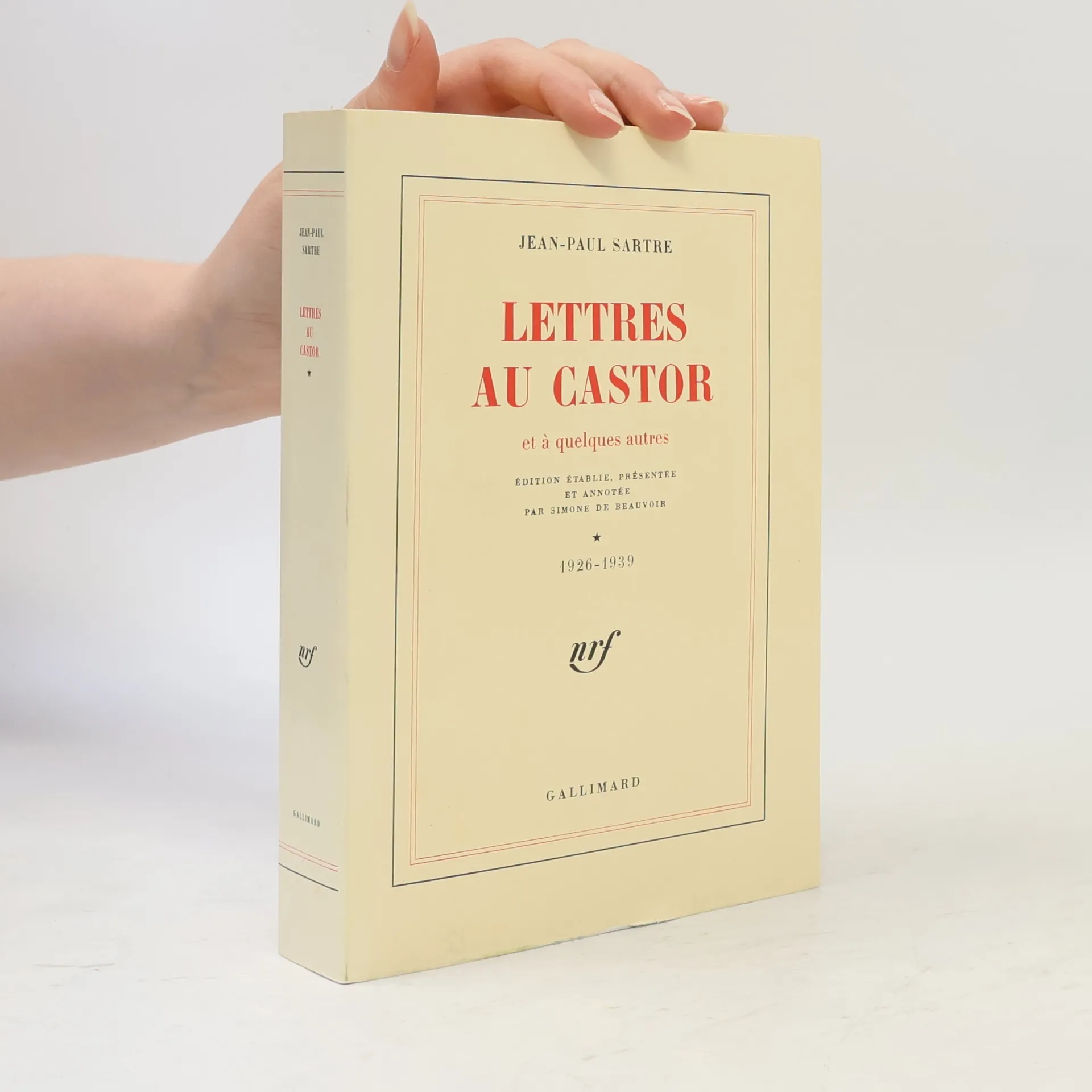
Édition établie, présentée et annotée par Simone de Beauvoir, 1926-1939
- 520 pages
- 19 hours of reading
"A driving force in all Sartre's writing is his serious desire to change the life of his reader." -- Iris Murdoch
Plaidoyer pour les intellectuels
- 128 pages
- 5 hours of reading
Recueil de trois conférences données par Jean-Paul Sartre au Japon à l’automne 1965.
The Philosophy of Jean-Paul Sartre
- 512 pages
- 18 hours of reading
This unique selection presents the essential elements of Sartre's lifework -- organized systematically and made available in one volume for the first time in any language.
The two plays collected in this volume represent Genet's first attempts to analyze the mores of a bourgeois society he had previously been content simply to vilify. In The Maids, two domestic workers, deeply resentful of their inferior social position, try to revenge themselves against society by destroying their employer. When their attempt to betray their mistress's lover to the police fails and they are in danger of being found out, they dream of murdering Madame, little aware of the true power behind their darkest fantasy. In Deathwatch, two convicts try to impress a third, who is on the verge of achieving legendary status in criminal circles. But neither realizes the lengths to which they will go to gain respect or that, in the end, nothing they can do--including murder--will get them what they are searching for.