Bob Flaws is a prolific author and translator in the field of Chinese medicine. His work focuses on a deep understanding and application of traditional Chinese medical principles. Through his writings, he contributes to the dissemination of knowledge about Chinese medicine, making it accessible to a wider audience.
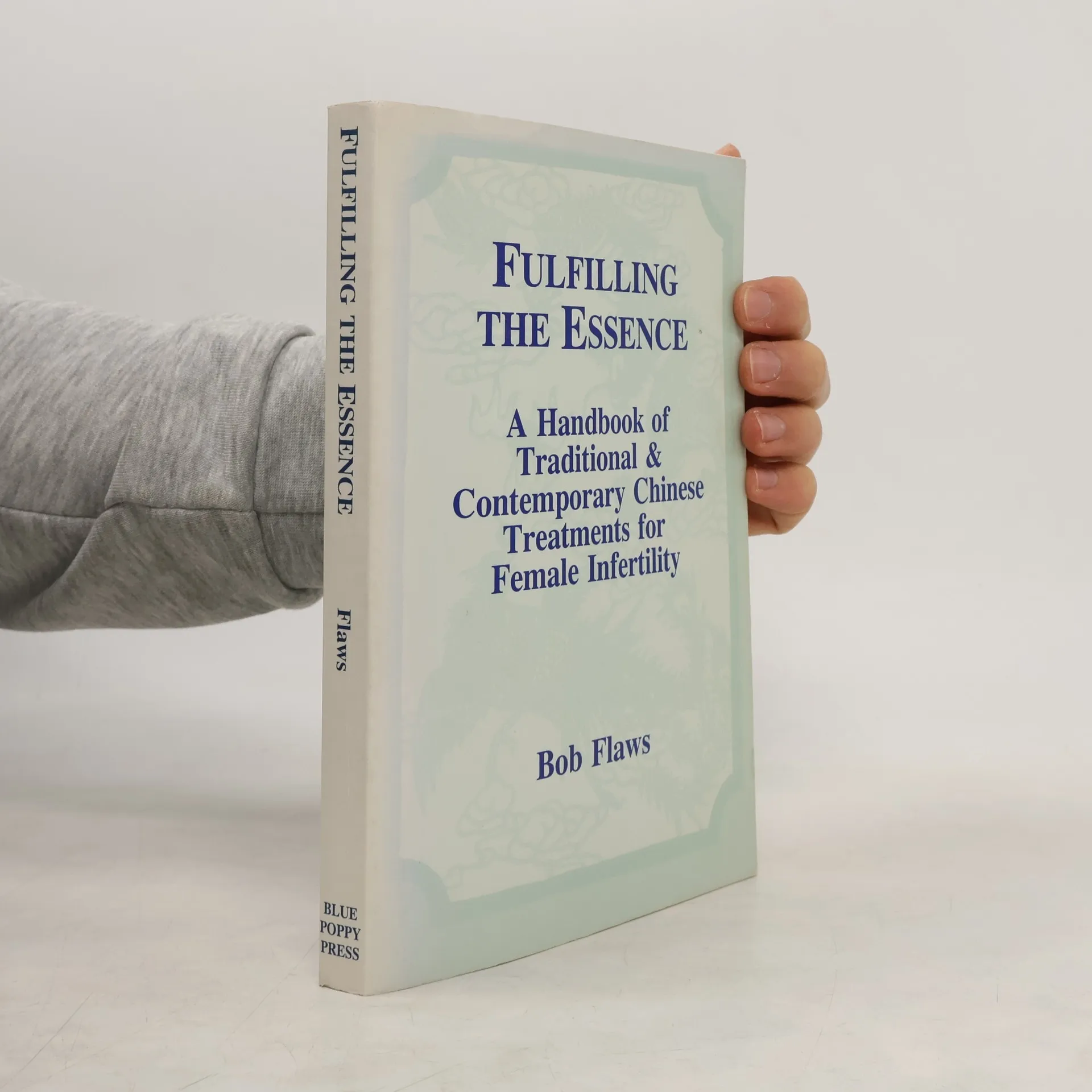
The Handbook of Traditional & Contemporary Chinese Treatments for Female Infertility
290 pages
11 hours of reading
This is the most complete discussion of Chinese medicine on this subject available in English. It includes the TCM treatment for various Western diseases associated with infertility, such as female immunologic infertility, fallopian tube blockage, endocrine imbalances, polycystic ovarian syndrome, uterine myoma, luteal phase defect, anovulation, and endometriosis.
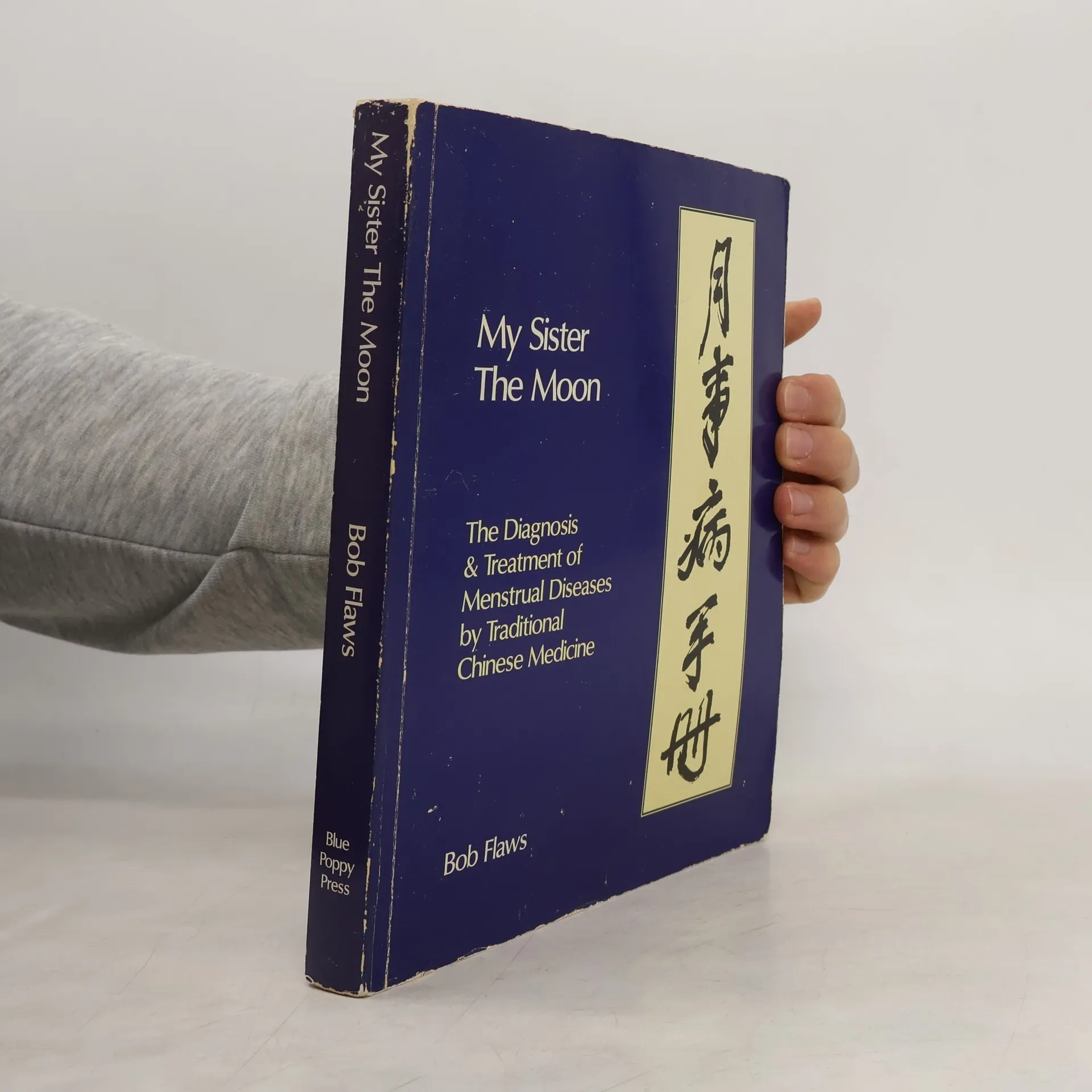
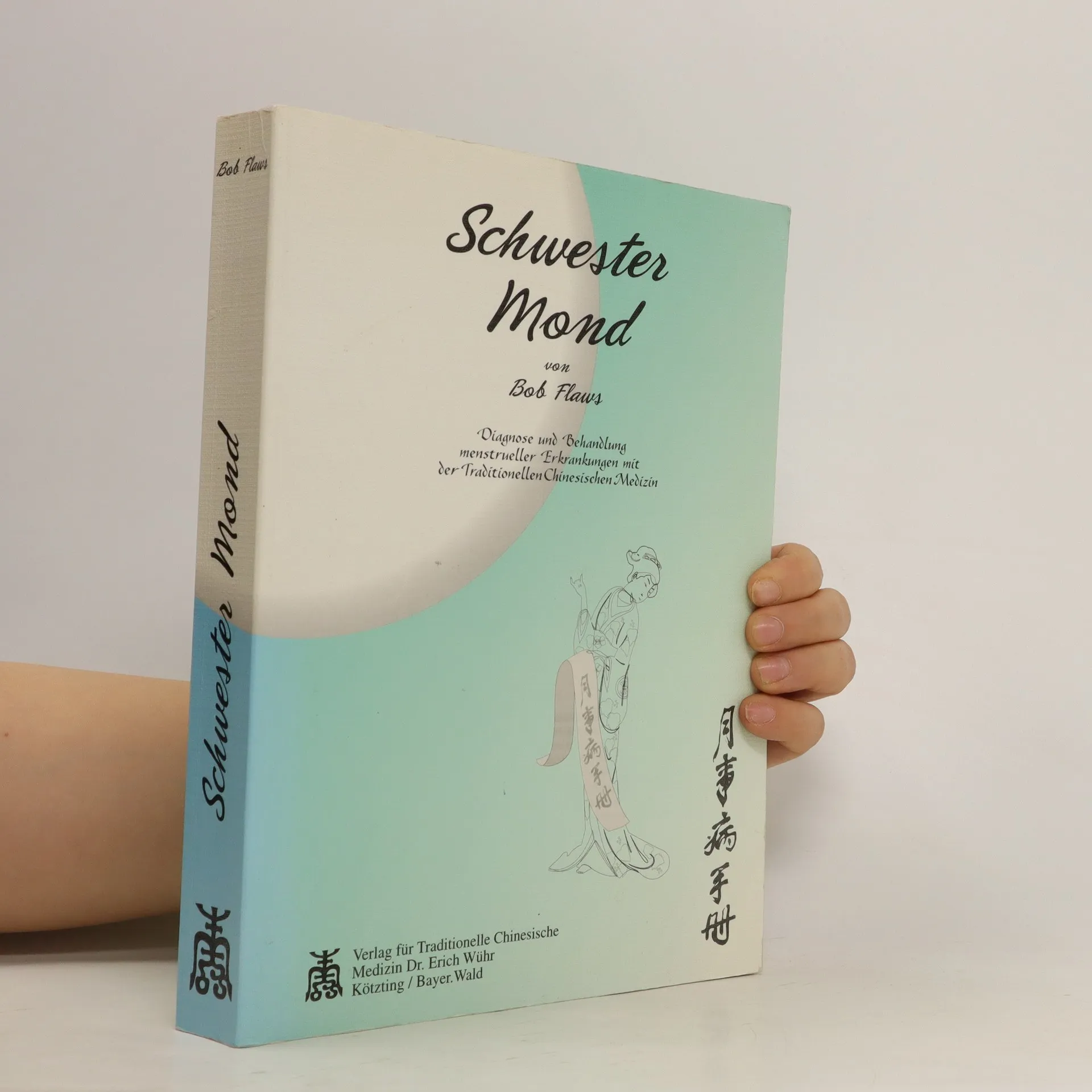
The Diagnosis and Treatment of Menstrual Diseases by Traditional Chinese Medicine
356 pages
13 hours of reading
My Sister the The Diagnosis & Treatment of Menstrual Diseases by Traditional Chinese Medicine is the most thorough source on Chinese medicine patterns involved in gynecology. The information helps to disentangle the complexity of PMS patterns. Although mostly devoted to herbal medicine, there are brief lists of acupuncture points for many of the menstrual conditions discussed. Author Bob Flaws refers to the 18th century text The Golden Mirror of Medicine, which gives a variety of jing xing (i.e. menstrual movement) disorders which can occur before or during menstruation.
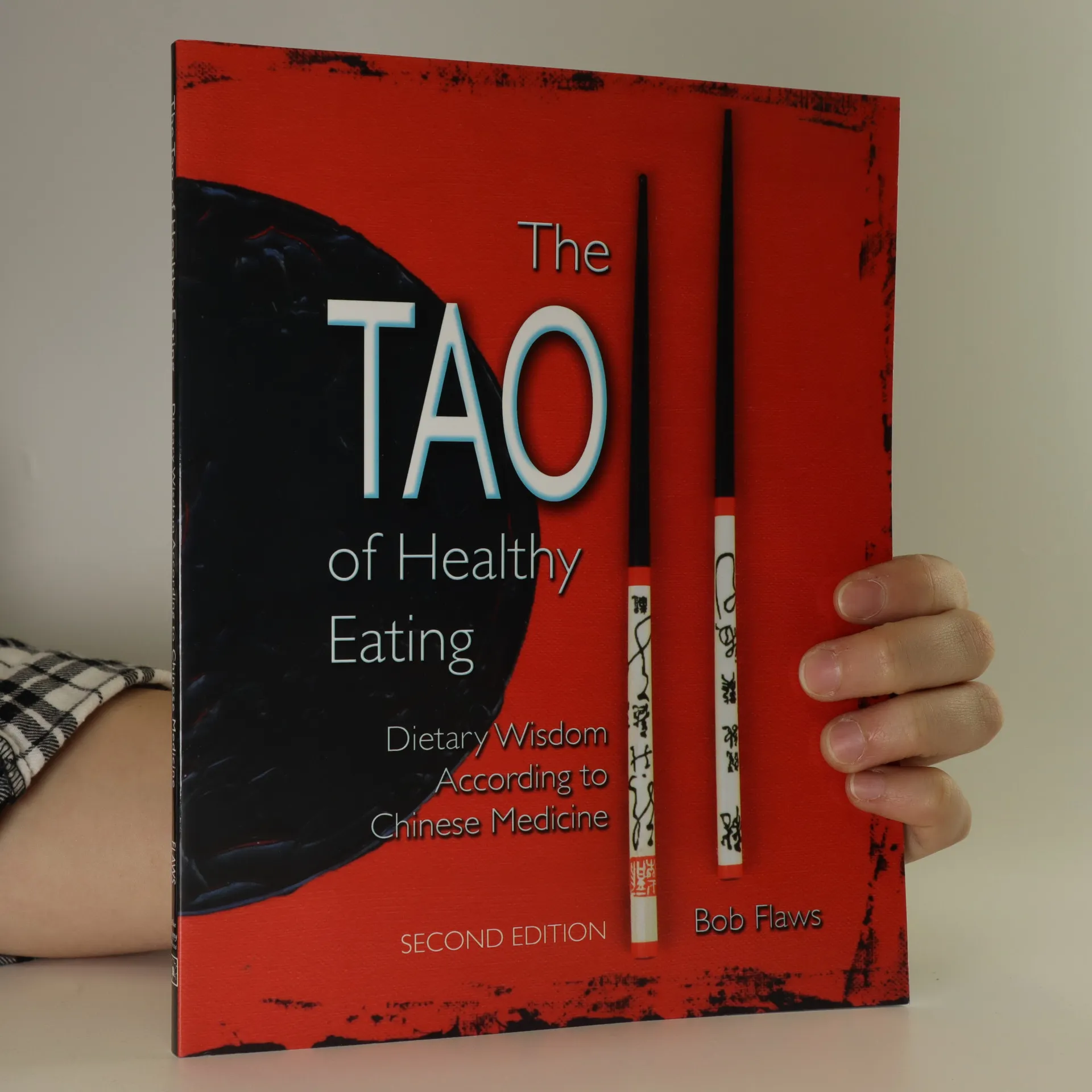
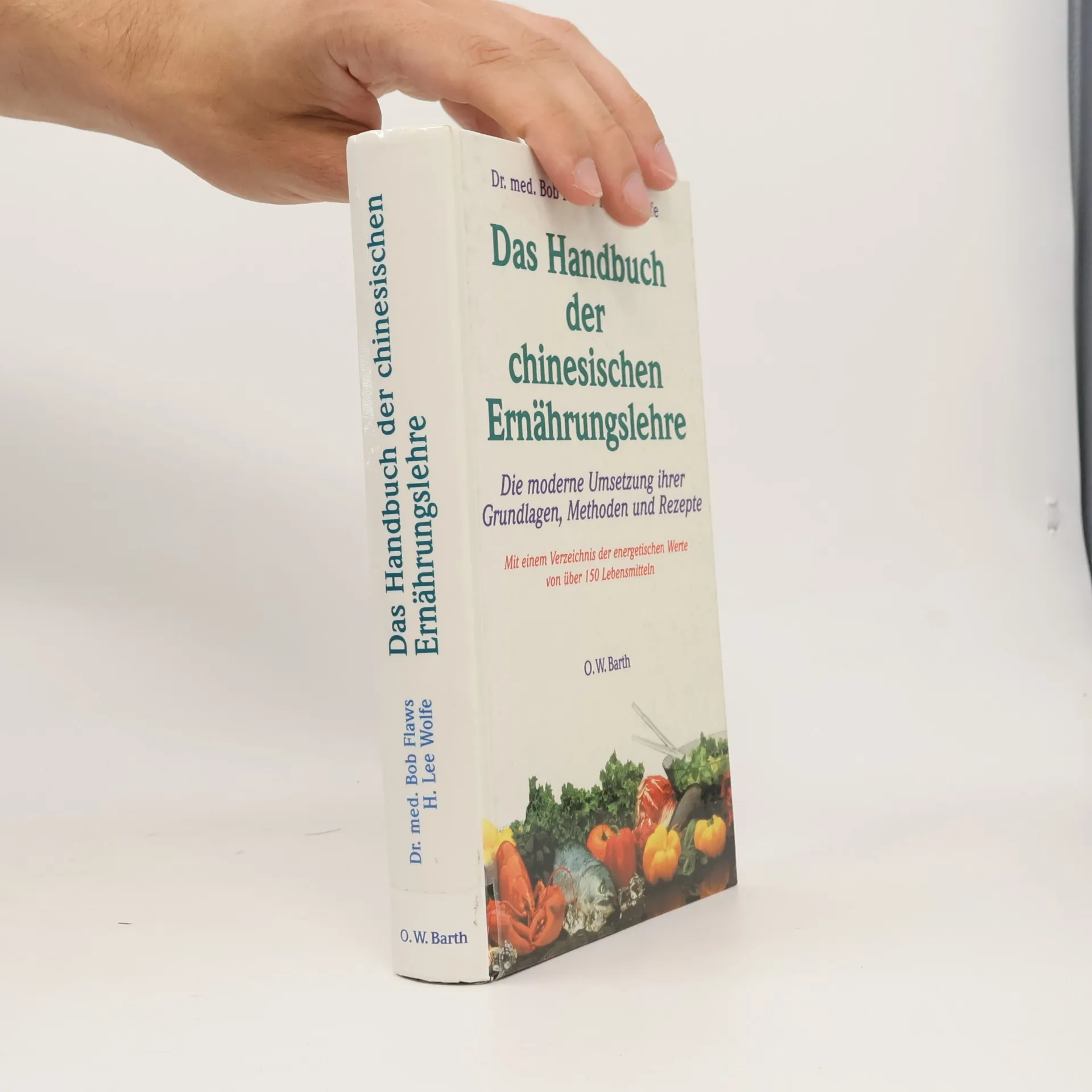
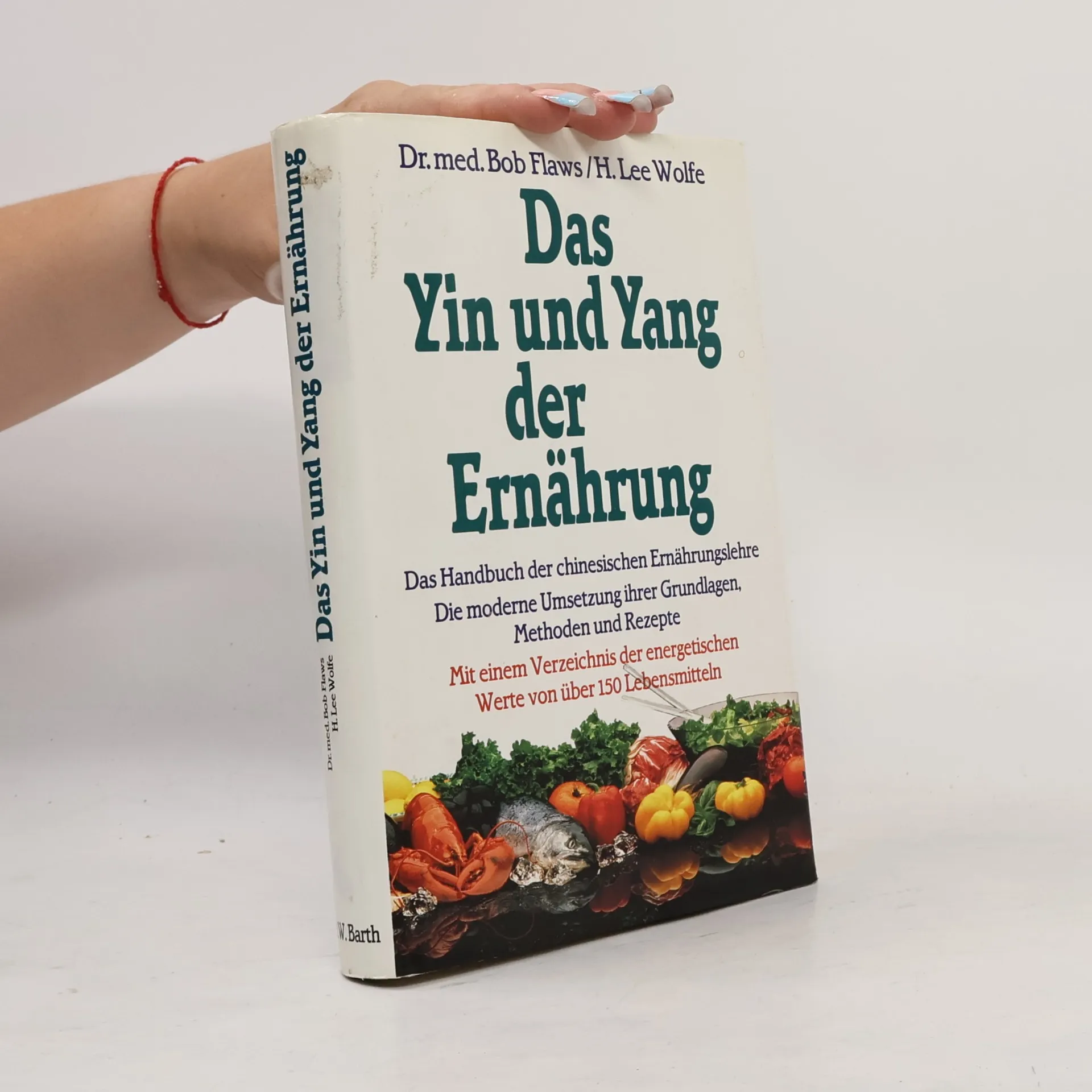
Chinese dietary therapy is one of the most important aspects of Chinese medicine. The Tao of Healthy Eating illuminates the theory and practice of Chinese dietary therapy with emphasis on the concerns and attitudes of Westerners. Commonsense metaphors explain basic Chinese medical theories and their application in preventive and remedial dietary therapy. It features a clear description of the Chinese medical understanding of digestion and all the practical implications of this day-to-day diet. Issues of Western interest are discussed, such as raw versus cooked foods, high cholesterol, food allergies, and candidiasis. It includes the Chinese medical descriptions of 200 Western foods and similar information on vitamins, minerals, and amino acids.
This book is the second, revised edition of a practical handbook of Chinese medical patterns with their disease causes and mechanisms, signs and symptoms, treatment principles, guiding formulas, main modifications, and acupuncture treatments. It is meant for both the student and the clinical practitioner. The authors have included numerous patterns previously not described in the English language literature as well as many complex patterns which are commonly seen in real-life practice in the West. It also includes a symptom-sign index and a formula index for easy reference. All medicinal names in this new edition conform to Bensky et al.'s Chinese Herbal Medicine: Materia Medica 3rd edition, and all Chinese medical terminology corresponds to Wiseman and Feng's A Practical Dictionary of Chinese Medicine. Ingredients in Chinese medicinal formulas begin with their pinyin names and are listed down for easier reference. In addition, this new edition contains a number of case histories for use in problem-based learning (PBL) along with suggested answers, thus making it even more useful in the classroom
Based on exhaustive review of dozens of pre-modern and contemporary Chinese gynecological texts and hundreds of articles appearing in Chinese medical journals as well as the author's more than 18 years of experience specializing in Chinese medical gynecology, this new book is unparalleled in its scope and depth. If a practitioner wants to understand how to diagnose and treat women's complaints in Chinese medicine, this book is an absolute necessity. Filled with easy-to-reference charts and diagrams, this book also includes acupuncture and moxibustion and individulally prescribed standardized desiccated extract Chinese herbal treatments.
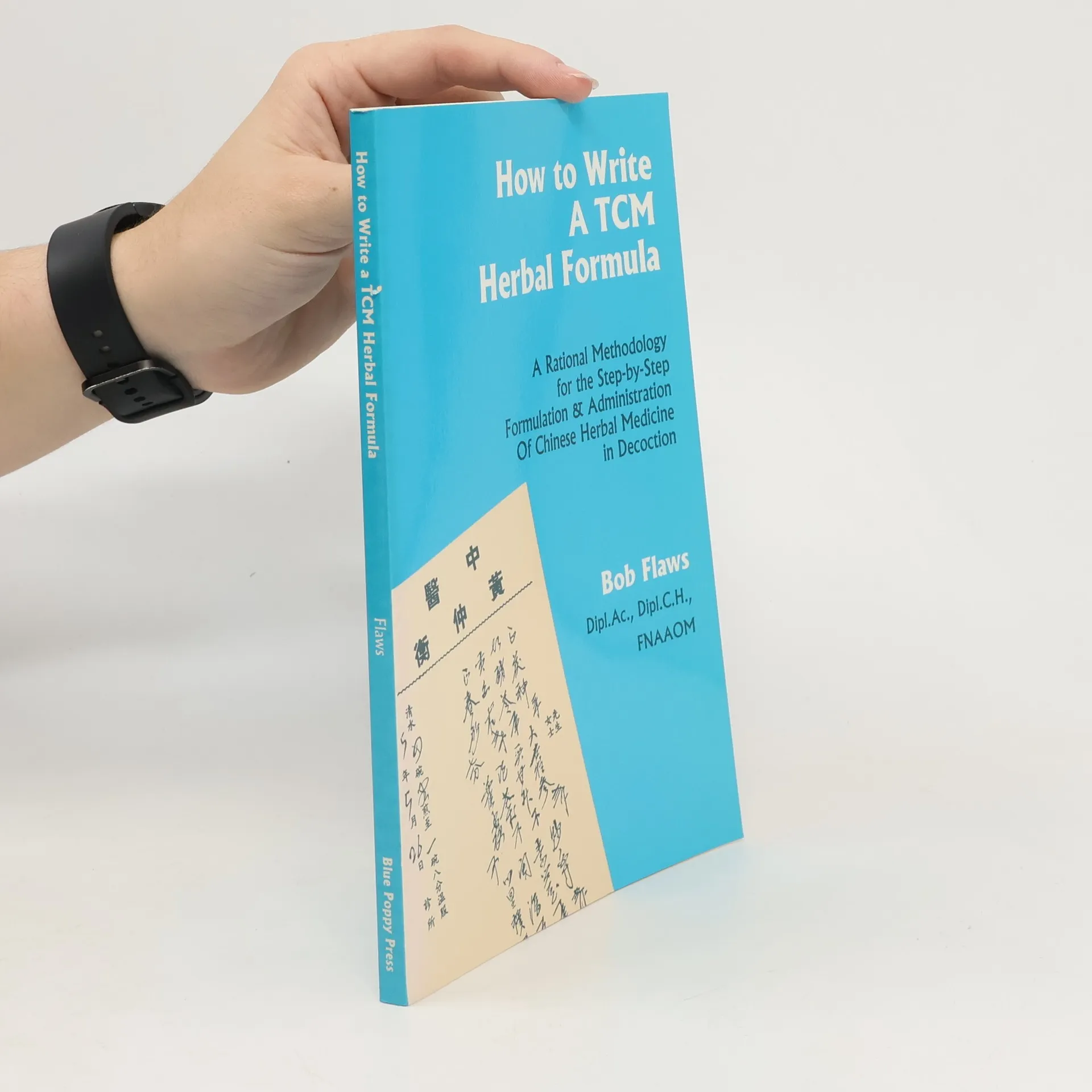
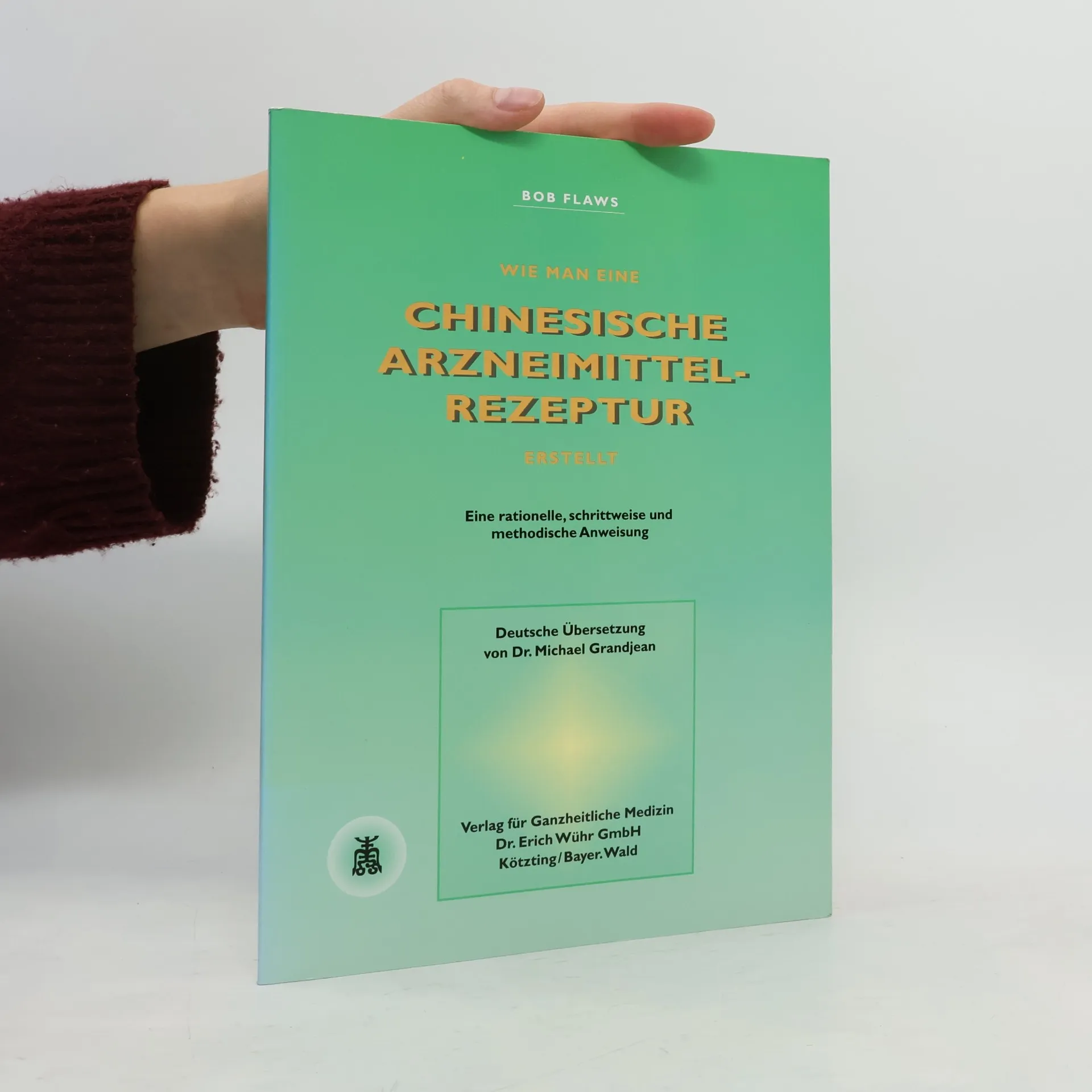
This book describes the step-by-step process of composing a TCM herbal formula. It describes a simple, straight- forward methodology of moving from disease diagnosis to pattern discrimination to treatment principles and, from there, to choosing a guiding formula and modifying it with additions and subtractions to make it more perfectly fit each individual patient. This book fills in much that is left unsaid by other books on Chinese medicine and formulas and clarifies what other authors have left obscure. In China, the information in this book is absorbed by osmosis in supervised clinical practice under mentors with decades of experience. Therefore, most Chinese books do not feel it necessary to explain all this information. The second half of the book is devoted to discussing approximately 150 variations of the formula, Si Wu Tang (Four Materials Decoction), in the light of the material presented in the first half.
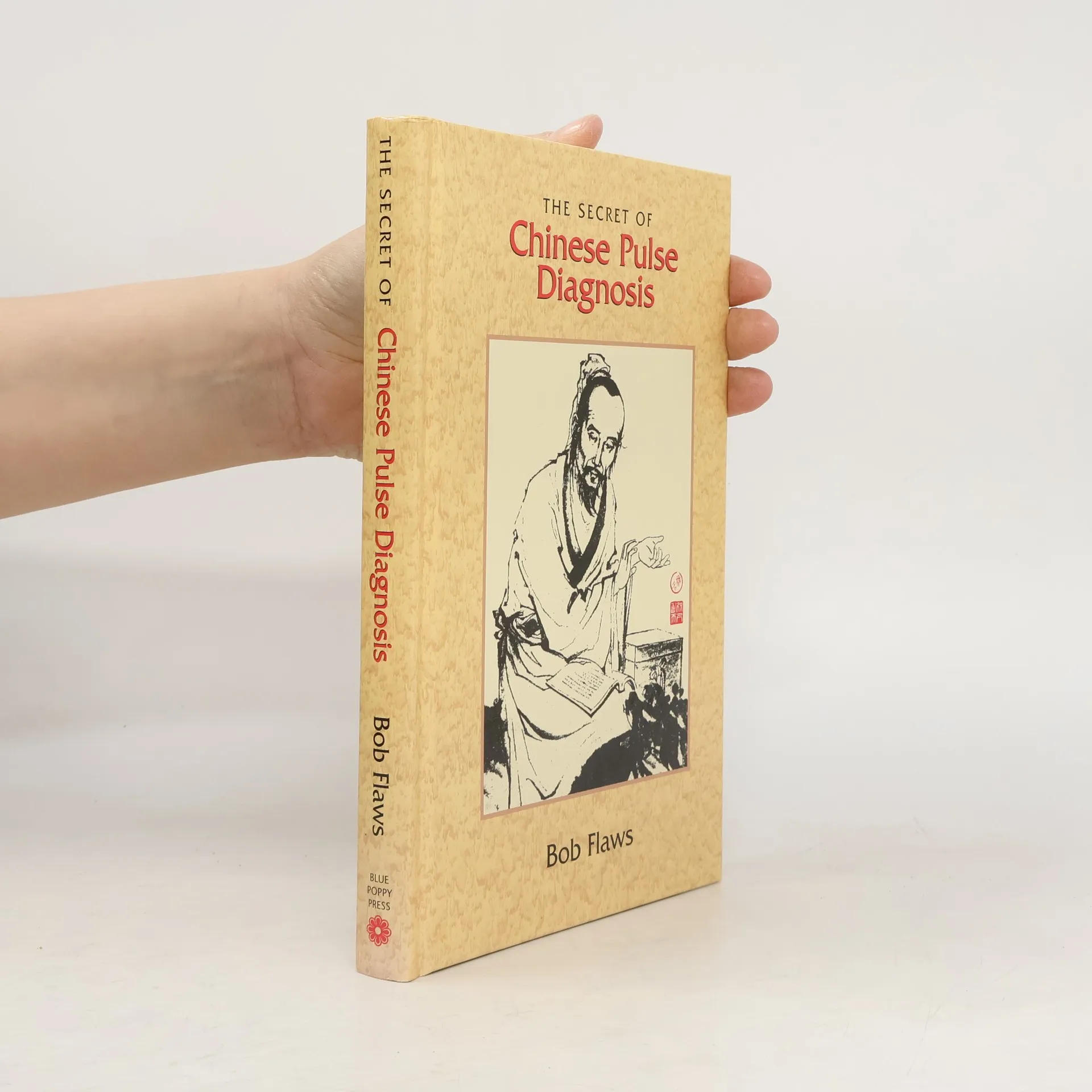
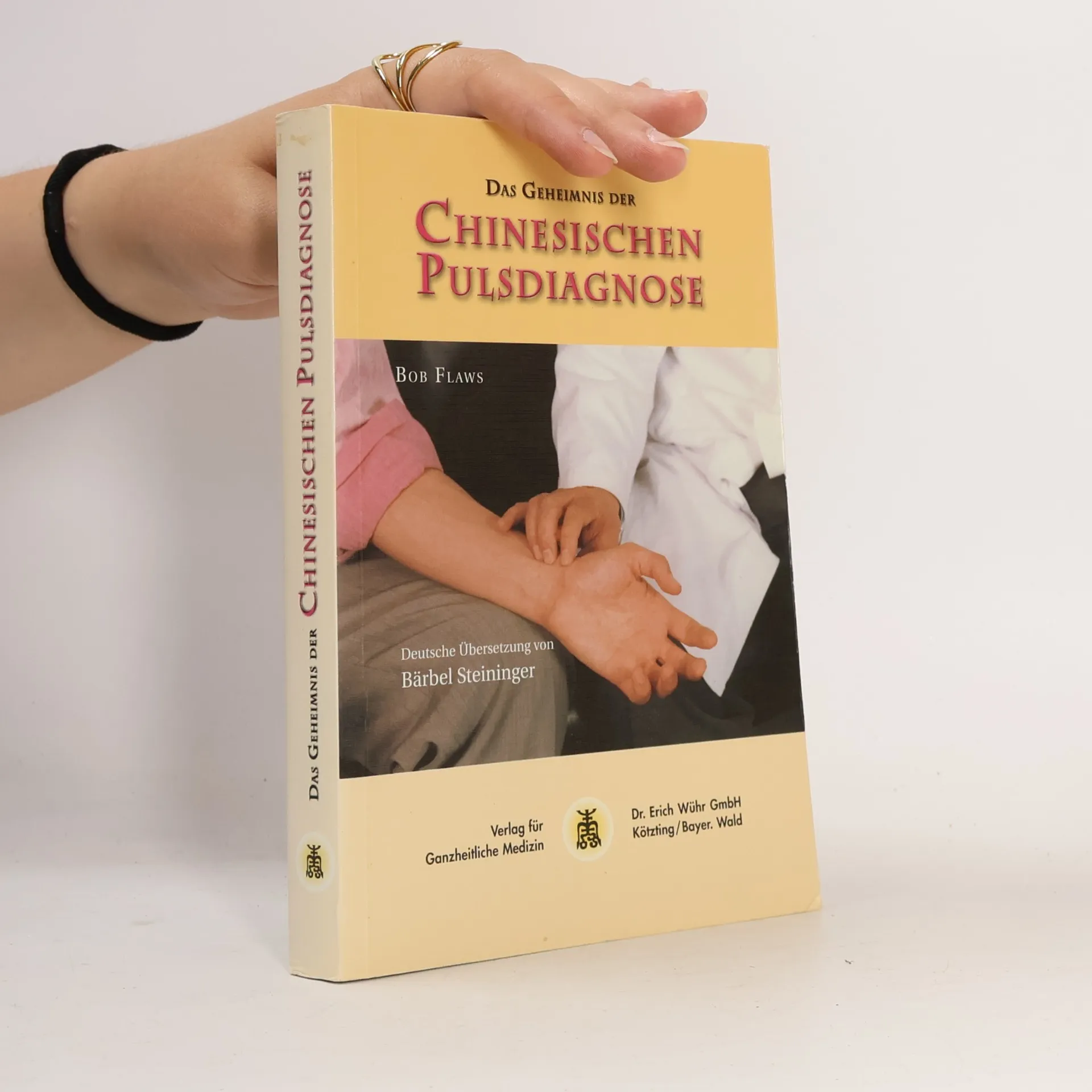
Chinese doctors have used pulse diagnosis as one of their four main methods of diagnosis for at least 2,000 years. Even today, this art is integral to the correct identification of traditional Chinese medical patterns. Although most practitioners of acupuncture and Chinese medicine talk about the importance of the pulse in their practice, few practitioners in the West truly feel competent in this art. In this book, Bob Flaws, one of the most famous Western practitioners of Chinese medicine, shares his secret for learning how to do Chinese pulse diagnosis. Bob has identified a single key secret technique which will unlock Chinese pulse diagnosis for everyone who applies it. Using this technique, anyone can feel the 27 or 28 classical pulses.
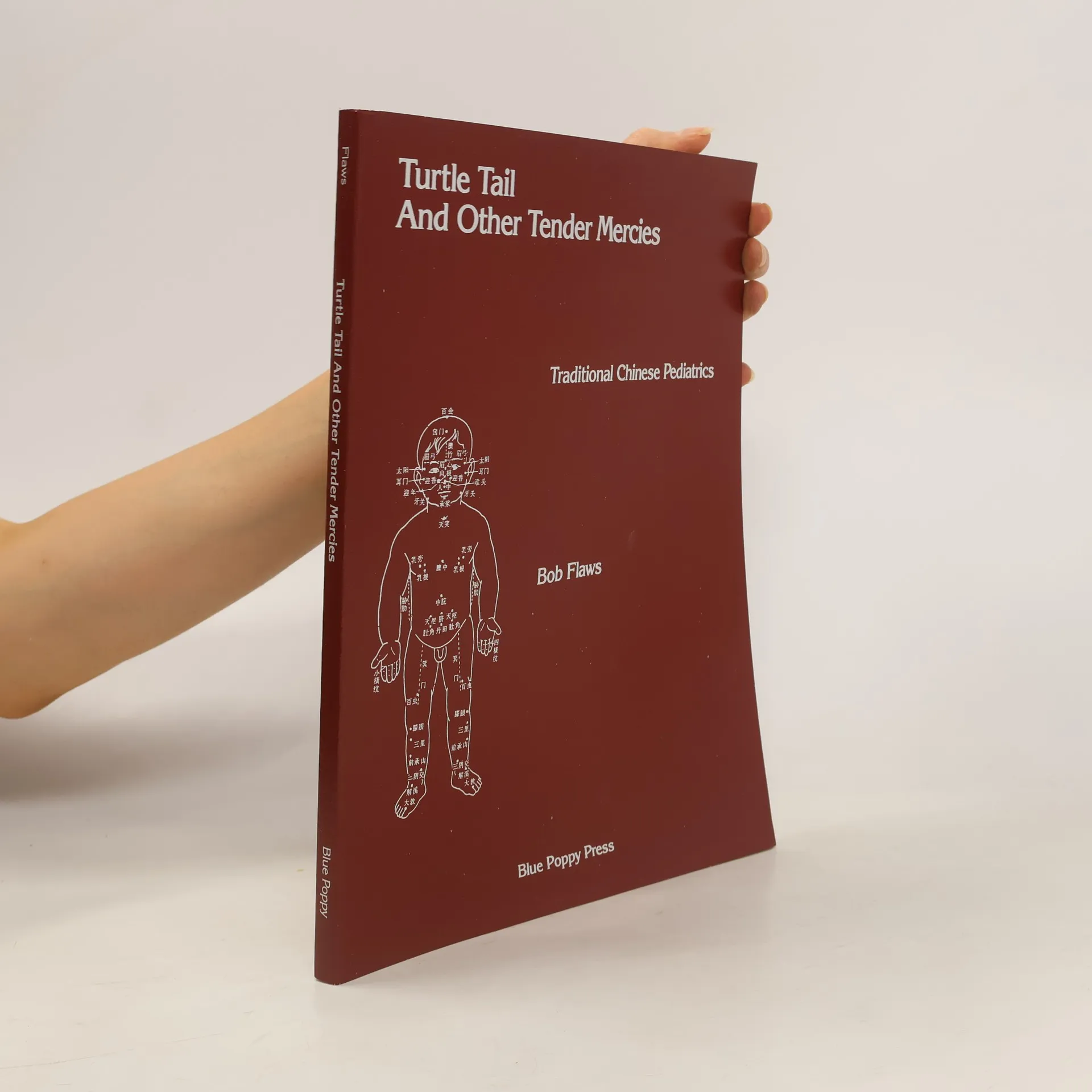
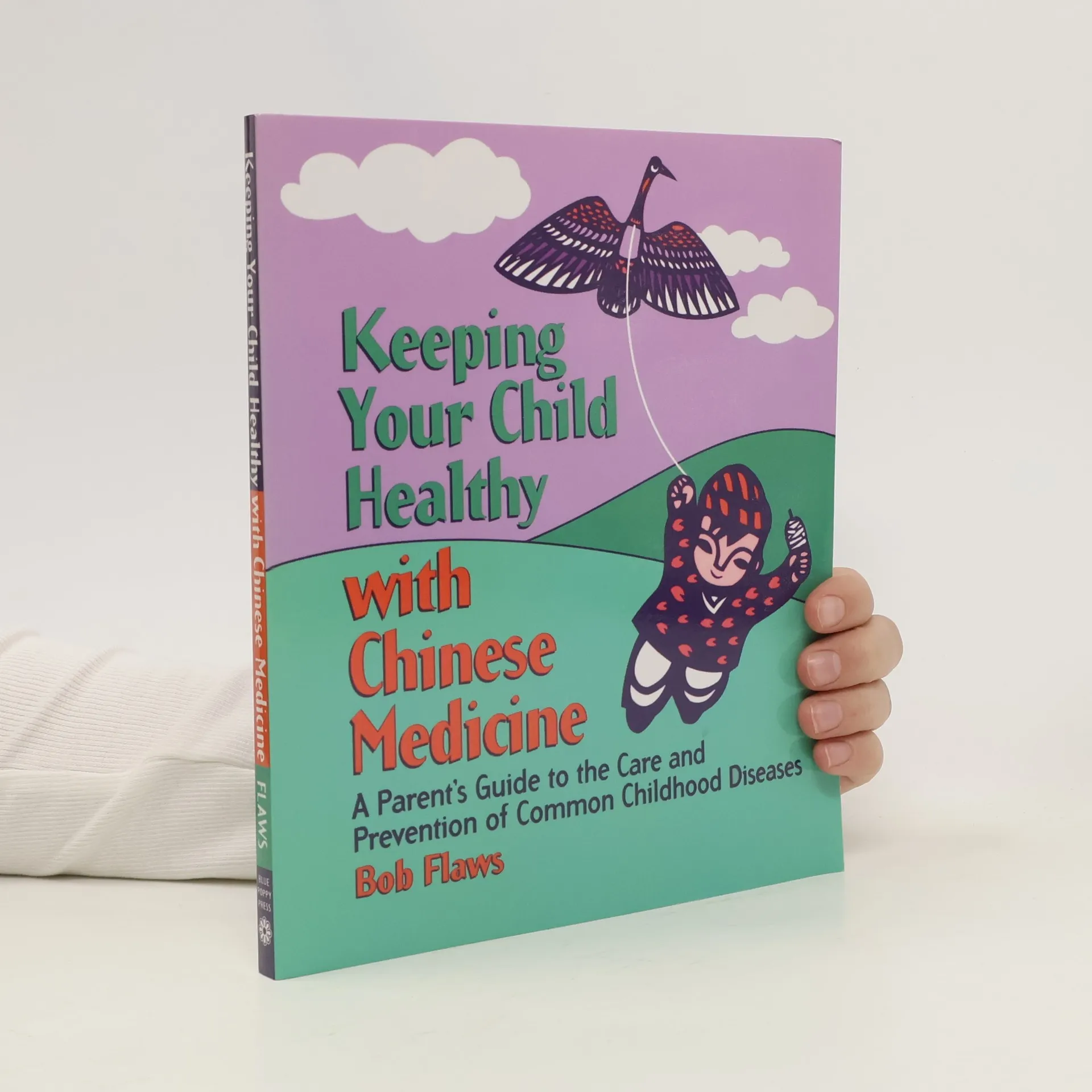
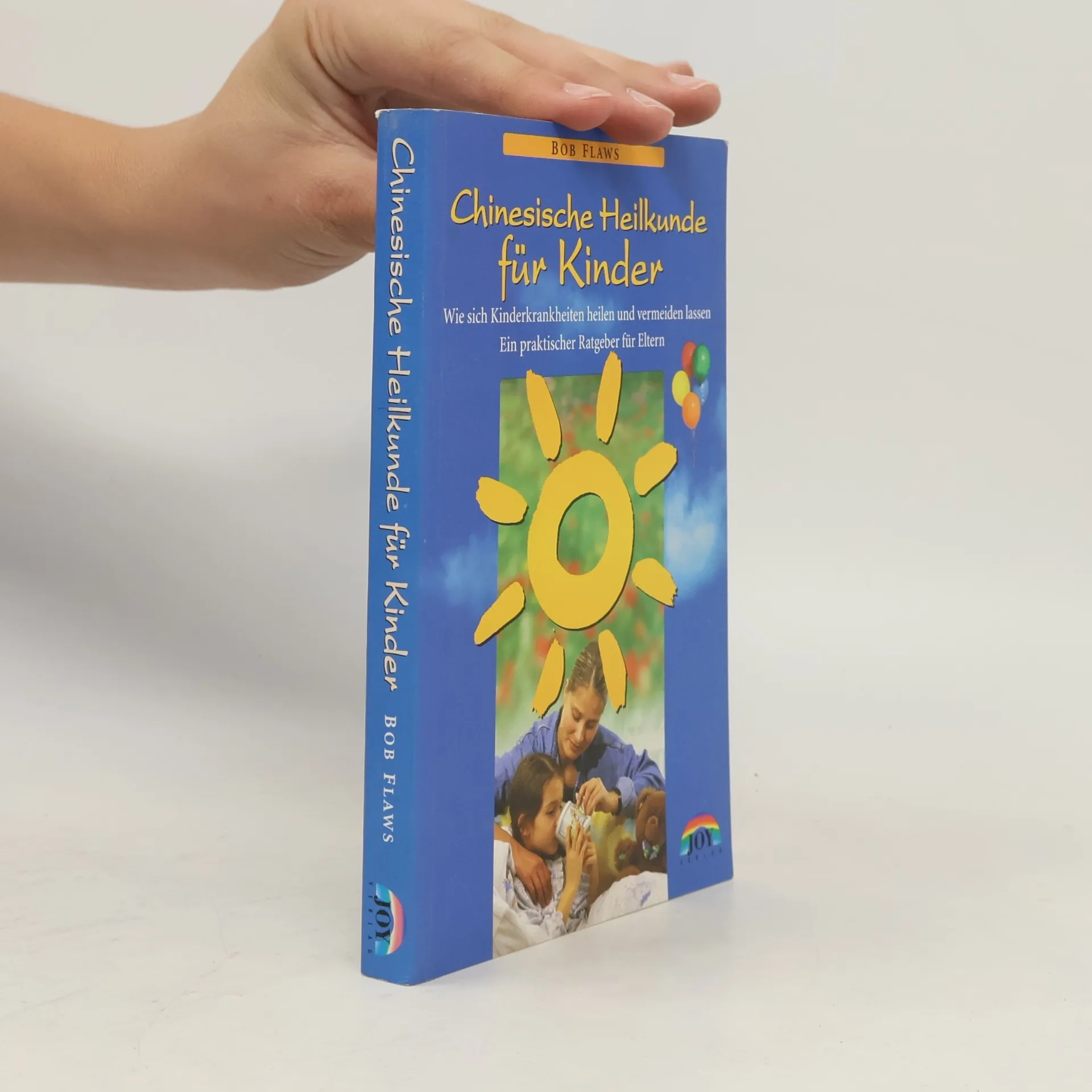
Written for parents, this guide to Chinese medicine covers all the most common pediatric diseases. Beginning with an overview of Chinese, it then discusses 38 of the most common pediatric complaints in chronological order, based on when children typically develop them. This book includes everything from colic and croup to whooping cough and hyperactivity. Under each disease, the reader will find a brief discussion of the different types of patterns typically encountered, what acupuncture and Chinese medicine have to offer, and tips on diet and home remedies.
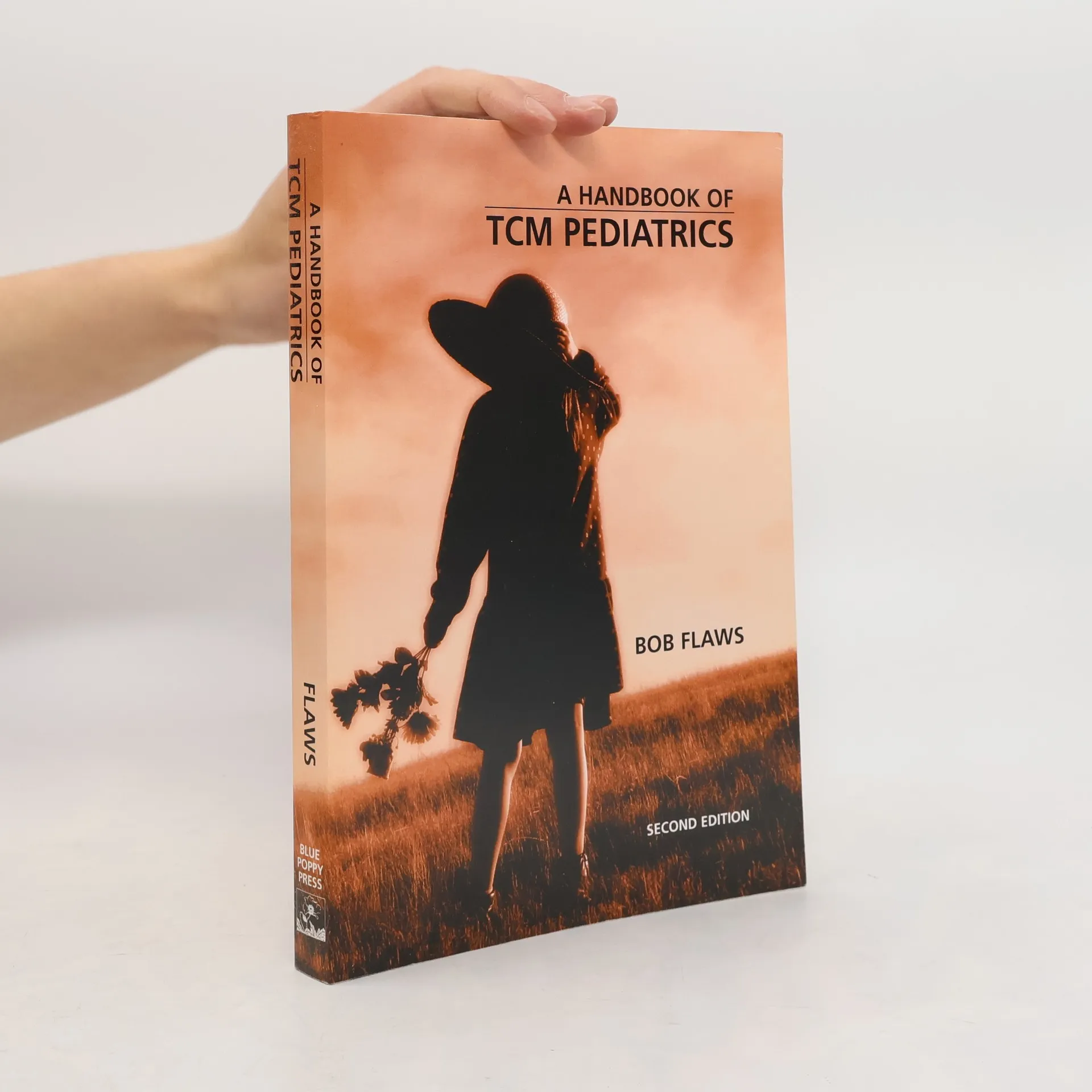
A Practitioner's Guide to the Care & Treatment of Common Childhood Diseases - Second Edition
380 pages
14 hours of reading
This text is the fruit of extensive research into the Chinese medical literature on pediatrics and the response to years of practitioner requests for a good, comprehensive TCM pediatric textbook. It covers over 45 common pediatric complains, giving differential diagnosis, disease mechanisms, herbal treatment, acumoxa therapy where appropriate, and Bob's comments about each one. These diseases are presented in the chronological order that they usually appear & include everything from colic and cradle cap to mumps and pediatric hyperactivity. There are also special sections on pediatric diagnosis and treating young children with Chinese herbal medicines, immunizations, and dietary therapy.
The 14 secrets of longevity of the Qing Dynasty Emperor, Qian Long, cover all aspects of living long and healthy life. This book offers Qian Long's sage advice on the role of diet, exercise, relaxation, emotions, sex, and environment in achieving long life and good health. This traditional Chinese medical theory includes self-massage, stretching, and qi gong exercise as well as how to use Chinese tonic herbs.
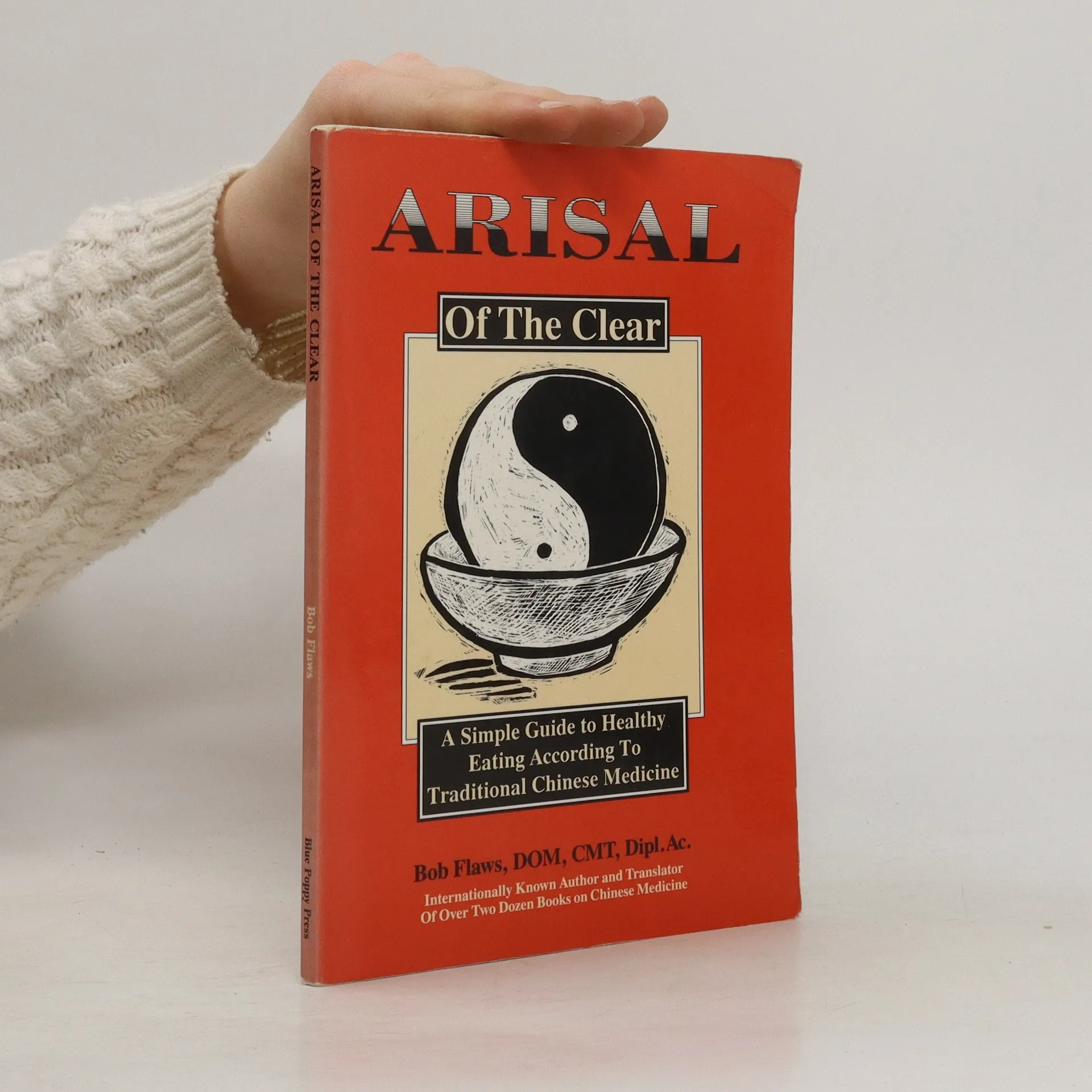
"This small, concise book on Chinese dietary therapy has been written specifically for lay readers. It is meant to replace two earlier book I have written on Chinese dietary therapy, Prince Wen Hui's Cook, and Arisal of the Clear."--Preface.
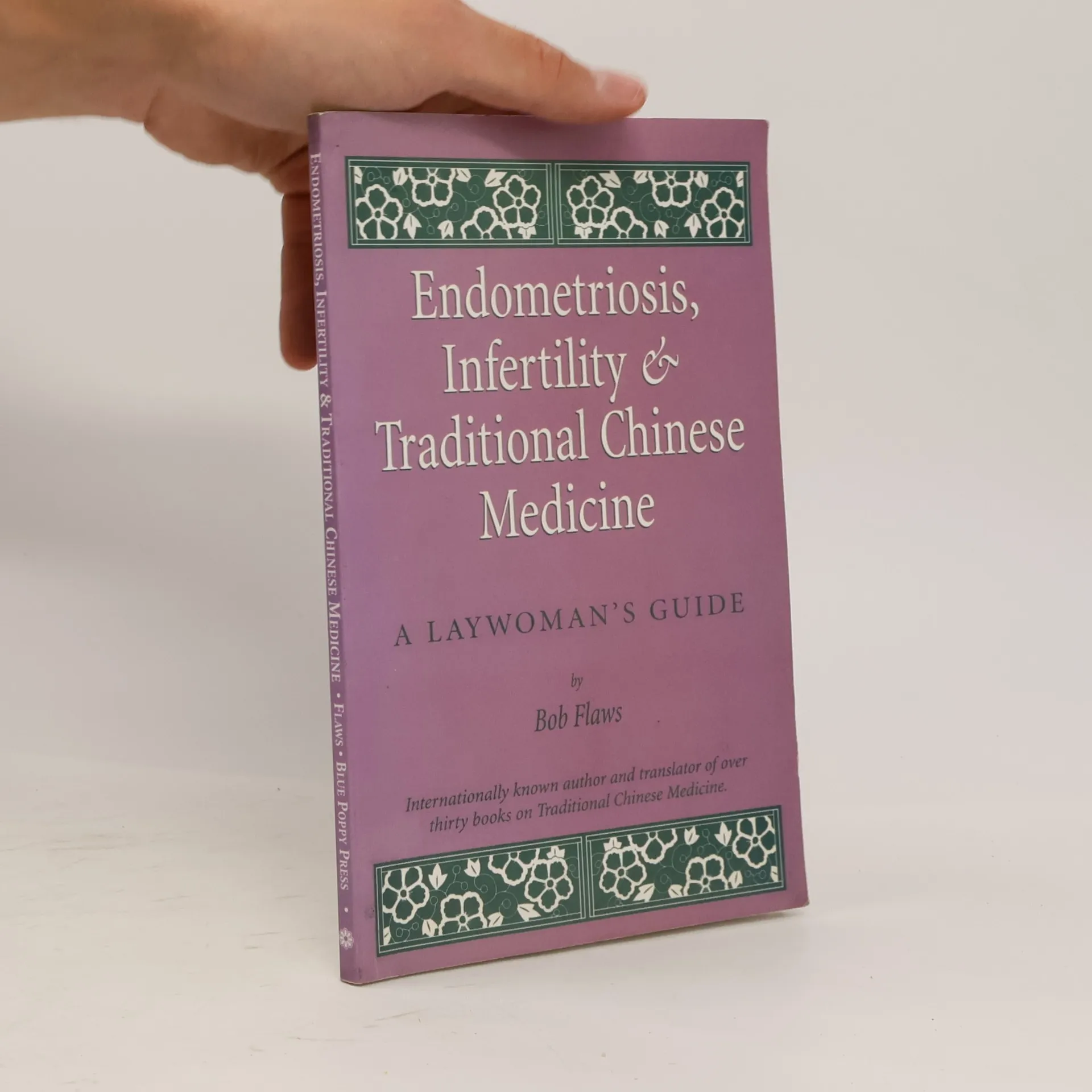
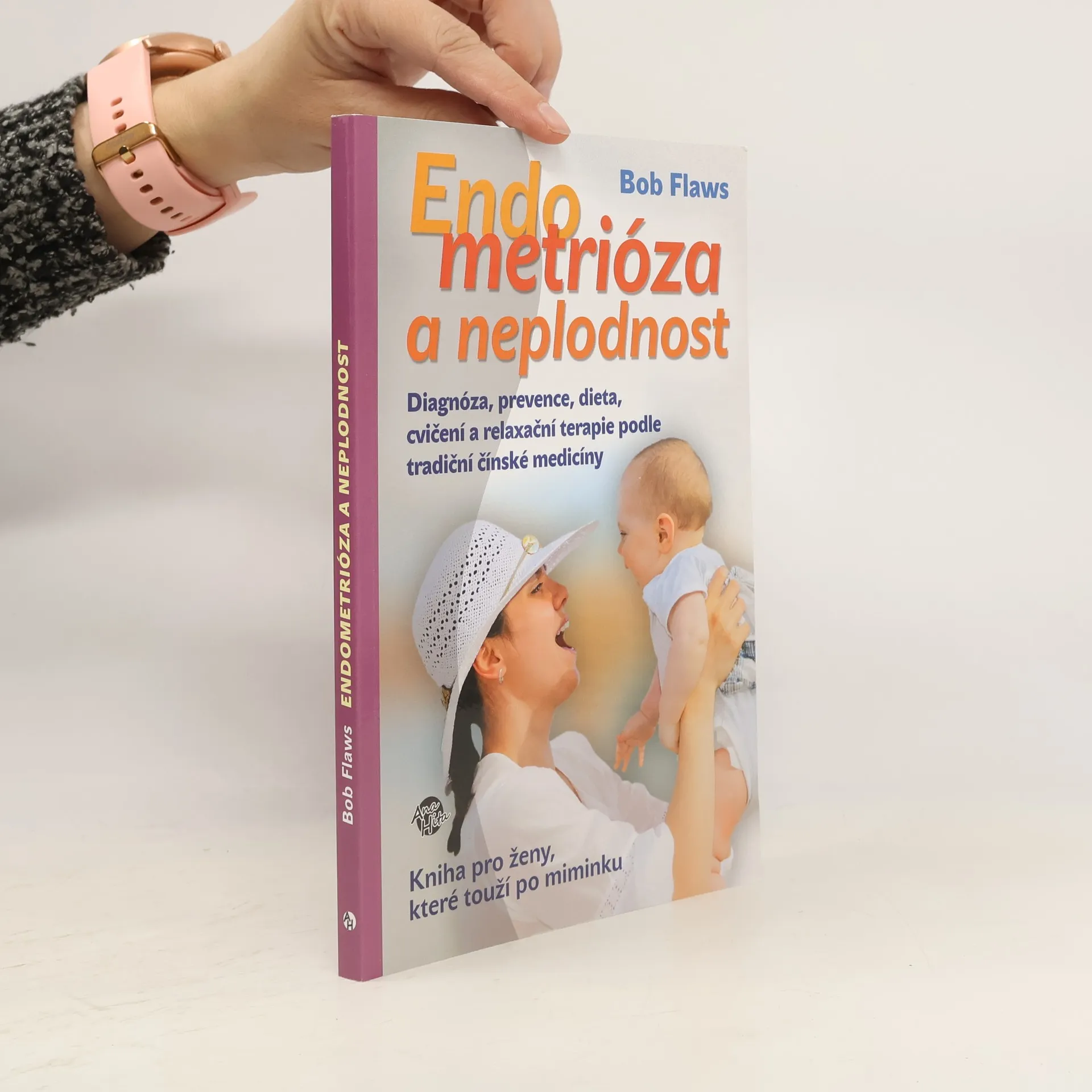
It's estimated that endometriosis effects 15% of American women of reproductive age and is a leading cause of infertility. This book explains why endometriosis and infertility are on the rise in contemporary Western society and describes how traditional Chinese medicine diagnoses and treats these two, often related conditions. It includes sections on prevention, diet, exercise, and relaxation therapies.
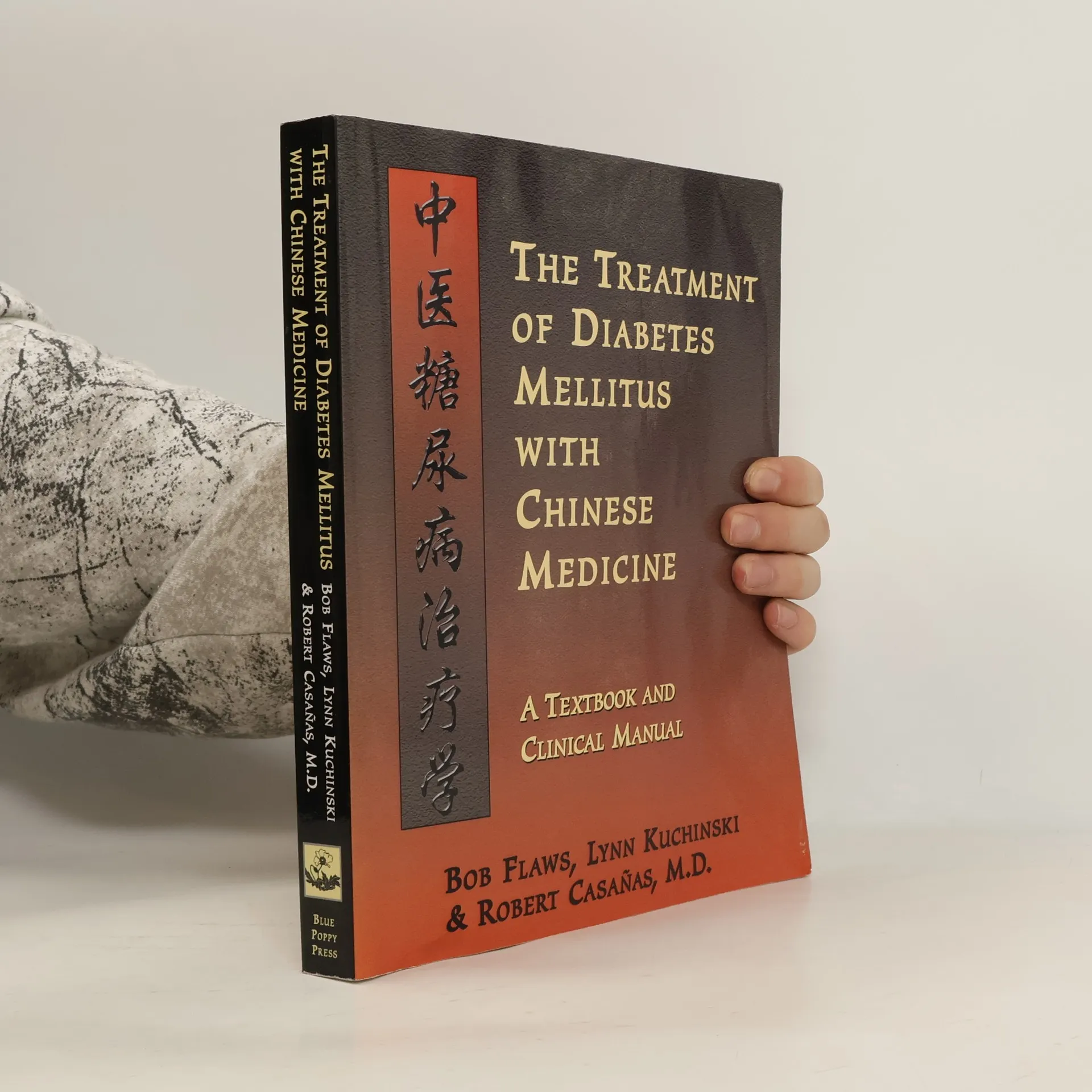
Authors Flaws, Kuchinski, and Casanas discuss the relationship between hypoglycemia and diabetes, insulin-dependent and noninsulin-dependent diabetes and what Chinese medicine can do for each, gestational diabetes, diabetes and diet (both Chinese & Western), and diabetes and exercise, including qigong. Other topics of discussion include diabetes and psychological disturbances, diabetes and treatment adherence, and diabetes and denial.
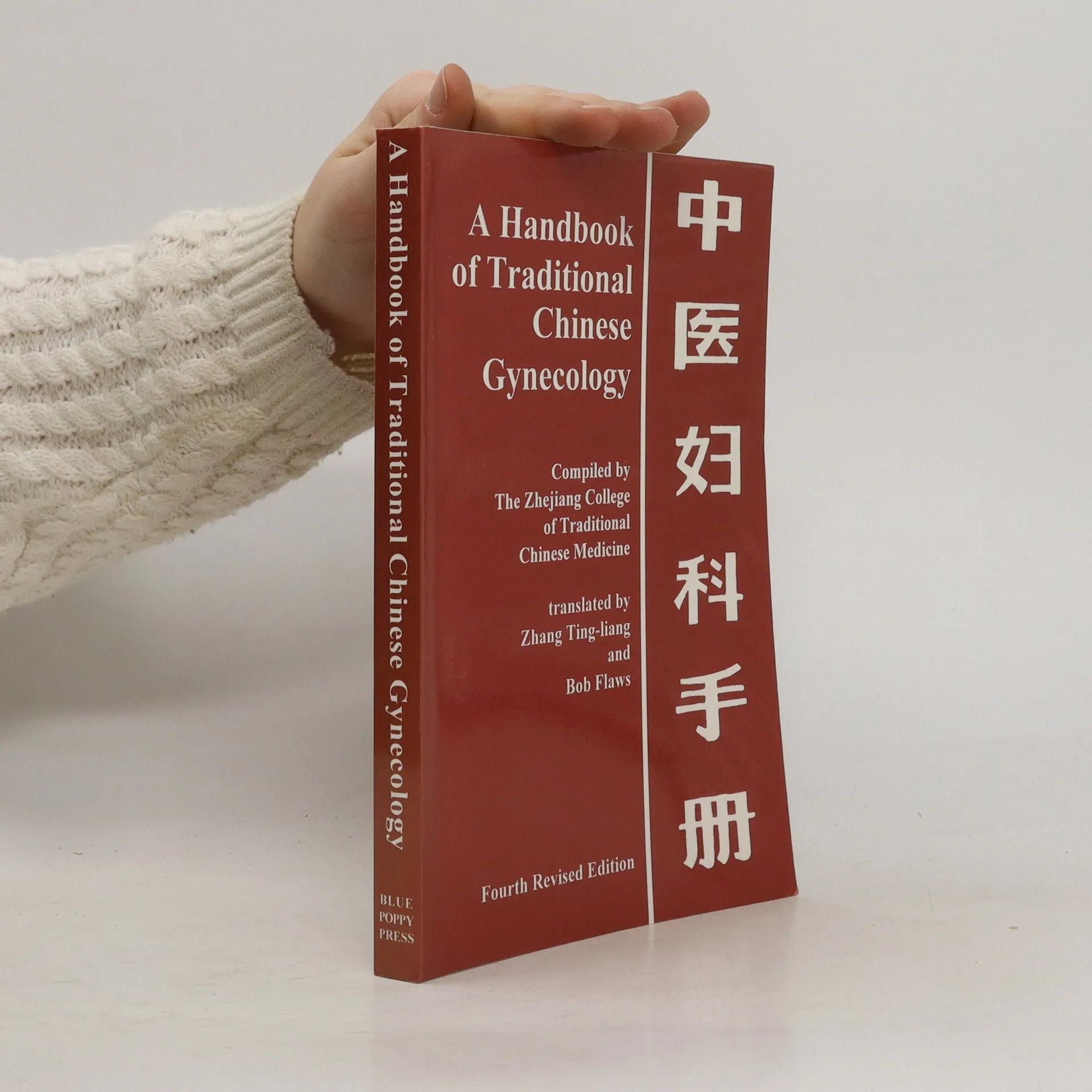
This book was the first English language translation of a complete Chinese clinical manual on TCM gynecology and obstetrics. It was the textbook for the OB-GYN class at the Zhejiang College of Chinese Medicine in Hangzhou, PRChina. It covers the disease causes and mechanisms and the pattern discrimination treatment for 35 commonly encountered complaints. The book is divided into five sections: 1) menstrual diseases, 2) abnormal vaginal discharge diseases, 3) gestational & birthing diseases, 4) postpartum diseases, and 5) miscellaneous diseases. Because Chinese gynecology in China means treatment via the internal administration of Chinese herbs, all the treatments in this book are herbal ones. If one wants to buy a single book covering all of Chinese gynecology in an introductory, survey fashion, this is the book to buy.
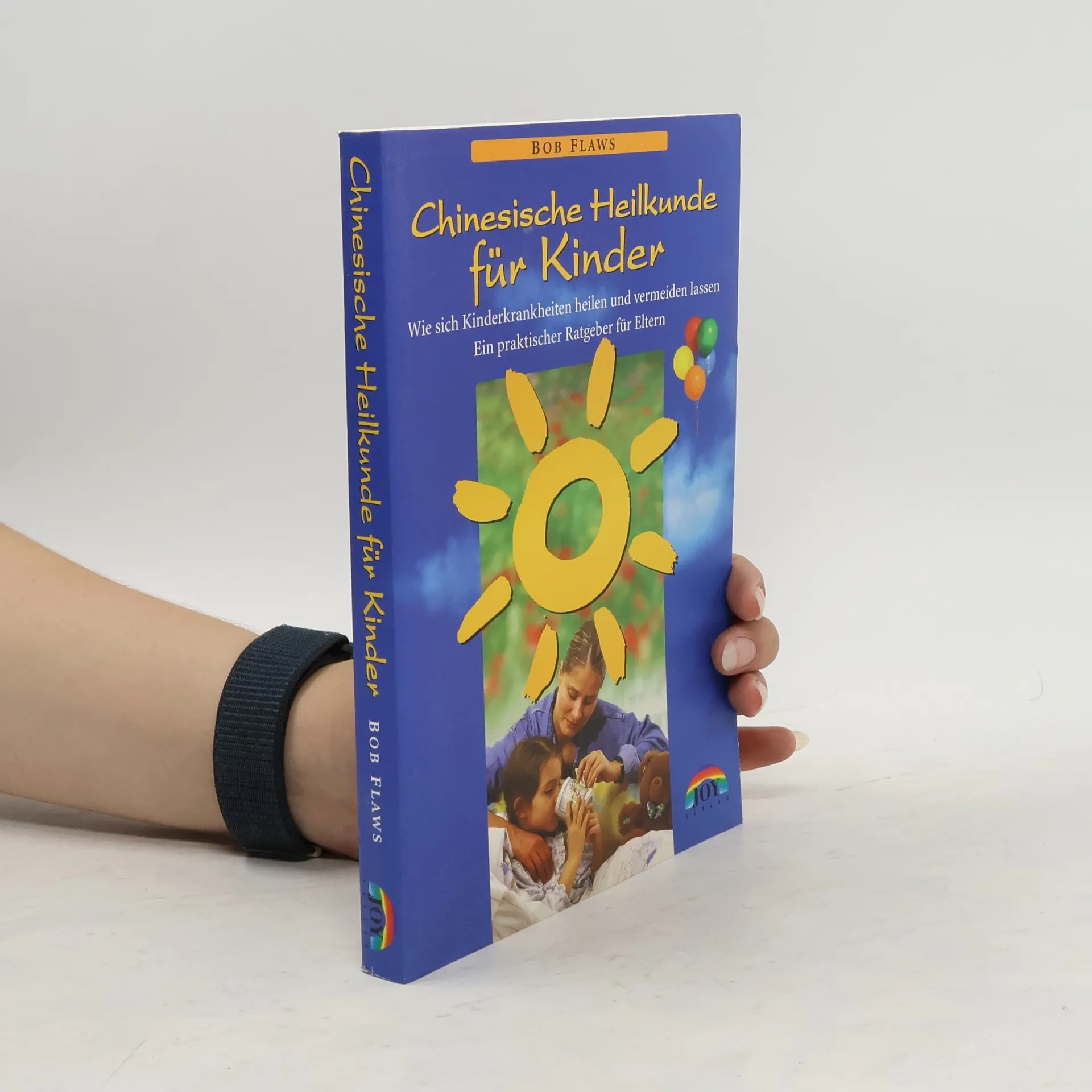
Wie sich Kinderkrankheiten heilen und vermeiden lassen – Ein praktischer Ratgeber für Eltern
Dieses Buch behandelt alle typischen Kinderkrankheiten. Der Autor beginnt mit einem Überblick über die Funktionsweise der Traditionellen Chinesischen Medizin (TCM) und bespricht ausführlich die häufigsten Säuglings- und Kinderkrankheiten - von Blähungen und Koliken bis hin zu Keuchhusten und Hyperaktivität. Bob Flaws beschreibt den Verlauf und die Ursachen dieser Krankheiten sowie deren spezifische Behandlungsmethoden - angefangen von einfachen Hausmitteln bis hin zur fachärztlichen Therapie. Darüber hinaus enthält das Buch wertvolle Tips zur Säuglings- und Kinderernährung. Auch umstrittene Themen, wie die Auswirkungen von Impfstoffen und Antibiotika bei Kindern, werden aus der Sicht eines TCM-Arztes gründlich und verantwortungsvoll behandelt.
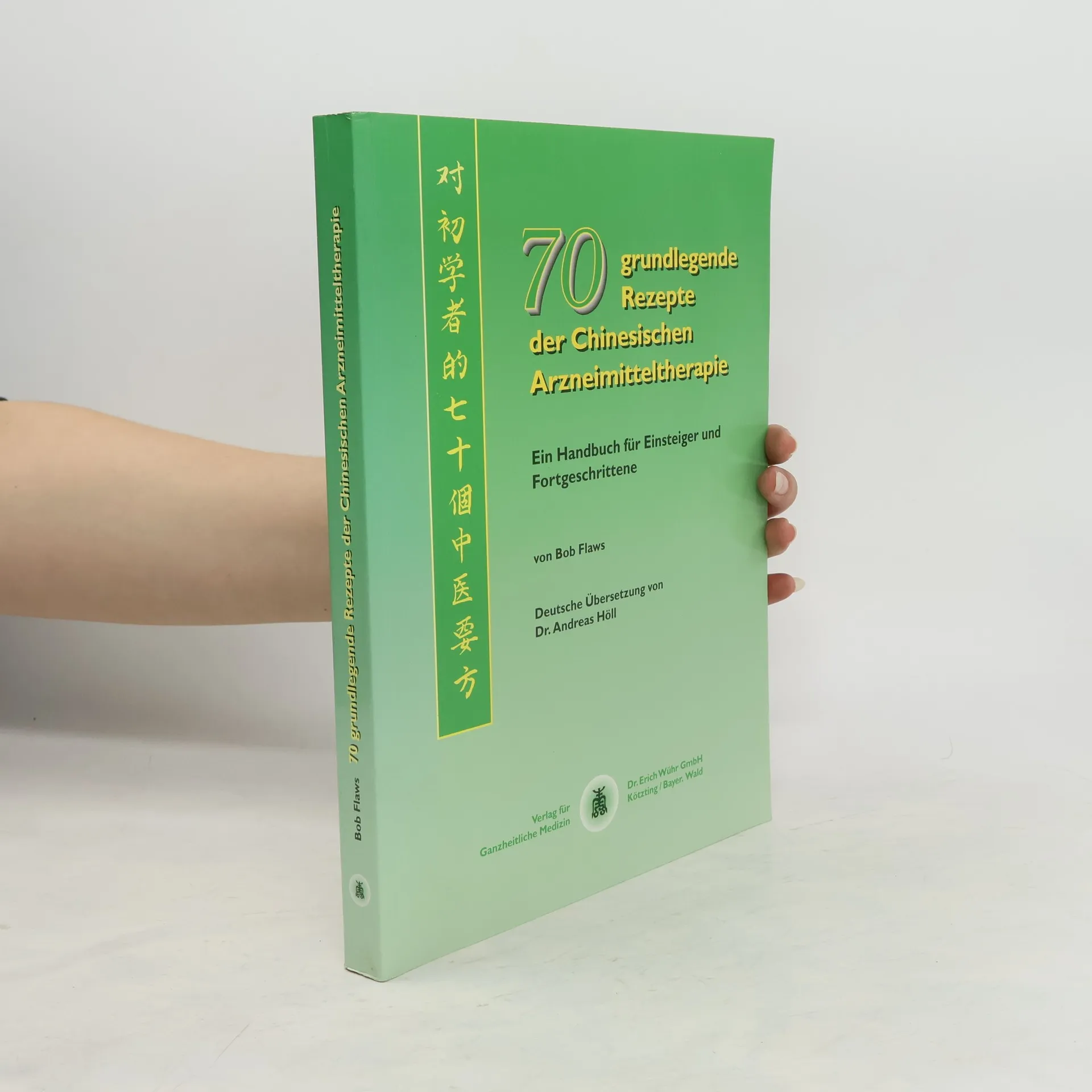
Dieses Buch ist ein Lehrbuch für Einsteiger in die Chinesische Arzneimitteltherapie. Durch die geschickte Auswahl der Rezepte von Bob Flaws ist es dem in die Arzneimitteltherapie einsteigenden Therapeuten möglich, die meisten Patienten zu behandeln. Der Autor will nicht eine möglichst umfangreiche Rezeptsammlung erstellen, sondern das Verständnis der Zusammenstellung eines Rezepts, die Indikationen und die Modifizierung einer begrenzten Anzahl von wichtigen und berühmten Rezepten vermitteln. Dieses Buch ist ein hervorragendes Buch für den Einsteiger in die Chinesische Arzneimitteltherapie und eine ideale Vorbereitung für große Nachschlagewerke wie Benskys „Chinesische Arzneimittelrezepte und Behandlungsstrategien“.
Die Pulsdiagnose gilt im Rahmen der Chinesischen Diagnostik als das zuverlässigste Instrument, um die Disharmoniemuster im Körper zu erkennen. Die Fähigkeit, den Puls eines Patienten richtig zu lesen, ist jedoch schwer zu erlernen. Am Anfang steht jeder vor der scheinbar unlösbaren Frage, wie er je diese Technik wird erlernen können. Bob Flaws stellt die These auf, dass man sich die Pulsdiagnose relativ einfach aneignen kann, wenn man in einem ersten Schritt die Grundlagen der Pulsdiagnose ernsthaft studiert. Kennt man die grundlegenden Fakten auswendig, entdeckt man das Geheimnis, das hinter dieser Kunst liegt. In diesem Buch hat der Autor in übersichtlicher Form die Grundlagen der Pulsdiagnose zusammengestellt und zeigt dem Leser, wie er die 28 klassischen Pulsqualitäten erlernen und anwenden kann.
eine rationelle, schrittweise und methodische Anwendung
89 pages
4 hours of reading
Vor jede Therapie haben „die Götter“ die Diagnose gestellt. Gerade in der Chinesischen Medizin ist es nicht so einfach, die richtigen Fragen zu stellen, um zu einer strukturierten Diagnose zu gelangen. Bob Flaws, ein Autor mit jahrzehntelanger Erfahrung, führt den Leser Schritt für Schritt durch den Prozess des Rezeptierens. Er zeigt, wie auf einem klar strukturierten Weg die therapeutischen Prinzipien erkannt und eine individuelle Verschreibung formuliert wird. Für alle, die die TCM erlernen, liegt hier eine so fundierte wie kompakte Einführung in die komplexe Thematik vor.
Mezi ženami v reprodukčním věku je endometrióza jednou z nejčastějších příčin neplodnosti. Celkově se odhaduje, že endometrióza je příčinou neplodnosti v 15-20% případů.
Tato kniha čtenářům vysvětlí, proč jsou v současné době potíže s plodností tak časté a odhalí příčiny podílející se na vzniku endometriózy. Čtenáři se dozví, jak k tomuto tématu přistupuje tradiční čínská medicína. V knize najdou také kapitoly speciálně zaměřené na prevenci, dietu, cvičení a relaxační terapie, které povedou k vytouženému cíli.
Podle českých statistik trpí u nás endometriózou kolem 250 000 žen - u 30 - 50 % z nich způsobuje endometrióza neplodnost. Konvenční metody léčení jsou někdy dosti drastické (operačních zákroky, předepisování antidepresiv) a jejich účinnost je často neuspokojivá. Tato kniha je „manuál první pomoci“.
Kniha je určena laikům a zahrnuje všechny nejběžnější dětské nemoci a jejich léčení tradiční čínskou medicínou. Začíná přehledem čínské lékařské teorie týkající se dětských nemocí a dále pak podrobně rozebírá třicetosm nejčastějších dětských zdravotních problémů v chronologickém pořadí na základě toho, kdy se u dětí začínají obvykle rozvíjet. Zahrnuty jsou všechny od koliky přes kašel až po hyperaktivitu. V popisu každé nemoci čtenář najde stručnou diskusi o různých typech jejích projevů, včetně toho, jakou pomoc může nabídnout akupunktura a čínská medicína. Dále tipy na vhodné stravování a domácí ozdravné prostředky. Tato kniha má za cíl vzdělávat čtenáře, kteří jsou současně rodiči a rozšířit informovanost o možnostech užití tradiční čínské medicíny.