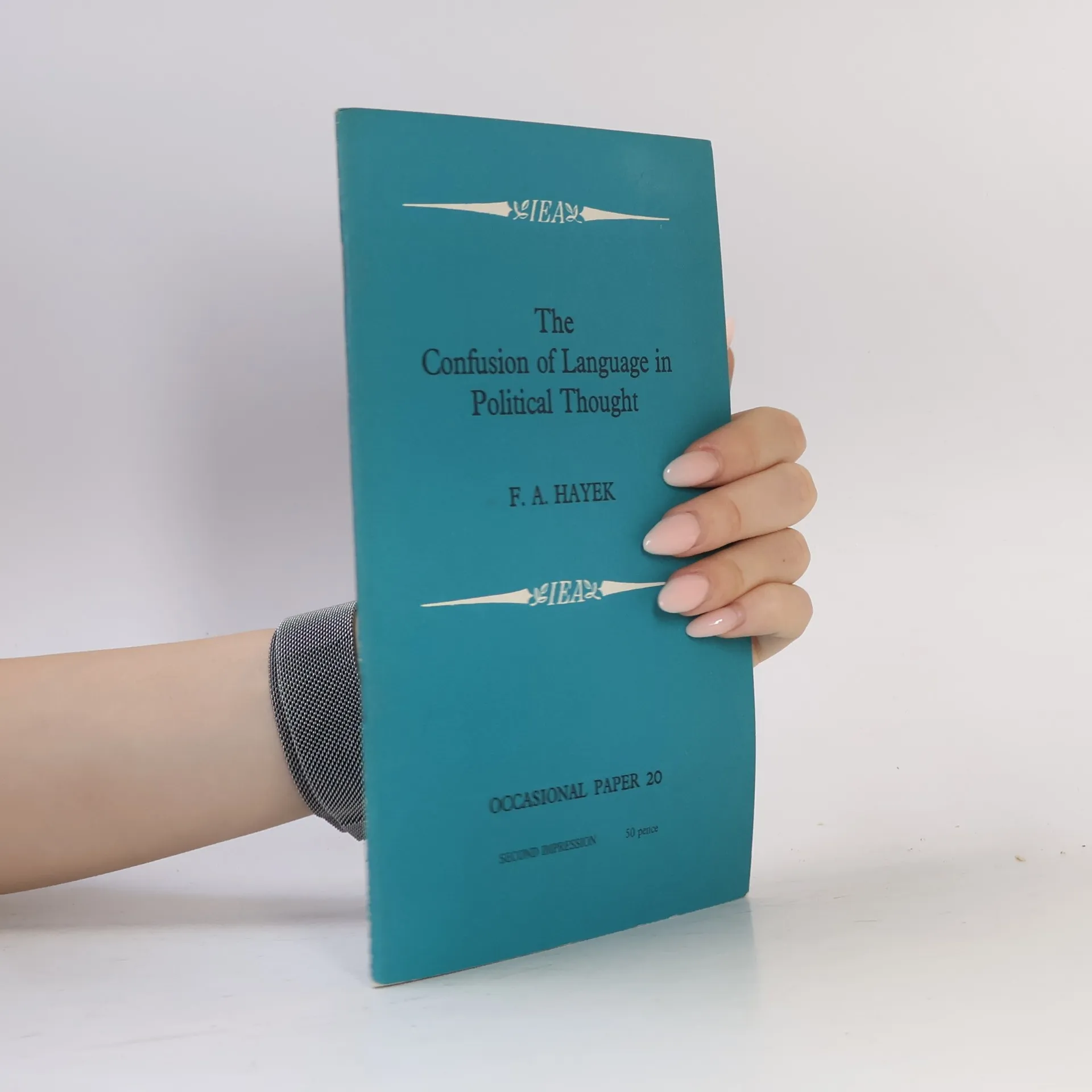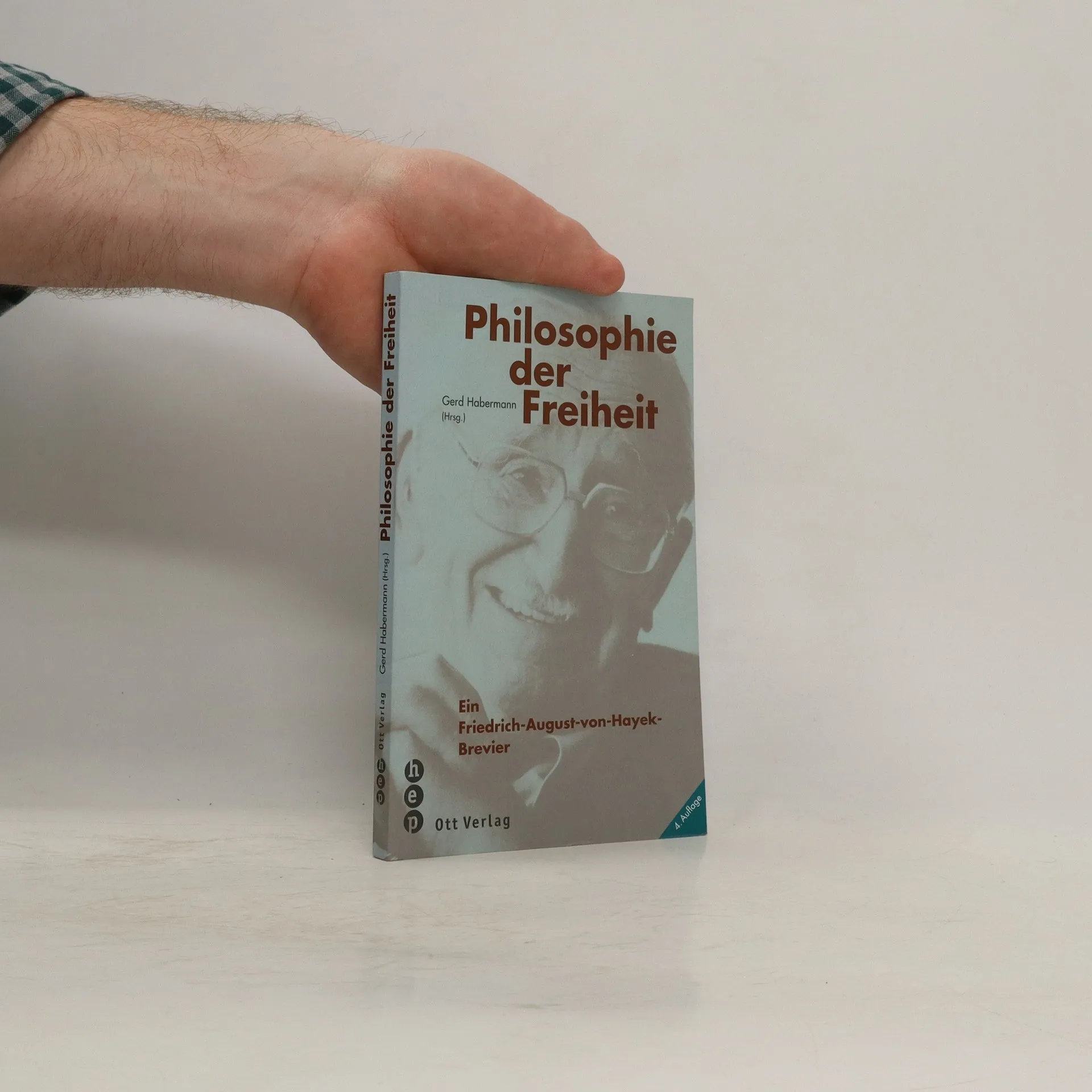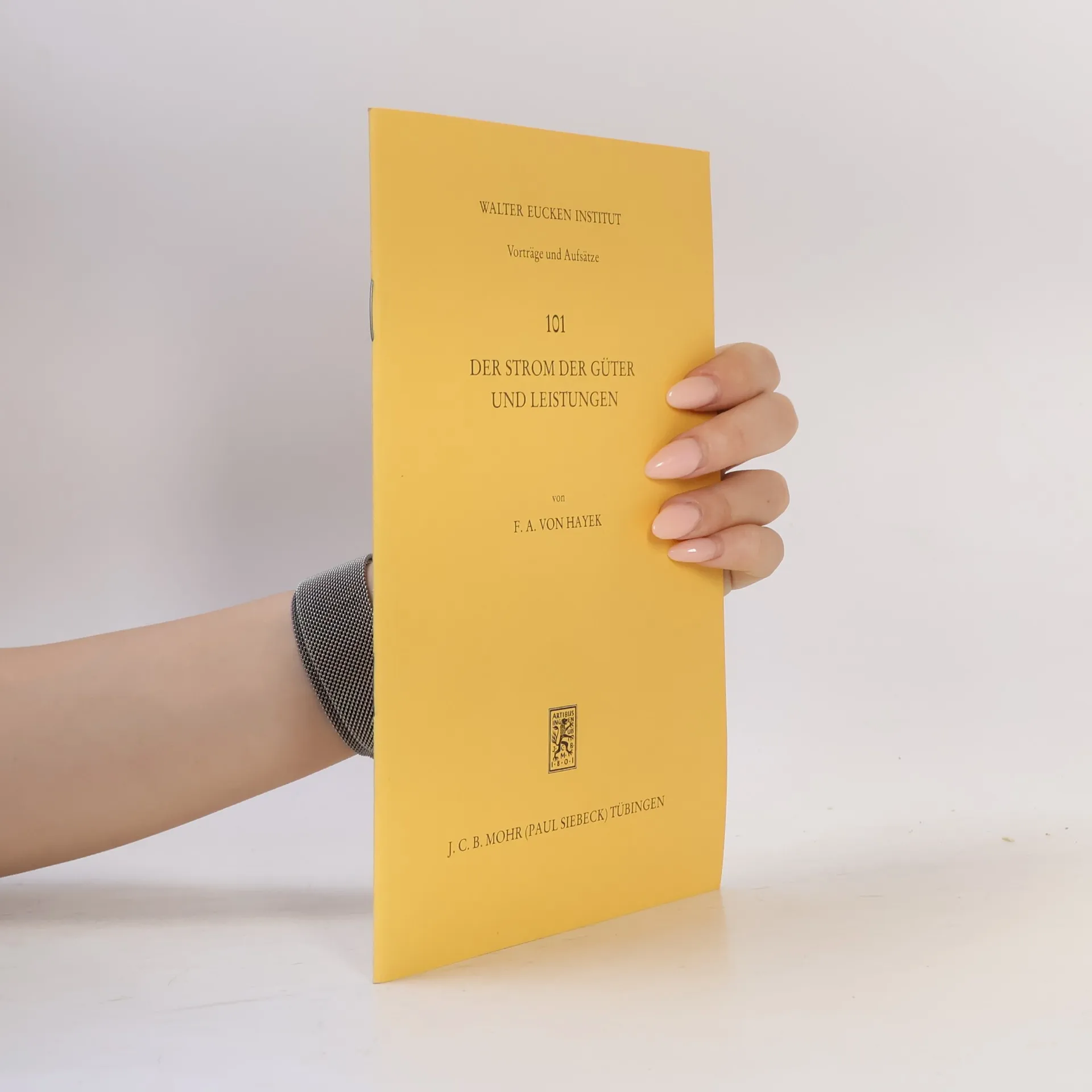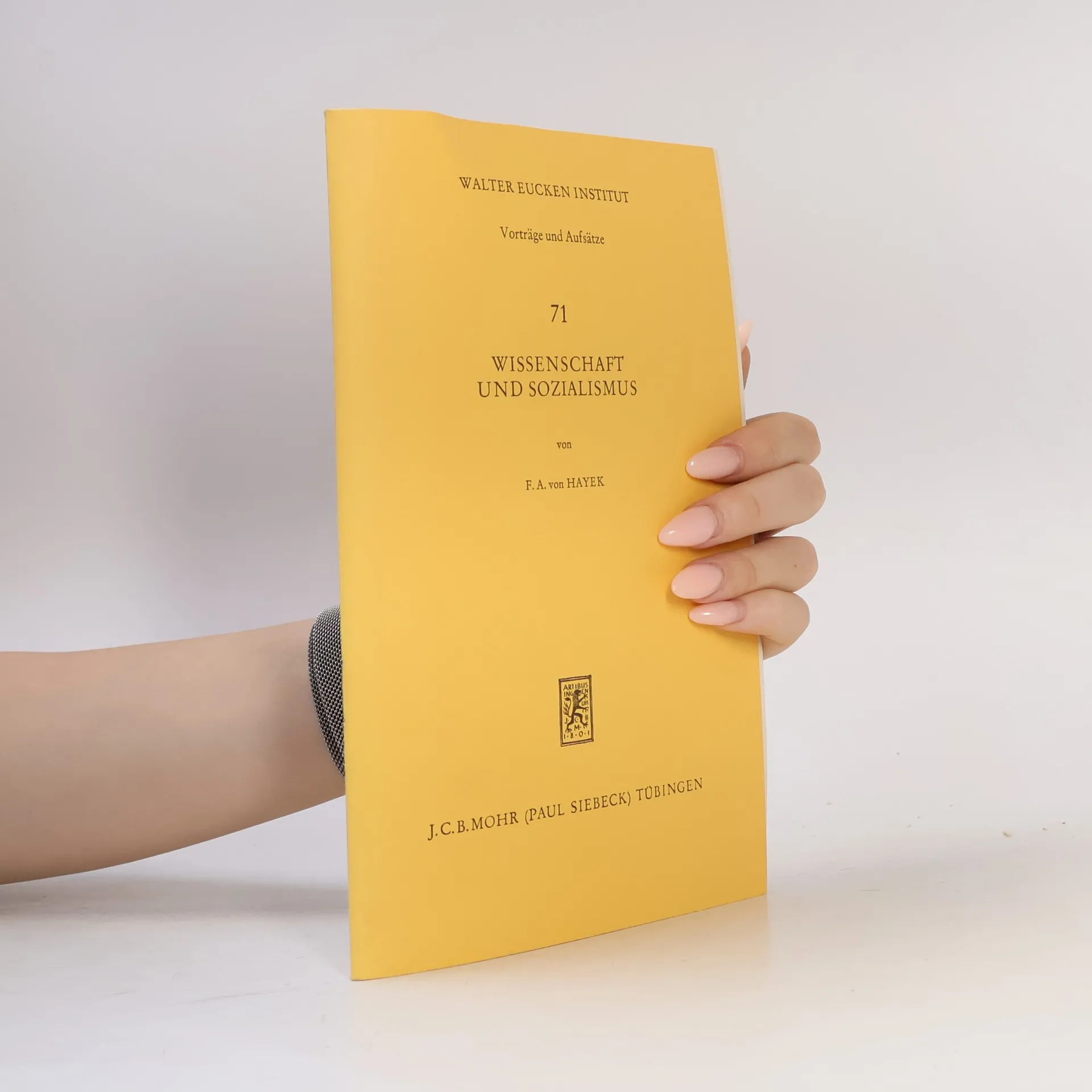



Friedrich August von Hayek was an Austrian and British economist and philosopher renowned for his defense of classical liberalism and free-market capitalism against socialist and collectivist thought. He is considered one of the most important economists and political philosophers of the twentieth century. His account of how changing prices communicate signals enabling individuals to coordinate their plans is widely regarded as a significant achievement in economics. Hayek also explored jurisprudence, neuroscience, and the history of ideas, emphasizing the power of individual liberty and market mechanisms in societal organization.
Essays on Austrian Economics and the Ideal of Freedom
As Hayek reminds us, the cornerstone of modern economics -theory of value and price- 'represents a consistent continuation of the fundamental principles handed down by the Vienna school.'Here, in this modern collection of essays on the Australian school by one of its preeminent figures, is the genesis of this tradition and its place in intellectual history.Freedom, Hayek writes survives only when people chose to learn the lessons of economic and social theory.

Focusing on the theory of mind, the book presents Hayek's groundbreaking ideas on how mental mechanisms classify perceptions beyond physical laws. Initially overlooked by psychologists and social scientists, it is now recognized as crucial for comprehending Hayek's broader contributions. This edition includes the original 1952 text alongside supplementary essays and a 1920 student paper that outlines the foundational concepts later expanded in his seminal work.
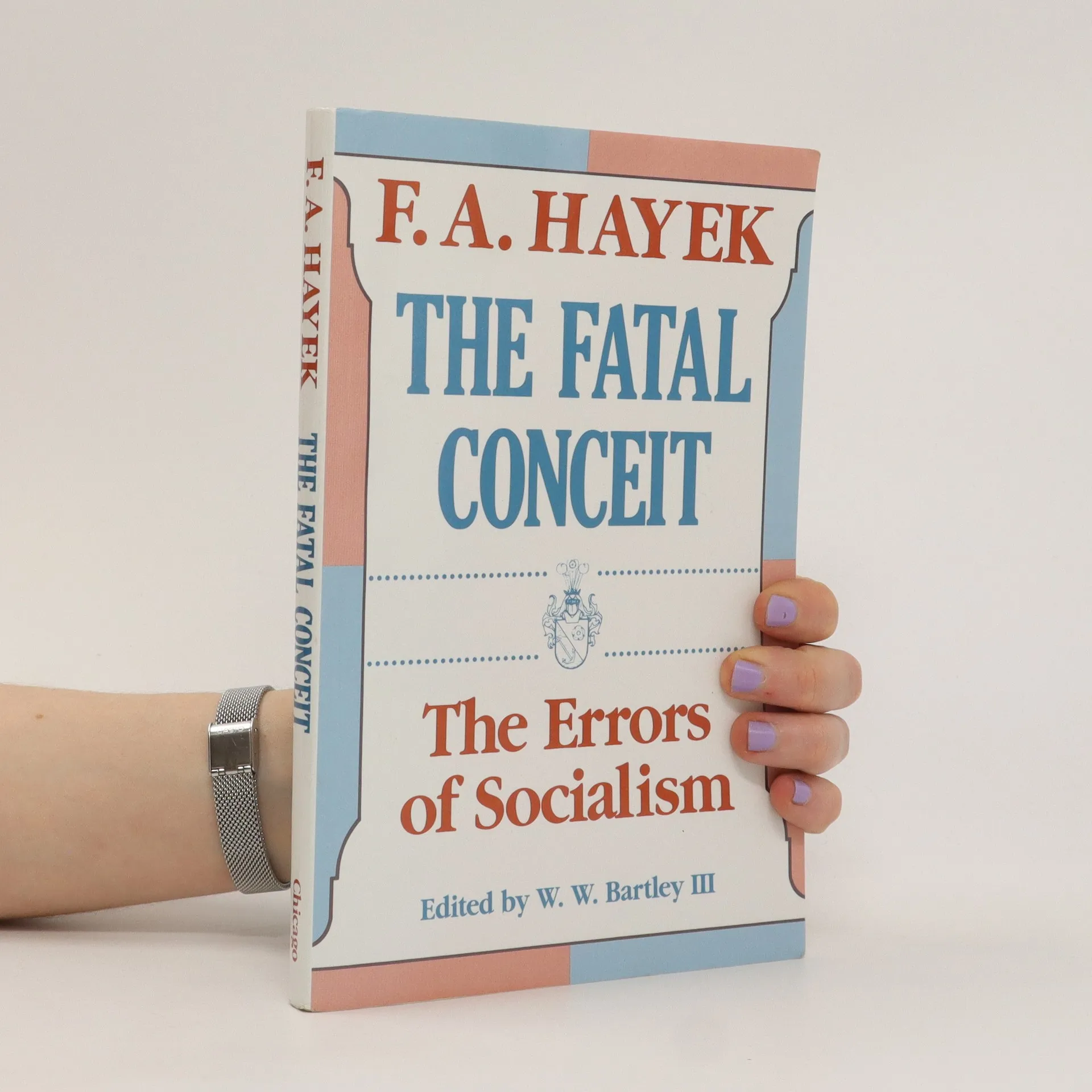
Hayek gives the main arguments for the free-market case and presents his manifesto on the "errors of socialism." Hayek argues that socialism has, from its origins, been mistaken on factual, and even on logical, grounds and that its repeated failures in the many different practical applications of socialist ideas that this century has witnessed were the direct outcome of these errors. He labels as the "fatal conceit" the idea that "man is able to shape the world around him according to his wishes." "The achievement of The Fatal Conceit is that it freshly shows why socialism must be refuted rather than merely dismissed—then refutes it again."—David R. Henderson, Fortune. "Fascinating. . . . The energy and precision with which Mr. Hayek sweeps away his opposition is impressive."—Edward H. Crane, Wall Street Journal F. A. Hayek is considered a pioneer in monetary theory, the preeminent proponent of the libertarian philosophy, and the ideological mentor of the Reagan and Thatcher "revolutions."
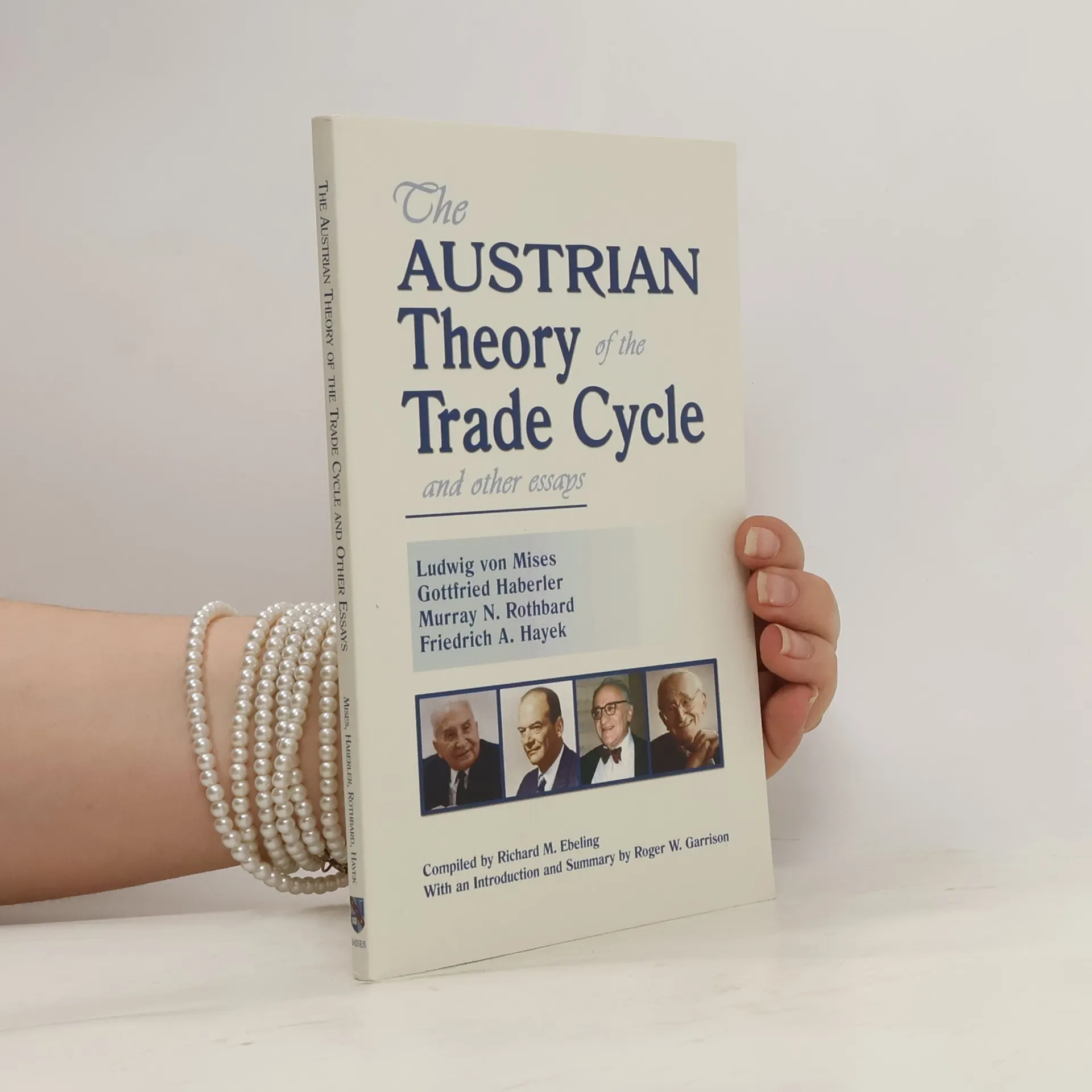
Booms and busts are not endemic to the free market, argues the Austrian theory of the business cycle, but come about through manipulation of money and credit by central banks. In this monograph, Austrian giants explain and defend the theory against alternatives. Includes essays by Mises, Rothbard, Haberler, and Hayek. In his later years, Professor Haberler distributed many of these monographs to friends and associates. New edition with an introduction by Roger Garrison and an index.
Twenty years ahead of its time, Hayek's thinking has become the stuff of economic orthodoxy in the twenty-first century and he remains a crucial voice in the debates about globalisation that are raging ever more passionately today.
An unimpeachable classic in political philosophy, intellectual and cultural history, and economics, this work has inspired and infuriated readers for decades. Originally published in 1944, it passionately warns against the dangers of state control over production. F. A. Hayek argues that collectivist policies empowering government with economic control would not lead to utopia, but rather to the horrors witnessed in Nazi Germany and fascist Italy. Over the past sixty years, it has established itself alongside the works of Alexis de Tocqueville, John Stuart Mill, and George Orwell for its exploration of the relationship between individual liberty and government authority.
This new edition is part of the Collected Works of F. A. Hayek series and features an introduction by series editor Bruce Caldwell, who discusses the book's origins, publishing history, and common misinterpretations of Hayek's ideas. Caldwell has standardized and corrected references and included new explanatory notes. Additionally, the volume is supplemented with an appendix of related materials, including prepublication reports and forewords by notable figures such as John Chamberlain and Milton Friedman. This edition serves as the definitive version of Hayek's enduring masterwork.
Contains two essays that recollect the author's time at the London School of Economics in the 1930s, followed by his contribution to an early debate about the paradox of saving. This title reprints the debates between the author and one of the world's leading economists, John Maynard Keynes in Economics in the early 1930s.
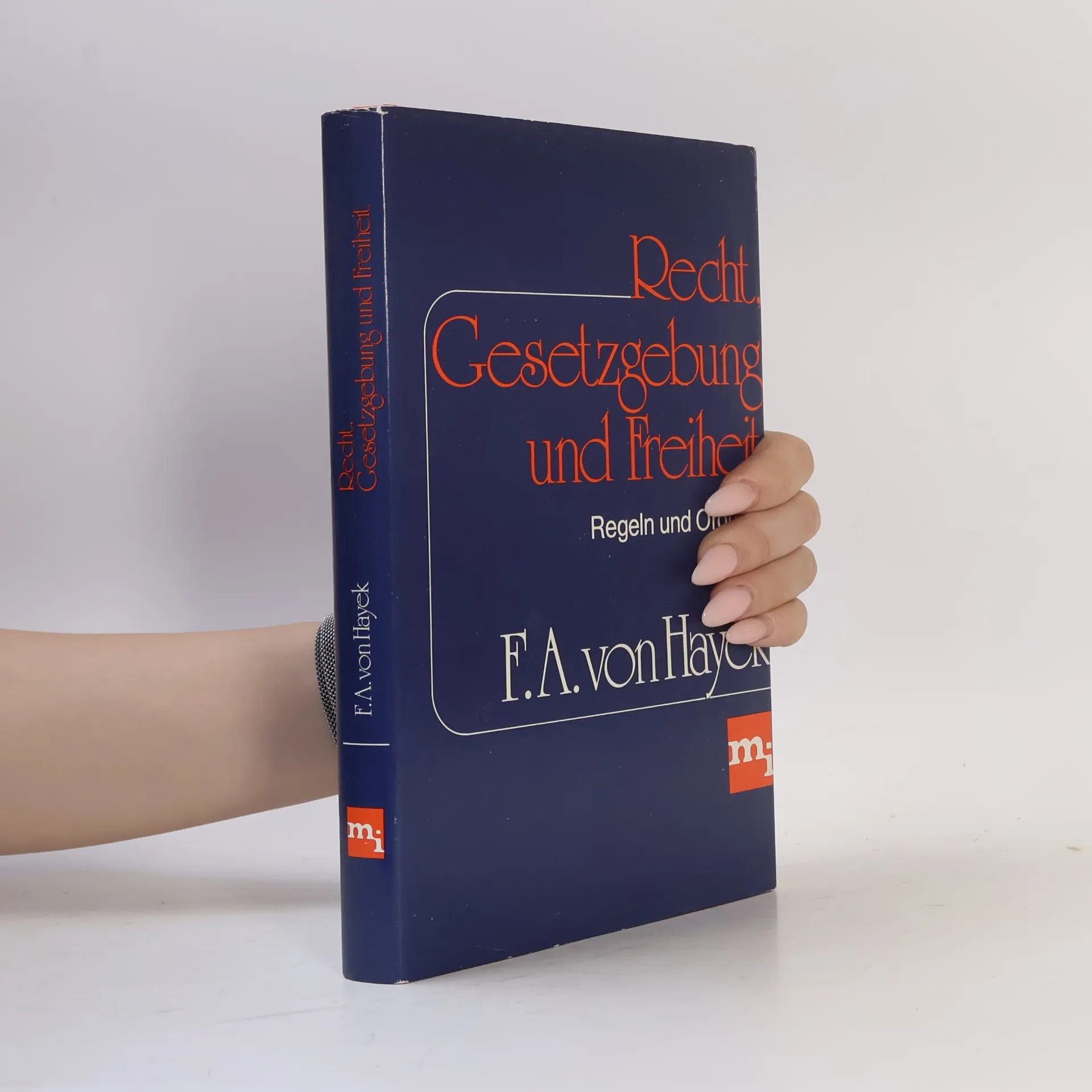
Law, Legislation and Liberty is Hayek's major statement of political philosophy and one of the most ambitious yet subtle defences of a free market society ever written. A robust defence of individual liberty, it is crucial for understanding Hayek's influential views concerning the role of the state. First published in three separate volumes, this Routledge Classics edition makes one of his most important books available in a single volume. Essential reading for understanding the background to the recent world economic turmoil and financial crisis, it also foreshadows the subsequent heated debate about regulation and political governance.
Presents the full text of "Capital and Interest," written by Eugen Bohm-Bawerk. The text is provided as part of the collection of online undergraduate course materials for the History of Economic Thought course offered by McMaster University's Department of Economics in Hamilton, Ontario, Canada.