
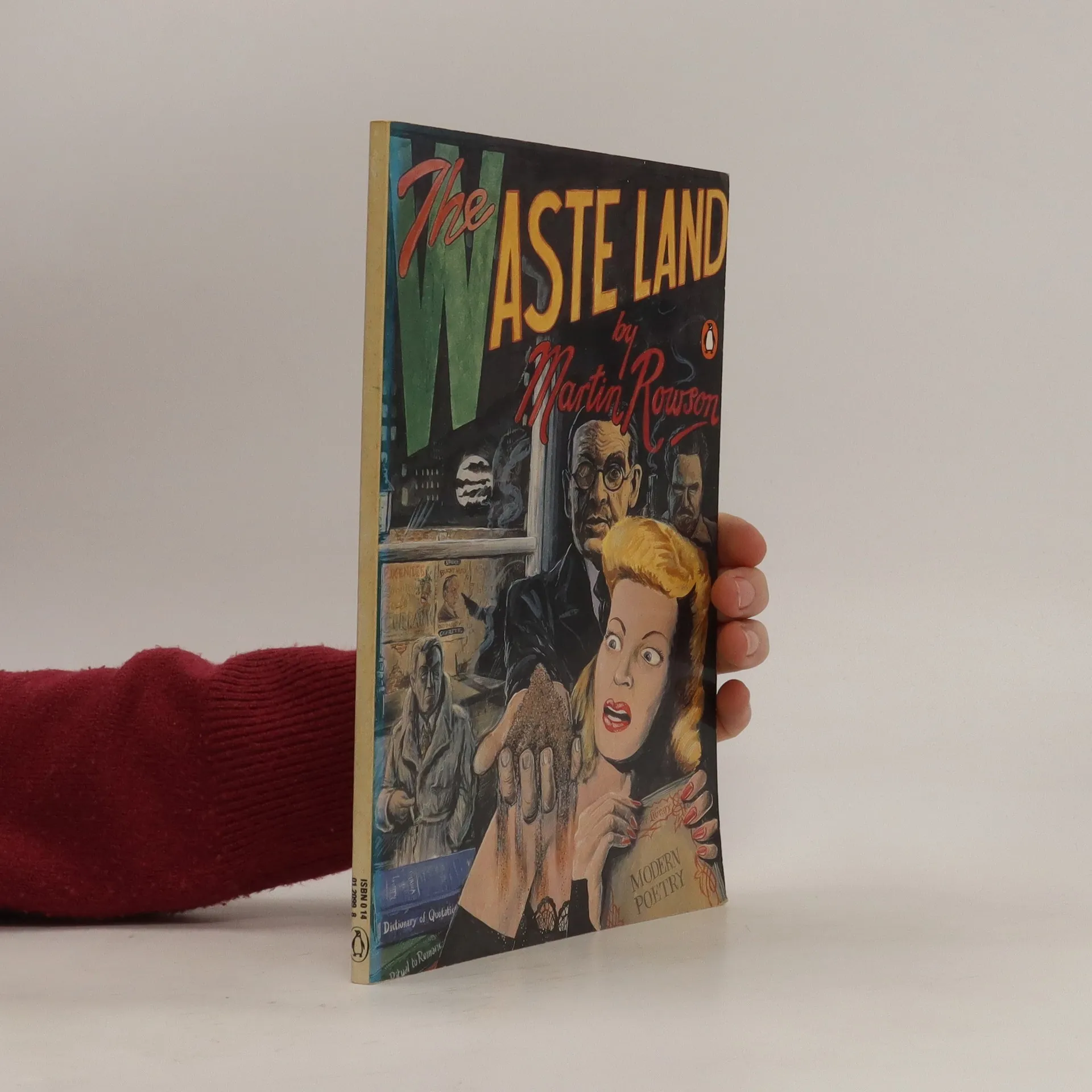
Martin Rowson is celebrated for his darkly humorous and often satirical narratives, frequently exploring themes of human folly and societal absurdities. His writing is distinguished by a sharp wit and a unique, often cynical, observational style that challenges conventional wisdom. Rowson's approach to storytelling is both intellectually stimulating and viscerally engaging, prompting readers to confront uncomfortable truths with a wry smile. He possesses a singular voice that merges profound insights with an unapologetic, irreverent perspective.
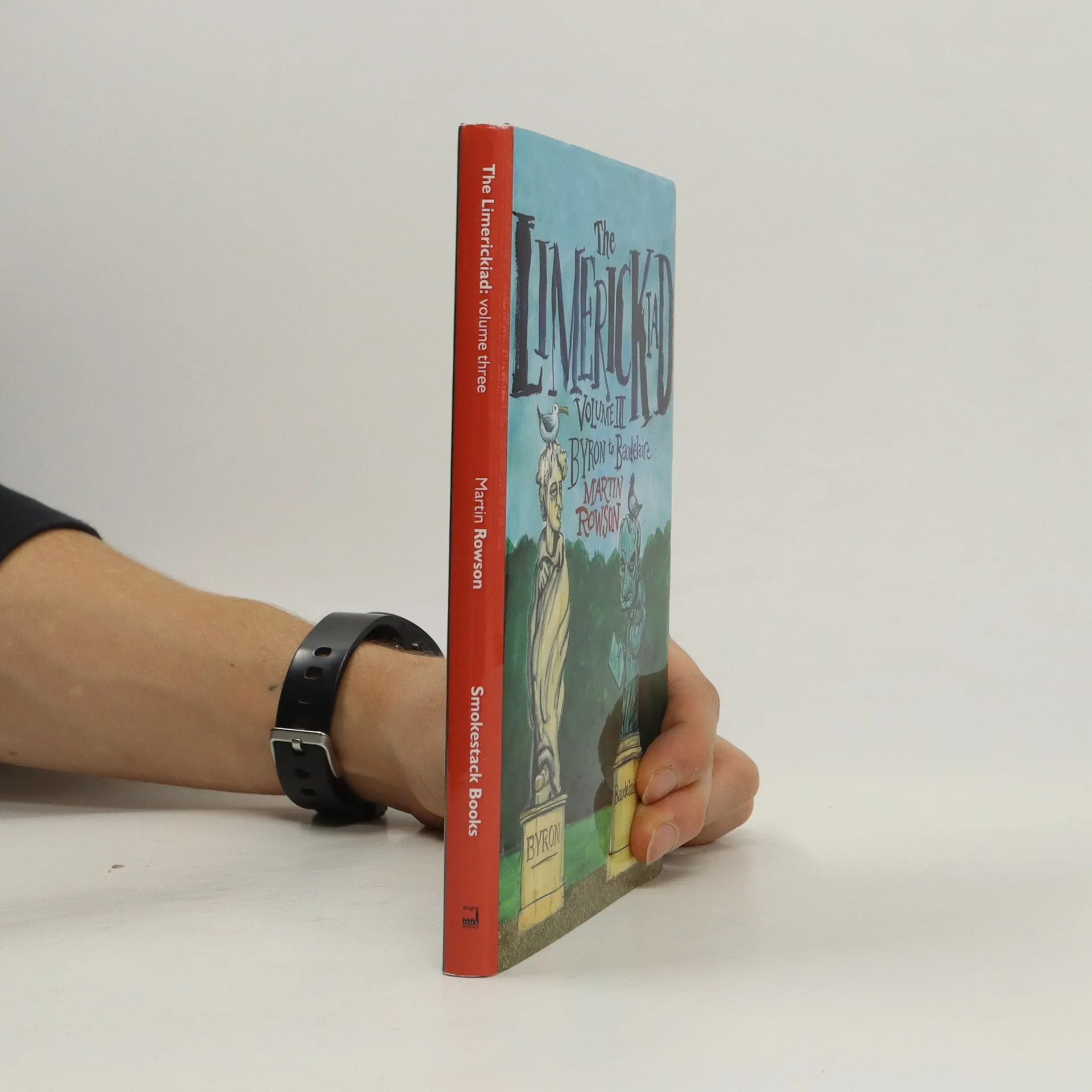
Witty and tongue-in-cheek, over the past five years Martin Rowson's limericks and cartoons have retold the story of world literature, appearing each week in the Independent on Sunday. Now collected together, 'The Limerickiad' takes us from John Donne to Jane Austen, showcasing the author's reverence for texts.
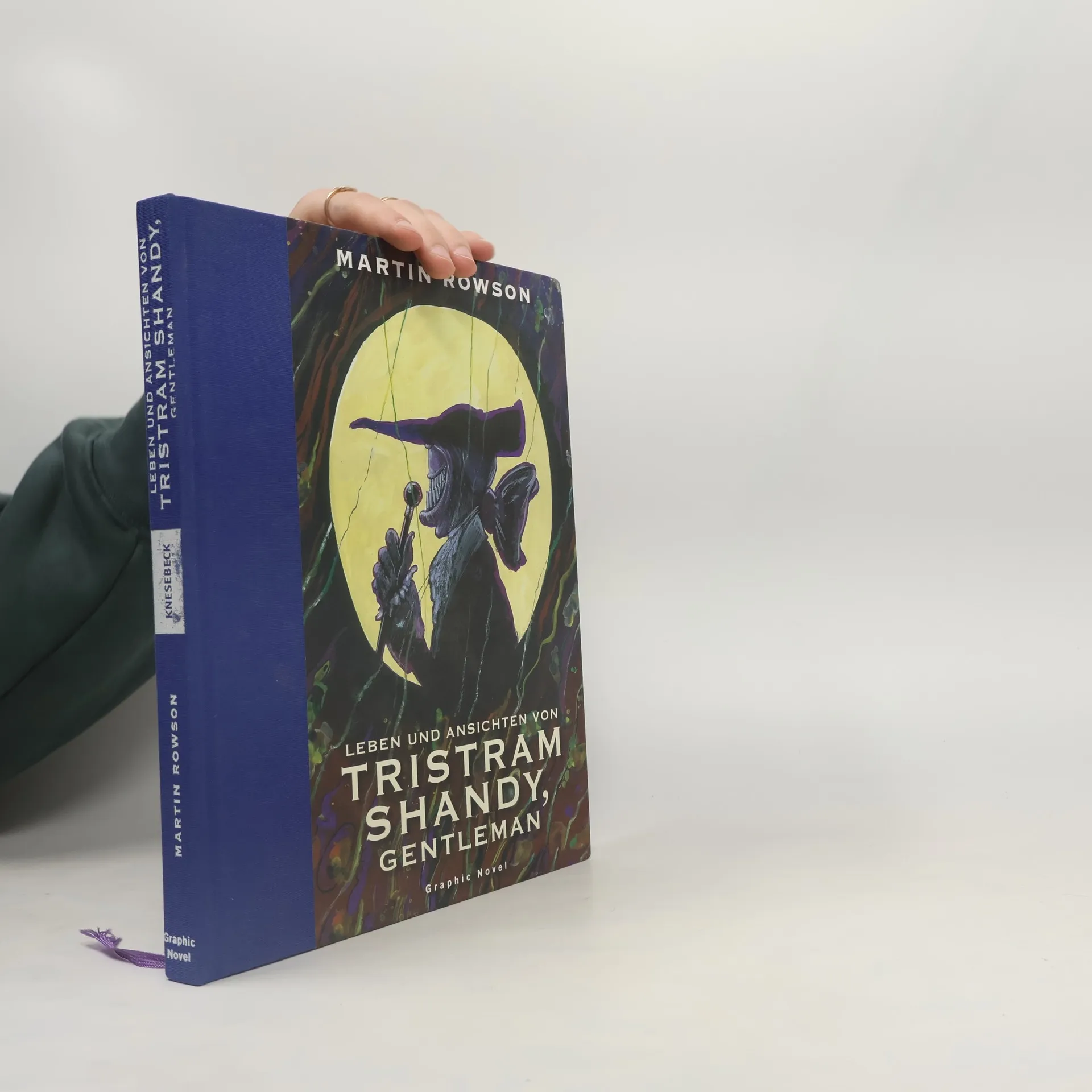
Nicht nur Goethe war von Tristram Shandy – der fiktiven Autobiografie eines Mannes, die auf fast 1000 Seiten kaum über dessen Geburt hinauskommt – begeistert, auch Sigmund Freud und Thomas Mann waren leidenschaftliche Sterne-Leser. Wie kein anderes satirisches Werk des 18. Jahrhunderts hat Laurence Sternes Tristram Shandy die deutsche und die internationale Literatur beeinflusst. Martin Rowson hat diesen überbordenden Klassiker des hintergründigen Humors als kongeniale Graphic Novel umgesetzt. Nun erscheint sein Meisterwerk endlich auf Deutsch. Laurence Sternes 'Lies, lies, lies, lies, mein ungelehrter Leser, lies!' folgt nun auch ein 'Schau'!
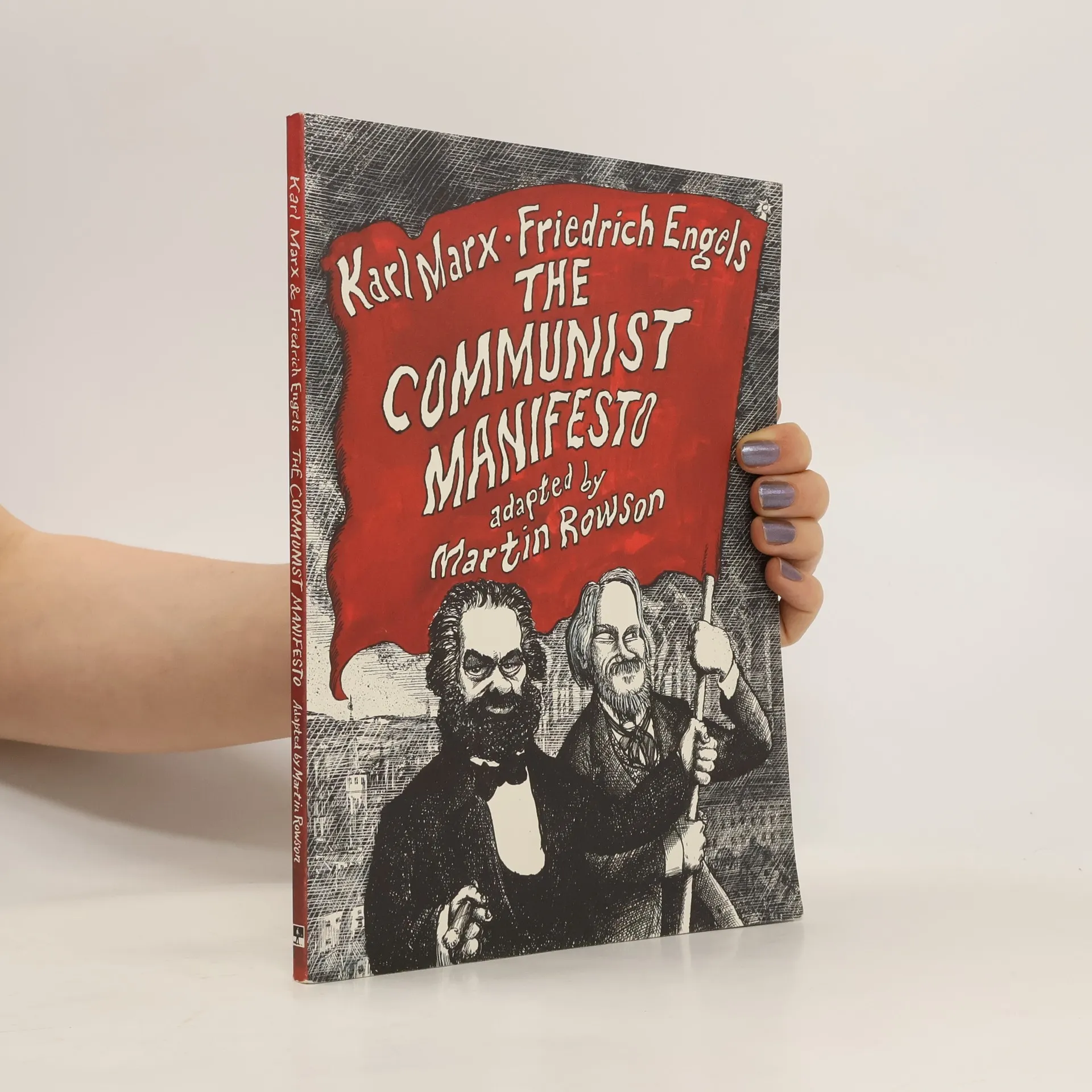
With an introduction by Dr. Laurence Marlow. A spectre is haunting Europe (and
the world). Not, in the twenty-first century, the spectre of communism, but
the spectre of capitalism. Marx's prediction that the state would wither away
of its own accord has proved inaccurate, and he did not foresee the tyrannies
which have ruled large parts of the globe in his name. Indeed, he would have
been appalled if he had witnessed them. But his analysis of the evils and
dangers of raw capitalism is as correct now as when it was written, and some
of his suggestions (progressive income tax, abolition of child labour, free
education for all children) are now accepted with little question. In a world
where capitalism is no longer held in check by fear of a communist
alternative, The Communist Manifesto (with Socialism Utopian and Scientific,
Engels's brief and clear exposition of Marxist thought) is essential reading.
The Condition of the Working Class in England in 1844 is Engels's first, and
probably best-known, book. With Henry Mayhew's London Labour and the London
Poor, it was and is the outstanding study of the working class in Victorian
England.