This author gained renown primarily as a biographer, focusing on pivotal figures in American history and culture. His profound interest in heroes and their legacies shines through in his insightful portrayals. Serving as the general editor of Bartlett's Familiar Quotations, he demonstrated a masterful command of language and its historical resonance.
In Pocket Aristotle the author, Justin D. Kaplan brings to life selections from Aristotle. Included in this edition are the most widely read, studied, and quoted works of the great philosopher. The editor's notes give the reader a convenient and concise review of each work.
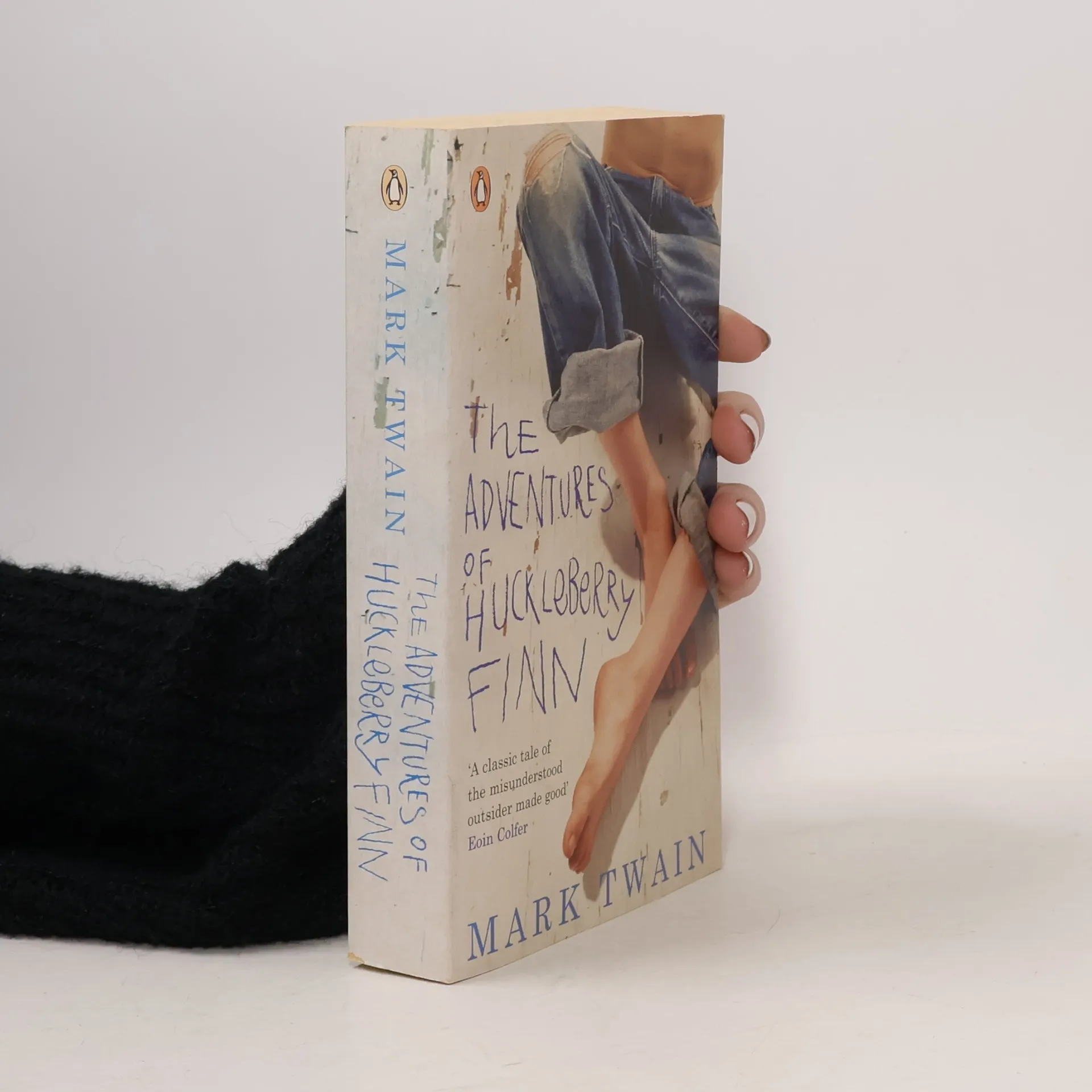
Wild child Huck has to get away. His violent drunk of a father is back in town again, raising Cain. He won�t rest until he has Huck�s money. So the enterprising boy fakes his own death and sets out in search of adventure and freedom. Teaming up with Jim, an escaped slave with a price on his head, the two fugitives go on the run, travelling down the wide Mississippi River. But Huck finds himself wrestling with his conscience. Should he save Jim, or turn his friend over to a terrible fate? .
Traces the lives of cousins William Waldorf Astor and John Jacob Astor IV, rivals who pursued separate ambitions, built the original Waldorf-Astoria hotel, and influenced social behavior before John Jacob perished aboard the Titanic.
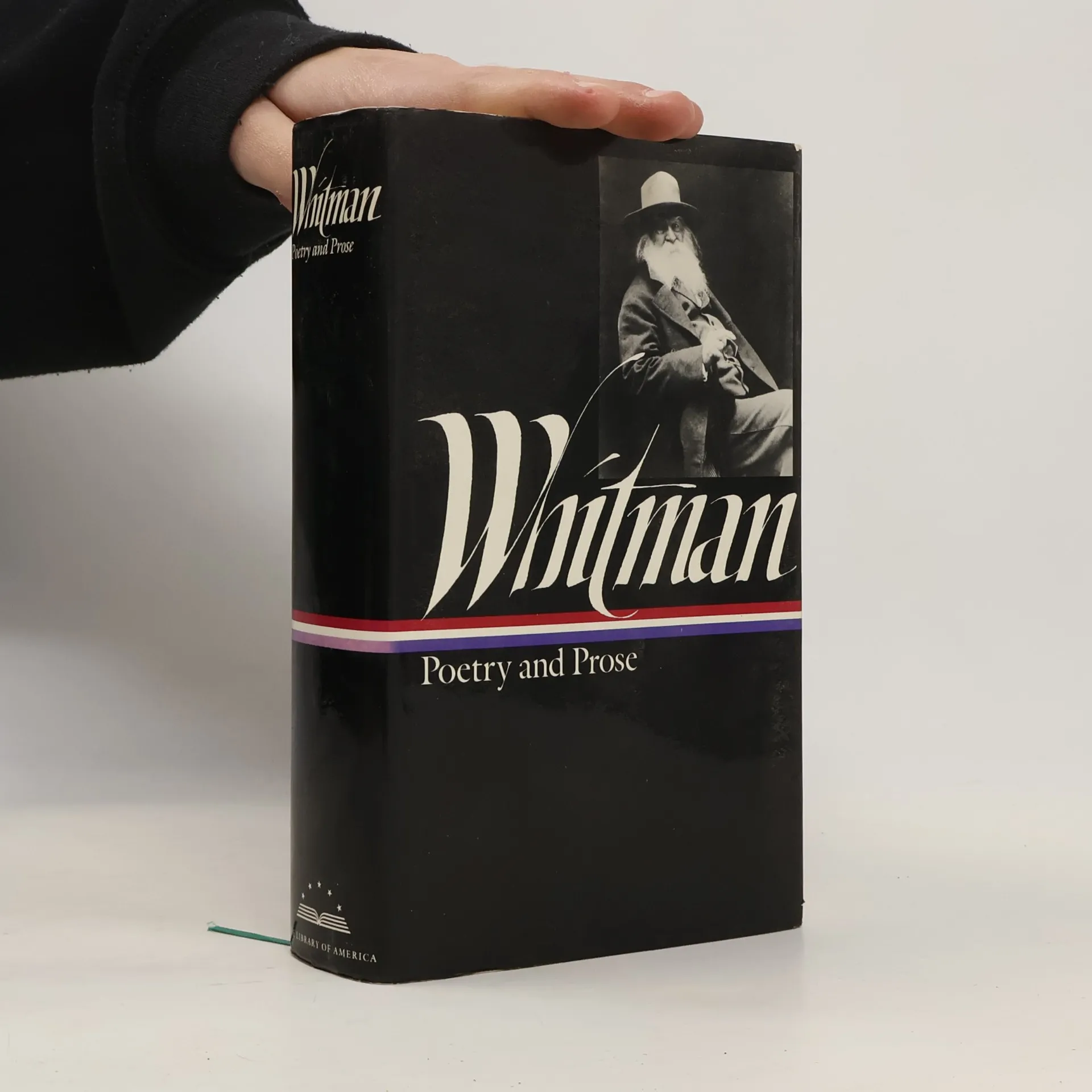
This Library of America edition is the most comprehensive volume of the work of Walt Whitman ever published. It includes all of his poetry and what he considered his complete prose. It is also the only collection that includes, in exactly the form in which it appeared in 1855, the first edition of Leaves of Grass . This was the book, a commercial failure, which prompted Emerson’s famous message to Whitman: “I greet you at the beginning of a great career.” These twelve poems, including what were later to be entitled “Song of Myself” and “I Sing the Body Electric,” and a preface announcing the author’s poetic theories, were the first stage of a massive, lifelong work. Six editions and some thirty-seven years later, Leaves of Grass had become one of the central volumes in the history of world poetry.