Galileo Galilei was a pivotal figure in the Scientific Revolution, whose work in physics, mathematics, and astronomy fundamentally altered our understanding of the cosmos. He improved the telescope, enabling groundbreaking astronomical observations, and boldly championed the heliocentric model of the solar system. His studies of motion and celestial phenomena, including the phases of Venus and Jupiter's moons, earned him recognition as the father of modern astronomy and physics. Despite the controversies and personal hardships his discoveries engendered, Galileo laid the foundations for modern scientific thought.
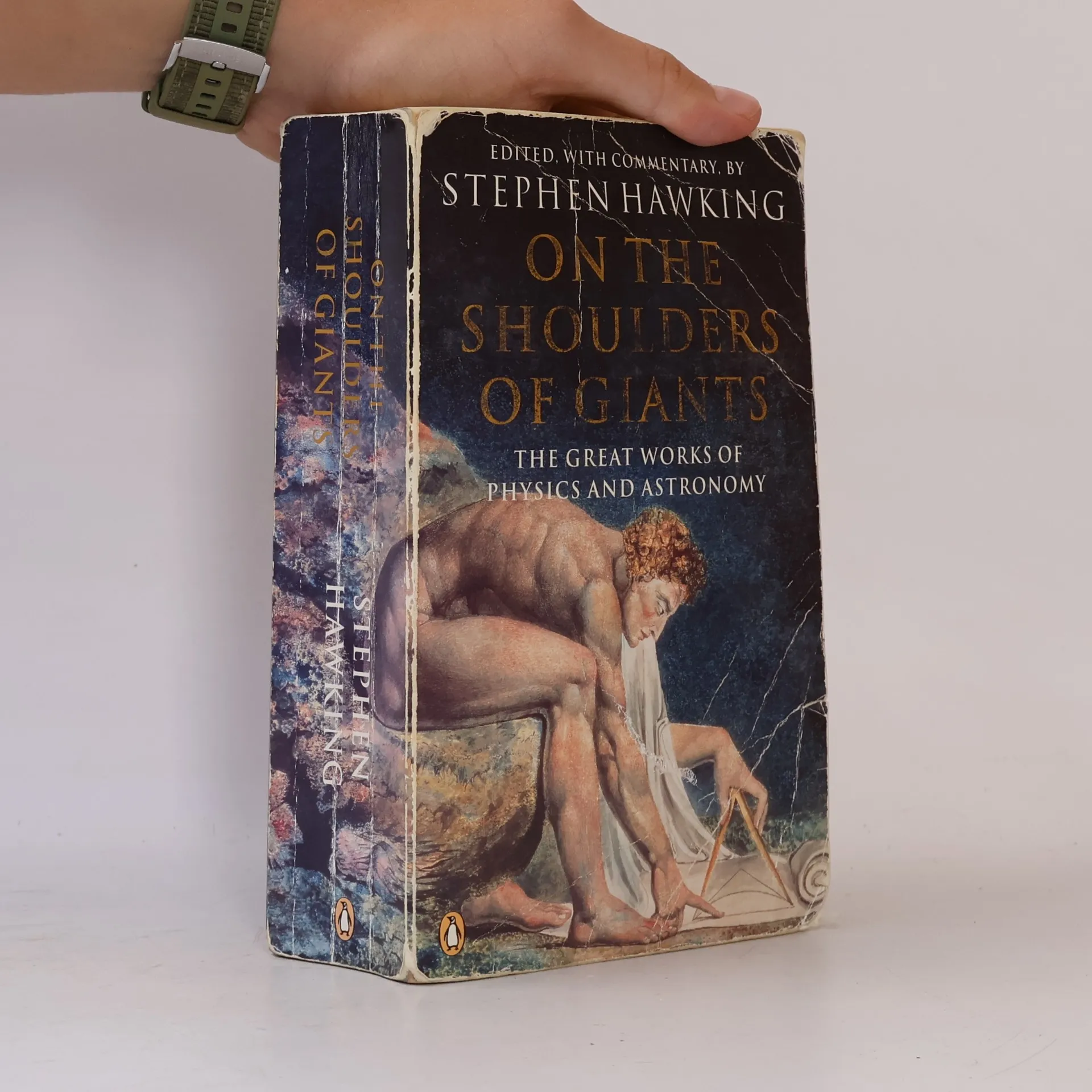
Stephen Hawking explains how such great men of science as Copernicus, Galileo, Kepler, Newton and Einstein built on the discoveries of those who came before them, and how these works changed the course of science, ushering astronomy and physics out of the Middle Ages and into the modern world.
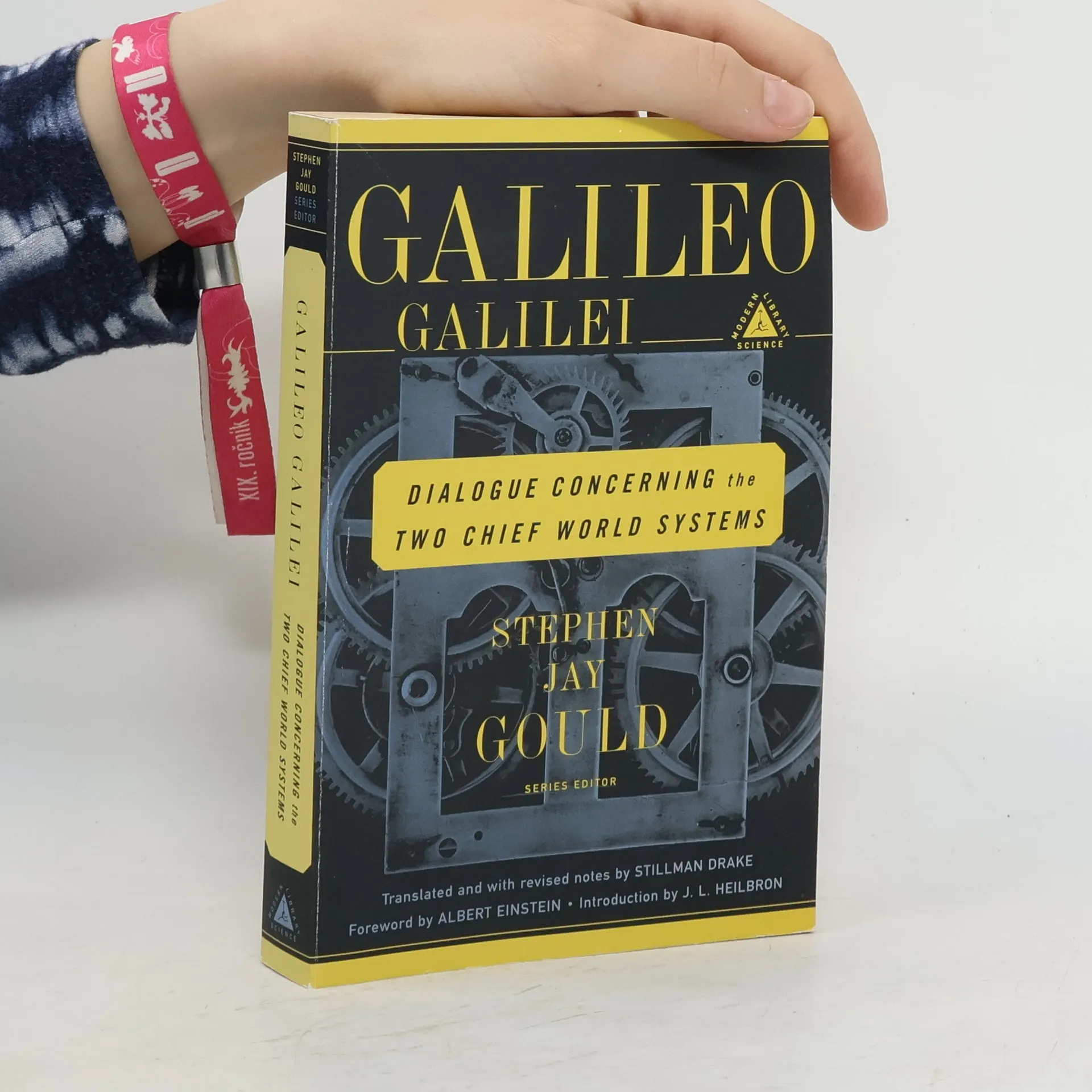
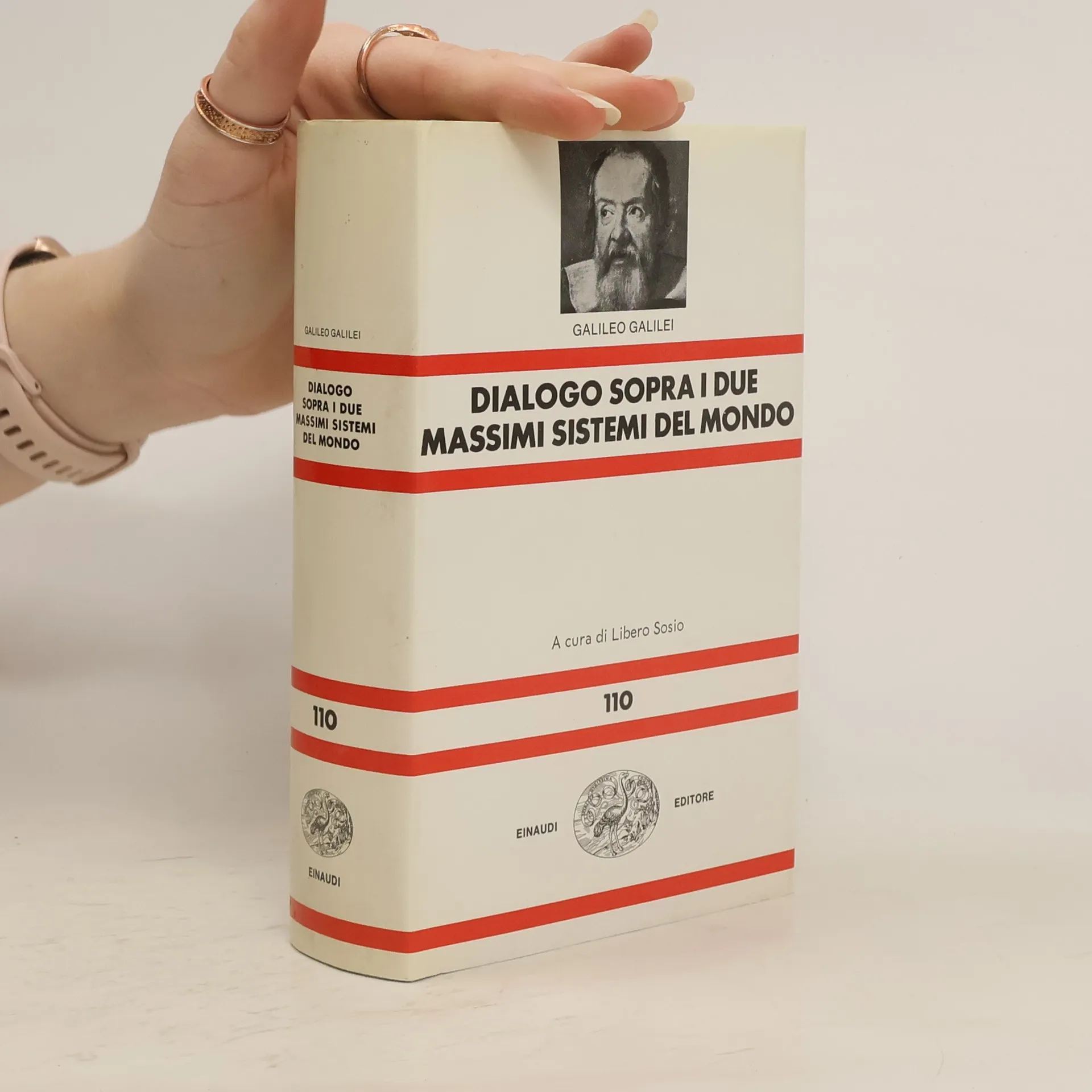
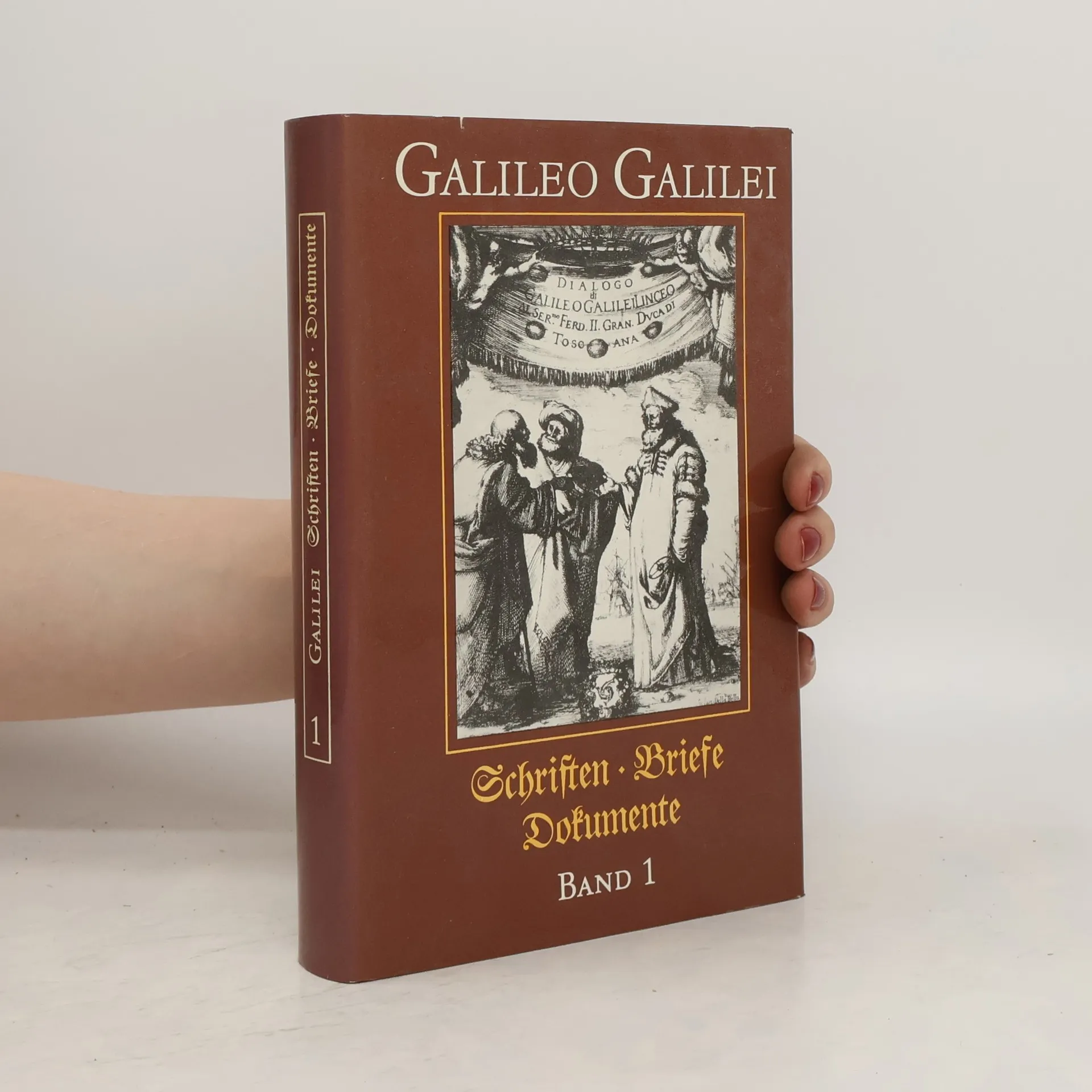
Presents Galileo's scientific treatise, originally published in 1632, in which he uses the dialogue form to argue the truth of the Copernican system over the Ptolemaic, proving that the Earth revolves around the sun
This generous selection from Galileo's writings contains all the essential texts. Newly translated by Mark Davie and William R. Shea, the contents include full representation from his scientific masterpieces, his contributions to the debate on science and religion, and key documents from his trial before the Inquisition in 1633.
Directing his polemics against the pedantry of his time, Galileo, as his own popularizer, addressed his writings to contemporary laymen. His support of Copernican cosmology, against the Church's strong opposition, his development of a telescope, and his unorthodox opinions as a philosopher of science were the central concerns of his career and the subjects of four of his most important writings. Drake's introductory essay place them in their biographical and historical context.
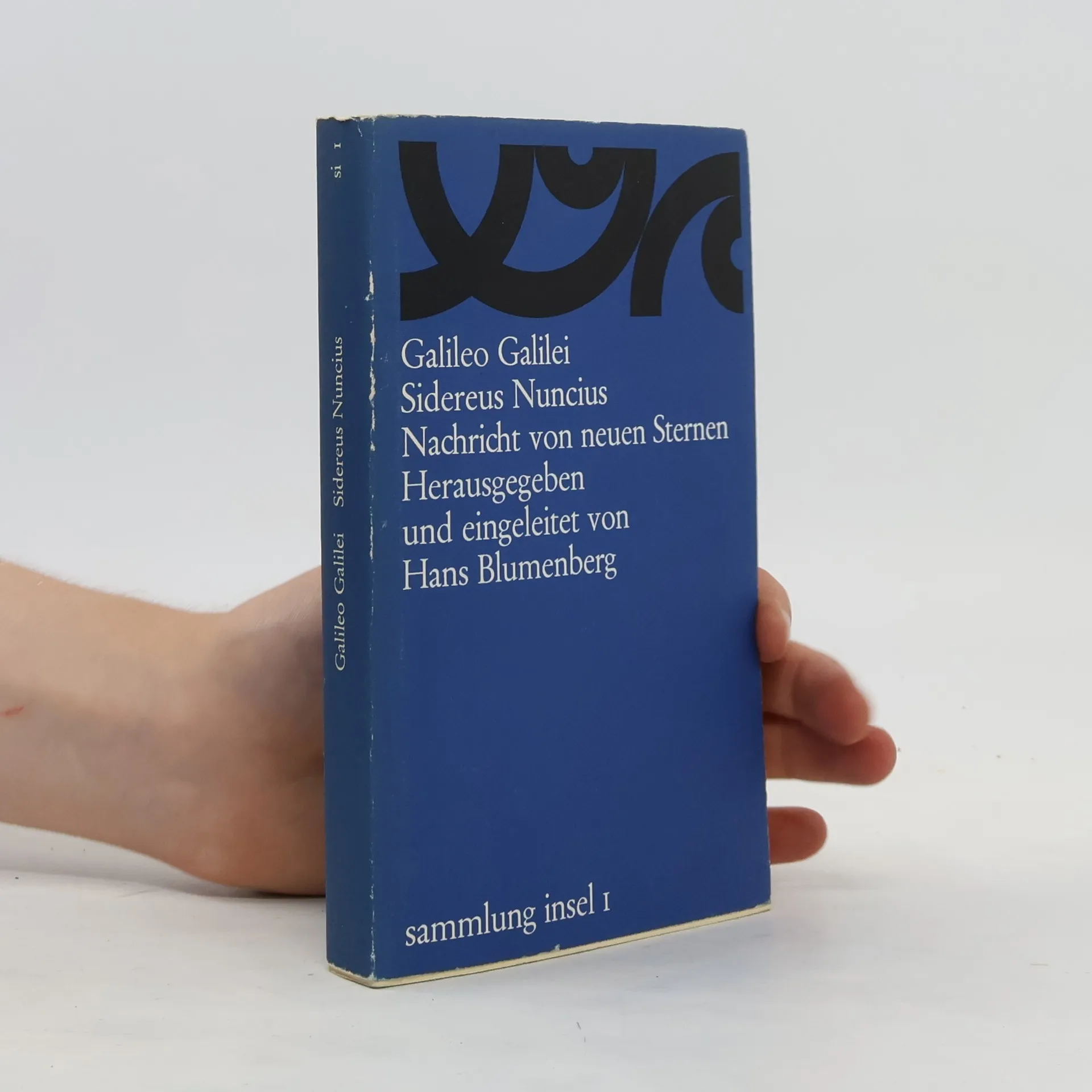
Sidereus Nuncius ist diejenige Schrift Galileis, in der er seine Beobachtungen
mit dem kurz zuvor in Holland erfundenen Fernrohr mitteilt. Erst mit diesem
neuen Gerät konnte er die rauhe Mondoberfläche, die Vielzahl der Sterne des
Orions, der Plejaden, der Milchstraße, die Auflösung von Sternennebeln in
viele Einzelsterne und die Jupitermonde beobachten. Diese Entdeckungen führten
dann zur Stützung des kopernikanischen Systems und zur Aufhebung der
Wesensverschiedenheit zwischen sublunarer und supralunarer Welt. In dem
einleitenden Essay von Hans Blumenberg wird die besondere Rolle des Fernrohrs
im Funktionszusammenhang von Wissenschaft und Technik deutlich gemacht. Die
Anwendung technischer Vorrichtungen bedeutet bei Galilei nicht mehr ein
Handeln wider die Natur, sondern mit ihr. Technische Mittel nehmen daher auf
legitime Weise teil an der Naturgesetzlichkeit.
Wo versteckt sich die größte Höhle der Welt? Warum wird aus Fischabfall ein populärer Energydrink? Was passiert, wenn das europäische Stromnetz zusammenbricht? Egal, ob Abenteuer, Technik, Natur, Gesundheit oder Food – seit 25 Jahren informiert das Wissensmagazin »Galileo« über alles, was uns in Staunen versetzt. Von überraschenden Ernährungsmythen und spektakulären Wissenschaftsphänomenen bis hin zum legendären Wasserrutschentest ist wahrlich für alle Wissbegierigen etwas dabei. Die packendsten Geschichten und spannendsten Facts aus den »Galileo«-Sendungen gibt es jetzt kompakt und garantiert kurzweilig in diesem Buch – es ist wunderbar aufschlussreich, bringt vollen Durchblick und bietet unerwartete Erklärungen.
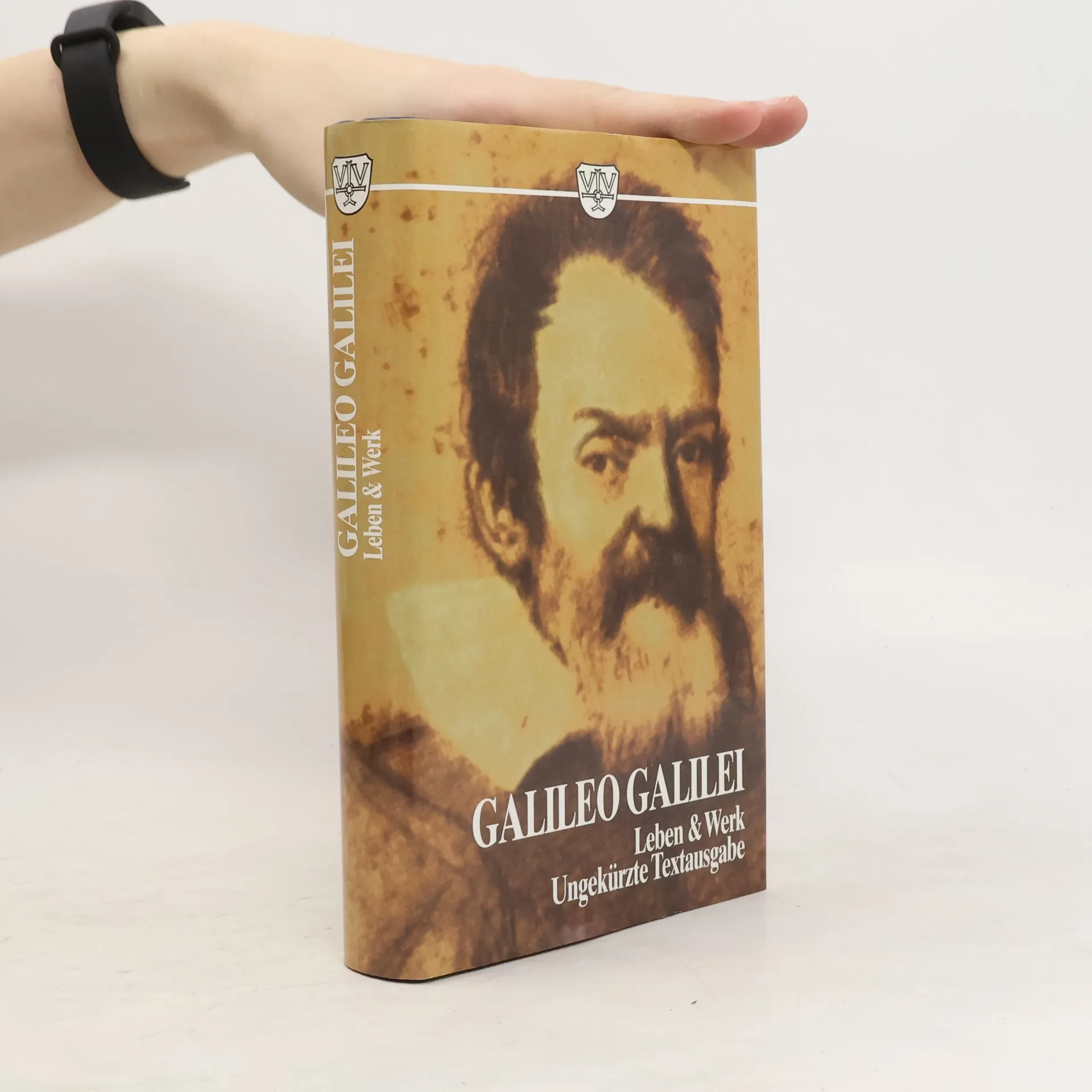
Michael Ochel, Beratung und Mitarbeit in naturwissenschaftlichen Fragen ; mit einem Beitrag von Gerhard Harig ; aus dem Italienischen, Lateinischen und Französischen übersetzt von Monika Köster.
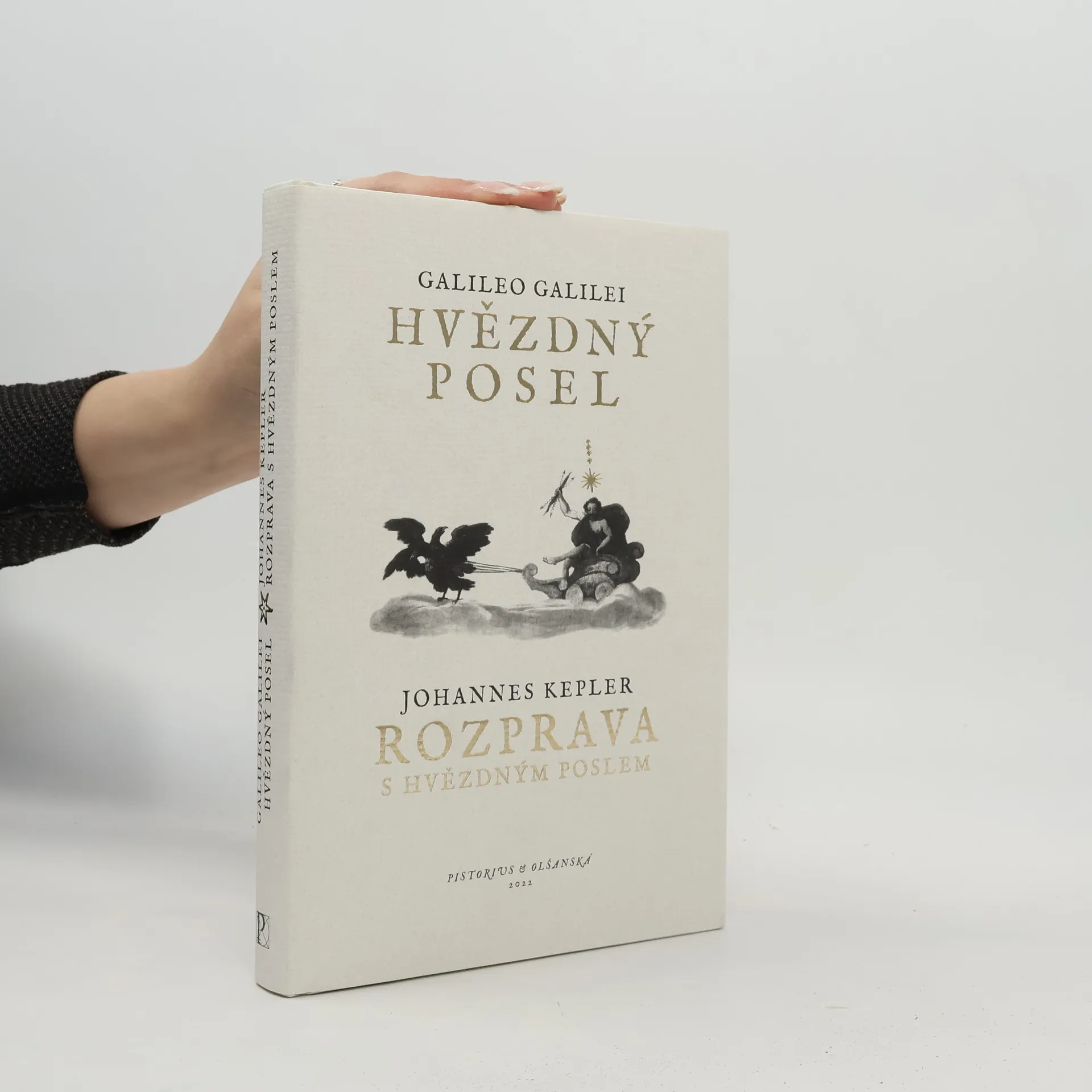
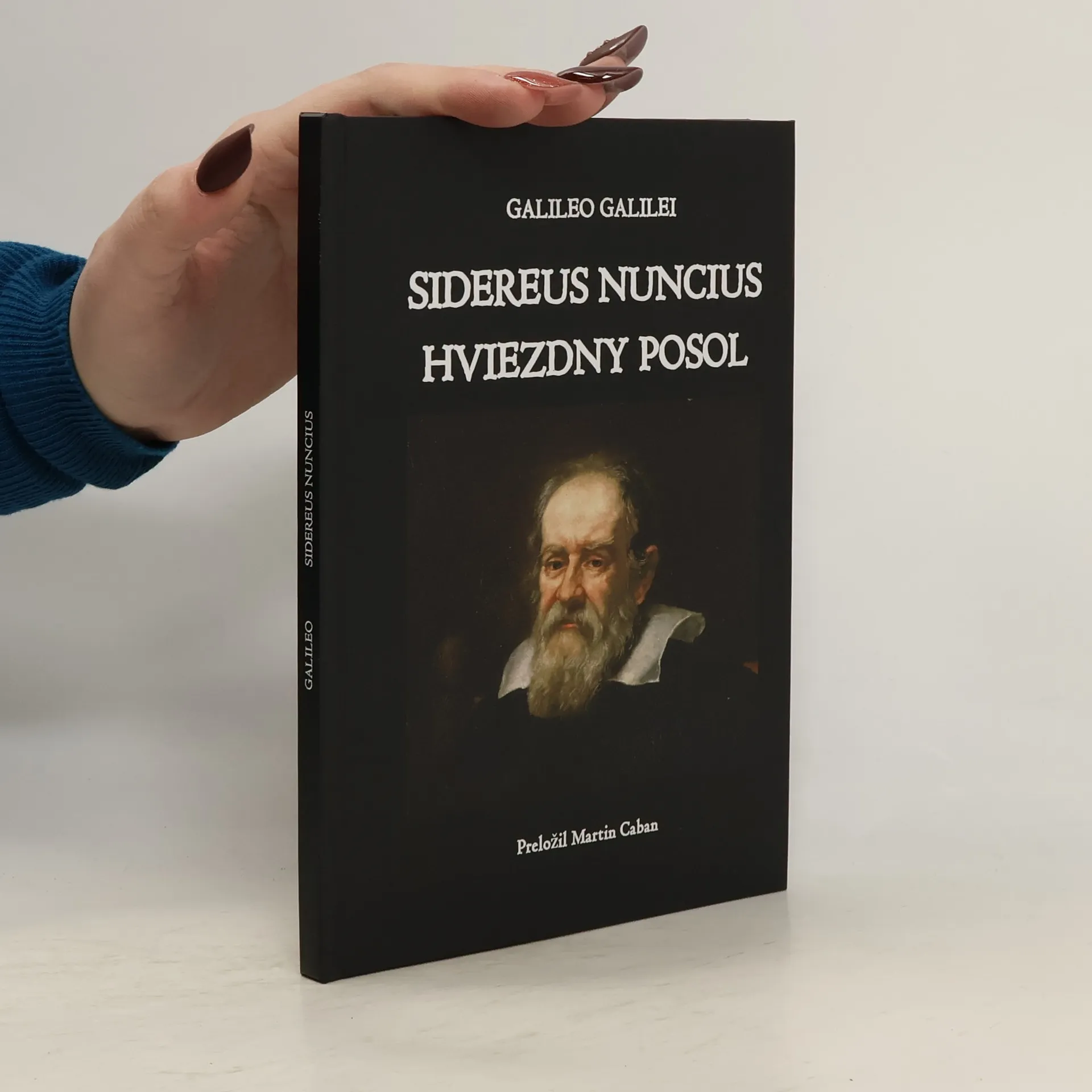
Na jaře roku 1610 vydal Galileo Galilei nevelký spisek Hvězdný posel, věnovaný florentskému vévodovi Cosimovi II. Medicejskému, v němž jako první popsal pozorování oblohy pomocí dalekohledu a oznámil objev Jupiterových měsíčků. Jeden výtisk poslal rovněž Johannesu Keplerovi, který záhy Galileovy zaslal obsáhlý dopis, v němž jeho objevy ocenil, a tuto svoji recenzi také pod jménem Rozprava s hvězdným poslem zveřejnil tiskem. Oba tyto útlé svazky, která výrazně vstoupily do dobové diskuse o kosmologickém uspořádání a které jsou i skvělou ukázkou renesanční stylistiky, patří mezi nejdůležitější astronomické práce všech dob. Kniha přináší jejich překlad spolu se zasvěceným komentářem, který osvětluje podstatu Galileových objevů, stejně jako jejich dobové souvislosti.
Na jaře roku 1610 vydal Galileo Galilei nevelký spisek Hvězdný posel, věnovaný florentskému vévodovi Cosimovi II. Medicejskému, v němž jako první popsal pozorování oblohy pomocí dalekohledu a oznámil objev Jupiterových měsíců. Jeden výtisk poslal rovněž Johannesu Keplerovi, který záhy Galileovi zaslal obsáhlý dopis, v němž jeho objevy ocenil, a tuto svoji recenzi také pod názvem Rozprava s Hvězdným poslem zveřejnil tiskem. Oba tyto útlé svazky, které výrazně vstoupily do dobové diskuse o kosmologickém uspořádání světa a které jsou i skvělou ukázkou renesanční stylistiky, patří mezi nejdůležitější astronomické práce všech dob. Kniha přináší jejich překlad spolu se zasvěceným komentářem, který osvětluje podstatu Galileových objevů, stejně jako jejich dobové souvislosti.
Z latinských originálů Siderus nuncius a Dissertatio cum Nuncio sidereo přeložila Alena Hadravová za odborné spolupráce Petra Hadravy.
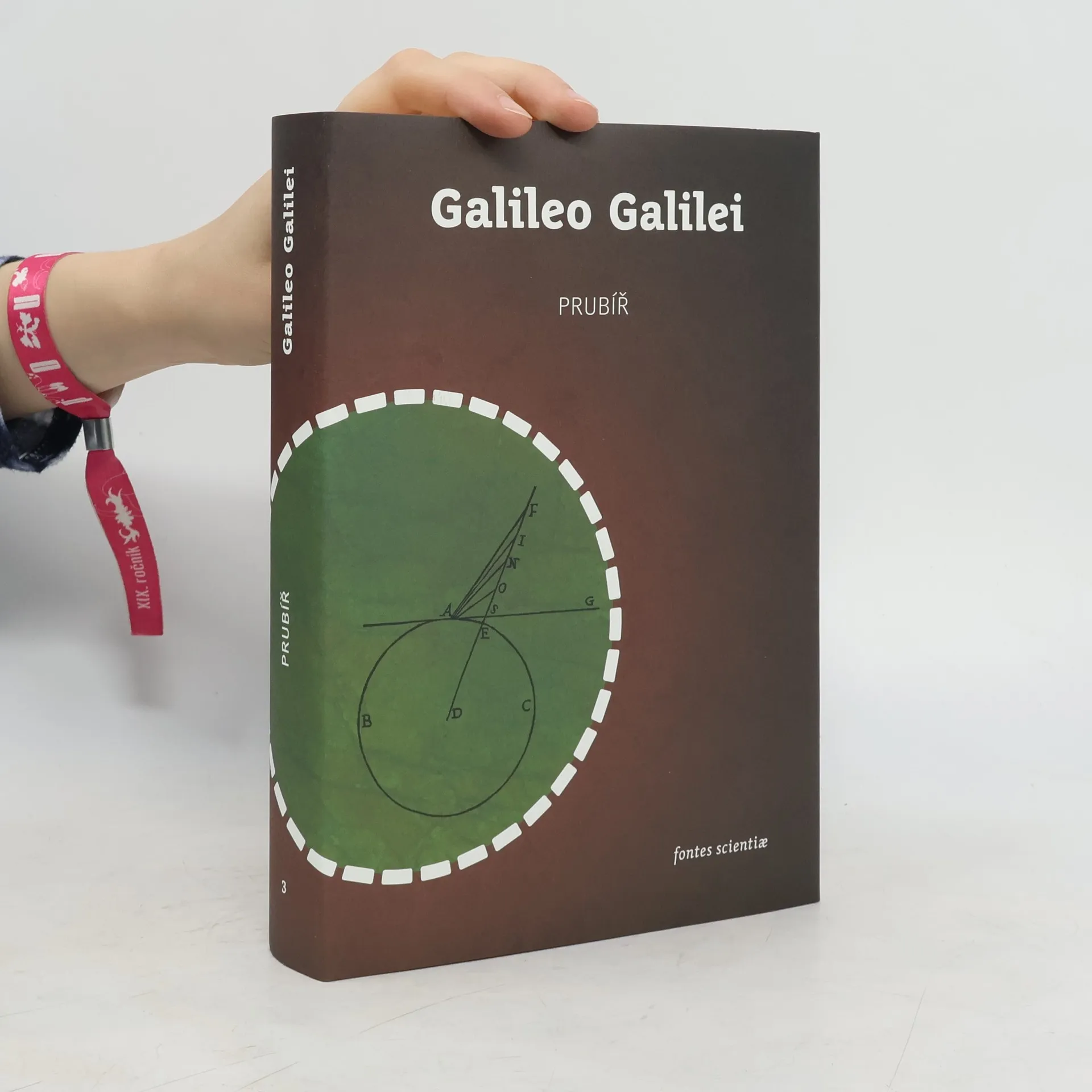
V knize Prubíř (1623) vede Galileo Galilei (1564–1642) rozhořčenou polemiku s jezuitským astronomem Oraziem Grassim, jehož dílo Váha filozofická a astronomická zde komentuje a vyvrací. Galileo se v Prubíři vášnivě pře s jezuitou, dobírá si ho a zesměšňuje ho – a přitom hájí mylnou teorii komet, protože komety prohlašuje za úkazy v atmosféře. I když Galileo v díle hájí chybné stanovisko, představuje Prubíř zajímavý dokument o vzniku novověké vědy. Hlavním tématem sporu sice byly komety, ale diskuse často vedla oba protagonisty k tomu, aby formulovali svoje názory na poznávání přírody. Prubíř se tedy kromě komet týká i dalších témat, jako je například metodologie vědeckého poznání, spolehlivost dalekohledů a lidských smyslů nebo rozsah lidského poznání přírody. Překlad Prubíře je doplněn dvěma studiemi, které přibližují filozofický a astronomický kontext vzniku díla.