In a race against time, humanity faces a new and imminent threat to Earth. As tensions rise and the clock ticks down, characters must confront formidable challenges and unite to avert disaster. The narrative explores themes of resilience, teamwork, and the fragility of existence, all set against a backdrop of high-stakes action and suspense. The urgency of the situation propels the story forward, keeping readers on the edge of their seats as they navigate this gripping tale of survival.
Steven Johnson Books
June 6, 1968
Steven Johnson explores the fascinating landscapes of innovation, invention, and the intricate ways ideas and technologies shape our world. His work delves into the unexpected trajectories of new concepts and the complex historical currents that lead to groundbreaking discoveries. Johnson's accessible and engaging style makes intricate ideas comprehensible, weaving together seemingly disparate events to reveal underlying patterns. He invites readers to contemplate the dynamics of progress and how the past illuminates our present and future.




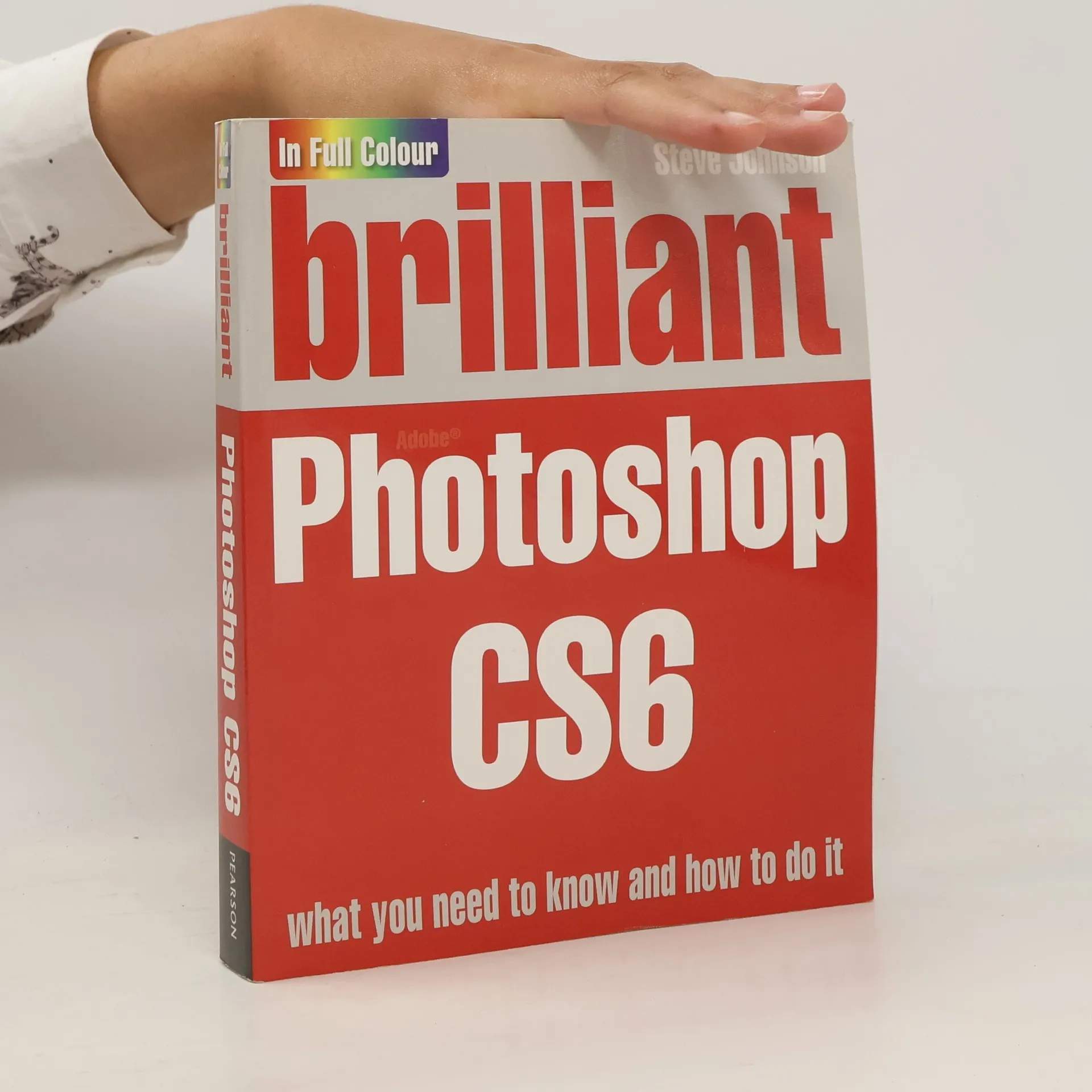
Brilliant Photoshop CS6
- 608 pages
- 22 hours of reading
Brilliant books provide quick and easy-to-access information. Features include:Detailed index & contents page Numbered step-by-step tasks Visual full colour screenshots Expert tips, tricks & advice Practical troubleshooting guide
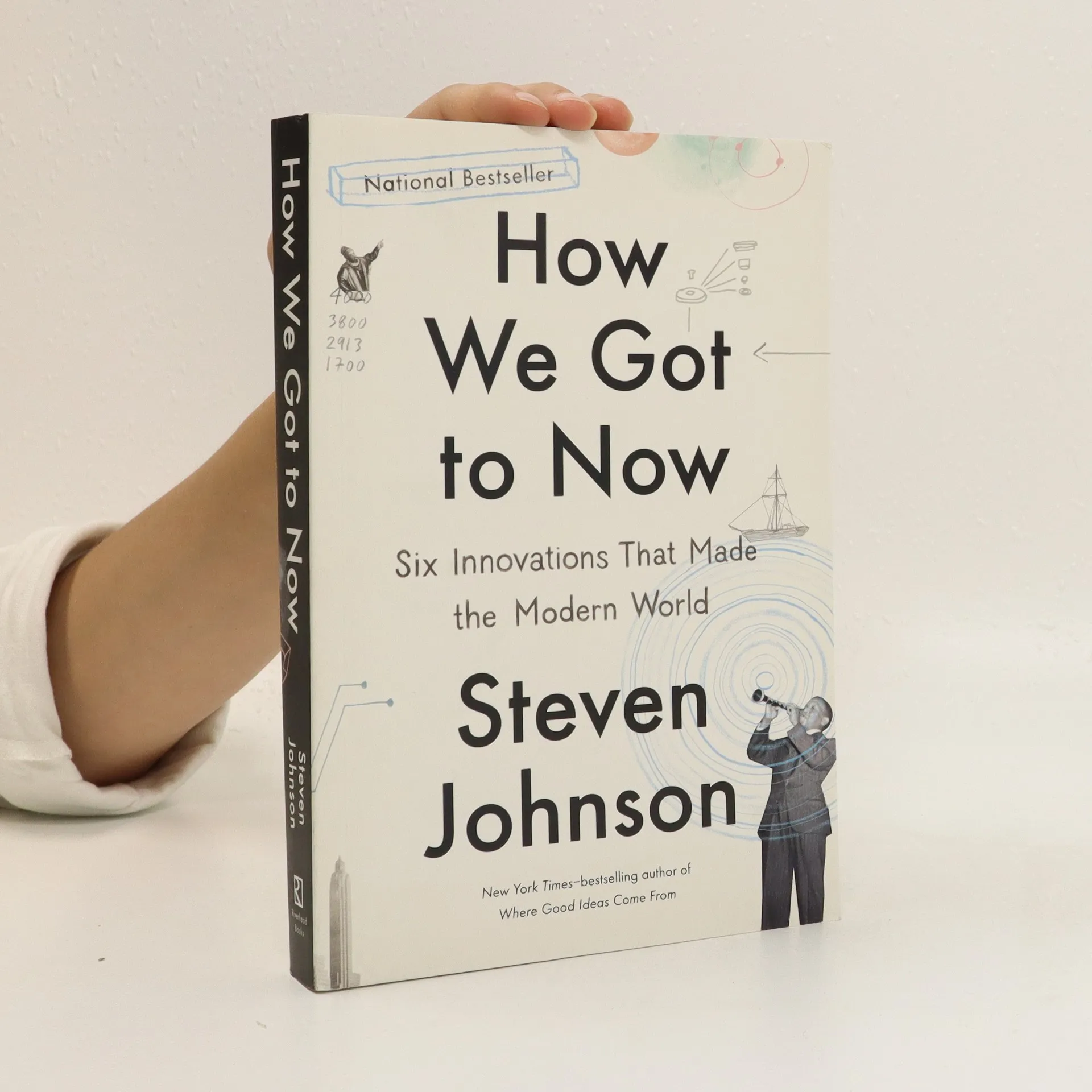
How We Got to Now
- 320 pages
- 12 hours of reading
This book is a celebration of ideas: how they happen and their sometimes unintended results. Johnson shows how simple scientific breakthroughs have driven other discoveries through the network of ideas and innovations that made each finding possible. He traces important inventions through ancient and contemporary history, unlocking tales of unsung heroes and radical revolutions that changed the world and the way we live in it
Extra Life
- 336 pages
- 12 hours of reading
As a species we have doubled our life expectancy in just one hundred years. All the advances of modern life--the medical breakthroughs, the public health institutions, the rising standards of living--have given us each about twenty thousand extra days on average. There are few measures of human progress more astonishing than our increased longevity.This book is Steven Johnson's attempt to understand where that progress came from. How many of those extra twenty thousand days came from vaccines, or the decrease in famines, or seatbelts? What are the forces that now keep us alive longer? Behind each breakthrough lies an inspiring story of cooperative innovation, of brilliant thinkers bolstered by strong systems of public support and collaborative networks.But it is not enough simply to remind ourselves that progress is possible. How do we avoid decreases in life expectancy as our public health systems face unprecedented challenges? What current technologies or interventions that could reduce the impact of future crises are we somehow ignoring?
Wonderland
- 320 pages
- 12 hours of reading
'The book is a house of wonders' The New York Times'Steven Johnson is the Darwin of technology' Walter Issacson, author of Steve JobsWhat connects Paleolithic bone flutes to the invention of computer software? Or the Murex sea snail to the death of the great American city? How does the bag of crisps you hold in your hand help tell the story of humanity itself? In his brilliant new work on the history of innovation, international bestseller Steven Johnson argues that the pursuit of novelty and wonder has always been a powerful driver of world-shaping technological change. He finds that that throughout history, the cutting edge of innovation lies wherever people are working the hardest to keep themselves and others amused. Johnson's storytelling is just as delightful as the inventions he describes, full of surprising stops along the journey from simple concepts to complex modern systems. He introduces us to the colourful innovators of leisure: the explorers, proprietors, showmen, and artists who changed the trajectory of history with their luxurious wares, exotic meals, taverns, gambling tables, and magic shows.Johnson compellingly argues that observers of technological and social trends should be looking for clues in novel amusements. You'll find the future wherever people are having the most fun.
Need answers quickly? Adobe InDesign CS6 on Demand provides those answers in a visual step-by-step format. We will show you exactly what to do through lots of full color illustrations and easy-to-follow instructions. Numbered Steps guide you through each task See Also points you to related information in the book Did You Know alerts you to tips and techniques Illustrations with matching steps Tasks are presented on one or two pages Inside the Book * Create layouts for print, web, tablets, and mobile devices * Browse, organize, and process files using Adobe Bridge or Mini Bridge * Create, link, and manage content, pages, and books to keep track of your documents * Create text and apply style to display artistic text * Use track changes to review content * Create interactive PDFs , EPUB ebooks, and HTML web pages * Create output for commercial print purposes * Create output for commercial print purposes * Create publications for use with Adobe Digital Publishing Suite Bonus Online Content Register your book at queondemand.com to gain access to: * Workshops and related files * Keyboard shortcuts Visit the author site: perspection.com
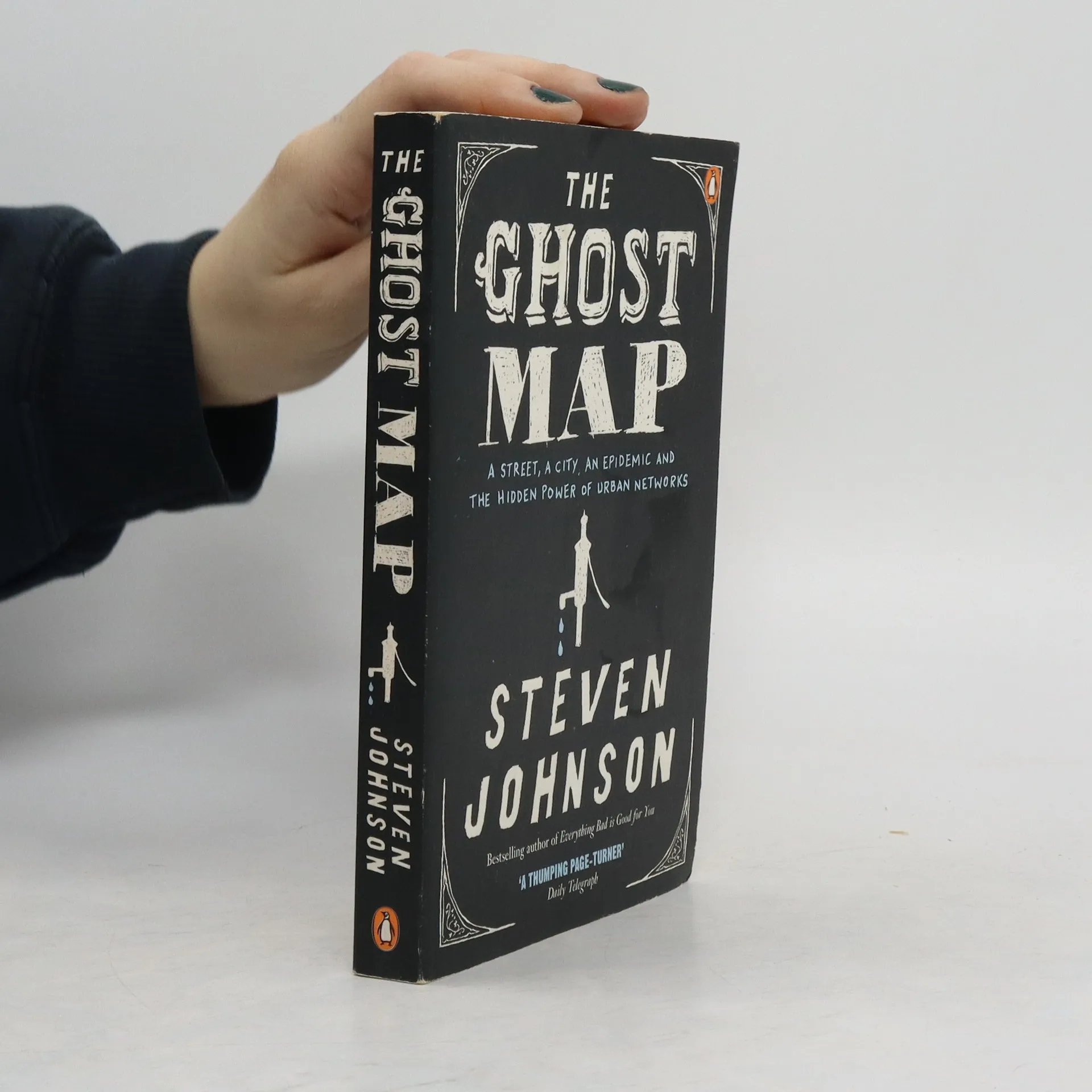
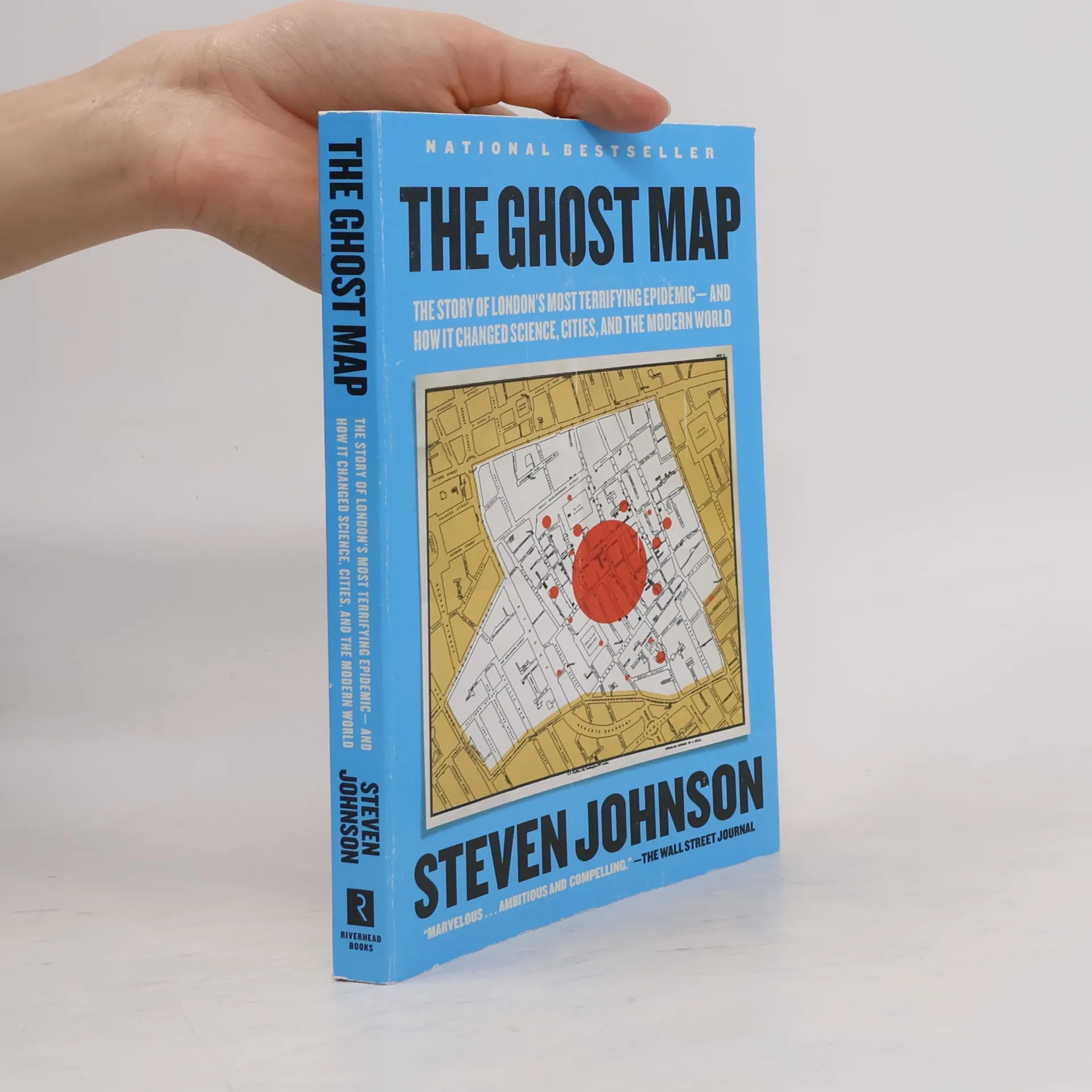
The Ghost Map
- 320 pages
- 12 hours of reading
Tells the story of the terrifying cholera epidemic that engulfed London in 1854, and the two unlikely heroes - anesthetist Doctor John Snow and affable clergyman Reverend Henry Whitehead - who defeated the disease through a combination of local knowledge, scientific research and map-making.
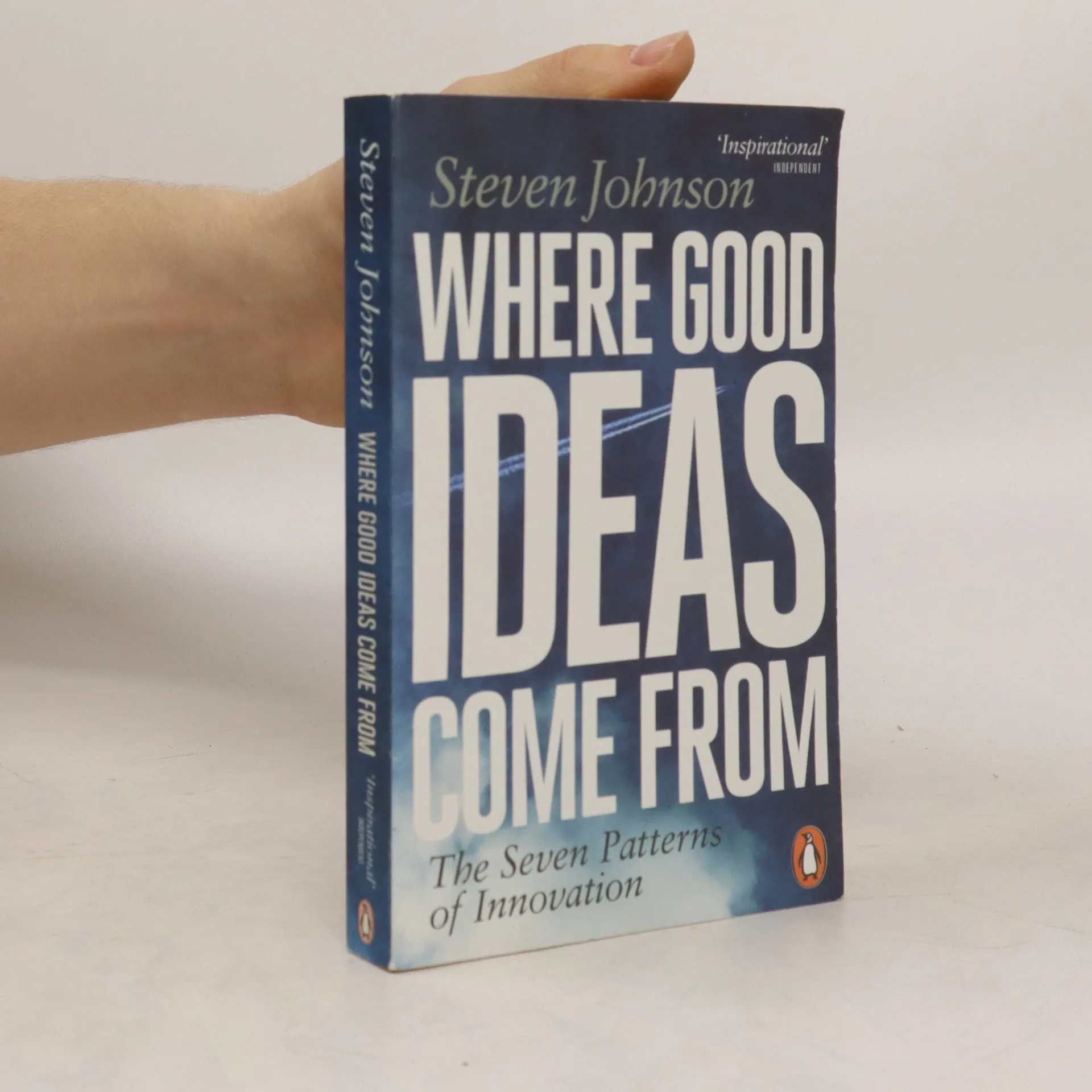
Where Good Ideas Come from
- 326 pages
- 12 hours of reading
In this book, one of our most innovative, popular thinkers, Steven Johnson, takes on one of life's key questions: where do good ideas come from?
Emergence: The Connected Lives of Ants, Brains, Cities and Software
- 288 pages
- 11 hours of reading
In this compelling exploration, Steven Johnson examines the transformative impact of self-organising systems on our world. He delves into questions such as why people form neighborhoods, how internet communities emerge spontaneously, and the nature of consciousness in the brain. The key concept is emergence: a bottom-up process where individual elements interact and organize, leading to collective intelligence without central control. This phenomenon, observable in various aspects of life, promises to reshape our understanding of the world. The book has been praised for its exhilarating insights, offering a dizzying journey through diverse fields like urban planning, computer-game design, and neurology. It is described as mind-expanding, intelligent, and thought-provoking, making it a rare gem in popular science literature. Johnson, an accomplished author and journalist, has written extensively for major publications and serves as a Distinguished Writer In Residence at NYU's School of Journalism, as well as a Contributing Editor to Wired. His work encourages readers to rethink the future through the lens of emergence and interconnectedness.
In this nationally bestselling, compulsively readable account of what makes brain science a vital component of people's quest to know themselves, acclaimed science writer Steven Johnson subjects his own brain to a battery of tests to find out what's really going on inside. He asks: How do we "read" other people? What is the neurochemistry behind love and sex? What does it mean that the brain is teeming with powerful chemicals closely related to recreational drugs? Why does music move us to tears? Where do breakthrough ideas come from? Johnson answers these and many more questions arising from the events of our everyday lives. You do not have to be a neuroscientist to wonder, for example, why do you smile? And why do you sometimes smile inappropriately, even if you don't want to? How do others read your inappropriate smile? How does such interplay occur neurochemically, and what, if anything, can you do about it? Fascinating and rewarding, Mind Wide Open speaks to brain buffs, self-obsessed neurotics, barstool psychologists, mystified parents, grumpy spouses, exasperated managers, and anyone who enjoys speculating and gossiping about the motivations and behaviors of other human beings. Steven Johnson shows us the transformative power of understanding brain science and offers new modes of introspection and tools for better parenting, better relationships, and better living.
Enemy of All Mankind: A True Story of Piracy, Power, and History's First Global Manhunt
- 304 pages
- 11 hours of reading
The narrative captivates readers with its spirited and suspenseful storytelling, maintaining a brisk pace throughout. The author delivers a concise yet impactful tale, rich in significance, ensuring that the reader remains engaged from start to finish.
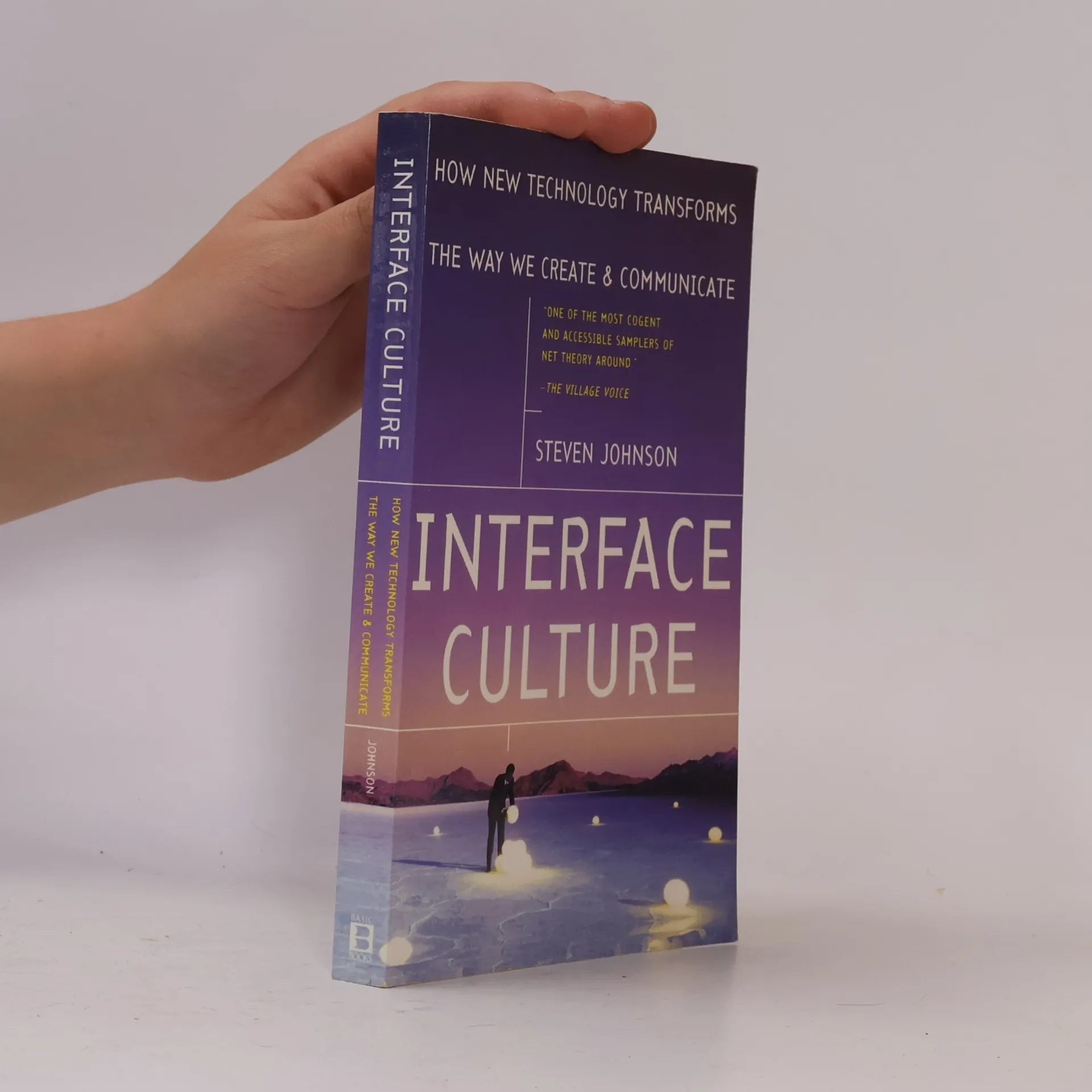
Interface Culture
How New Technology Transforms the Way We Create and Communicate
- 272 pages
- 10 hours of reading
Drawing on his own expertise in the humanities and on the Web, Steven Johnson not only demonstrates how interfaces - those buttons, graphics, and words on the computer screen through which we control information - influence our daily lives, but also tracks their roots back to Victorian novels, early cinema, and even medieval urban planning. The result is a lush cultural and historical tableau in which today's interfaces take their rightful place in the lineage of artistic innovation. With a distinctively accessible style, Interface Culture brings new intellectual depth to the vital discussion of how technology has transformed society, and is sure to provoke wide debate in both literary and technological circles.
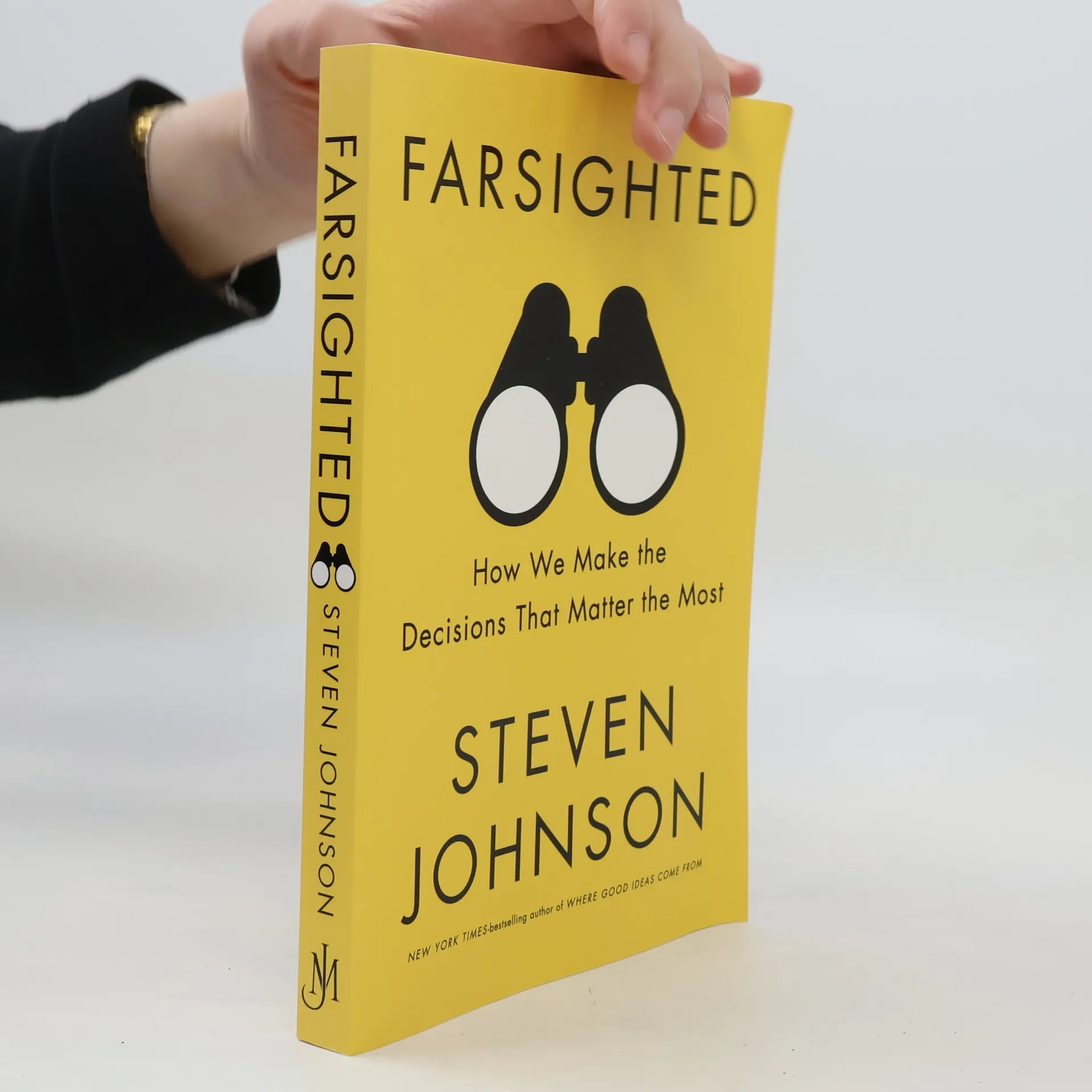
Farsighted
- 256 pages
- 9 hours of reading
A groundbreaking book about making once-in-a-lifetime decisions, from the bestselling author of How We Got to Now and Where Good Ideas Come From
The $10 billion video gaming industry is now the second-largest segment of the entertainment industry in the United States, outstripping film and far surpassing books. Reality television shows featuring silicone-stuffed CEO wannabes and bug-eating adrenaline junkies dominate the ratings. But prominent social and cultural critic Steven Johnson argues that our popular culture has never been smarter. Drawing from fields as diverse as neuroscience, economics, and literary theory, the author argues that the junk culture we're so eager to dismiss is in fact making us more intelligent. A video game will never be a book nor should it aspire to be-and, in fact, video games, from Tetris to the Sims to Grand Theft Auto, have been shown to raise IQ scores and develop cognitive abilities that can't be learned from books. Likewise, successful television, when examined closely and taken seriously, reveals surprising narrative sophistication and intellectual demands. This book is a hopeful and spirited account of contemporary culture. The author demonstrates that our culture is not declining but changing-in exciting and stimulating ways we'd do well to understand. The glow of the video game or television screen will never be regarded the same way again.
The entire intergalactic event! When the long-warring Kree and Skrull races unite under a new Emperor and set course for Earth, the Avengers and the Fantastic Four stand in the way! But another alien race is working in the shadows -- and soon the galaxy will face a far deadlier threat than its two most powerful empires combined! As a three-way war rages across Earth, the effects are felt by Captain Marvel, Venom, the X-Men and more -- and the fallout will be huge for the Avengers and FF! COLLECTING: Incoming 1; Road to Empyre: The Kree/Skrull War 1; Empyre 0 Avengers, Fantastic Four; Empyre 1-6; Empyre Aftermath: Avengers 1; Empyre Fallout: Fantastic Four 1; Lords of Empyre: Emperor Hulkling 1, Celestial Messiah 1, Swordsman 1; Empyre: X-Men 1-4, Savage Avengers 1, Captain America 1-3, Avengers 1-3; X-Men (2019) 10-11; Fantastic Four (2018) 21-23; Captain Marvel (2019) 18-21; Immortal She-Hulk 1; Web of Venom: Empyre's End 1; Black Panther and the Agents of Wakanda 7-8; Empyre Handbook 1
The Ghost Map
The Story of London's Most Terrifying Epidemic - and How It Changed Science, Cities, and the Modern World