

Focusing on personal transformation, Robert Kanigel's memoir recounts his evolution from a conventional engineer to a celebrated writer, all set against the backdrop of Baltimore's vibrant culture. Through a reflective narrative, he shares the challenges and triumphs of his unconventional journey, emphasizing the importance of love and work in shaping his identity. This memoir serves as an inspiring testament for aspiring writers, highlighting the potential for creativity to emerge from unexpected paths.
Robert Kanigel Book order (chronological)
Robert Kanigel is an author whose works delve deeply into the lives and impacts of influential individuals. He skillfully weaves biographical details with broader themes of human ingenuity and societal progress. Kanigel is known for his meticulous research combined with compelling narrative storytelling. His writing explores the intersection of personal journeys and their wider significance.

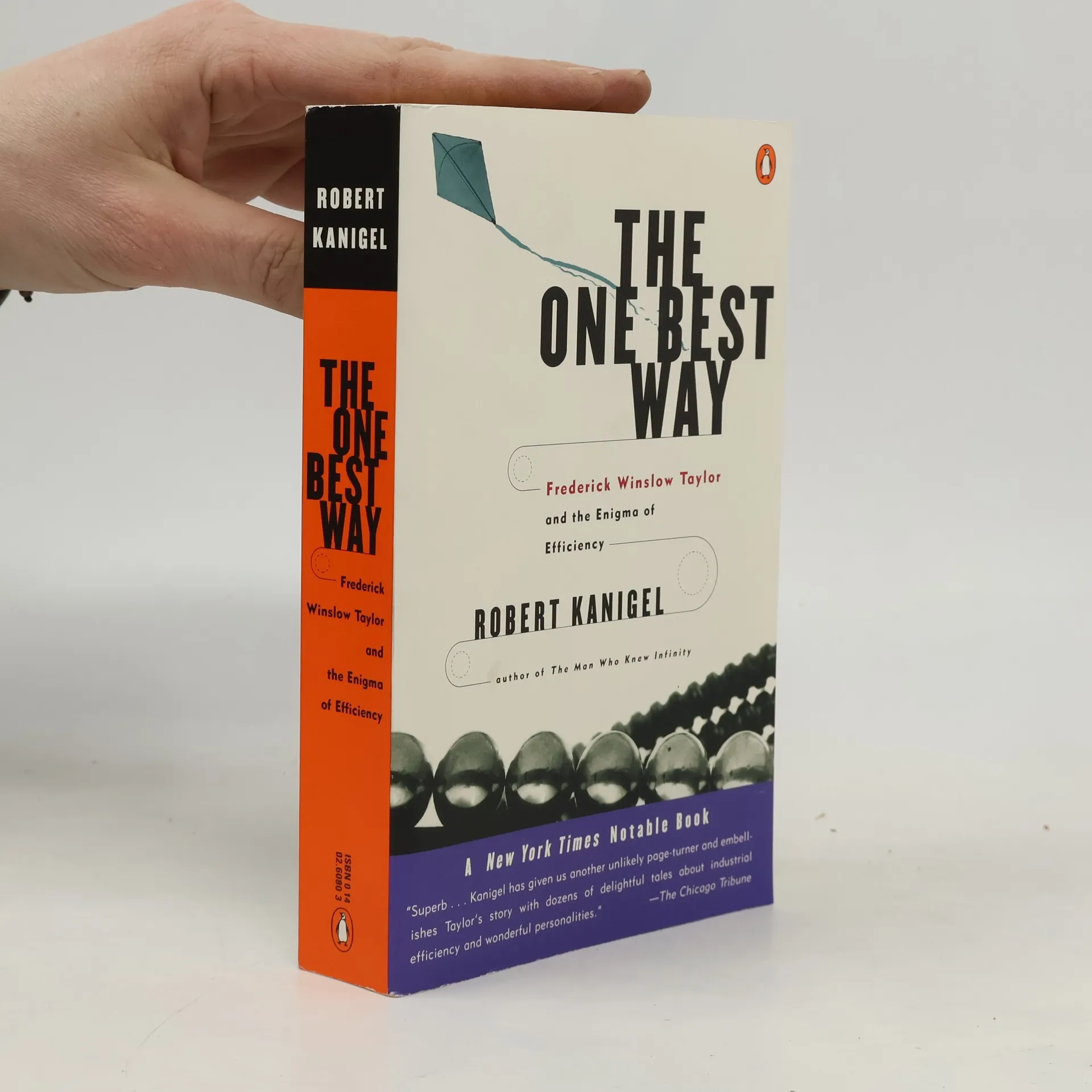
A young man named Frederick Winslow Taylor chose a factory over Harvard -- and his decision has made all the difference in the world as we know it today.Using what he'd learned as an apprentice in a machine shop, Taylor forged his industrial philosophy, Scientific Management -- the source of our fierce, unholy obsession with "efficiency". According to management guru Peter Drucker, Taylorism is perhaps the "most powerful as well as the most lasting contribution America has made to Western thought since the Federalist Papers". Evoking a time when the industrial world was young, new, and exciting, Robert Kanigel illuminates the man whose ceaseless quest for "the one best way" changed the very texture and purpose of twentieth-century life.
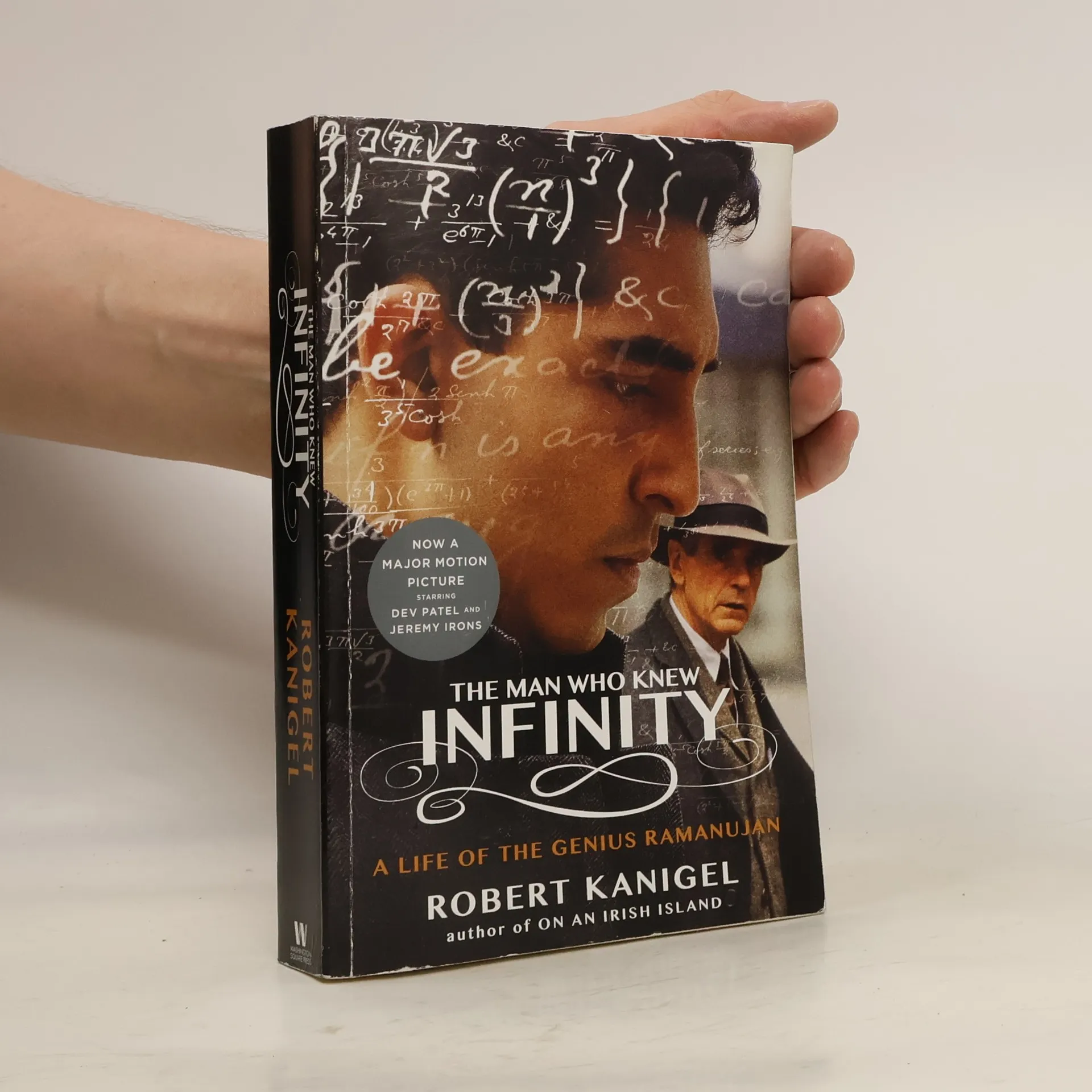
The man who knew infinity : a life of the genius Ramanujan
- 438 pages
- 16 hours of reading
A biography of the Indian mathematician Srinivasa Ramanujan. The book gives a detailed account of his upbringing in India, his mathematical achievements, and his mathematical collaboration with English mathematician G. H. Hardy. The book also reviews the life of Hardy and the academic culture of Cambridge University during the early twentieth century.