Piers Bizony is a science journalist and space historian whose work is characterized by sparkling enthusiasm and a deep understanding of complex subjects. He expertly bridges technical precision with narrative clarity, bringing historical and scientific topics to life for the reader. Bizony's insightful approach and distinctive voice make his writing a compelling exploration of space and its cultural impact. His engaging prose offers readers a unique perspective on the wonders of the cosmos.
Prepare to embark on a journey through space and time with The NASA Archives, a visual celebration of humankind's unstoppable urge to travel away from Earth to worlds beyond. Featuring hundreds of historic photographs and concept renderings, this collection guides us through NASA's 60-year history.
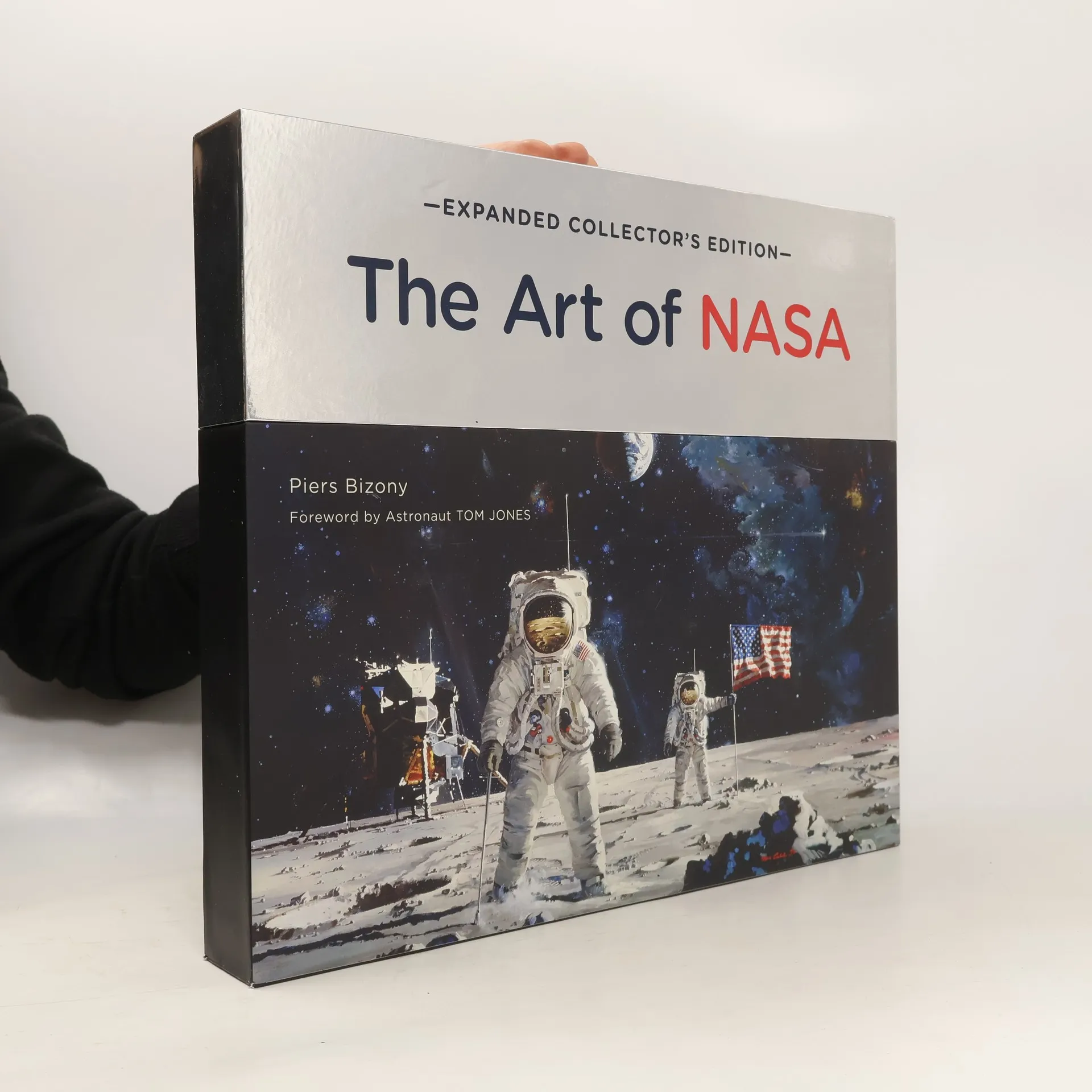
The Illustrations That Sold the Missions, Expanded Collector's Edition
224 pages
8 hours of reading
This collector's edition enhances the original with 32 additional pages of content, a presentation case, and a fresh cover design. It includes a paper model of the Lunar Module, four postcards, and a rolled poster, making it a comprehensive and visually appealing tribute to NASA's artistic achievements.
No one ever expected the atom to be as bizarre, as capricious, and as weird as it turned out to be. Its tale is one riddled with jealousy, rivalry, missed opportunities and moments of genius. Piers Bizony tells the story of the young misfit New Zealander, Ernest Rutherford, who showed that the atom consisted mainly of empty space, a discovery that turned 200 years of classical physics on its head, and the brilliant Dane, Niels Bohr, who made the next great leap into the incredible world of quantum theory. Yet he and a handful of other Young Turks in this revolutionary new science weren't prepared for the shocks that Nature had up her sleeve. At the dawn of the Atomic Age, a dangerous new force was unleashed with terrifying speed...
Rare photography and stunning artworks illustrate the history of NASA’s Space Shuttle program from 1981 to 2011, providing an unprecedented look at the missions, equipment, and astronauts.
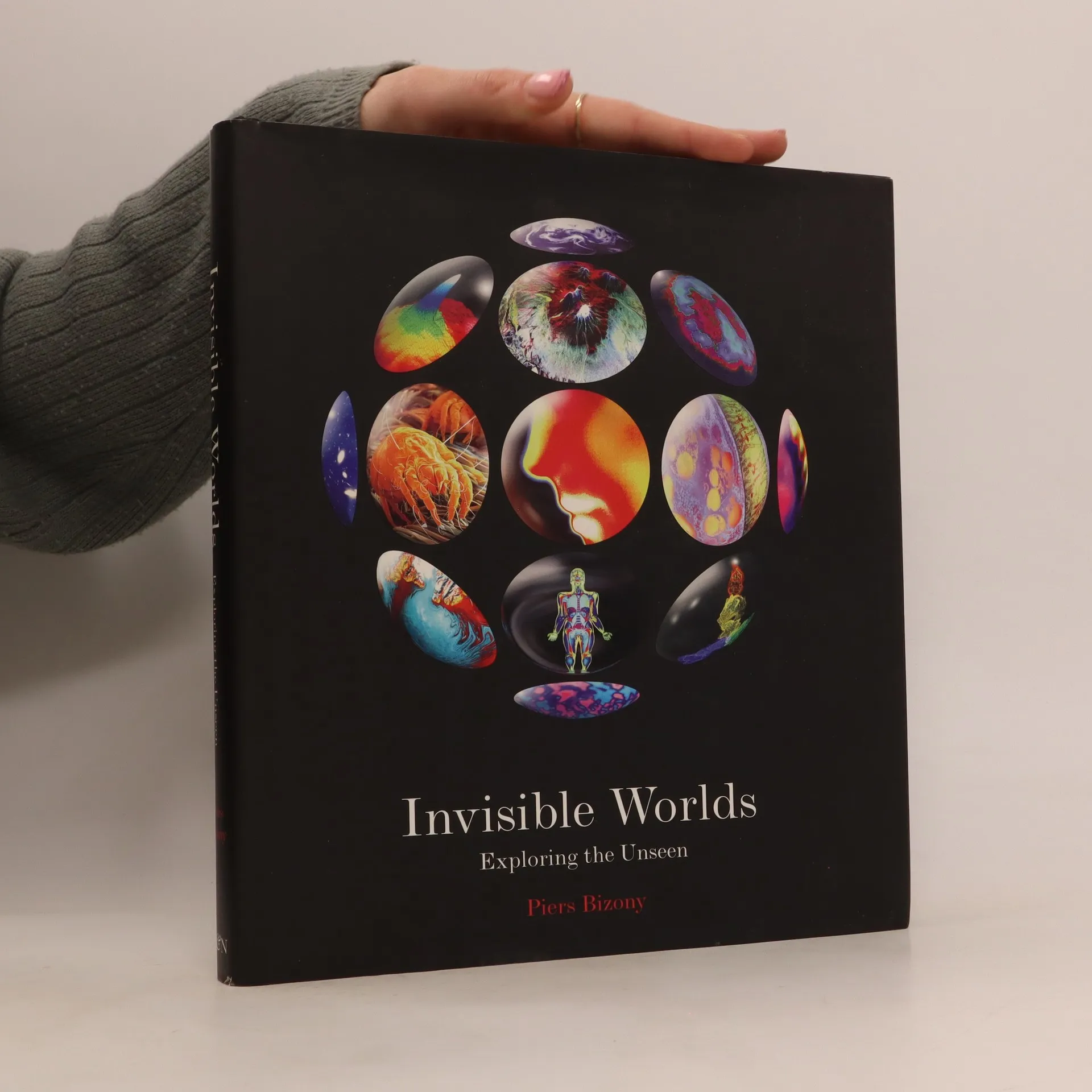
Take an amazing and truly awe-inspiring visual voyage, courtesy of 100 incredible images made from the most sophisticated, cutting-edge technology, and see what can’t be seen with the naked eye.It’s an eye-opening from the smashing of atoms to the diffraction of X-rays skimming through a crystal of DNA, the deepest patterns of nature’s building blocks are revealed to thrilling effect thanks to revolutionary technology. These thoroughly breathtaking images delve deep into the invisible world, letting us peer into the hidden secrets of heat, sound, and all manner of exotic energies and radiations. View the human body as seen in a colored Magnetic Resonance Imaging scan; a photo of a huge solar prominence, taken by an Extreme Ultraviolet Imaging Telescope; an enhanced electron scan of tiny dust mites; and striking spots of light from the distant galaxies. Computer simulations, powered by 21st-century mathematics, hint that there are still greater truths out there. It’s as unbelievable as the best science fiction—and it’s all true.
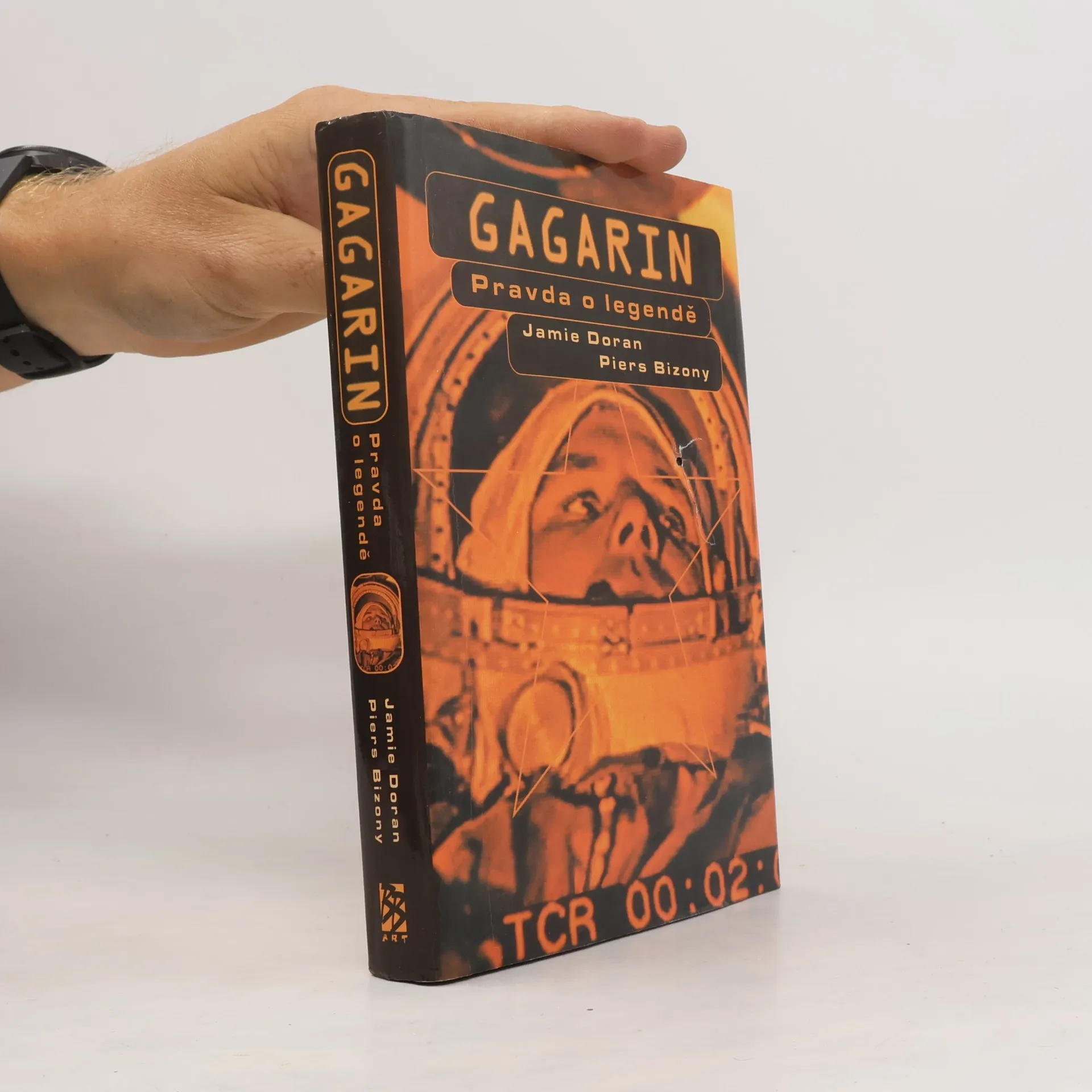
On April 12, 1961 Yuri Gagarin became the first human in history to leave the Earth's atmosphere and venture into space. This biography is based on material from sensitive KGB files and restricted documents from the Russian space authorities. It includes a number of interviews.
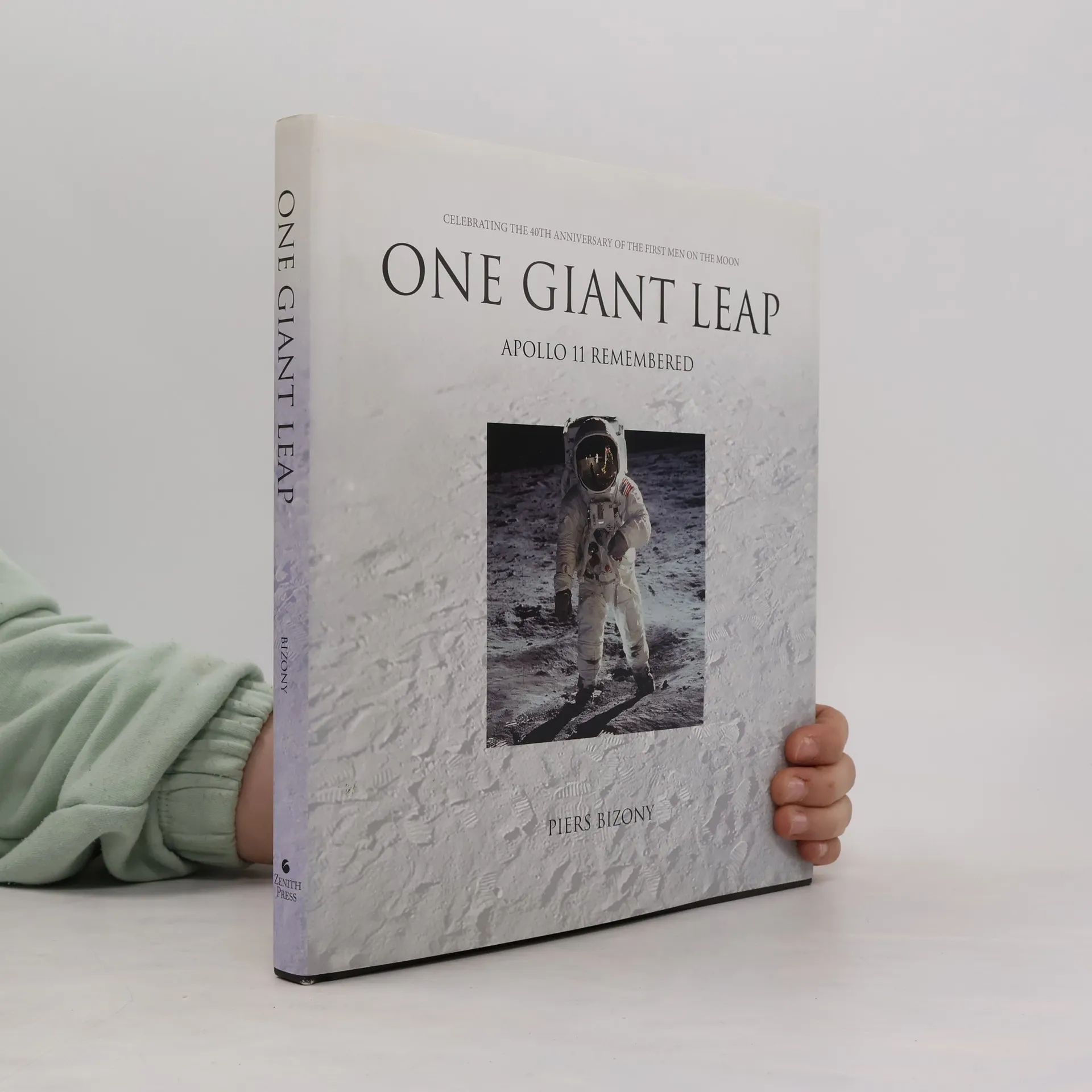
The first moon landing in July 1969 captured the imagination of the world as no subsequent “space spectacular” has. Forty years later, space historian Piers Bizony has produced a stunning visual record of this unparalleled mission. Drawing on high-resolution images from the entire suite of Apollo 11’s on-board film magazines, the book presents a complete picture of the mission: the launch, the astronauts’ lives inside the spacecraft, the landing and moon walk, and finally the return to earth to worldwide acclaim. Accompanying these remarkable images, many published here for the first time, is Bizony’s fascinating essay on the lasting cultural and emotional impact of the mission. Quotes from astronauts, scientists, and literary commentators add an extra dimension to Bizony’s account. Apollo 11 may have happened a long time ago, Bizony remarks, but it casts an important shadow over today’s generation. Can we live up to it and learn from it--or even repeat its achievements with new spacecraft? However tempting it might be to assume that our advanced modern society could go back to the moon, it is an unavoidable fact, as this book makes clear, that Apollo 11 was an event that may never be replayed. One Giant Leap gives modern readers the information and perspective for thinking about Apollo 11 and space exploration in general in an entirely new way.
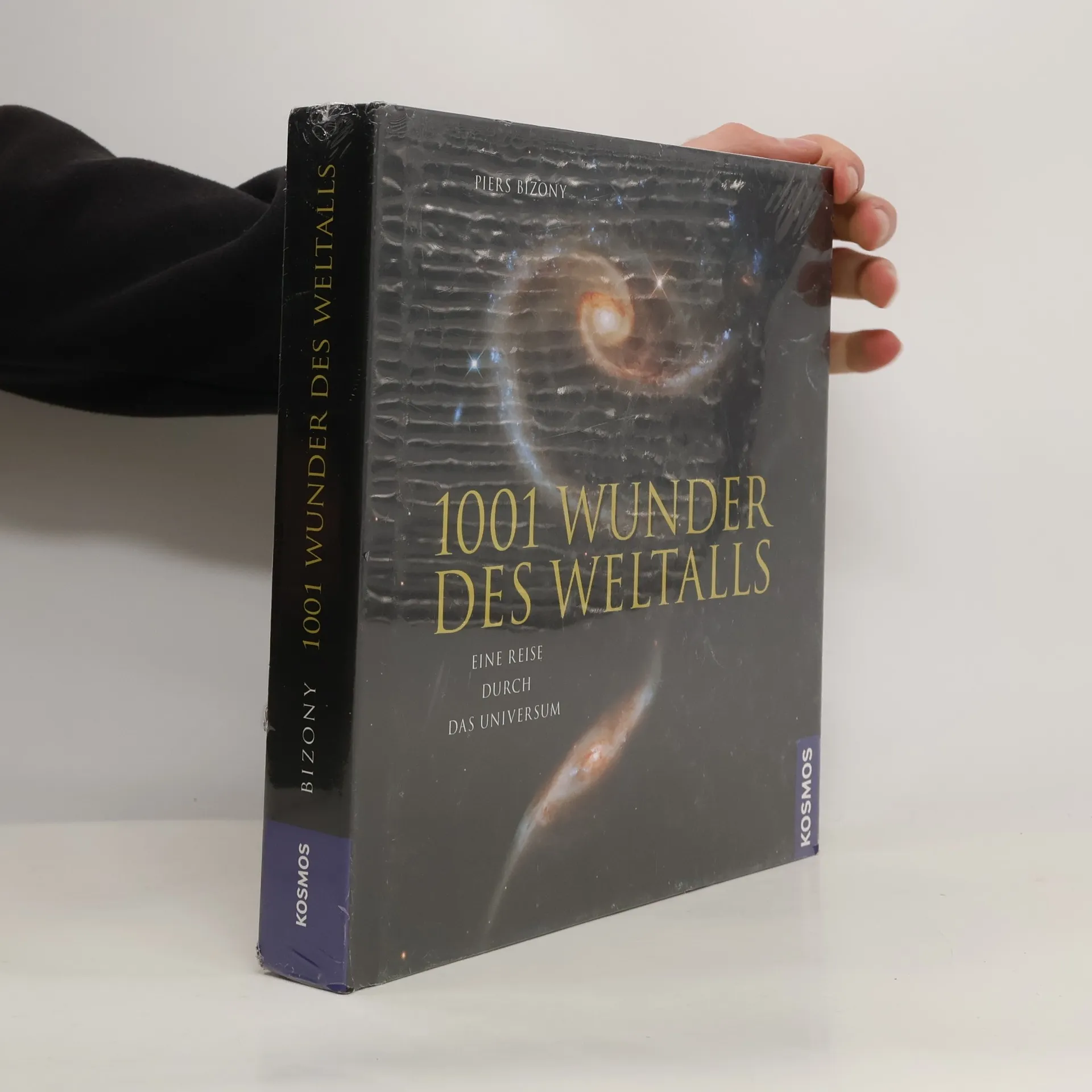
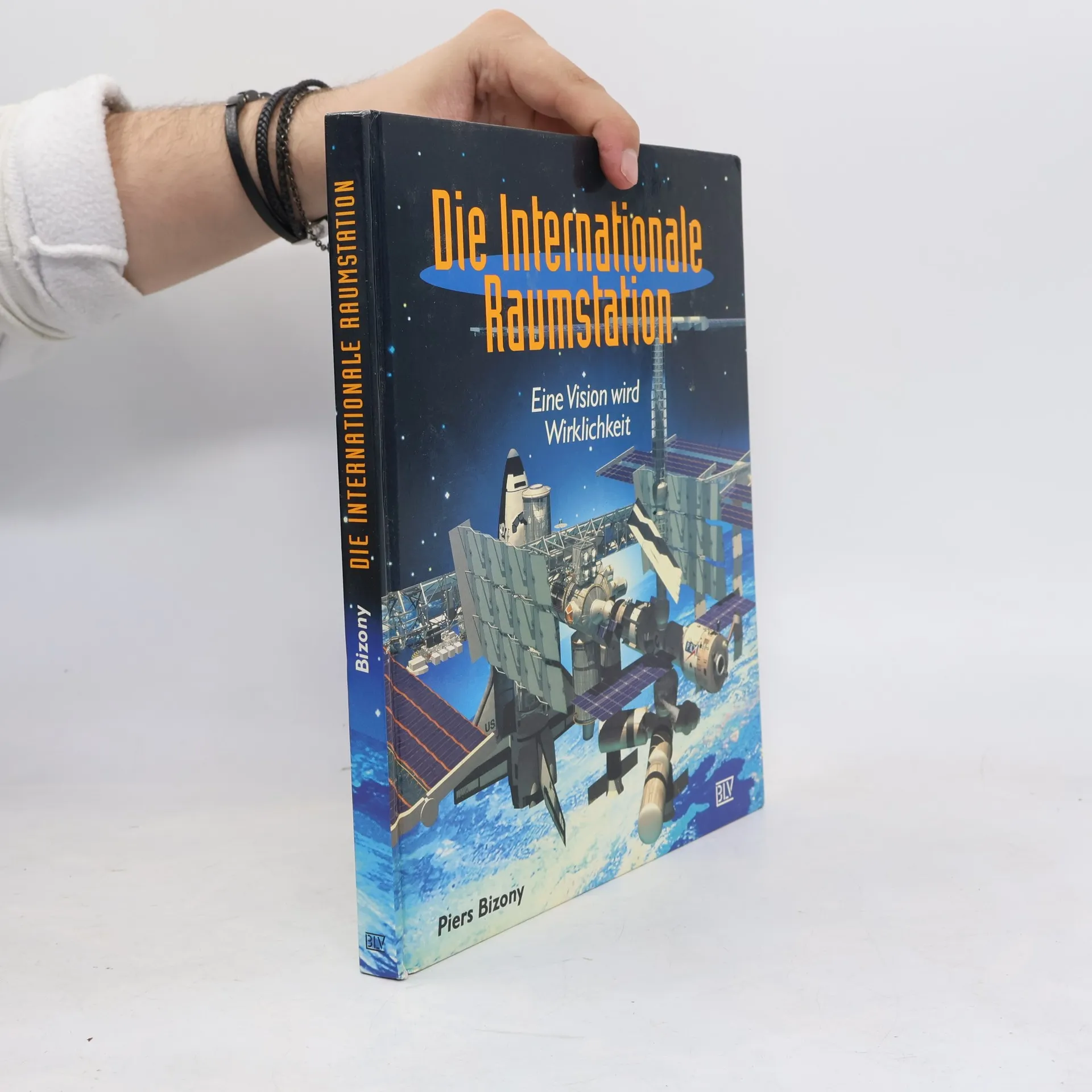
Eine Reise durch das Universum: Vorbei an Ringplaneten und Eismonden geht es zu den Geburtsstätten der Sterne. Farbige Nebel durchziehen das All, verwobene Sternenreste säumen den Pfad. Beim Verlassen der Milchstraße begegnet man Ballen mit Tausenden von Sternen, bis die nächste Galaxie ins Blickfeld rückt, einem Abbild unserer Milchstraße gleich. Immer tiefer dringen wir in das All vor, ferne Sterneninseln sammeln sich in Gruppen, in jungen Galaxien strahlen Quasare eine Energie aus, als gäbe es kein morgen. Die fantastische Bilderreise durch das Weltall zeigt die besten Aufnahmen der kosmischen Objekte und erläutert in kurzen und leicht verständlichen Texten deren Natur.
Die Entwicklung der NASA von ihrer Gründung im Jahr 1958 bis zu den neuesten Marsprojekten wird durch Hunderte von Fotos und seltenen Originaldokumenten lebendig. Das Buch beleuchtet, wie die Raumfahrtbehörde es meisterhaft versteht, Raumfahrt und Forschung als faszinierende Medienereignisse zu präsentieren. Historische Meilensteine und zukünftige Missionen werden anschaulich dargestellt und bieten einen umfassenden Einblick in die beeindruckende Geschichte der NASA.
Die NASA-Missionen zum Roten Planeten gestern - heute - morgen
200 pages
7 hours of reading
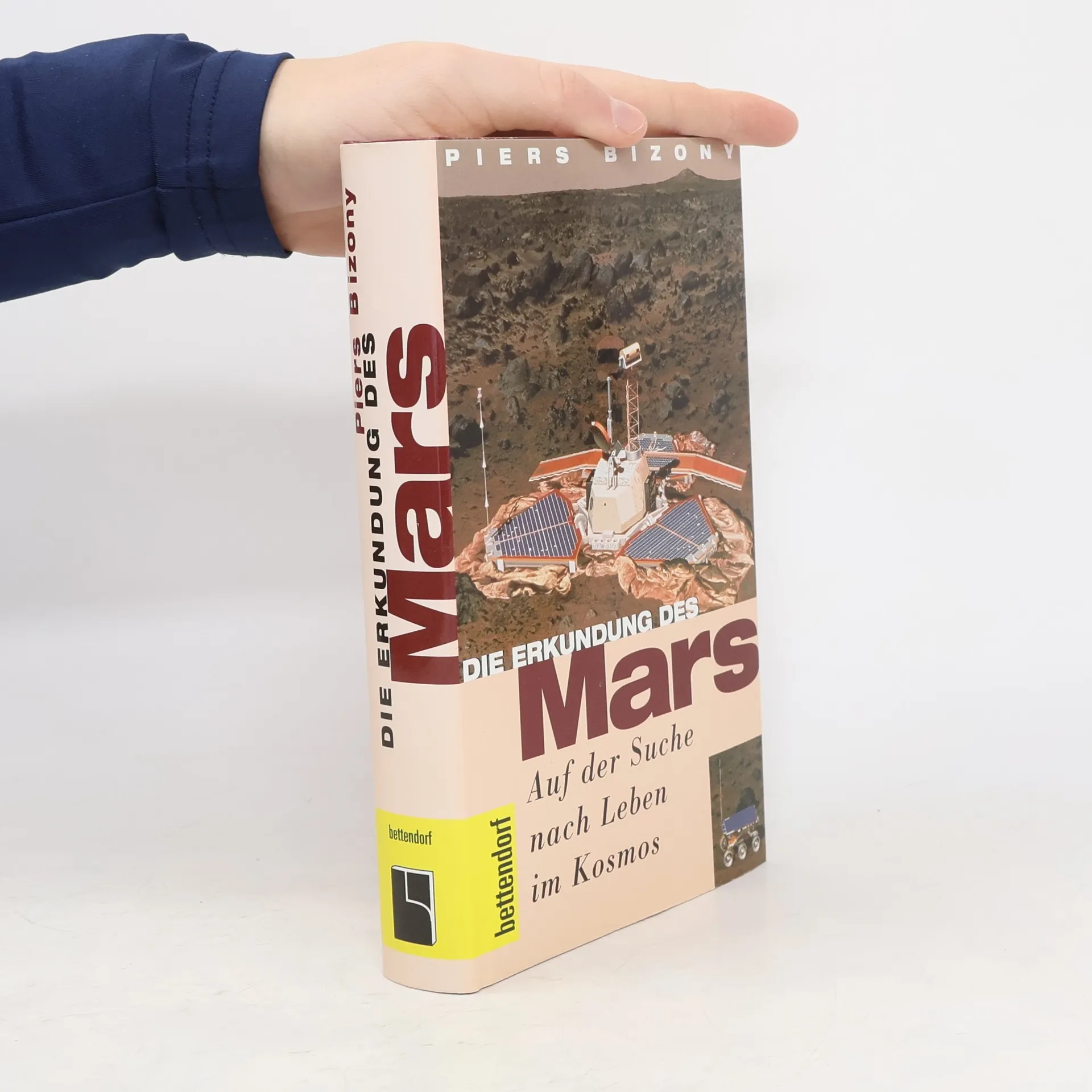
Dieses faszinierende Bildband von Piers Bizony beleuchtet die Erforschung des Mars von den 1960er-Jahren bis heute. Mit seltenen Fotos und Abbildungen aus den NASA-Archiven wird die Faszination des Roten Planeten greifbar. Ein unverzichtbares Werk für jeden Raumfahrt-Fan.
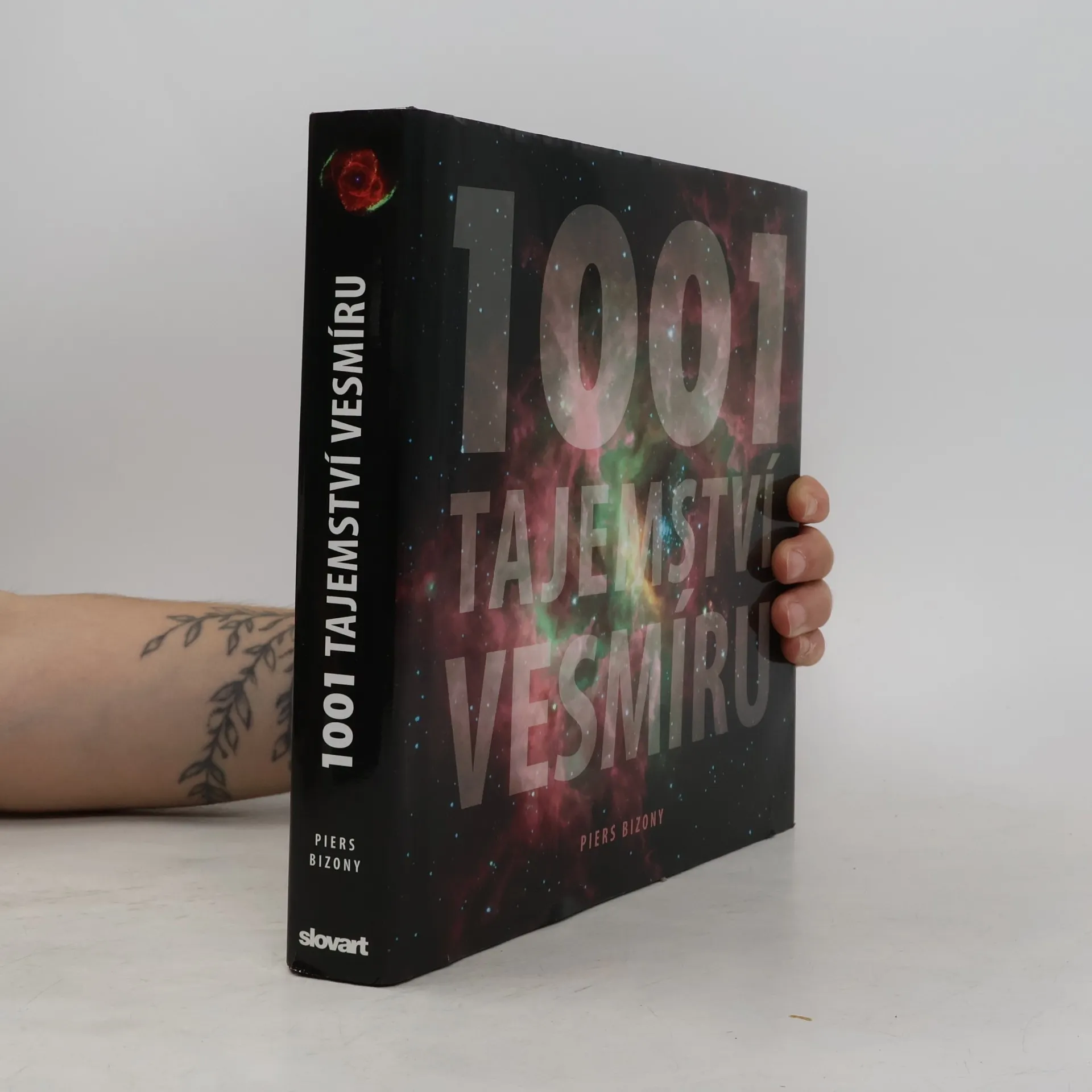
Tisícovka nejdramatičtějších astronomických snímků, jaké kdy byly pořízeny, provede čtenáře sluneční soustavou i mezihvězdným prostorem až do středu naší Galaxie - Mléčné dráhy. Další putování nebude jen do dálav nezměrného prostoru k mlhovinám a černým dírám, ale i zpátky v čase, k počátku vesmíru. V knize, která se jistě stane nepostradatelným průvodcem všech, kdo se zajímají o vesmír, je víc fotografií než v jakékoliv jiné publikaci s podobnou tematikou a mnohé z nich jsou skutečně pozoruhodné.
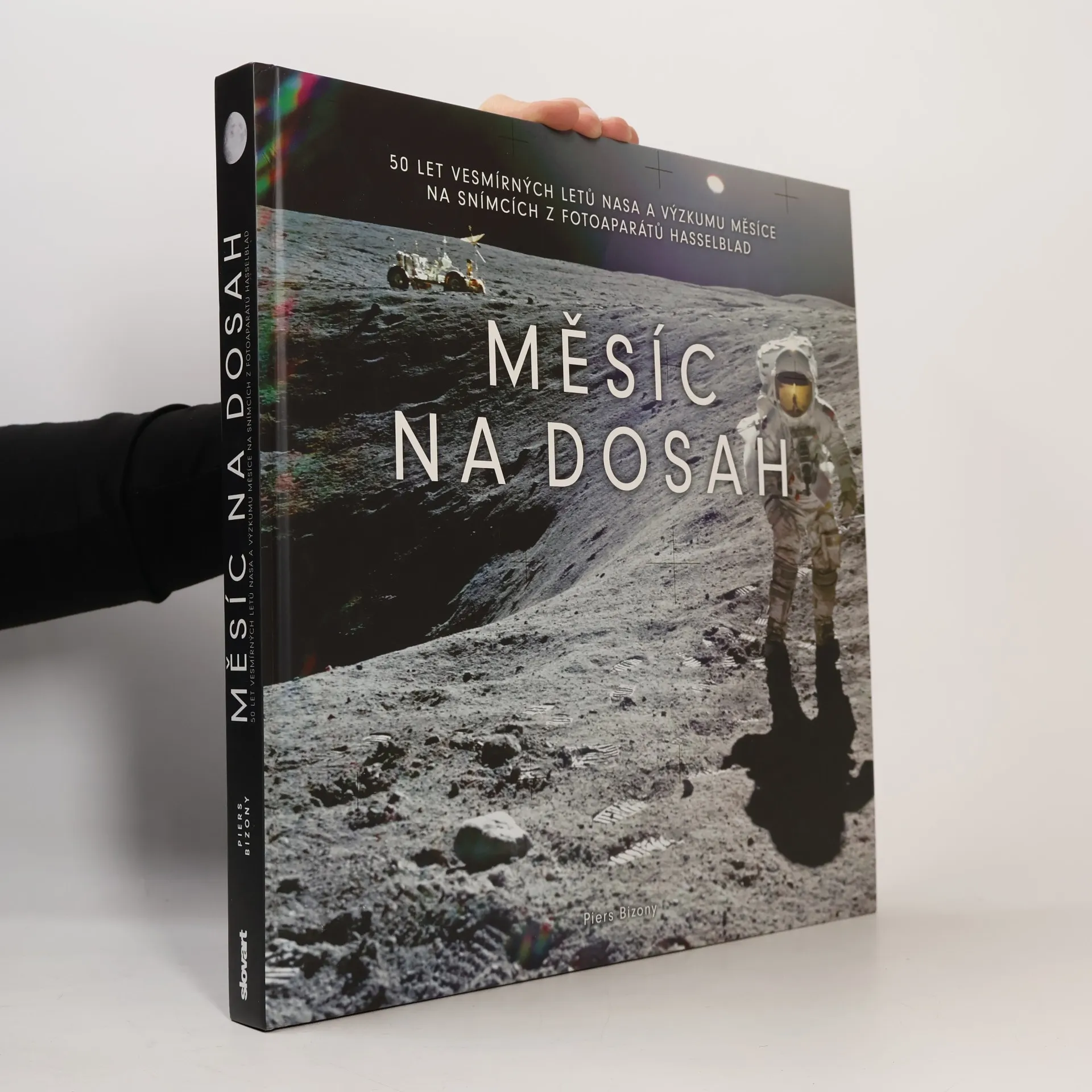
Spisovatel a vizionář Arthur C. Clarke po ukončení měsíčních misí v roce 1972 řekl: „Mohou přijít časy, kdy si lidé na Spojené státy, nebo dokonce na svět svých předků na vzdálené planetě Zemi vzpomenou právě jen kvůli projektu Apollo.“ Před padesáti lety vstoupili první astronauti na oběžnou dráhu Země a vydali se vstříc neznámému světu: na Měsíc. Při této historické misi, která se zapsala do dějin amerického i světového výzkumu vesmíru, vzniklo velké množství fotografií mimořádné kvality. Všechny byly pořízeny výhradně fotoaparáty značky Hasselblad. V knize Měsíc na dosah najdete reprezentativní a kompletní výběr snímků, které dokumentují největší úspěchy agentury NASA: od projektů Mercury a Gemini až k misím Apollo, od zlatého věku raketoplánů až po současné vesmírné stanice.
Hledání života na jiných světech je vědecká cesta, která zasahuje do našich nejhlubších filozofických a náboženských touh po odpovědích — a možná také do našich nejhlubších obav. Exobiologie, téma, které se kdysi zdálo být pouze doménou vědeckofantastických fantazií, je nyní prosperující profesní oblastí vědy, poháněnou novými a překvapivými objevy na Zemi i masou nových dat z vesmírných sond. Piers Bizony poskytuje živý a zcela přístupný průvodce nejvzrušujícím polem moderního hledání mimozemských životních forem. Začíná stručnou historií hledání mimozemšťanů a tím, co "život" vědecky obnáší. Všechny nejnovější výzkumné projekty jsou identifikovány, lokalizovány a popsány, od rádiových antén hledajících inteligentní mimozemské signály po hlubokomořský výzkum hledající spojení mezi pozemskými organismy a širším kosmem. Tento průvodce také zkoumá myšlenku panspermie, představu, že asteroidy a komety přinesly biologické stavební bloky na ranou Zemi. Existuje tam venku nějaký živý organismus? Stále to nevíme, ale tato kniha vysvětluje, proč jsme možná blíž než kdy jindy k tomu, abychom to zjistili.