Kevin Kelly is a key voice in understanding the impact of technology and emergent systems. He explores how innovation and decentralized networks shape our future, offering insightful perspectives on the digital age. His work is characterized by a forward-thinking approach and a deep analysis of complex technological and societal shifts. Kelly's writing provides a compelling roadmap for navigating the evolving landscape of the new economy.
Creating Equity-Based Digital Learning Environments
264 pages
10 hours of reading
Focusing on the diverse needs of students, this book provides comprehensive guidance on online teaching. It covers essential aspects such as course design, outcome development, engaging activities, workload management, and assessment strategies. The authors emphasize inclusivity and adaptability, ensuring that educators can effectively meet the varied requirements of their students while enhancing the overall learning experience.
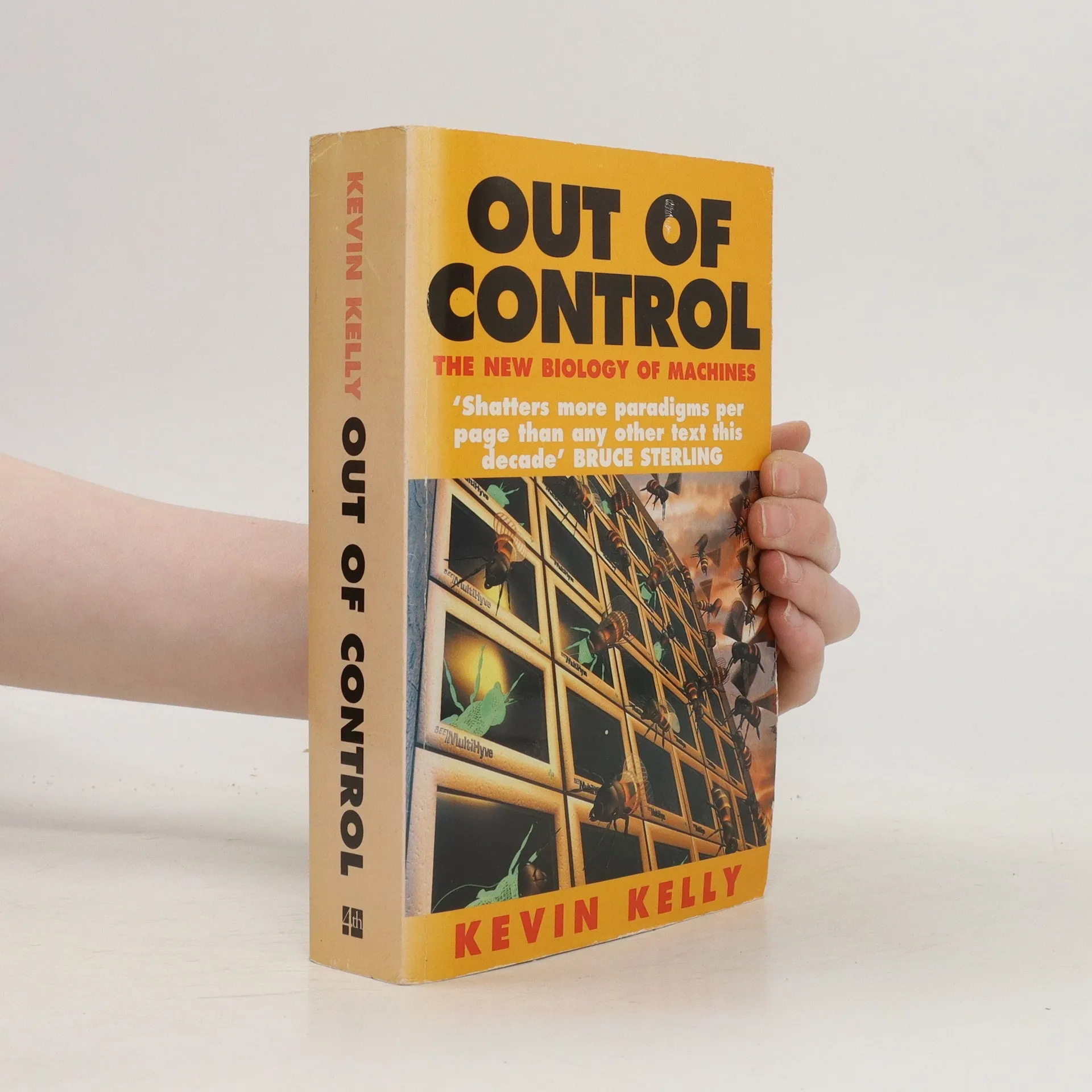
Out of Control chronicles the dawn of a new era in which the machines and systems that drive our economy are so complex and autonomous as to be indistinguishable from living things.
This is a book about how our manufactured world has become so complex that the only way to create yet more complex things is by using the principles of biology. This means decentralized, bottom up control, evolutionary advances and error-honoring institutions. I also get into the new laws of wealth in a network-based economy, what the Biosphere 2 project in Arizona has or has not to teach us, and whether large systems can predict or be predicted. And more: restoration biology, encryption, a-life, and the lessons of hypertext. Yes, it's a romp, in 520 pages. But the best part, my friends tell me, is the 28-page annotated bibliography. If you have suspected that technology could be better, more life-like, then this book is for you. -- Product Description.
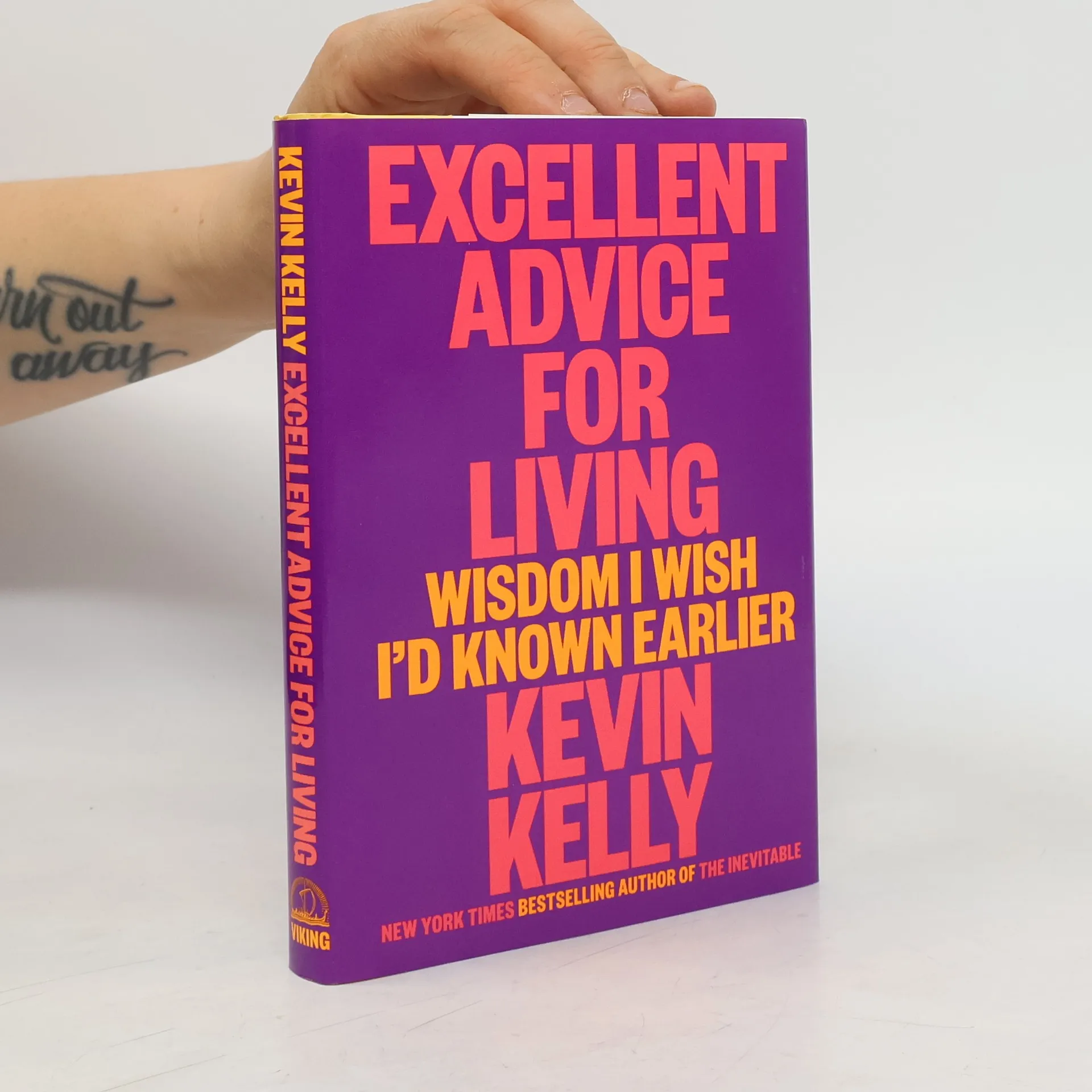
“A shorthand manual for living with kindness, decency, and generosity of spirit.” —Maria Popova “I love aphorisms, proverbs, and Secrets of Adulthood . . . Excellent Advice for Living includes wise, practical advice for life.” —Gretchen Rubin, via Twitter “One hundred years from now, when so much of the nonsense of our age is forgotten, people will still remember Kevin Kelly and his wisdom.” —Seth Godin “All will benefit from [Kelly's] idiosyncratic wit and wry humor.” —People Wise, practical, optimistic life advice from author and leading technology thinker Kevin Kelly On his 68th birthday, Kevin Kelly began to write down for his young adult children some things he had learned about life that he wished he had known earlier. To his surprise, Kelly had more to say than he thought, and kept adding to the advice over the years, compiling a life’s wisdom into these pages. Kelly’s timeless advice covers an astonishing range, from right living to setting ambitious goals, optimizing generosity, and cultivating compassion. He has wisdom for career, relationships, parenting, and finances, and gives guidance for practical matters ranging from travel to troubleshooting. Excellent Advice for Living is aimed primarily at young people, but speaks to all ages. This is the ideal companion for anyone seeking to navigate life with grace and creativity.
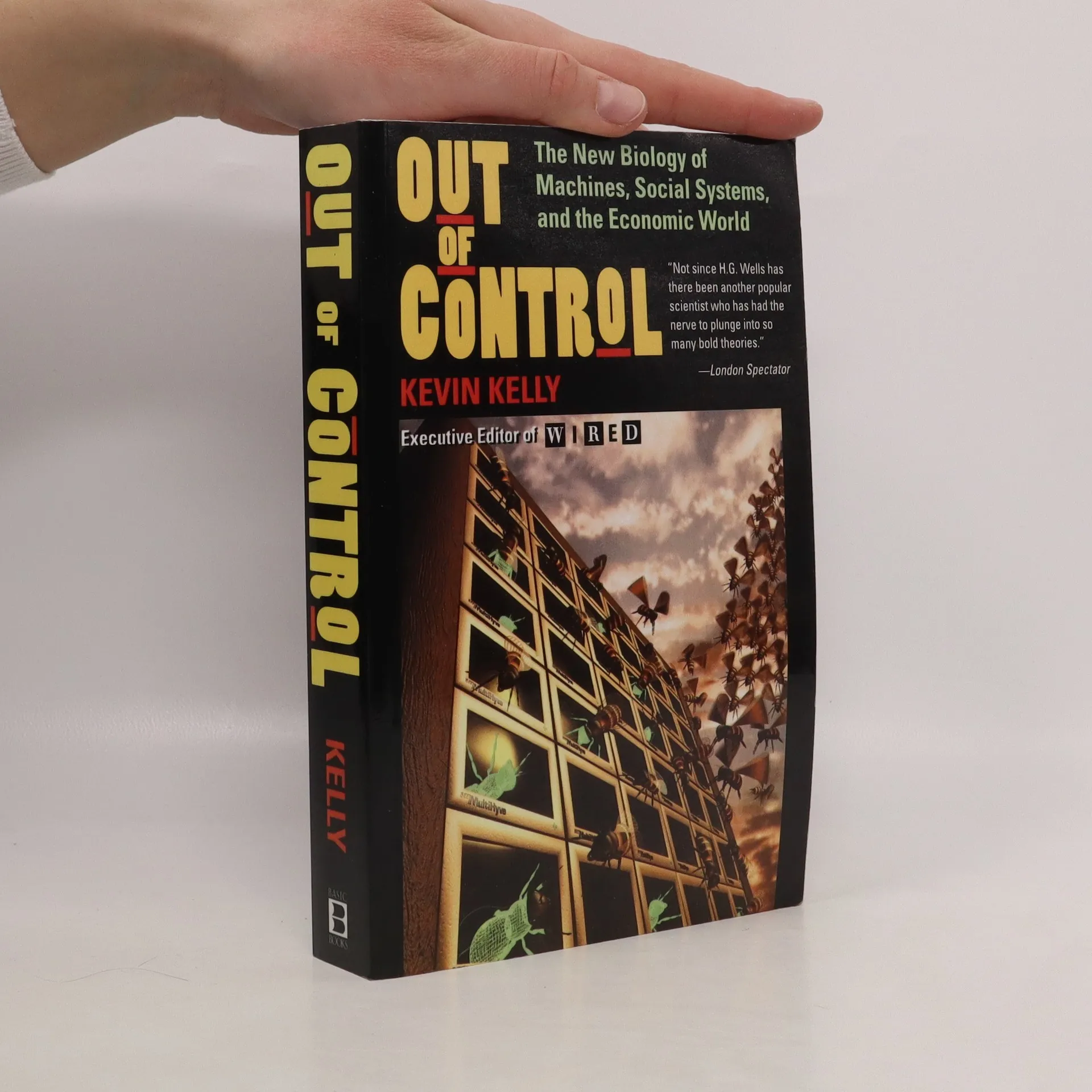
A synthesis of research and theory, this work chronicles the dawn of a new era in which the adaptability and autonomy of living organisms becomes the model for human made systems and machines. The author combines ideas from the Choas Theory, cybernetics, current thinking on evolution and research into computerized artificial life with his own experience of on-line culture to show that industrial culture is now obsolete. This book presents the prospects of imminent revolution as Kelly identifies new frontiers of thinking about biological systems that will change the way the natural world is percieved.
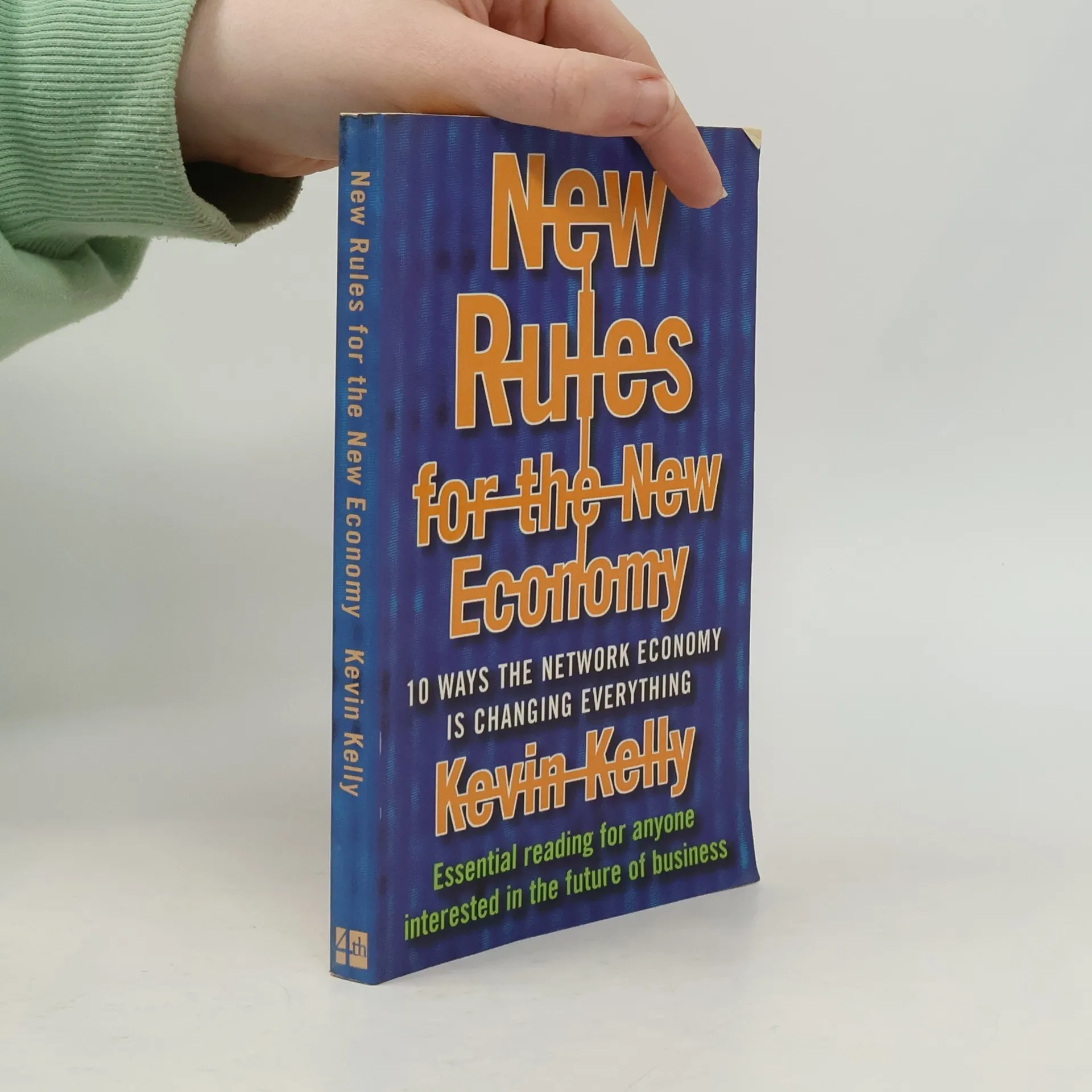
In New Rules, Kevin Kelly brings together the many various forces at work in the emerging economies and puts forward 10 principles to guarantee accords in the post-industrial digital revolution. The Network Economy has created a new market and a new economy. The major changes have not been the growth of computers but the increased communications between these computers. Wealth now comes from innovation and networks are the ideal environment for these new discoveries. This means the rate of changes have increased phenomenally. Kevin Kelly presents 10 rules that outline the new rules within this revolution. From the 10 rules he proscribes 10 strategies.The message of the Network Economy is 'Don't solve problems, seek opportunities'. The new economy is based on innovation, imagination and originality rather than repetition, productivity and automation. New Rules is an exciting and important look at the future.
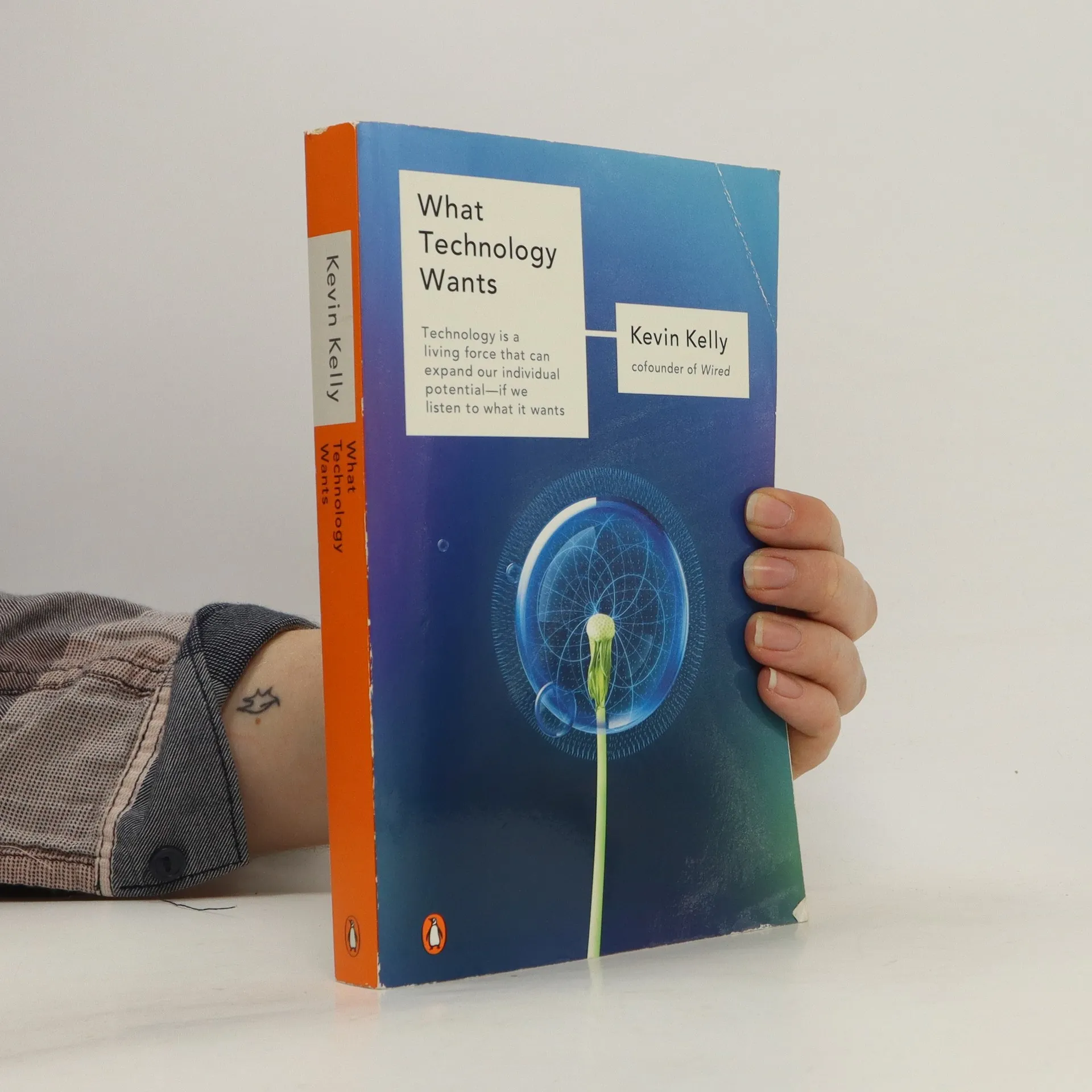
From the author of the New York Times bestseller The Inevitable— a sweeping vision of technology as a living force that can expand our individual potential In this provocative book, one of today's most respected thinkers turns the conversation about technology on its head by viewing technology as a natural system, an extension of biological evolution. By mapping the behavior of life, we paradoxically get a glimpse at where technology is headed-or "what it wants." Kevin Kelly offers a dozen trajectories in the coming decades for this near-living system. And as we align ourselves with technology's agenda, we can capture its colossal potential. This visionary and optimistic book explores how technology gives our lives greater meaning and is a must-read for anyone curious about the future.
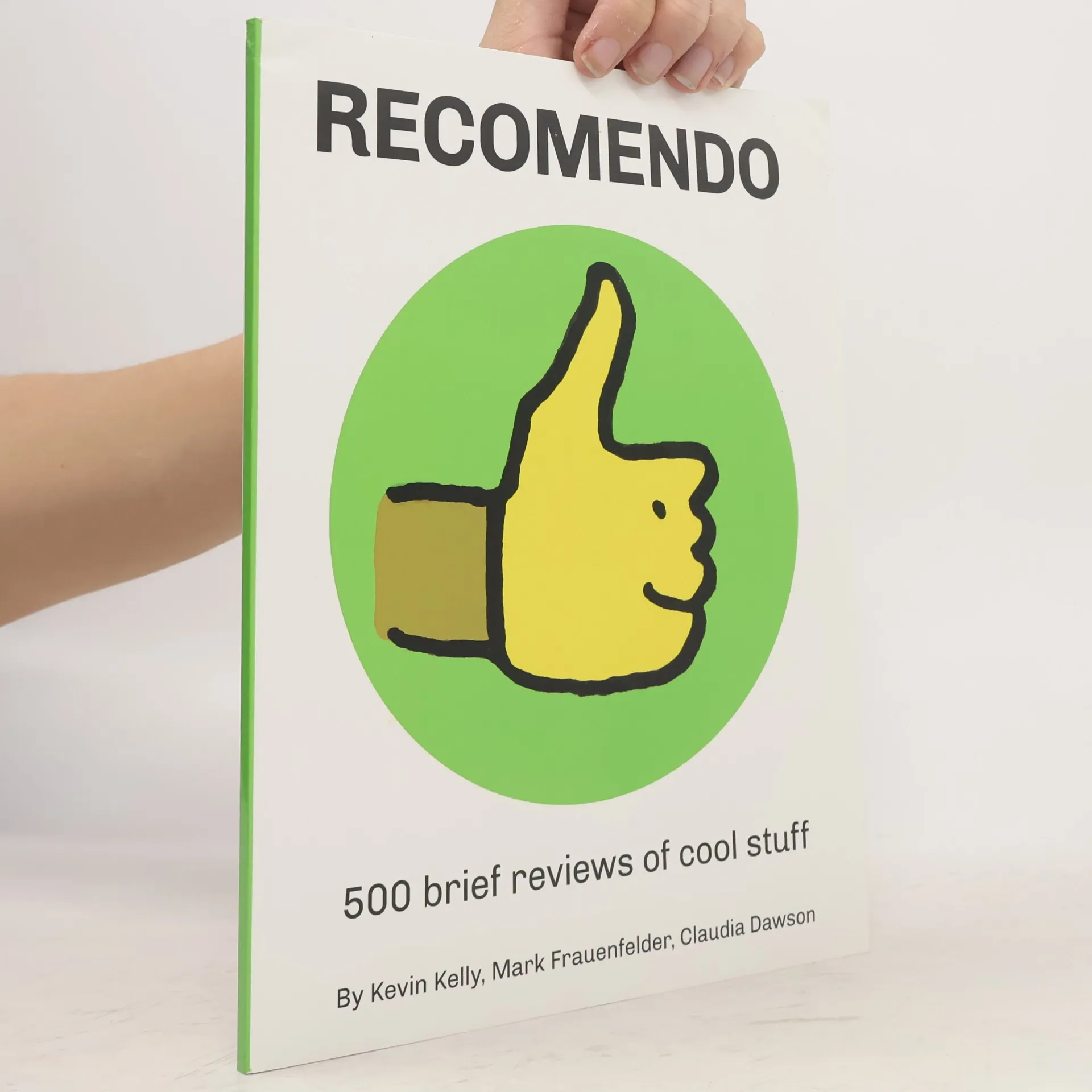
Every week for the past two years we briefly recommend 6 things to our friends in free email newsletter called Recommendo. This book features the “best of” those recommendations. Sometimes we suggest tools, but most items aren’t tools. Rather we recommend stuff such as our favorite places to visit, things to watch or listen to, favorite stuff to eat, as well as tips for work or home, and techniques we’ve learned, quotes we like to remember, and so on. This autumn we collected, filtered and organized 550 of the best recommendations and put them into a book, called naturally enough, Recomendo. The book is 95 jam-packed pages. We’ve categorized the recommendations, grouping like with like. Having all the workflow tips, or household suggestions, or workshop tools, or travel recommendations all in one place is super handy. There’s an index and subject guide. Many of the items have an illustration. To make up for the fact that a book can’t have links, we’ve added QR codes, so you can instantly get a link with your phone. Everyone who has picked the book up has found something cool for them on the first page and they keep turning the pages for more.
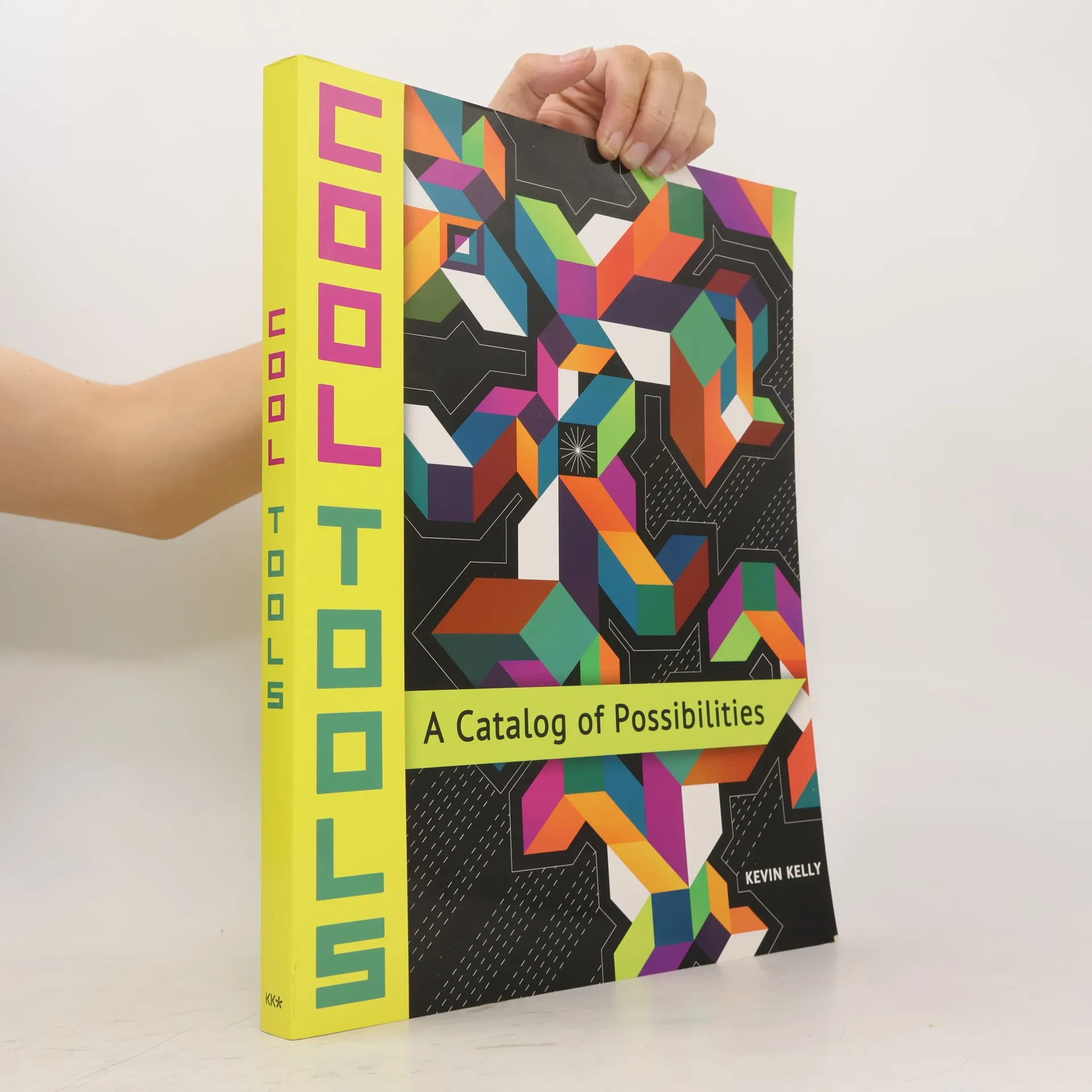
Cool Tools is a highly curated selection of the best tools available for individuals and small groups. Tools include hand tools, maps, how-to books, vehicles, software, specialized devices, gizmos, websites — and anything useful. Tools are selected and presented in the book if they are the best of kind, the cheapest, or the only thing available that will do the job. This is an oversized book which reviews over 1,500 different tools, explaining why each one is great, and what its benefits are. Indirectly the book illuminates the possibilities contained in such tools and the whole catalog serves an education outside the classroom. The content in this book was derived from ten years of user reviews published at the Cool Tools website, cool-tools.org.
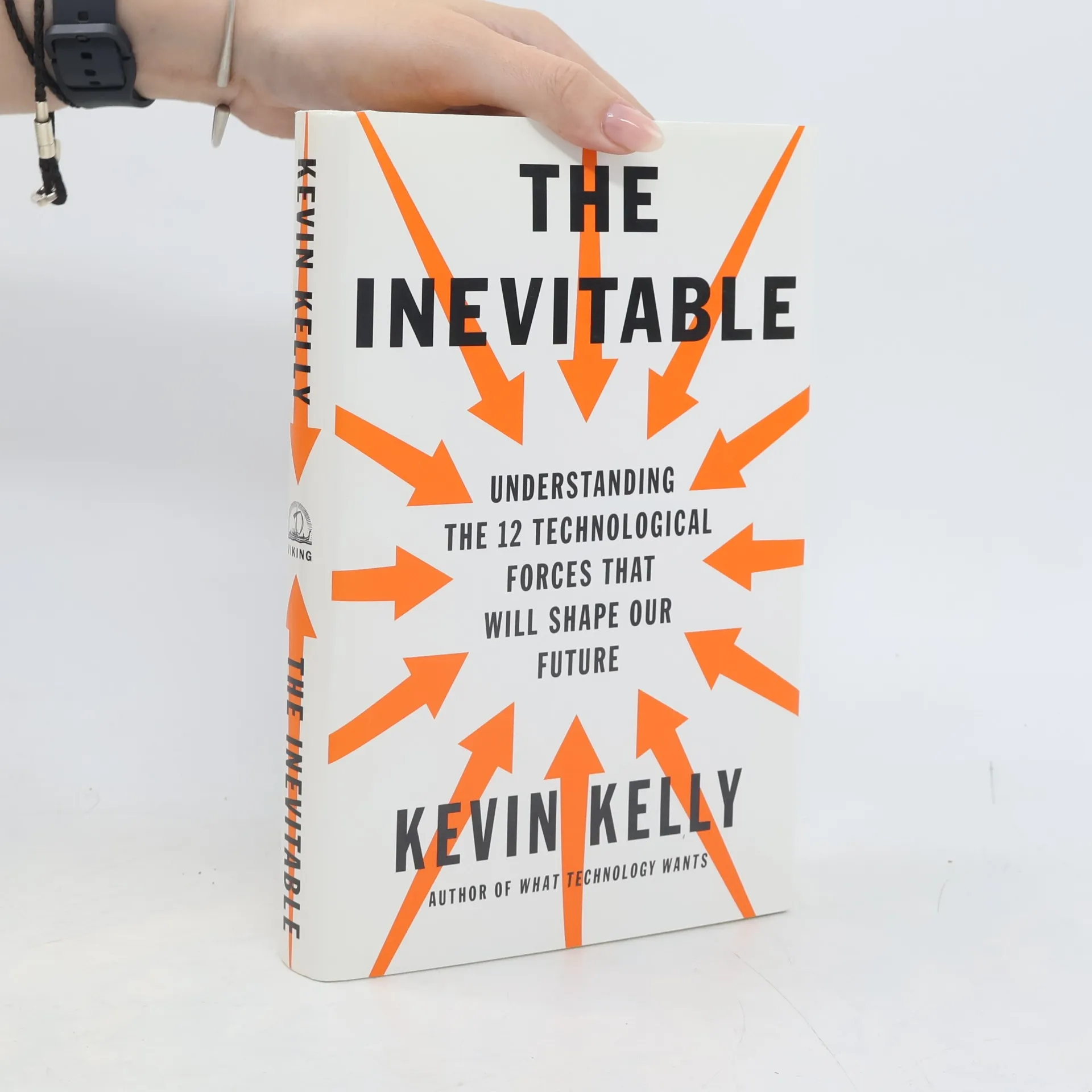
Что нас ждет в будущем? По каким правилам будет жить общество? Почти всех занимают подобные вопросы. Кажется, что невозможно ничего предугадать, но на самом деле многие наши грядущие реалии понятны уже сейчас. И они неизбежны, потому что формируются сегодняшними технологиями. В этой книге описаны двенадцать самых важных трендов сегодняшнего дня, которые определяют наше общее будущее на ближайшие три десятка лет.
Mitbegründer des digitalen Kulturmagazins 'Wired' führt Kevin Kelly ein Doppelleben: Cyberkultur-Redakteur und unabhängiger Fotograf. Seit 30 Jahren reist er unabhängig von seiner Arbeit bei 'Wired' durch die entlegensten Winkel Asiens und fotografiert das tägliche Leben. Kelly hat die einzigartige Perspektive eines Menschen, der im digitalen Fast-Lane lebt und dennoch das Verlangen hat, Kulturen zu erleben und zu verstehen, die sich stark von seiner eigenen unterscheiden. In etwa 600 atemberaubenden, reichhaltig gefärbten Bildern, ganz ohne Text, teilt Kelly seine Vision von Asien von Ost nach West, von Afghanistan bis Japan. Der Umfang dieses Buches ist so groß, dass das Durchblättern der Seiten wie eine Reise ist, eher einem epischen Film als einem Buch ähnlich. In Kellys Worten: "Mein Buch ist eine wortlose Erfahrung im abgelegenen Asien. Die Idee ist, dass man das Buch öffnet und darin versinkt. Man wird in Asien eintauchen."
Die jahrtausendelange Technisierung und Industrialisierung hatte bislang nur ein Ziel: den Menschen unabhängig zu machen von den Launen der Natur. Dieser Weg ist an ein Ende gelangt. Die komplexen Aufgaben der Zukunft, die Gestaltung einer immer komplizierteren und vernetzteren Welt, kann nicht mehr gegen die Natur erfolgen. Der neue Weg der Zukunft heißt: Biotechnologie. Technik und Biologie bewegen sich wieder aufeinander zu und werden immer häufiger verschmelzen. Künstlich geschaffene Systeme werden sich so verhalten wie biologische Organismen: selbststeuernd, selbsterhaltend und selbstreproduzierend. Damit maßt sich der Mensch eine Art Schöpferrolle an. Allerdings ist er kein allmächtiger Schöpfer - über die künstlich geschaffenen 'Vivisysteme', wie Kelly sie nennt, werden wir keine vollständige Kontrolle ausüben können. Er hat sich angesehen, wo überall an der biologischen Wende gearbeitet wird, und wirft einen prophetischen Blick in die Labors der Zukunft - und ins neue Jahrtausend.