
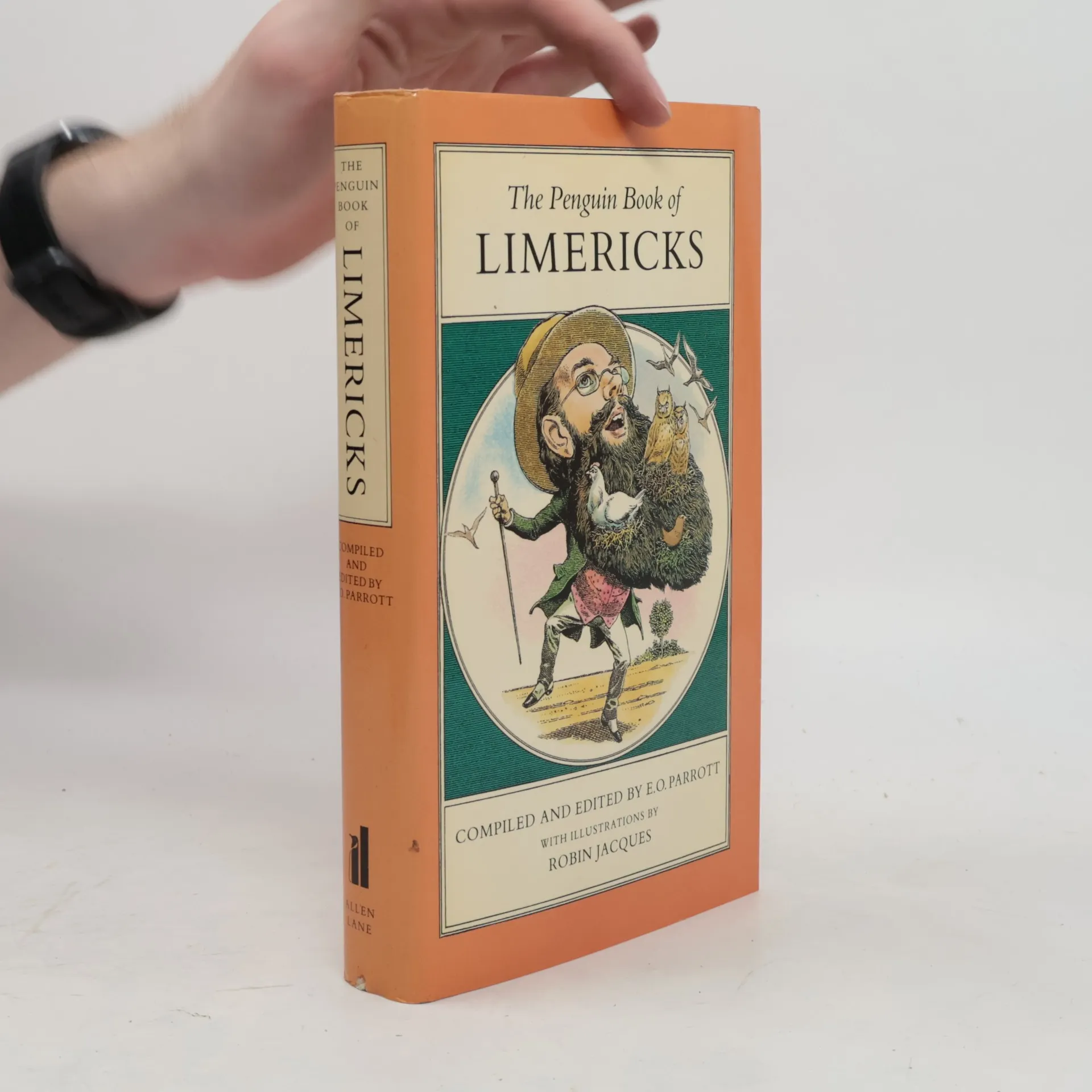
The Penguin book of Limericks
- 304 pages
- 11 hours of reading
Gathers a variety of tongue twisters and humorous poems about history, religion, politics, mathematics, psychology, and sex.
Robin Jacques was a British artist and book illustrator known for his prolific work. Despite having no formal art training, he taught himself to draw and developed a distinctive style that graced over 100 novels and children's books from the 1940s to the 1980s. He notably illustrated fairy-tale compilations, bringing magical worlds to life with his unique visual interpretations. Jacques also contributed significantly to the literary landscape as the art editor for *Strand* magazine and later shared his expertise by teaching at several art colleges.


Gathers a variety of tongue twisters and humorous poems about history, religion, politics, mathematics, psychology, and sex.
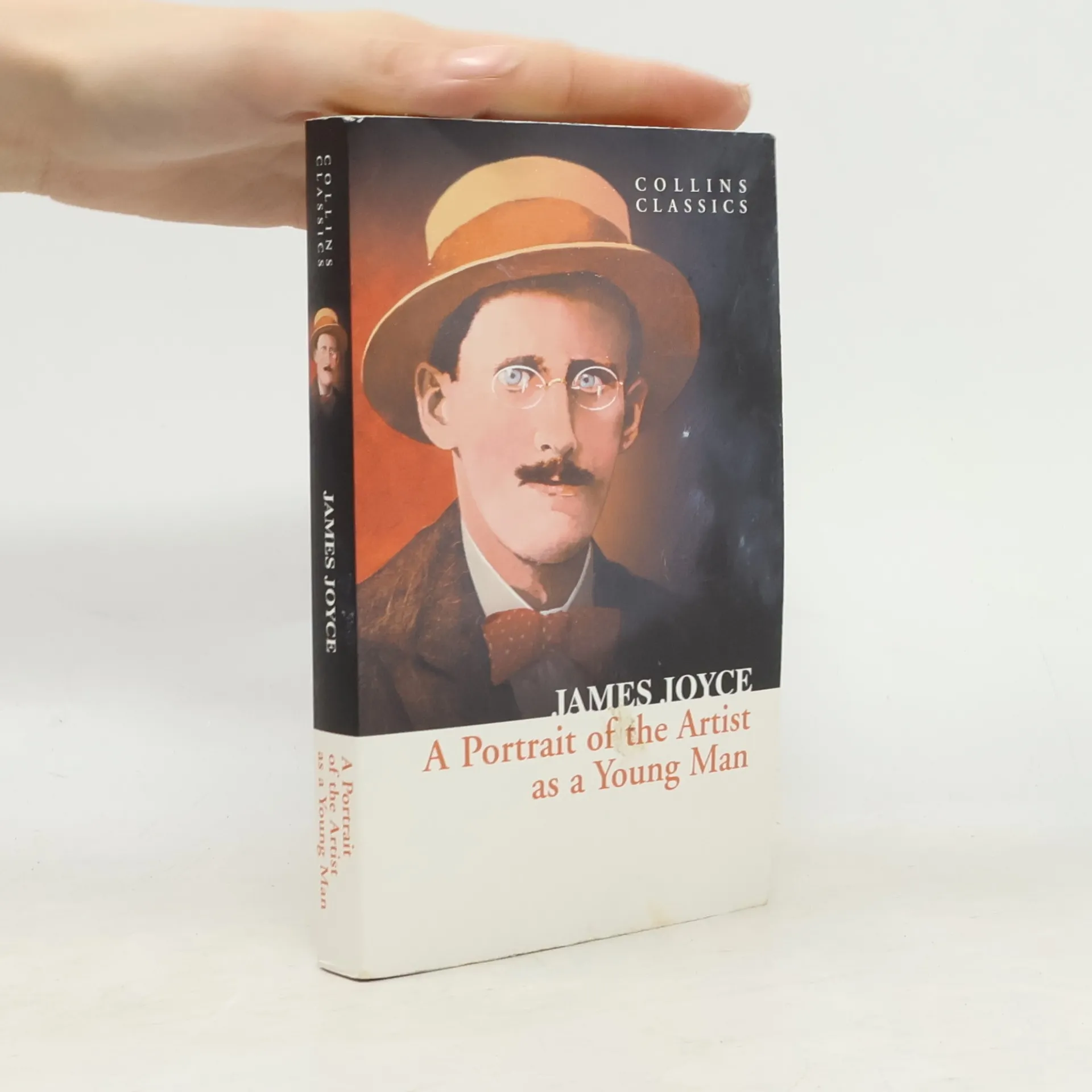
Playful and experimental, this autobiographical work vividly portrays the emotional and intellectual development of its protagonist, Stephen Dedalus. Edited by Seamus Deane, this edition captures Stephen's Dublin childhood and youth, detailing his quest for identity through art and his gradual emancipation from family, religion, and Ireland. It serves as an oblique self-portrait of the young James Joyce and a universal testament to the artist's "eternal imagination." The narrative explores themes of sexual awakening, religious rebellion, and the essential search for voice and meaning that every emerging artist must confront to fully realize themselves. James Joyce, born in Dublin in 1882 as the eldest of ten children, exiled himself to Paris at twenty to rebel against his upbringing. Although he returned to Ireland briefly, Dublin remained central to his greatest works, including Ulysses and Finnegans Wake. Joyce lived in poverty for much of his life, facing challenges such as near blindness and his daughter's mental illness. If this work resonates with you, consider exploring Joyce's Dubliners, also available in Penguin Modern Classics. Critics have praised Joyce's writing for its vividness and mythic richness, affirming his unique status among novelists for consistently publishing masterpieces.
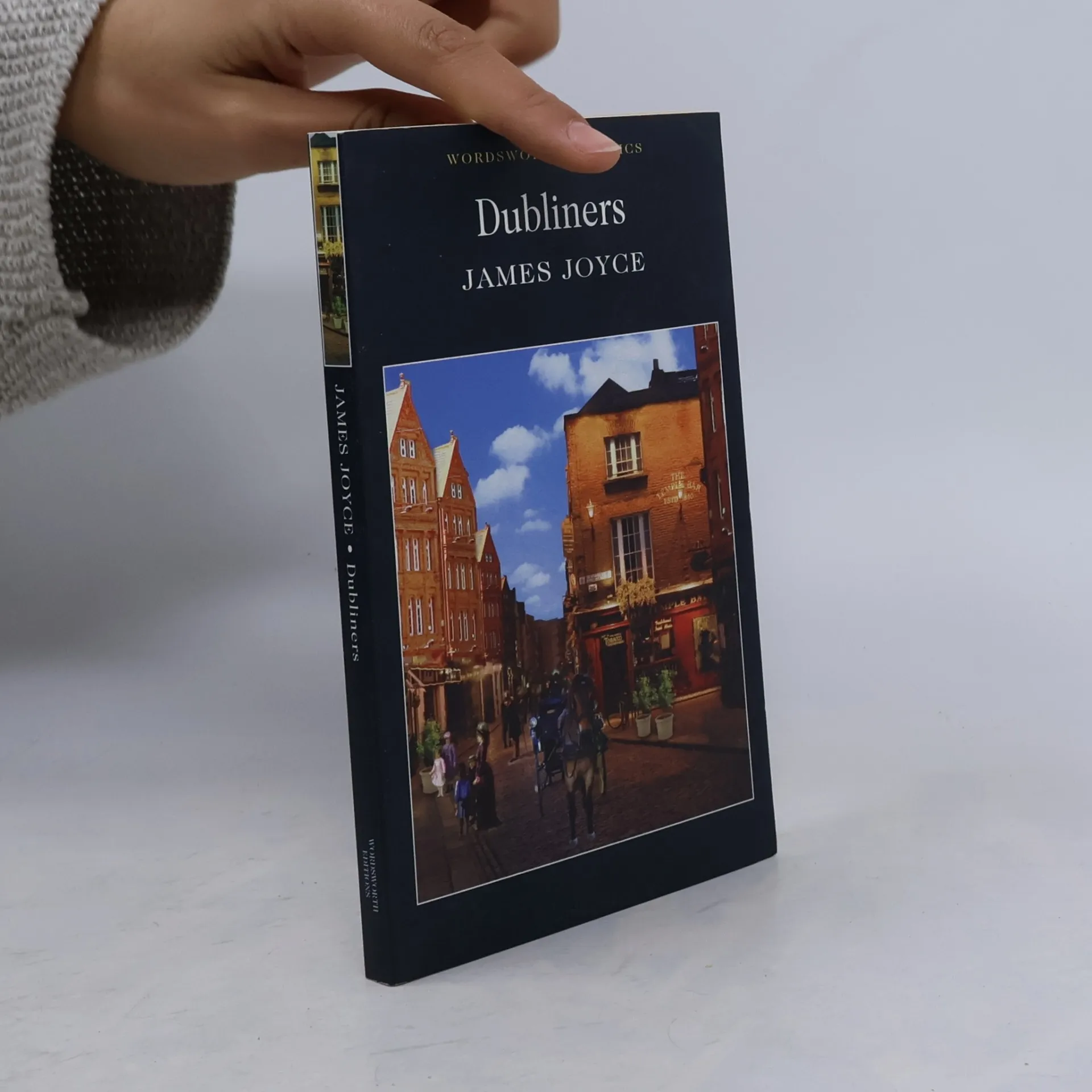
James Joyce's first published book, which he wrote when he was still in his twenties, Dubliners is far removed from the bold experimentalism of his later work, but is essential for understanding the author's development as a writer, and endures as a masterly example of the short-story form. Although ranging considerably in tone, mood and milieu, the fifteen short stories included in this collection all centre around the city of Dublin and its inhabitants at the beginning of the twentieth-century. From the unsettling adventure of two truant schoolboys to the crafty schemes of two con-men, from a young woman's refusal to abandon Ireland and elope with a sailor to a man's moment of clarity during an annual dance party, these stories offer a moving portrait of an entire world and era which has all but disappeared.