Elizabeth Blackwell crafts fiction that delves into the complexities of navigating different cultures and forging identity across varied landscapes. Her background, marked by global upbringing and a career in journalism, informs her keen observations of human behavior and societal nuances. Blackwell's prose is characterized by its insightful exploration of the internal lives of her characters as they grapple with belonging and place in a multifaceted world. She brings a distinctive blend of historical awareness and journalistic precision to her storytelling.
Elizabeth Blackwell's narrative details her pioneering efforts to enter the medical field as a woman, sharing her personal experiences and challenges. The book offers profound insights into the philosophy of medicine, advocates for women's education, critiques the institution of slavery, and reflects on the societal norms of 19th-century America. Through her eloquent prose, Blackwell not only chronicles her journey but also engages with broader themes of equality and social justice.
Nadia Shulkina's comfortable life is upset by the Russian Revolution. Instead of living as an aristocrat, she marries a Bolshevik, travels, and becomes a spy, discovering love, betrayal, and a fatal conspiracy.
The book is a reproduction of a historical work, published by Megali, a house dedicated to producing large print editions. This initiative aims to enhance accessibility for readers with impaired vision, ensuring that important texts remain available to a broader audience.
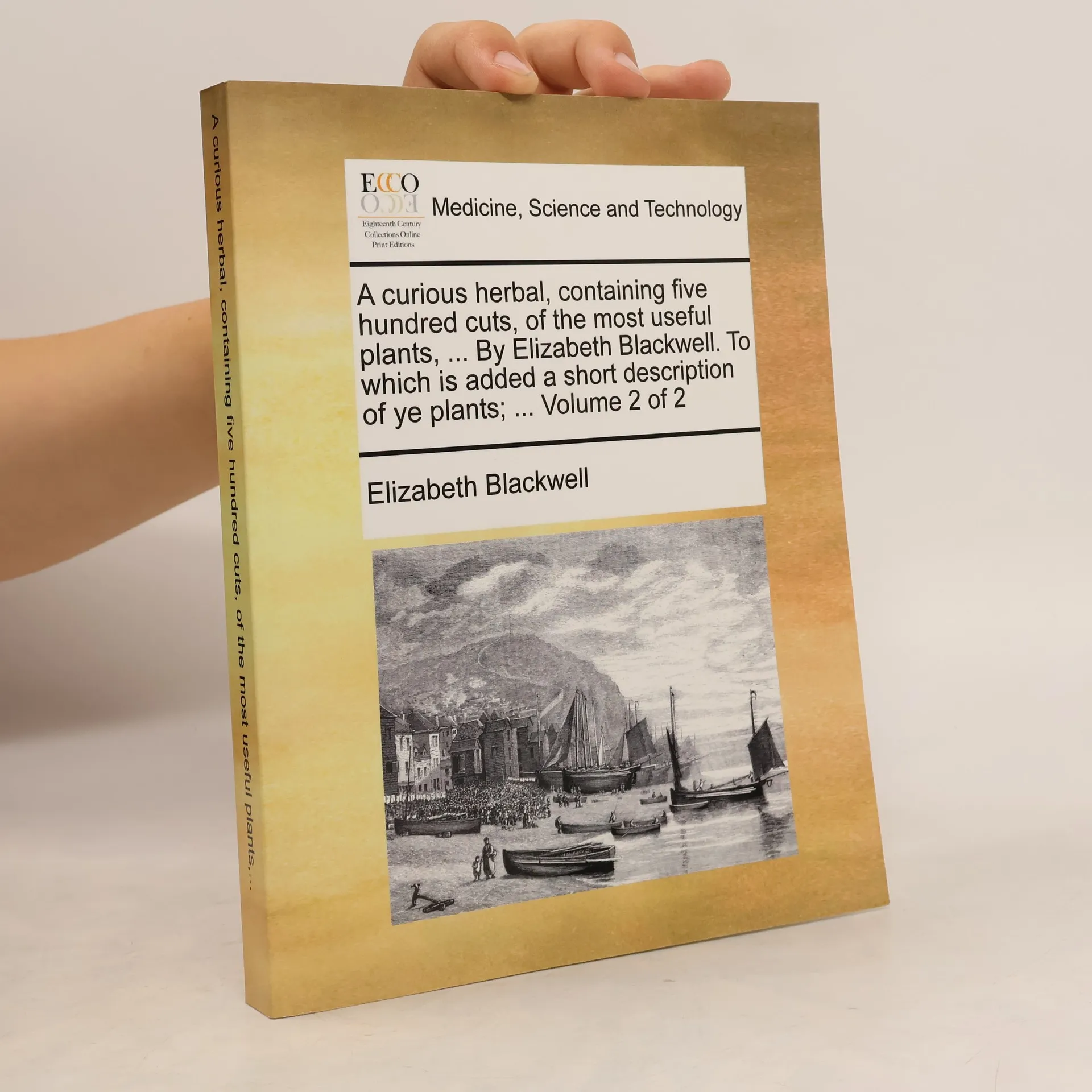
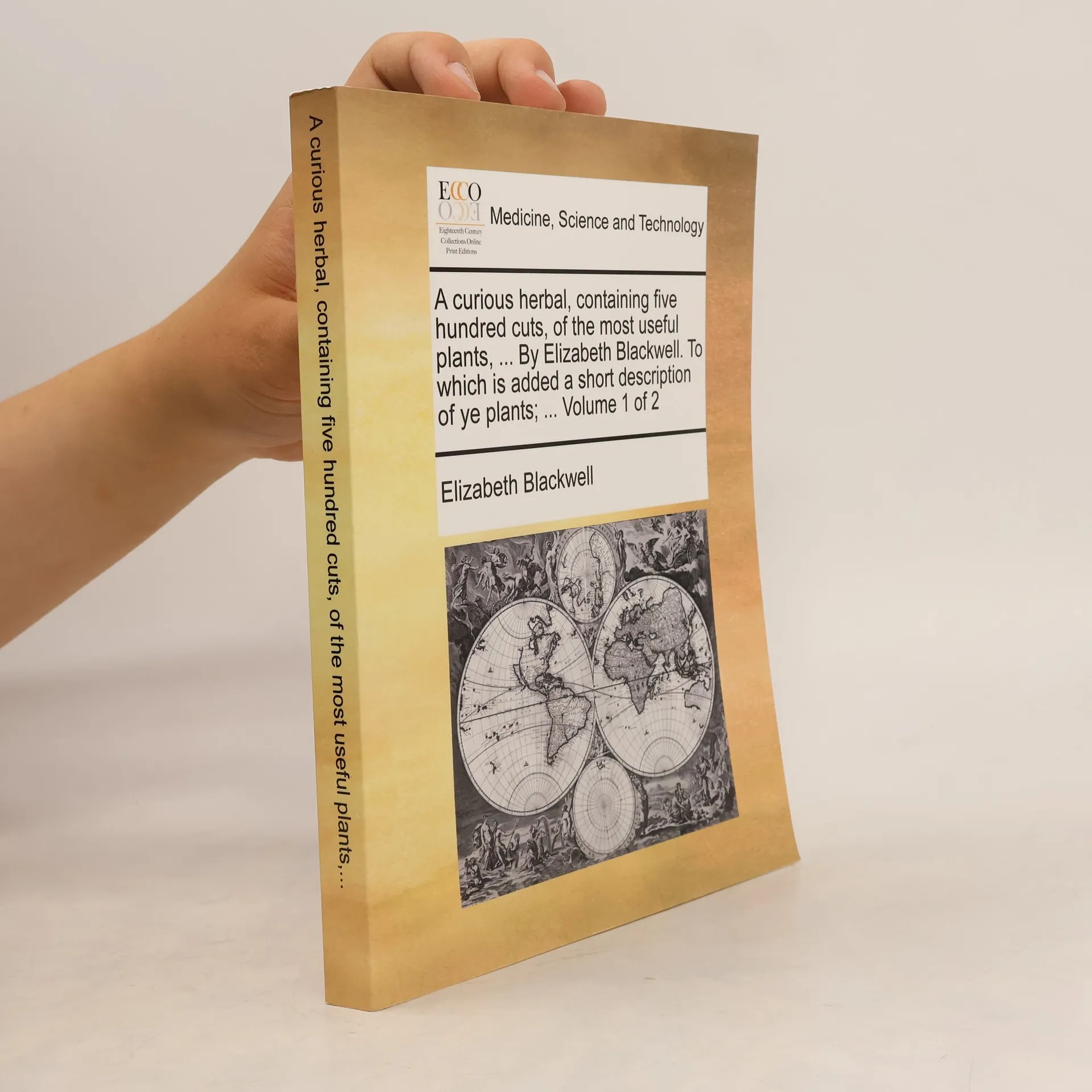
To Which Is Added A Short Description Of Ye Plants; ...
350 pages
13 hours of reading
The 18th century was a wealth of knowledge, exploration and rapidly growing technology and expanding record-keeping made possible by advances in the printing press. In its determination to preserve the century of revolution, Gale initiated a revolution of its own: digitization of epic proportions to preserve these invaluable works in the largest archive of its kind. Now for the first time these high-quality digital copies of original 18th century manuscripts are available in print, making them highly accessible to libraries, undergraduate students, and independent scholars.Medical theory and practice of the 1700s developed rapidly, as is evidenced by the extensive collection, which includes descriptions of diseases, their conditions, and treatments. Books on science and technology, agriculture, military technology, natural philosophy, even cookbooks, are all contained here.++++The below data was compiled from various identification fields in the bibliographic record of this title. This data is provided as an additional tool in helping to insure edition identification: ++++National Library of ScotlandT151096Engraved throughout. With an index to each volume. Originally published in weekly instalments. A reissue of the 1737 edition with the imprints re-engraved and volume statements in roman numerals. Make-up of the preliminaries varies.London: printed for John Nourse, 1739. 2v., plates; 2�
Focusing on accessibility, this book is a reproduction of a historical work presented in large print format. Published by Megali, a house dedicated to making literature more accessible for individuals with impaired vision, it aims to enhance the reading experience for those who may struggle with standard print sizes.