Explore the latest books of this year!
Bookbot

Julio Cortázar

    August 26, 1914 – February 12, 1984

    Julio Cortázar was an Argentine author who profoundly influenced a generation of Latin American writers. Much of his most celebrated work was created in France, where he settled in 1951. His distinctive style and exploration of complex themes continue to captivate readers across the globe.

    Julio Cortázar
    End of the Game
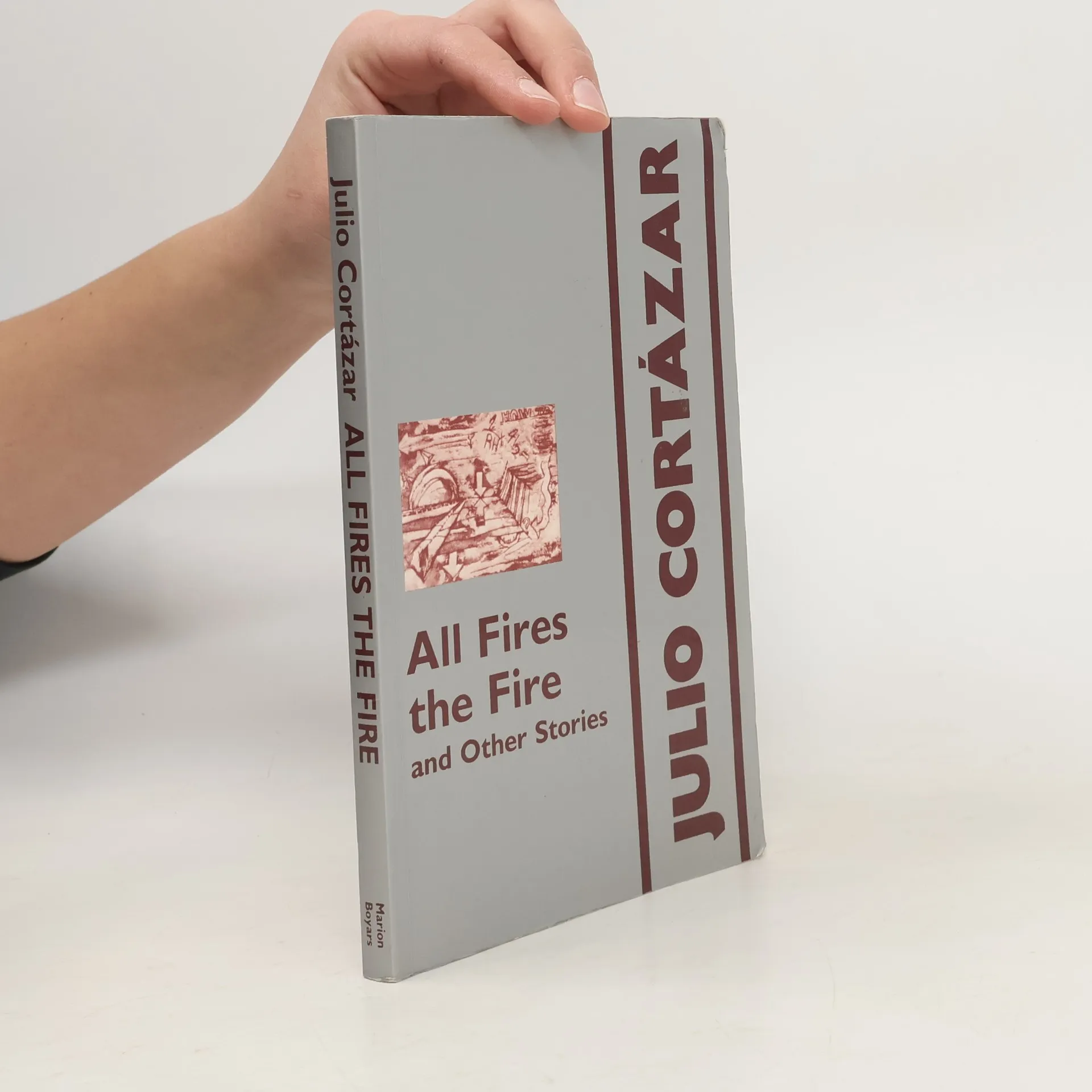
    All Fires the Fire
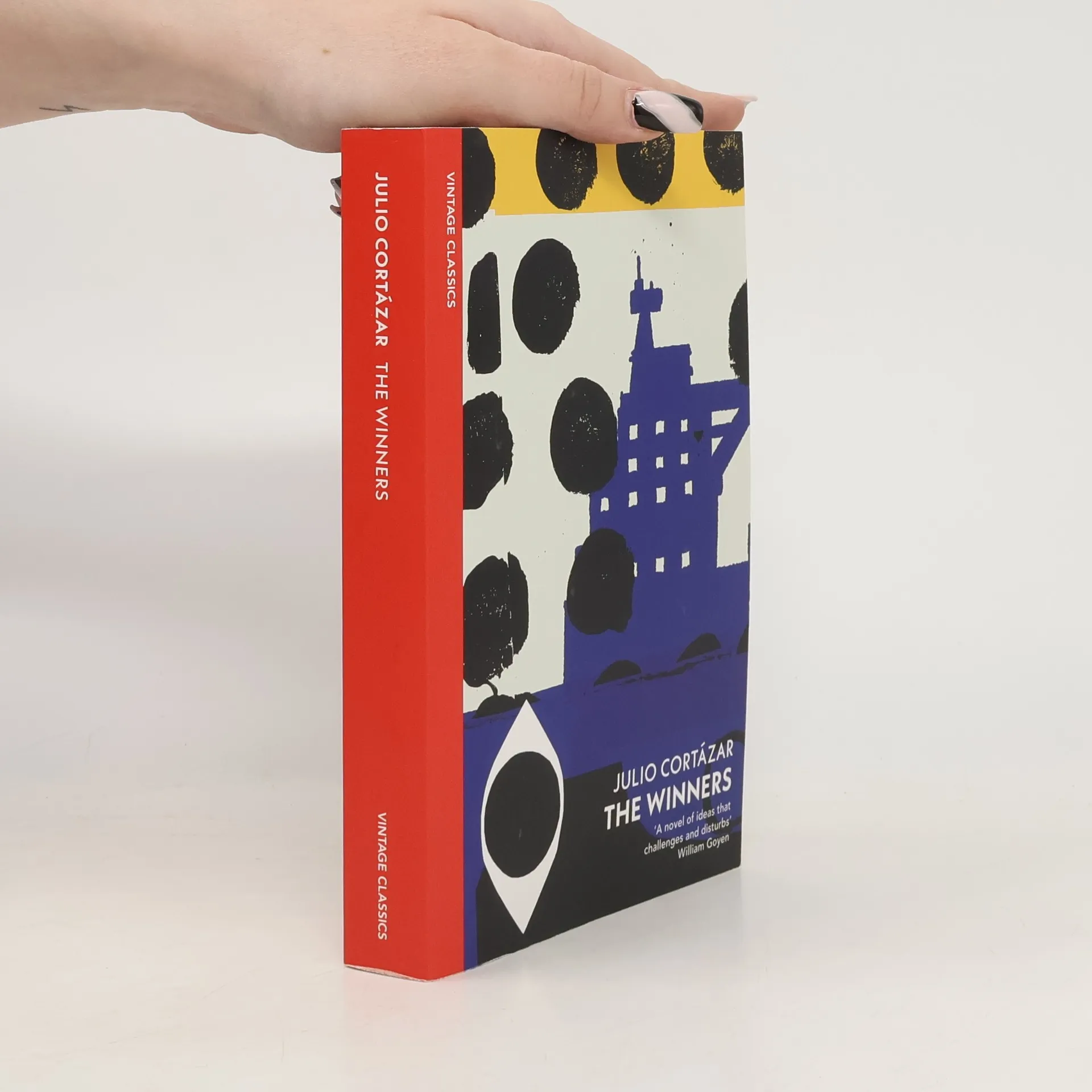
    The Winners
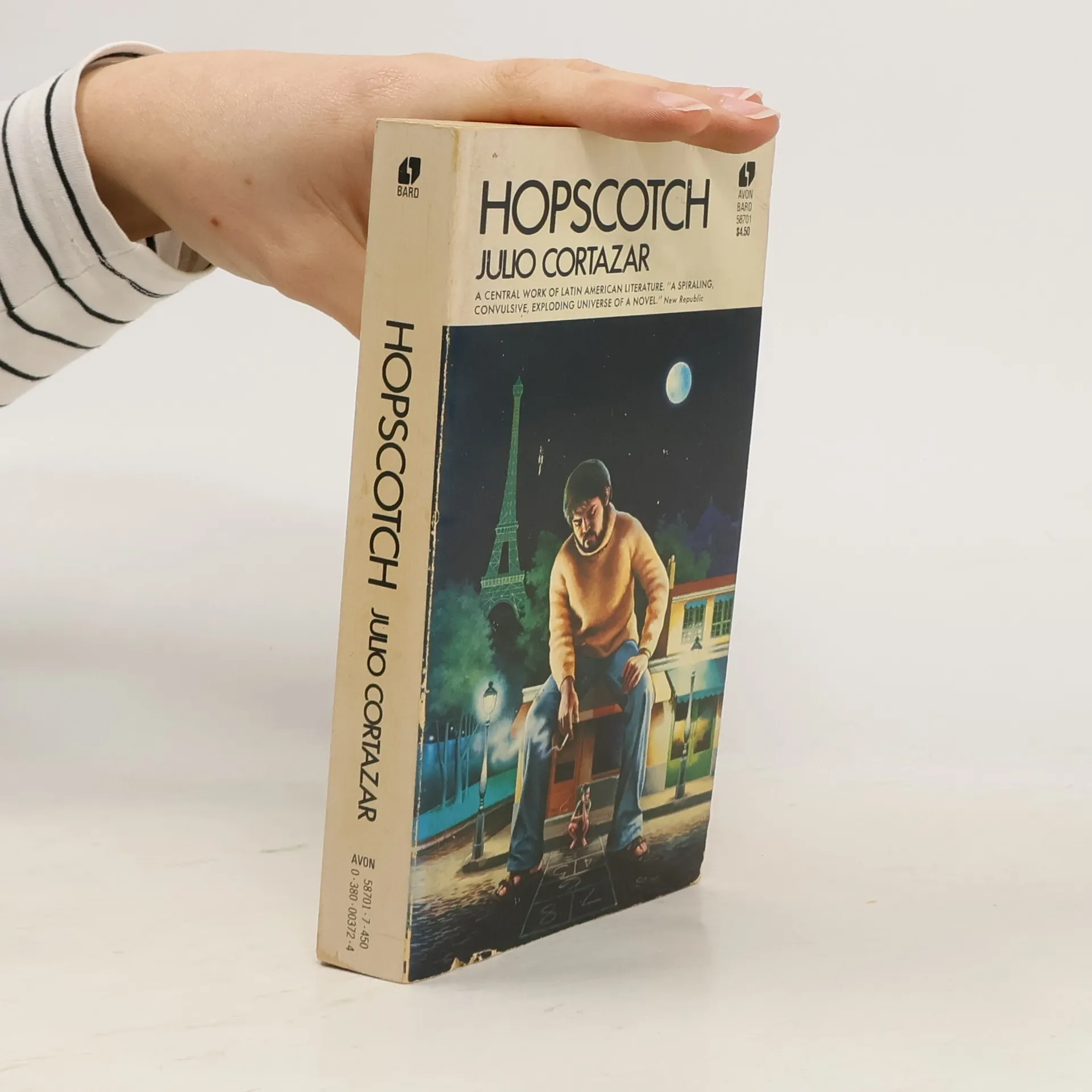
    Hopscotch
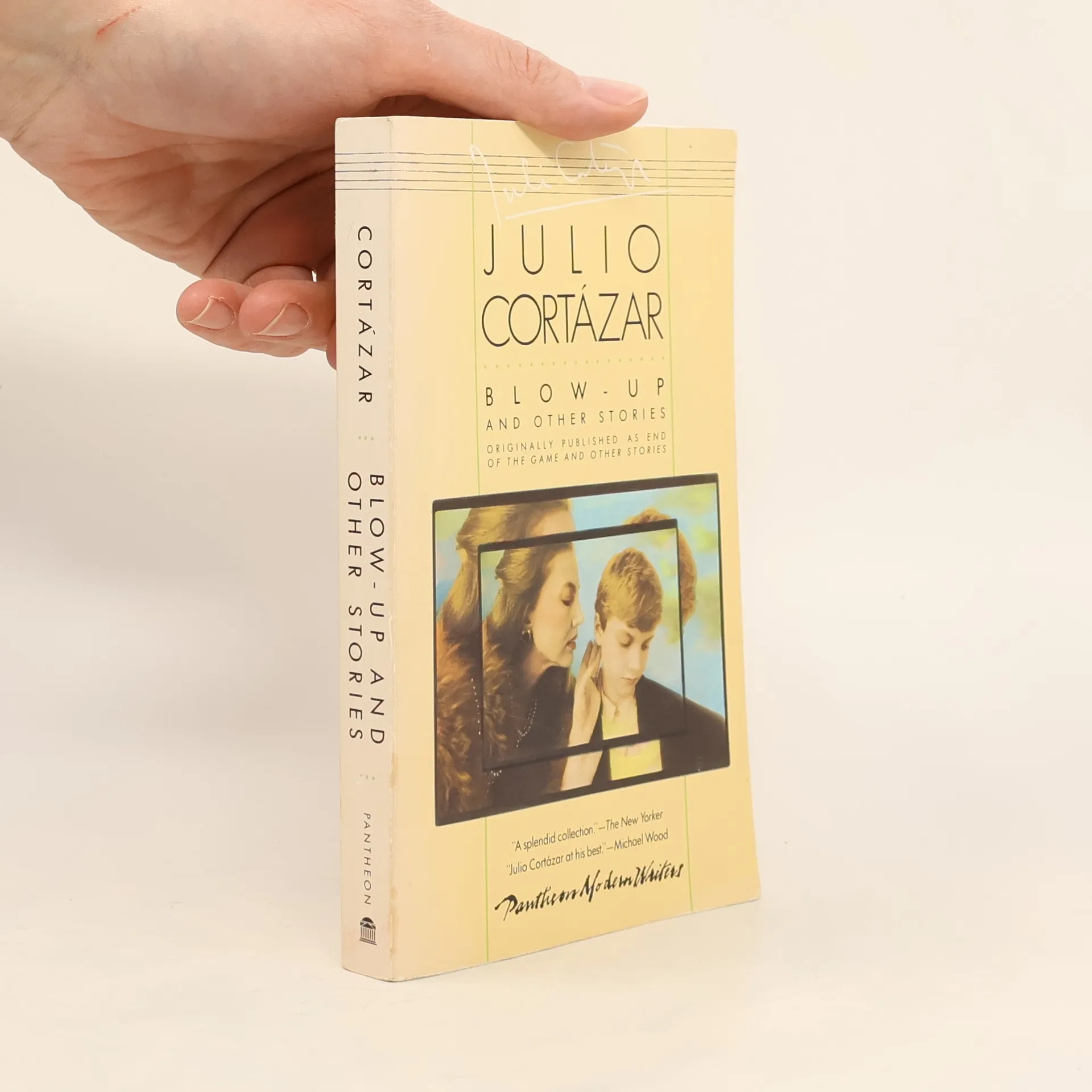
    Blow-Up: And Other Stories
    Literature Class, Berkeley 1980
    • Literature Class, Berkeley 1980

      • 280 pages
      • 10 hours of reading

      The book features a series of eight classes by renowned Argentine writer Julio Cortázar, delivered at UC Berkeley in 1980. These sessions blend personal reflections on his writing journey with insights into literature and the cultural context of his time. Cortázar discusses topics like the writer's path and the nature of the fantastic, offering an intimate glimpse into his creative process and thoughts. This collection serves as an essential resource for those studying Cortázar's work, providing a unique opportunity to engage with the author's ideas directly.

      Literature Class, Berkeley 1980
      4.4
    • Blow-Up: And Other Stories

      • 277 pages
      • 10 hours of reading

      A young girl spends her summer vacation in a country house where a tiger roams . . . A man reading a mystery finds out too late that he is the murderer's victim . . . In the fifteen stories collected here—including "Blow-Up," which was the basis for Michelangelo Antonioni's film of the same name—Julio Cortazar explores the boundary where the everyday meets the mysterious, perhaps even the terrible.Axolotl House taken over Distances Idol of the Cyclades Letter to a young lady in Paris Yellow flower Continuity of parks Night face up Bestiary Gates of heaven Blow-up End of the game At your service Pursuer Secret weapons.

      Blow-Up: And Other Stories
      4.3
    • Hopscotch

      • 564 pages
      • 20 hours of reading

      "Cortazar's masterpiece ... The first great novel of Spanish America" (The Times Literary Supplement) • Winner of the National Book Award for Translation in 1967, translated by Gregory Rabassa Horacio Oliveira is an Argentinian writer who lives in Paris with his mistress, La Maga, surrounded by a loose-knit circle of bohemian friends who call themselves "the Club." A child's death and La Maga's disappearance put an end to his life of empty pleasures and intellectual acrobatics, and prompt Oliveira to return to Buenos Aires, where he works by turns as a salesman, a keeper of a circus cat which can truly count, and an attendant in an insane asylum. Hopscotch is the dazzling, freewheeling account of Oliveira's astonishing adventures.

      Hopscotch
      4.3
    • All Fires the Fire

      • 154 pages
      • 6 hours of reading

      Cortazar's stories are like small time pieces, where each polished part moves relentlessly on its own particular path, exercising a crucial and perpetual influence on the mechanism as a whole. Moments jerk forward and retract, reflect and refract: an island at noon from an aeroplane - an aeroplane at noon from an island; the living deceiving the dying and also themselves, about death; fatality by fire in an ancient Roman arena and in a modern city apartment. It is a world that is constantly shifting, upsetting our balance and our peace of mind, a world outside of time that provokes a fascination bordering on terror. Cortazar is the master of the form and this celebrated collection houses some of his finest work.

      All Fires the Fire
      4.2
    • "End of the Game" is one of the most significant short story collections of the second half of the 20th century. In these eighteen tales, Julio Cortázar seeks to transgress the laws of conventional narrative, combining intertextuality, an unprecedented use of colloquial language, and endless playfulness to immerse the reader in a highly unique universe where nothing is as it seems. This is not merely literature; the Argentine author invites us to question the seriousness and credulous rationalism of our world.
      End of the Game
      4.1
    • Bestiary

      • 340 pages
      • 12 hours of reading

      A collection of masterful short stories in Julio Cortazar's sophistocated, powerful and gripping style. 'Julio Cortazar is truly a sorcerer and the best of him is here, in these hilariously fraught and almost eerily affecting stories' Kevin BarryA grieving family home becomes the site of a terrifying invasion.

      Bestiary
      4.0
    • Autonauts of the Cosmoroute

      • 220 pages
      • 8 hours of reading

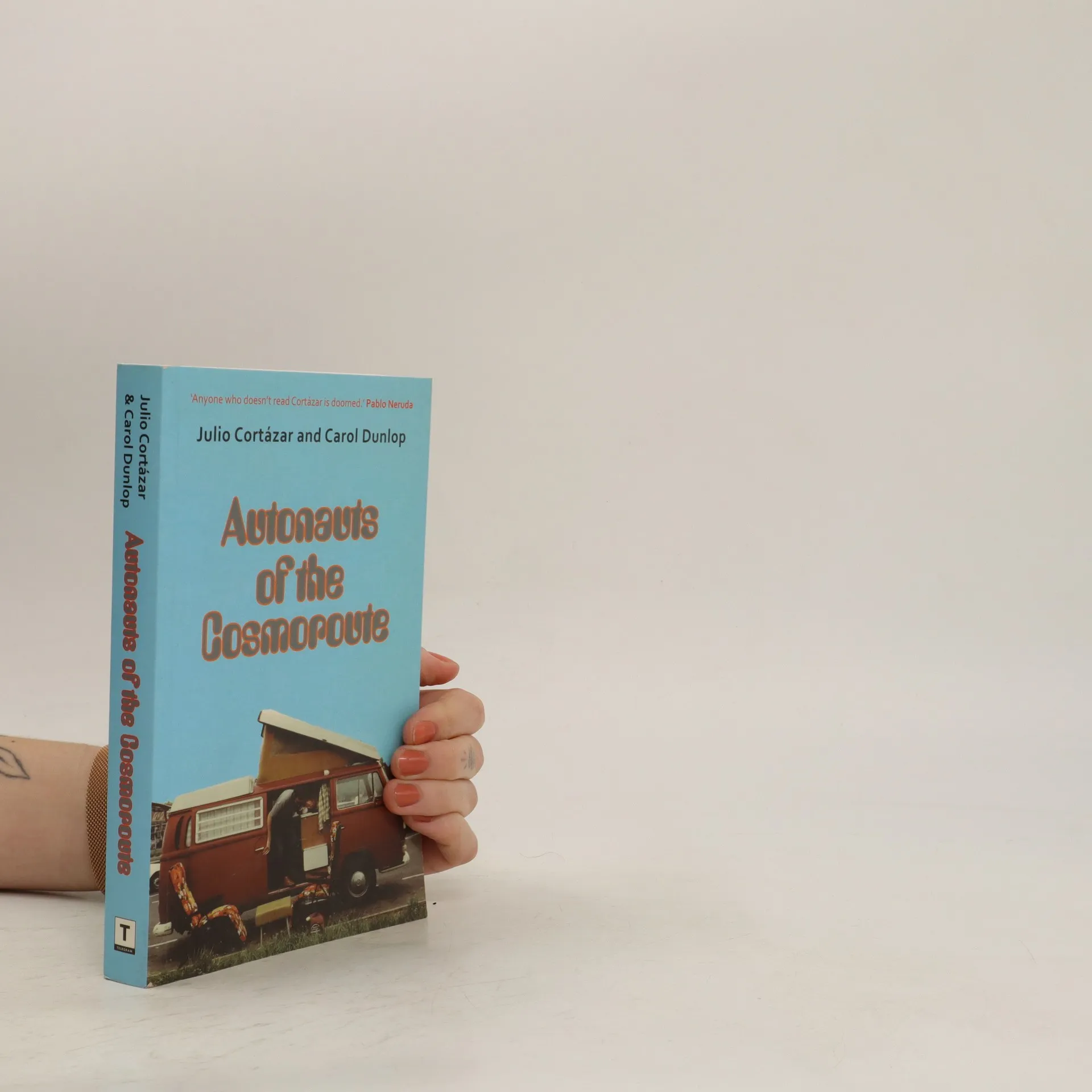
      A love story and an irreverent travelogue of elaborate tales and snapshots detailing Julio Cortazar and Carol Dunlop's thirty-three-day voyage on the Paris-Marseilles freeway in 1982.

      Autonauts of the Cosmoroute
      3.8
    • The World of the Short Story

      A 20th Century Collection

      • 847 pages
      • 30 hours of reading

      At age 82, Clifton Fadiman continues his prolific publishing career, here presenting 62 of the world's best short stories from 16 countries. His criteria? "Each story had to be both interesting and of high literary merit." Fadiman fulfills both requirements and much more, offering a cornucopia of superior 20th-century writers that includes Franz Kafka, D. H. Lawrence, Isaac Babel, F. Scott Fitzgerald, William Faulkner, Ernest Hemingway, John Cheever, Sean O'Faolain, Graham Greene, Robert Penn Warren, Colette, John Updike, Donald Barthelme, and James Thurber. (Regrettably, J. D. Salinger is not included due to lack of permission.) Here is a truly remarkable collection of this century's short stories that readers from all over the world will read with delight.

      The World of the Short Story
      3.8
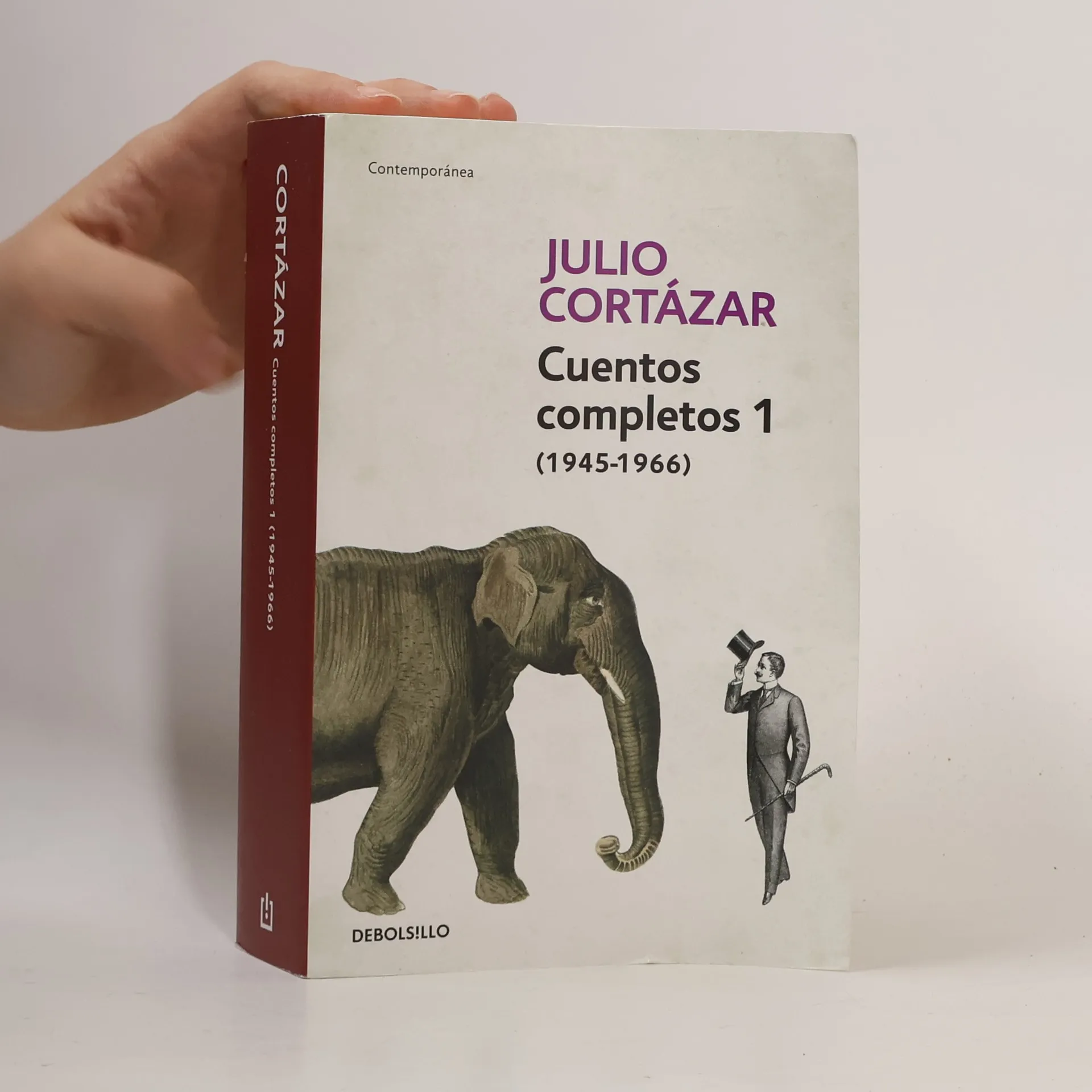
    • Cuentos completos : (1945-1966). 1

      • 648 pages
      • 23 hours of reading

      En este volumen el lector encontrará todas las colecciones de cuentos de Cortázar publicadas entre 1945 y 1966 y, como novedad, aquellos relatos aparecidos póstumamente en Papeles inesperados (2009) que, por título o fecha, pudieron pertenecer a ellas: La otra orilla, Bestiario, Las armas secretas, Final del juego, Historias de cronopios y de famas y Todos los fuegos el fuego conforman este primer volumen de los cuentos completos cortazarianos.

      Cuentos completos : (1945-1966). 1
      4.5
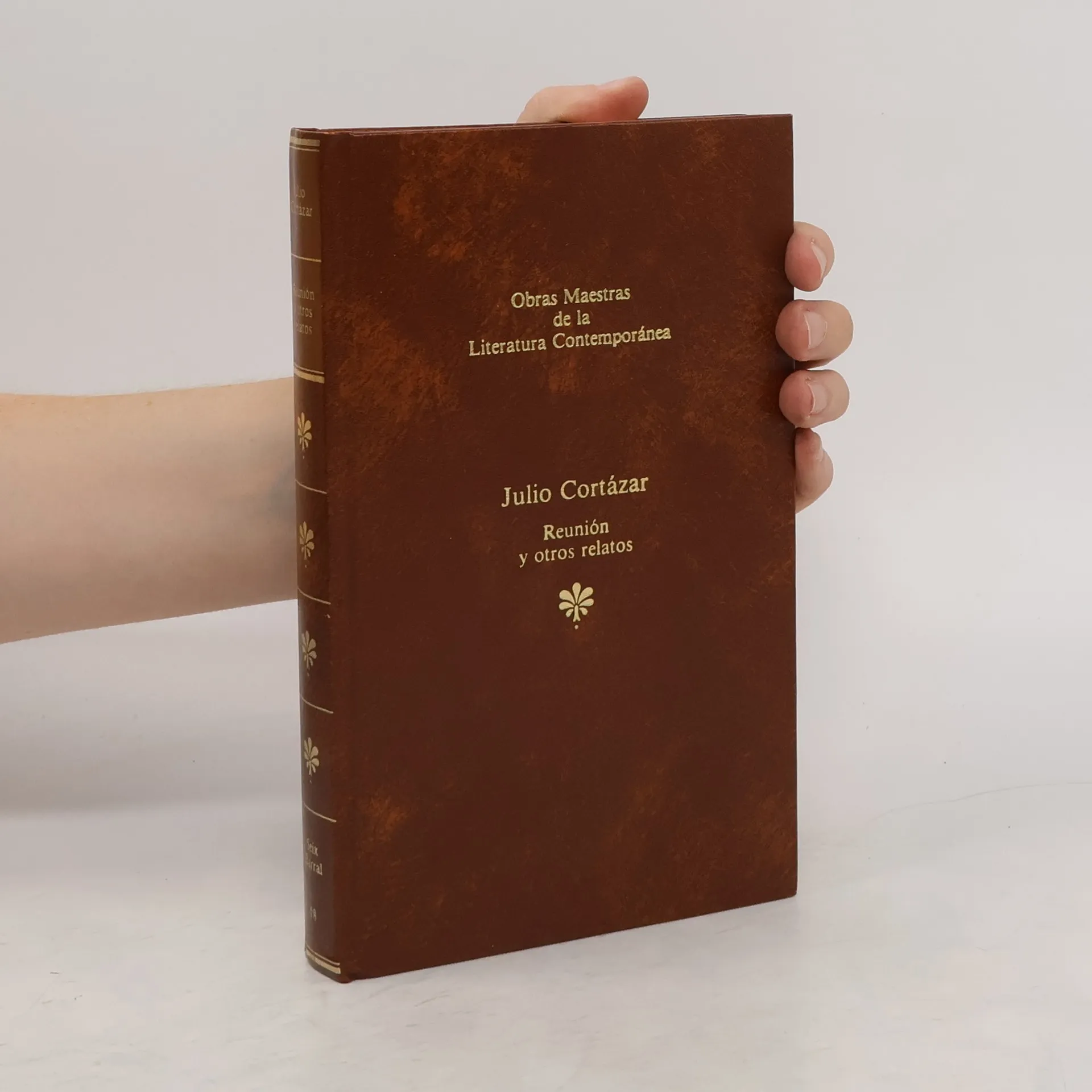
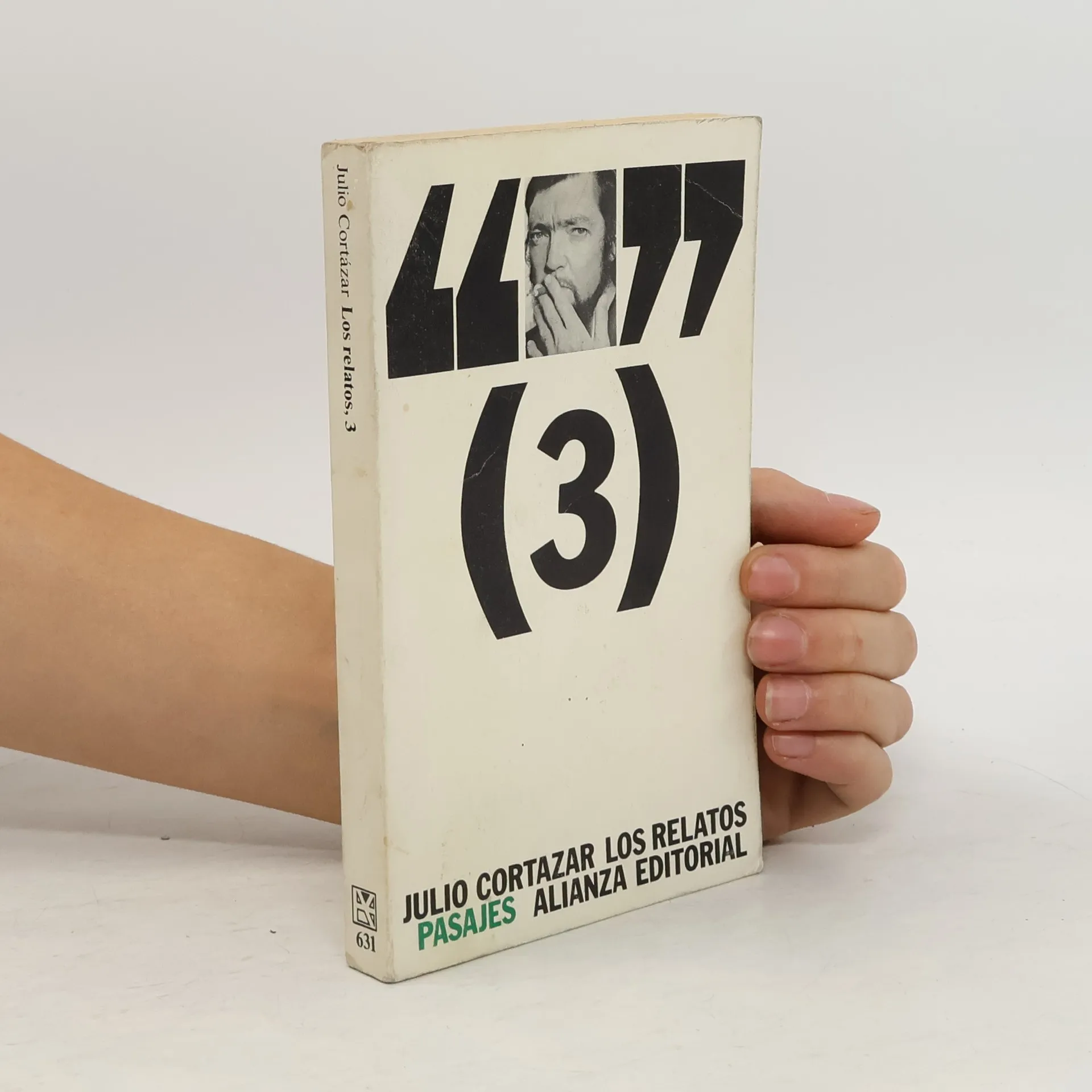
    • Los relatos de Julio Cortázar constituyen uno de los ejes esenciales de su gran obra narrativa. Si en sus novelas la búsqueda de una nueva expresión de la realidad, acepta incluso los riesgos de una audaz y brillante experimentación formal, en los relatos la perfección de la forma pretende no alterar la descripción de los espacios ambiguos, incomprensibles, fantásticos de la realidad. Ciñéndose por tanto a una prosa sólo aparentemente realista, Cortázar logra crear, de pronto, un imprevisto, inquietante pasaje de un mundo cuyos códigos creemos conocer a otro cuyos misterios, encantos y horrores escapan a la comprensión. Y no por ello, sin embargo, son mundos diversos; la percepción de la realidad no es completa si serena, por temor o dogmatismo, sus aspectos mágicos o fantasmagóricos. «En los libros de Cortázar juega el autor, juega el narrador, juegan los personajes y juega el lector, obligado a ello por las endiabladas trampas que lo acechan a la vuelta de la página menos pensada.» Mario Vargas Llosa

      Reunión y otros relatos
      4.8
    • Antología poética

      • 190 pages
      • 7 hours of reading

      Cantor y heraldo del amor, maestro de poetas, figura indispensable de la lírica española del siglo xx, Pedro Salinas (1891-1951) tomó parte activa en el efervescente panorama literario que habría de truncar en 1936 el estallido de la Guerra Civil, acontecimiento que le llevó, como a tantos otros, al exilio. La tarea de selección y ordenación de esta ANTOLOGÍA POÉTICA corre a cargo de Julio Cortázar, que explica en su prólogo los motivos por los que ha prescindido de la secuencia cronológica, las razones que le han llevado a dar prelación a los poemas de amor y los criterios que han guiado su labor.

      Antología poética
      4.5
    • La entrada en religión de Teodoro W. Adorno, Ciclismo en Grignan, El viaje, Jardín para Octavio Paz, Diálogo de las formas, Empiezas con la magia , Naufragios, Ya no quedan esperanzas de, Una voce poco fa, Sobre la exterminación de los cocodrilos en Auvernia, Salvador Dalí, sin valor adalid, Siestas, De la grafología como ciencia aplicada, Datos para entender a los perqueos, Acerca de la situación del intelectual latinoamericano, A los malos entendedores.

      Ultimo round 2
      4.5
    • Liebesgeschichten

      • 189 pages
      • 7 hours of reading

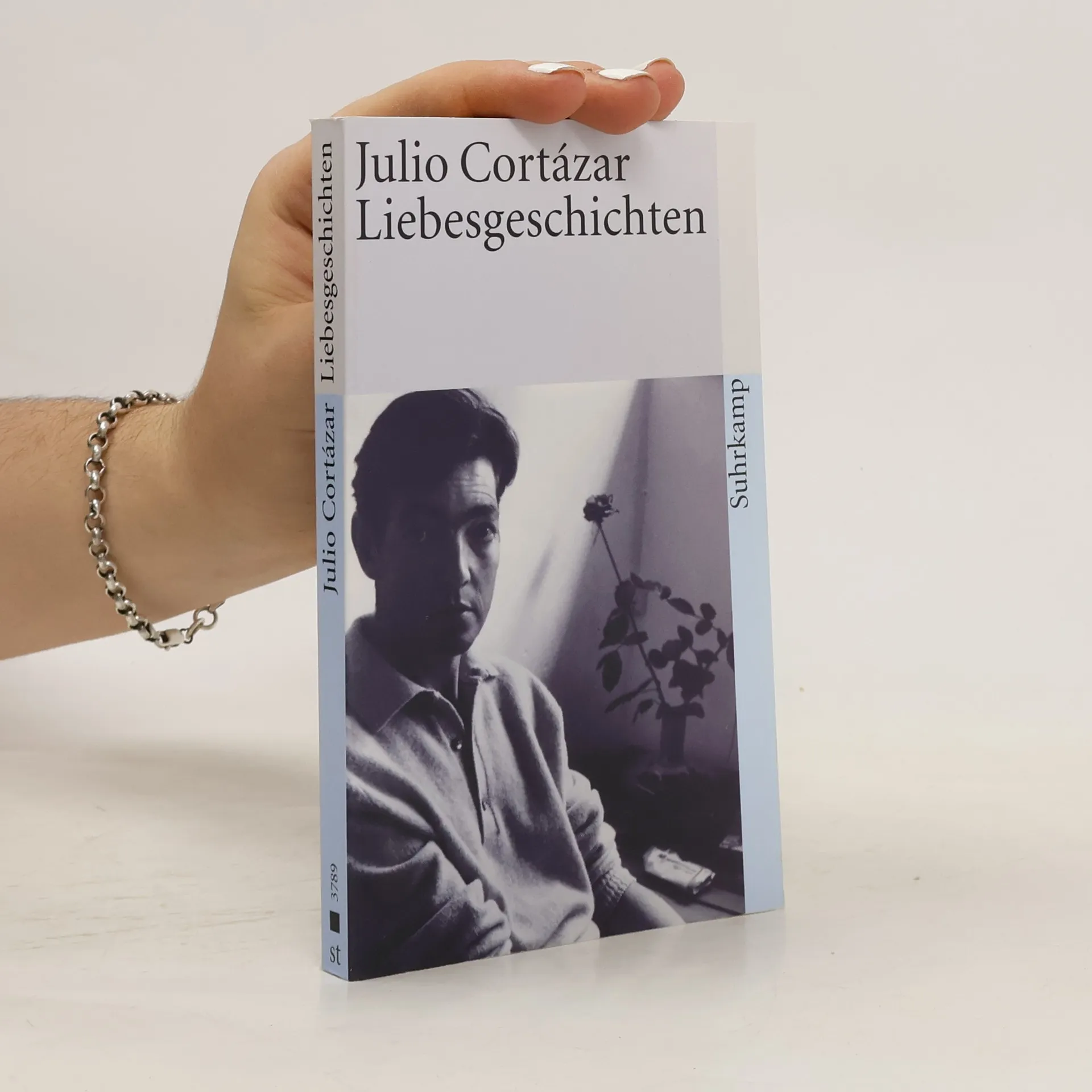
      „Julio Cortázars Liebesgeschichten kommen auf leichten Füßen und scheinbar verspielt daher, und die Liebe wird in den vielfältigsten Formen aufgefächert: Ein Ehepaar versucht, ihr nach zwanzig Jahren auf freundschaftliches Miteinander reduziertes Leben wieder mit Energie und Verlangen aufzuladen; »das Fräulein Cora« tut als Krankenschwester mehr als ihre Pflicht; das Spiel der Annäherung in einer U-Bahn führt zu einer Katastrophe. Die hier zusammengestellten Liebesgeschichten sind ein weiterer Beweis für die außerordentliche Kunst Cortázars, die Leser zu entführen, zu verführen, im schönsten Sinn des Wortes zu becircen. »Die Cortázar-Erzählungen sind nicht nur ein Stück Weltliteratur, sondern ein Stoff, der süchtig macht.« Bayerischer Rundfunk “

      Liebesgeschichten
      4.4
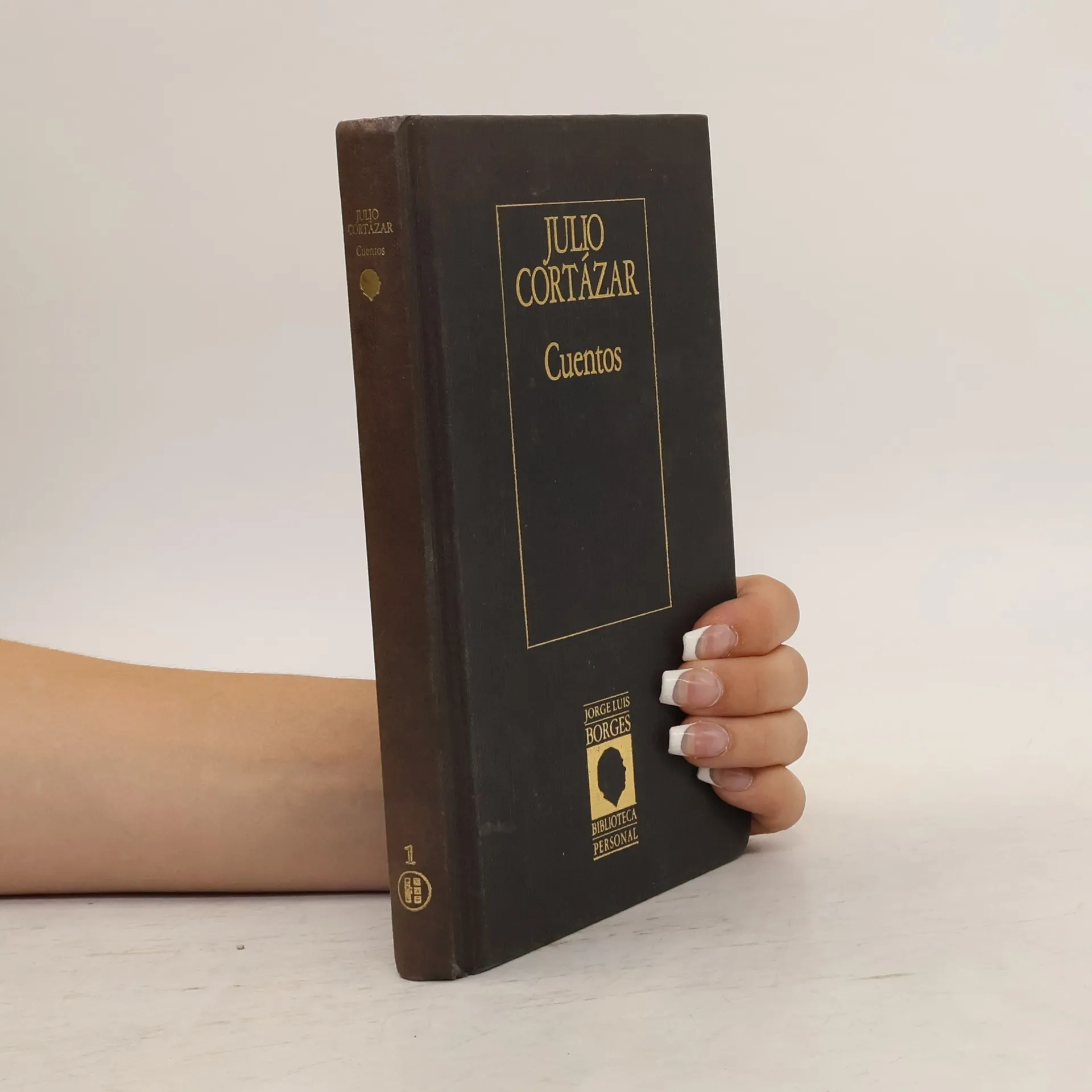
    • Cuentos

      • 213 pages
      • 8 hours of reading

      "Un bárbaro en Asia, escrito entre 1930 y 1931, es un clásico moderno. Diario de viaje, cuaderno de ruta, ofrece al lector, en forma de ensayos o de reportajes, una ojeada sagaz de la India, de China, del Japón y de Malasia. Notará el lector que Michaux hace siempre turismo espiritual y quedamos estupefactos ante la personalidad secreta del escritor. Michaux traza sobre todo un retrato pintoresco de los hindúes y de los chinos. Todas sus impresiones se caracterizan por su desparpajo y buen humor. Y si a esto se añade una prosa muscular, enjuta, en la que cada frase tiene una densidad explosiva, de seguro que leemos al mejor Michaux" (Cristobal Serra en: https://www.planetadelibros.com/libro-un-barbaro-en-asia/89295)

      Cuentos
      4.4
    • Die Erzählungen. Vier Bände

      Band 3: Beleuchtungswechsel

      • 321 pages
      • 12 hours of reading

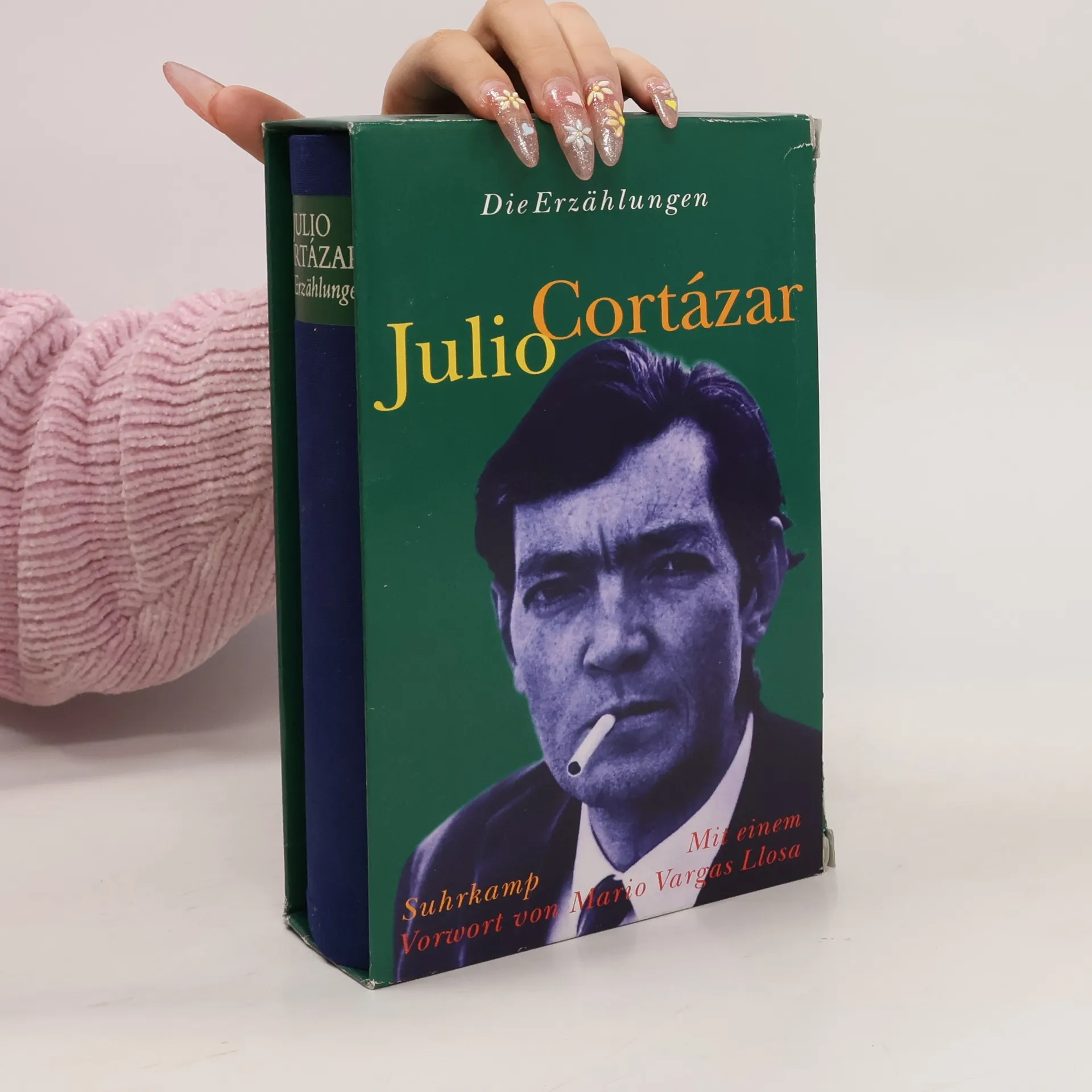
      Julio Cortázar ist ein Meister in der Kunst, Erlebtes und Imaginäres in einer explosiven Mischung zu verbinden. Das Phantastische, Wunderbare des Geschehens erweist sich als der Wirklichkeit immanent. Seine Erzählungen zeigen jeweils einen Aspekt des Kampfes des Menschen gegen die Ermüdung und das Absurde, gegen das Halseisen der Konventionen und die Gewalt der Diktaturen: gegen all das, was ihm auf seiner Suche nach Wahrheit und Glück den Weg versperrt. »Das Alltägliche und das Unerhörte verbindet sich im Werk Cortázars mit der Natürlichkeit und Zwangläufigkeit, mit der die Pflanzen wachsen, die Sterne glänzen und kreisen, das Blut in unseren Adern pulst. Eine Prosa, die die Sprache hüpfen, tanzen und fliegen läßt.« Octavio Paz

      Die Erzählungen. Vier Bände
      5.0
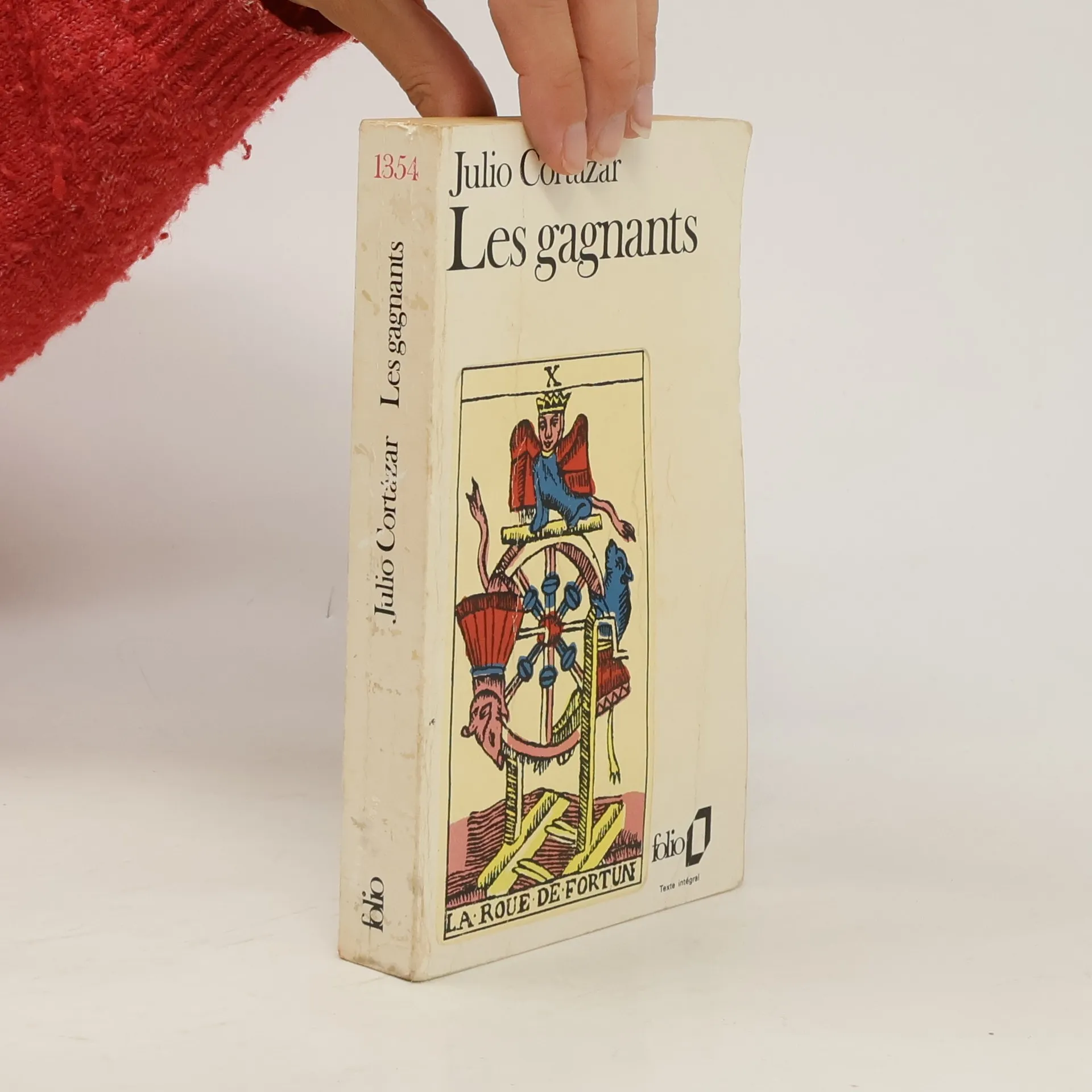
    • Gagnants - Texte intégral

      • 544 pages
      • 20 hours of reading

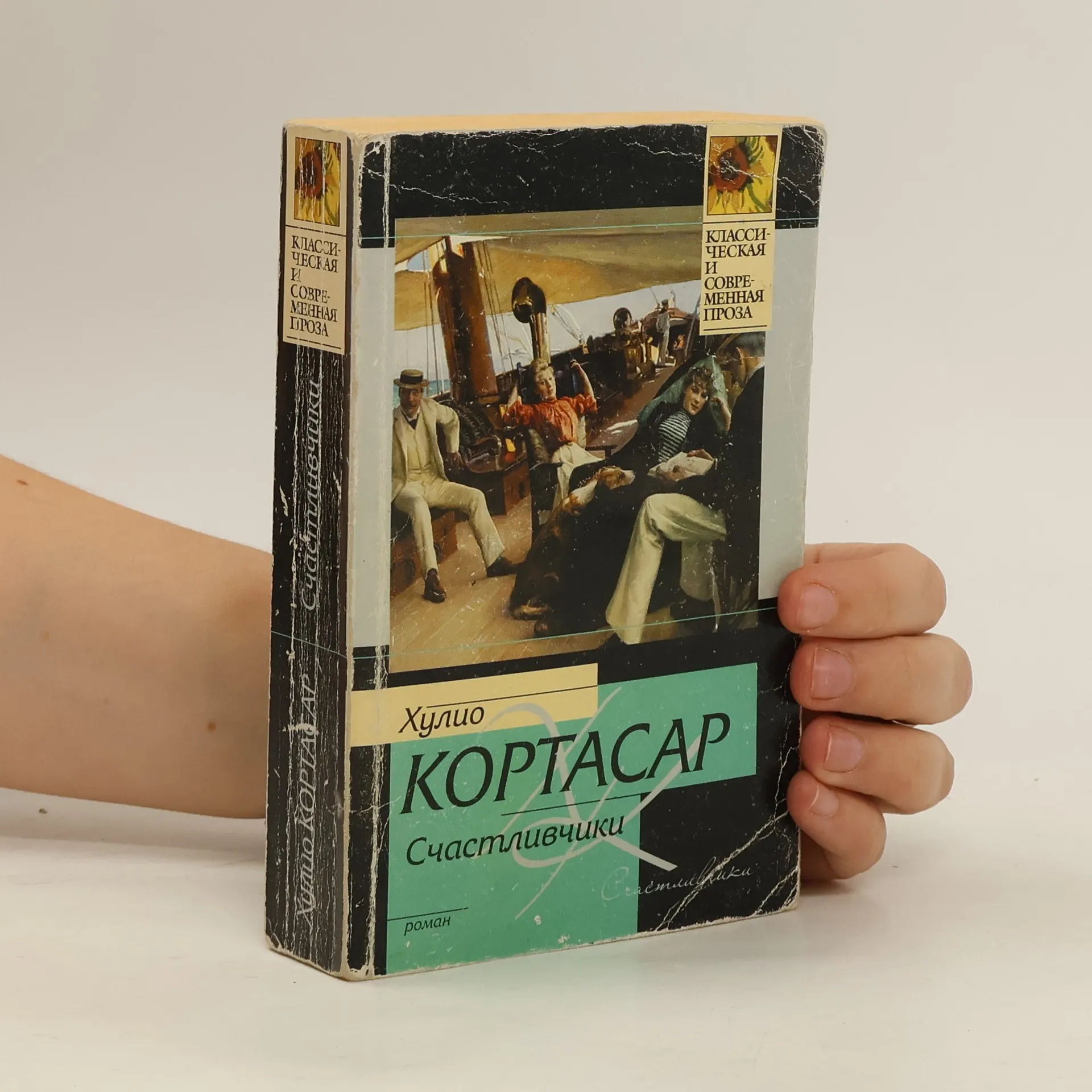
      The Argentine writer Julio Cortázar, called by Carlos Fuentes the Simon Bolivar of the Latin American novel, was one of the scintillating geniuses of twentieth-century literature—a writer of sly wit and immense sophistication with a keen eye for character and the workings of social life. The Winners is the story of a luxury cruise, bound for an unknown destination, which runs terribly amok. Funny, frightening, lyrical, and humane, it is a deeply satisfying philosophical novel about crossed lives and wayward love, as well as a brilliant meditation on the myth of the New World.

      Gagnants - Texte intégral
      4.3
    • Alguien que anda por ahí (1977) reúne once cuentos en los que Cortázar vuelve a superarse a sí mismo. Se abre con la inquietante melancolía de Cambio de luces y culmina con la violencia policial de La noche de Mantequilla. Cortázar no sólo crea climas y situaciones irrepetibles, también es capaz de sorprender con proezas estilísticas como Usted se tendió a tu lado, donde la historia se narra simultáneamente en dos registros distintos; o se da el lujo de rescatar un cuento escrito en los años cincuenta -La barca o Nueva visita a Venecia-, intercalando comentarios que lo cargan de ironía y matices infinitos. Sólo Cortázar es capaz de ofrecer tanta riqueza al entusiasmo permanente de sus lectores.

      Alguien que anda por ahí y otros relatos
      4.3
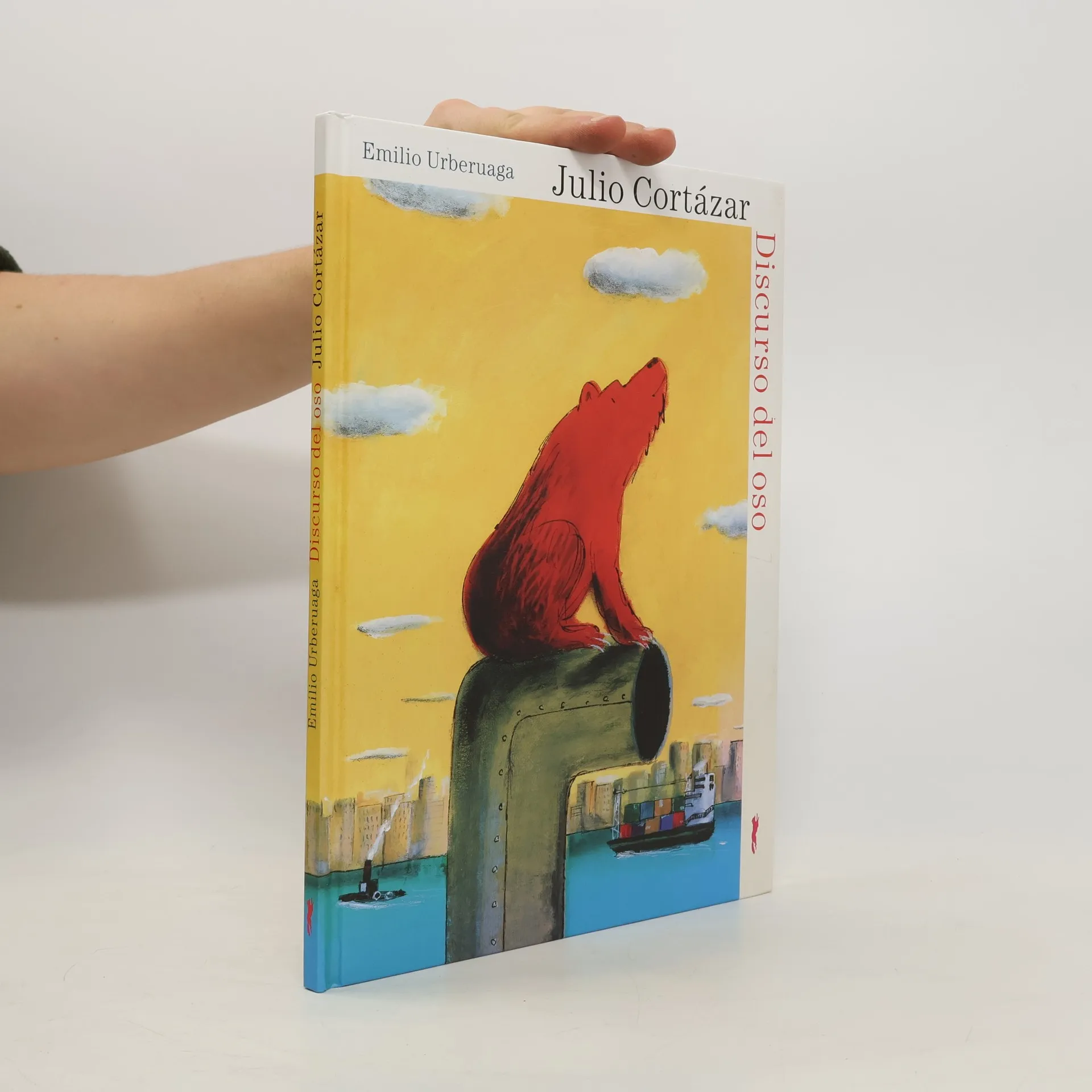
    • Discurso del oso

      • 24 pages
      • 1 hour of reading

      Un oso que habita las tuberías de un edificio va descubriendo la extraña y solitaria vida de los seres humanos.

      Discurso del oso
      4.3
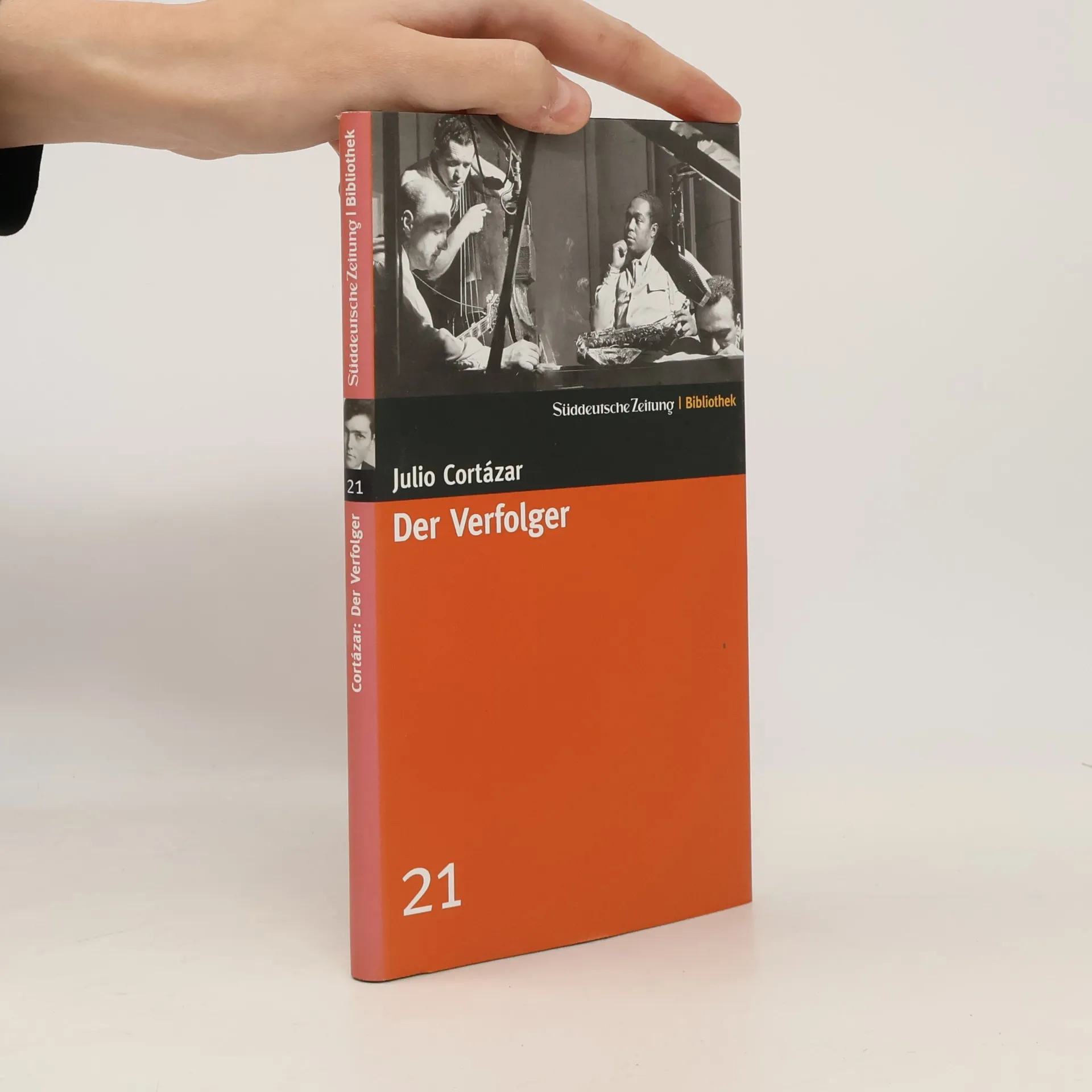
    • Johnny Carter ist ein begnadeter Jazzmusiker, ein avantgardistischer Pionier neuer Stilrichtungen. Doch seine Genialität hat ihren Preis: So unnachgiebig er nach dem perfekten Jazz sucht und die reine, absolute Musik verfolgt, so rücksichtlos zerstört er scih selbst auf dieser Suche. Es scheint, als erkaufe sich der Saxophonist seine revolutionären Klänge durch einen teuflischen Pakt, der ihn in eine selbstzerstörische Drogensucht führt. Der Erzähler in Cortázars Geschichte beobachtet den rasenden Untergang des Jazzmusikers mit einer Mischung aus Verzweifulung und Faszination. Zum einen ist er Carters Freund und will ihn retten, zum anderen ist er auch dessen Biograf und weiß, dass Carters geniale Musik erst durch dessen Selbstaufgabe möglich wird. Was wiegt schwerer: das Leben eines Einzelnen oder die absolute Kunst?

      Der Verfolger
      4.3
    • Memoirs of Hadrian

      • 288 pages
      • 11 hours of reading

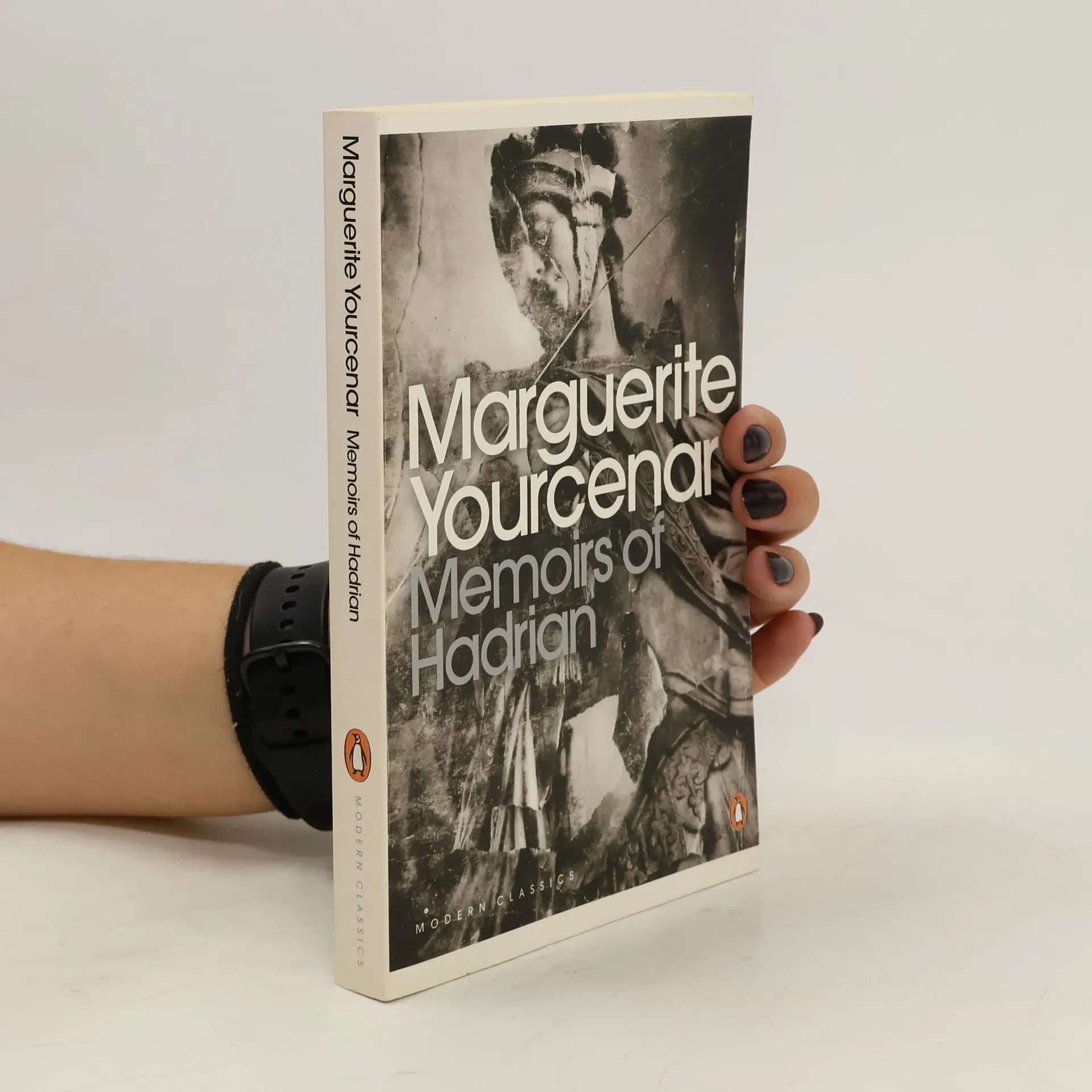
      Hadrian, approaching death, writes a long valedictory letter to the young Marcus Aurelius, next-but-one in the line of succession. Hadrian describes his accession and explains the philosophy that informed his rule over the powerful and far-flung Empire.

      Memoirs of Hadrian
      4.3
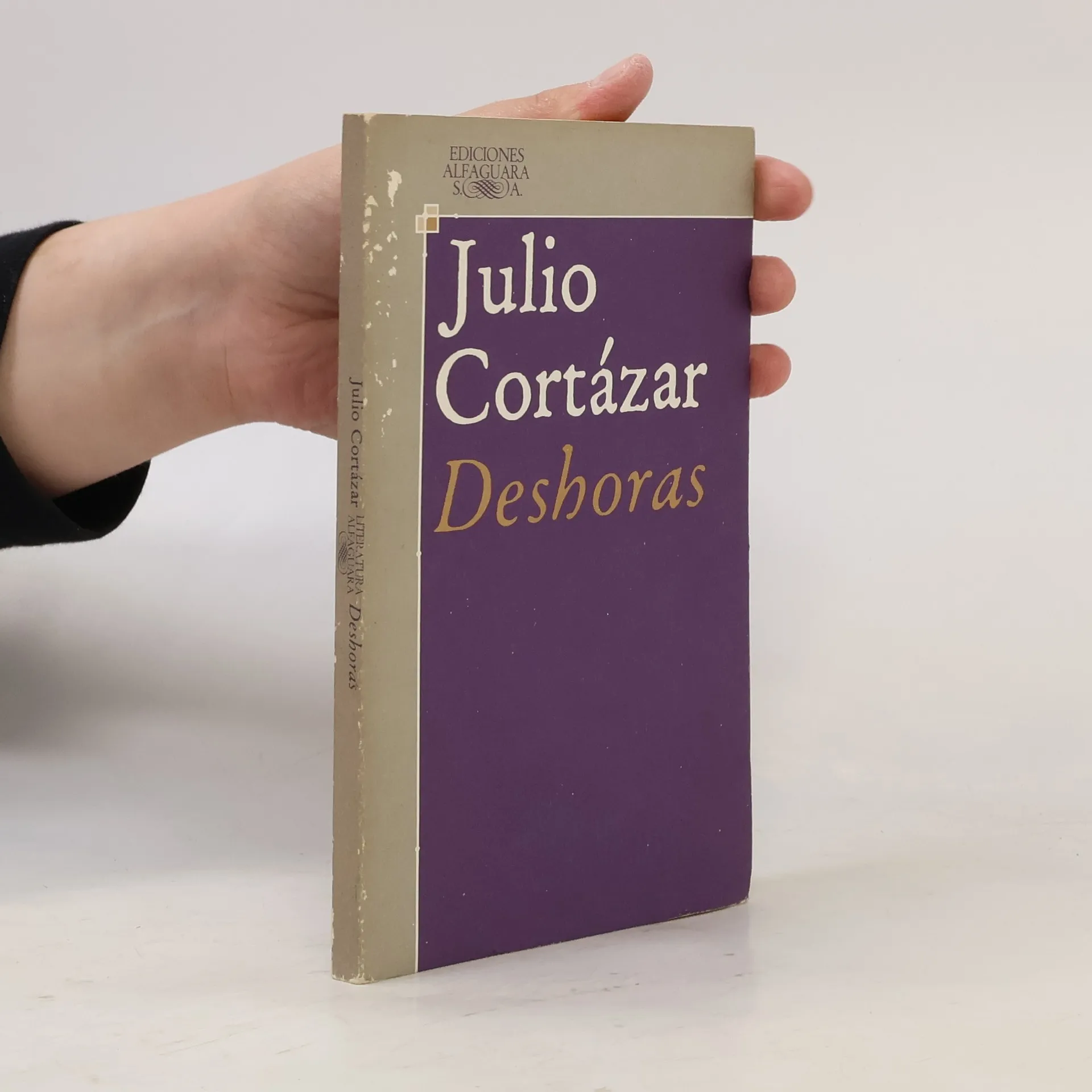
    • Deshoras

      • 144 pages
      • 6 hours of reading

      "Publicado originalmente en 1983, Deshoras fue el último libro de cuentos de Julio Cortázar. Juegos de palabras que no son juegos, espejos que mienten y dicen la verdad al mismo tiempo, pesadillas del fascismo, sociedades secretas a punto de salir a la luz, simetrías abismales, simulacros dobles de amor y de muerte: todo el mundo cortazariano, complejo, cruel y fascinante, cartografía de lo cotidiano y lo insólito."--Back cover

      Deshoras
      4.0
    • Il giro del giorno in ottanta mondi

      • 304 pages
      • 11 hours of reading

      Il giro del giorno in ottanta mondi è il più autobiografico dei libri di Julio Cortázar, lo scrittore che è universalmente considerato un classico della letteratura contemporanea. Trovando spunto nell’amato Giro del mondo in ottanta giorni, Cortázar ripercorre il proprio cammino artistico e crea nuovi racconti a partire da temi già sviluppati in altre opere. Al lettore affezionato sembrerà di navigare nell’infinito mare di pensieri che affollavano la curiosa mente dell’autore in un susseguirsi eclettico di racconti brevi, poesie, annotazioni e appunti dal sapore saggistico, tutti accompagnati da un ricchissimo collage di immagini. A cavallo tra album e diario segreto, tra grande compendio di “cose lette” e mirabilia, questo libro scritto nel 1967 raccoglie in una sola opera tutti i temi e gli amori di Cortázar: il jazz, i gatti, la letteratura surrealista francese, la boxe, storie di crimini al limite della fantascienza, la fisica e la metafisica, e non da ultimo i lavori dei suoi compatrioti sudamericani.

      Il giro del giorno in ottanta mondi
      4.1
    • Carta carbone

      Lettere ad amici scrittori

      • 279 pages
      • 10 hours of reading

      Carta carbone – il primo di tre volumi con cui SUR presenta l’epistolario di uno dei più grandi scrittori di tutti i tempi – raccoglie un centinaio di lettere di Julio Cortázar (1914-1984) ad altri autori: da Vargas Llosa a García Márquez, da Paz a Borges, da Soriano a Onetti, da Victoria Ocampo a Galeano. Con un registro di volta in volta divertente o profondo, impegnato o surreale, formale o amichevole queste lettere – inviate dall’Europa nell’arco dei tre decenni passati da Cortázar lontano dall’Argentina, e arrivateci grazie alla mania di conservarne sempre una copia carbone – compongono il ritratto di un uomo e della sua epoca, di un autore e della sua opera, di un intellettuale e del suo ruolo nella società. È possibile così attraversare la parabola umana e letteraria di Cortázar vivendola «in presa diretta»: gli esordi, i primi riconoscimenti, fino al successo internazionale di Storia di cronopios e famas e di Rayuela, il tutto condito da viaggi, amori, amicizie, battaglie politiche e vicende personali.

      Carta carbone
      4.0
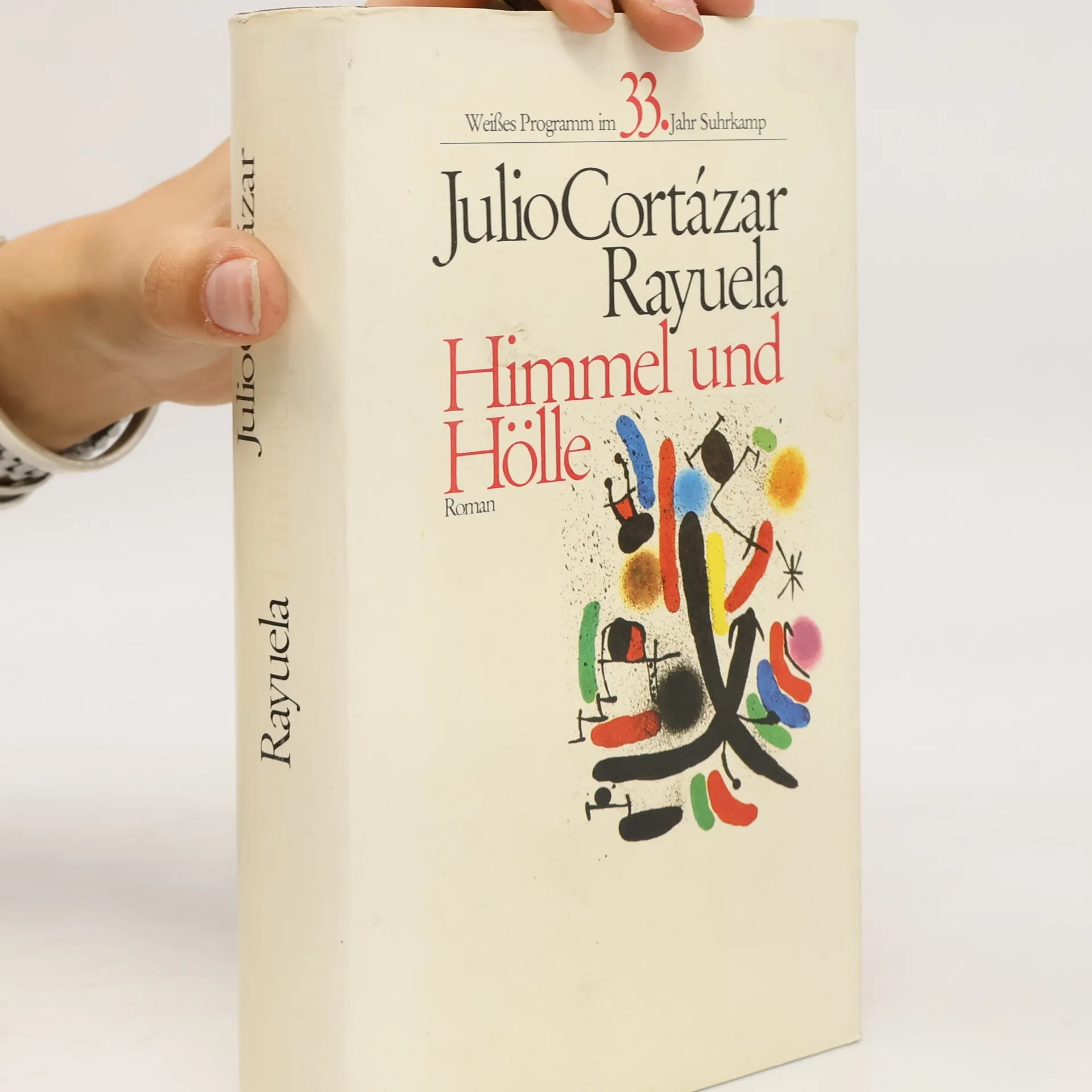
    • "Contranovela", "crónica de una locura", "el agujero negro de un enorme embudo", "un feroz sacudón por las solapas", "un grito de alerta", "una especie de bomba atómica", "una llamada al desorden necesario", "una gigantesca humorada", "un balbuceo"... Con estas y otras expresiones se aludió a Rayuela, la novela que Julio Cortázar comenzó a soñar en 1958, se publicó en 1963 y a partir de entonces cambió la historia de la literatura así como sacudió la vida de miles de jóvenes en todo el mundo. Plena de ambición literaria y vital, renovadora de las herramientas narrativas, destructora de lo establecido y buscadora de la raíz de la poesía, durante todas estas décadas Rayuela siguió siendo leída con curiosidad, asombro, interés o devoción. Llega a los lectores hoy, en su aniversario número 50, acompañada de un apéndice donde Cortázar mismo cuenta la historia del libro que buscó más allá de todas las fronteras.

      Rayuela Edicion conmemorativa 50 aniversario / Hopscotch
      4.1
    • "A classic of modern literature, Paradiso was first published in Cuba in 1966. Written by Cuba's most important poet, it tells the story of Jose Cemi, who, in the wake of his father's death, comes of age in turn-of-the-century Cuba. Weaving the exhilarations and defeats of love into extraordinarily erotic verbal tapestries, Lezama Lima narrates Cemi's search for his dead father and for an understanding of love and the powers of the mind."--BOOK JACKET.Title Summary field provided by Blackwell North America, Inc. All Rights Reserved

      Paradiso
      4.1
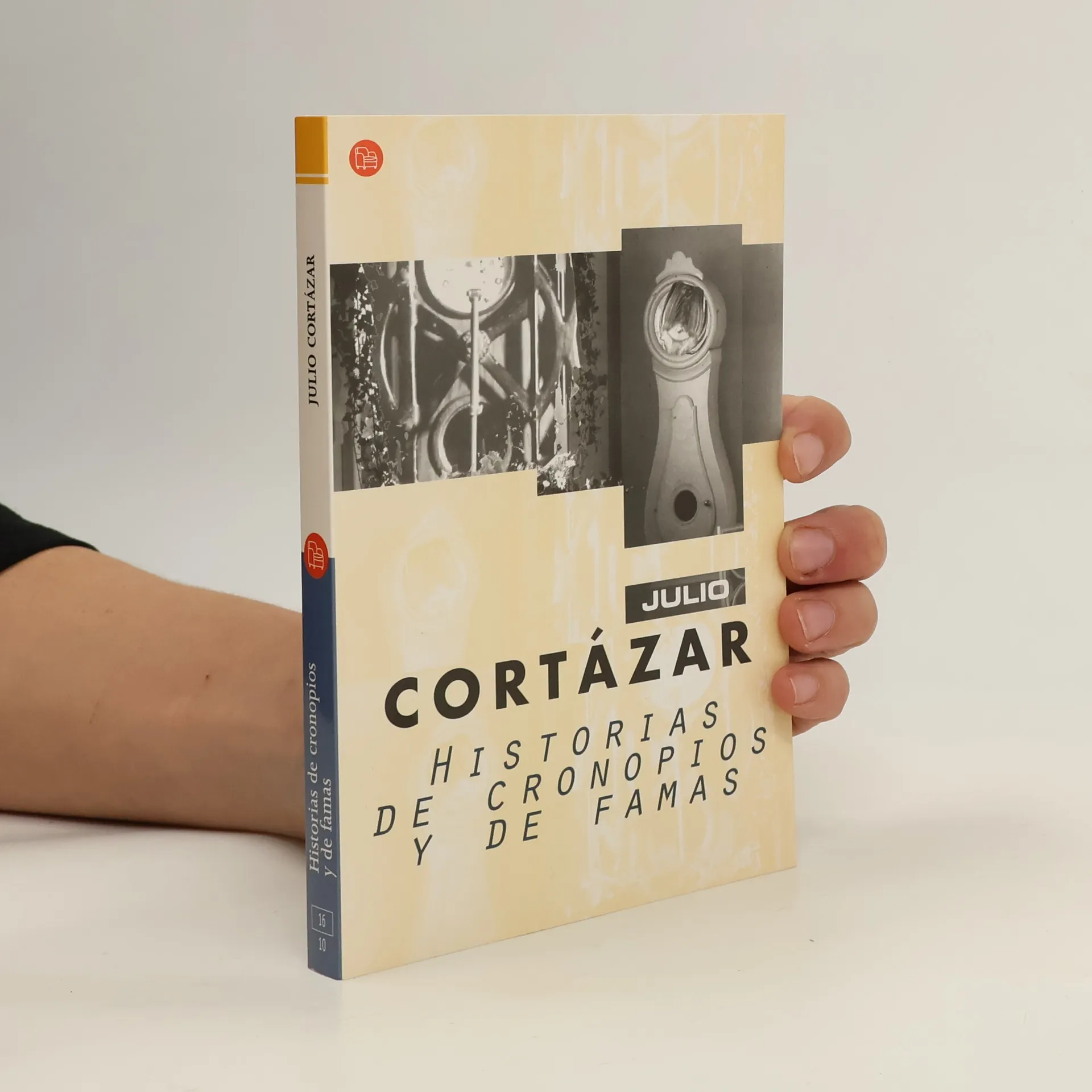
    • Historias de cronopios y de famas es uno de los libros legendarios del escritor argentino. Postulación de una mirada poética capaz de enfrentar las miserias de la rutina y del sentido común, Cortázar toma aquí partido por la imaginación creadora y el humor corrosivo de los surrealistas. Esta colección de cuentos y viñetas entrañables es una introducción privilegiada al mundo inagotable de uno de los más grandes escritores de este siglo y un antídoto seguro contra la solemnidad y el aburrimiento. Sin duda alguna, Cortázar sella un pacto de complicidad definitiva e incondicional con sus lectores.

      Historias de cronopios y de famas
      4.1
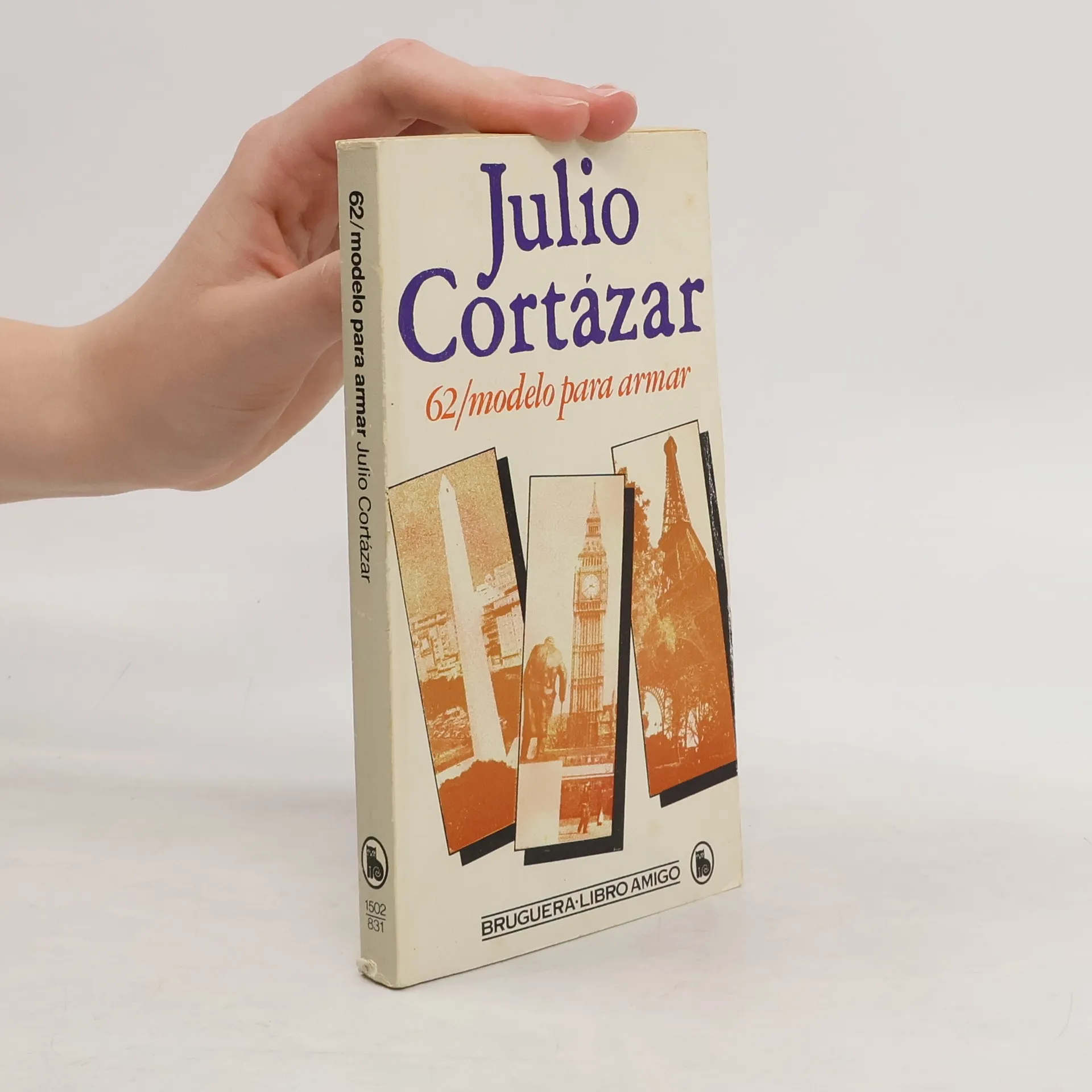
    • 62/Modellbaukasten

      Roman

      • 298 pages
      • 11 hours of reading

      As one of the main characters, the intellectual Juan, puts it: to one person the City might appear as Paris, to another it might be where one goes upon getting out of bed in Barcelona; to another it might appear as a beer hall in Oslo. This cityscape, as Carlos Fuentes describes it, "seems drawn up by the Marx Brothers with an assist from Bela Lugosi!" It is the meeting place for a wild assortment of bohemians in a novel described by The New York Times as "Deeply touching, enjoyable, beautifully written and fascinatingly mysterious." Library Journal has said 62: A Model Kit is "a highly satisfying work by one of the most extraordinary writers of our time."

      62/Modellbaukasten
      3.4
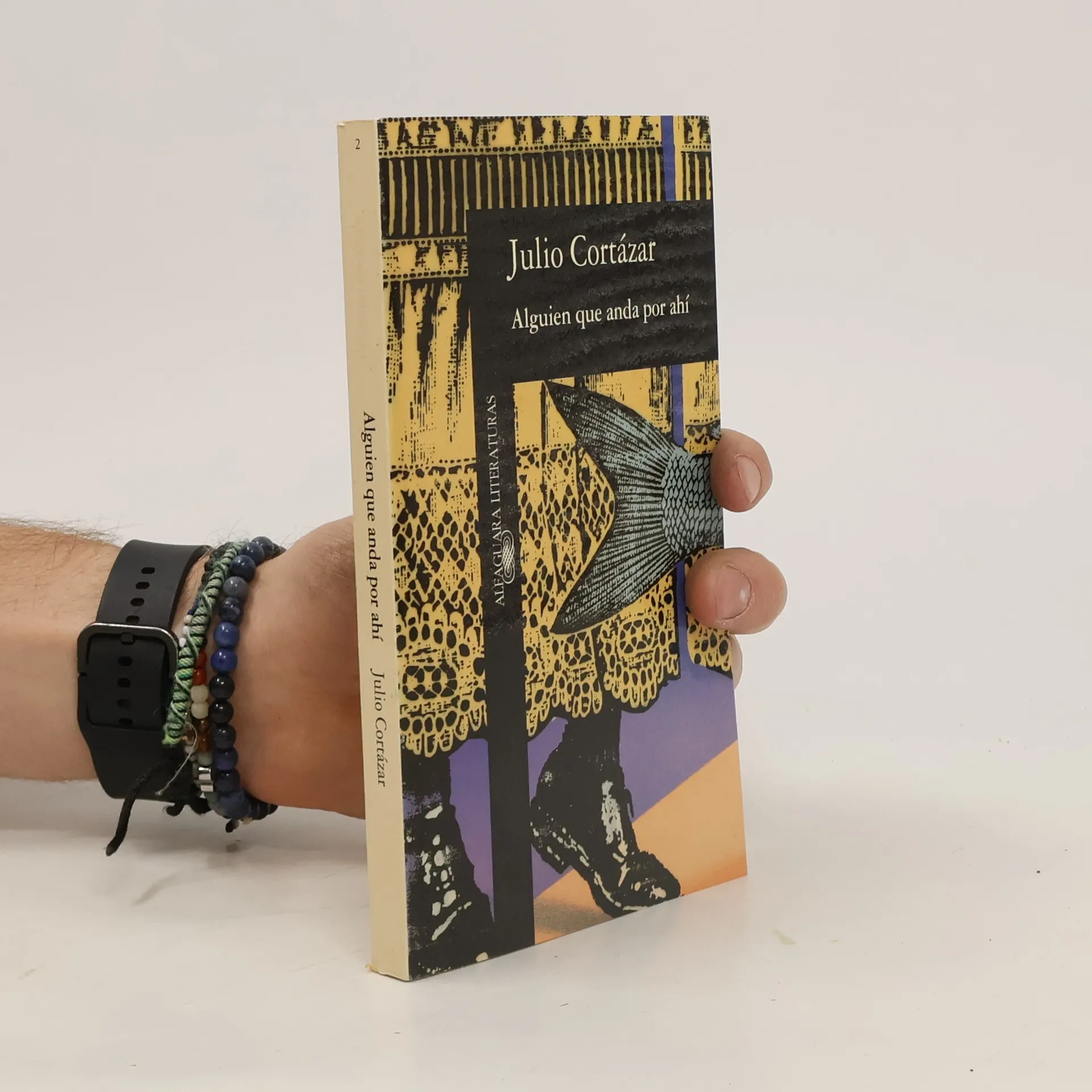
    • Alguien que anda por ahí

      • 231 pages
      • 9 hours of reading

      Alguien que anda por ahí (1977) reúne once cuentos en los que Cortázar vuelve a superarse a sí mismo. Se abre con la inquietante melancolía de Cambio de luces y culmina con la violencia policial de La noche de Mantequilla. Cortázar no sólo crea climas y situaciones irrepetibles, también es capaz de sorprender con proezas estilísticas como Usted se tendió a tu lado, donde la historia se narra simultáneamente en dos registros distintos; o se da el lujo de rescatar un cuento escrito en los años cincuenta -La barca o Nueva visita a Venecia-, intercalando comentarios que lo cargan de ironía y matices infinitos. Sólo Cortázar es capaz de ofrecer tanta riqueza al entusiasmo permanente de sus lectores.

      Alguien que anda por ahí
      4.0
    • O sinteză polemică a căutărilor estetice și a interesului său pentru mișcările revoluționare ale acelor ani. Poate fi citită ca un deplasament natural al personajelor și temelor din Rayuela către urgențele și fervoarea unei lumi în convulsie. Dar păstrează din acea roman fundamental toată fantezia, dezinhibiția și prospețimea care l-au făcut pe Cortázar un scriitor unic și irepetabil în peisajul literar al secolului XX.

      Cartea lui Manuel
      3.8
    • L'esame

      • 268 pages
      • 10 hours of reading

      Juan e Clara decidono di trascorrere la vigilia del loro ultimo esame in compagnia di alcuni amici a girovagare per una Buenos Aires surreale, tra culti pagani e misteriose apparizioni e nella strana nebbia che avvolge la città scorgono continuamente il fantasma di un vecchio amico... Scritto nel 1950 ma pubblicato solo dopo la morte di Cortázar, L'esame è un testo enigmatico e visionario, la cui atmosfera rarefatta nasconde una serrata critica all’Argentina peronista, tanto da essere stato accolto come una premonizione dei fatti che pochi anni dopo sconvolgeranno il Paese.

      L'esame
      3.8
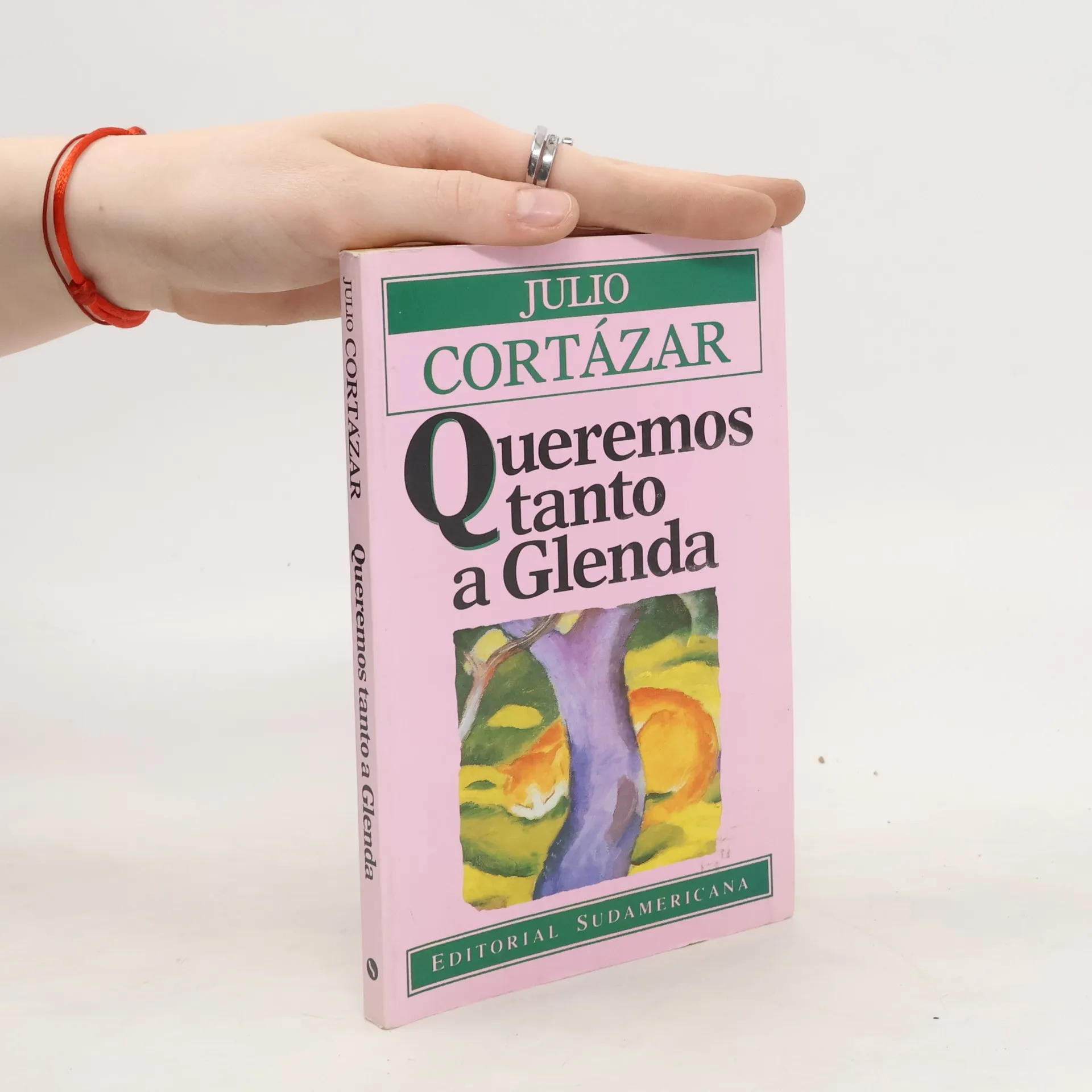
    • Queremos tanto a Glenda

      • 181 pages
      • 7 hours of reading

      From exquisite ambiguities to disquieting structures, in this anthology we get an array of themes that Cortázar has known how to turn into great literature. As in all great works, he writes with a persistent and indefinable feeling that goes beyond any formula. In settings ranging from the Buenos Aires subway to a luxurious Martinique resort, these stories by an Argentinean master blend unsettling suspense, intellectual play, clever fantasy, and intense emotional conflict. Description in Spanish: Un renovado repertorio de cuentos a cargo del mejor maestro, Julio Cortázar, con variantes para todos los paladares de la lectura, rituales públicos y privados, pesadillas que surgen a plena luz del día, cruces imperceptibles entre la realidad y la imaginación, humos violencia y melancolía.

      Queremos tanto a Glenda
      3.9
    • Книга, которую литературные критики традиционно сравнивают то с "Игрой в бисер" Германа Гессе, то с "Улиссом" Джеймса Джойса. Книга, считающаяся своеобразным эталоном магического реализма. "Игра в классики". Текст в тексте. Роман, в котором мистические откровения подлежат жесткой классификации, а обычные события обретают глубинный, многоуровневый смысл.

      Игра в классики. Igra v klassiki
      3.8
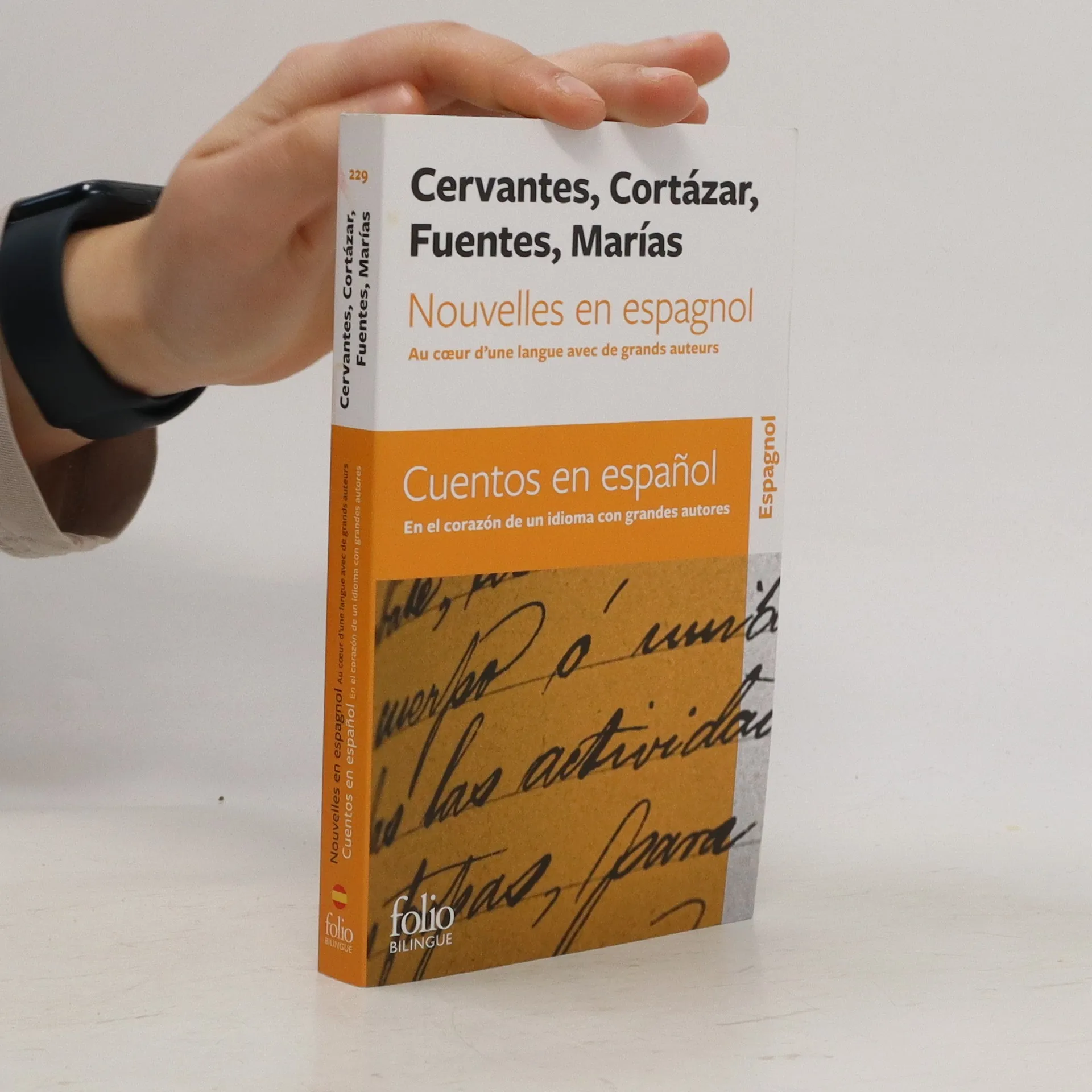
    • Quatre nouvelles. Quatre histoires captivantes qui plongent le lecteur dans des univers riches et dépaysants. À Tolède, un drame va bouleverser la vie d'une jeune femme. À Paris, un traducteur arpente les rues de la Ville Lumière muni de son appareil photo dans l'espoir de réaliser un cliché extraordinaire. À Chicago, une octogénaire acariâtre embauche avec réticence une femme de ménage mexicaine. Sur une plage des îles Baléares, un homme épie un couple magnétique et tente de percer le mystère qui l'entoure. Ce recueil est une invitation à découvrir la plume de quatre auteurs emblématiques de la littérature espagnole et sud-américaine, dévoilant ainsi toute la richesse de leur langue. L'ouvrage se compose de "La force du sang" de Miguel de Cervantes, "Les fils de la vierge" de Julio Cortázar, "Les amies" de Carlos Fuentes et "Tandis qu'elles dorment" de Javier Marías.

      Nouvelles en espagnol / Cuentos en español
      2.7
    • The Seven Madmen

      • 336 pages
      • 12 hours of reading

      Remo Erdosain's Buenos Aires is a dim, seething, paranoid hive of hustlers and whores, scoundrels and madmen, and Erdosain feels his soul is as polluted as anything in this dingy city. Possessed by the directionlessness of the society around him, trapped between spiritual anguish and madness, he clings to anything that can give his life meaning: small-time defrauding of his employers, hatred of his wife's cousin Gregorio Barsut, a part in the Astrologer's plans for a new world order... but is that enough? Or is the only appropriate response to reality - insanity?Written in 1929, The Seven Madmen depicts an Argentina on the edge of the precipice. This teeming world of dreamers, revolutionaries and scheming generals was Arlt's uncanny prophesy of the cycle of conflict which would scar his country's passage through the twentieth century, and even today it retains its power as one of the great apocalyptic works of modern literature.

      The Seven Madmen
      3.8
    • En "Las armas secretas" y los otros cuatro relatos de esta colección: "Los buenos servicios", "Cartas de mamá", "Las babas del diablo" y "El perseguidor", Cortázar nos da una visión a veces dramática, a veces poética, a veces irónica, del hombre moderno, sus inquietantes ambigüedades y conflictos. Las situaciones extremas en que se mueven algunos personajes serían también, de algún modo, imagen o espejo de esa misma condición humana. De excepcional importancia, de una inspiración y un clima insólitos en el cuadro de las letras argentinas, es el cuento "El perseguidor", examen sagaz, apasionado y alucinante de la conciencia creadora del artista.

      Las 100 joyas del milenio - 26: Las armas secretas y otros relatos
      3.7
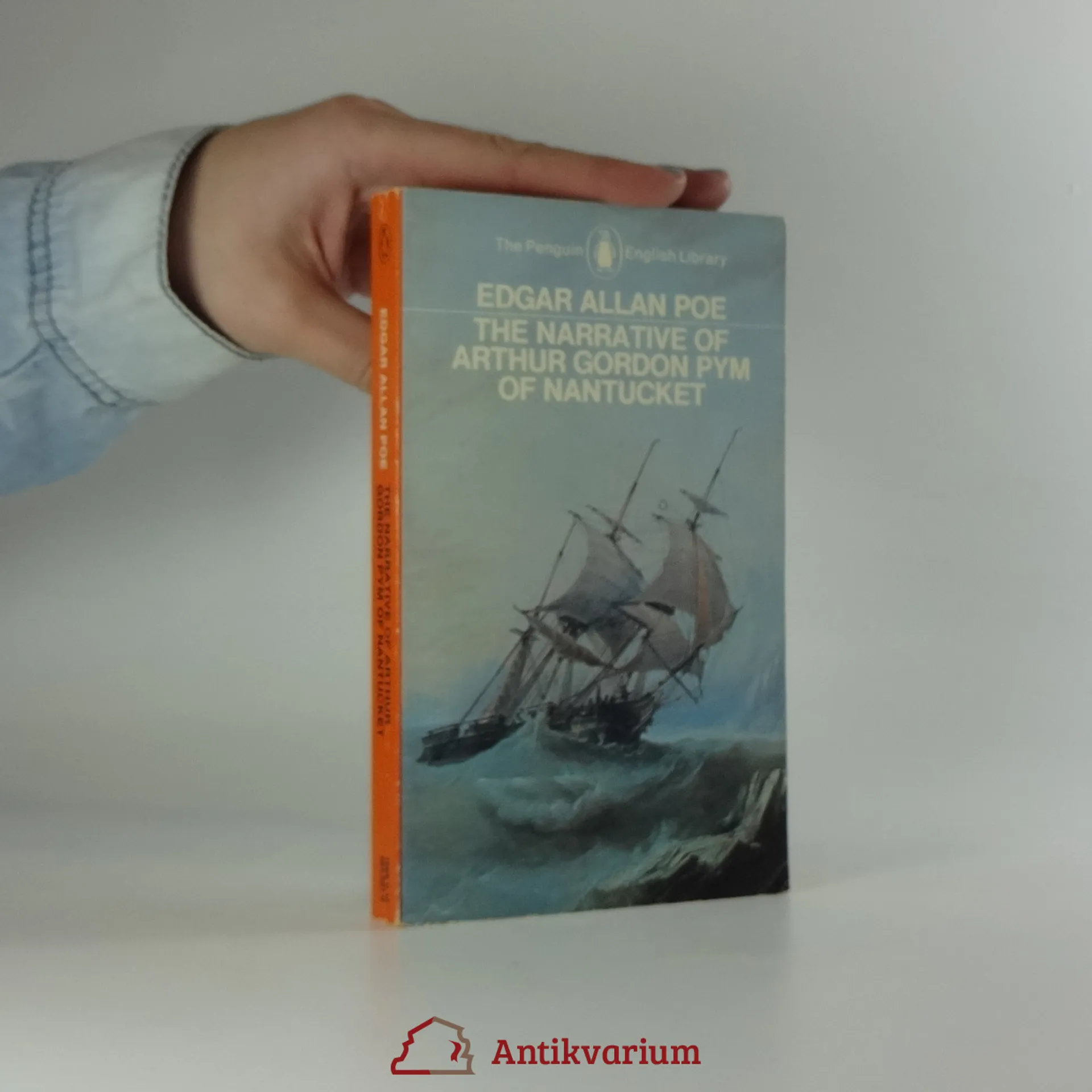
    • Sixteen-year-old Arthur is looking for adventure. So he stows away on a whaling ship bound for the South Pacific. But he gets more excitement than he could ever have imagined when, soon after setting sail, the crew rebel against their captain and murder everyone who will not join them. As the leaderless ship sails deep into high southern latitudes, the ravenous sailors begin to regret their treachery. Storms overwhelm the decks, and the nightmare vision of a corpse-ridden ghost ship taunts them as they starve. It seems they are being punished for their sins . . .

      The Narrative of Arthur Gordon Pym of Nantucket
      3.5
    • Las armas secretas y otros relatos

      • 93 pages
      • 4 hours of reading

      En 1983, diez meses antes de morir en Paris, Julio Cortazar hizo una seleccion personal de sus relatos para que fueran publicados en Cuba por la Casa de las Americas. En una carta dirigida a Mariano Rodriguez -por entonces presidente de aquella institucion-, Cortazar establecia con sumo detalle el orden de aparicion de los cuentos, el criterio de la edicion y el titulo de la antologia: Las armas secretas y otros relatos. Estas paginas reunen asi lo mejor de Cortazar segun Cortazar, una obra clave para descubrir o redescubrir a un autor que marco un antes y un despues en la literatura latinoamericana.

      Las armas secretas y otros relatos
    • Die Autonauten auf der Kosmobahn

      Eine zeitlose Reise Paris – Marseille

      • 358 pages
      • 13 hours of reading

      Eines Frühsommertages fahren Julio Cortázar und seine Ehefrau Carol Dunlop mit ihrem VW-Bus auf die Autobahn Paris – Marseille. Ausgestattet mit Proviant, Musik, einer Kamera und zwei Reiseschreibmaschinen, verfolgen sie, beide bereits sterbenskrank, ein letztes gemeinsames Vorhaben: unterwegs alle 63 Rastplätze anzusteuern, auf jedem zweiten zu übernachten. Mit dem drängenden Eifer von Forschungsreisenden dokumentieren sie ihre Expeditionserlebnisse in einem Logbuch. Es gehen da die bukolischen Horizonte, Begegnungen mit Müllmännern, Beschreibungen erster Skorbut-Symptome, überdies Fotos von allerhand Fauna und Seltsamkeiten und detailgetreue Geländeskizzen ein – bald auch, unter tätiger Mithilfe ihrer Fantasie, dunkle Bedrohungen durch mörderische Hexenjäger und Geheimagenten. Und bei alledem leben diese Reisenden in der Enge ihres Gefährts wie Liebende auf einer einsamen Insel. Die Autonauten auf der Kosmobahn ist eine der schönsten Expeditionen der Literaturgeschichte – eine vor Witz und Hintersinn überbordende Ethnographie des Alltagslebens und zugleich ein berührendes amouröses Zwiegespräch.

      Die Autonauten auf der Kosmobahn
    • Unerwartete Nachrichten

      • 176 pages
      • 7 hours of reading

      Ein vergessener Autor? Julio Cortázar? Das wollen wir doch mal sehen. Vielleicht sollte man erstmal dieses Buch lesen. Es versammelt unerwartete Nachrichten aus dem Nachlass eines Autors, den seine Fantasie und Experimentierfreudigkeit auf den Parnass der modernen lateinamerikanischen Klassiker katapultierte. Michi Strausfeld, die ihn noch gut gekannt hat, erinnert mit dieser Auswahl von Briefen, Skizzen, Artikeln, Capriccios und nachgelassenen Erzählungen daran, dass dieser ebenso verschmitzte, überwältigend charmante und tiefsinnige Erfinder von ebenso geschliffenen wie fantastischen Geschichten aus gutem Grund für so viele junge Autorinnen und Autoren ein Vorbild geworden ist, nicht nur in Lateinamerika. Christian Hansen, einer seiner kenntnisreichsten Fans, hat die Texte für diese umfassende Anthologie eines Argentiniers, den die ganze Welt mochte, übersetzt.

      Unerwartete Nachrichten
    • Dies Buch ist kein Roman, sind keine Erzählungen, sind keine Miszellen. Aber was ist dies für ein Buch? Fünfzig kleine Prosastücke, Lustbarkeiten, voller Sprachwitz, Humor und Hintergründigkeit oder auch ungenierter Komik. Lukas ist ein Cronopium, das Alter ego eines gewissen Cortázar: Spielfigur einer unruhigen Phantasie. Der Autor tritt uns aus den Texten entgegen und sieht uns zu, wie wir von einem gewissen Lukas lesen. Und das Buch darf gelesen werden, wie man lustig ist - in der Mitte aufschlagen, von hinten nach vorn, alles ist erlaubt.Das Buch ist ein Kaleidoskop von Alltagsszenen. Und Lukas hat viel erlebt: Er nahm an Familienfesten teil, hat geträumt, hat geliebt und sich Sorgen gemacht. Lukas ist auch älter geworden, und so schleicht sich von Zeit zu Zeit eine melancholische Überlegung in diese meist so heiteren Texte ein. Aber die Lust zu leben setzt sich immer machtvoll durch, steckt an.

      Ein gewisser Lukas
    • Rayuela/Hopscotch

      • 598 pages
      • 21 hours of reading

      Horacio Oliveira is an Argentinian writer who lives in Paris with his mistress, La Maga, surrounded by a loose-knit circle of bohemian friends who call themselves "the Club." A child's death and La Maga's disappearance put an end to his life of empty pleasures and intellectual acrobatics, and prompt Oliveira to return to Buenos Aires, where he works by turns as a salesman, a keeper of a circus cat which can truly count, and an attendant in an insane asylum. Hopscotch is the dazzling, freewheeling account of Oliveira's astonishing adventures. The book is highly influenced by Henry Miller’s reckless and relentless search for truth in post-decadent Paris and Daisetz Teitaro Suzuki’s modal teachings on Zen Buddhism. Cortázar's employment of interior monologue, punning, slang, and his use of different languages is reminiscent of Modernist writers like Joyce, although his main influences were Surrealism and the French New Novel, as well as the "riffing" aesthetic of jazz and New Wave Cinema. In 1966, Gregory Rabassa won the first National Book Award to recognize the work of a translator, for his English-language edition of Hopscotch . Julio Cortazar was so pleased with Rabassa's translation of Hopscotch that he recommended the translator to Gabriel García Márquez when García Márquez was looking for someone to translate his novel One Hundred Years of Solitude into English. "Rabassa's One Hundred Years of Solitude improved the original," according to García Márquez.

      Rayuela/Hopscotch
    • Literatura Alfaguara: Deshoras

      • 173 pages
      • 7 hours of reading

      Juegos de palabras que no son juegos, espejos que mienten y dicen la verdad al mismo tiempo, pesadillas del fascismo, personajes habitados, simetrías, simulacros dobles de amor y de muerte: todo el mundo complejo, cruel, fascinante de Cortázar, cartografía de lo cotidiano y lo insólito en estos que fueron sus últimos cuentos.

      Literatura Alfaguara: Deshoras