"The Good American is a story about courage, intense loneliness, and the State Department's golden age during the late Cold War and post-Cold War. It is also a celebration of ground level reporting and getting a worm's eye view of crisis zones. Robert Gersony, a high-school dropout later awarded a bronze star in Vietnam, spent over four decades on the ground in virtually every war and natural disaster zone in the world. Interviewing hundreds of refugees and displaced persons in each place to assess humanitarian crises, Gersony's research and thorough reports had an immense, underappreciated impact on US foreign policy across the globe. In every case, his recommendations made it smarter and more humane, often dramatically so. In his career as a journalist, Robert D. Kaplan often crossed paths with Gersony while covering the "hot" moments of the Cold War and its aftermath. Even as a biography, this is Kaplan's most personal book to date, and through Gersony's story, he makes a poignant case for how American diplomacy should be conducted--with a clear eye toward facts on the ground--at a time when diplomacy is too often being left behind."-- Provided by publisher
Robert D. Kaplan Books
Robert David Kaplan is an American journalist whose work delves into global relations and geopolitics. A frequent theme in his writing is the reemergence of cultural and historical tensions, temporarily suspended during the Cold War. Kaplan's analyses explore the dynamics of power and their impact on world affairs, with his provocative essays sparking debate in academia and government. His work offers profound insights into the intricate interplay of history, culture, and international politics.



Athene Palace
- 368 pages
- 13 hours of reading
On the day that Paris fell to the Nazis, R. G. Waldeck was checking into the swankiest hotel in Bucharest, the Athene Palace. A cosmopolitan center during the war, the hotel was populated by Italian and German oilmen hoping to secure new business opportunities in Romania, international spies cloaked in fake identities, and Nazi officers whom Waldeck discovered to be intelligent but utterly bloodless. A German Jew and a reporter for Newsweek, Waldeck became a close observer of the Nazi invasion. As King Carol first tried to placate the Nazis, then abdicated the throne in favor of his son, Waldeck was dressing for dinners with diplomats and cozying up to Nazi officers to get insight and information. From her unique vantage, she watched as Romania, a country with a pro-totalitarian elite and a deep strain of anti-Semitism, suffered civil unrest, a German invasion, and an earthquake, before turning against the Nazis. A striking combination of social intimacy and disinterest political analysis, Athene Palace evokes the elegance and excitement of the dynamic international community in Bucharest before the world had comes to grips with the horrors of war and genocide. Waldeck’s account strikingly presents the finely wrought surface of dinner parties, polite discourse, and charisma, while recognizing the undercurrents of violence and greed that ran through the denizens of Athene Palace.
The Greater Middle East, spanning from the Mediterranean to China, has long been a crossroads of empires, including Macedonian, Mongol, Ottoman, Russian, and British. However, the dissolution of these empires in the twentieth century has left postcolonial states grappling with instability due to power struggles, leadership vacuums, and arbitrary borders set by departing imperial powers, often disregarding local geography and political realities. In this exploration, Robert Kaplan delves into the region's complex history to uncover how past events shape contemporary issues and how the pursuit of stability frequently clashes with democratic ideals. Kaplan advocates for a realistic approach to understanding the Greater Middle East, highlighting the failures of Western democracy promotion and the emergence of a new economic imperialism, particularly as China's ambitions position it as a crucial link between Europe and East Asia. The Greater Middle East remains a battleground for future great power conflicts, with centuries of imperial influence continuing to affect current political dynamics.
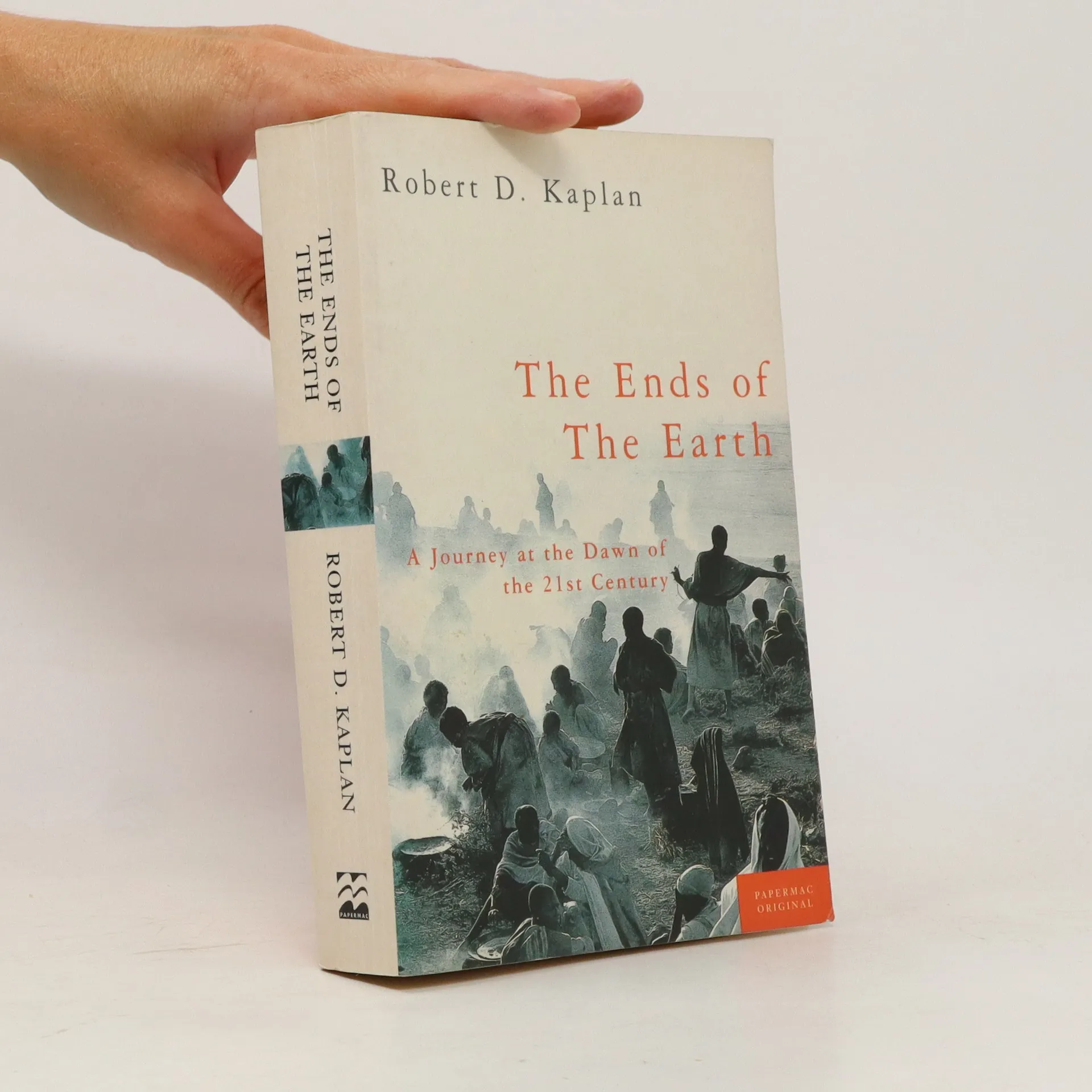
The Ends of the Earth. A Journey at the Dawn of the 21st Century
- 496 pages
- 18 hours of reading
Kaplan travels from the devastated countries of West Africa and the fundamentalist enclaves of Egypt and Iran to the culturally explosive lands of Central Asia, India, Pakistan and Southeast Asia, providing intimate portraits of their peoples.
Eastward to Tartary
Travels in the Balkans, the Middle East, and the Caucasus
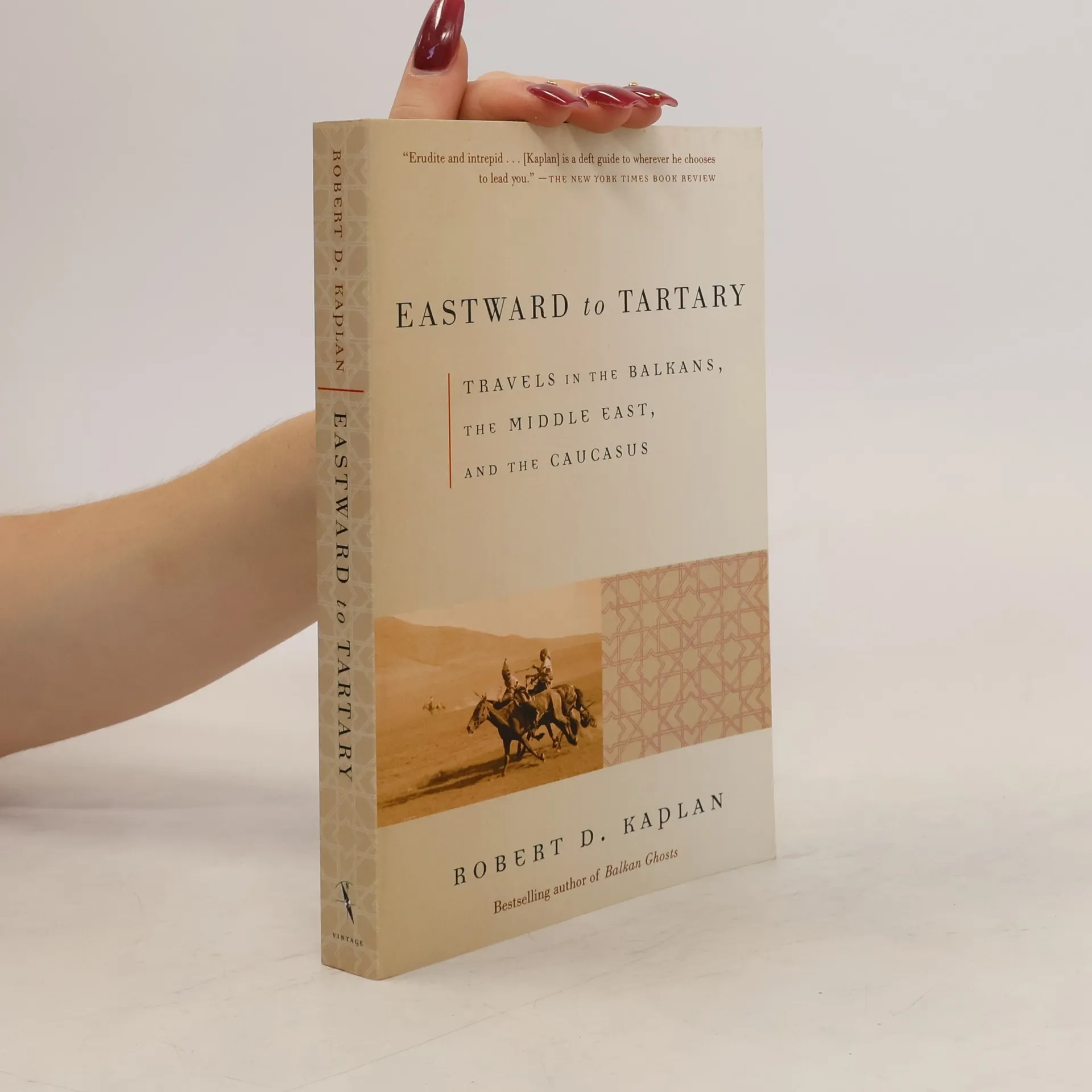
Eastward to Tartary , Robert Kaplan's first book to focus on a single region since his bestselling Balkan Ghosts , introduces readers to an explosive and little-known part of the world destined to become a tinderbox of the future.Kaplan takes us on a spellbinding journey into the heart of a volatile region, stretching from Hungary and Romania to the far shores of the oil-rich Caspian Sea. Through dramatic stories of unforgettable characters, Kaplan illuminates the tragic history of this unstable area that he describes as the new fault line between East and West. He ventures from Turkey, Syria, and Israel to the turbulent countries of the Caucasus, from the newly rich city of Baku to the deserts of Turkmenistan and the killing fields of Armenia. The result is must reading for anyone concerned about the state of our world in the decades to come.
Mediterranean Winter
- 256 pages
- 9 hours of reading
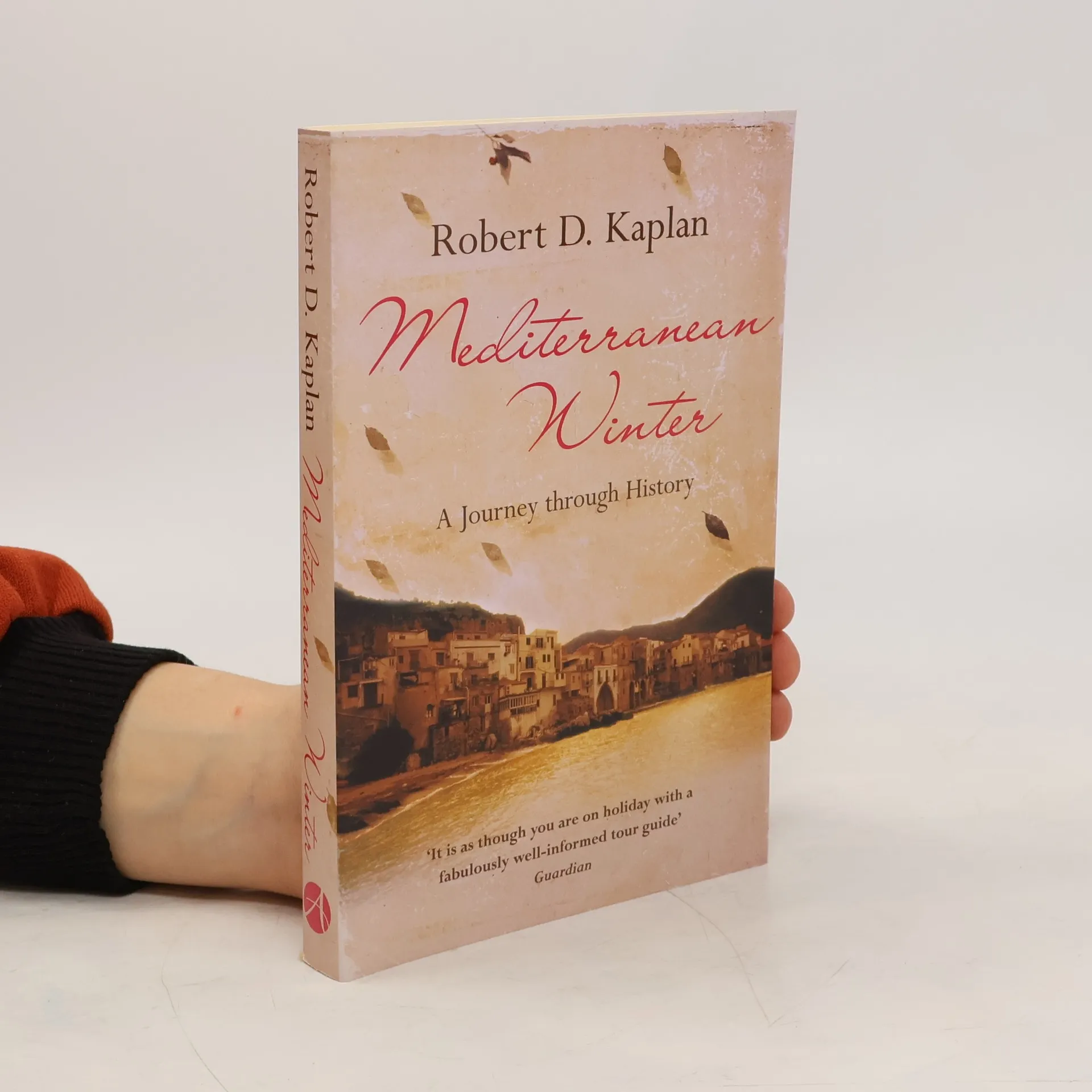
Mediterranean Winteris a lyrical account of Robert Kaplan's journey in the off season around the Mediterranean, retracing the footsteps of his youth. A beautifully written meditation on the golden age of travel and the pleasures of history, it takes us from Tunisia, once proud Carthage, rival to Rome, through Sicily, up the Dalmatian coast and into Greece.Mediterranean Winteris alive with the spirits of the past, from Hadrian and Homer to Hannibal and Ibn Khaldun, and closes with a fascinating pilgrimage to Patrick Leigh Fermor, whom Kaplan visits in his hideaway on the Aegean.
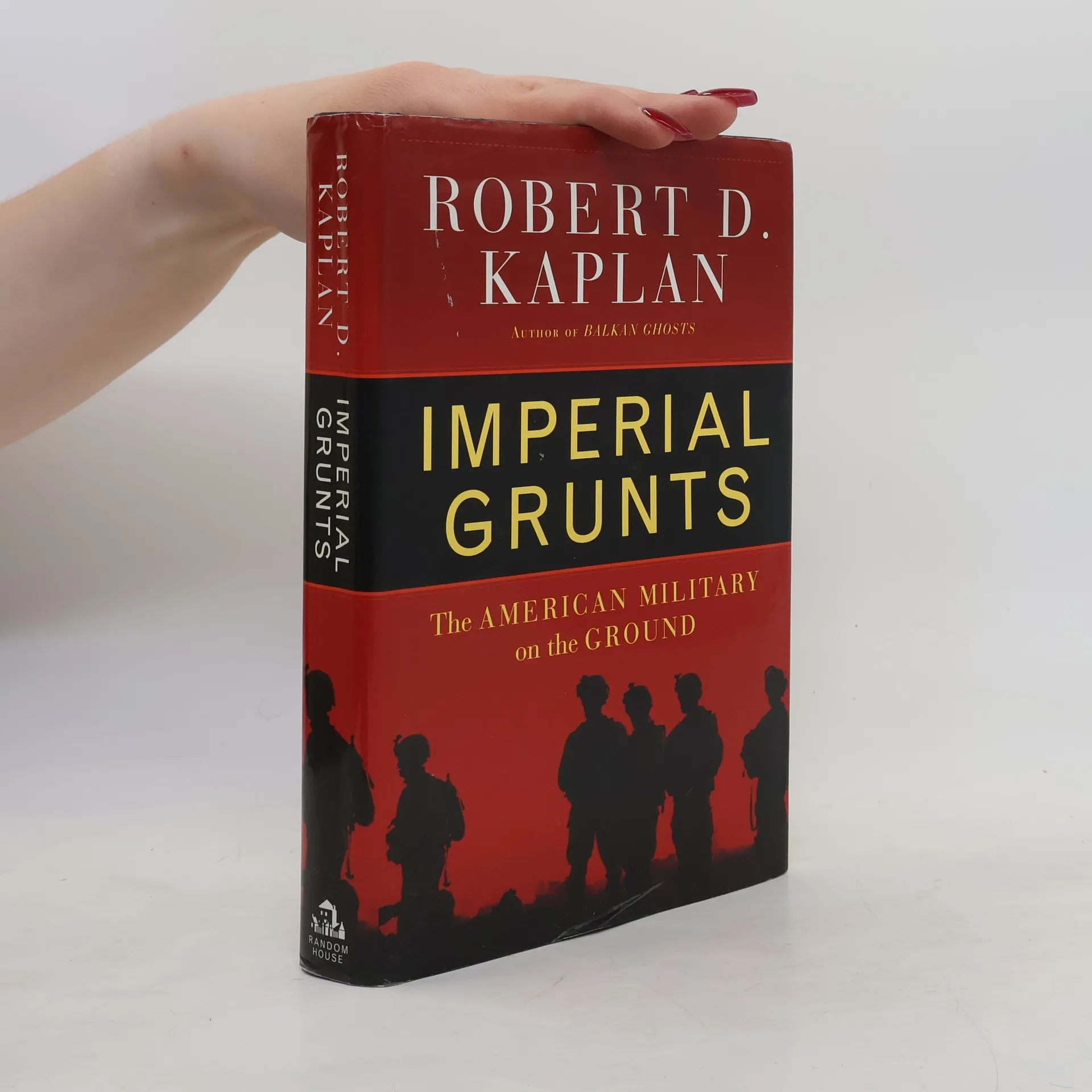
In this landmark book, Robert D. Kaplan, veteran correspondent for The Atlantic Monthly and author of Balkan Ghosts, shows how American imperialism and the Global War on Terrorism are implemented on the ground, mission by mission, in the most exotic landscapes around the world.
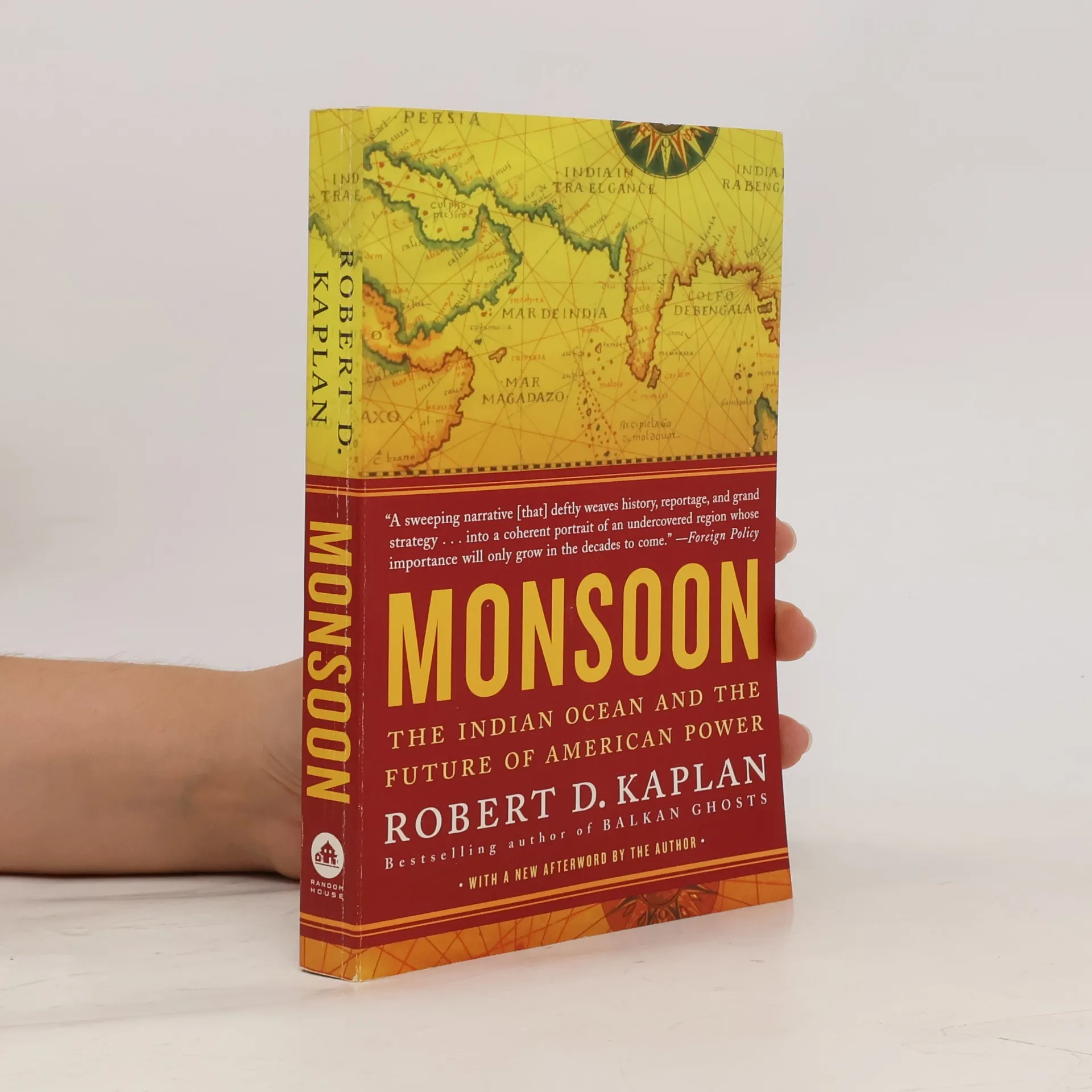
Monsoon : the Indian Ocean and the Future of American Power
- 374 pages
- 14 hours of reading
On the world maps common in America, the Western Hemisphere lies front and center, while the Indian Ocean region all but disappears. This convention reveals the geopolitical focus of the now-departed twentieth century, but in the twenty-first century that focus will fundamentally change. In this pivotal examination of the countries known as “Monsoon Asia”—which include India, Pakistan, China, Indonesia, Burma, Oman, Sri Lanka, Bangladesh, and Tanzania—bestselling author Robert D. Kaplan shows how crucial this dynamic area has become to American power. It is here that the fight for democracy, energy independence, and religious freedom will be lost or won, and it is here that American foreign policy must concentrate if the United States is to remain relevant in an ever-changing world. From the Horn of Africa to the Indonesian archipelago and beyond, Kaplan exposes the effects of population growth, climate change, and extremist politics on this unstable region, demonstrating why Americans can no longer afford to ignore this important area of the world.
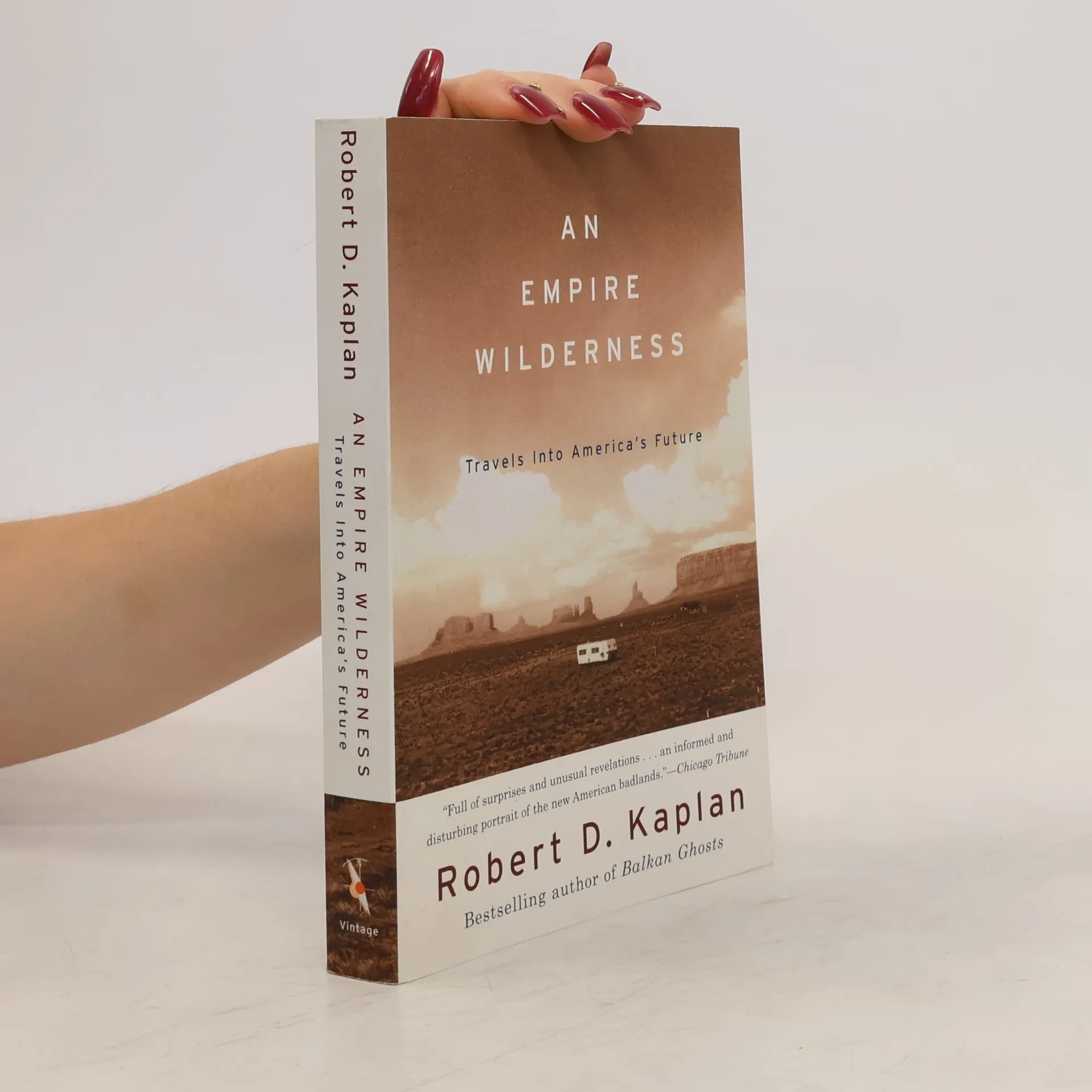
Bestselling author Robert D. Kaplan presents a view of the dramatic changes occurring in the United States at a rapid pace. He offers a glimpse into America's future, which will be very different from what many currently think. Kaplan travels across the North American continent, from Mexico to Canada, from the American heartland in the Midwest to the Asia-oriented Northwest. He experiences the new America, where the most dynamic inhabitants come from all over the world, and where the differences between 'winners' and 'losers' seem to be increasing exponentially. What do the residents of decaying Black inner cities or desolate trailer parks have in common with the 'gated communities' of their affluent counterparts in the suburbs? Or the dynamic Northwest, with its Asian inhabitants and close ties to Canada, with the Spanish-American culture that seems poised to dominate the entire Southwest of the U.S.? Is there still such a thing as 'United' States?
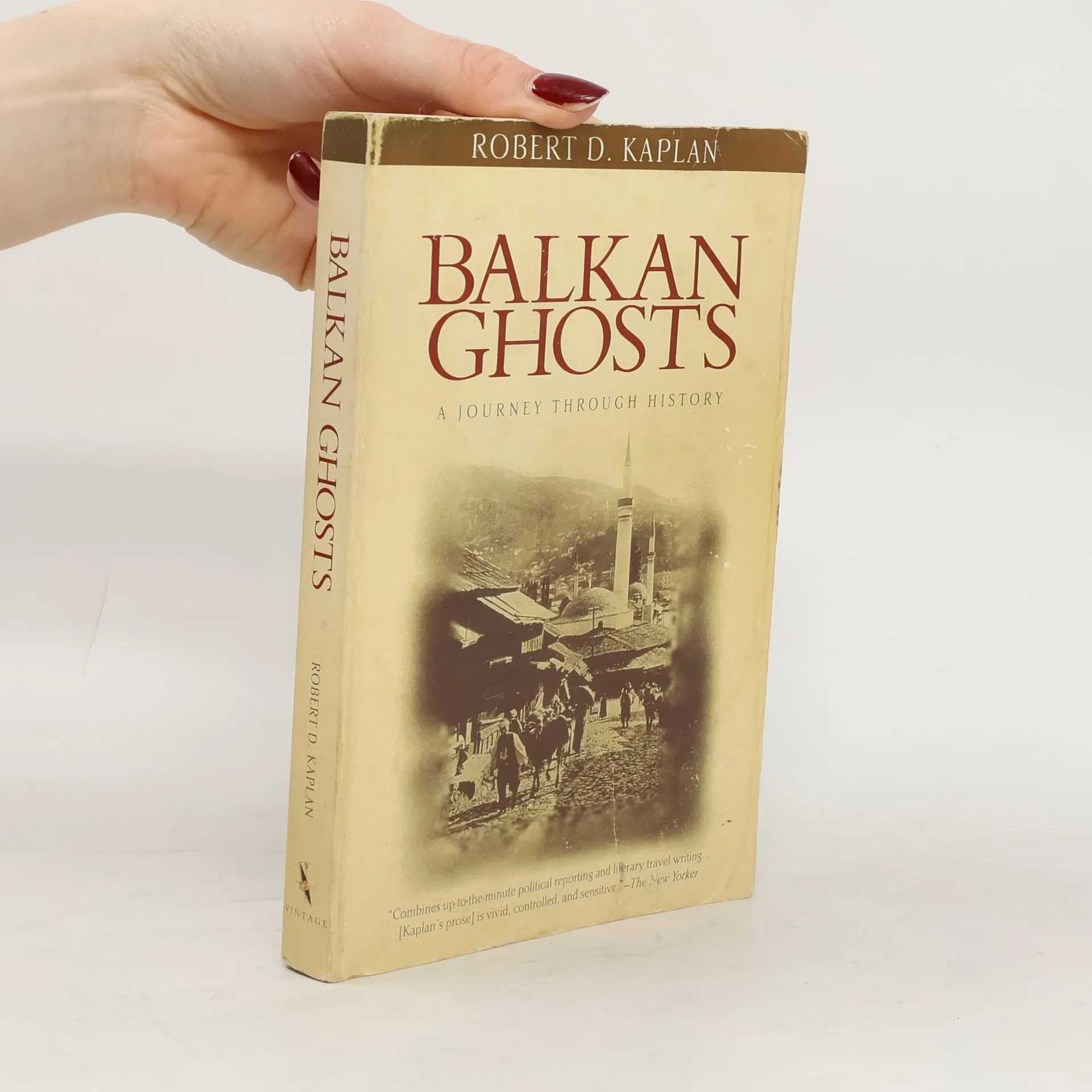
Author's account of his travels through the Balkan countries and a history of the region.
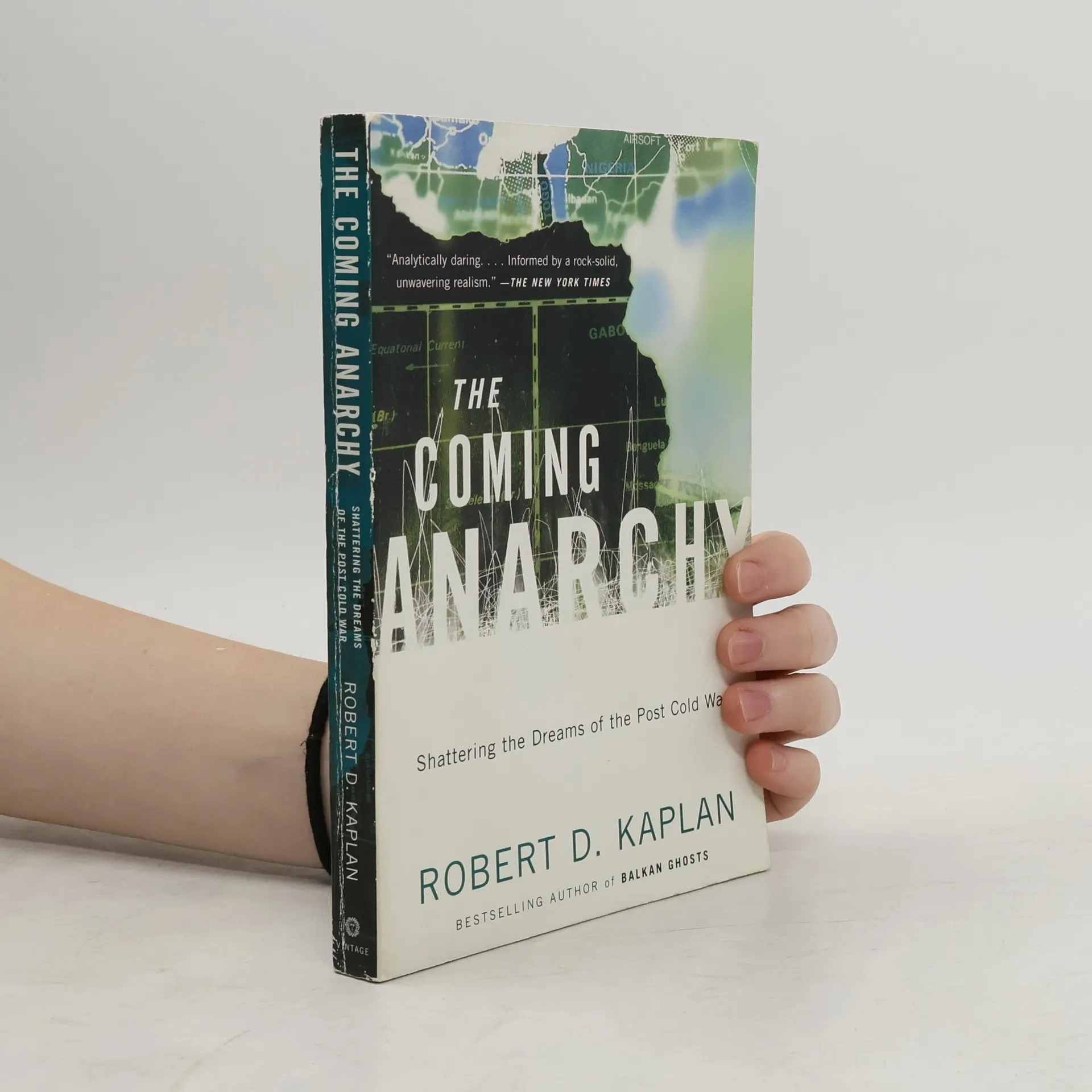
Robert Kaplan, bestselling author of Balkan Ghosts, offers up scrupulous, far-ranging insights on the world to come in a spirited, rousing, and provocative book that has earned a place at the top of the reading lists of the world's policy makers. The end of the Cold War has not ushered in the global peace and prosperity that many had anticipated. Volatile new democracies in Eastern Europe, fierce tribalism in Africa, civil war and ethnic violence in the Near East, and widespread famine and disease—not to mention the brutal rift developing as wealthy nations reap the benefits of seemingly boundless technology while other parts of the world slide into chaos—are among the issues Kaplan identifies as the most important for charting the future of geopolitics. Historical antecedents in Gibbon's Decline and Fall and in the legacies of statesmen such as Henry Kissinger contribute to this bracingly prophetic framework for addressing the new global reality. Bold, erudite, and profoundly important, The Coming Anarchy is a compelling must-read by one of today's most penetrating writers and provocative minds.
The Tragic Mind
- 152 pages
- 6 hours of reading
A moving meditation on recent geopolitical crises, viewed through the lens of ancient and modern tragedy "Spare, elegant and poignant. . . . If there is a single contemporary book that should be pressed into the hands of those who decide issues of war and peace, this is it."--John Gray, New Statesman "It is tragic that Robert D. Kaplan's luminous The Tragic Mind is so urgently needed."--George F. Will Some books emerge from a lifetime of hard-won knowledge. Robert D. Kaplan has learned, from a career spent reporting on wars, revolutions, and international politics in Europe, the Middle East, and East Asia, that the essence of geopolitics is tragedy. In The Tragic Mind, he employs the works of ancient Greek dramatists, Shakespeare, German philosophers, and the modern classics to explore the central subjects of international politics: order, disorder, rebellion, ambition, loyalty to family and state, violence, and the mistakes of power. The great dilemmas of international politics, he argues, are not posed by good versus evil--a clear and easy choice--but by contests of good versus good, where the choices are often searing, incompatible, and fraught with consequences. A deeply learned and deeply felt meditation on the importance of lived experience in conducting international relations, this is a book for everyone who wants a profound understanding of the tragic politics of our time.
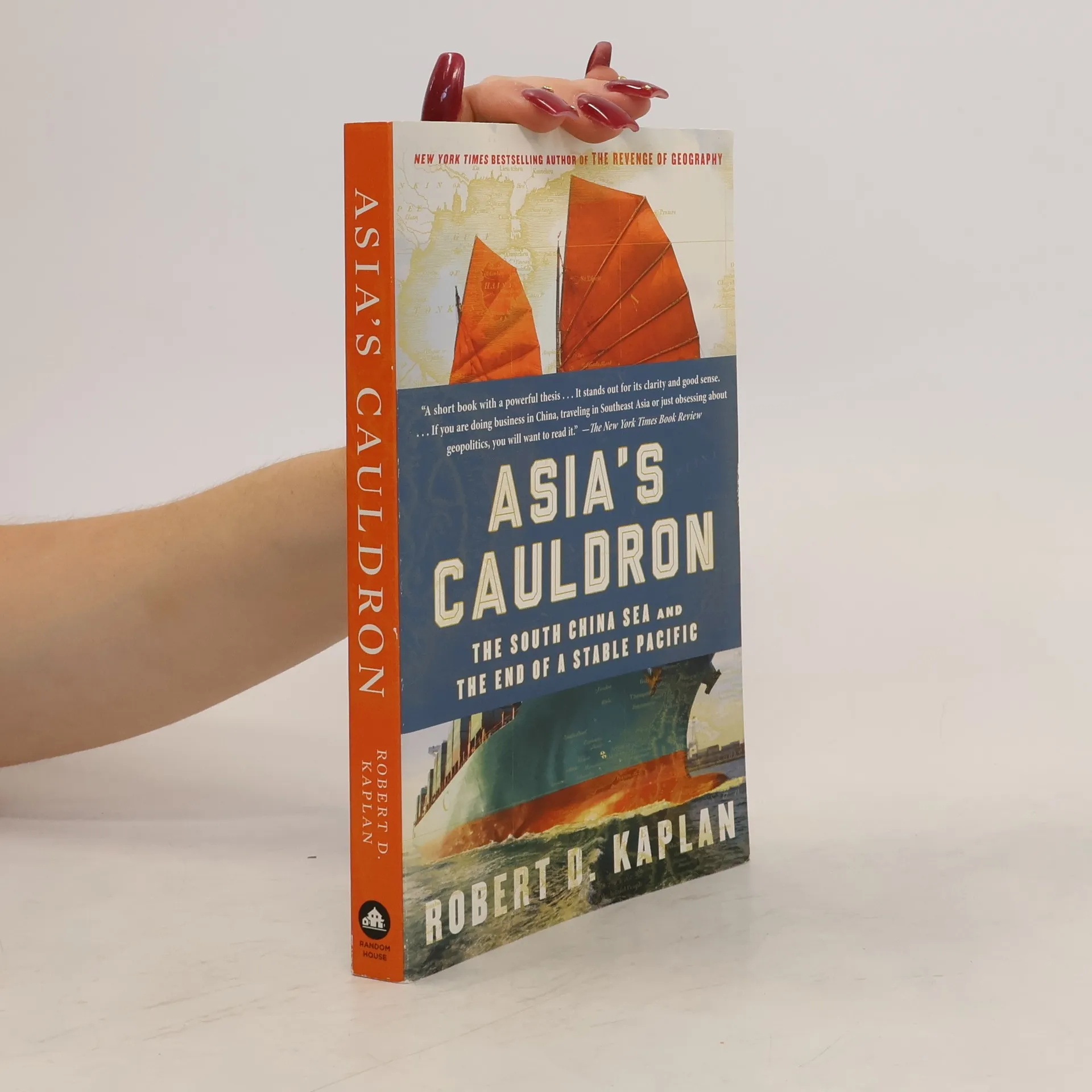
Asia's cauldron : the South China Sea and the end of a stable Pacific
- 225 pages
- 8 hours of reading
"An examination of the future role of the South China sea in international relations and a tour of the the nations surrounding the South China Sea and their interests in the region. In exploring each of these countries individually, Kaplan clearly shows where the conflicts may arise and why they will be challenging for the international community"--
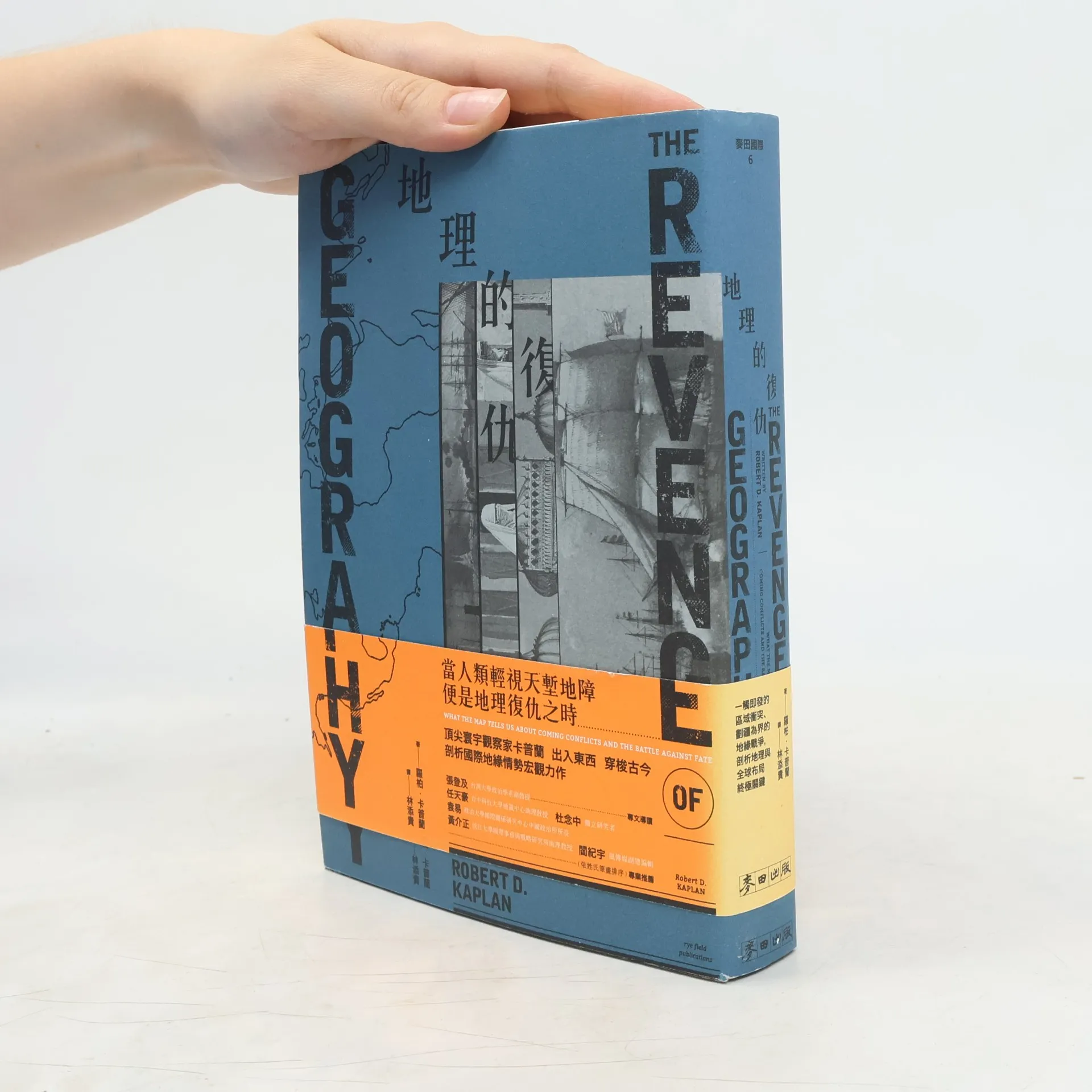
The Revenge of Geography
- 448 pages
- 16 hours of reading
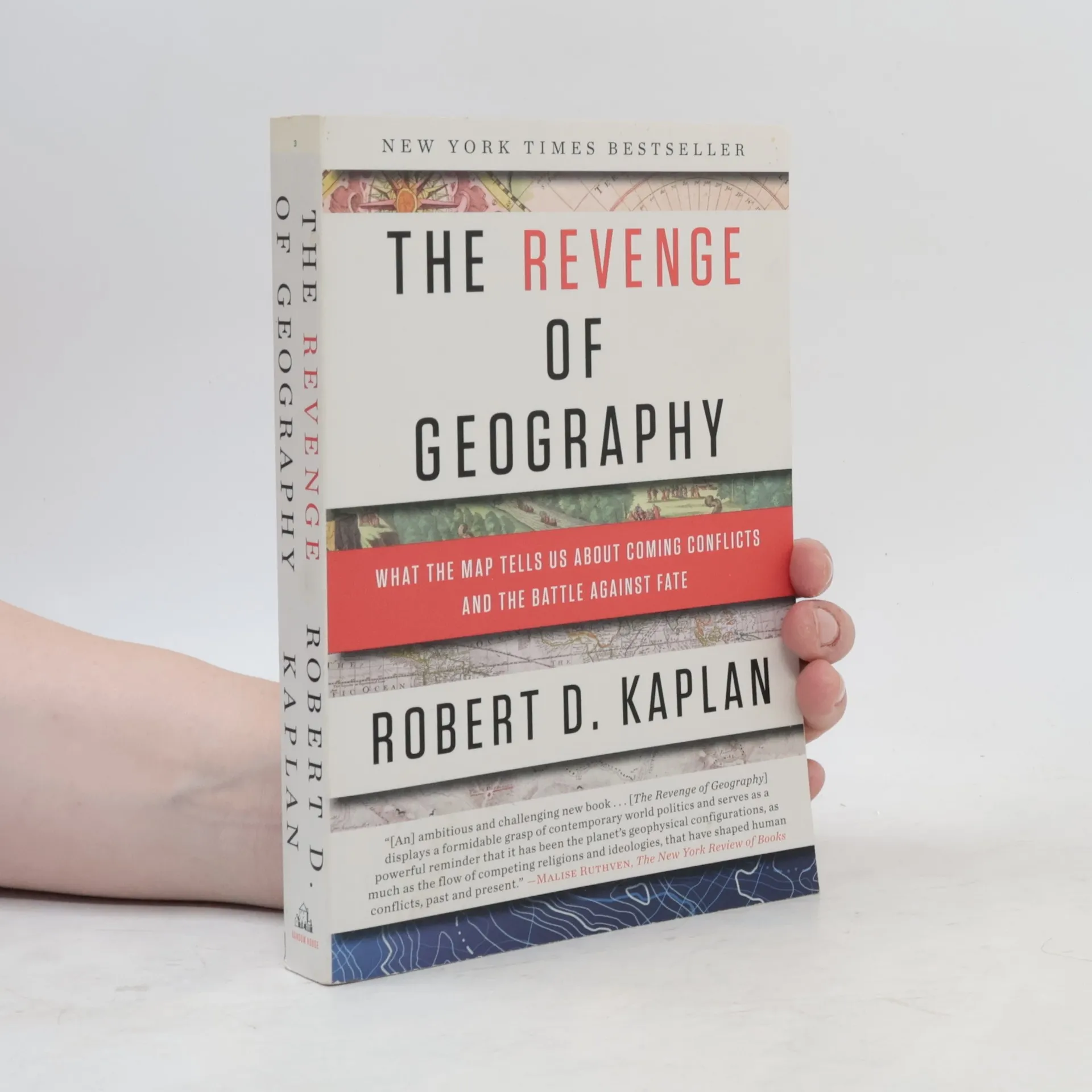
The insights, discoveries and theories of great geographers and geopolitical thinkers of the past look back at critical pivotal events in history and then look forward at the evolving global scene
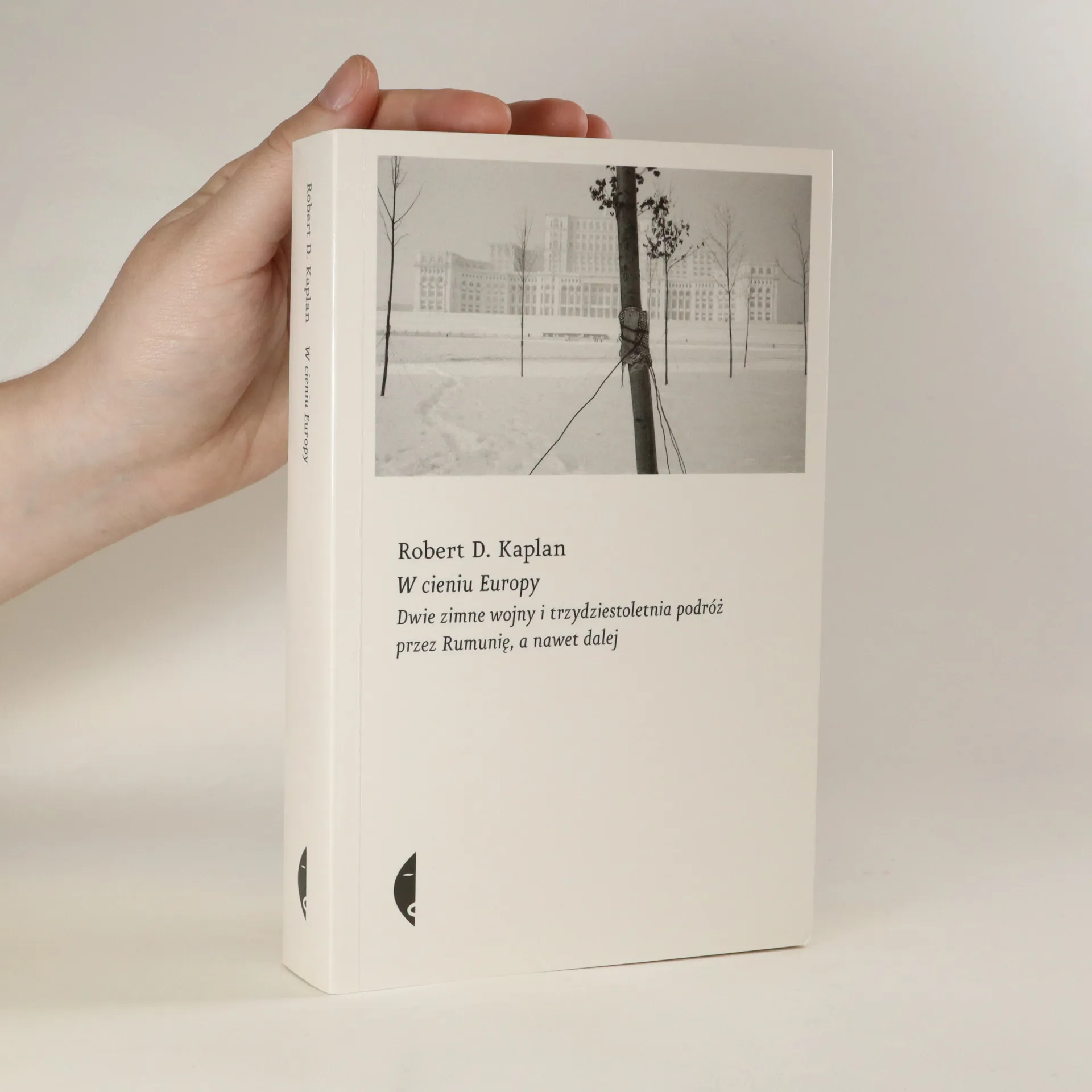
In Europe's Shadow
Two Cold Wars and a Thirty-Year Journey Through Romania and Beyond
- 336 pages
- 12 hours of reading
From bestselling author Robert D. Kaplan, a prominent global thinker, comes a compelling exploration of Romania, a pivotal yet often overlooked European country. Kaplan's journey began in the 1970s when he first visited Romania, then a bleak Communist state. This experience sparked a lifelong fascination with a nation crucial to understanding Russia's current threats to Europe. The narrative interweaves memoir, travelogue, journalism, and history, chronicling Kaplan's evolution as a journalist alongside Romania's own struggles. Through Romania's story, Kaplan delves into broader themes of geography, imperialism, and the impact of historical events like the Cold War and the Holocaust. He paints a vivid picture of the country, from the grim realities of life under Nicolae Ceaușescu to the cultural richness of Transylvania. His reflections engage with historical thinkers and contemporary Romanians—philosophers, priests, and politicians—who strive to uphold humanism amid a resurgent Russia. Returning to Romania in 2013 and 2014, Kaplan observes a transformed landscape, now a destination shaped by Western influences while still grappling with its past. This work serves as an essential lens through which to comprehend the ongoing crisis involving Russia and the complexities within Europe itself.
Warrior Politics
- 198 pages
- 7 hours of reading
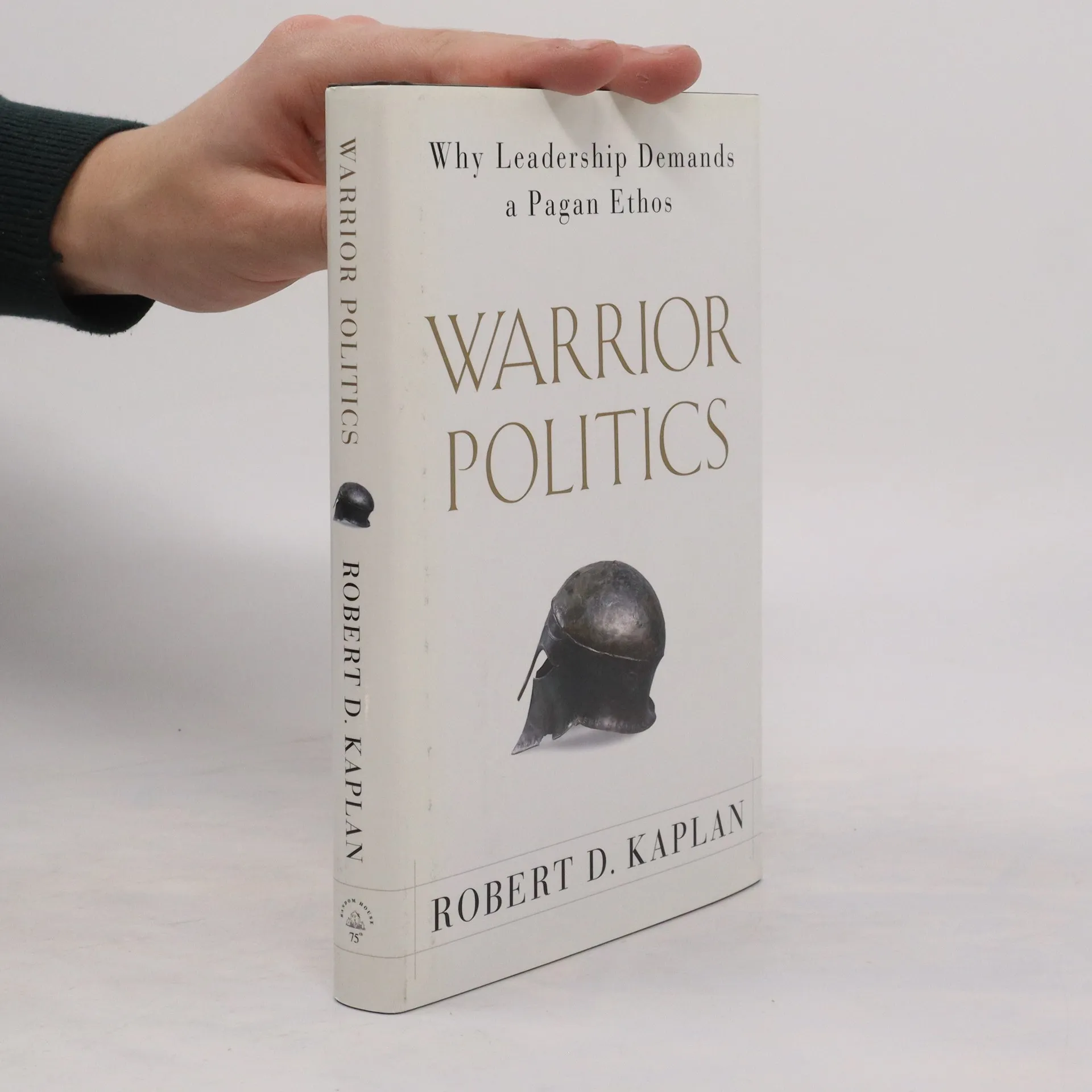
The author of Balkan Ghosts draws on the historical wisdom of Sun-Tzu, Thucydides, Hobbes, Machiavelli, and other great thinkers to provide valuable guidelines for modern-day world leaders--in both politics and the business environments--confronted with the complex challenges of modern life. 50,000
The book delves into the pressing issues of a world facing perpetual crises, highlighting how localized disasters can escalate into global conflicts. Drawing on historical lessons, it offers insights and strategies to prevent this escalating spiral of turmoil. The author, known for their bestselling work, provides a timely analysis that emphasizes the importance of understanding geopolitical dynamics in addressing contemporary challenges.
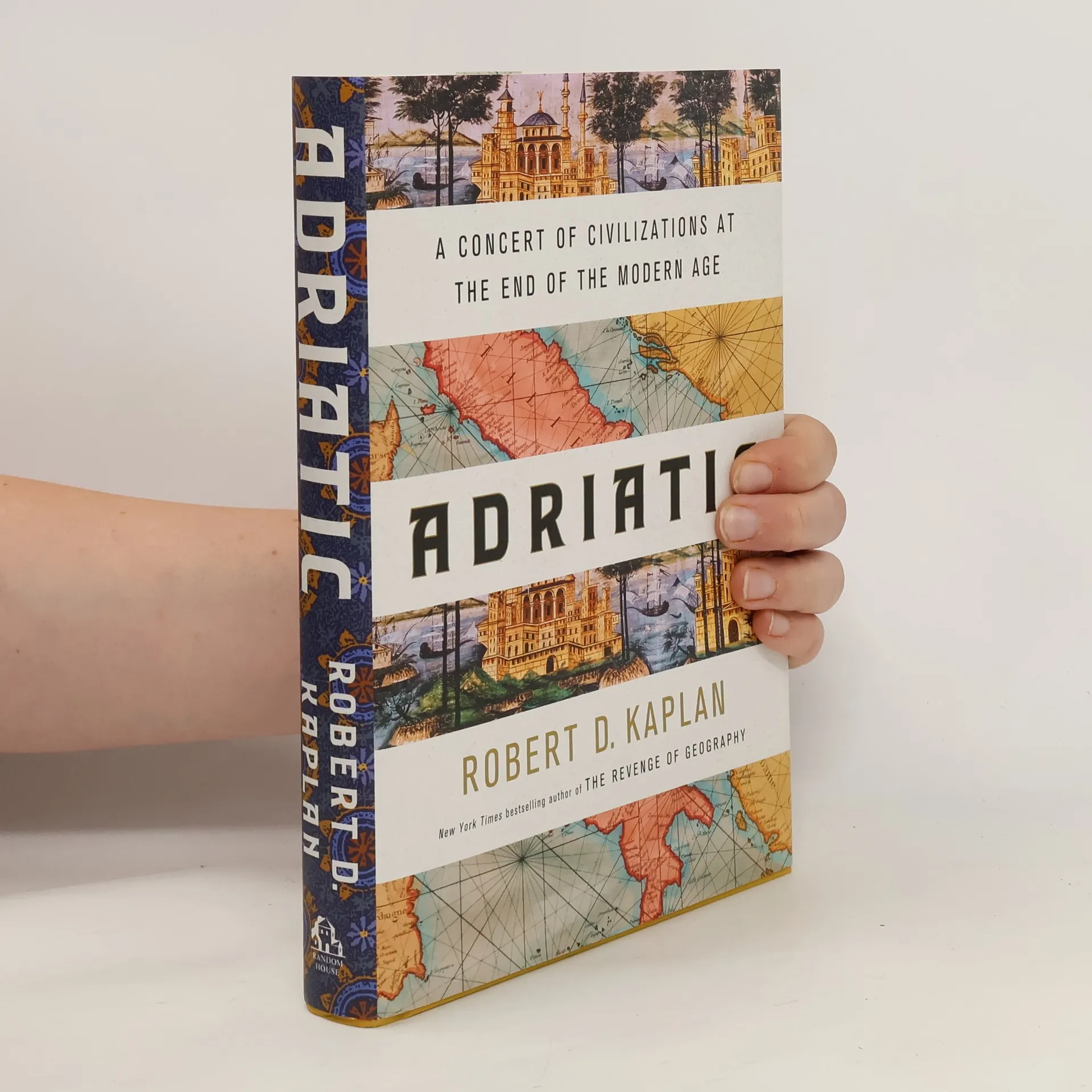
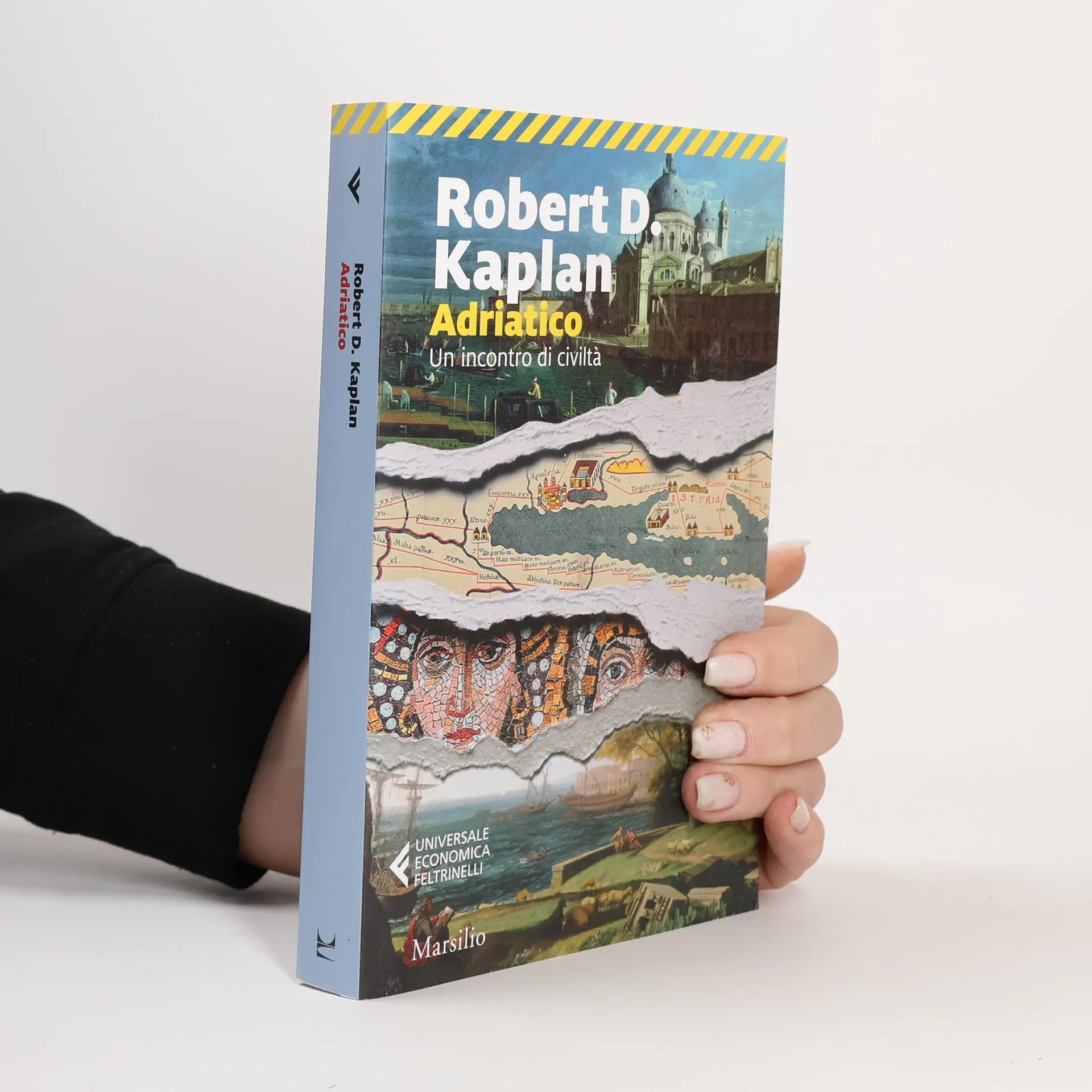
Adriatic
- 352 pages
- 13 hours of reading
In this insightful travelogue, geopolitical expert Robert Kaplan explores the Adriatic Sea, a historical crossroads of trade, culture, and ideas. His journey through Italy and the Balkan nations reveals a deeper narrative than the typical news stories of populism and the refugee crisis suggest. Kaplan argues that the rise of populism is a mere symptom of the waning age of nationalism, indicating that Europe's future is moving in a new direction. As he travels from Italy to Slovenia, Croatia, Montenegro, Albania, and Greece, he offers sharp cultural criticism and a comprehensive study of Europe through these nations. He uncovers historical clues about the continent's future while reflecting on contemporary issues such as the refugee crisis, resurgent nationalism, and competition for fossil fuel resources. Kaplan emphasizes that the Adriatic is poised to reclaim its status as a global trading hub, particularly as it becomes linked to China's Belt and Road initiative. Through a blend of history, literature, art, architecture, and current events, complemented by a map and photographs, he illustrates how the Adriatic's geography encapsulates Europe, providing valuable insights into the continent's destiny.
Psychological Testing
Principles, Applications, and Issues - International Student Edition - Seventh Edition
- 752 pages
- 27 hours of reading
Easy-to-read and accessible, PSYCHOLOGICAL TESTING: PRINCIPLES, APPLICATIONS, AND ISSUES effectively communicates the excitement and dynamics of the field of psychological testing. Robert Kaplan and Dennis Saccuzzo provide students with a current analysis of the most widely used psychological tests in schools, professional training programs, business, industry, the military, and clinical settings. The authors offer a clear picture of how psychological tests are constructed, how they are used, and how an understanding of them can make a difference in their careers and everyday lives. Comprehensive and accurate, yet interesting and personally relevant, this book gets and keeps students' attention through the use of informal discussions and real-life examples.
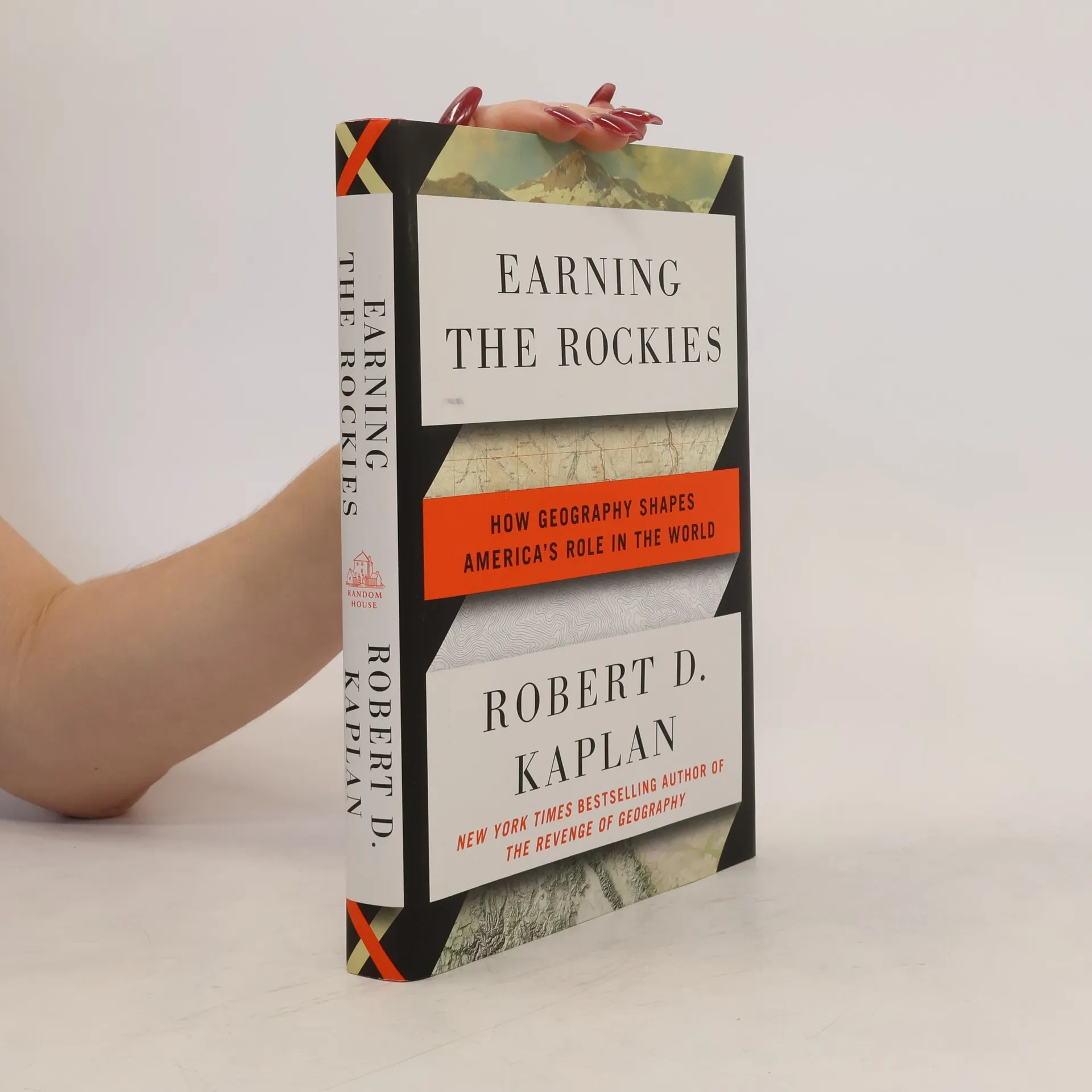
Earning the Rockies
- 201 pages
- 8 hours of reading
Robert D. Kaplan lays bare the roots of American greatness by examining the geography from which our power springs - showing how westward expansion shaped our national character, and how it should shape our foreign policy
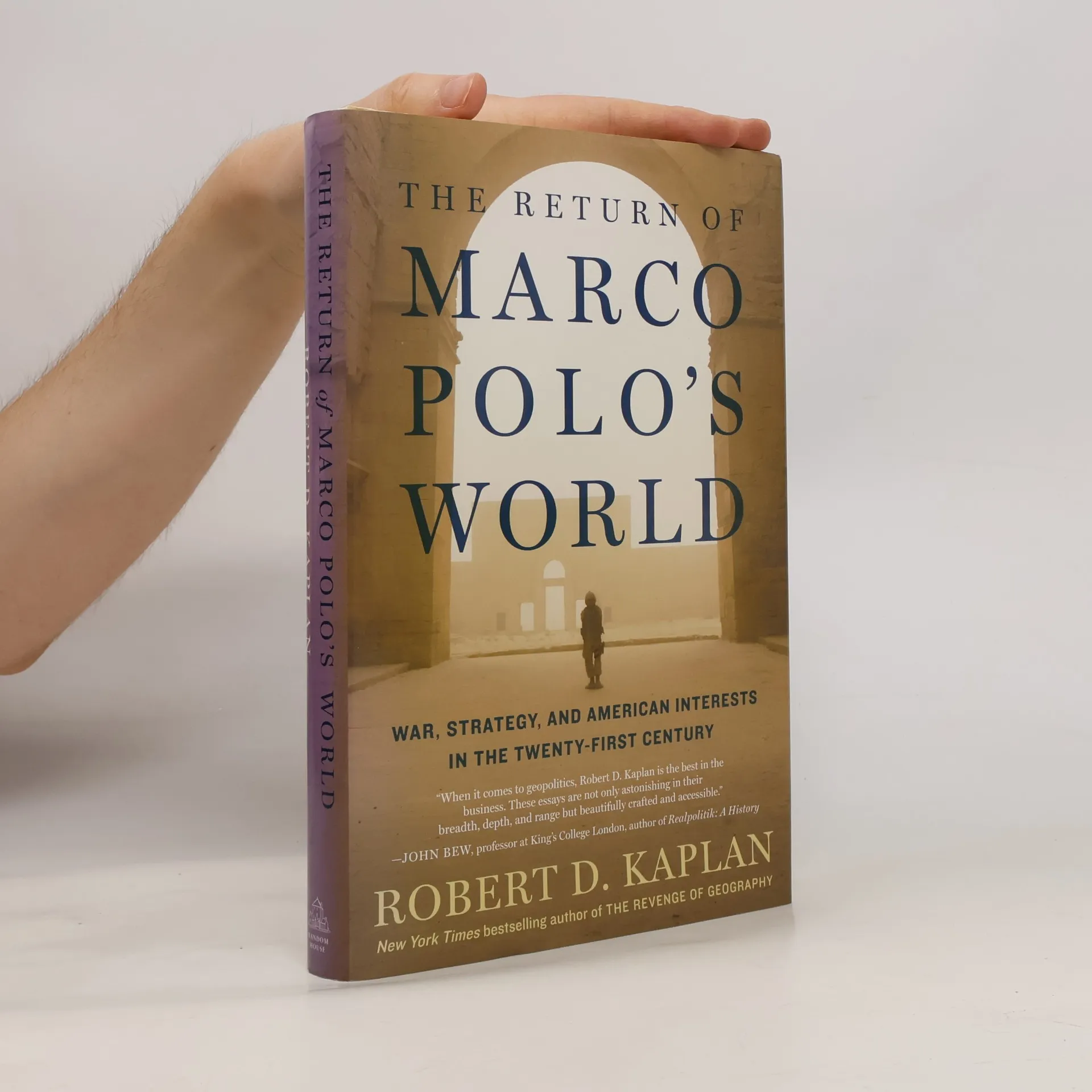
The Return of Marco Polo's World
War, Strategy, and American Interests in the Twenty-first Century
- 280 pages
- 10 hours of reading
Thoughtful, unsettling, yet not apocalyptic analyses of world affairs are presented in this compelling collection of essays. These pieces offer a brilliant synthesis of geographic, political, technological, and economic trends with significant implications. Renowned for his insights, Robert D. Kaplan provides a characteristically provocative examination of the complexities of Eurasian geopolitics, making these essays a valuable guide for understanding the future landscape and its relevance for Americans. Kaplan, a realistic commentator on the evolving global disorder since the Cold War, counters the overly optimistic narratives prevalent in Western thought. His work is essential reading for policymakers and anyone interested in global affairs. The collection emphasizes the costs of conflict and the critical need for U.S. diplomatic skill to maintain stability in an interconnected world. Kaplan’s ability to anticipate world-changing trends solidifies his reputation as a leading thinker in international relations. This collection is not just a reflection on current issues but a necessary resource for those seeking to learn from history and inform sound foreign policy.
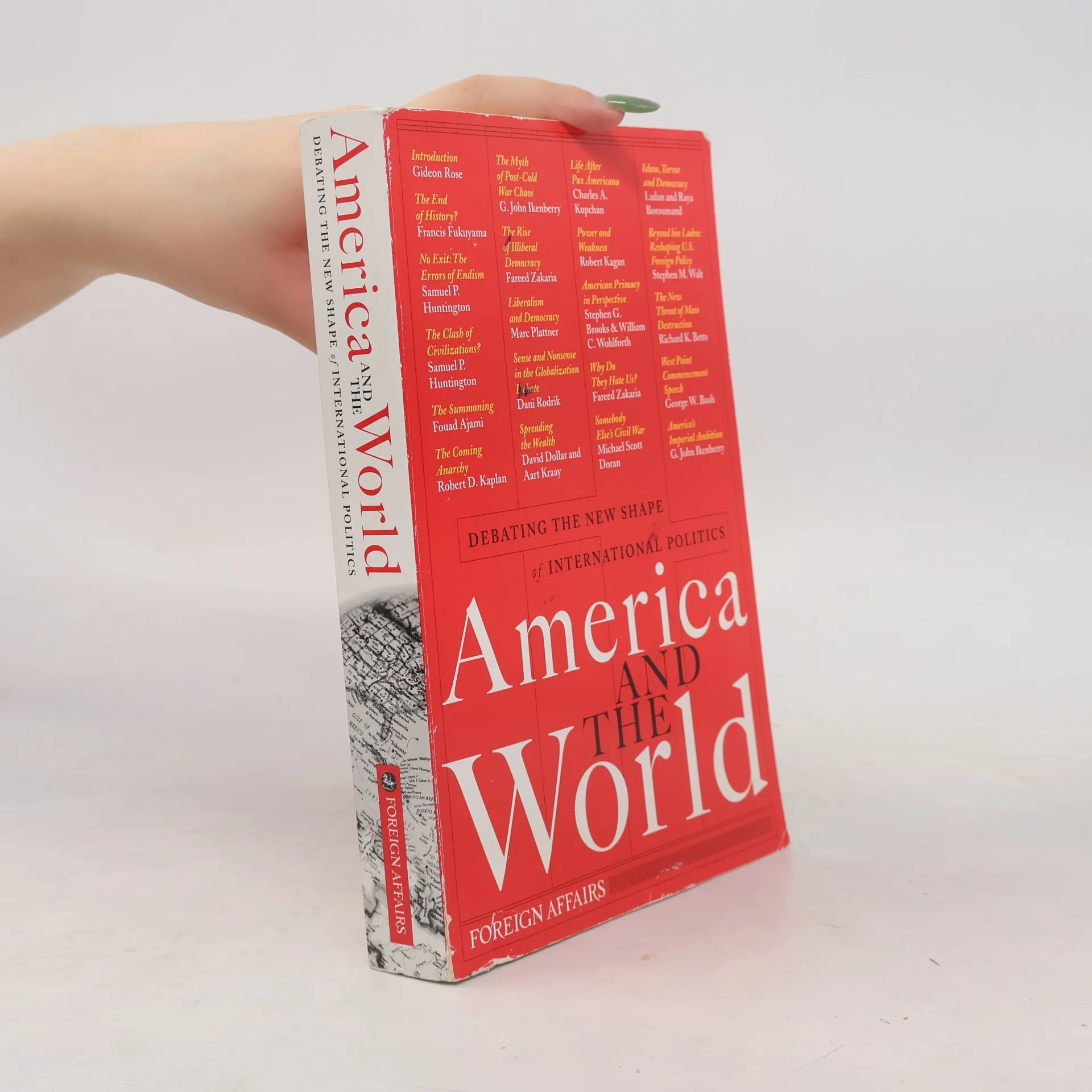
This comprehensive survey explores the key debates shaping U.S. foreign policy in the post-Cold War era. Following the Soviet Union's collapse, scholars have sought to understand the new international landscape. This collection showcases the insights of prominent thinkers, including Francis Fukuyama, Samuel P. Huntington, and Fareed Zakaria, who analyze the driving forces behind global events and America's response. Central questions addressed include the significance of ideology, culture, and power, as well as the future of global order versus chaos. The contributors examine the strength and vulnerabilities of the United States and discuss the appropriate use of its power for protection. Engaging with each other's arguments, these authors provide a rich dialogue that educates readers on contemporary international relations. Originally published in leading journals, these articles form an essential reading list for those interested in understanding current global dynamics. Notable contributors include Fouad Ajami, Richard K. Betts, Stephen G. Brooks, Robert D. Kaplan, and Stephen M. Walt, among others.
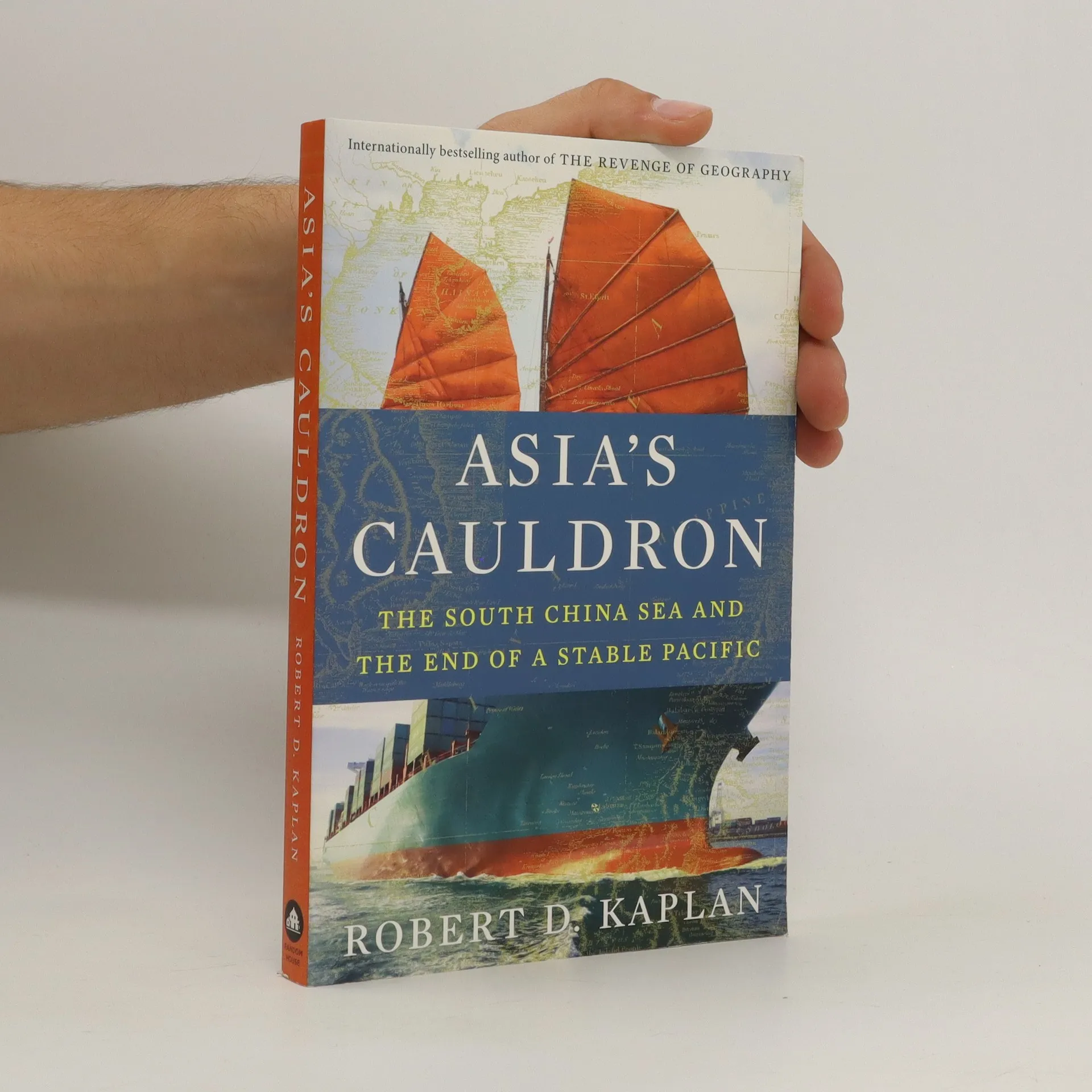
Asia´s Cauldron
- 256 pages
- 9 hours of reading
NAMED ONE OF THE BEST BOOKS OF THE YEAR BY FINANCIAL TIMES, this work by Robert D. Kaplan offers a penetrating look at the shifting center of world power from Europe to Asia, particularly focusing on the South China Sea. With vast oil and natural gas reserves and competing territorial claims, this region is poised for potential conflict. The underreported military buildup at the intersection of the Western Pacific and Indian Ocean suggests it will be crucial for future global stability. Kaplan provides a vivid snapshot of the nations surrounding the South China Sea and the brewing conflicts of the twenty-first century, interpreting America's interests in the context of an assertive China. He explores how the region's geography fosters naval growth while also limiting aggression, drawing parallels between China's ambitions and America's past imperial endeavors. Blending travelogue with geopolitical analysis, Kaplan takes readers through Asia's diverse landscapes, from Vietnam's capitalism to Malaysia's unique society, and Singapore's economic miracle, contrasting these with the Philippines' struggles under authoritarian rule. As conflicts in the South China Sea increasingly dominate news cycles, this book serves as an essential guide to understanding a region that will significantly influence global affairs.
Bị người yêu lừa dối, Takako bỏ việc và rơi vào chuỗi ngày ngủ triền miên để trốn tránh nỗi buồn. Thế rồi, một cuộc điện thoại từ người cậu ruột cả 10 năm trời không gặp đã đánh thức cô khỏi cơn mộng mị. Takako đồng ý đến trông hiệu sách nửa buổi giúp cậu chỉ để làm vừa lòng mẹ. Nhưng thật ngoài tưởng tượng, chờ đợi cô là hiệu sách Morisaki cũ kỹ với thế giới của hàng nghìn cuốn sách chứa trong mình cả thời gian và lịch sử. Sách đã chữa lành vết thương trong lòng cô. Và hơn thế nữa, Takako tìm thấy bao nhiêu điều mới mẻ và thú vị mà trước đây cô chưa từng biết đến. Câu chuyện nhẹ nhàng mà sâu lắng, đặc biệt với những ai có sở thích sưu tầm sách cổ.
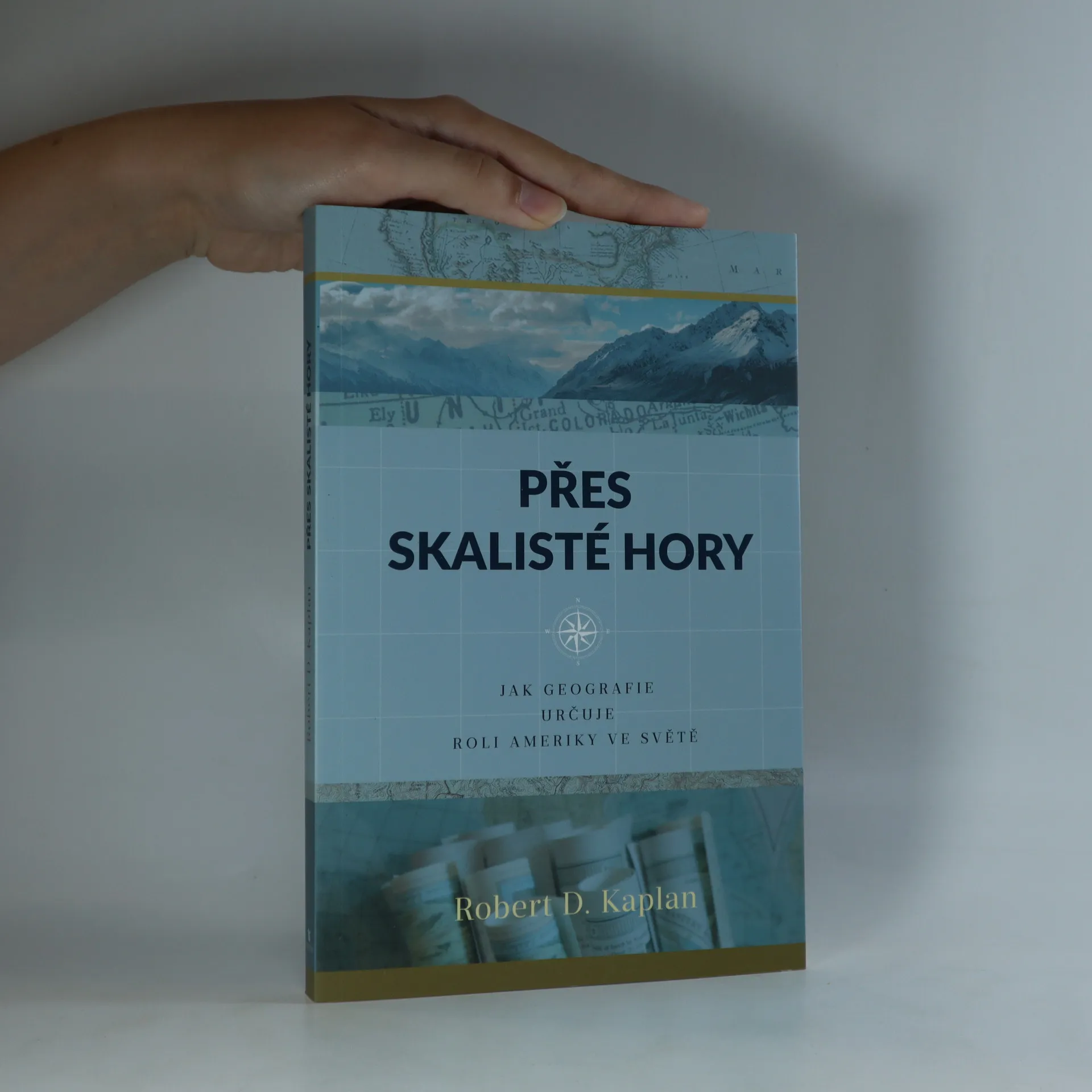
Kniha představuje svébytnou meditaci na téma Spojené státy a jejich role ve světě. Autor se na základě vzpomínek na otce, který u něj pravidelnými výlety na historická místa probudil lásku k historii Ameriky, vydává na „roadtrip“ napříč Spojenými státy z Východu na Západ. Při této jízdě je veden úvahami různých autorů o Americe, zejména pak postřehy Bernarda DeVota, jenž si byl vědom, jak mocně geografie zasahuje a ovlivňuje roli USA ve světě. Nejprve cestuje zalesněnou „vertikální“ krajinou východu, pokračuje horizontální krajinou prérií, aby nakonec stanul na břehu Pacifiku a mohl se zabývat postavením své vlasti ve světě. V průběhu celé cesty si autor zaznamenával zajímavé myšlenky o minulosti i současnosti Spojených států a jejich obyvatel, které pro českého čtenáře mohou být někdy značně provokativní, nicméně nutí k zamyšlení a představují sondu do americké duše.
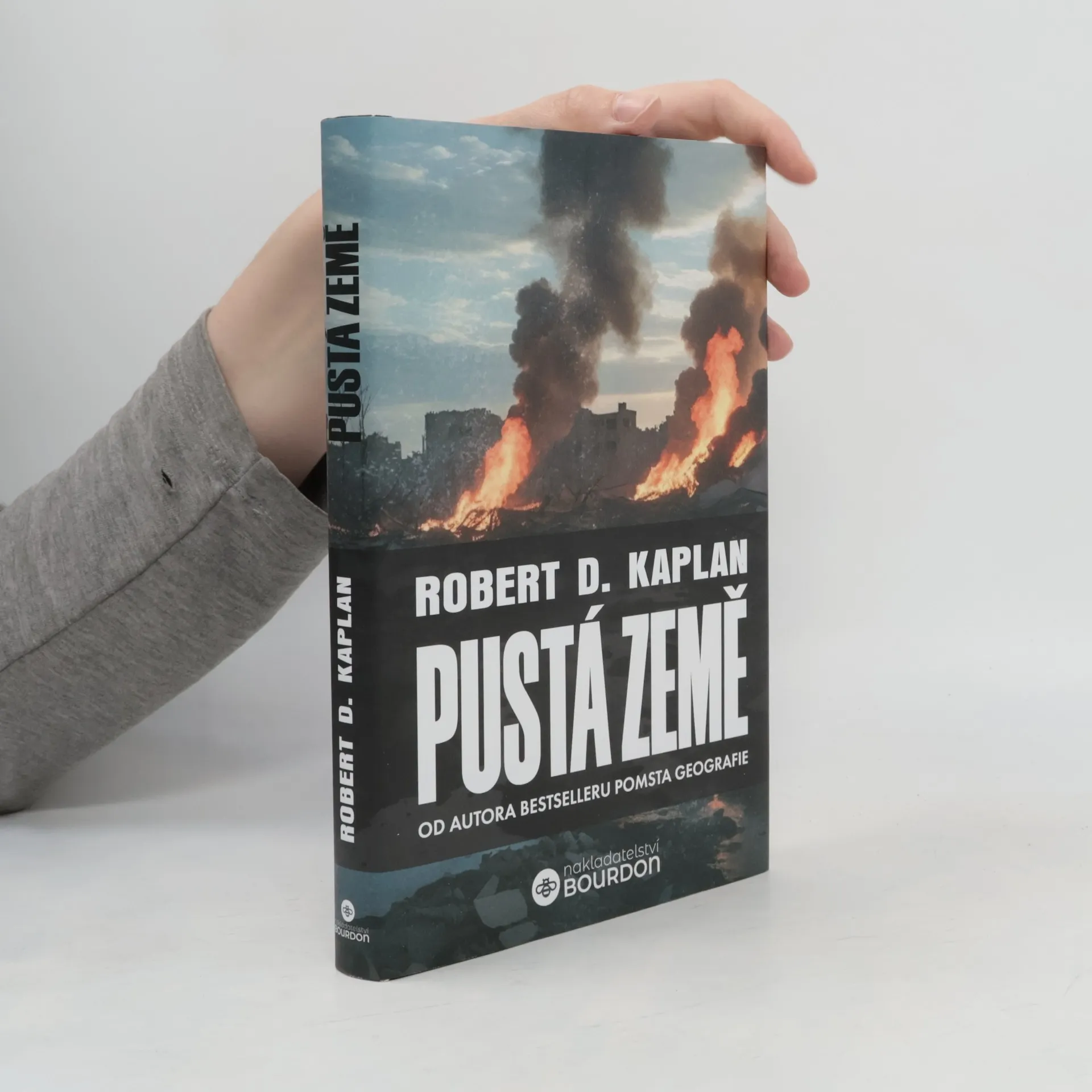
Pustá země
- 208 pages
- 8 hours of reading
Vstupujeme do nové éry globálního kataklyzmatu: smrtící směsice válek, klimatických změn, soupeření velmocí, rychlého technologického pokroku a konce impérií. Světoznámý autor Robert D. Kaplan v nové knize Pustá země pronikavě vysvětluje, jak jsme se do této situace dostali a kam směřujeme. Kaplanův příznačný záběr na historii, literaturu, politiku a filozofii ukazuje paralely mezi současnými výzvami a problémy meziválečné Výmarské republiky v Německu. I dnes by se každá národní katastrofa mohla rozšířit po celém světě. Mohla by světovou populaci před anarchickým rozpadem zachránit spíše stabilita a historický liberalismus, nebo masová demokracie? Pustá země je odvážným pohledem do budoucnosti definované technologiemi jednadvacátého století, a přesto pozoruhodně rezonující s minulostí. Situace se snadno může vymknout kontrole – pokud naši lídři včas nezakročí.