Eroica
- 224 pages
- 8 hours of reading
The story of the composition and revolutionary impact of Beethoven's Third Symphony, the 'Eroica'.


James Hamilton-Paterson is an acclaimed non-fiction author whose work delves into profound and engaging explorations of the world. His writing is characterized by erudition and wit, often penetrating beneath the surface of his chosen subjects. He approaches his fiction with a similar precision and inventiveness, offering readers a stimulating literary experience.


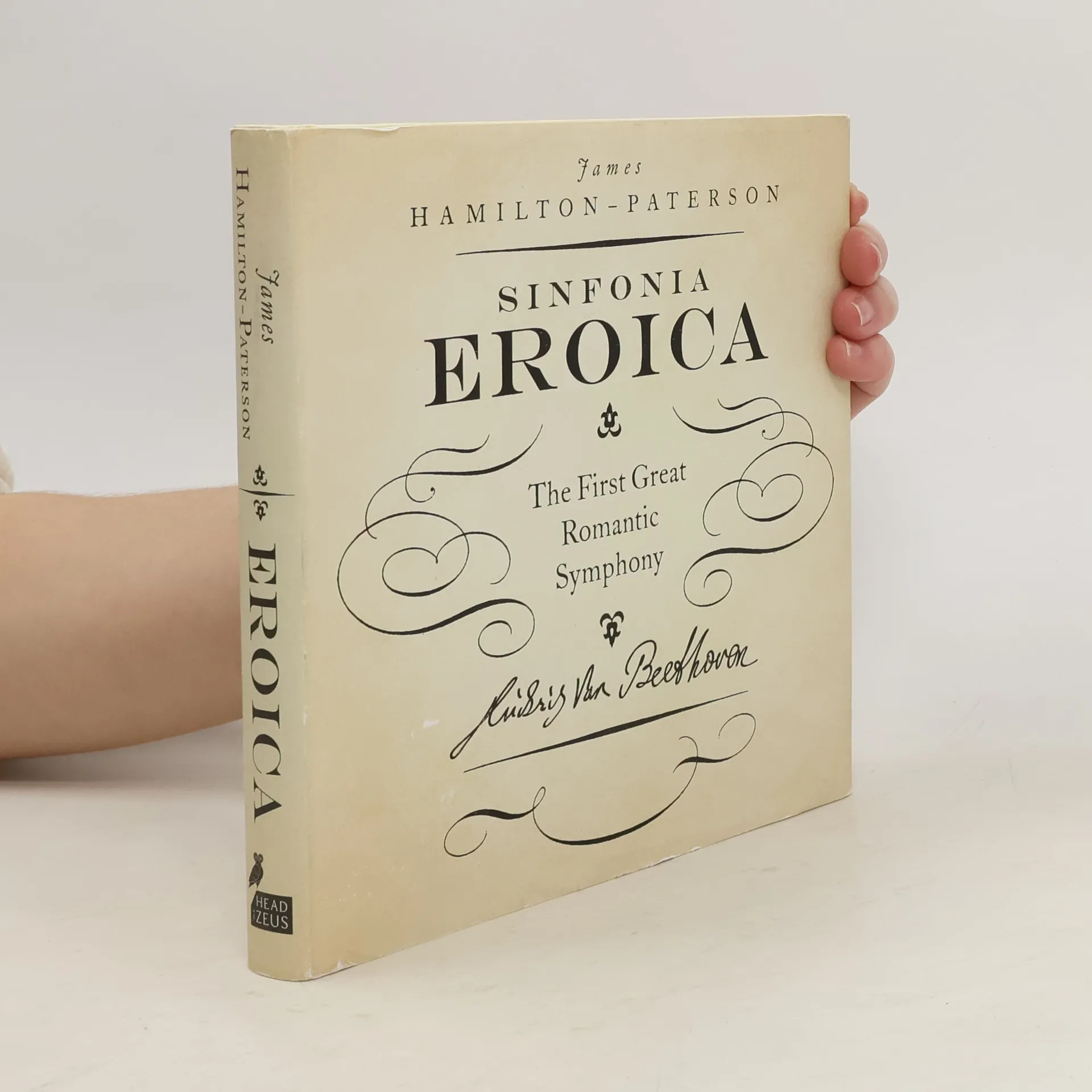
The story of the composition and revolutionary impact of Beethoven's Third Symphony, the 'Eroica'.
James Hamilton-Paterson's first collection of stories presents a disquietingly humorous volume that tilts the reader's perception of the world just sufficiently to make the bizarre seem ordinary and the mundane utterly extraordinary. What is happening in a world where a 41-year-old scriptwriter who despises sport becomes the greatest athlete who ever lived, and the Virgin Mary tangles with the Peace Corps? From England to the Philippines, from the Middle East to South America, the stories portray a world far stranger and less governed than we might care to admit.
A Very Personal War, first published in 1971, was James Hamilton-Paterson's first non-fiction book, and though out of print for many years it retains its force and relevance today. 'In 1969 my agent called me into his office to meet a mysterious man who wanted his story told.
In the wake of World War II, an eccentric European curator struggles to keep alive a greenhouse full of exotic, nocturnal plants, fending off financial threats to their survival and his own creeping insanity
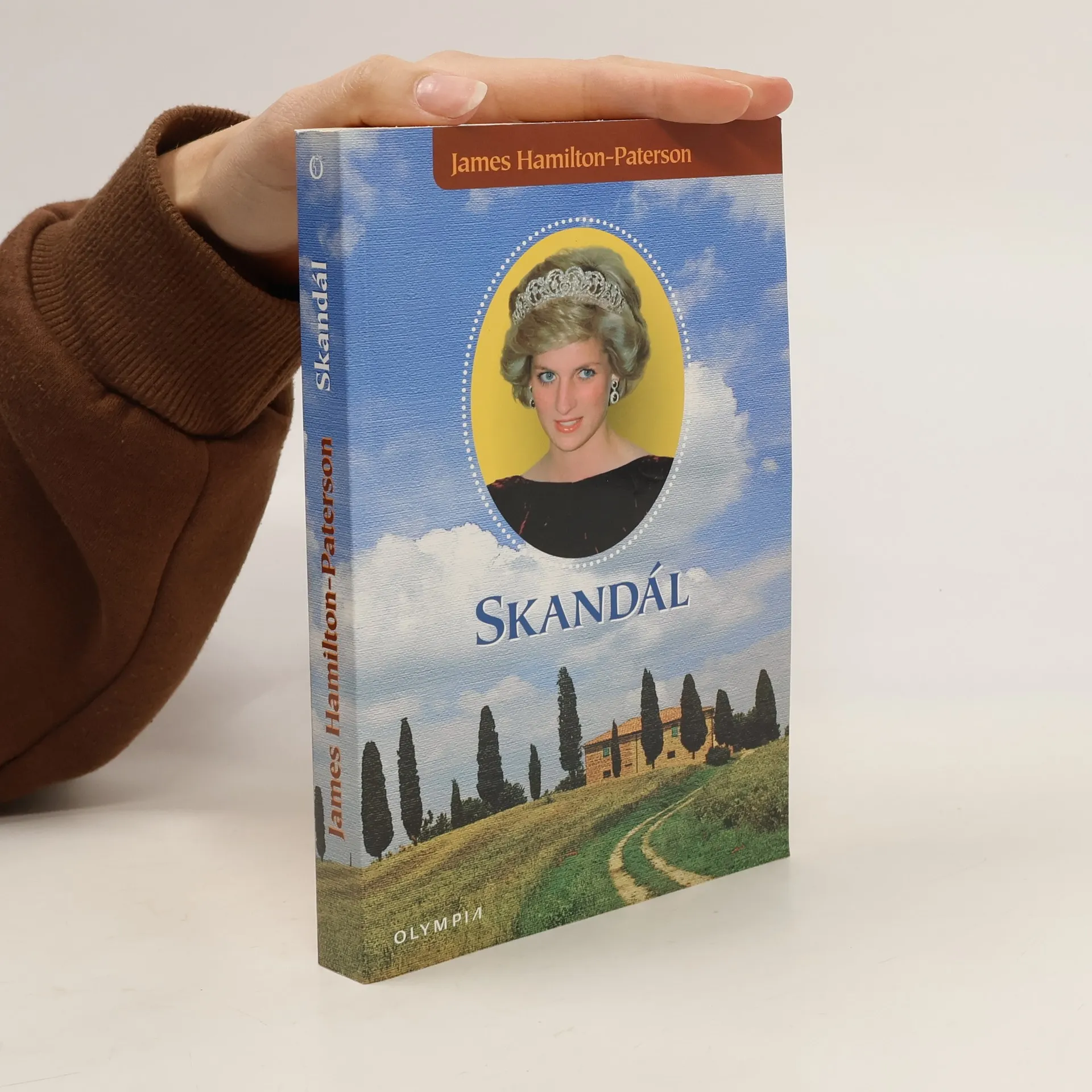
The hero of this black farce of a book is Gerald Samper, a ghostwriter to unbearable sports celebrities and rock stars, whose dream is to write the libretto of an opera. After an unsuccessful sojourn in Suffolk that ends in the accidental death of an ancient aristocrat, Gerry returns to Tuscany to the site of his collapsed house, now a place of pilgrimage after the strange apparition of a deceased English princess with great legs. A sinister estate agent smells a chance to make serious money, and Gerry is persuaded to go along with the scam in return for certain favours. Meanwhile, Gerry is motivated to collaborate on an opera about the life of Princess Diana, the not-quite-saint who has inspired such strange devotion. The premiere will be the high point of his life, though not quite in the way he imagines.
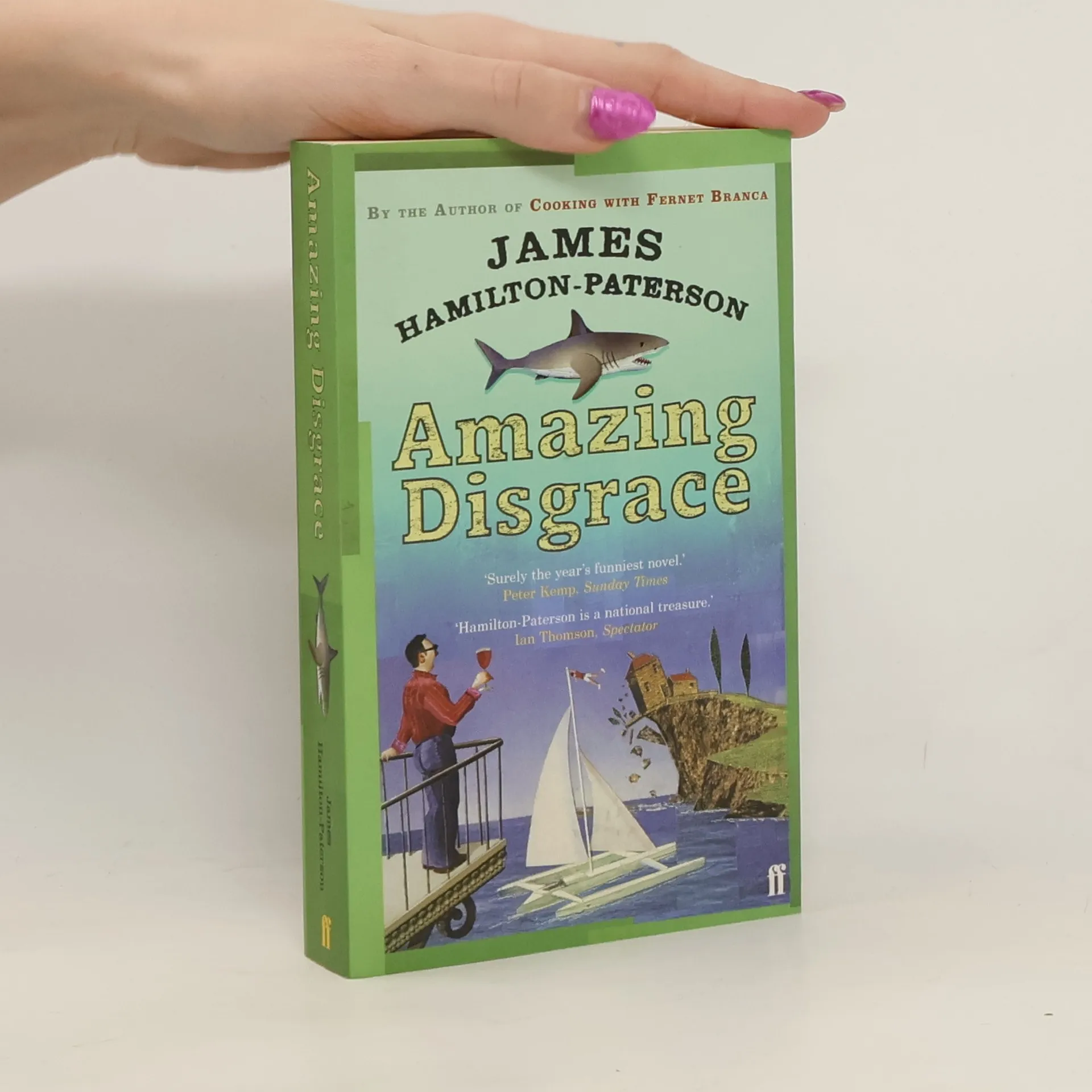
Gerald is a ghostwriter to the illiterate stars, from rock singers and racing drivers to ski champions. And to Millie Cleat, the monstrous one-armed sailor, whose around the world voyage has made her the toast of Britain. Gerald pines for greater things, however, and would prefer to write the memoirs of Max Christ, the celebrated conductor. While he schemes to land this unattainable catch, he muses hilariously and viciously from his Tuscan hilltop on the world of which he is such an unwilling part. Meanwhile, some oceanographers are planning revenge on Millie Cleat for her destruction of their greatest coup. Mayhem follows.
People hunting monkeys in the jungle once devised a simple yet effective trap: When the creature found a banana in a large jar with a narrow neck, it would plunge its paw in to retrieve it. But it couldn't let go. And unless the monkey released the banana, it was stuck.We are, of course, the stuck monkey, paralysed by our modern lifestyles and consumer habits: our constant stream of online shopping deliveries, our compulsive dependence on digital devices, our obsession with ourpets. These addictions, as small and harmless as they may seem, are quietly destroying the planet. And the eco-friendly alternatives that alleviate our guilt are often not much better.In Stuck Monkey, James Hamilton-Paterson uncovers the truth behind the everyday habits fuelling the climate crisis. Drawing on eye-opening research and shocking statistics, he mercilessly dissects a wide spectrum of modern life: pets, gardening, sports, vehicles, fashion, wellness, holidays, and more. Ferociously unflinching andintelligent, this book will make you think twice about the 'innocent' habits we often take for granted.
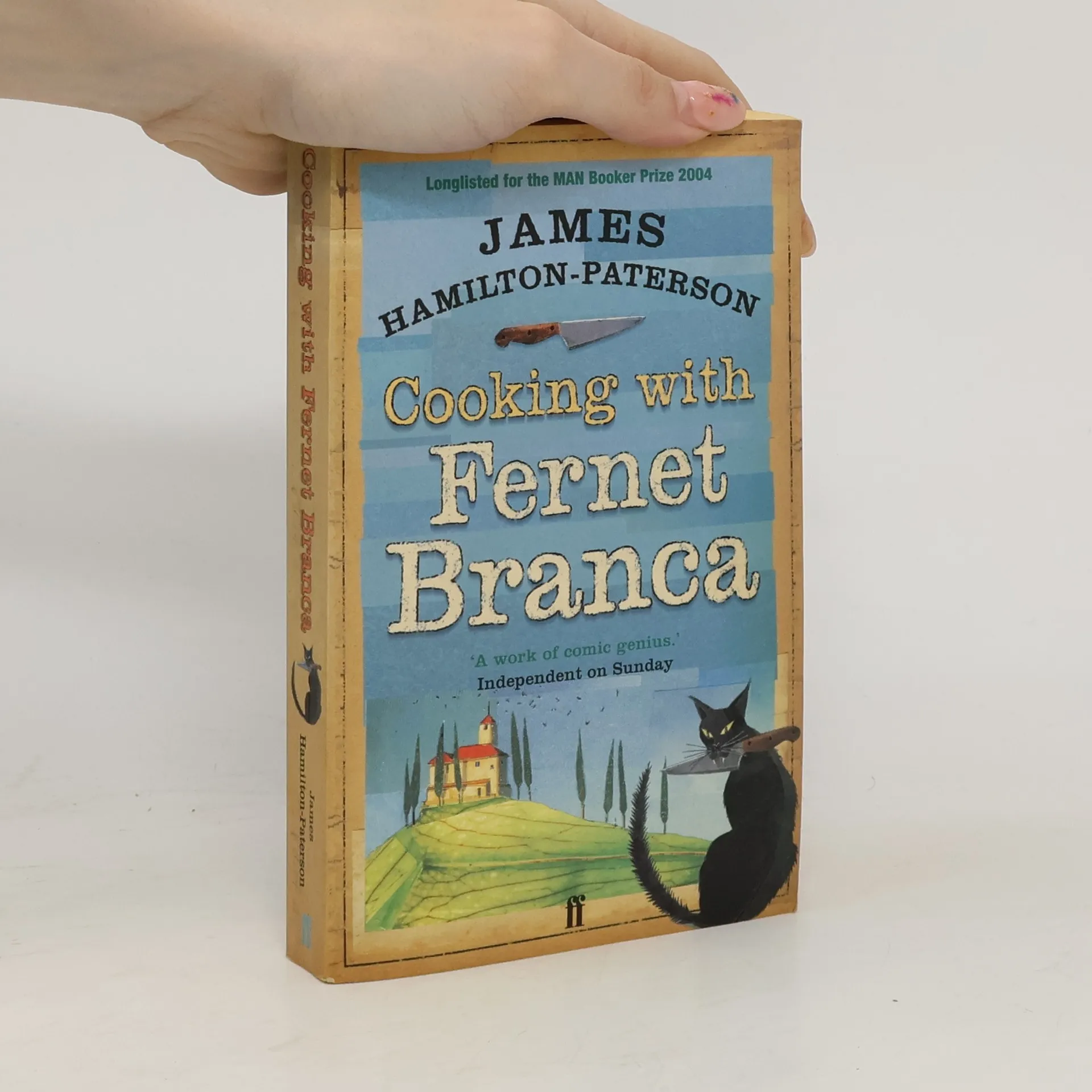
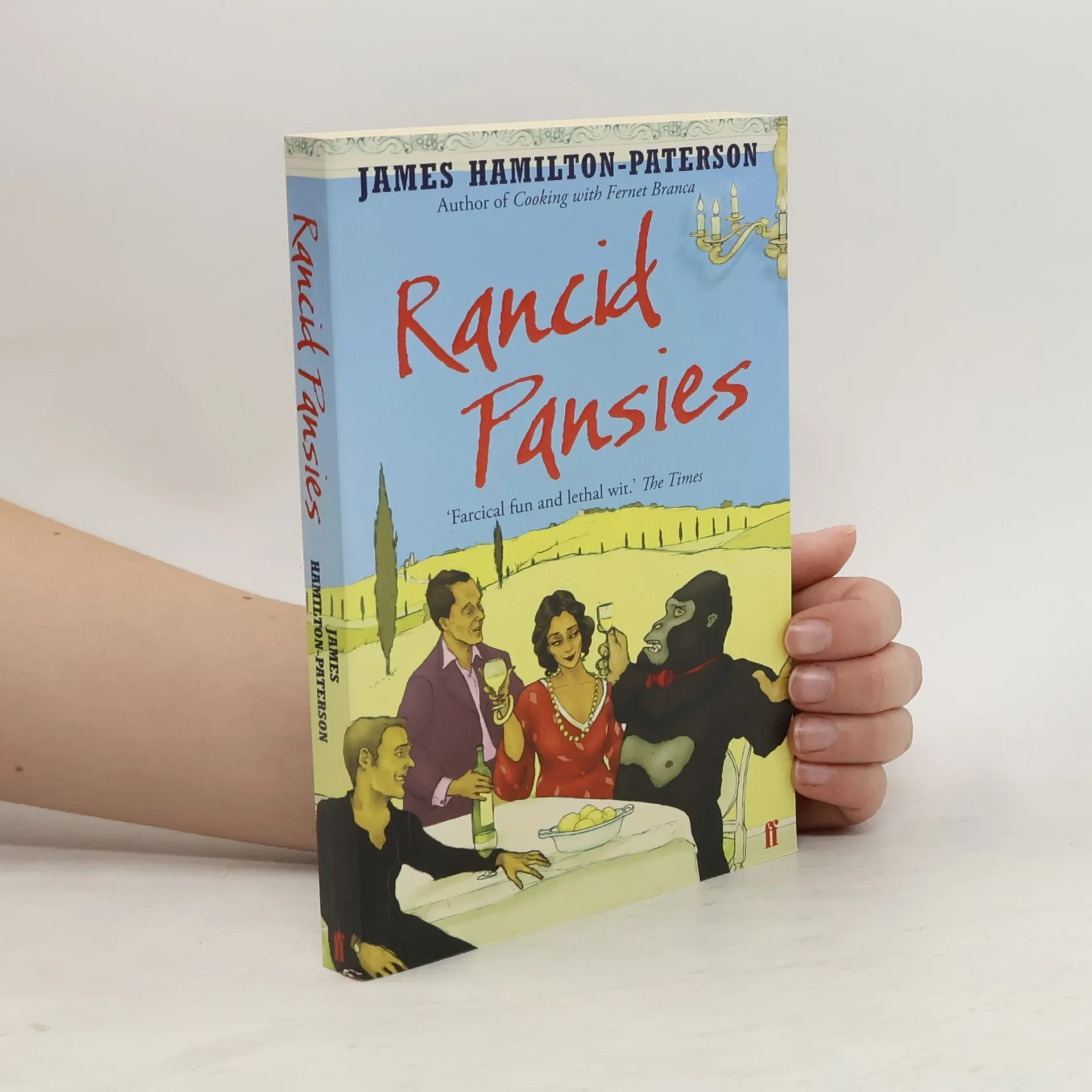
LONGLISTED FOR THE MAN BOOKER PRIZE 2004 Cooking with Fernet Branca is a gleefully tasteless bad dream of modern Italy, told through the eyes of Gerald Samper - effete Englishman, culinary adventurer, and ghostwriter to the stars. 'Wickedly witty . . . Anyone who does not add this hilarious divertimento to their summer reading list should be put on a forced diet of Gerald's inimitable Alien Pie.' Michael Dibdin,Guardian 'A deliciously nasty farce set in [Hamilton-Paterson's] adopted Tuscany . . . Cooking with Fernet Branca had me laughing out loud and uproariously. All Tuscanites should read it, preferably over a plate of stewed otter chunks in lobster sauce.' Sunday Telegraph 'Larded with bitter satire and piquant wit, at the expense, often, of its readers and their dreams of Italy . . . I laughed out loud several times a chapter.' The Times
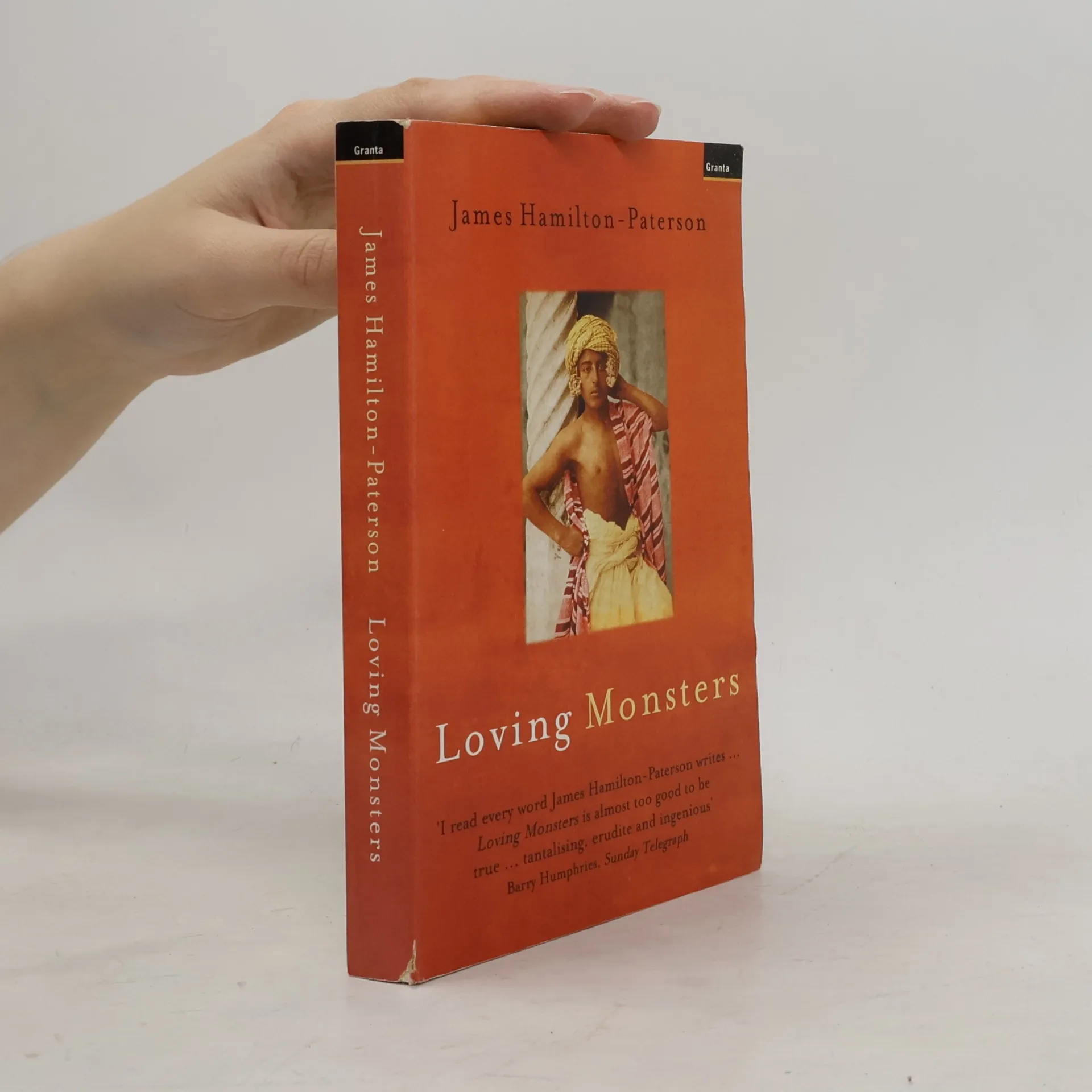
A chance encounter in a local store leads a biographer to record the life of his enigmatic neighbor. From the terrace of a Tuscan villa comes the story of a tantalizing journey, leading the reader from the gas-lit streets of prewar London to Egypt in the months before World War II. Loving Monsters is a provocative novel from the winner of the 1991 Whitbread First Novel Award for Gerontius.
The compelling story of the spy plane SR-71 'Blackbird' - the fastest manned aircraft in the world.
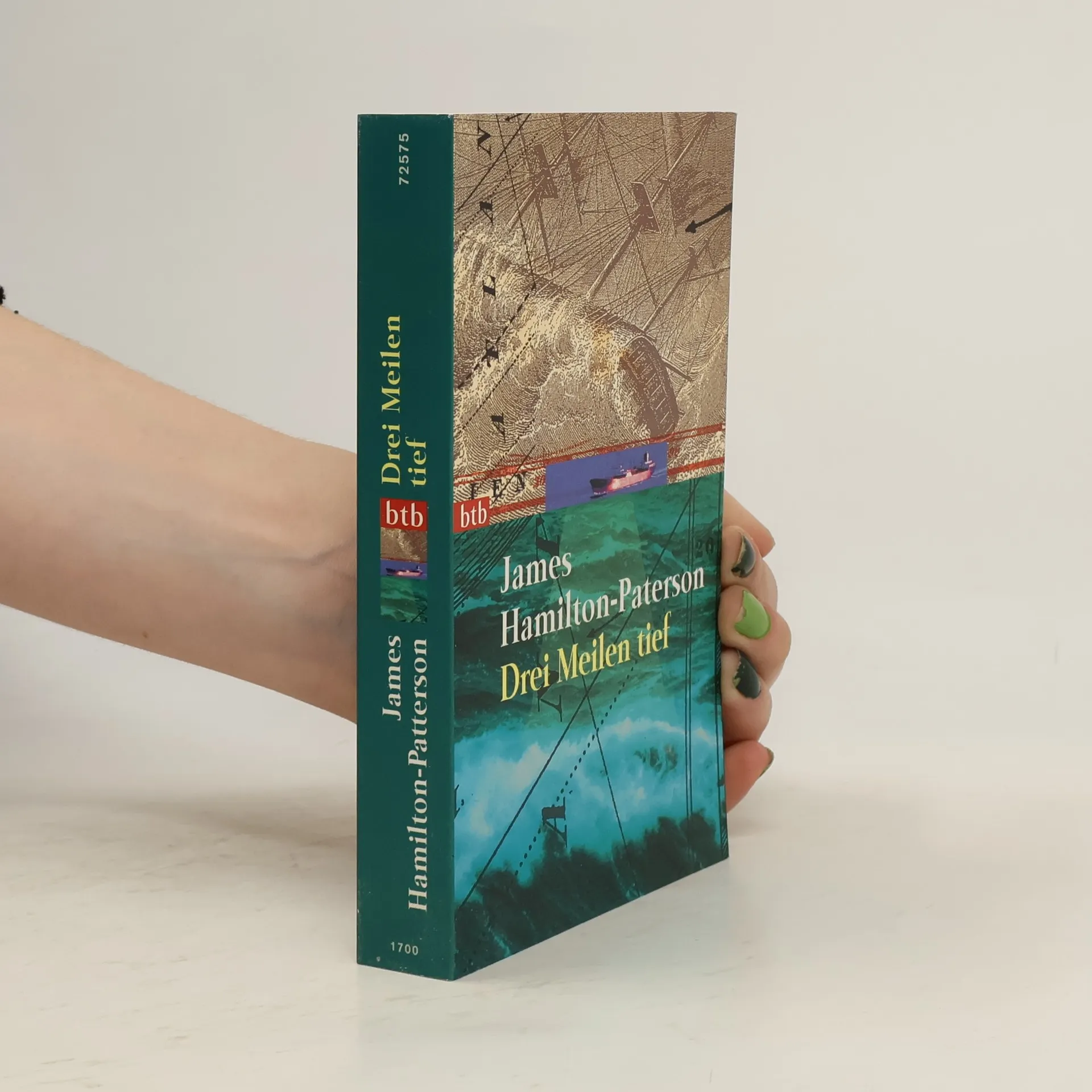
AIs Journalist, Sachbuch- und Roman-Autor wagt Hamilton-Paterson immer wieder den Schritt ins Unbekannte. Als ihm 1994 angeboten wird, sich einer waghalsi- gen Schatzsuche im Atlantik anzuschließen, zögert er nicht. Dabei gilt sein Interesse weniger jenem Gold, das die beiden im Zweiten Weltkrieg gesunkenen Schiffe tonnenweise an Bord haben sollen. Ihn lockt das Meer. In einer der berühmten MIR-Kugeln schwebt Hamilton-Paterson bis in eine Tiefe von 3 Meilen. 14 Stunden verweilt er in einer Welt, die ohne Licht bizarres Leben hervorbringt und von seltsam schönen Klängen erfüllt ist.
James Hamilton-Paterson wurde 1941 in eine Arztfamilie geboren und verbrachte seine Kindheit in Footscray, Kent. An der King’s School in Canterbury entdeckte er seine Liebe zur Musik und begann, Gedichte zu schreiben. 1961 begann er ein Literaturstudium am Exeter College, Oxford, wo er zwei Gedichtbände veröffentlichte und mit dem Newdigate Prize for poetry ausgezeichnet wurde. Nach seinem Abschluss 1964 arbeitete er als Sprachlehrer in Libyen und berichtete später über Südamerika, was den Start seiner Karriere als freier Journalist markierte. Er berichtete unter anderem aus Vietnam und schrieb für das Times Literary Supplement. In den 1970er Jahren verfasste er Drehbücher und arbeitete als Pfleger, um seinen medizinischen Instinkt zu hinterfragen. 1979 entdeckte er die Philippinen und beschloss, dort zu bleiben, wo er die Kultur und Sprache erlernte. 1981 erwarb er ein Haus in der Toskana. Seine literarische Karriere begann 1986 mit Kurzgeschichten, gefolgt von dem autobiografischen Werk „Playing with Water“ und dem Roman „Gerontius“, der 1989 mit dem Whitbread First Novel Award ausgezeichnet wurde. Es folgten weitere erfolgreiche Sachbücher und Romane, darunter „Ghosts of Manila“, der 1998 in deutscher Übersetzung erschien.
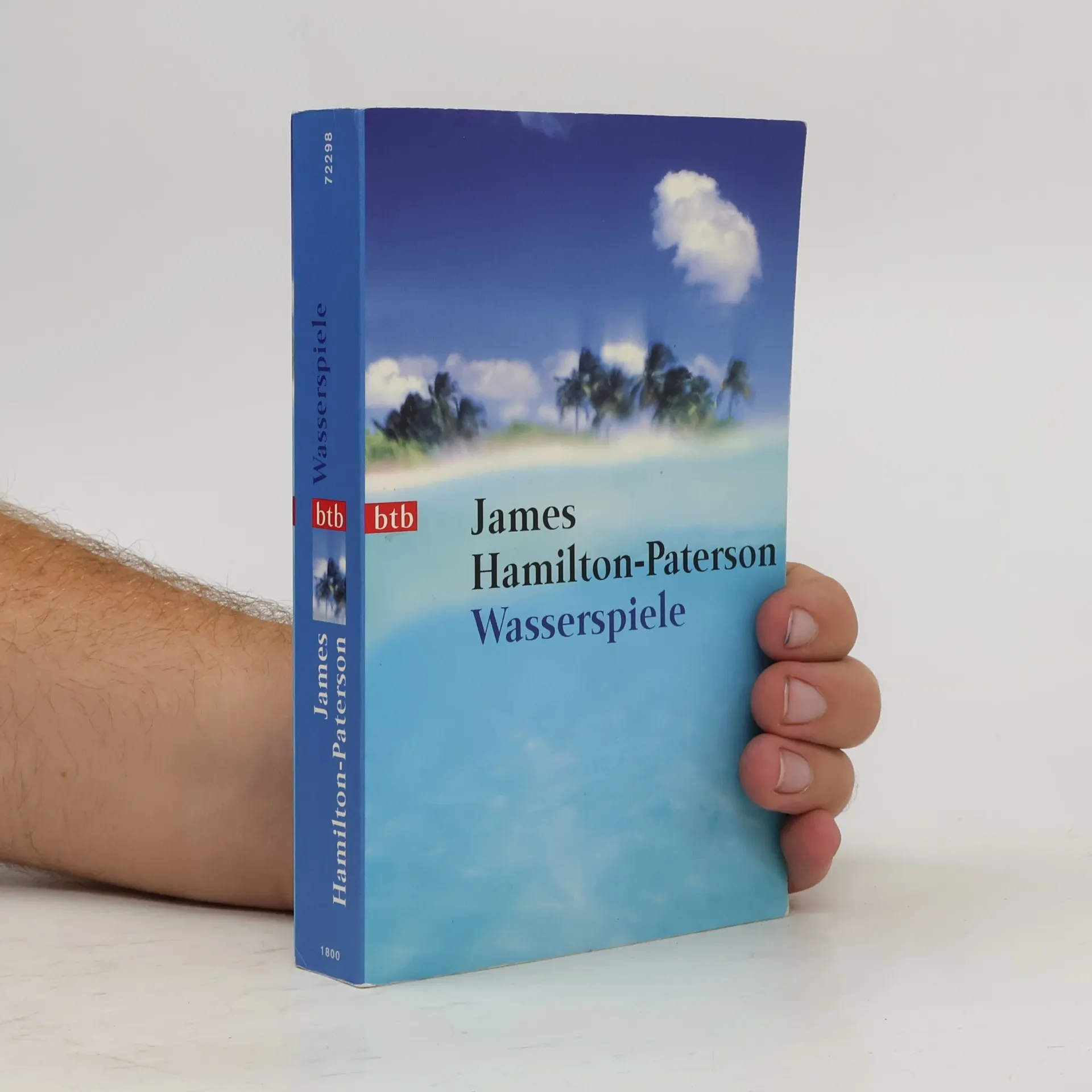
James Hamilton-Patersons hinreissende Exkursion zu Seemansgarn und Meeresmythen war der Überrashcungserfolg des letzten Jahres und avancierte rasch zum Kultbuch. Diese ungewöhnliche Mischung aus kenntnisreichem Sachbuch und sensibler Reiseliteratur ist eine Hymne an ozeanische Kräfte.
Tiwarik heißt eine kleine, wasserlose Insel in Sichtweite der philippinischen Hauptinseln, wo James Hamiton-Paterson für einige Zeit seßhaft war. Mit der Insel hat es eine besondere Bewandtnis. "Ich habe auf Tiwarik gewartet", sagt der Autor und erzählt, wie er als Zwölfjähriger aus Langeweile während der Schulstunde die Karte einer Insel malte. Längst vergessen tauchte das Heft dreißig Jahre später zufällig auf. "Auf dem linierten Papier war eine Zeichnung der Insel Tiwarik, die ich selbst doch erst zwei Jahre zuvor entdeckt hatte!"
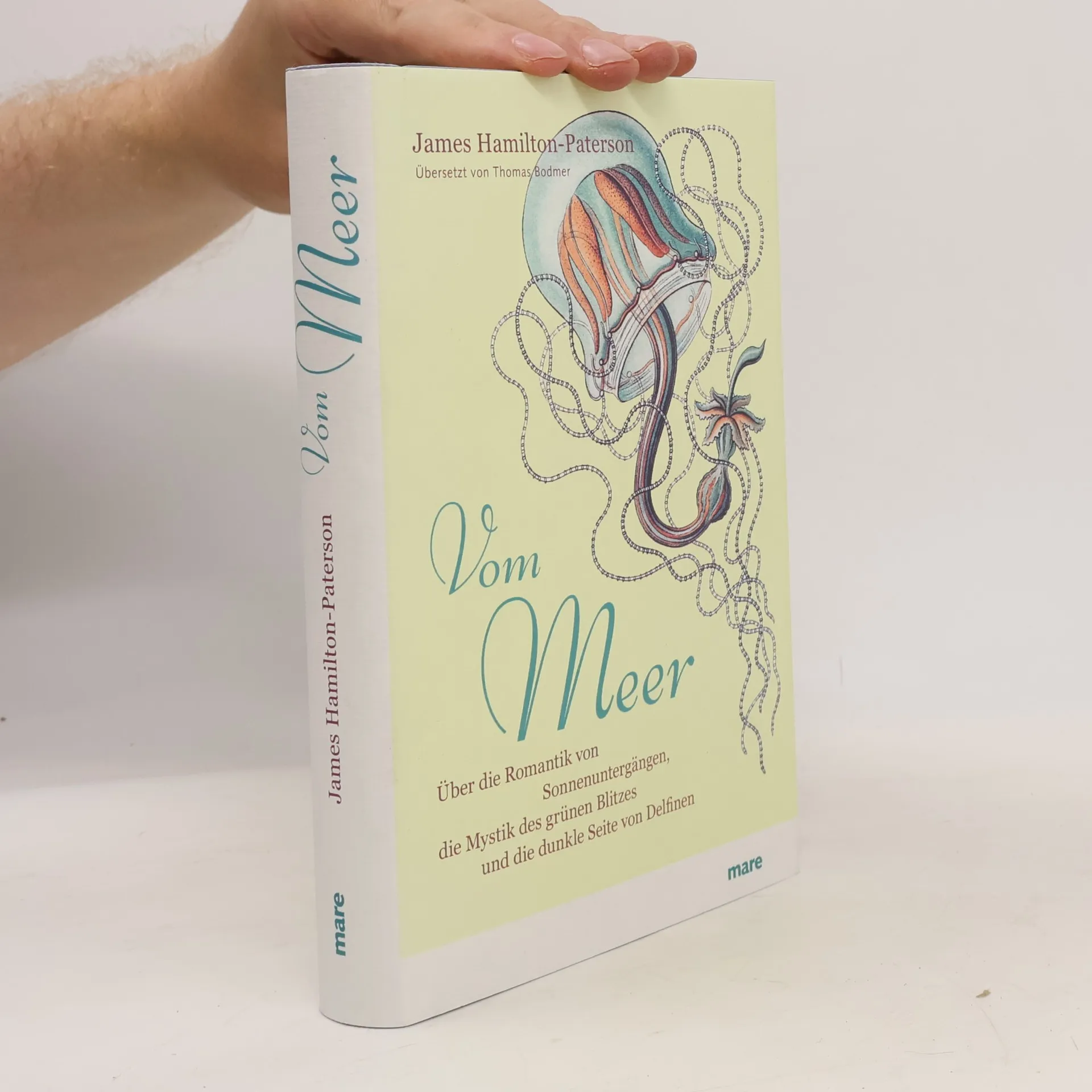
Über die Romantik von Sonnenuntergängen, die Mystik des grünen Blitzes und die dunkle Seite von Delfinen
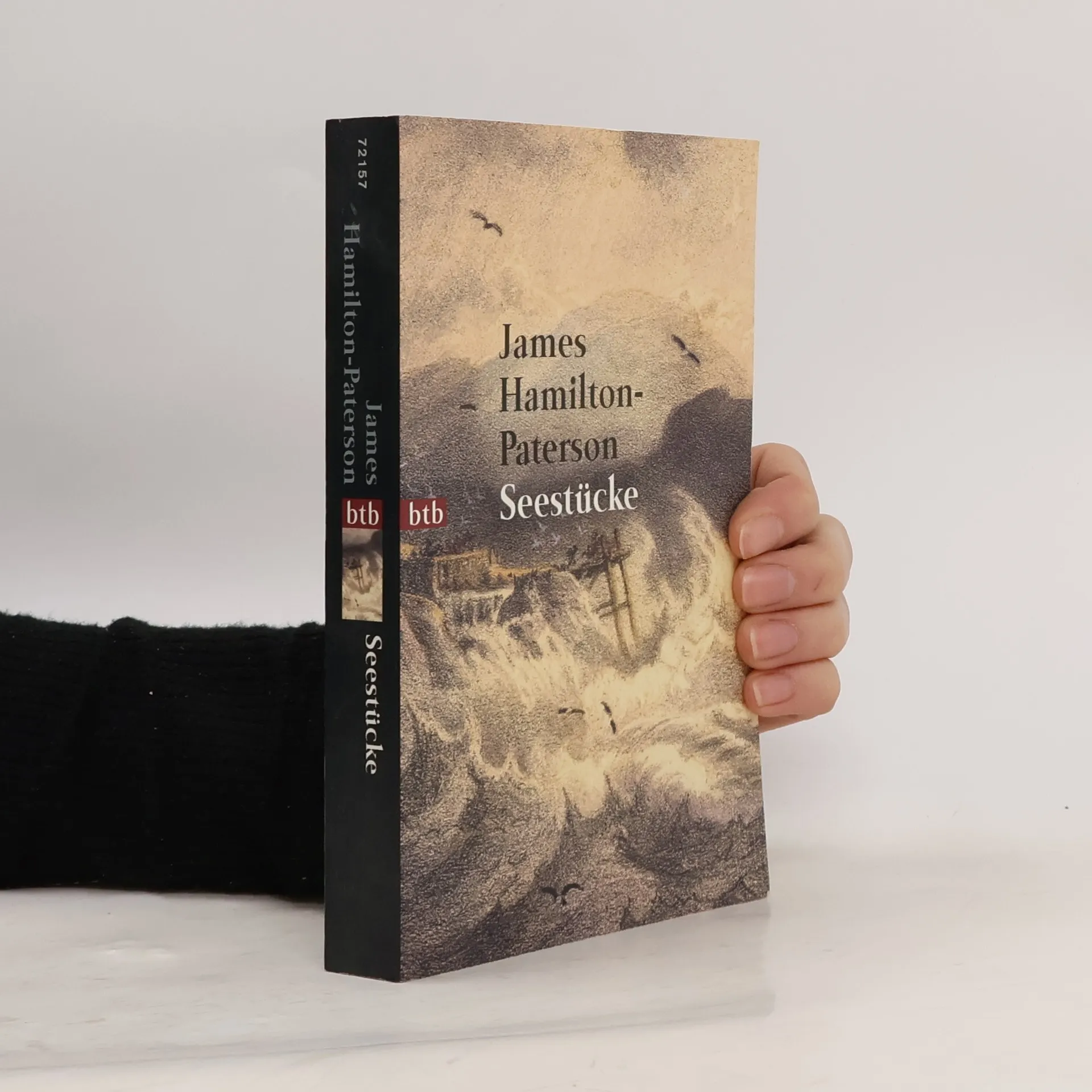
Was ist an Sonnenuntergängen romantisch? Warum fasziniert uns der grüne Blitz und wieso glauben wir, er beeinflusse unser Liebesglück? Halten wir Delfine zu Recht für unsere Freunde? James Hamilton-Paterson durchleuchtet das Meer in all seinen Facetten, und er liefert erhellende und unterhaltsame Erklärungen zu zahlreichen maritimen Phänomenen – von Tieren über Inseln und Schiffe bis hin zu Mythen und Fabelwesen: Mondregenbogen und Narrenschiffe, Korallen und Seeungeheuer bevölkern das Universum seiner Texte. Scharfsinnig, persönlich und immer wieder überraschend schildert James Hamilton-Paterson seine vielfältigen Begegnungen mit dem Meer, diesem unfassbaren Wesen, das er schützen möchte wie eine Geliebte, und er staunt: »Ich selbst kann mir nicht wirklich er- klären, warum das Meer mich dermaßen stark im Griff hat. Sein Murmeln und sein Ernst sind so tief, dass es kaum einen Aspekt von ihm gibt, dessen Entdeckung in meinem Geist nicht etwas in sympathetische Schwingungen versetzte, so wie die zarten Borstenhaare einer Krabbe noch die feinste Bewegung des Wassers registrieren.«
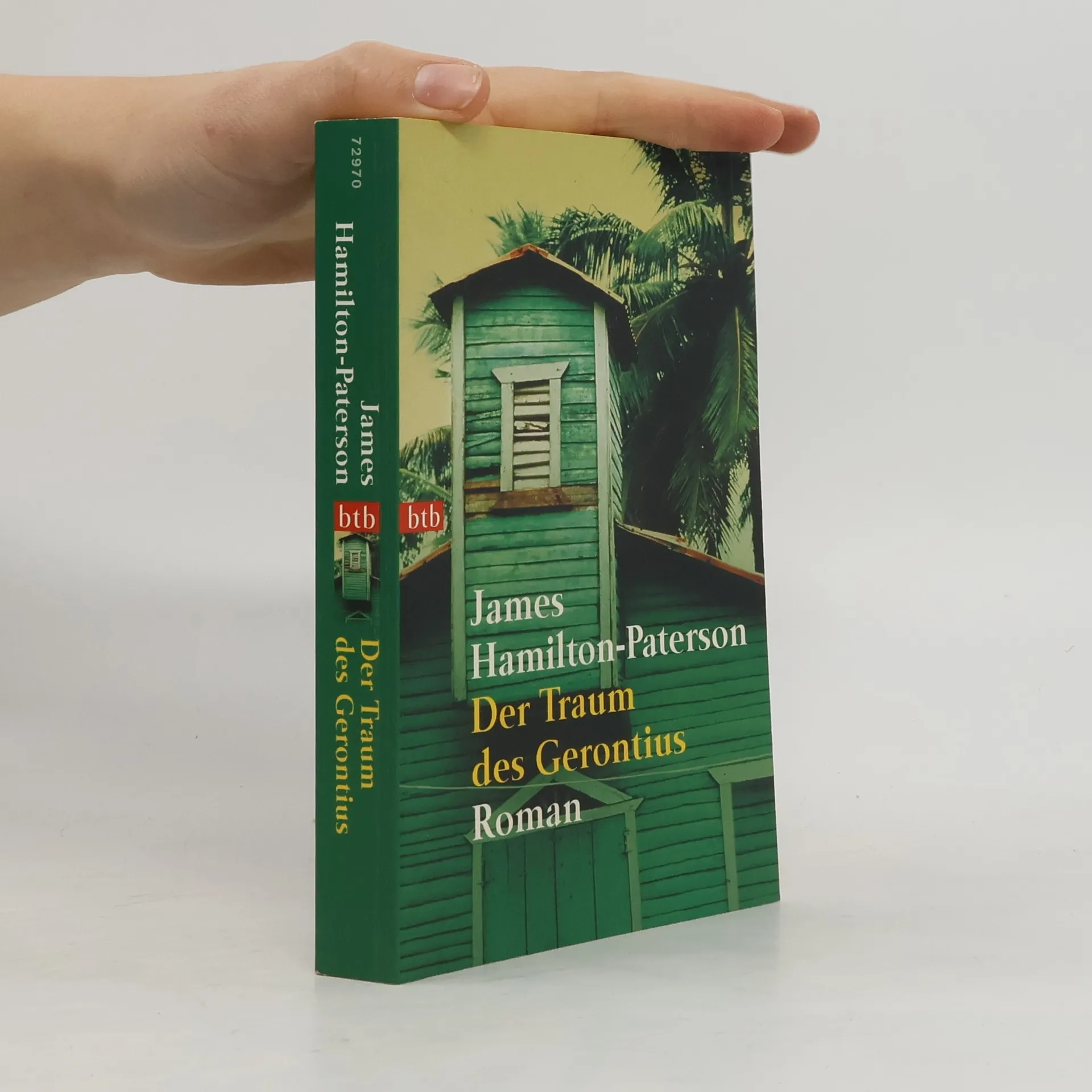
Gerontius erzählt von einer realen Reise im Leben von Sir Edward Elgar, dem gefeierten Komponisten der typisch englischen Melodie 'Land of Hope and Glory'. Die Kreuzfahrt auf dem Amazonas ist ein Urlaub für den desillusionierten Musiker. In der Erzählung seiner Reise untersucht Hamilton-Paterson das Nachlassen kreativen Genies, die Enttäuschung nach dem Krieg und die Auswirkungen der sich verändernden Zeiten auf einen Künstler, der in seinem eigenen gewaltigen Ruf gefangen ist.
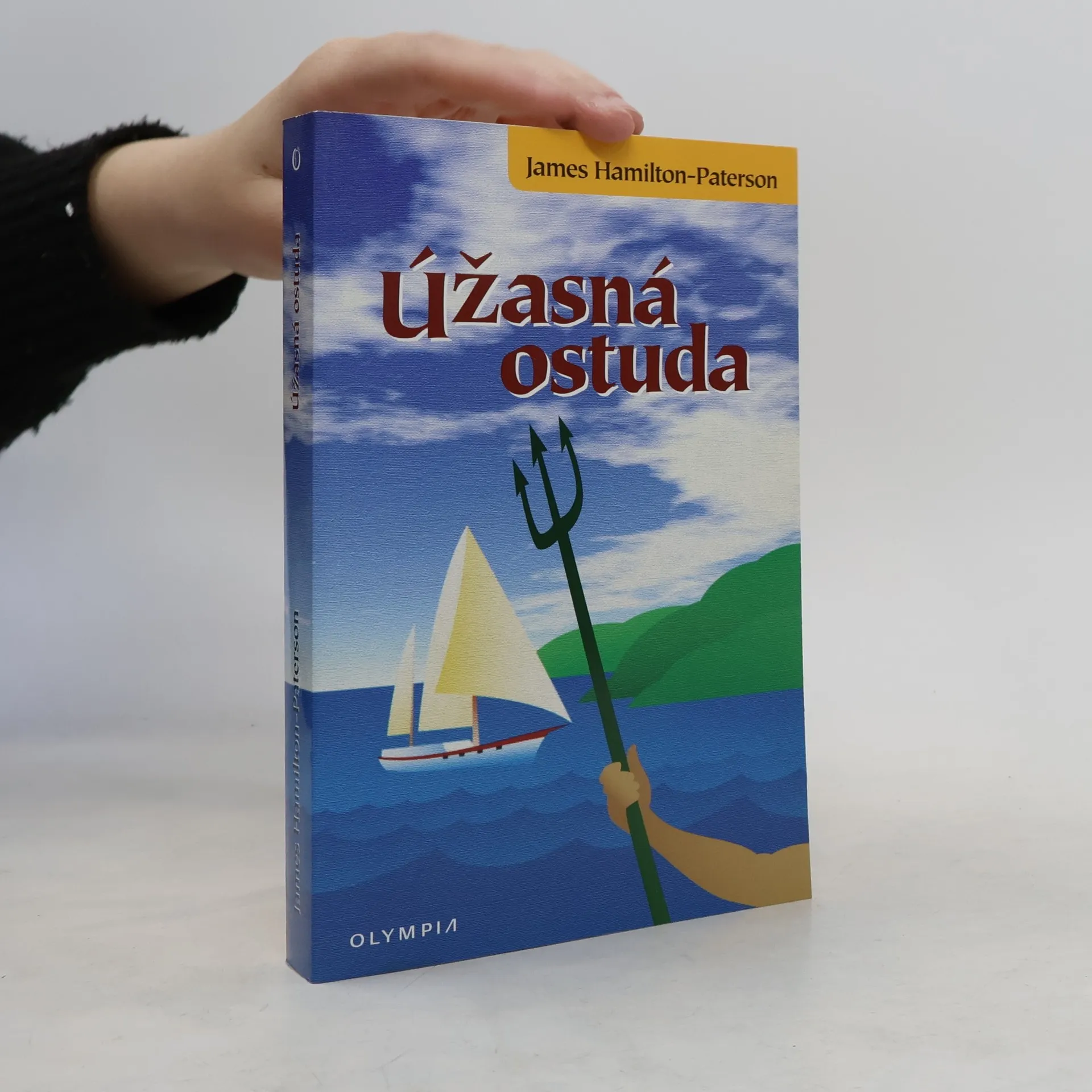
Satirický román o Geraldu Samperovi (známém již z knihy Toskánské dobrodružství), který anonymně píše životopisy hvězd: rockových zpěváků, automobilových závodníků a mistrů světa v lyžování. Ale také příběh Millie Cleatové, kolosální jednoruké námořnice, jejíž cesta kolem světa z ní udělala miláčka Británie a Deep Blues, záhadné a potřeštěné skupiny ochránců životního prostředí. Gerald však touží po větších věcech a dával by přednost psaní pamětí slavného dirigenta Maxe Christa. A zatímco si plánuje, jak získat tento nedostižný úlovek, přemítá vesele a zlomyslně o světě, jehož je jakousi nechtěnou součástí, rozhlíží se přitom z vrcholu svého toskánského kopečku a touží po své sousedce Martě, ratolesti kriminální rodiny z imaginární postsovětské republiky Vojnovije, která však jednoho dne prostě zmizí neznámo kam. Byla snad "předána" komusi neznámému jako rukojmí?
Spisovatel Gerald Samper udělá z faktu, že mu v toskánské vesnici spadl dům, obrovskou reklamní bublinu. Domnělé varování zesnulé princezny Diany, které ho prý zachránilo před smrtí, způsobí, že se z ruiny stane poutní místo. Samper rovněž pracuje na opeře o životě princezny Diany, premiéra má být vrcholným okamžikem jeho života... • Tento třetí díl volné trilogie je stejně legrační a polechtá čtenáře na bránici zrovna tak jako oba předchozí díly – Toskánské dobrodružství (Olympia, 2008) a Úžasná ostuda (Olympia, 2008).