The Art of Fairness
- 336 pages
- 12 hours of reading
A thrilling study of the key elements of great - and fair - leadership, illuminated by real stories from history
David Bodanis delves into whether success can be achieved without becoming a 'terrible person,' suggesting that while possible, it requires considerable skill and thoughtful navigation. His writing often employs engaging biographies to illustrate complex insights into human behavior and societal dynamics. Bodanis has a distinctive talent for making profound subjects accessible and compelling, prompting readers to consider how integrity can be maintained in the pursuit of achievement. His work challenges conventional notions of success, offering a nuanced perspective on fairness and decency in a complex world.


A thrilling study of the key elements of great - and fair - leadership, illuminated by real stories from history
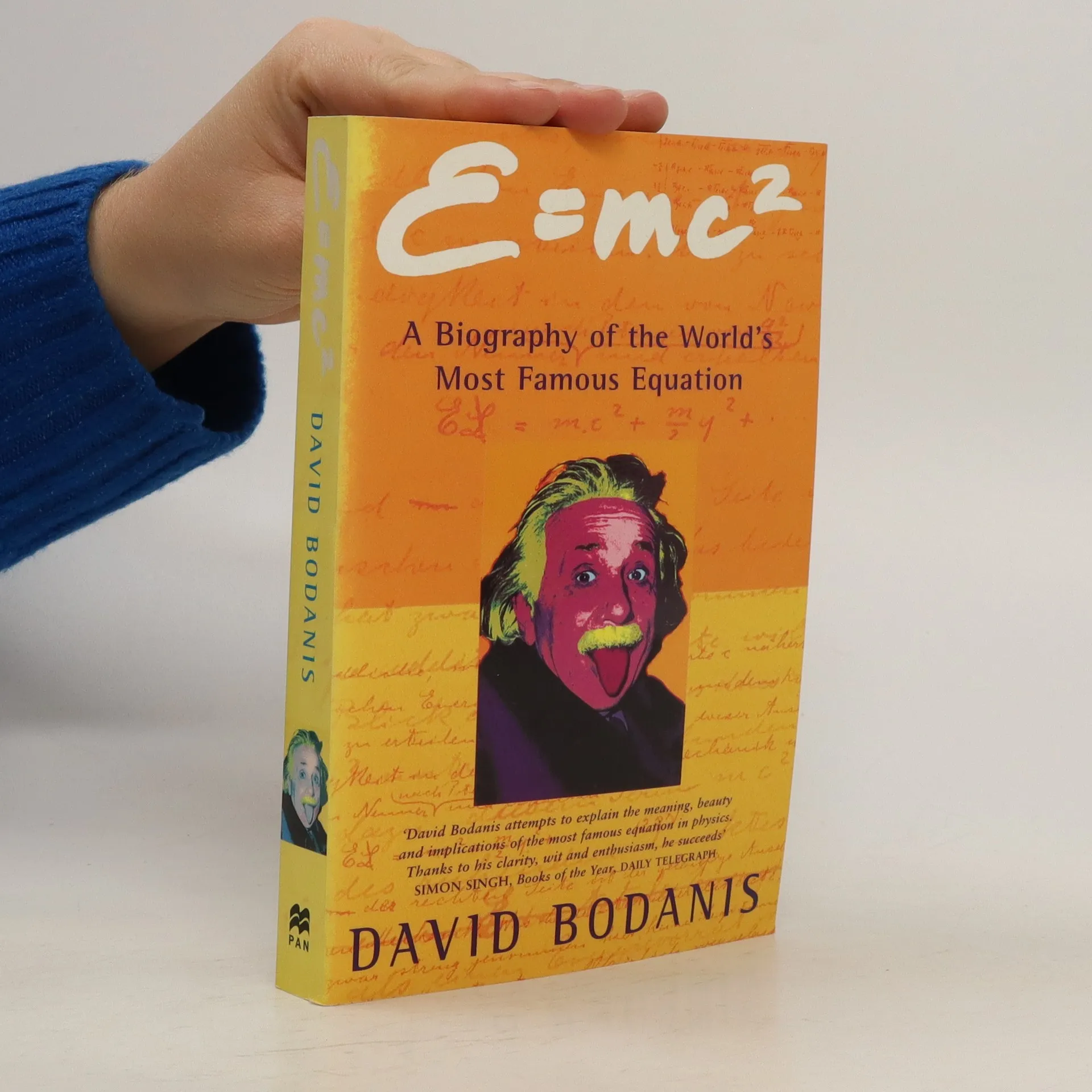
Generations have grown up knowing that the equation E=mc2 changed the shape of our world but never understanding what it actually means and why it was so significant. Here, Bodanis writes the biography of this great discovery and turns a seemingly impenetrable theory into a dramatic and accessible human achievement. Bodanis begins by introducing the science and scientists forming the backdrop to Einstein's discovery...
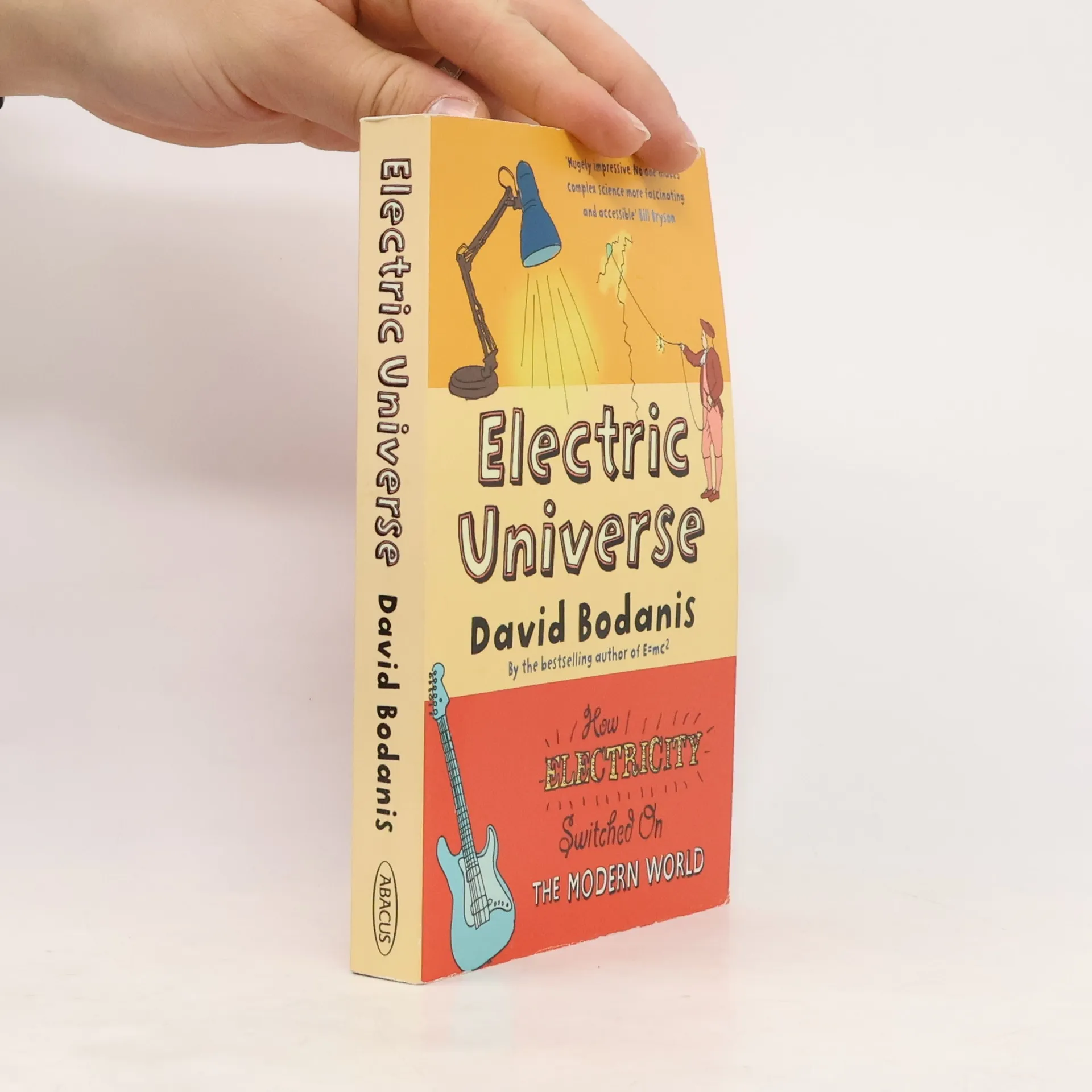
For centuries, electricity was viewed as little more than a curious property of certain substances that sparked when rubbed. Then, in the 1790s, Alessandro Volta began the scientific investigation that ignited an explosion of knowledge and invention, transforming our world. The force that once seemed inconsequential was revealed to be responsible for everything from the structure of the atom to the functioning of our brains. A superb storyteller, Bodanis weaves tales of romance, divine inspiration, and fraud through lucid accounts of scientific breakthrough. The great discoverers come to life in all their brilliance and idiosyncrasy, including the visionary Michael Faraday, who struggled against the prejudices of the British class system, and Alexander Graham Bell, driven to invent by his love for a young deaf student. From the cold waters of the Atlantic, to the streets of Hamburg during a World War II firestorm and the interior of the human body, Electric Universe is a mesmerizing journey of discovery by a master science writer.
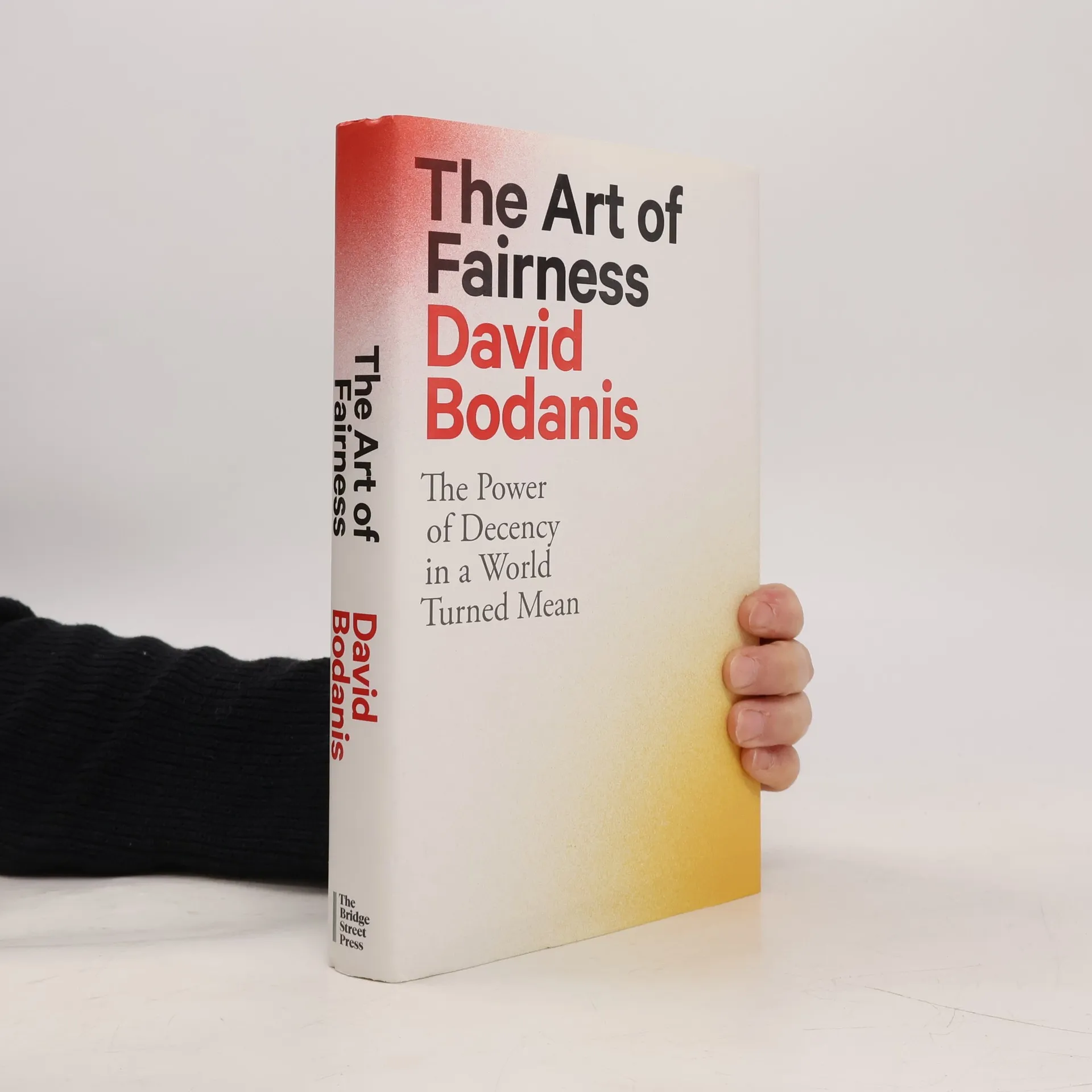
Can you succeed without being a terrible person? We often think not: recognising that, as the old saying has it, 'nice guys finish last'. But does that mean you have to go to the other extreme, and be a bully or Machiavellian to get anything done? In THE ART OF FAIRNESS, David Bodanis uses thrilling historical case studies to show there's a better path, leading neatly in between. He reveals how it was fairness, applied with skill, that led the Empire State Building to be constructed in barely a year - and how the same techniques brought a quiet English debutante to become an acclaimed jungle guerrilla fighter. In ten vivid profiles - featuring pilots, presidents, and even the producer of Game of Thrones - we see that the path to greatness doesn't require crushing displays of power or tyrannical ego. Simple fair decency can prevail. With surprising insights from across history - including the downfall of the very man who popularised the phrase 'nice guys finish last' - THE ART OF FAIRNESS charts a refreshing and sustainable new approach to cultivating integrity and influence.
Hubert Mania, geboren 1954. Studium der Germanistik und Anglistik. Danach selbständiger Konzertveranstalter und Manager eines Kulturzentrums. 1987 erschien bei Rowohlt sein Roman «Scintilla Seelenfunke». Übersetzung populärwissenschaftlicher Bücher, Mitredakteur bei Stephen Hawkings Büchern «Eine kurze Geschichte der Zeit» und «Das Universum in der Nussschale». Hubert Mania lebt als Autor und Übersetzer in Braunschweig. Weitere Bücher bei Rowohlt: «Gauß. Eine Biographie» (2008), «Kettenreaktion. Die Geschichte der Atombombe»(2010).
Hainer Kober, geboren 1942, lebt in Soltau. Er hat u. a. Werke von Stephen Hawking, Steven Pinker, Jonathan Littell, Georges Simenon und Oliver Sacks übersetzt.
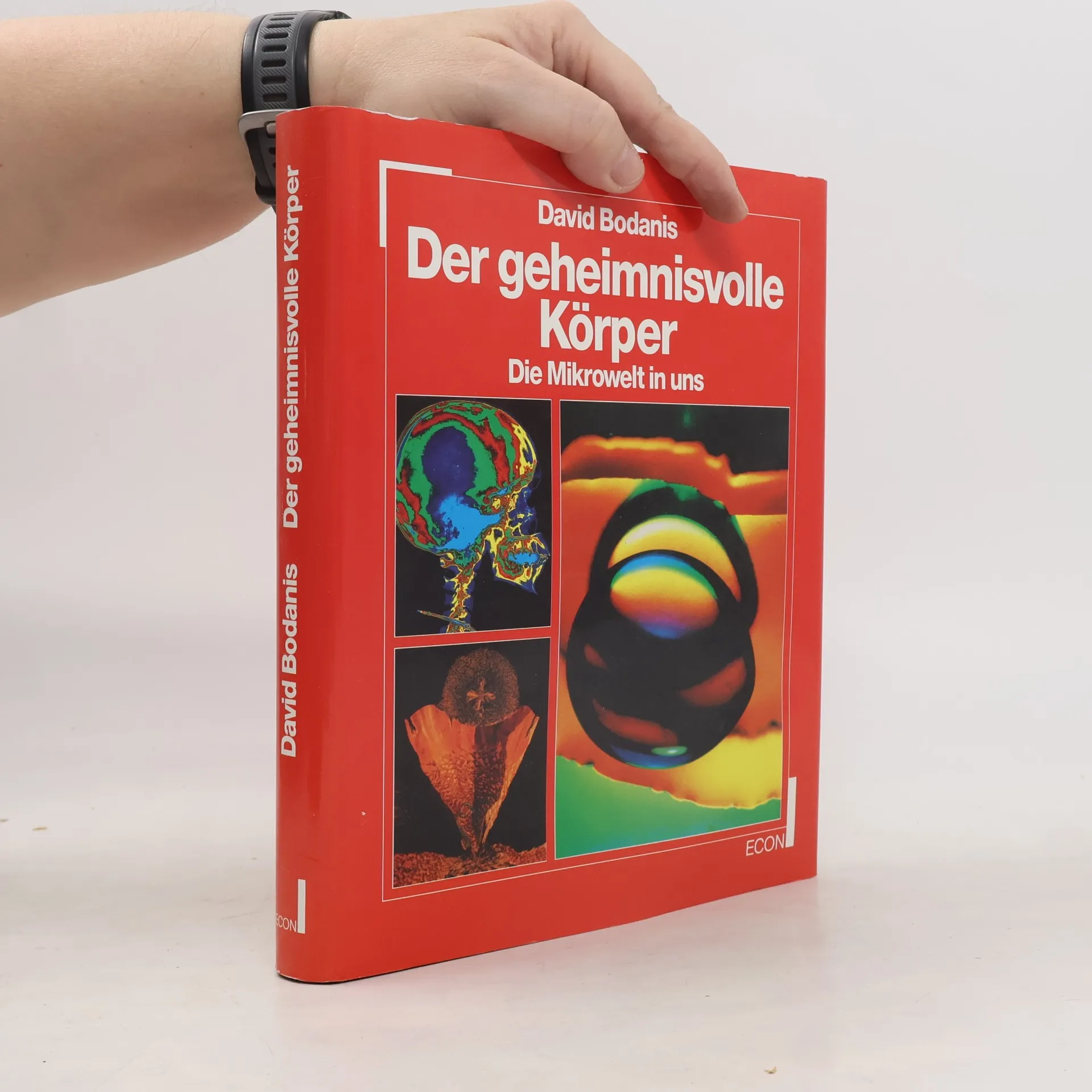
Unser Alltag erscheint gewöhnlich und friedlich, doch dieses Buch zeigt, dass er voller unerwarteter Wunder und Kämpfe ist. Milliarden kleinster Lebewesen leben mit uns, während Hunderte von Minisendern und -empfängern unhörbare Geräusche austauschen. Tägliche Evolutionsprozesse finden in unseren vier Wänden statt, und selbst weit entfernte Galaxien senden uns Botschaften durch das Rauschen des Fernsehers. Risse im Aluminiumrahmen unseres Fensters entstehen, auch wenn wir sie nie sehen werden. Ein Lippenstift verbrennt unmerklich auf der Haut, und beim Hinzufügen von Zucker und Milch zu unserem Kaffee zerfallen blumengleiche Kristalle und explodierende Bälle. David Bodanis beschreibt in diesem Werk die faszinierendsten Wunder, die in einem ganz gewöhnlichen, aber geheimnisvollen Haus geschehen. Er schildert 24 Stunden in dieser Umgebung in einer lebendigen und verständlichen Sprache, die die Naturphänomene und technischen Prozesse greifbar macht. Ergänzt wird das Ganze durch 88 Abbildungen, die uns helfen, unseren Alltag bewusster und klüger zu erleben.
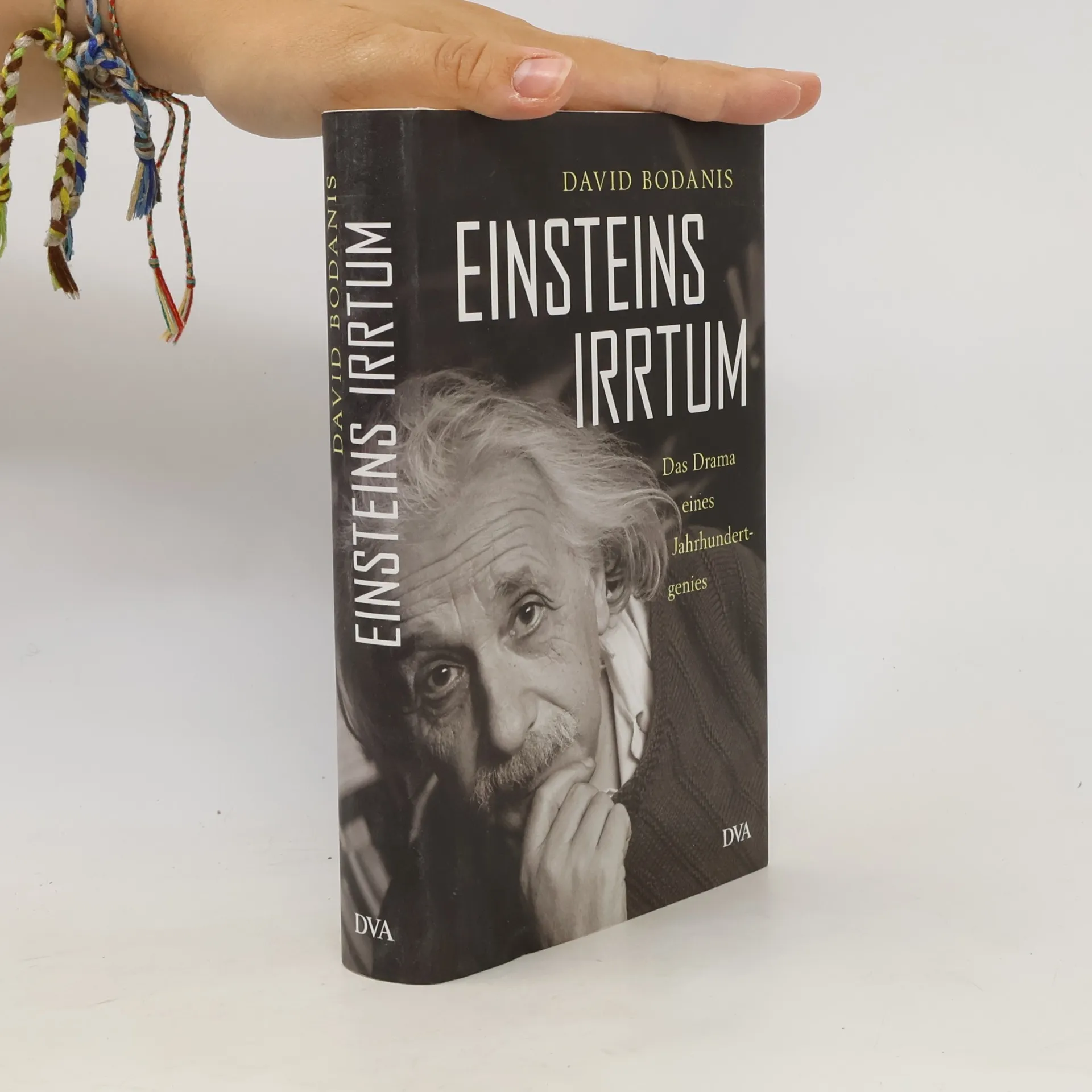
Triumph und Tragik des größten Denkers des 20. Jahrhunderts Albert Einstein war eines der größten Genies des 20. Jahrhunderts, er formulierte die Gleichung E=mc², die den Zusammenhang von Masse und Energie definierte, und entwickelte bahnbrechende Gedanken zu Raum und Zeit. So sagte er voraus, dass das Universum expandiert. Und doch stand der von der ganzen Welt gefeierte Wissenschaftler am Ende seines Lebens unter seinen Kollegen ziemlich isoliert da. David Bodanis schildert die Geschichte von Einsteins größtem Irrtum, der letztlich dazu führte, dass er sich mit den aufregenden Erkenntnissen seiner Nachfolger zur Quantenmechanik nicht mehr anzufreunden vermochte und die Idee der Unschärferelation verwarf. Bodanis verbindet elegant das persönliche Drama mit der faszinierenden Geschichte der Physik und schafft es, komplizierte Sachverhalte auch für Laien verständlich und spannend zu erzählen.
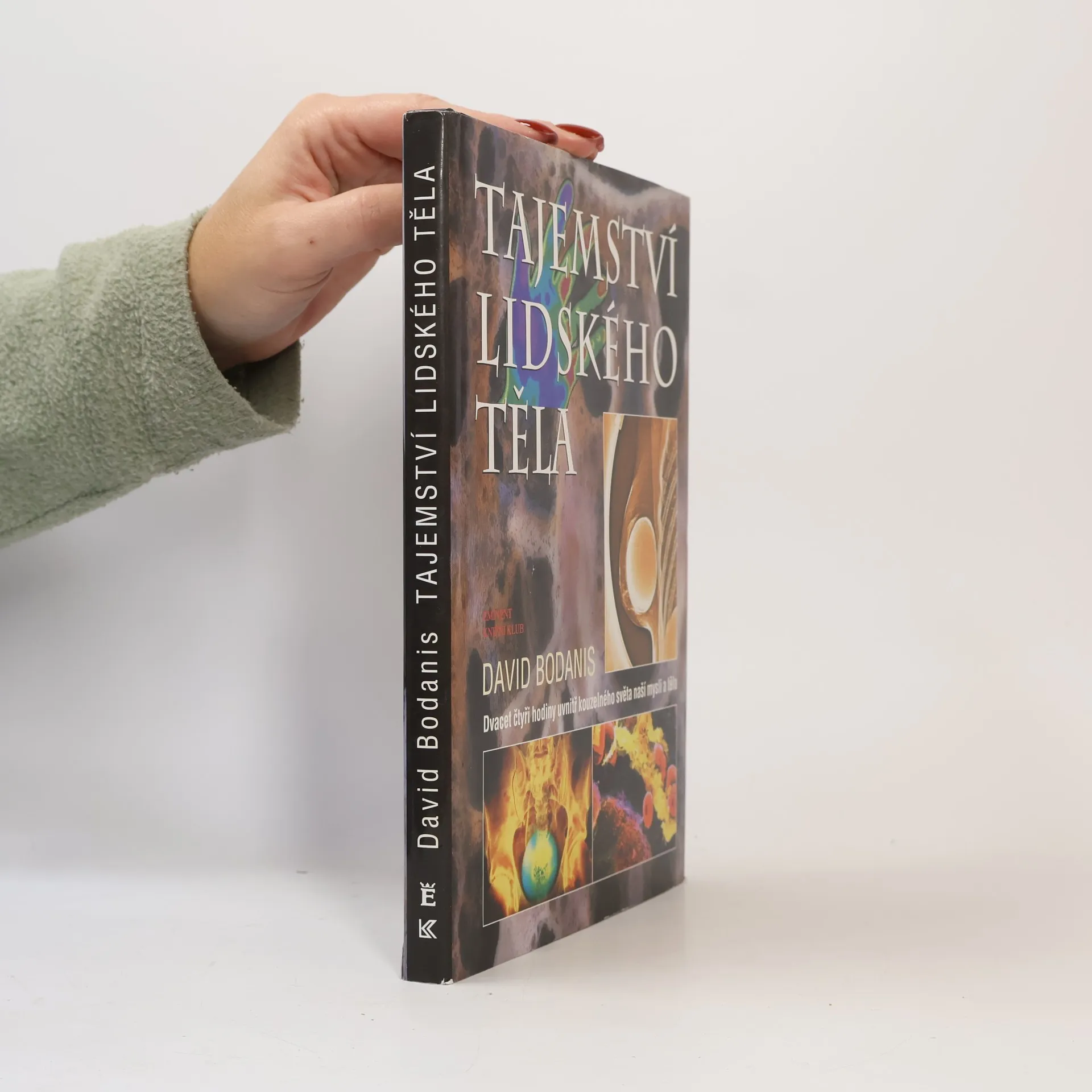
Kniha nabízí fascinující pohled do mystérií, která jsou lidskému oku skryta, do tisíců pochodů a procesů ve všech zákoutích těla a mysli, které žijí svým neviditelným životem. Čtyriadvacet hodin v životě jedné rodiny vás vtáhne do vzrušujícího dobrodružství, které každý den prožíváte, aniž byste to tušili..