The Cute and the Useful
- 189 pages
- 7 hours of reading


Jason W. Moore is an environmental historian and historical geographer who investigates the intricate relationship between capitalism and nature. His work focuses on how historical formations of capitalism have shaped the planet, examining how this dynamic manifests in the current environmental crisis. Moore analyzes how ecological and social problems are intrinsically linked to the logic of capital accumulation. His analyses offer critical insights into the deep-rooted origins of contemporary climate change and socioeconomic inequalities.

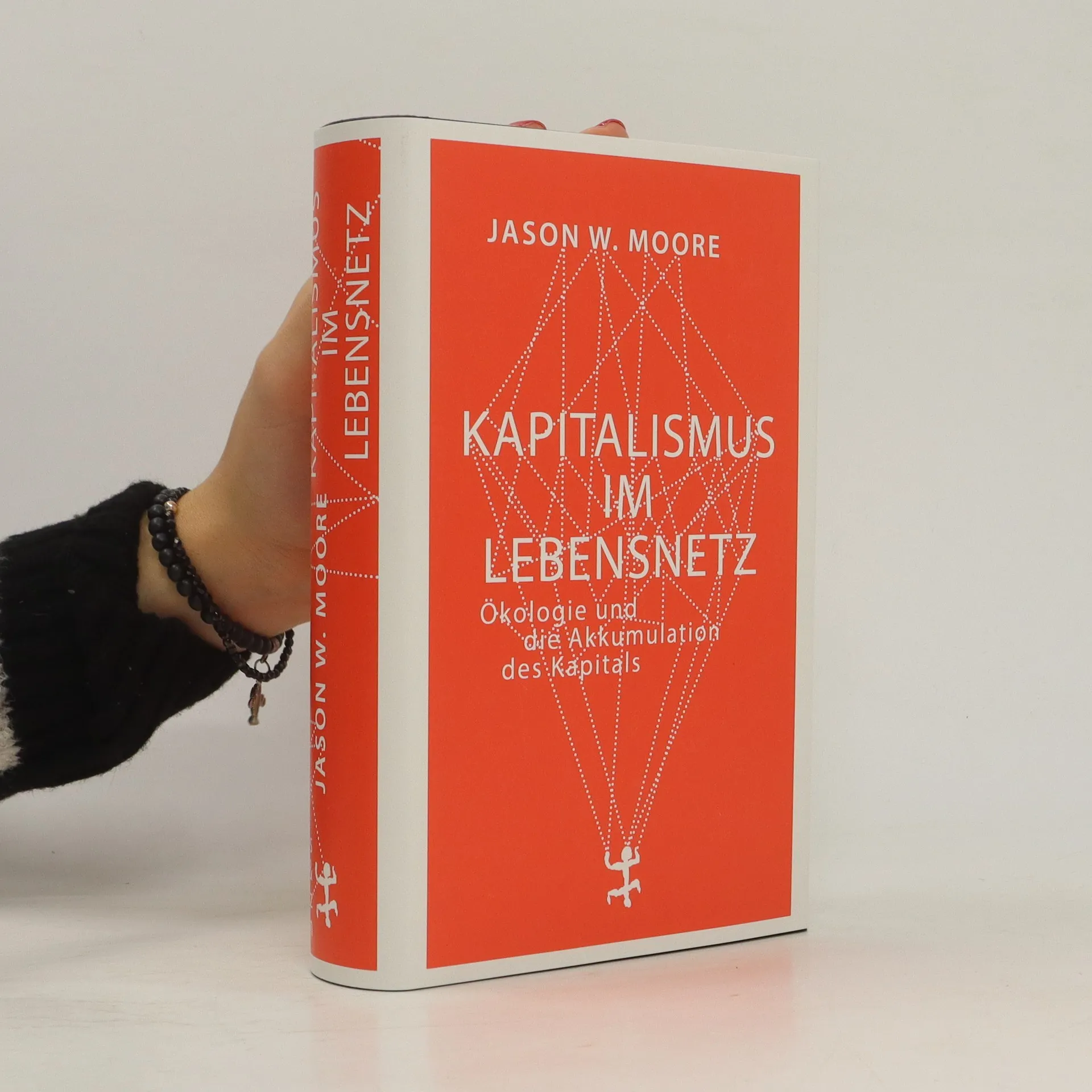

Erderwärmung, Naturkatastrophen, Finanzcrash und Hungersnöte prägen das 21. Jahrhundert mit globalen Krisen. Diese Herausforderungen sollten nicht isoliert betrachtet werden, sondern im Kontext des Kapitalismus, der als Naturereignis verstanden werden muss. Der Kapitalismus entsteht aus der Wechselwirkung von Natur und Gesellschaft, die es ihm ermöglicht, Ressourcen wie landwirtschaftliche Flächen und mineralische Schichten zu nutzen und auszubeuten. In dieser Perspektive wirkt der Kapitalismus nicht gegen die Natur, sondern innerhalb von ihr. Um die Dynamik des Kapitalismus zu begreifen, ist es entscheidend, die Natur historisch zu betrachten und das dialektische Zusammenspiel zwischen Kapitalakkumulation und der Schaffung billiger Ressourcen, Nahrung, Energie und Menschenreproduktion zu analysieren. Die aktuellen Krisen sind folglich Ausdruck vorprogrammierter Systemfehler, da die Umwelt eng mit Produktionsweisen, Klassenstrukturen und Zivilisationstechniken verbunden ist. Die historische Betrachtung von Natur und Kapitalismus ist somit von zentraler Bedeutung. Jason W. Moore formuliert die These, dass die Trennung von Natur und Gesellschaft direkt für die Gewalt, Ungleichheit und Unterdrückung in der modernen Welt verantwortlich ist und dass die Auffassung von Natur als etwas Äußeres eine grundlegende Bedingung der Kapitalakkumulation darstellt.
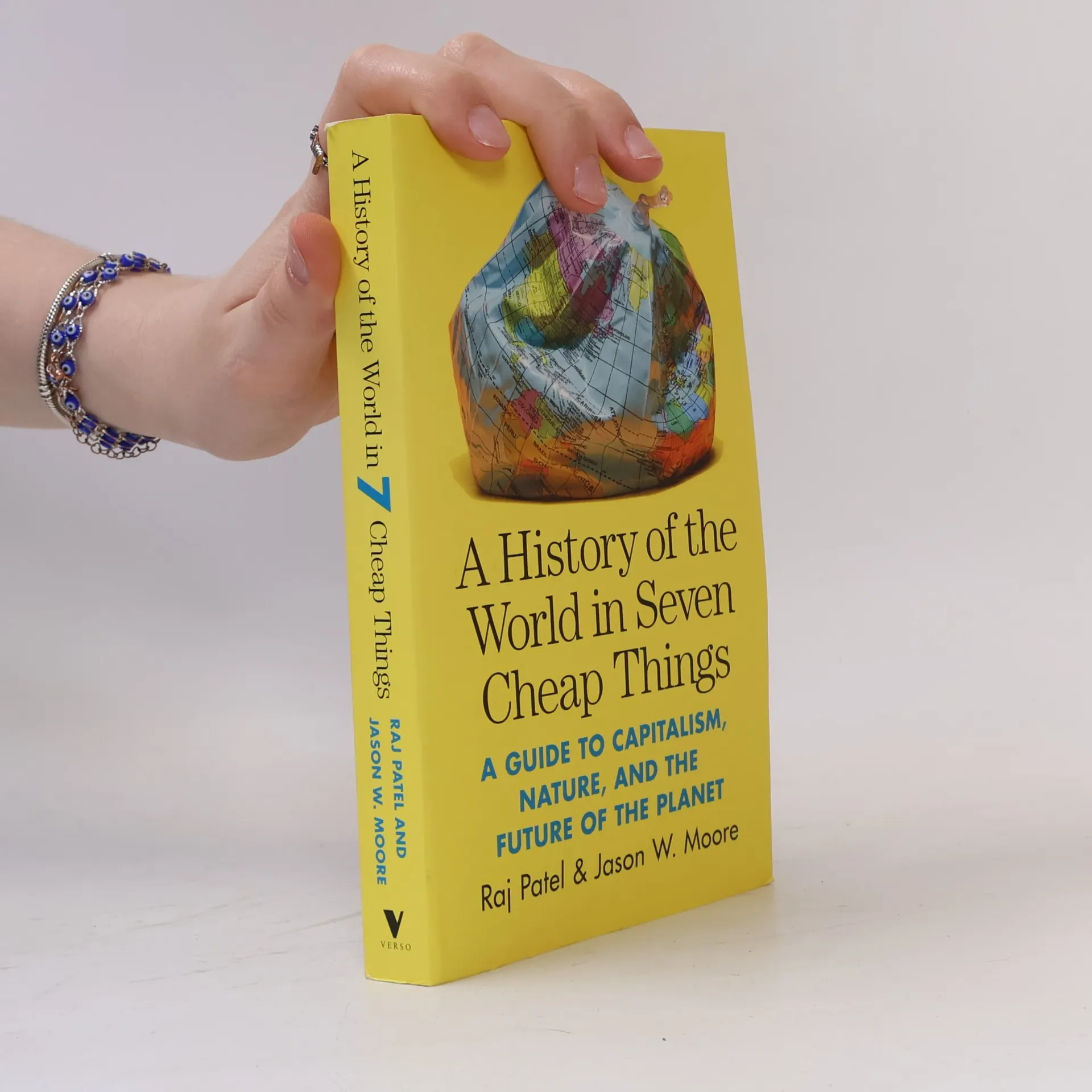
A Guide to Capitalism, Nature, and the Future of the Planet