X-Ray Architecture
- 200 pages
- 7 hours of reading
Illuminates the hidden relationship between building and body



Illuminates the hidden relationship between building and body
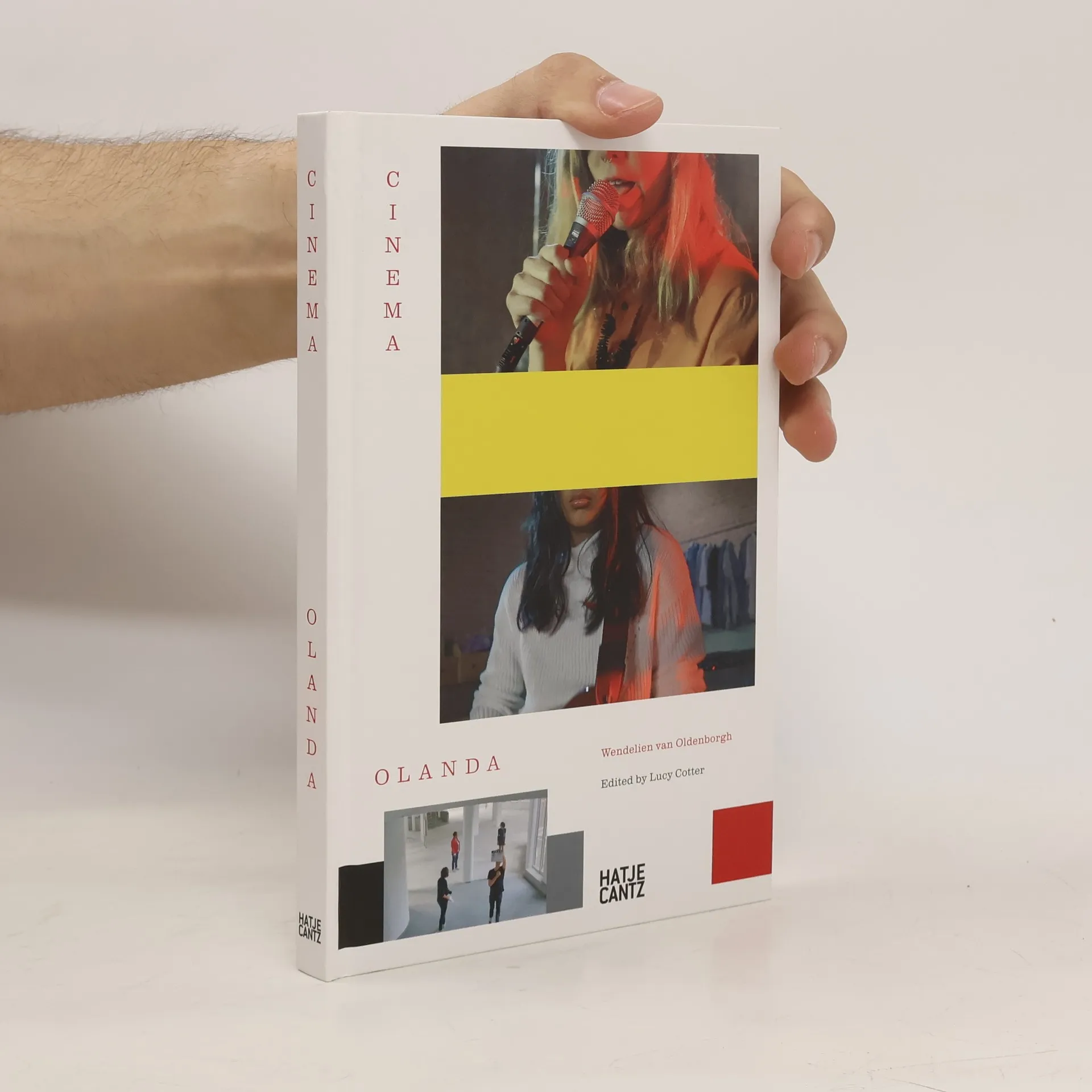
Cinema Olanda, ein Projekt der Künstlerin Wendelien van Oldenborgh und der Kuratorin Lucy Cotter stellt den niederländischen Beitrag auf der 57sten Biennale von Venedig 2017 dar. Die Ausstellung zeigt drei neue filmische Werke, die in einer eigens für Gerrit Rietvelds Pavillon entworfenen Installation mit der Architektur in Beziehung treten. Darin arbeitet Cinema Olanda die Bruchkanten heraus, die sich in dem Bild der Niederlande zeigen – gespalten zwischen ihrer Vorreiterrolle als transparente Nation und den sich rasant verändernden sozialen, kulturellen und politischen Realitäten. Das am Film orientierte Vorgehen dient van Oldenborgh als Produktionsmethode: Während der Live-Aufnahmen werden die Skripte gemeinsam erarbeitet. Neben eindrücklichem Bildmaterial enthält diese Publikation Essays von Fachautoren aus unterschiedlichen Bereichen. So wird die Beschäftigung von Cinema Olanda mit Kunst, Film und Architektur ausgeweitet und zu Fragen von sozialem Handeln und Vorstellungswelten in Beziehung gesetzt. Ausstellung: Biennale di Venezia, Niederländischer Pavillon 13.5.–26.11.2017
Katalog výstavy v Galerii Jaroslava Fragnera, 5. srpna - 25. září 2016
A history of the modern architectural manifesto, with a focus on Mies van der Rohe. The history of the avant-garde (in art, architecture, literature) can't be separated from the history of its engagement with mass media. It is not just that the avant-garde used media to publicize its work; the work did not exist before its publication. In architecture, Adolf Loos, Le Corbusier, and Mies van der Rohe came to be known through their influential writings and manifestos published in newspapers, journals, and little magazines. Entire groups, from Dada and Surrealism to De Stijl, became an effect of their manifestos. The manifesto was the site of self invention, innovation, and debate. Even buildings themselves could be manifestos. The most extreme and radical designs in the history of modern architecture were realized as pavilions in temporary exhibition. In the third book in the Critical Spatial Practice series, Beatriz Colomina traces the history of the modern architecture manifesto, with particular focus on Mies van der Rohe, and the play between the written and built work. This essay propels the manifesto form into the future, into an age where electronic media are the primary sites of debate, suggesting that new forms of manifesto are surely emerging along with new kinds of authorship, statement, exhibition, and debate. Critical Spatial Practice 3 Edited by Nikolaus Hirsch, Markus Miessen Featuring artwork by Dan Graham
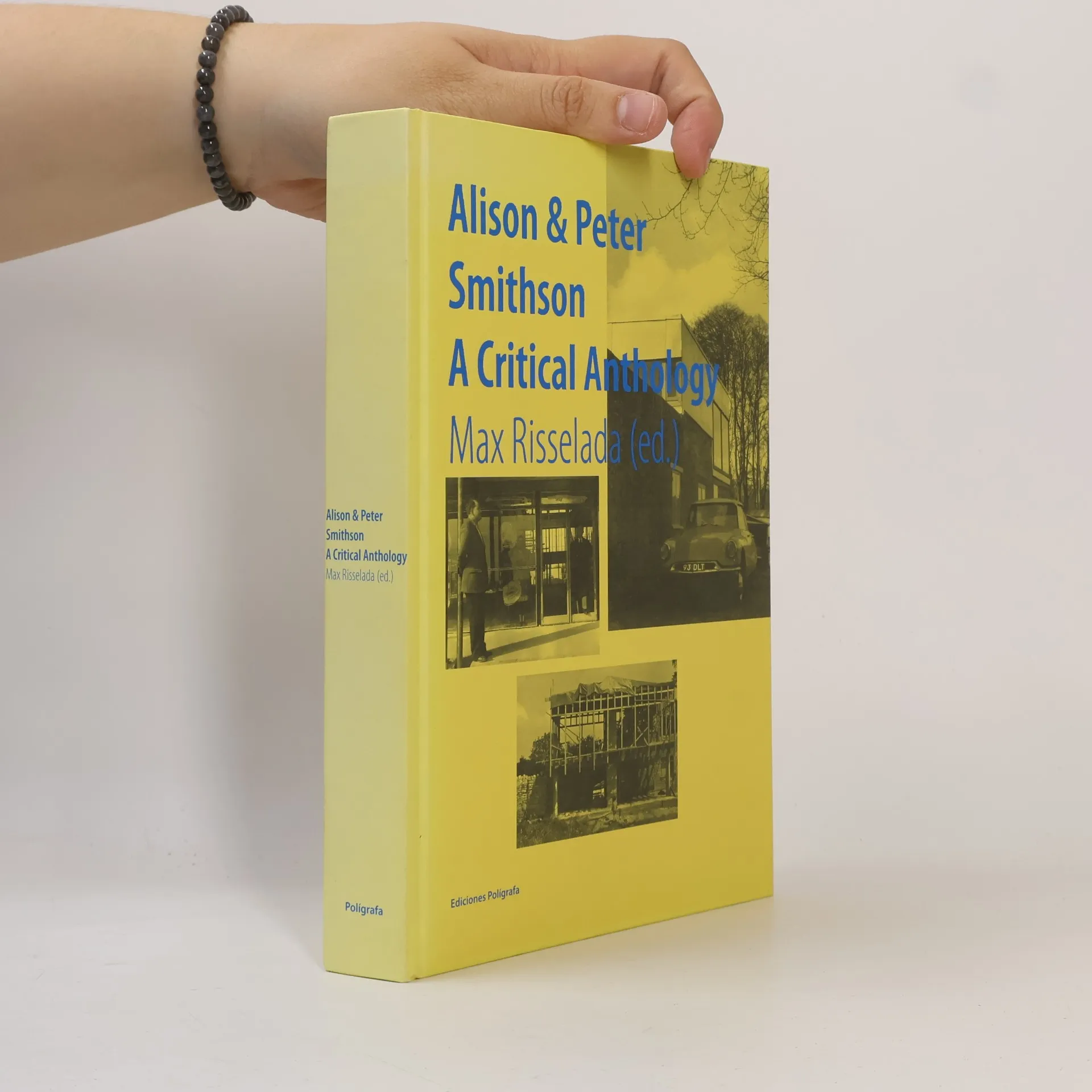
Adapting modernist ideals to postwar reconstruction in Britain, Alison and Peter Smithson emerged as influential and controversial architects in the latter half of the twentieth century. As younger members of CIAM and founding members of Team 10, they were central to the debate on modern architecture's future. Their Hunstanton Secondary Modern School (1949-1954) exemplified their approach, stripping down Mies van der Rohe's language to a rough simplicity and marking their emergence as leading figures of New Brutalism, a term they coined. Involved with the Independent Group alongside notable artists, they participated in the landmark 1956 exhibition This Is Tomorrow, connecting with the Pop art movement in Britain. This beautifully produced volume compiles significant essays on their work, featuring contributions from Reyner Banham, Peter Cook, Kenneth Frampton, Philip Johnson, and more recent texts by Peter Eisenmann, Christine Boyer, Beatriz Colomina, and Louisa Hutton. As the first publication in Poligrafa's Critical Anthology series, it offers essential critical context for understanding New Brutalism's reception in England. The Smithsons, who met at Durham University and married in 1949, introduced a new construction style emphasizing concrete and angular geometries, with later works reflecting a socialist dimension through the exposure of interior functions.
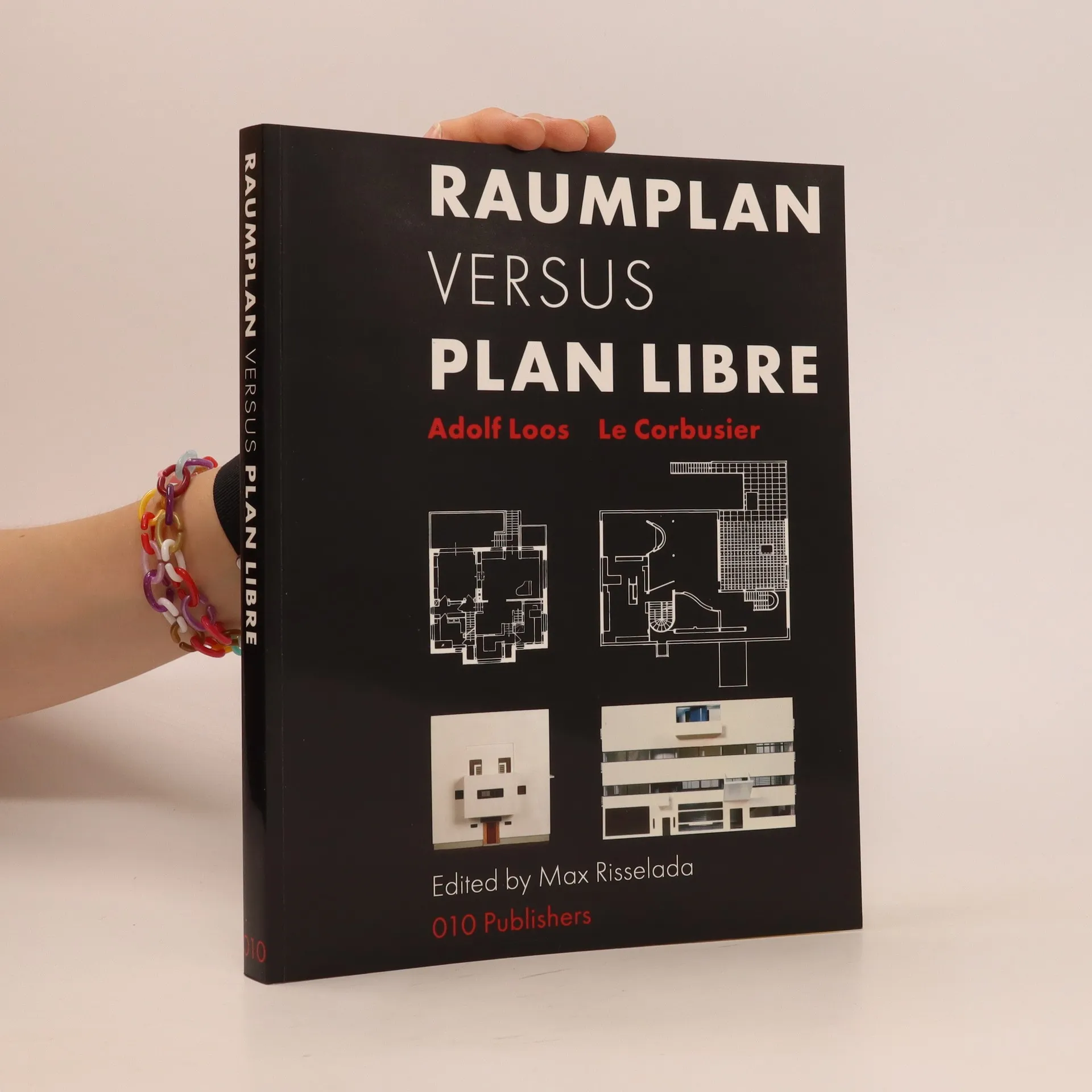
Originally published as a catalogue to accompany an exhibition with the same name in 1987, this new edition re-examines the respective merits of two giants of Modern Architecture Adolf Loos and Le Corbusier. As well as featuring writings by the two architects, the book illustrates their respective evolution, with detailed reference to their domestic projects, ranging from the Strasser House (1919) to the Last House (1932), and from the Maison Domino (1915) to Villa Savoye (1932). Features major contributions form Beatriz Colomina, Jan de Heer and Max Risselada, among others.
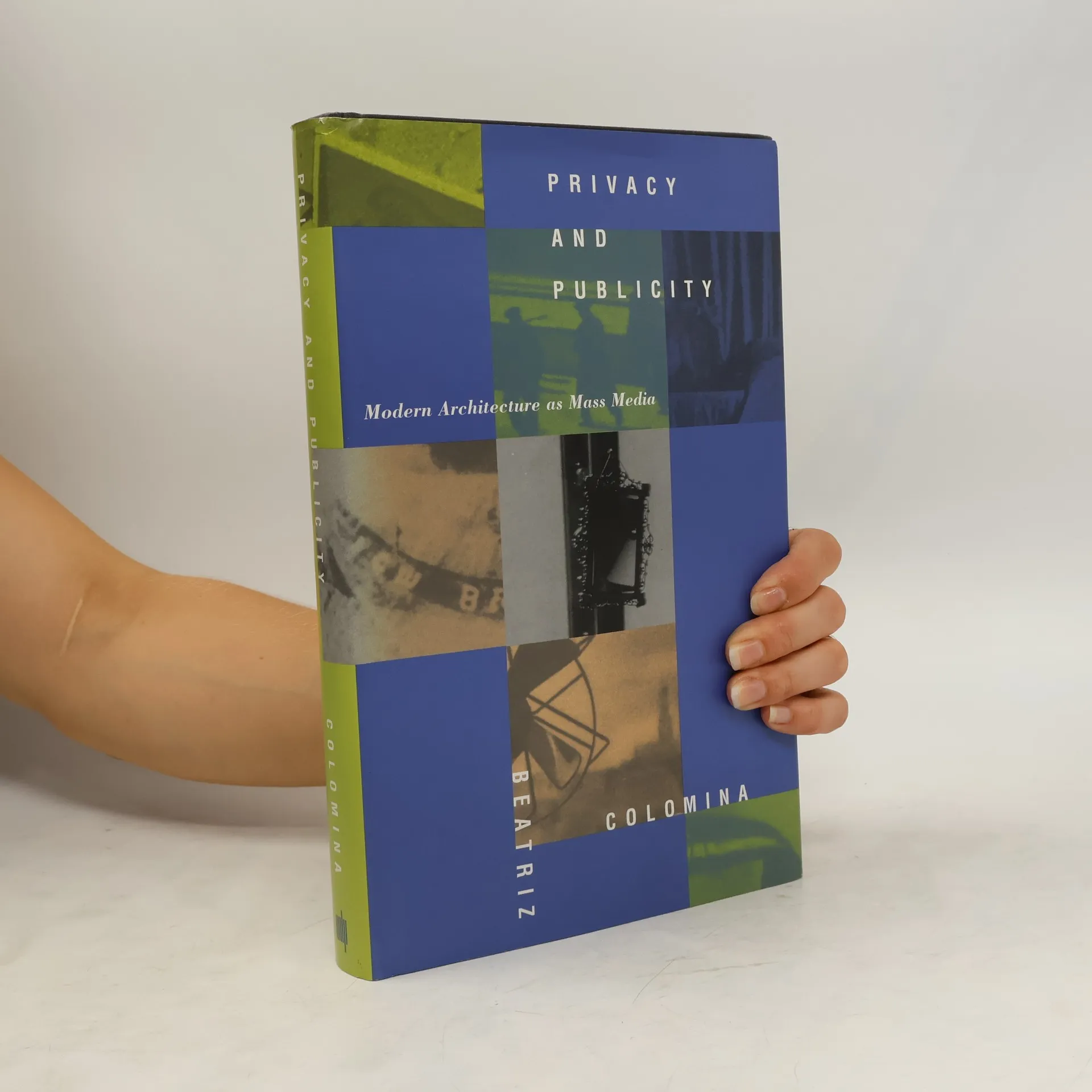
Colomina delves into the intricate interplay between architecture and media, revealing how these elements reshape the boundaries between public and private spaces. The book examines the impact of domesticity in wartime, highlighting the evolving nature of home and shelter in the context of conflict. Through this lens, it offers a thought-provoking analysis of how our environments influence and reflect societal dynamics.
Modern Architecture as Mass Media
Through close readings of key figures in the modern movement, Beatriz Colomina argues that architecture becomes modern through its engagement with mass media, radically displacing traditional notions of space and subjectivity. The work challenges ideological assumptions about modern architecture and reconsiders architectural criticism. While conventional views depict modern architecture as a high art form opposing mass culture, Colomina identifies mass media as the true context for its production. She explores architectural discourse as an intersection of various representation systems, including drawings, models, photographs, books, films, and advertisements. This perspective does not abandon the architectural object but reinterprets it as a mechanism of representation. With modernity, architectural production shifted from physical spaces to images in photographs, films, and publications, creating a new sense of space defined by visuals rather than walls. Colomina argues that this age of publicity transforms the status of the private, suggesting that modernity is the publicity of the private. Modern architecture renegotiates the public-private relationship, profoundly altering spatial experience. Colomina traces this shift through modern representations of the archive, city, fashion, war, sexuality, advertising, the window, and the museum, ultimately focusing on the domestic interior that shapes the modern subject it seemingl