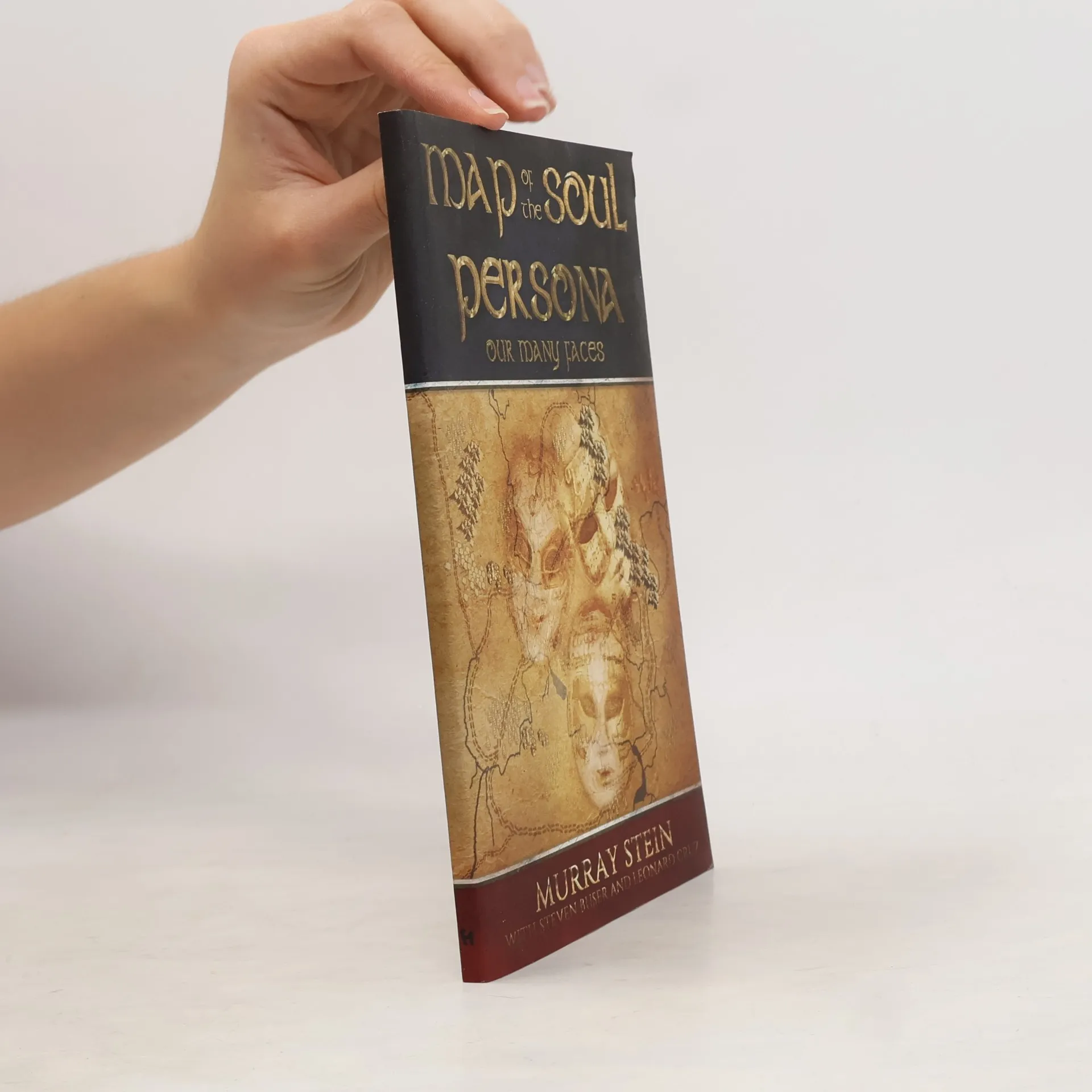
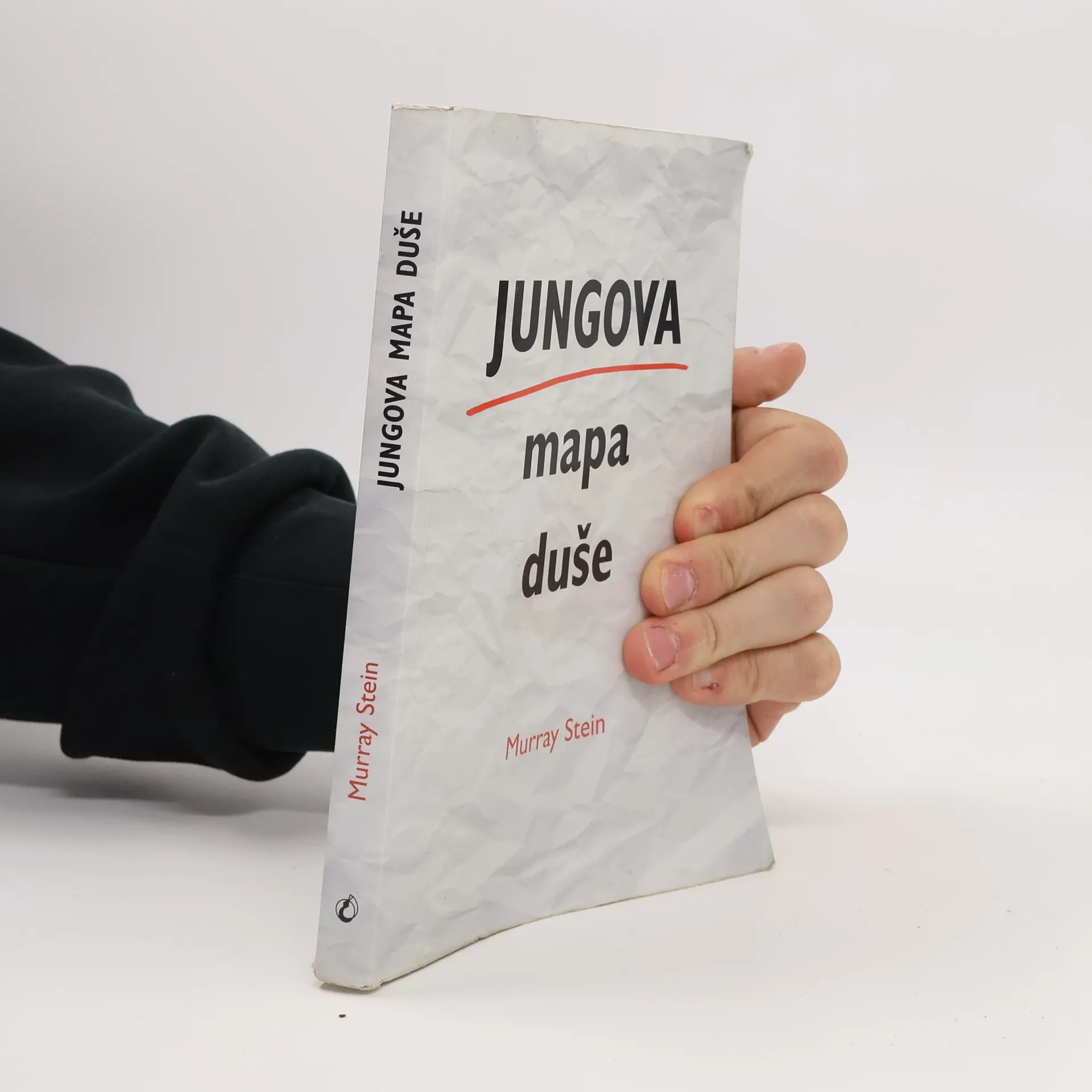
Murray Stein is a distinguished author and lecturer whose work delves deeply into the principles of C.G. Jung's analytical psychology. His writings explore fundamental concepts such as the principle of individuation and Jung's map of the soul, examining how these psychological tenets resonate within the contemporary world. Through his lectures and publications, Stein offers readers profound insights into the complexities of the psyche and its application, fostering a greater understanding of the human condition and the journey toward wholeness.
Focusing on the intersection of Jungian psychology and spirituality, this collection of essays emphasizes the importance of spiritual experiences in the individuation process. It respects diverse interpretations of the numinous and various images of God, highlighting how these elements contribute to personal growth and understanding. Volume 8 of The Collected Writings of Murray Stein invites readers to explore these themes deeply, offering insights that transcend specific religious frameworks.
Exploring a diverse range of subjects such as Christianity, individuation, and midlife, Dr. Murray Stein's writings reflect his extensive experience in analytical psychology. His work combines academic insight with a personal journey through Jungian concepts, offering a profound understanding shaped over nearly fifty years. This collection not only showcases his scholarly contributions but also his engagement with contemporary societal issues, making it a significant resource for those interested in psychology and its broader implications.
The book showcases Dr. Murray Stein's extensive exploration of analytical psychology, reflecting his personal journey and insights gained over nearly fifty years. Covering a diverse range of topics such as Christianity, individuation, and midlife, it combines academic rigor with personal reflection. Stein's writings, lectures, and interviews provide a profound understanding of contemporary societal issues through the lens of Jungian psychology, making his work both accessible and deeply resonant.
Searching for Soul In the 21st Century - An Eranos Symposium Volume 5
370 pages
13 hours of reading
Exploring the tension between modern digital interconnectedness and psychological fragmentation, this book invites readers to reflect on the need for deeper spiritual connection amidst a rapidly changing world. It questions whether we should seek the "spirit of the depths" over the fleeting "spirit of the time," prompting a search for coherence and guidance in a chaotic environment. The narrative encourages a personal journey of self-discovery and introspection in the face of contemporary life's accelerating pace and lack of clarity.
Dr. Murray Stein's extensive work encompasses a broad range of subjects, such as Christianity, individuation, midlife, and analytical psychology, reflecting his profound insights gained over nearly fifty years. His writings blend personal exploration with scholarly analysis, offering a unique perspective on Jungian concepts and their relevance in contemporary society. The volumes serve as both a scholarly resource and a personal journey through the complexities of the human psyche and societal issues.
The book showcases Dr. Murray Stein's extensive contributions to analytical psychology, reflecting on themes such as Christianity, individuation, and midlife. With nearly fifty years of personal engagement with Jung's theories, his writings offer profound insights that blend academic rigor with personal exploration. This collection serves as a comprehensive resource for understanding contemporary societal issues through the lens of analytical psychology.
The theory of individuation plays a crucial role in Jungian Psychoanalysis, serving as both an assessment tool for analysts and a guide for clients' psychological growth. This work outlines the distinct methods that differentiate Jungian psychotherapy from others, emphasizing the importance of understanding individual development in the therapeutic process. Each chapter delves into the unique aspects that contribute to this form of analysis, providing insights into its effectiveness and approach.
Dr. Murray Stein's extensive writings explore a range of topics such as Christianity, individuation, and analytical psychology, reflecting his profound engagement with Jungian concepts over nearly fifty years. The volumes showcase not only academic insights but also a personal journey through the practice of analytical psychology and its relevance to contemporary society, highlighting the intersection of theory and personal experience.
Searching for Soul Under Postmodern Conditions Volume 4
416 pages
15 hours of reading
The book explores the pervasive spiritual malaise in contemporary society, likening it to a "polar night of icy darkness." It examines the impact of climate change, technological advancements, and geopolitical shifts, which contribute to a sense of disorientation and urgency. The concept of "Westlessness" highlights the distractions and pressures of post-modern life, leading to widespread exhaustion and burnout. Ultimately, it critiques the absence of a unifying narrative to navigate these challenges, leaving individuals and political entities in a state of confusion.
Exploring five distinct stages of psychological and spiritual growth, this collection of lectures by Murray Stein offers insights into the challenges men face in achieving greater consciousness and personal development. It emphasizes the importance of friendship among men and the archetypal roles of fathering, providing guidance for men at any age seeking meaning in their lives. The discussions aim to support men in navigating their journeys toward self-discovery and fulfillment.
Dr. Murray Stein's extensive work encompasses a variety of subjects such as Christianity, individuation, and analytical psychology, reflecting his profound insights gained over nearly fifty years. His writings blend academic exploration with personal reflection, offering a unique perspective on contemporary societal issues and the practice of analytical psychology. This collection highlights his contributions through lectures and interviews, showcasing his deep understanding of Jungian principles and their relevance to modern life.
In Map of the Soul – I Am , Dr. Murray Stein explores the beginnings of consciousness and the concept of the "I," as well as the evocative lyrics from the Korean Pop band BTS’s album, Map of the 7 . BTS’s album series titled Map of the Soul was largely inspired by Dr. Stein’s presentation of C.G. Jung’s groundbreaking psychological insights. Ego is the center of consciousness. Yet, “ego can separate itself from the body, and then become a virtual reality in its own right.” This book is an overview of the ego from a Jungian perspective but also is a rich and nuanced examination of how the creative spark can ignite and sustain meaningful psychological growth. The author and collaborators are deeply indebted to BTS, whose world-wide popularity points to their remarkable ability to tap into universal themes. BTS ’s music inspired this work and this introductory series of books may inspire others to explore their inner life. Table of Contents 1. Introduction 2. BTS and Ego 3. A Review of the Map of the Soul 4. Ego, Consciousness and the “I” 5. The Ego 6. Final Thoughts on Ego
This latest book goes beyond summarizing the three volumes on Persona, Shadow, and Ego in the Map of the Soul series, delving into BTS's entire album, Map of the Soul: 7. The title captivates with its suggestive imagery, surprising fans who anticipated a continuation of themes from Map of the Soul: Persona. While it includes songs about Shadow and Ego, the album presents a more complex vision. The number 7 carries symbolic significance, prompting exploration of its meaning in relation to the "map of the soul." This book investigates this mystery and the unconscious aspects of our minds. Fans will appreciate the depth of meaning in the songs, which encourage reflection on ambition, the perils of success, and the resilience of the human spirit. The tracks serve as a guide for those navigating life's challenges and relationships, mirroring our inner struggles to grow and thrive. As one stands on the brink of new experiences, having a map is invaluable. Carl Jung's Map of the Soul was a lifeline for many in the 20th century, and it remains crucial for navigating the complexities of modern life. BTS now offers this map to their fans, for which we are profoundly grateful.
There is a lot of interest in today’s culture about the idea of Persona and the psychological mapping of one’s inner world. In fact, the interest is so strong that the superstar Korean Pop band, BTS, has taken Dr. Murray Stein’s concepts and woven them into the title and lyrics of their latest album, Map of the Soul:Persona. What is our persona and how does it affect our life’s journey? What masks do we wear as we engage those around us? Our persona is ultimately how we relate to the world. Combined with our ego, shadow, anima and other intra-psychic elements it creates an internal map of the soul. T.S. Eliot, one of the most famous English poets of the 20th Century, wrote that every cat has three names: the name that everybody knows, the name that only the cat’s intimate friends and family know, and the name that only the cat knows. As humans, we also have three names: the name that everybody knows, which is the public persona; the name of that only your close friends and family know, which is your private persona; and the name that only you know, which refers to your deepest self. Many people know the first name, and some people know the second. Do you know your secret name, your individual, singular, unique name? This is a name that was given to you before you were named by your family and by your society. This name is the one that you should never lose or forget. Do you know it?
Jungova mapa duše je přehledný a poučený úvod do studia analytické psychologie. Autor se vydává na metaforickou cestu do nitra psýché a nechává se při tom vést mapou načrtnutou C. G. Jungem. Začíná průzkumem povrchu psýché (jáské vědomí), objevuje těžce přístupné oblasti psychického vnitrozemí (komplexy), sleduje tok psychické energie, zkoumá hranice psýché(instinkty, archetypy a kolektivní nevědomí), nachází skryté souvislosti (persona a stín),postupuje přeshluboké vnitrozemí (animus a anima) až k samému středu psýché (bytostné Já), ale nevyhýbá se ani potemnělým zákoutím (synchronicita). Autor si je vědom fundamentálního omezení každé mapy, skutečnosti, že mapa území není území samo, a proto svoje čtenáře upozorňuje: „Jungova mapa nám může ukázat cestu, můžeme díky ní rozeznat hrubé obrysy krajiny, ale nikoli její specifický ráz. Ten musí každý objevit sám pro sebe.“
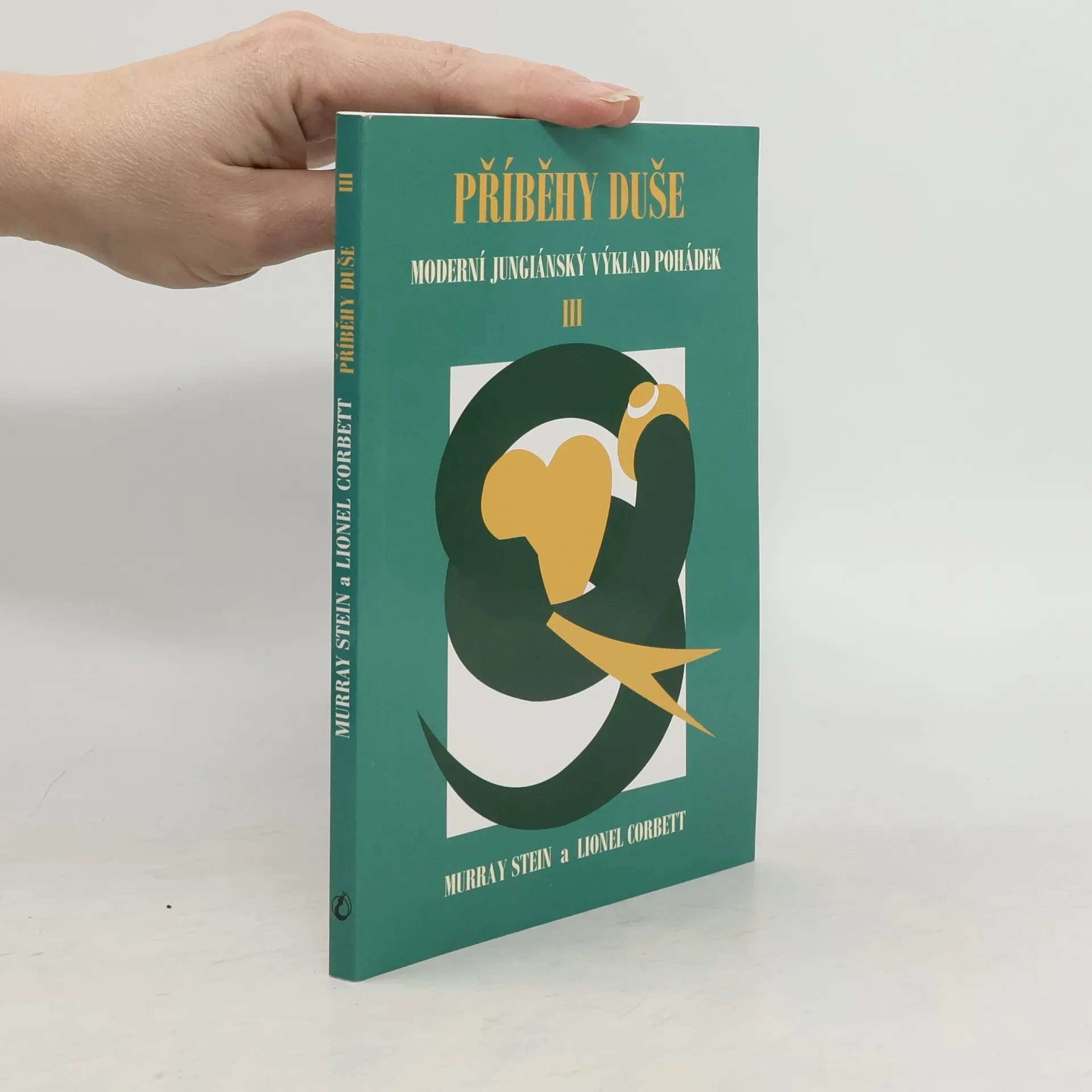
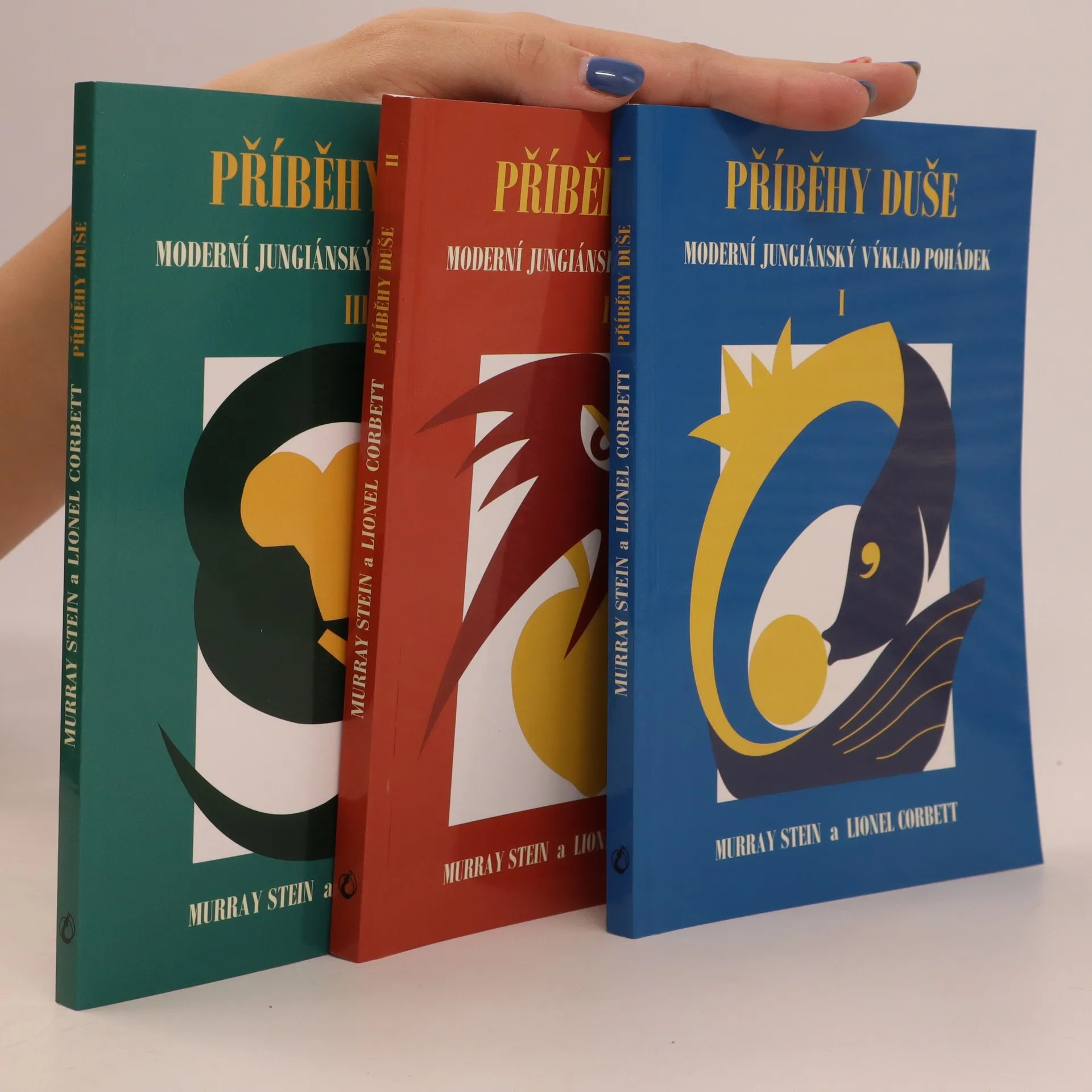
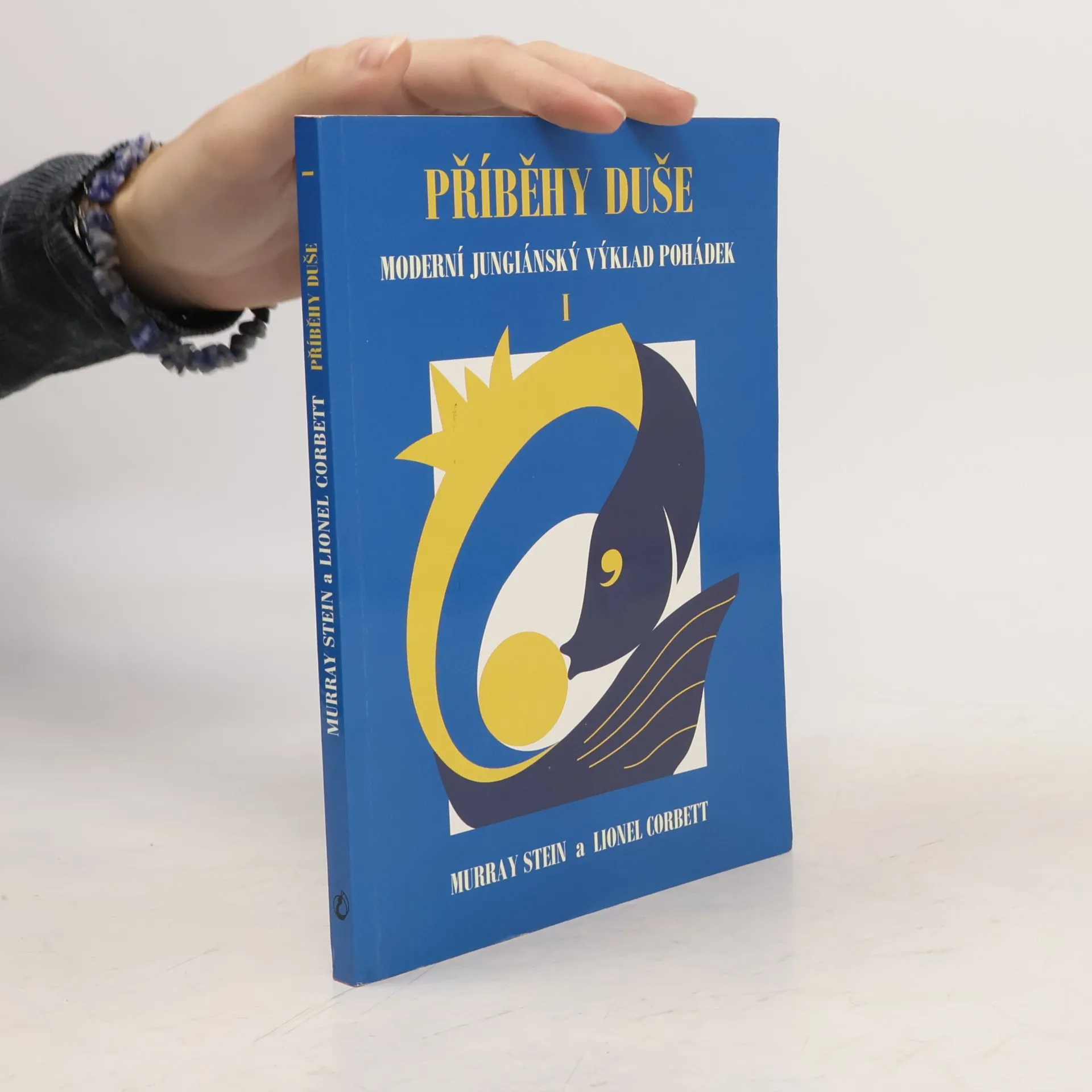
Kniha je pokračováním I. a II.svazku celkem třídílného souboru výkladu pohádek jejichž sjednocujícím faktorem je analytická psychologie, soubor teorií a praktických znalostí vycházejících a opírajících se o dílo C. G. Junga. ISBN 978-80-85880-48-2 (Nakl. Tomáše Janečka, chybné) ISBN 80-903715-0-7 (soubor)
Autoři, praktikující psychoterapeuti a lékaři, se s láskyplnou starostlivostí o lidskou duši pokusili každý prostřednictvím své oblíbené pohádky přispět k alespoň částečnému odhalení podstaty psýché, které by v praxi mohlo pomoci zvýšit kvalitu života a pochopit problematické stránky lidské osobnosti. ISBN 80-903715-0-7 (soubor)
Příběhy duše II jsou pokračováním Příběhů duše I. Další autoři dostali stejná zadání: vyjádřit svůj vztah k pohádkám a podat jejich osobní interpretaci. Jak bylo uvedeno v anotaci k Příběhům duše I, pohádky jsou hlubokým zdrojem přirozené lidské moudrosti, vždy provázely a i dnes provázejí člověka na jeho životní cestě.
More than a mere overview, the book offers readers a strong grounding in the basic principles of Jung's analytical psychology in addition to illuminating insights.