

**A Telegraph Best History Book 2023 and Spectator Book of the Year**The inspirational story of the ordinary people who forged the documents that saved thousands of Jewish lives in World War Two.'Powerful ... gripping ... inspiring' JONATHAN DIMBLEBYBetween 1940 and 1943, a small group of Polish diplomats and Jewish activists in Sw[Bokinfo].
Roger Moorhouse Book order (chronological)
January 1, 1968
This historian specializes in Nazi Germany, exploring pivotal events and figures of that era. Their work delves into the complex relationships and dramatic moments that shaped the 20th century, offering readers a compelling journey into the past. The author's approach blends rigorous historical research with engaging narrative, bringing bygone events to life.




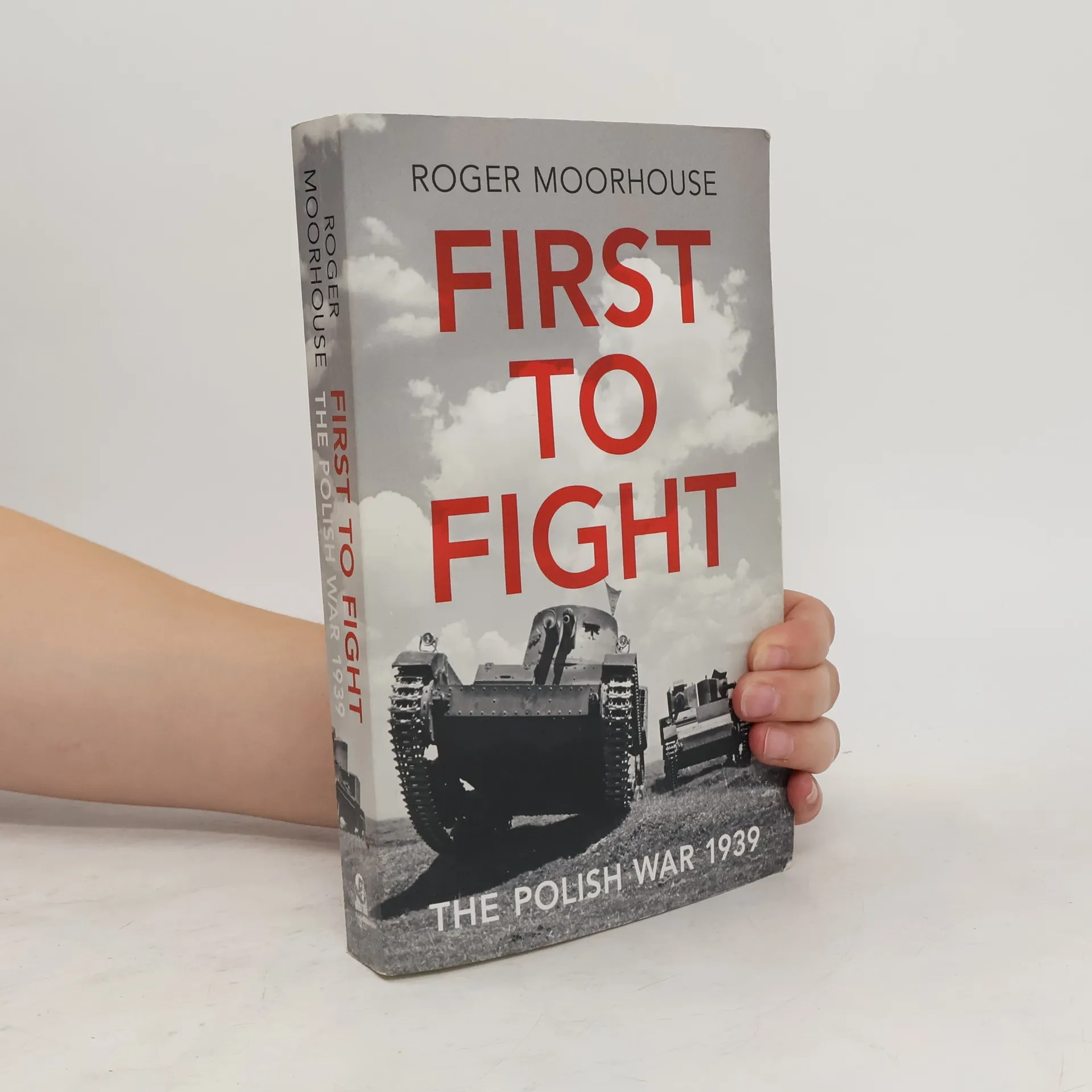
First to Fight : The Polish War 1939
- 400 pages
- 14 hours of reading
Drawing for the first time on Polish, German and Soviet sources, First to Fight is the definitive history of the German invasion of Poland, which opened the war in September 1939. Roger Moorhouse provides a dramatic narrative of military events, brought to life by a select cast of generals and politicians, soldiers and civilians from all sides. In the process, First to Fight explodes many of the myths that still surround the campaign and challenge our understanding of how Britain and France entered the war. Did Britain and France assist their Polish ally to the best of their abilities when the German armies crossed the border on 1 September 1939? While they went to war with Germany, why did they not declare war on the Soviet Union when its troops invaded Poland from the east later in the month? And if the violation of Poland had been the reason to go to war in 1939, how could the Western Allies justify handing the country over on a plate to Stalin in 1945? Published to tie in with the 80th anniversary of the outbreak of the Second World War, First to Fight explodes many of the myths around what is a shameful chapter in both British and French history, and forensically examines a pivotal moment in the war's history.
Das Dritte Reich in 100 Objekten
- 272 pages
- 10 hours of reading
Über keine andere Zeit der deutschen Geschichte ist so viel geschrieben worden wie über die Jahre von 1933 bis 1945. Erstmals versammelt dieser Band 100 Objekte, die die Schrecken und auch den Alltag der NS-Zeit porträtieren, und macht damit die Geschichte des »Dritten Reiches« auf eine neue Art zugänglich. Vorgestellt werden Gegenstände des Alltags, wie eine Hitler-Spielzeugfigur, ebenso wie Objekte, die die Schrecken des nationalsozialistischen Terrorregimes symbolisieren, so etwa der Judenstern oder ein Zyklon B-Behälter. 100 fesselnde Geschichten ergeben ein großes Panorama der NS-Zeit. Aus dem Inhalt: die Enigma-Chiffriermaschine, Eva Brauns Lippenstiftetui, Görings letztes Telegramm, Heinrich Hoffmanns Leica, der Katalog der Großen Deutschen Kunstausstellung, die KZ-Winkel, eine Sammelbüchse des Winterhilfswerks, ein Schutzhaftbefehl, das Torhaus in Auschwitz-Birkenau und vieles mehr.
The Devil´s Alliance
- 416 pages
- 15 hours of reading
For nearly two years the two most infamous dictators in history actively collaborated with one another. This book tells the story of the pact between Hitler and Stalin, from the motivation for its inception to its dramatic and abrupt end in 1941 as Germany declared war against its former partner.
A portrayal of the German experience during the Second World War - told through the eyes of the citizens of Berlin.
Killing Hitler
- 336 pages
- 12 hours of reading
Most people have heard of the Stauffenberg Plot - the attempt to kill Hitler launched by the German Resistance Movement on 20 July 1944. But it is not widely known that this was only one of a long series of similar attacks. Killing Hitler is an acc
Microcosm
- 608 pages
- 22 hours of reading
Central Europe has always been richly endowed with a variety of migrants and settlers, and repeatedly been the scene of nomadic invasions, mixed settlements and military conquests. As a result, the area has witnessed a profusion of languages, cultures, religions and nationalities.The history of Silesia's main city can be seen as a fascinating tale in its own right, but it is more than that. It embodies all the experiences that have made Central Europe what it is -- the rich mixture of nationalities and cultures; the German settlement and the reflux of the Slavs; a Jewish presence of exceptional distinction; a turbulent succession of Imperial rules; and the shattering exposure to both Nazis and Stalinists. In short, it is a Central European microcosm.The third largest German city of the mid-nineteenth century, Breslau's population reached one million in 1945, before the bitter German defence of the city against the Soviets wrought almost total destruction. Transferred to Poland after the war, Breslau has risen from ruins and is again a thriving economic and cultural centre of the region.
