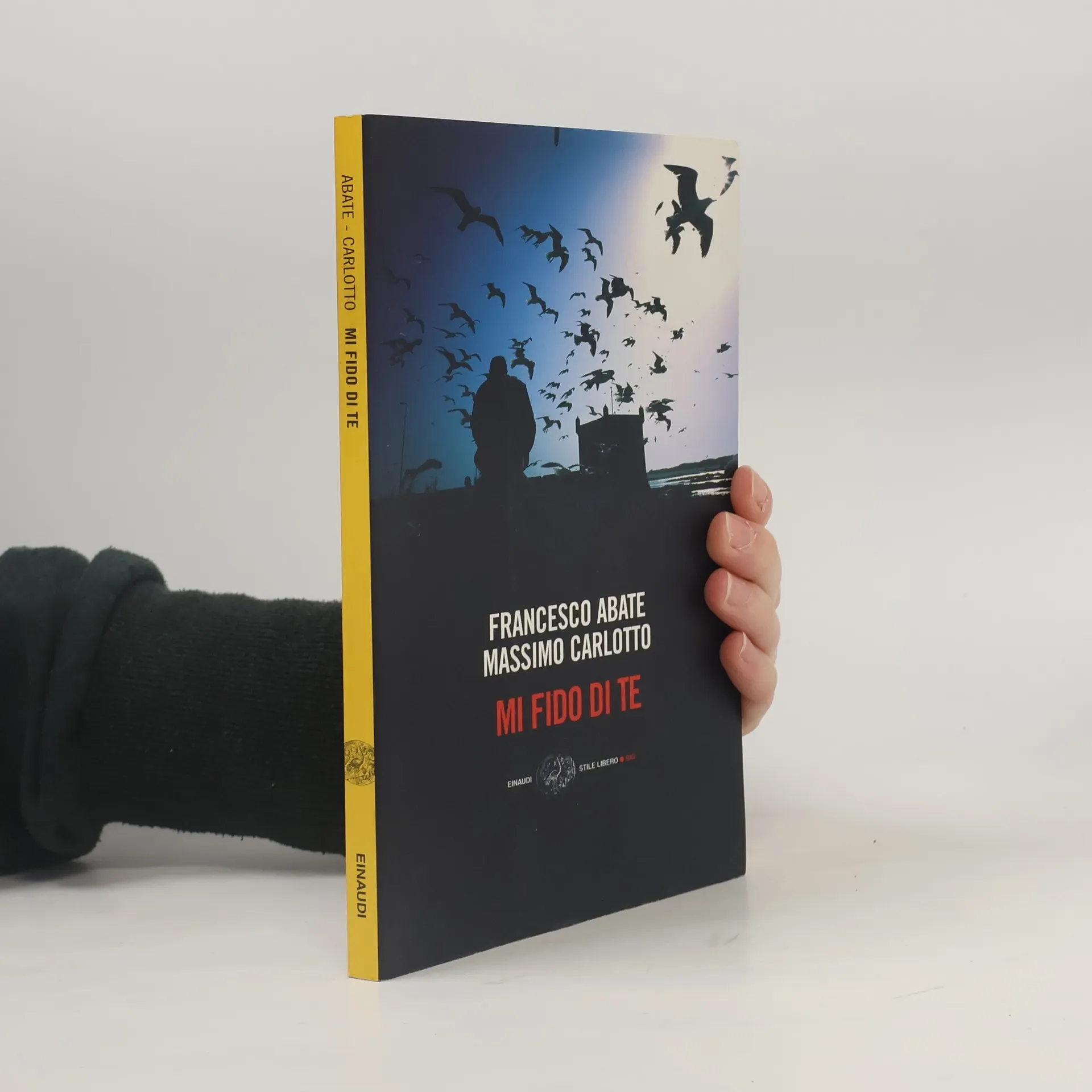
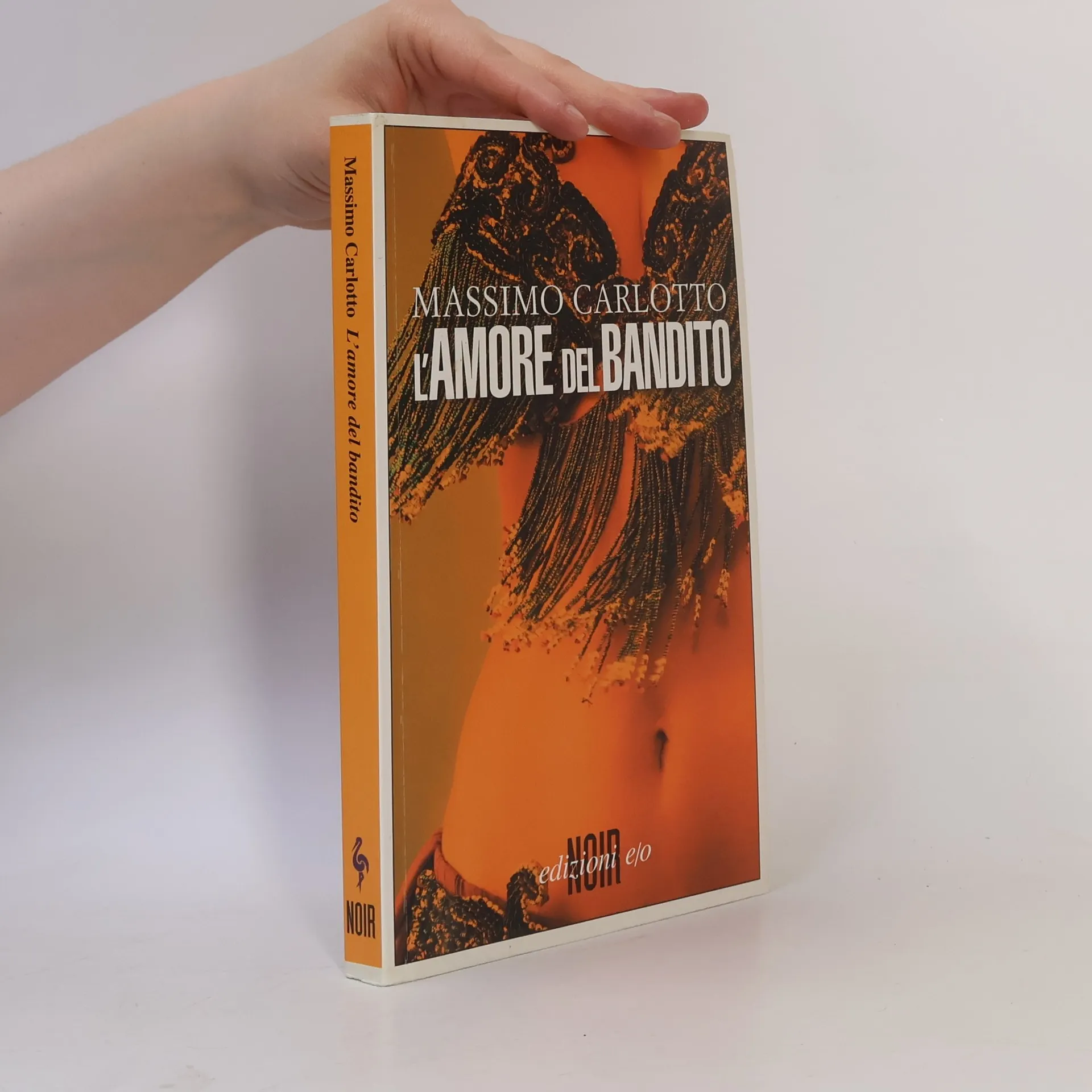
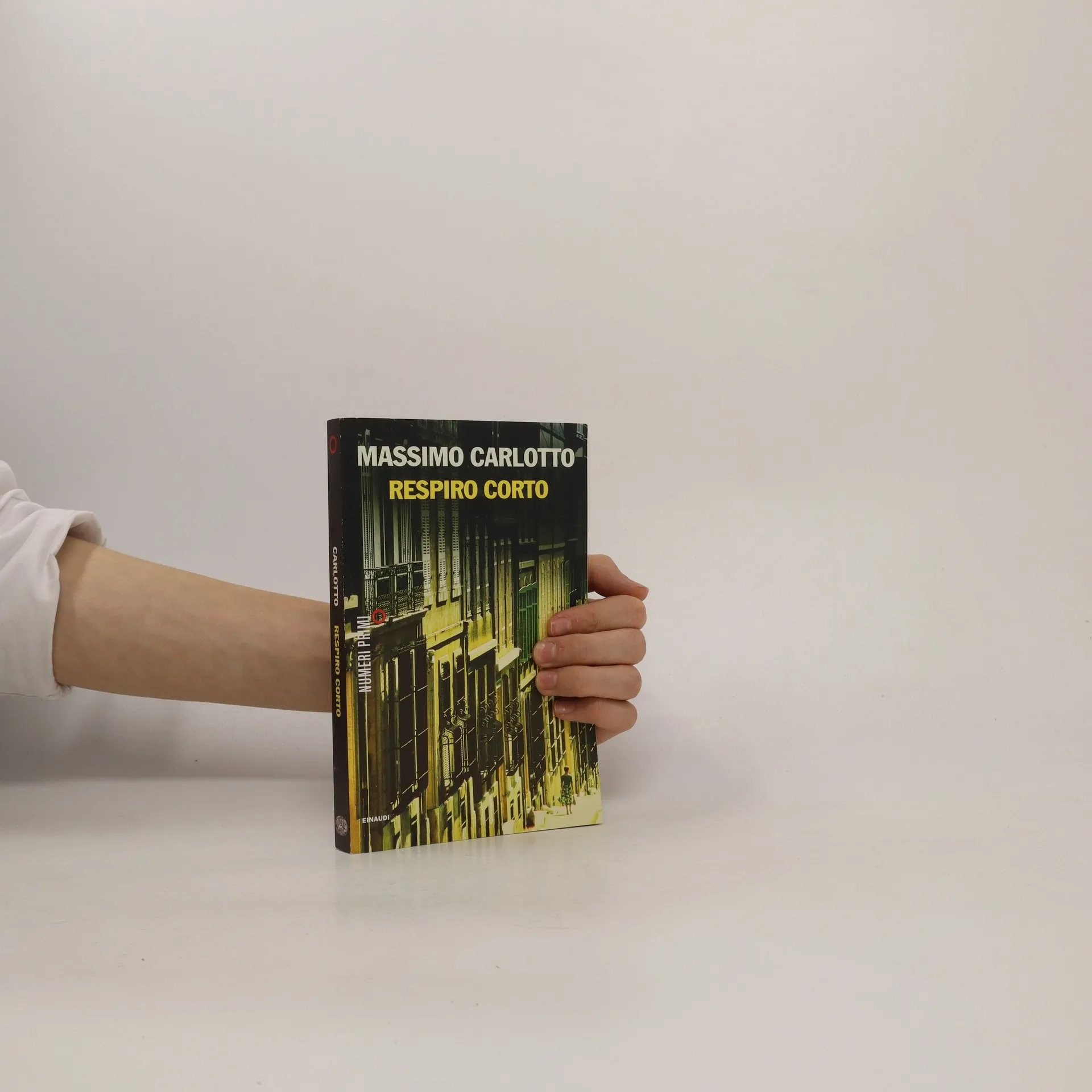
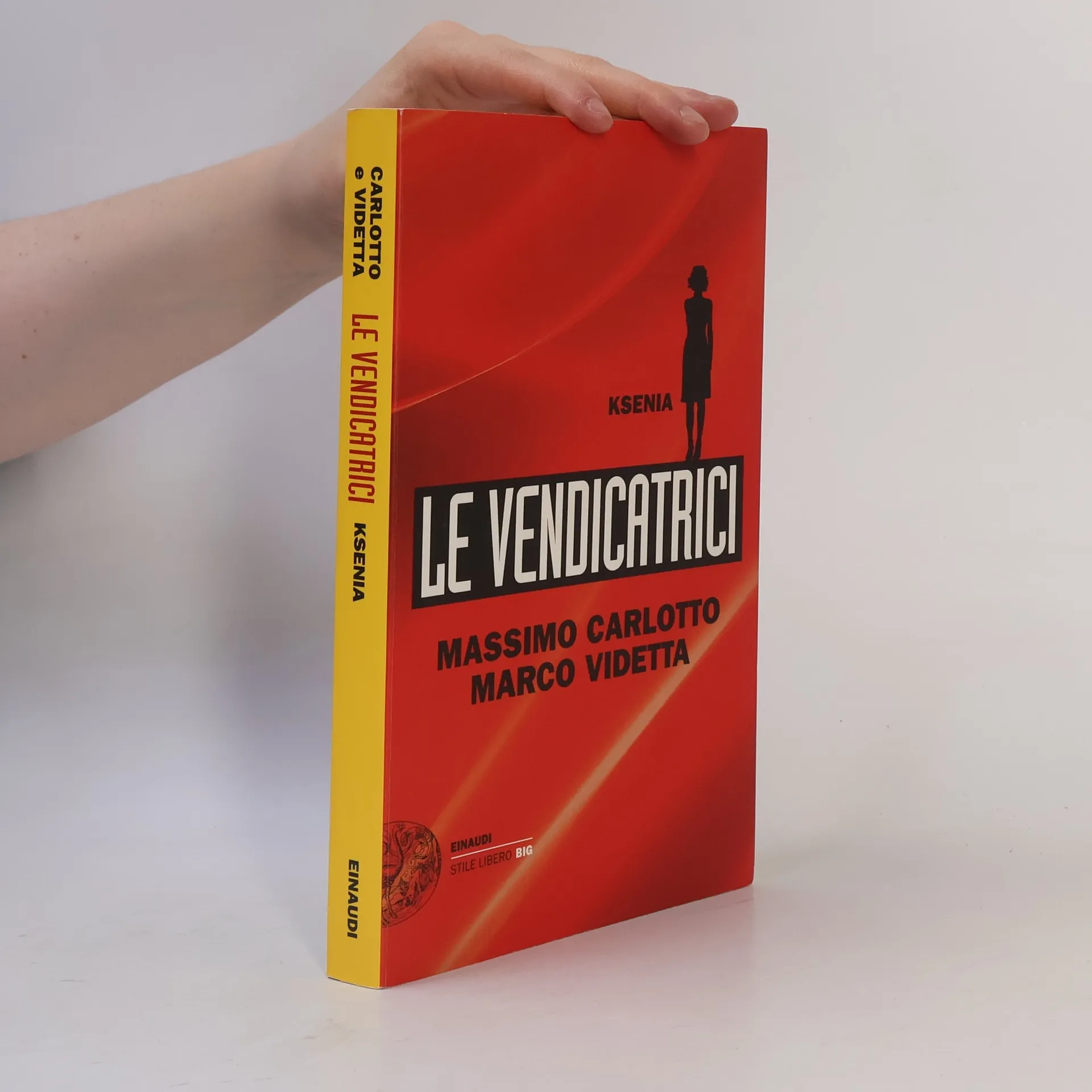
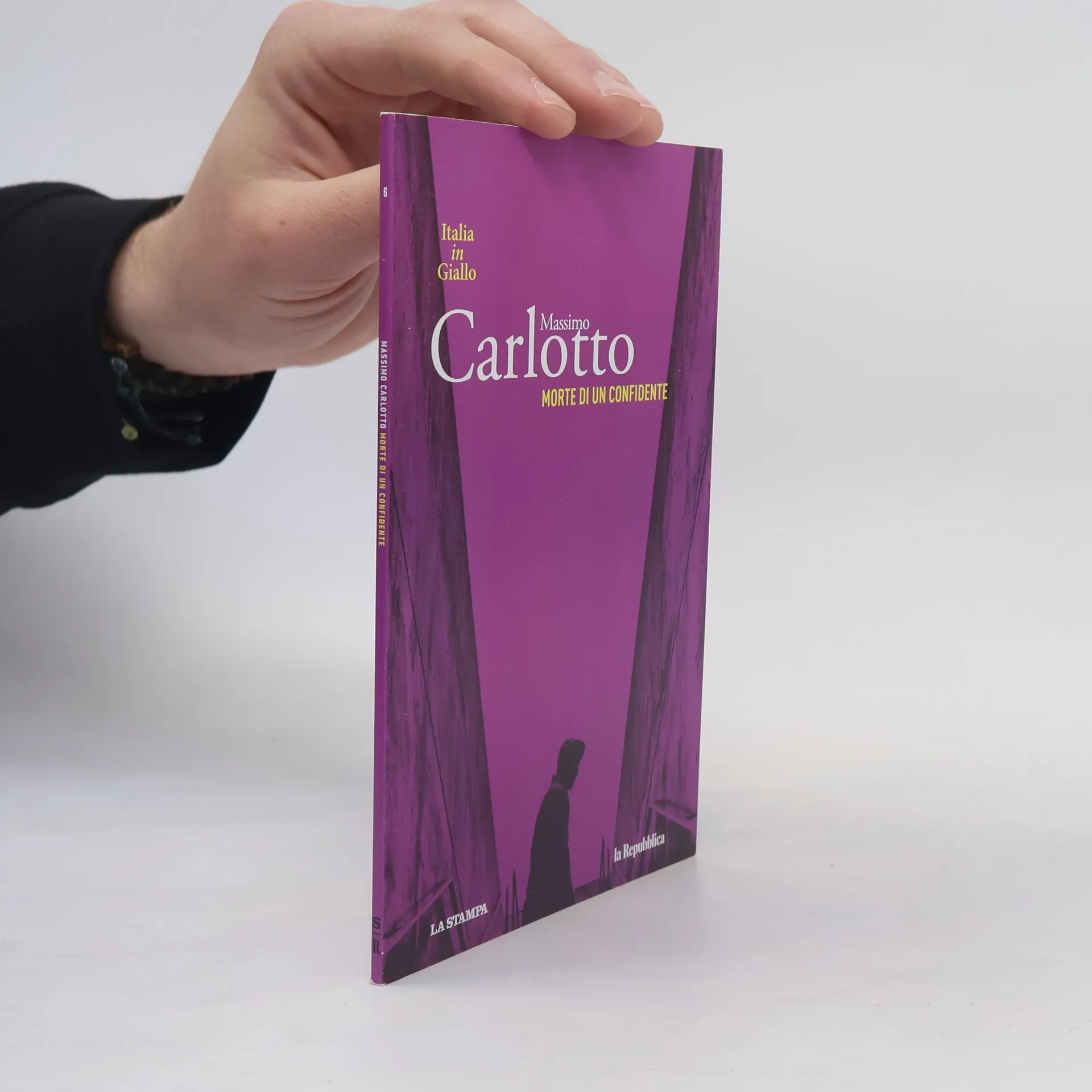
Massimo Carlotto was born in Padua on July 22, 1956. In 1976, as a young university student and L.C. activist, he accidentally discovered the lifeless body of Margherita Magello in Padua, who had been stabbed 59 times. He was accused by the police of the murder after voluntarily coming forward to testify.
Giorgio Pellegrini's seemingly honest life takes a dark turn when he discovers his lawyer's betrayal, thrusting him into the treacherous world of organized crime. Reluctantly becoming an errand boy for a syndicate, Giorgio must navigate the dangerous underbelly of crime while grappling with his newfound reality. This gripping narrative explores themes of betrayal, morality, and the struggle for survival in a world where trust is a luxury.
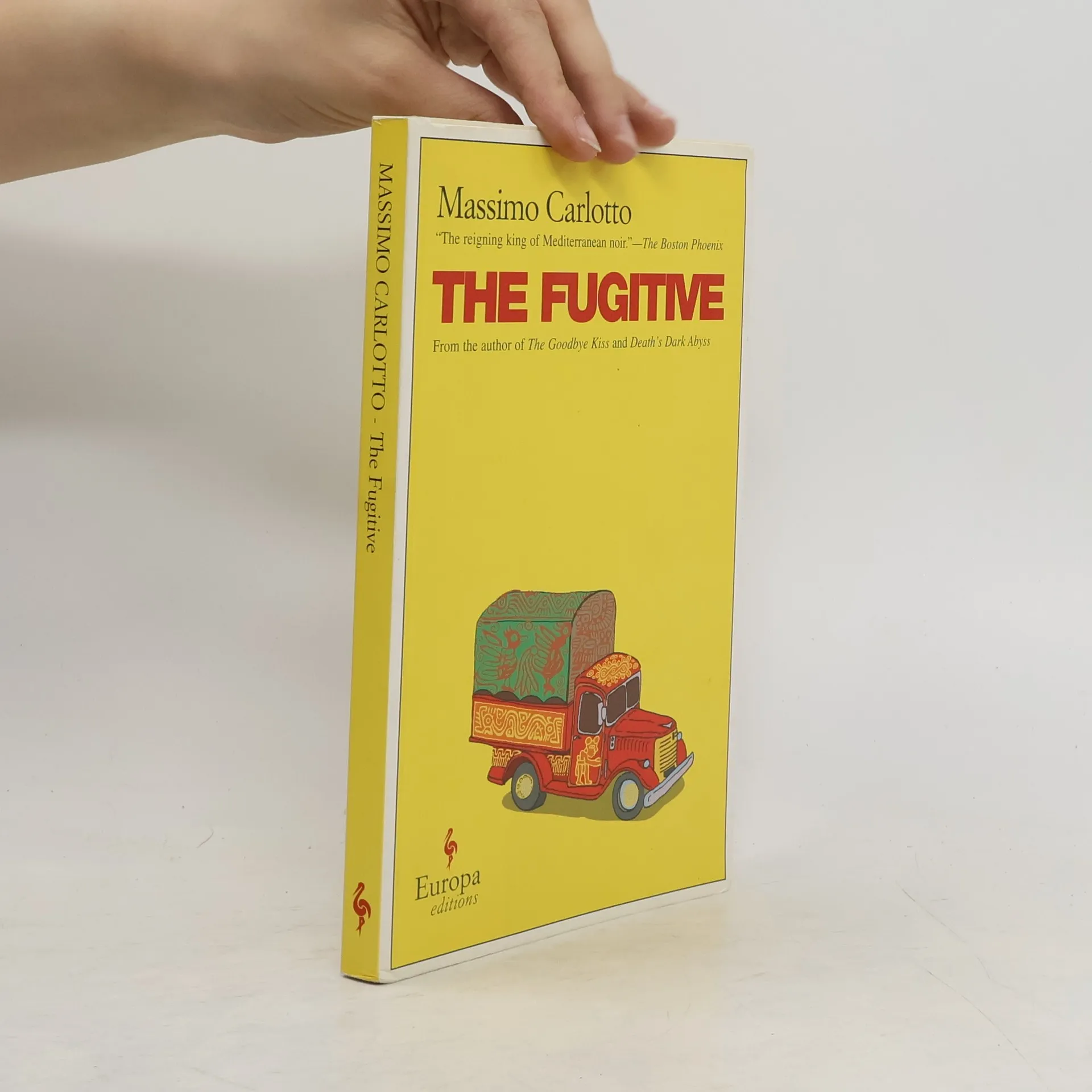
"Carlotto is the reigning king of Mediterranean noir."- The Boston Phoenix After serving years in jail for a crime he didn't commit, Massimo Carlotto received a presidential pardon in 1993. The first book he wrote as a free man was The Fugitive, telling of his years on the run from a politically motivated murder charge. This gritty tale takes readers from the French underworld to a Mexico besieged by guerrilla warfare. Virtually a handbook on how to live life on the lam, The Fugitive is also a vibrant novel full of vivid underworld characters and breathtaking moments that Carlotto recounts in the cool, lucid prose that has become his trademark.
Sardegna 2008. Pierre Nazzari è un disertore ricattato e costretto a fare il lavoro sporco in operazioni segrete o illegali. Finisce nelle mani di una struttura parallela al servizio di un comitato d’affari locale e viene obbligato a spiare Nina, una giovane ricercatrice veterinaria che studia gli effetti dell’inquinamento bellico sugli animali nella zona del poligono di Salto di Quirra. Mentre l’ex militare tenta di conquistare la fiducia della giovane donna, il suo passato ritorna per chiudere un conto lasciato in sospeso. Entrambi saranno costretti a giocare una partita complicata e pericolosa il cui premio è la sopravvivenza. Sullo sfondo un mondo di affaristi e politici, ex contractor e strutture di sicurezza private, militari e industrie di armamenti legati al grande business della produzione bellica. Frutto di una lunga e meticolosa inchiesta condotta da Massimo Carlotto e dal gruppo di scrittori uniti nella sigla Mama Sabot, Perdas de fogu è una denuncia coraggiosa dei giochi sporchi di ambienti politici e militari ai danni della nostra salute e sicurezza.
Set against a backdrop of moral ambiguity, the story explores the dark underbelly of society where systemic issues drive the narrative. The protagonist navigates a world filled with murder and ethical dilemmas, challenging the notion of heroism. Rather than focusing on a single killer, the novel critiques the pervasive systems that foster crime and corruption, making it a gripping and thought-provoking thriller.
Mord, dubiose Verstrickungen und Niedertracht der Reichen im florierenden Norden Italiens. Bruno, erfolgreicher Immobilieninvestor, heiratet die wesentlich jüngere Federica, Tochter der mächtigen Unternehmerdynastie Pesenti. Sie überredet ihn, aufs Land zu ziehen, in ihr Heimatdorf im reichen italienischen Nordosten, das von ihrer Familie kontrolliert wird. Doch Bruno ist ein Fremder, und alle, die von außen kommen, werden mit Argwohn betrachtet. Er wird von Anfang an bedroht und gerät in einen Hinterhalt, den er knapp überlebt. Wer steckt dahinter: seine verwöhnte Ehefrau, die vermeintlich anständigen Dorfbewohner oder die Handlanger der Pesentis? Als einziger Freund erweist sich der unauffällige Wachmann Manlio Giavazzi, der von der Erinnerung an ein tragisches Ereignis gequält wird. Und für den klar ist: Bestimmte Angelegenheiten sind innerhalb des Dorfes zu regeln.
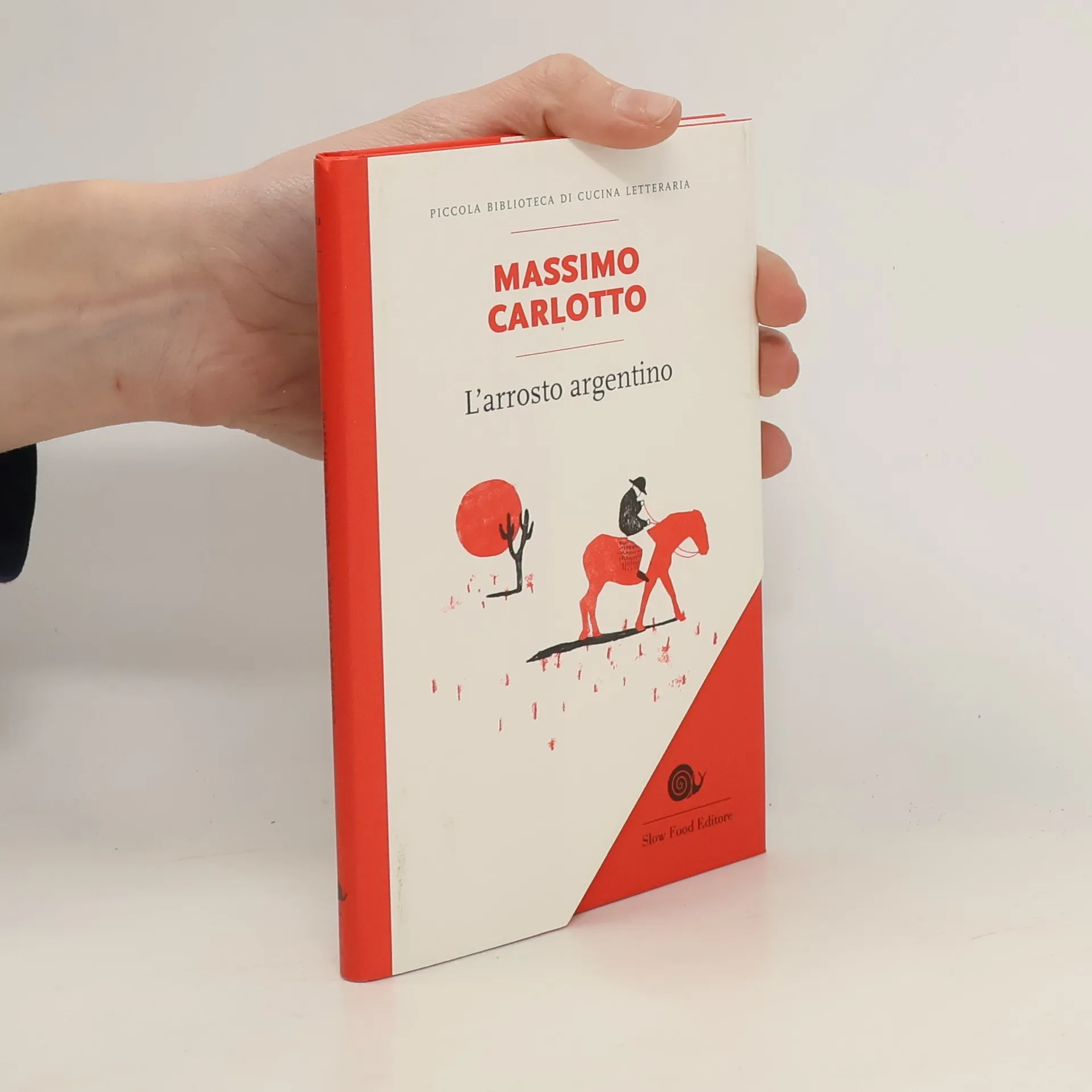
Nella "Piccola Biblioteca di Cucina Letteraria" il legame fra cucina e letteratura diventa l'occasione per la migliore divagazione narrativa: la scrittura come tramite per la poeticità di un piatto, un cibo, una preparazione. I più grandi scrittori, poeti e accademici italiani offriranno la loro penna per celebrare la nostra cucina. Questi autori onorano un piatto con una narrazione, un resoconto, un aneddoto, una storia o novella, o anche una manciata di versi: l'esiguo spazio di ventiquattro cartelle per poter mettere da parte la propria fama, lasciando la gloria al cibo che più li appassiona.
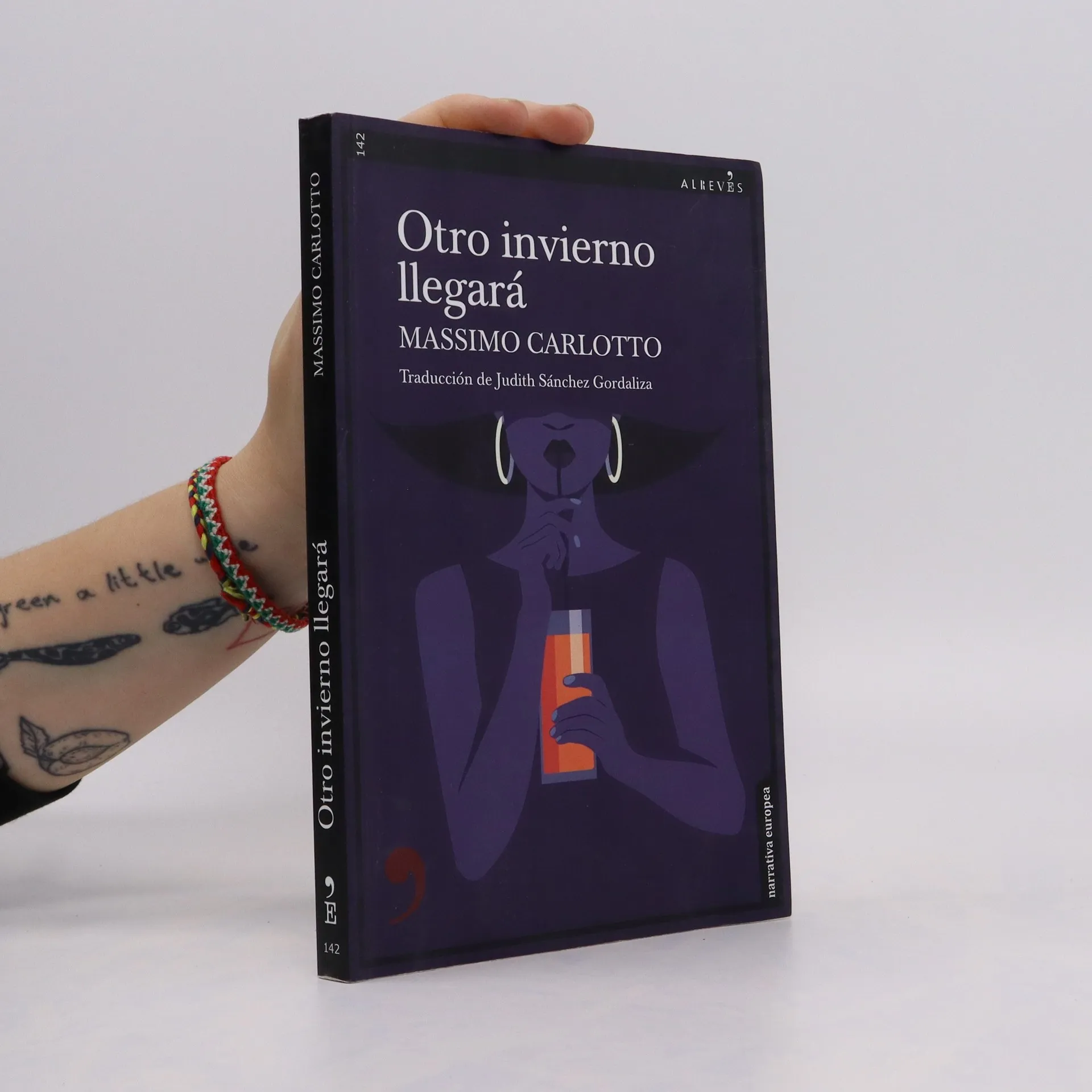
Bruno Manera y Federica Pesenti parecen una pareja feliz. Él es un rico heredero del valle cuya fortuna no es del todo transparente, mientras que ella es una mujer vistosa y elegante, heredera de la prestigiosa dinastía Pesenti. Un día cualquiera, Manera empieza a sufrir una serie de ataques intimidatorios que, con el tiempo, se van agravando hasta llegar a temer por su propia vida. Para ayudarlo, solo tiene a Manlio Gavazzi, un vigilante jurado con una existencia desafortunada y con excesos de todo tipo, convencido de que ciertos asuntos se tienen que resolver siempre entre la gente del pueblo. A partir de aquí, el azar empezará a jugar en su contra y nos sumergiremos en un mundo podrido, donde la amistad es una falsedad, el amor una especulación, el matrimonio un campo de batalla y la solidaridad entre compatriotas un simple pacto. Con Otro invierno llegará, Massimo Carlotto nos dibuja una novela de chantajes, corrupciones y engaños, donde todos los personajes parecen tener secretos inconfesables, consiguiendo crear un mundo asfixiante y, lo que es peor, hacernos partícipes de ello.
Ci sono poliziotti che combattono il crimine e difendono la legge, ma a volte pagano con la vita. Altri, corrotti, tradiscono e diventano peggiori dei banditi. In questo contesto emergono le donne in divisa, fragili e determinate, vittime e carnefici, figure di confine tra bene e male. Il commissario Alba Doria indaga nel profondo del dark web, dove si annida l'odio che consuma il Paese. Il vicequestore Anna Santarossa ha già oltrepassato il limite, vendendo informazioni alla mafia bulgara. Sara Morozzi, con i suoi capelli grigi e un passato tra intercettazioni non autorizzate, legge le labbra e il linguaggio del corpo, mentre ha un conto da regolare. Dall'estremo Nordest fino a Napoli e a una Roma in cui aprile è il mese più crudele, Massimo Carlotto, Giancarlo De Cataldo e Maurizio de Giovanni dipingono un'Italia segnata dall'illegalità globalizzata, dalle fake news e dal condizionamento di massa. Rivelano le ossessioni e le paure di chi dovrebbe mantenere l'ordine pubblico, inaugurando una nuova era della letteratura nera. Qui, la donna non è più una giustiziera fatale, ma una figura che riflette la cupezza di una realtà complessa e controversa.
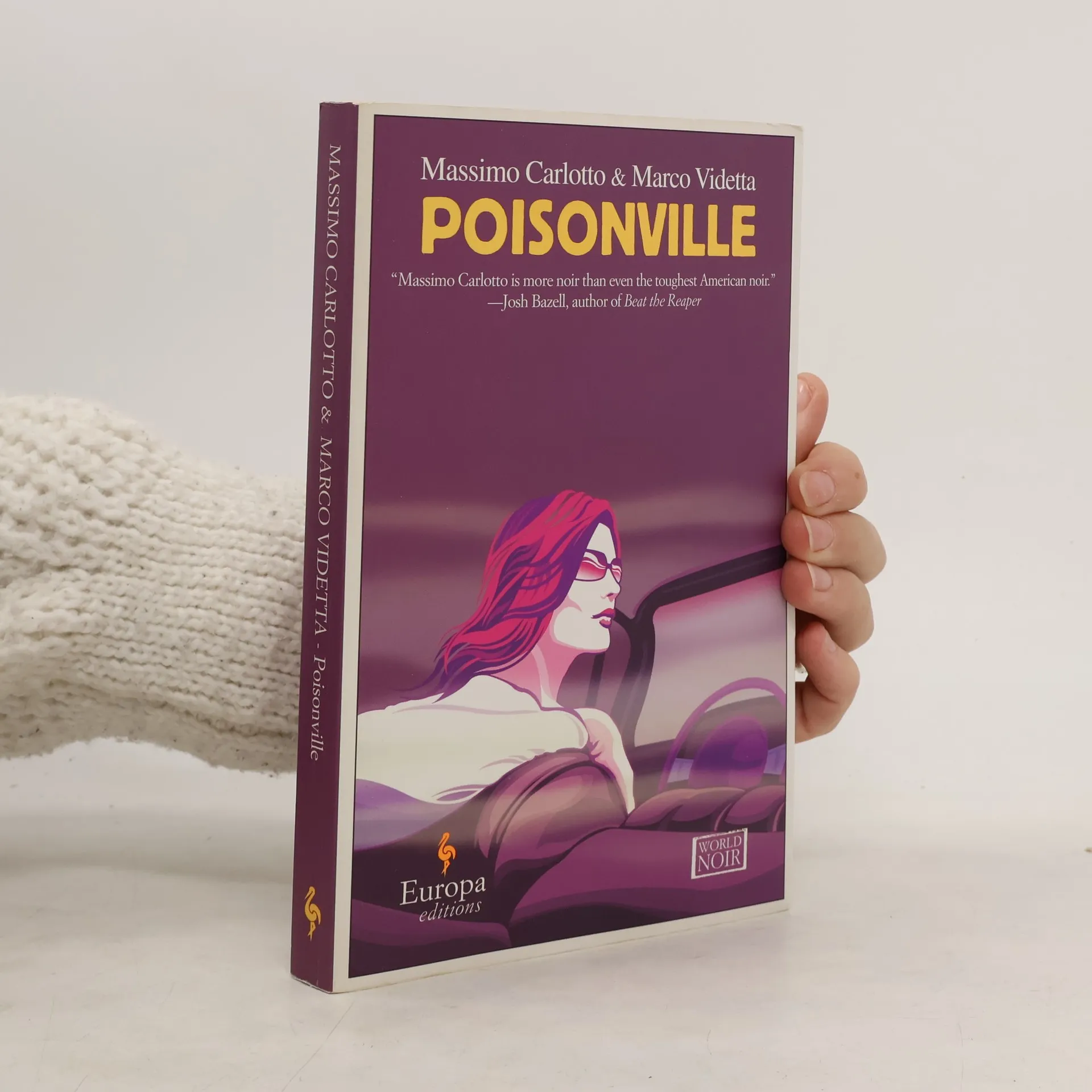
Brisanter, authentischer Hintergrund: die Welt der internationalen Lebensmittelskandale
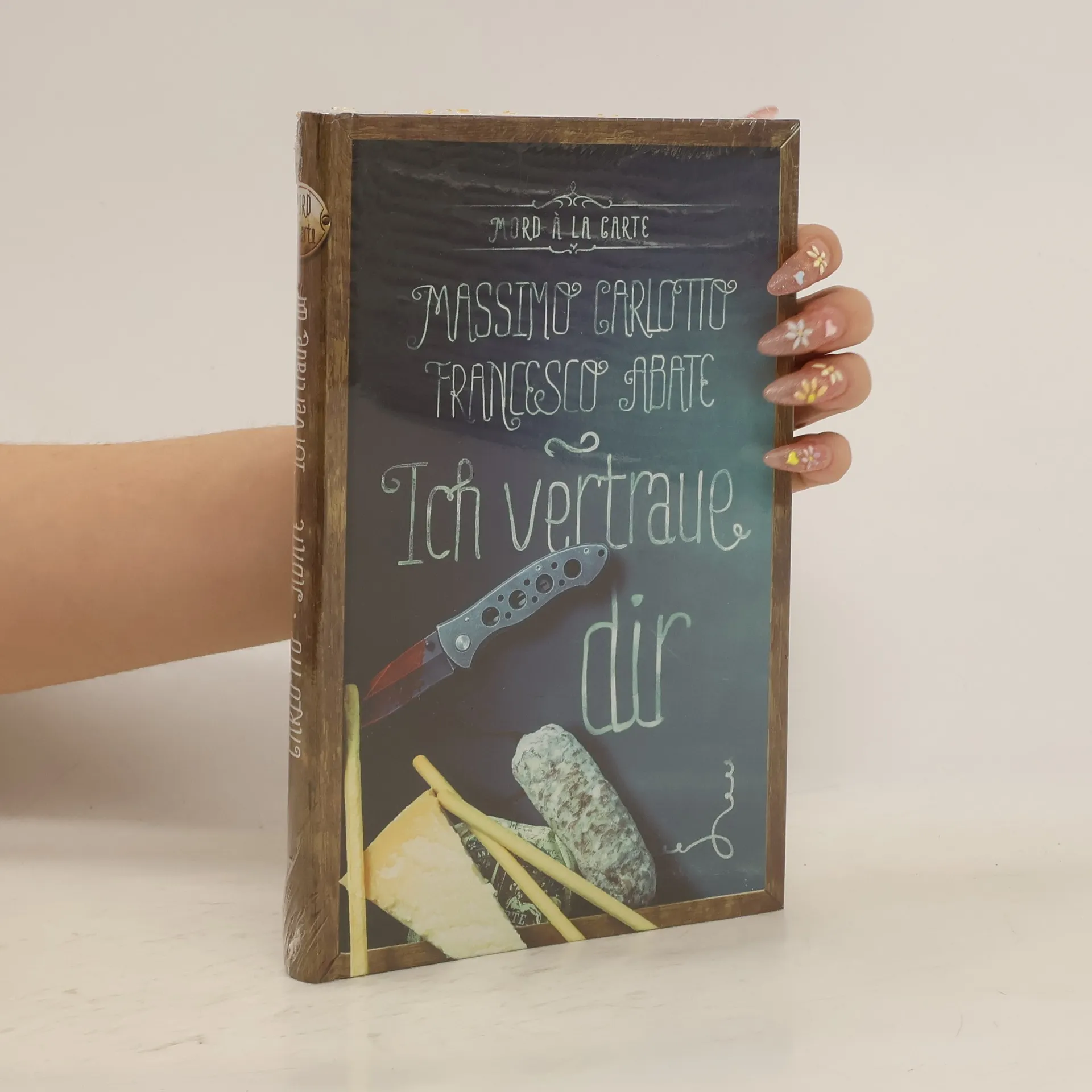
Vertraue niemandem, aber bring die anderen dazu, dir zu vertrauen. Dann beute sie nach Strich und Faden aus. Mit diesem Lebenskonzept hat es Gigi Vianello, gutaussehend, charmant, skrupellos, schon weit gebracht. In seinem Gourmet-Restaurant auf Sardinien serviert er nur die allerbesten Speisen und ist der Held aller Frauen. Doch das große Geld verdient er im internationalen Handel mit manipulierten, minderwertigen oder chemisch verseuchten Lebensmitteln. Mit weltmännischer Strategie und Raffinesse gelingt ein perfektes Doppelleben – bis ausgerechnet eine Frau sein Lügengebäude ins Wanken bringt.
Zwei mehrfach preisgekrönte und hochgelobte Krimiautoren jetzt erstmals als Team.
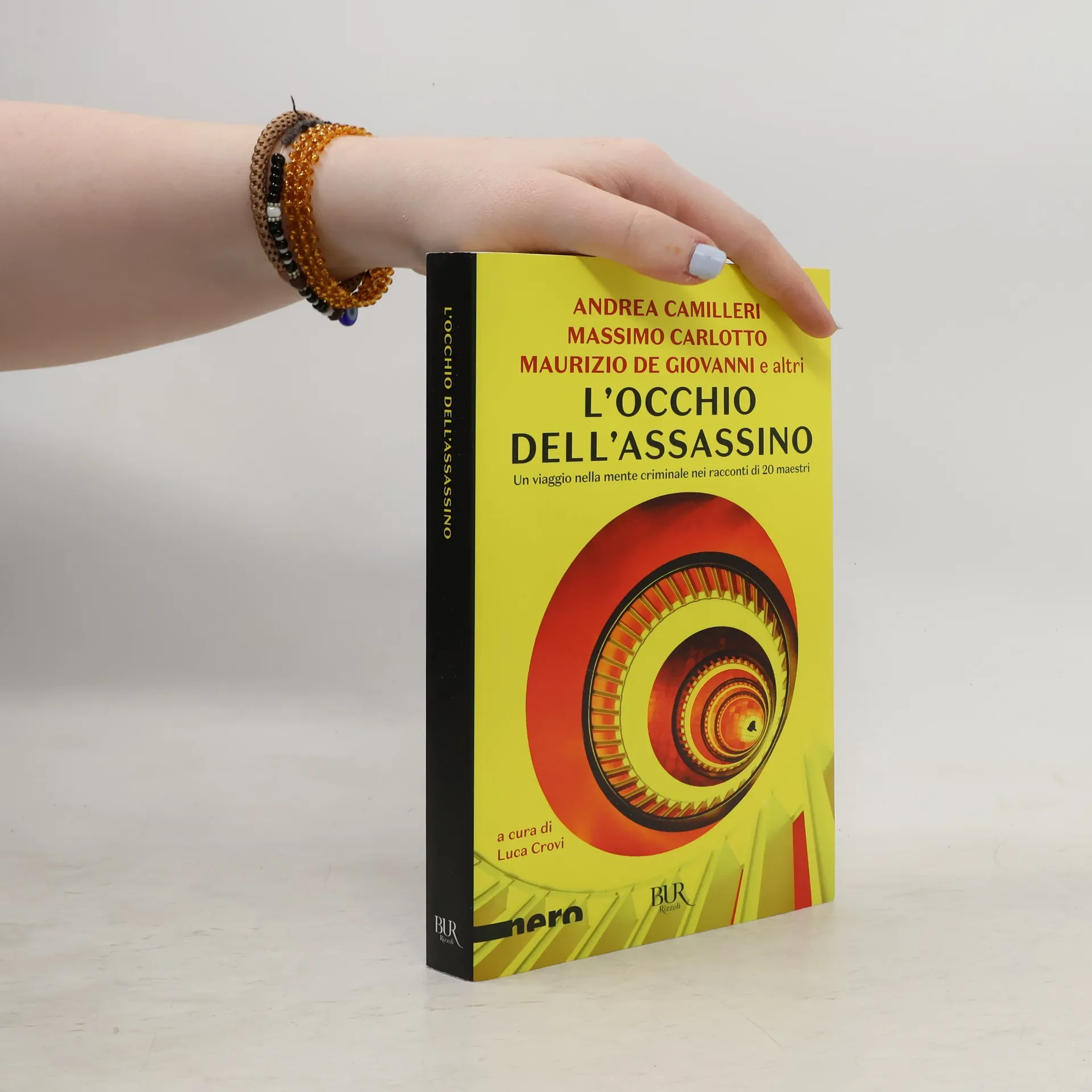
Un viaggio nella mente criminale attraverso i racconti di 20 maestri. La narrazione di un killer o di un criminale ci attira verso le zone oscure della sua mente, rivelando perversioni che ci affascinano. Osservare la realtà attraverso gli occhi di un assassino significa confrontarsi con il Male, scoprendo che esso può annidarsi ovunque, anche dentro di noi. Questa antologia ci conduce al confine tra buoni e cattivi, rivelando un terribile segreto: anche la persona più innocente può diventare un omicida. I racconti selezionati da Luca Crovi presentano i maestri del genere che si immergono nella psicologia dei cattivi, facendoli diventare protagonisti. Incontriamo il Capitan Assassino di Dickens, i ladri di cadaveri di Stevenson, il detenuto n. 82 di Conan Doyle, e la casalinga di Maurizio de Giovanni che si confronta con il commissario Ricciardi, oltre a "la primula rossa di Corleone" di Camilleri. Questo viaggio infernale parte dagli autori che hanno definito il genere e arriva fino a oggi, offrendo al lettore piccoli capolavori inaspettati, da Hoffmann a Sciascia, passando per Flaubert, Poe, Svevo e Hitchcock, fino a un racconto inedito di Massimo Carlotto sugli ultimi istanti di vita di Charlie Starkweather, il James Dean dei serial killer, celebrato da Springsteen nella canzone Nebraska.
Nel corso di una rapina, un malvivente prende in ostaggio una donna e il figlio di otto anni e li uccide. L'uomo viene condannato all'ergastolo. Ma per Silvano Contin, al quale hanno ammazzato moglie e figlio, la sentenza non basta. Quel giorno ha perso tutto e si ritrova prigioniero della solitudine e della memoria. Quindici anni dopo l'omicida, colpito da un tumore inguaribile, chiede la grazia e quindi necessariamente il perdono di Contin. La risposta di quest'uomo, devastato dal dolore e avvolto dall'oscura immensità della morte, è il cuore di questo romanzo. Due tragedie si fondono, alimentate dall'incapacità dello Stato a dare risposte certe alle vittime e ai "cittadini detenuti" rinchiusi in affollati istituti di pena.
Seconda puntata delle avventure dell'Alligatore, ovvero Marco Buratti, strano tipo di investigatore con la passione del blues, del calvados, e degli assistenti malavitosi, come Beniamino Rossini, gangster di vecchio stampo. Stavolta la vicenda si svolge tra la Sardegna e la Corsica: l'Alligatore ha ricevuto un incarico assai delicato - ovvero "rognoso" - da tre avvocati cagliaritani che hanno scontato anni di carcere per l'omicidio (presunto) di un altro avvocato, tale Giampaolo Siddi. Che però morto non è, anzi gode di ottima salute, soprattutto finanziaria, grazie a lucrosi traffici illegali. Seguendo la pista del Siddi viene alla luce l'esistenza di una vera e propria banda criminale di eterogenea composizione - ex funzionari del Sisde, trafficanti di droga, avvocati corrotti, delinquenti francesi assoldati per stroncare l'indipendentismo corso - ma unita da un curioso gergo derivato da un vecchio film francese.
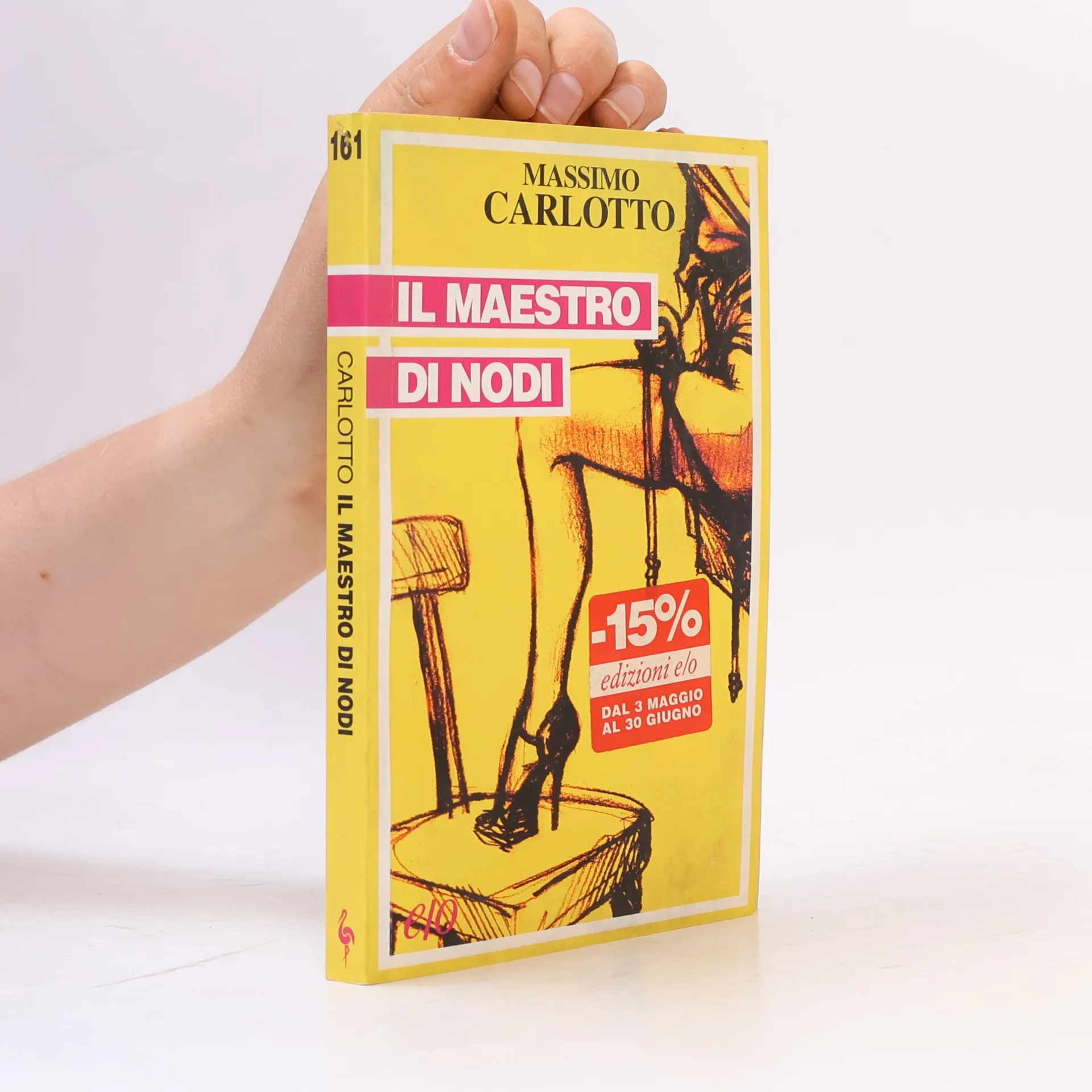
Il marito di una donna scomparsa, non osando confessare alla polizia il vergognoso segreto della partecipazione a un giro di orge sadomaso, si rivolge all'Alligatore, l'investigatore che della conoscenza degli ambienti dell'illegalità ha fatto il suo mestiere. Inizia una spaventosa discesa in un mondo di gente sola e ricattata dove predatori feroci si aggirano e colpiscono in modi efferati. A fianco dell'Alligatore ci sono i due fedeli soci: Max la Memoria e Beniamino Rossini.
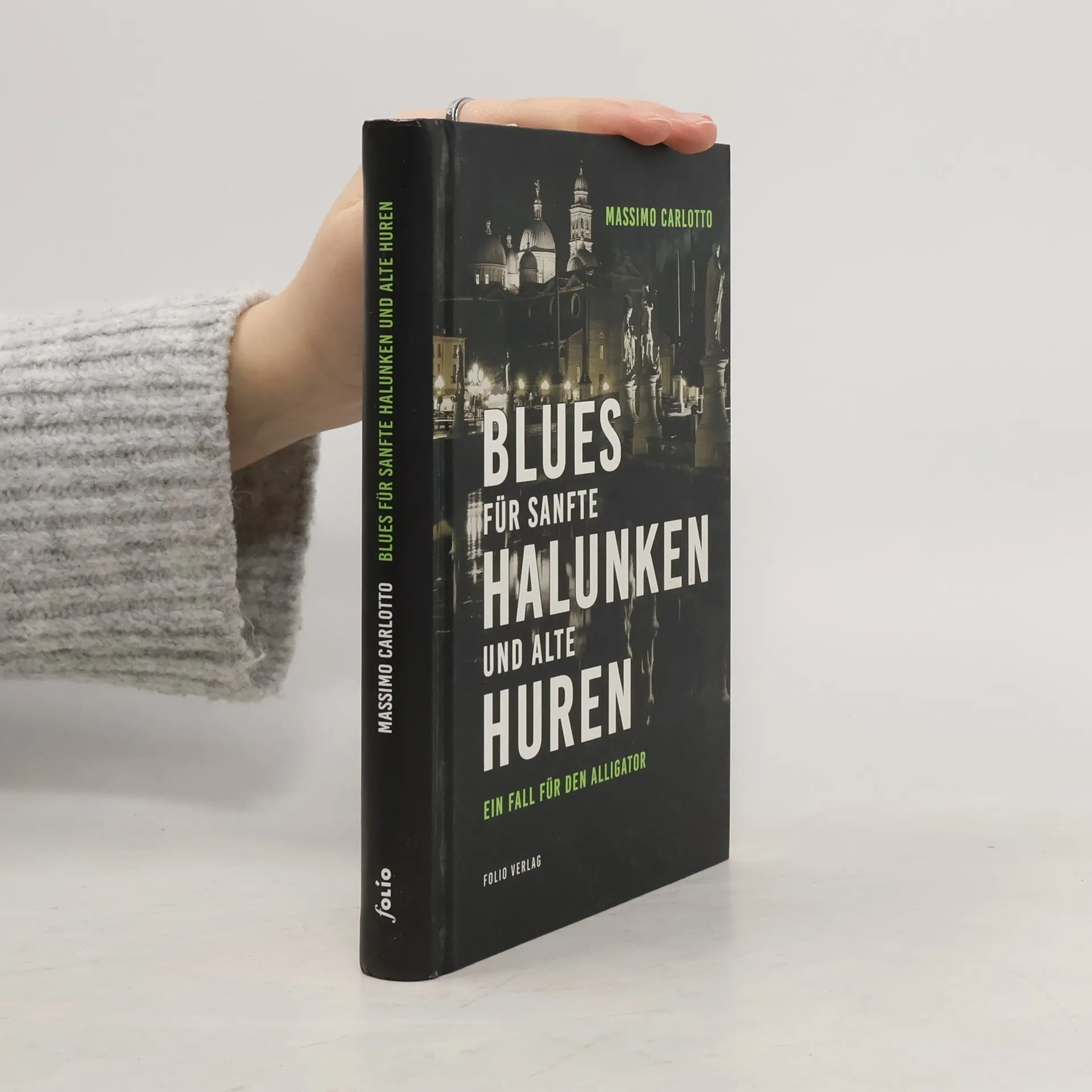
L'Alligatore è un ex cantante di Blues. Ingiustamente condannato a sette anni di carcere, gli è rimasta addosso la fragilità degli ex detenuti e l'ossessione della giustizia. Ha messo a frutto le sue «competenze» e le sue conoscenze nella malavita divenendo un investigatore molto particolare: più a suo agio nel mondo marginale ed extra legale che tra poliziotti e magistrati, ricorre volentieri all'aiuto di strani «personaggi», primo fra tutti Beniamino Rossini, un malavitoso milanese con il quale ha stretto una bella amicizia malgrado le differenze culturali e di temperamento. I due intuiscono presto che gli omicidi di due donne, imputati a un povero tossico, sono in realtà maturati nei corrotti ambienti di una certa borghesia di provincia... Con il personaggio dell'Alligatore nasce in Italia un nuovo tipo di giallo, più vicino al noir americano per la capacità, tutta nuova nel nostro paese, di elaborare e raccontare esperienze realmente vissute nel mondo del carcere, della latitanza, dell'extralegalità.
L'Alligatore è in crisi. L'ex galeotto, ex cantante di blues, ora detective per necessità economiche e voglia di giustizia, si accorge che il gioco si è fatto più duro, è cresciuta la violenza, le vecchie regole sono saltate e, soprattutto, chi tira la fila è troppo in alto, troppo potente. Per coprire un'operazione speciale i corpi scelti delle forze dell'ordine incastrano un innocente con l'accusa di spaccio di cocaina colombiana. Tirarlo fuori di galera non sarà facile, perché l'uomo ha comunque dei conti in sospeso con la polizia. L'Alligatore, assieme ai due "soci" Rossini e Max la Memoria, va allo scontro con i narcotrafficantes colombiani, con gli spacciatori di ecstasy del Triveneto e con le forze dell'ordine.
Gigi è l'elegante, affascinante padrone del ristorante per gourmet Chez Momò, a Cagliari. Al riparo di piatti salutisti e raffinati, guadagna soldi riciclando e smistando partite di cibo avariato in ogni angolo del pianeta. Cibo che va nei discount, dove è costretto a fare la spesa chi non può andare tanto per il sottile. O nelle mense dei poveri. Tutto va bene nella sua vita infame, fino a che qualcosa non si blocca nell’ingranaggio. Qualcosa che è legato al passato di traditore di Gigi. E inizia una discesa nell'abisso, senza nessuna esclusione di colpi.
Padova. Guido Di Lello, un tranquillo professore universitario, scompare all’improvviso. Tutti lo cercano ma sembra svanito nel nulla. Dopo qualche mese il suo caso finisce tra quelli insoluti, la sua fotografia mescolata a quelle degli altri scomparsi. Solo una donna conosce la verità: Oriana Pozzi Vitali, la sua amante segreta, appartenente a una ricca e nota famiglia di industriali svizzeri. Ha preferito il silenzio per evitare di essere coinvolta ma alla fine, travolta da un insostenibile senso di colpa, si confida con un’avvocatessa che le consiglia di rivolgersi all’investigatore senza licenza Marco Buratti, detto l’Alligatore. Buratti accetta e inizia a indagare insieme ai suoi soci Beniamino Rossini e Max la Memoria. All’inizio sembra un caso senza speranze, poi un labile indizio li conduce sulla pista giusta e i tre si trovano coinvolti in una torbida storia che li costringerà a scontrarsi con la raffinata mente criminale di Giorgio Pellegrini (protagonista di Arrivederci amore, ciao e Alla fine di un giorno noioso). Una partita mortale in cui entrerà anche Giulio Campagna, un poliziotto molto particolare che in tutta la sua carriera non ha mai agito secondo le regole. I protagonisti di questo romanzo sono i sopravvissuti di un mondo malavitoso che va scomparendo e lotteranno senza esclusione di colpi per non essere sconfitti dagli avversari e dal tempo.
2004. Dall'Istituto di medicina legale di Padova spariscono 44 chili di droga pesante. Criminalità organizzata da un lato e forze dell'ordine dall'altro si scatenano. L'Alligatore riceve pressioni per indagare e scoprire l'identità dei responsabili del furto. L'investigatore senza licenza non ci sta ma a certa gente non basta dire di no. Due anni più tardi scompare Sylvie, la donna di Beniamino Rossini, la danzatrice del ventre franco-algerina che lui aveva conosciuto anni prima in un night del Nordest. Il vecchio gangster non si dà pace e la cerca ovunque. Ben presto l'Alligatore, Beniamino Rossini e Max la Memoria si ritrovano braccati da un nemico misterioso che li ricatta e li costringe a entrare in un gioco mortale. 2009. La storia non è ancora finita. E l'Alligatore e i suoi amici sono ancora in pericolo e attendono la prossima mossa del loro temibile avversario. Una storia di malavita, un noir in cui si intrecciano i destini dei vecchi e nuovi gangster in un mondo dove le regole di un tempo non esistono più. Solo il passato torna sempre a chiedere il conto.
Al nuovo appuntamento con i lettori, Crimini raccoglie le storie originali e inedite di alcuni tra i maggiori narratori italiani. Spaziando dal Piemonte di Giorgio Faletti al Nord-Est di Carlotto, al Sud di Carofiglio e De Silva, dalla Genova del contrabbando di Giampaolo Simi alla Matera al centro dell'industria del porno di Sandrone Dazieri, undici scrittori mettono a nudo l'Italia dei nostri giorni, esplorandone i lati più oscuri e l'anima profonda: l'Italia che è sotto i nostri occhi, quella che non fa nulla per nascondersi, l'Italia delle scorciatoie e dei suoi miti corrotti, quella dell'arricchimento individuale e quella del disprezzo del lavoro. Gli scrittori osservano, e raccontano tutto.
Un thriller sulla nuova criminalità globale. Una gang di quattro brillanti criminali semina il panico a Marsiglia. La loro brama di ricchezza e potere è illimitata. Solo una riesce a vedere attraverso il loro gioco: la commissaria Bernadette Bourdet, conosciuta come B. Massimo Carlotto descrive il lato oscuro della crisi finanziaria globale: la nuova criminalità in giacca e cravatta - senza morale e senza confini. Nella cupa metropoli tra Africa ed Europa infuria una guerra territoriale. La commissaria Bourdet, spietata e con una debolezza per le belle donne, non si limita a fare del bene per fermare il male. Ha la sua personale definizione di lotta al crimine. Un boss mafioso corsa di vecchia scuola e un killer professionista, che ha appreso il suo mestiere nelle guerre della droga in Sud America, la aiutano. Sosim, Sunil, Giuseppe e Inez ne fanno le spese. Hanno studiato economia a Leeds e arrivano a Marsiglia per conquistare il mondo. Riciclaggio di denaro, frode, crimine ecologico e finanziario sulla scena internazionale sono il loro affare.
Fare arrabbiare una donna è pericoloso. Farne arrabbiare quattro è da pazzi. Sullo sfondo dell'Italia di oggi, corrotta e criminale, quattro donne molto diverse tra loro decidono di ribellarsi al destino imposto da uomini sbagliati. Per riscattare le loro vite dovranno diventare Le Vendicatrici . Ksenia è venuta da molto lontano per inseguire il sogno del principe azzurro ed è sprofondata nell'incubo della «tratta delle spose». Ha solo un modo per liberarsi da quell'inganno e tornare a vivere: sfidare i suoi persecutori. Un'impresa impossibile, se sei sola, ma non se ad aiutarti intervengono Luz la colombiana, Eva la profumiera e la misteriosa, feroce Sara. L'amicizia le rende più forti. L'amore le rende spietate.
Con CD AudioAlgeri, 1542. Il Mediterraneo è teatro di guerre, razzie, traffici di schiavi, scontri ideologici e religiosi. La possente armata di Carlo V, punta di lancia della Cristianità, viene annientata alle porte della capitale nordafricana dai corsari di Hassan Agha, che reggono la città per conto del sultano di Costantinopoli. I corsari sono in gran parte dei rinnegati, europei cristiani che hanno abbracciato l’Islam, per interesse, come scelta di libertà o più semplicemente per poter saccheggiare navi e depredare le coste del Mediterraneo sotto la protezione della Sublime Porta. Anche Redouane e Othmane, i protagonisti del romanzo, sono dei corsari rinnegati. Il primo albanese, il secondo tedesco, ex lanzichenecchi, hanno scelto la libertà di Algeri, da dove salpano sul loro sciabecco per le scorrerie e dove credono di poter vivere indisturbati la loro storia d’amore proibita. Othmane però commetterà l’errore di invaghirsi di uno dei giannizzeri, i fanatici e spietati cani da guardia del sultano, e trascinerà anche Redouane in un gorgo di vendette, agguati, intrighi. In un’Algeri affascinante, sensuale e selvaggia, magistralmente ricostruita nella sua vivacità cosmopolita, si dipana la trama di questo romanzo di avventure che va alle origini del noir mediterraneo.
"Il Francese gestisce una casa di prostitute d’alto bordo, destinate solo ad un pubblico di professionisti di un certo tipo, in grado di pagare alte cifre per mantenere l’anonimato. Ogni ragazza della “maison” ha un nome francese e ha un ruolo differente all’interno della casa, pronta a soddisfare specifiche esigenze della clientela: c’è la ragazza vestita con abiti d’altri tempi, c’è la finta donna in carriera, vestita in tailleur e frustino, c’è la finta ragazzina acqua e sapone. Come in un catalogo, le donne vengono scelte con il loro nome d’oltralpe, ovviamente finto, e acquistate per qualche ora dal miglior acquirente. Il Francese gestisce così un giro d’affari enorme in cui uomini insospettabili sono pronti a pagare qualunque cifra pur di avere una di queste meravigliose ragazze. Quando una di loro scompare nel nulla, tutto il giro d’affari rischia di venire a galla e il commissario incaricato delle indagini è Franca Ardizzone, una donna che vuole vedere Il Francese dietro le sbarre. Quando pian piano si rende conto che non è lui il responsabile della sparizione, il romanzo di Massimo Carlotto prende un’altra piega fino al sorprendente finale." -- various websites
Un nuovo caso per l'Alligatore. Una delle tante rapine nelle ville delle campagne del Nordest finisce in tragedia con un duplice e brutale omicidio. Nonostante gli sforzi, le indagini non portano a nulla. Due anni dopo Marco Buratti viene contattato per indagare sul crimine e scoprire i responsabili. Il suo cliente è giovane, il più giovane che gli sia mai capitato, ha appena dodici anni ed è il figlio di una delle vittime che lo ingaggia offrendogli venti centesimi di anticipo. Fin dall’inizio la verità appare sconvolgente e contorta, per certi versi inaccettabile. L’Alligatore e i suoi soci, Beniamino Rossini e Max La Memoria si ritrovano ben presto invischiati in una vicenda di oro e di vendetta che li obbliga a scontrarsi con bande di rapinatori e criminali insospettabili. Nulla è facile in questa inchiesta che si trasforma presto in una trappola infernale. Nessuno vuole pagare per i propri crimini, tutti vogliono arricchirsi mentre l’Alligatore e i suoi amici devono tutelare gli interessi del loro cliente. Massimo Carlotto, con questo romanzo, affronta un tema scottante come quello delle rapine nelle ville, nervo scoperto di un intero territorio che spesso reagisce in maniera scomposta. Lo scrittore padovano propone un punto di vista inedito su dinamiche criminali e sociali che si intrecciano in spirali perverse
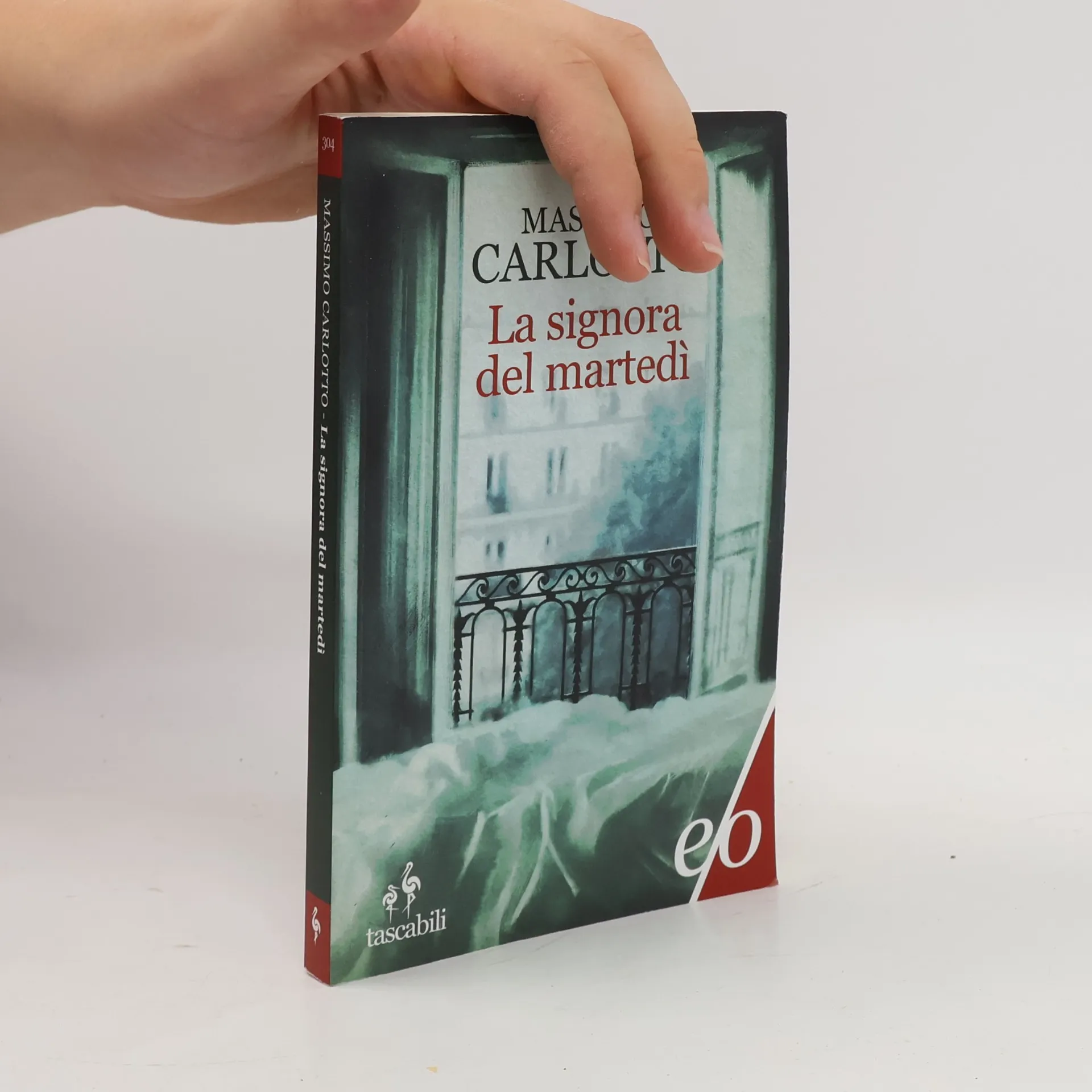
Bonamente Fanzago è un attore porno in disarmo. Tiene duro aspettando che ogni martedì una donna misteriosa paghi i suoi servizi da gigolò alla pensione Lisbona, un alberghetto da poco dove il proprietario, il signor Alfredo, vive la sua condizione di travestito nascondendosi da un ambiente ipocrita e perbenista. Quando un imprevisto darà il via a una girandola di effetti collaterali, per i tre diventerà questione di vita o di morte scavare dentro di sé e nel proprio passato per tirarsi fuori dai guai.
Rimini. Adelmo, un ladro stanco e sfortunato, nota una finestra aperta sulla facciata di una ricca palazzina. La tentazione è irresistibile e conduce l'uomo a trovarsi faccia a faccia con Lise, la stravagante padrona di casa, una croupier tedesca che si gode la pensione al mare. Nessuno dei due corrisponde al ruolo che dovrebbe ricoprire e tra violenza e comicità si sviluppa un rapporto strano, bizzarro ma allo stesso tempo complesso e intenso sul piano dei sentimenti. Sono infinitamente lontani, nulla li accomuna, eppure entrambi cercano il modo di essere compresi e amati dall'altro. Ma l'amore, anche se si regge su ineluttabili fragilità, può essere in grado di soddisfare desideri, salvare esistenze, rimettere a posto le cose. Carlotto ci regala un racconto-capolavoro di una potenza straordinaria, una riflessione sul senso che diamo alle nostre vite, sul peso del caso e della nemesi, sulla libertà di scelta delle nostre coscienze.
Ludovica Baroni era una commessa. Poi un matrimonio che sembra quello giusto e la sua vita cambia. Quanto e come non l’avrebbe mai immaginato. Da un giorno all’altro l’uomo che ha sposato, uno dei più importanti commercialisti di Lecco, sparisce. Né la polizia né lei stessa – che fra lo sconcerto generale se ne va in vacanza sulla riviera romagnola – paiono molto interessati a cercarlo. Strano, perché invece c’è chi è disposto a pagare un sacco di soldi pur di sapere che fine ha fatto, a ingaggiare una società che si occupa di sicurezza e a richiedere l’attenzione speciale di Gianantonio Farina, che nella ditta i soci chiamano il Grigio e i dipendenti il Dottore. Lui è il responsabile delle «indagini non autorizzate». Tipo questa, così riservata che in pochissimi ne conoscono la ragione. Farina fa spiare Ludovica, la fa pedinare, intercettare. Le assegna anche un nome in codice: Trudy. Tutto è sotto controllo. O forse no.
Massimo Carlotto torna a raccontarci il Nordest dei piccoli e grandi intrecci criminali attraverso la lente originale dell'ispettore Campagna, poliziotto ribelle, chiamato a sgominare una banda di trafficanti di cocaina e costretto ad agire sempre più da solo, se vuole salvare la propria carriera. Attraverso una serie di incontri e dialoghi in un caffè in riva al mare tra uno scrittore in crisi e una donna carica di mistero, Gianrico Carofiglio compone una storia tragica e avvincente di perdizione e riscatto, che ha in un amore «folle», segnato dalla droga, il suo punto di non ritorno. Tra narcos messicani, giovani geni della finanza laureati alla Bocconi ma al soldo della 'ndrangheta, nuovi ricchi e balordi di periferia, poliziotti di strada e finanzieri, Giancarlo De Cataldo ci svela, in questo racconto rocambolesco che ha la misura del romanzo breve, una Milano livida, strangolata da un'economia fondata sulla droga e sull'illegalità.
Ein fesselndes Buch über das Böse im Menschen
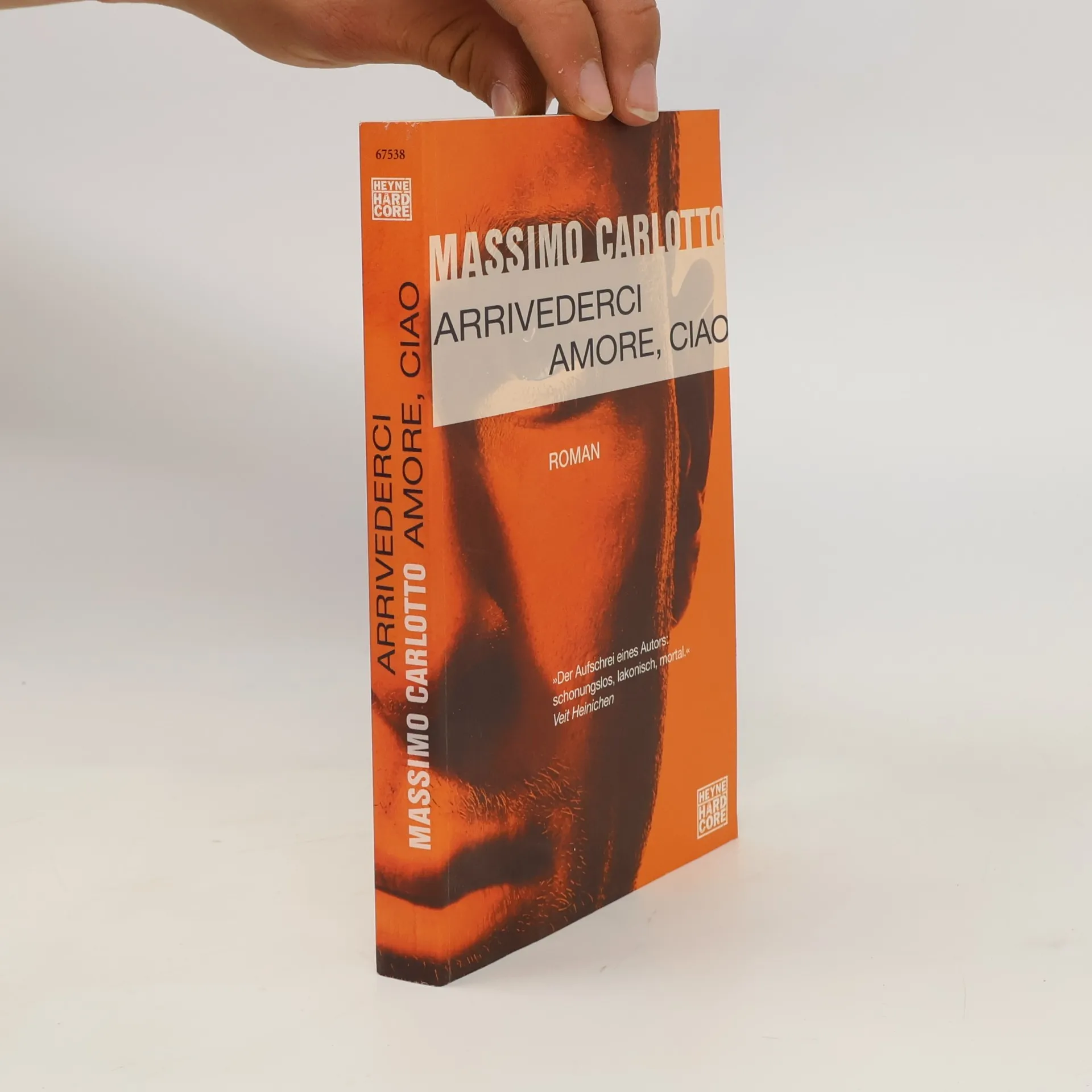
Ein einsamer junger Mann, der nichts zu verlieren hat. Wegen politischer Verbrechen viele Jahre abgetaucht, kehrt er in seine Heimat zurück und lässt sich auf einen folgenschweren Deal mit der korrupten Obrigkeit ein. Auf seinem Weg in eine bürgerliche Existenz hinterlässt er eine Spur des Todes. Mit eiskaltem Pathos und elektrisierender Lakonie erzählt, bietet Carlotto einen tiefen Einblick in die Abgründe einer dunklen Seele.
Bruno Manera e Federica Pesenti sembrano una coppia felice: lui, un ricco cinquantenne; lei, trentacinque anni, erede di una dinastia imprenditoriale nella provincia del Settentrione. Su insistenza di Federica, Bruno si trasferisce in paese, ma presto subisce gravi atti intimidatori. L'unico a offrirgli aiuto è Manlio Giavazzi, un vigilante con una vita difficile, convinto che certe questioni debbano essere risolte tra paesani. La situazione si complica quando eventi inaspettati rivelano un mondo marcio, dove l'amicizia è un legame criminale, l'amore una speculazione e il matrimonio un campo di battaglia. La solidarietà tra conterranei si trasforma in un patto d’omertà, e la famiglia diventa una connessione criminale. Massimo Carlotto smaschera personaggi intrisi di inganni e doppie vite, rivelando che il vero avversario è chi ci sta accanto e il nemico è chi ci ispira fiducia. Sotto il segno della fatalità, l'autore sovverte la logica del poliziesco, mostrando senza reticenze la ferocia inconfessabile della gente comune e lasciandoci di fronte all'enigma irrisolvibile di chi siamo realmente.
Il Turista è un serial killer unico, che non firma i suoi delitti né sfida i detective, poiché la cattura è l'ultima delle sue preoccupazioni. Maestro del camuffamento, non segue schemi fissi e non uccide mai nella stessa città o nazione, guadagnandosi il soprannome di Turista. Privo di empatia, rimorso o paura, esercita un controllo totale sulla sua psicopatia, diventando l'incubo delle forze di polizia europee. Tuttavia, anche il più astuto degli assassini può commettere un errore fatale. Questo accade a Venezia, un terreno di caccia perfetto, dove la cattura si trasforma in una trappola orchestrata da chi ha visto in lui un'opportunità mortale. Pietro Sambo, ex capo della Omicidi, ha commesso un solo errore, ma ha pagato un prezzo altissimo, vivendo ora ai margini con il cuore spezzato. Quando si presenta l'occasione di riconquistare onore e dignità, dovrà infrangere tutte le regole, rischiando ben più della sua reputazione. Massimo Carlotto, noto per spingere i confini dei generi, costruisce una narrazione che sfida ogni paradigma, offrendo un'esperienza adrenalinica senza certezze.
Questo romanzo di Massimo Carlotto - terzo della serie dell'Alligatore - racconta dall'interno le trasformazioni del panorama criminale del nostro paese, i mezzi e le strategie dei soggetti di questa battaglia sanguinosa che si svolge sotto i nostri occhi. Si parla della mafia del Brenta, della mafia russa, della nuova criminalità albanese, dell'uso spregiudicato dei criminali pentiti da parte della magistratura. L'Alligatore è entrato nel mondo degli investigatori e della giustizia dalla porta di servizio (la galera). Usa mezzi illegali, lavora assieme a un contrabbandiere piuttosto violento e a un reduce (però sempre in gamba) della controinformazione degli anni Settanta. Ma il suo obiettivo resta sempre alto: la giustizia.
Ein Noir der Spitzenklasse zeigt den schmalen Grat zwischen Verbrechen und Gesetz. Marco Buratti, der Alligator, und seine beiden Kumpane Max „das Gehirn“ und Rossini, genannt der alte Gauner, jagen ihren ewigen Todfeind Giorgio Pellegrini. Doch dieser kollaboriert längst mit der Polizei als V-Mann. Da ermorden Killer dessen Frau und dessen Geliebte. Die machthungrige Dottoressa Marino vom Innenministerium spinnt ein unentwirrbares Netz von Intrigen und nötigt das skurrile Trio zu verdeckten Ermittlungen in der Mordsache. Erst allmählich erkennen die drei die Falle, auf die sie zusteuern – und gehen aufs Ganze.
Un bel giorno i bisonti scompaiono senza lasciare tracce. Il piccolo Lepre Rossa, in sella al fedele pony, si mette alla ricerca della mandria e, scendendo a valle, raggiunge il mare. Qui incontra Tikki, un bambino di colore in fuga dalla schiavitù. Aiutati da corvi, cormorani e delfini, i due amici riusciranno infine a svelare il mistero... Età di da 7 anni.
Liberia, Westafrika. Kimmie Dou, Leutnant der UNO-Blauhelme, ist einem Fall auf der Spur: Es geht um internationalen Waffenhandel und illegalen Export von Diamanten. Im Hafen von Monrovia stossen sie auf ein verdächtiges Schiff aus Italien. Niemand hat mit der Fracht gerechnet, die sie im Schiffsbauch vorfinden … Piemont, Italien. Matteo ist autistisch, computerbegeistert und das bevorzugte Opfer seiner Mitschüler. Sie überzeugen ihn, ein Feld zu giessen, auf dem angeblich Computer wachsen sollen. Eine Lehrerin, die das Treiben der Mitschüler von Matteo beobachtet, stösst auf eine illegale Elektroschrottdeponie. Der Fall wird Hauptmann Einaudi von der Finanzpolizei anvertraut. Was haben westafrikanische Diamanten und Waffen mit illegaler Müllentsorgung in der italienischen Provinz zu tun? Giftig unterwegs ist eine Reise durch die Abgründe der Politik und der internationalen Kriminalität, ein leidenschaftlicher, bedrängender Enthüllungsroman.